Dingboche to Island peak climbing -


Dingboche to Island Peak climbing
Dingboche to Island Peak, climbing through the Senec Imja Valley to Chhukung (4,730 m). The trek continues from Dingboche to hike Chhukung Ri (5,50 m) for acclimatization and to enjoy panoramic views of Ama Dablam, Lhotse, Everest, Makalu, and Island Peak and surrounding glaciers. From Chhukung Ri, we descend back to Chhukung Village for the night stop.
Island Peak climbing from Dingboche | Following day, continue to Island Peak Base Camp (4,970 m), where your climbing guide will provide final training and equipment checks. An early morning summit push teaks you to the top of Island Peak (6,189 m) on of the busiest trekking peaks in Nepal. From the top of Island Peak, enjoy beautiful Mountain views before descending safely back down to Base Camp. This itineraray provides excellent acclimatization and increases the chances of a successful ascent from Dingboche to the Island Peak climbing adventure trip to Nepal.
Day 01: Today, meet with the climbing guide at Dingboche & he will do a detailed briefing on Chhukung Ri and Island Peak.
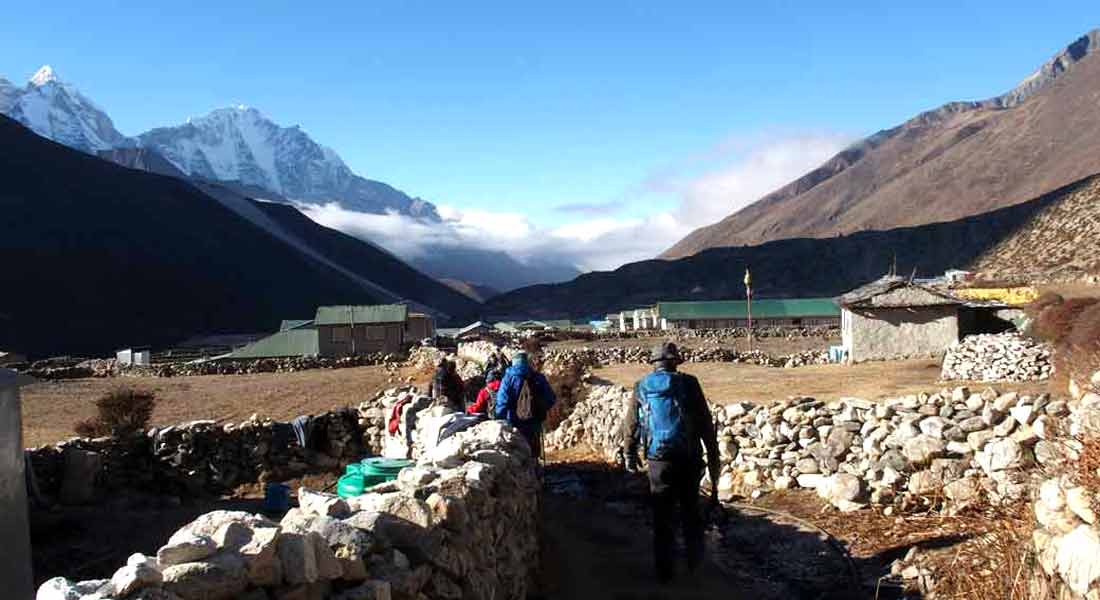
The climbing guide meets you at Dingboche, and the guide will brief you about the upcoming ascent of Imja Tse Island Peak. The Sherpa climbing Guide will explain the Peak climbing route, the summit schedule, and safety procedures. Weather conditions and how to properly use climbing equipment, such as crampons, harnesses, helmets, ascenders, and ice axes. The Climbing guide will check all personal gear and discuss any concerns regarding the mountain climb.
Overnight: Dingboche (4,410m)
Island Peak package cost including: Breakfast, Dinner
Accomodaition: Tea House Lodge at Dingboche.
Day 02: Island Peak climbing from Dingboche is a key acclimatization, Chhukung Ri, before going to Island Peak Base Camp.
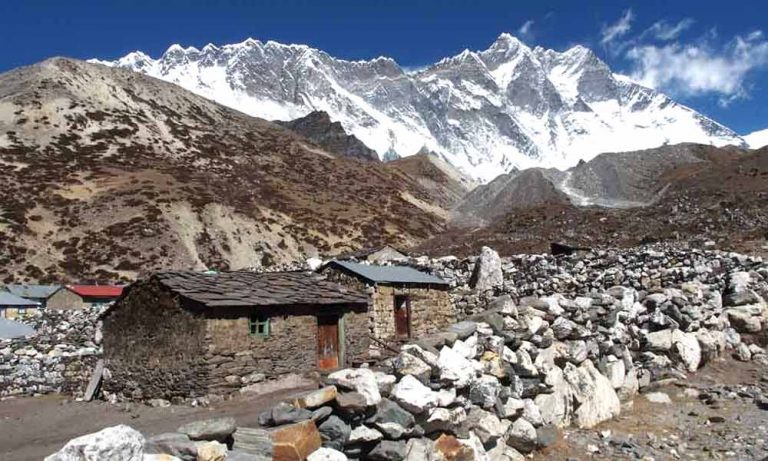
Dingboche to Island Peak climbing | acclimatization hike to Chhukung Ri (5,550), then, after photographs, back to Chhukung village. Trek continuing from Dingboche to the challenging ascent of Chhukung Ri, one of the finest viewpoints in the Khumbu region.The steep and rocky trail rewards climbers with beautiful panoramic views of Mount Everest, Makalu, Ama Dablam, Baruntse, Island Peak, and the vast glaciers of the upper Imja Valley. Chhukung Ri is widely used as an acclimatization hike for climbers preparing for Island Peak Climbing, a high-altitude expedition.
Dingboche to Island Peak climbing | After Chhukung Ri, we descend carefully back to Chhukung village. The remainder of the day is free for rest and recovery, allowing your body to adjust to the higher altitude. Overnight at the teahouse in Chhukung, preparing for the next stage of your adventure trip to Island Peak.
Walking Duraition: (6-7 hours.
Acclimatization: (5,550 m) Chhukung Ri.
Overnight: Chhukung (4,730m),
Island Peak climbing price including: Breakfast, Lunch, and Dinner with a Climbing Guide.
Accomodaition: Tea House Lodge at Chhukung.
Permits include: Island Peak climbing permits from Nepal Mountaineering Assocaition (NMA)
Day 03: Chhukung to Island Peak Base Camp.
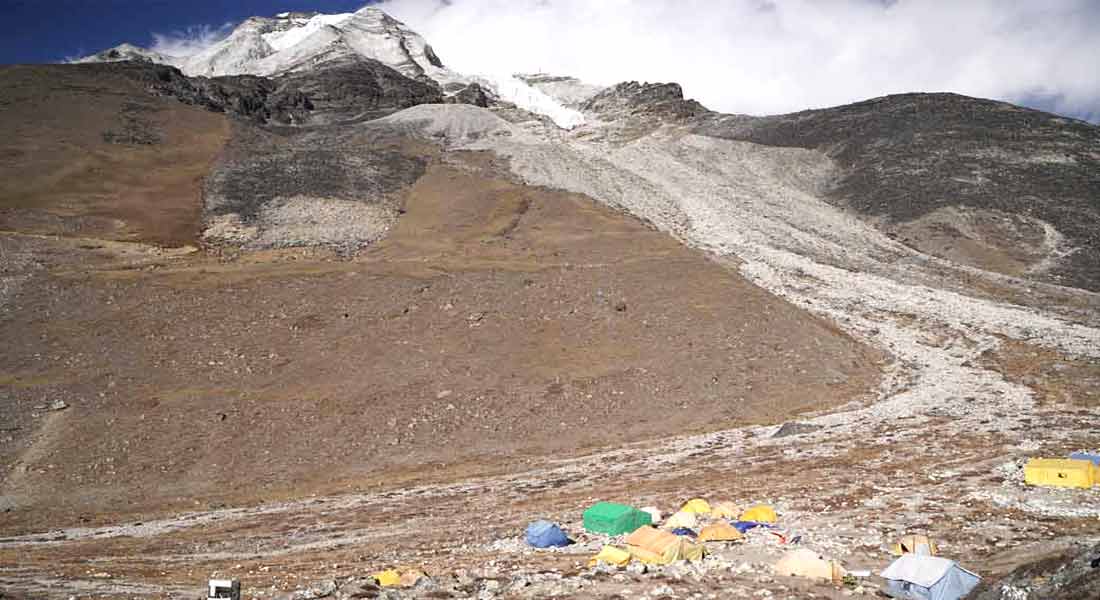
Dingboche to Island Peak climbing | From the Chhukung trail, a gradual climb toward Island Peak Base Camp. The trail follows the rocky hillside along the Imja Valley with spectacular views of the High Himalayan Peaks, glaciers, and rugged landscapes.
During the trek, you can enjoy amazing mountain scenery, including Lhotse and Ama Dablam, Chu Phulu, and Island Peak. The route becomes steeper as we approach the base camp area.
Island Peak climbing from Dingboche | Now you have arrived at Island Peak Base Camp. Our climbing staff has already set up the tents and is preparing for the summit. Having you for lunch, your climbing guide will provide the final training and practice on using the climbing equipment, such as fixed ropes, harnesses, crampons, ascenders, and ice axes
At Base Camp, you will have time to rest, organize your climbing gear, and prepare mentally and physically for the early morning summit attempt.
Accommodation: Tents at Island Peak Base Camp
Altitude: (4,970 m) at Island Peak Base Camp
Trek Duration: 5-6 hours from Chhukung to Base Camp.
Island Peak climbing from Chhukung and Dingboche includes: Lunch and Dinner with coffee and Tea.
In-package cost: Includes a mountain climbing guide.
Permits include: Island Peak climbing permits from Nepal Mountaineering Assocaition (NMA)
Day 04: From Base to Island Peak summit and return to Base Camp
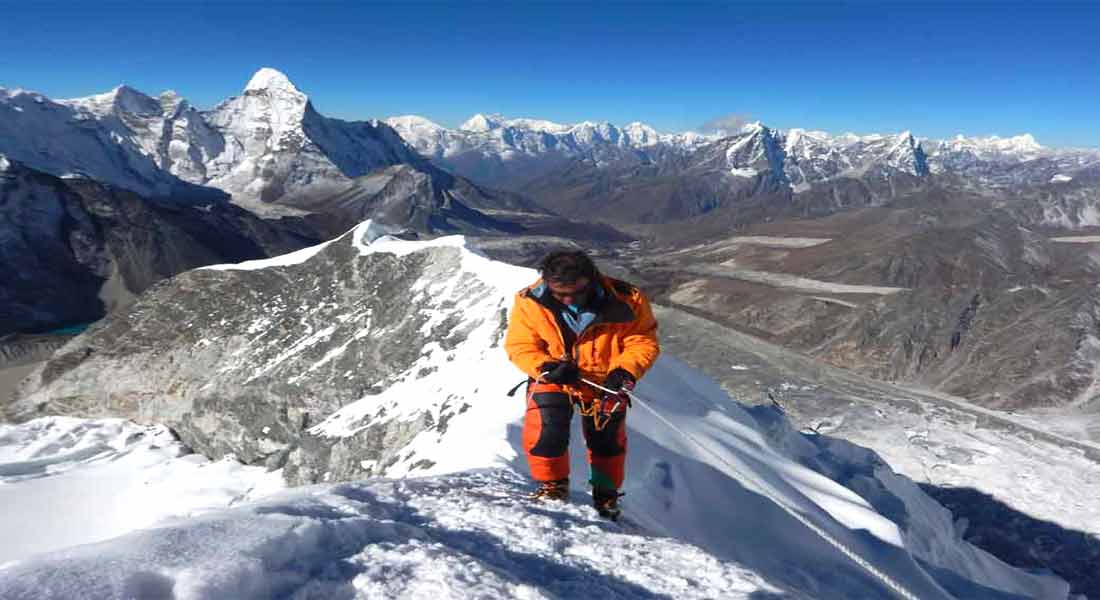
From Base Camp early in the morning, we begin the exciting ascent of Island Peak under the guidance of our experienced climbing team.
Dingboche to Island Peak climbing | Following the rocky trail glacier route, we slowly make our way higher with the help of headlamps and fixed ropes.
As the climb continues, the route becomes more technical with snow slopes, icy sections, and glacier crossings. Our guide will assist you in using crampons, harnesses, ascenders, and fixed ropes safely during the ascent.
Island Peak climbing from Dingboche | After a challenging climb, you reach the top of Island Peak (6189m), where you can enjoy panoramic views of Mount Everest, Lhotse, Makalu, Ama Dablam, and many other snow-covered Himalayan Peaks.
You spend some memorable time at the top, taking photographs, and we carefully descend back to Island Peak Base Camp
From the Island Peak top, the return requires caution and patience on the steep icy section. After the Peak summit, you arrive at base camp. You can relax and celebrate the successful summit with the guide while enjoying the incredible mountain atmosphere
Accommodation: At Island Peak Base Camp. Tent Camping.
Difficulty: Very long walk, Steep, and strong High Altitude.
Includes: Packed lunch and dinner with coffee and tea.
Dingboche to Island Peak climbing package cost: Includes a mountain climbing guide.
Dingboche to Island Peak Permits include: Island Peak climbing permits from Nepal Mountaineering Assocaition (NMA)
Day 05: From Island Peak base camp to return to Dingboche
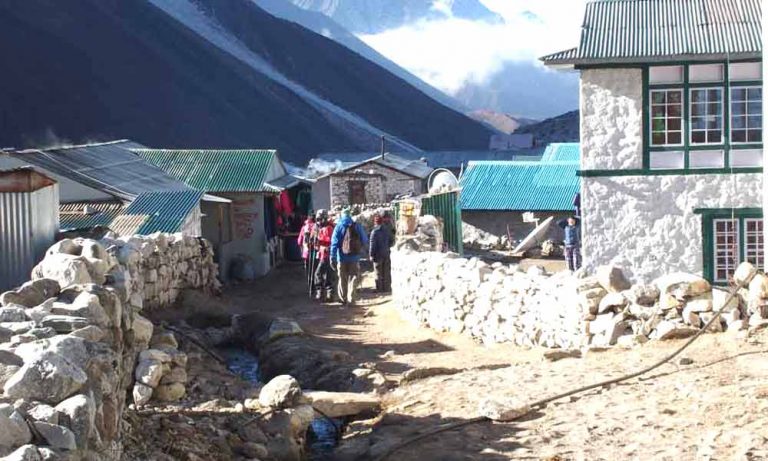
Your breakfast at Island Peak Base Camp, the trek begins to descend back through the beautiful Imja Valley and toward Chhukung. Leaving the alpine camp behind, the trail gradually descends with impressive views of glaciers, rocky landscapes, and surrounding Mountains Peaks.
Island Peak Climbing for Dingboche | Now you are passing through Chhukung for one continuous descent to Dingboche. Along the way, you can enjoy beautiful mountain views, Such as Ama Dablam, Lhotse, and the towering Himalayan range of the Khumbu region.
You arrive at Dingboche, and you can rest at the lodge in Dingboche, enjoy a warm meal, and experience your successful Island Peak climbing experience with our Local Sherpa Climbing Guide.
Accommodation: Lodge at Dingboche.
Duration: 7-8 hours from Base Camp to Dingboche.
Altitude: (4,410 m) Dingboche.
Island Peak climbing cost includes: Lunch and dinner with coffee or tea.
Dingboche to Island Peak Climbing Cost
The cost for Dingboche to Island Peak Climbing is: 1135 USD per person from March to May.
From September to November, 1270 USD per person,
For Single Climber Cost | 1385 USD,
Costs include:
Permit for climbing Island Peak: from the Nepal Mountaineering Association (NMA)
It is necessary to deposit 500 USD as a garbage deposit.
English-speaking climbing guides who are professional, experienced, and equipped with all the necessary equipment.
Insurance for climbing guides 15,0000. NRP.
Equipment and clothing needed for the climbing Guide are included in our price
A cook is required for High Camp. North Face Tent.
Dining and Kitchen tent.
Hot Drinking water, tea, and coffee.
All group equipment includes Fix rope, Main rope, snow bar, Ice Crew, Rock piton, etc.
Meals and Accommodations from Dingboche to Dingboche.
Climbing boots, Crampons, Ice Axe, Harness, Carabiners, Ascender, Device, Jummer, Belay Device, Figure Eight, and safety rope.
Best time to | Island Peak climbing from Dingboche
The best time to go to Chhukung Ri and Island Peak climbing is from September to November and late March to early May & Atumn Month October-November is widely regarded as the best month, offering stable weather, the clearest views, and comfortable trekking conditions. Similarly, April is excellent, especially for those who prefer slightly warmer conditions.
| Day | Destination | Altitude | Walking Hour | Accommodation |
|---|---|---|---|---|
| 1 | Our Guide Will Meet in Dingboche To Discuss Your Climbing Tour. | 4410 | Arrival at Dingboche | Lodge |
| 2 | As Soon As We Have Finished Breakfast, We Will Climb to Chhukung Ri (5550 | 4730 | 6-7-hours | Lodge with BLD Service |
| 3 | Chhukung to Island peak Base camp | 4970 | 5-6-hours | Tent Camping BLD Service |
| 4 | Summit to Island peak and Back to Base Camp | 6189 | 9-10-hours | Tent camping with BLD Service |
| 5 | Walk to Dingboche | 4410 | 6-7 hours | Lodge with BLD Service |
Dingboche to Island peak climbing package cost $ 1260 each person
cost includes
- Kitchen Equipment: Trekking tents, Dining tents, Kitchen Tents, Toilet Tents, tents, and Mattresses during the trekking & Peak climbing period.
- Climbing Rope, Ice screws, Snow anchor.
- Staff: 1 Cook, 1 Kitchen, one climbing guide and helper Base Camp Base
- Insurance for Nepalese teams.
- Our service charge.
- Equipment Fees for the climbing guide.
- One Guide Dingboche Chhukung Ri Island peak to Dingboche.
- Island peak climbing permit plus USD 500 Garbage deposit fees.
- Meals and Accommodations from Dingboche to Base Camp to Dingboche.
- Climbing Boot, Sleeping bag Ice ax, Crampons' Ascender, and Descender
Dingboche to Island peak cost excludes
- Katmandu to before Dingboche to Kathmandu activities
- Personal equipment
- Personal expenses
- Tipping (Tips) for staff
You will meet our Guide in Dingboche
Of course, you can hire your climbing equipment at Dingboche
Yes, It is a Technical peak, but there is our experienced Sherpa guide, So, he will take you summit without any problem.
Passport photocopy (should be very clear with color scan) and validity minimum 6 months. 2 passport size photos. Occupation. Home details address. Insurance copy
15 September to 10 December and 18 March to May. Before 15 September too much rain and after 10 December to 17 March too much snow also not sour to reach the summit peak
Feels like hangover & Feeling not good/ Headache/ Shortness of Breath/ Loss of appetite/ Sleep not good/ vomiting/ fevers etc.
Best acclimatization location, Dingboche is (4,410m), and Chhukung is (4,730m), which are perfect places for acclimatization before going Peak climbing, especially better for spending 2 nights here, good for short hikes to Nagarjun Hill or high up to Chhukung Ri. There is less risk of altitude sickness before summiting Island Peak (6189m).
These areas have good teahouses and the best climbing gear shops, including training practice sport (Ice and rock practice near the Chhukung with experienced Sherpa Guides, Dinboche, and Chhukung is especially known as a Climbing training hub.
Altitude Chart