Jiri to Mera Peak Climbing - 22 Nights 23 Days

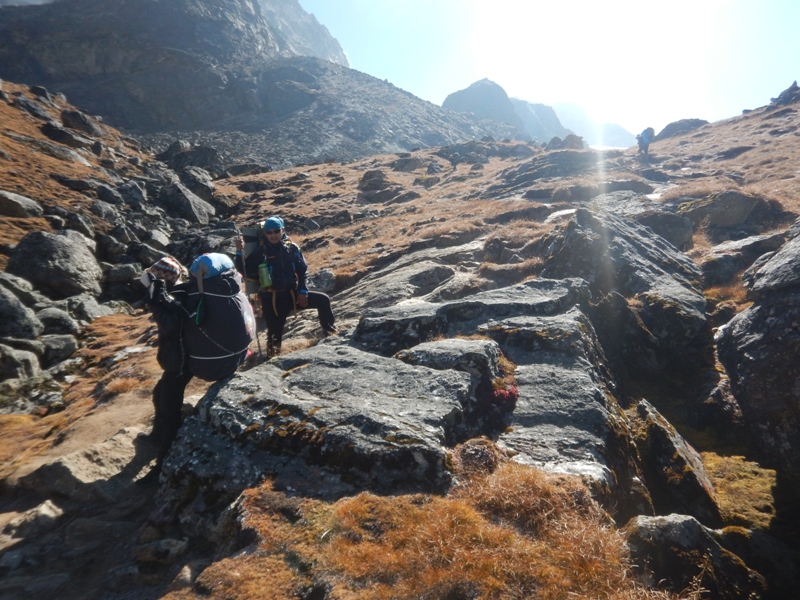


Jiri to Mera Peak Climbing is an exciting combination of a classic Himalayan trekking route and a high-altitude peak-climbing adventure in Nepal. The journey begins from Jiri, a historic hill town in the Dolakha region, and follows the traditional approach toward the Everest and Makalu regions before reaching the remote Hinku Valley and Mera Peak.
Before the Lukla airstrip became the main gateway to the Everest region, trekkers and mountaineers commonly traveled overland from Kathmandu through Jiri. Today, the Jiri route offers a longer and more gradual approach to Mera Peak, allowing trekkers to experience traditional villages, forests, high mountain passes, Buddhist culture, and changing Himalayan landscapes.
Mera Peak stands at approximately 6,476 meters (21,246 feet) above sea level and is one of Nepal’s most popular trekking peaks. The climb involves glacier travel, snow and ice conditions, and the use of mountaineering equipment. Although Mera Peak is often described as a trekking peak, its high altitude makes proper acclimatization, preparation, and experienced support essential.
The Jiri to Mera Peak itinerary is particularly suitable for adventurers who want to spend more time trekking through rural Nepal before attempting a Himalayan summit.
Why Choose Jiri to Mera Peak Climbing
Starting from Jiri makes the expedition considerably longer than flying directly to Lukla, but it provides a unique trekking experience. The gradual ascent gives trekkers more time to adapt to increasing altitude while exploring villages that are less visited than the main Everest trekking trail.
The route passes through traditional settlements, lush forests, terraced farmland, river valleys, and high mountain landscapes. As the trail climbs higher, the environment gradually changes from green hills and forests to alpine terrain and glacial landscapes.
Jiri to Mera Peak is also an excellent option for travelers interested in the historical trekking routes of the Everest region. The journey combines cultural exploration with a genuine Himalayan climbing experience.
Jiri: Trek Starting Point
Jiri is located in the Dolakha District of eastern Nepal and is often called the gateway to the traditional Everest trekking route. The drive from Kathmandu to Jiri passes through scenic countryside, rivers, hills, terraced fields, and small settlements.
After arriving in Jiri, the trekking journey begins through the beautiful middle-hill landscape. The first part of the trek generally involves walking through forests and traditional villages before gradually reaching higher elevations.
The lower section of the route provides an opportunity to observe rural Nepalese lifestyles, farming practices, local traditions, and hospitality.
Trekking Through the Lower Solu Region
From Jiri, the trail continues through the Solu region. This part of the journey is characterized by forested hills, suspension bridges, cultivated terraces, and traditional villages.
The route generally passes through settlements such as Bhandar, Sete, Junbesi, Nunthala, and other villages depending on the selected itinerary.
One of the cultural highlights is Junbesi, an important Sherpa settlement surrounded by impressive mountain scenery. The village has a strong Buddhist cultural heritage, and trekkers can visit monasteries and observe traditional Sherpa architecture.
The lower Solu region is considerably greener than the high-altitude section. Rhododendron, pine, fir, and other Himalayan vegetation can be seen along the trail.
Junbesi Village Sherpa Culture
Junbesi is one of the most attractive villages on the traditional Jiri route. The village is surrounded by forested hills and mountain views and provides an excellent opportunity to experience Sherpa culture.
Buddhist prayer flags, mani walls, chortens, monasteries, and traditional houses are common features along the route.
Trekkers should take time to interact respectfully with local people and learn about the cultural traditions of the region. The journey is not only about reaching the summit; the communities and landscapes encountered along the way are an important part of the experience.
Crossing the High Passes
As the trek continues toward the Khumbu and Hinku Valley, the route becomes more demanding. Depending on the itinerary, trekkers cross several mountain passes and high ridges.
One important section is the Lamjura La Pass, which rises to approximately 3,530 meters. The crossing provides spectacular views and marks a significant transition from the lower Solu landscape toward the higher Himalayan environment.
The trail then continues through settlements and mountain valleys toward the Mera Peak region.
Crossing these passes requires steady pacing because the altitude begins to have a noticeable effect. Proper acclimatization and hydration are important.
Entering the Hinku Valley
After the lower Solu section, the journey gradually enters the remote Hinku Valley. The landscape becomes increasingly alpine, with rugged mountains, glacial rivers, cliffs, and fewer permanent settlements.
The Hinku Valley is famous for its wilderness character and is an important approach area for Mera Peak.
Settlements such as Pangom, Ningsow, Chhatre Khola, Kothe, and Thaknak can be included depending on the chosen route.
The trail from the lower valleys toward Hinku provides a dramatic change in scenery. Forests gradually become thinner, while rocky slopes and snow-covered peaks dominate the horizon.
Kothe to Thaknak
Kothe is an important stopping point on the Mera Peak approach. From Kothe, the trail follows the Hinku Valley toward Thaknak.
This section is surrounded by impressive mountain scenery. The trail passes through alpine forests and follows the Hinku River.
Thaknak is situated at a relatively high altitude and is commonly used as an acclimatization and rest point. A slower pace is recommended in this section because altitude becomes a major factor.
Thaknak to Khare
From Thaknak, the trail continues toward Khare. The scenery becomes increasingly dramatic as the trail moves above the tree line.
The route passes through areas such as Dig Glacier and Dig Kharka before reaching Khare, the main preparation point for the Mera Peak climb.
Khare is located at approximately 5,045 meters and offers impressive views toward the Mera massif.
A rest and acclimatization day at Khare is highly recommended. Climbers can use this time to review equipment, practice basic mountaineering skills, and prepare mentally and physically for the summit attempt.
Acclimatization and Climbing Preparation
Acclimatization is one of the most important parts of the Jiri to Mera Peak expedition.
At Khare, the climbing team can conduct training covering the use of crampons, climbing harnesses, ropes, ice axe techniques, ascending and descending fixed ropes, and movement on snow and ice.
Even climbers with previous experience should review their equipment and climbing procedures with the guide because conditions can vary considerably between seasons.
The acclimatization schedule should be flexible. Weather, snow conditions, individual fitness, and altitude response can all influence the climbing plan.
Khare to Mera High Camp
After preparation at Khare, the climbing section begins. The route ascends toward Mera Base Camp and then toward the higher camps depending on the chosen climbing strategy and current mountain conditions.
The terrain becomes more technical compared with the trekking approach. Climbers may encounter snow, ice, glaciers, and steep sections.
The final approach to high camp requires careful movement and good pacing. Climbers should carry only essential equipment while porters or support staff carry appropriate loads where the route and regulations allow.
Mera High Camp provides a spectacular Himalayan setting, with wide views of surrounding peaks.
Mera Peak Summit Day
Summit day usually begins very early, often during the night, so that the climbing team can take advantage of colder and more stable conditions.
From high camp, climbers ascend gradually across snow and glacier terrain. The exact route and technical requirements depend on current conditions.
As the altitude increases, the air becomes thinner, and every movement requires more effort. Climbers should maintain a slow, controlled pace and communicate regularly with their guide.
The summit of Mera Peak provides magnificent views of some of the highest mountains in the world. On a clear day, climbers can see peaks including Everest, Lhotse, Makalu, Baruntse, and Chamlang, among others.
Reaching the summit is a major achievement and provides a memorable conclusion to the long journey from Jiri.
After spending appropriate time at the summit, the team descends carefully. The descent is normally back toward a lower camp and eventually to Khare or another suitable location depending on the itinerary and weather.
Mera Peak Climbing Difficulty
Jiri to Mera Peak is a challenging adventure because it combines a long-distance trek with a high-altitude summit climb.
The trekking section is physically demanding because of repeated ascents and descents. The climbing section requires additional skills and equipment.
- •Long trekking duration
- •High altitude
- •Cold temperatures
- •Glacier and snow conditions
- •Steep ascents
- •Early summit starts
- •Variable mountain weather
- •Physical and mental endurance
Previous trekking experience is highly recommended. Regular cardiovascular training, strength training, hiking practice, and preparation for long walking days can be helpful.
Best Time for Jiri to Mera Peak Climbing
Spring, particularly March to May, offers favorable conditions for many Himalayan climbing and trekking activities. The lower valleys can be colorful with blooming rhododendrons, while higher elevations provide spectacular mountain scenery.
Autumn, particularly September to November, is another popular period. After the monsoon season, the atmosphere is often clearer, and mountain views can be excellent.
Winter brings colder temperatures and potentially difficult snow conditions at higher elevations. The monsoon season can bring rain, clouds, muddy trails, and reduced visibility in the lower sections.
Mountain conditions can change rapidly, so the final climbing schedule should always remain flexible.
Accommodation during the trekking & Climbing
During the lower trekking sections, accommodation is generally available in local teahouses and lodges.
Rooms are usually simple and may include twin beds with blankets. Facilities become more basic as the trail reaches higher elevations.
At higher elevations near Mera Peak, camping may be required depending on the route, season, and expedition arrangement.
Climbers should be prepared for basic facilities and should not expect the same level of comfort available in Kathmandu or major trekking centers.
Food and Drinking Water
Teahouses along the trekking route generally provide meals such as dal bhat, noodles, rice, pasta, potatoes, soups, Tibetan-style bread, eggs, vegetables, and other local and simple international dishes.
Dal bhat is particularly popular among trekkers because it provides carbohydrates, protein, and energy for long walking days.
At higher elevations, food choices can be more limited. The climbing team should carry suitable energy snacks, chocolate, dried fruits, energy bars, and other lightweight foods.
Safe drinking water is important throughout the journey. Trekkers should use treated, filtered, or otherwise appropriately purified water according to local conditions and their expedition plan.
Guide and Porter Support
A professional climbing guide is an important part of a Mera Peak expedition. The guide helps with route navigation, acclimatization planning, climbing techniques, equipment checks, weather decisions, and communication within the team.
Porters can assist with carrying trekking and expedition equipment, reducing the load carried by climbers.
For a long route such as Jiri to Mera Peak, experienced local guides and porters can also provide valuable knowledge of the villages, trails, weather, accommodation, and local culture.
Permits for Trekking & Climbing
Mera Peak climbing requires the appropriate Nepal government climbing and trekking permissions. The exact permit requirements and fees can change, so they should be confirmed for the current climbing season.
Depending on the route, additional conservation-area or national-park entry permits and local-area permits may also be required.
A trekking or climbing agency can normally arrange the required documentation before departure.
Mera Peak Climbing Equipment
Trekking Equipment
- •Trekking boots
- •Backpack
- •Duffel bag
- •Trekking poles
- •Sleeping bag
- •Headlamp
- •Sunglasses
- •Sun hat
- •Warm gloves
- •Fleece and down jacket
- •Waterproof jacket and trousers
- •Thermal base layers
- •Water bottles
- •Personal first-aid supplies
- •Sunscreen and lip balm
Mera Peak Climbing Equipment
- •Mountaineering boots suitable for the conditions
- •Crampons
- •Mountaineering harness
- •Ice axe
- •Climbing helmet
- •Ascender
- •Descender
- •Carabiners
- •Prusik cord
- •Climbing gloves
- •Goggles
- •Warm down clothing
- •Technical climbing layers
- •Headlamp with spare batteries
The exact equipment required should be confirmed with the climbing guide before departure because equipment needs can vary with season and route conditions.
Safety and Altitude Awareness
Altitude is one of the most important considerations on the Jiri to Mera Peak route. The journey begins at a relatively low elevation but eventually reaches more than 6,000 meters.
The gradual Jiri approach provides useful acclimatization opportunities, but it does not eliminate altitude-related risks.
Trekkers should communicate symptoms such as persistent headache, unusual weakness, dizziness, nausea, difficulty sleeping, or breathing problems to their guide immediately.
The safest response to serious altitude symptoms may be descent. Summit success should never take priority over personal safety.
What Makes This Journey Special
Jiri to Mera Peak trek is more than a peak-climbing expedition. It is a complete Himalayan journey that connects Nepal’s middle hills with one of its high-altitude climbing regions.
- •Traditional villages
- •Sherpa culture
- •Buddhist monasteries
- •Rhododendron and alpine forests
- •High mountain passes
- •Remote valleys
- •Glacial landscapes
- •Mera Peak climbing
- •Panoramic Himalayan views
- •A gradual approach from Jiri
For travelers who have enough time and want to experience a less direct approach to Mera Peak, the Jiri route offers a rewarding combination of cultural trekking and mountaineering.
Conclusion of Trekking & Climbing
Jiri to Mera Peak Climbing is a demanding but rewarding Himalayan adventure. Beginning in the historic trekking town of Jiri, the journey passes through beautiful rural landscapes, traditional Sherpa villages, high mountain passes, and the remote Hinku Valley before reaching the Mera Peak climbing area.
| Day | Destination | Altitude | Walking Hour | Accommodation |
|---|---|---|---|---|
| 1 | Arrival Kathmandu and transfer to hotel | 1300 | One hour drive from airport to hotel | Hotel in Kathmandu |
| 2 | Day Free in Kathmandu | 1300 | Free walking | Hotel in Kathmandu with B&B Service |
| 3 | Kathmandu to Jiri | 1955 | 7-8-hours bus | Lodge |
| 4 | Jiri to Bhandar Deurali | 2110 | 7-8-hours | Lodge |
| 5 | Deurali to Sethe | 2200 | 5-6-hours | Lodge |
| 6 | Sethe to Junebesi | 2630 | 6-hurs | Lodge |
| 7 | Junebesi to Nunthala | 2440 | 5-6-hours | Lodge |
| 8 | Nunthala to Khari Khola | 2020 | 5-6-hours | Lodge |
| 9 | Khari Khola to Tham Danda | 2800 | 5-6-hours | Lodge |
| 10 | Tham danda to Kurke | 3800 | 5-6-hours | Lodge |
| 11 | Kurke to Thuli Kharka | 2800 | 5-6-hours | Lodge |
| 12 | Thuli Kharka to Kothe | 3691 | 5-6-hours | Lodge |
| 13 | Kothe to Thaknag | 4360 | 5-hours | Lodge |
| 14 | Thaknag to Khare | 5045 | 4-hours | Lodge |
| 15 | Rest at Khare | 5045 | Free walking | Lodge |
| 16 | Khare to high camp | 5780 | 4-5-hours | Tent Camping |
| 17 | Summit to Mera Peak (6,470m) and back to Khare | 5045 | 10-11-hours | Lodge |
| 18 | Khare to Kothe | 3691 | 6-7-hours | Lodge |
| 19 | Kothe to Thuli Kharka | 2800 | 6-7-hours | Lodge |
| 20 | Thuli Kharka to Lukla via Zatra pass 4943 | 2800 | 6-7-hours | Lodge |
| 21 | Flight to Kathmandu | 1300 | 35-Minuts Flight from Lukla | Hotel in Kathmandu |
| 22 | Day Free in Kathmandu | 1300 | Free walking | Hotel in Kathmandu with B&B Service |
| 23 | Departure day | Flight out from Kathmandu | After breakfast drive to the international airpor | At the your home |
Jiri Mera Peak Climbing cost 2,900$ Per person
Cost Includes
- Arrival and departure by car, van, or Hiace.
- 4 nights' bed and breakfast in Kathmandu hotel according to the itinerary.
- Breakfast, Lunch, and Dinner, including Italian, Chinese, Nepali, Indian, and other European (food) items, along with coffee or tea.
- Trekking accommodations include lodges and tented camps.
- One professionally trained, helpful and friendly English-speaking guide (1 porter for 2 people) and their food, lodging, and salary.
- Permit fees for Everest National Park, Gauri Shankar National Park, and Barun National Park.
- The Mera Peak Climbing Permit fee and the TIMS card.
- Fees associated with garbage deposits.
- Climbing equipment such as rope, ice screw, snow bar, etc.
- Plane ticket from Lukla to Kathmandu.
- Local bus services between Kathmandu and Jiri are included.
Jiri Mera Peak Climbing Cost Excludes
- Dinner and lunch in Kathmandu.
- The Rescue operation is covered by the Travel Insurance policy for the accident and high altitude sickness.
- Nepal entry visa fee is 25 US$ for 15 days and 40 US$ for 30 days. However, you can get your visa at Kathmandu airport if you haven't already taken it from your country.
- Trekking and climbing equipment for personal use.
- Tips for Trekking and Expedition staff
- Don't forget to bring two passport-sized pictures with you.
- A down jacket and sleeping bag are available for rent.
- On the trek, all meals are included, but in Kathmandu only breakfast is included.
6.461-meters trekking peak on Everest’s north side
From September to November and from March to May
Normal daytime temperature and 5-11 degrees at night at high camp
Each person costs $ 2870 to climb Jiri to Mera
Normally, you need to bring with you flowing equipment. >> Alpine boot your good size. >> Ice ax, Harness, Karabiner Lock & Unlock >> Fix rope, Jammer, Ice hammer, Snow bag >> Helmet and others which are not mansions here.
No, it is possible to rent climbing equipment at Khare, but it is best to take your own Alpine boots from Kathmandu with you.
Our trek involved walking for between five and ten hours per day
Passport photocopy (should be very clear with color scan) and validity minimum 6 months. 2 passport size photo. Occupation. Home details address. Insurance copy
Feeling like you have a hangover & feeling unwell / Headache/ Shortness of Breath/ Loss of appetite/ Poor sleep/ Vomiting/ Fever etc.
It is true that peak climbing is not easy, but it depends on the trekking peaks that are less technical. The same peak is very steep, and much technical climbing plus you will need good mountaineering equipment. Before climbing the mountain, we recommend doing a minimum 5,000-meter trekking pass
Yes, a woman is allowed to travel alone to Nepal, but she must hire a guide or porter from a trekking agency, as the company is responsible for all trekking and climbing activities.
First of all, on your arrival in Kathmandu, you will meet with us and you will be instructed on how to climb the mountains of Nepal. Our company provides qualified experienced high-altitude trekking and climbing guides if you travel with us.
Altitude Chart