Phaplu to Everest base camp trek -
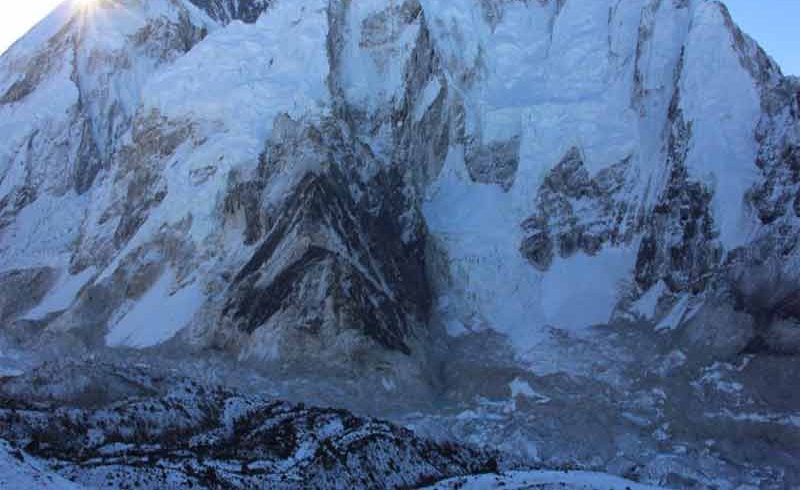
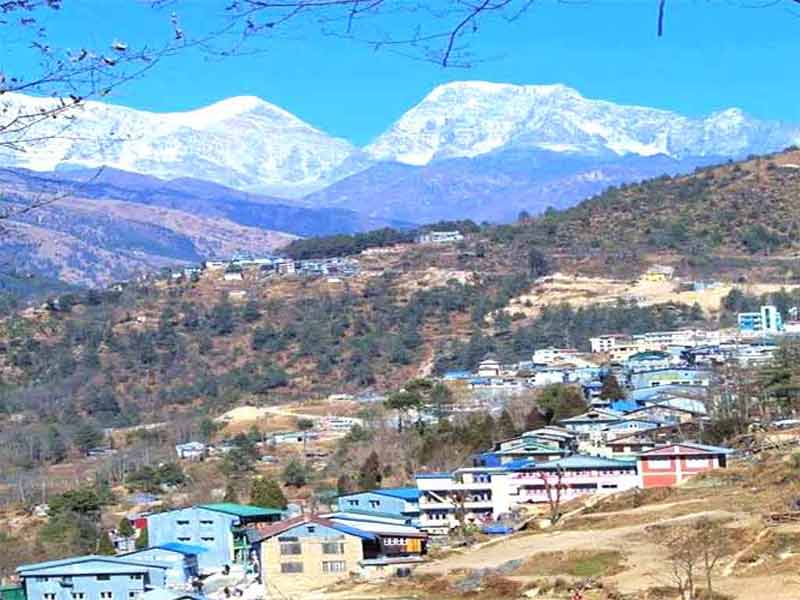
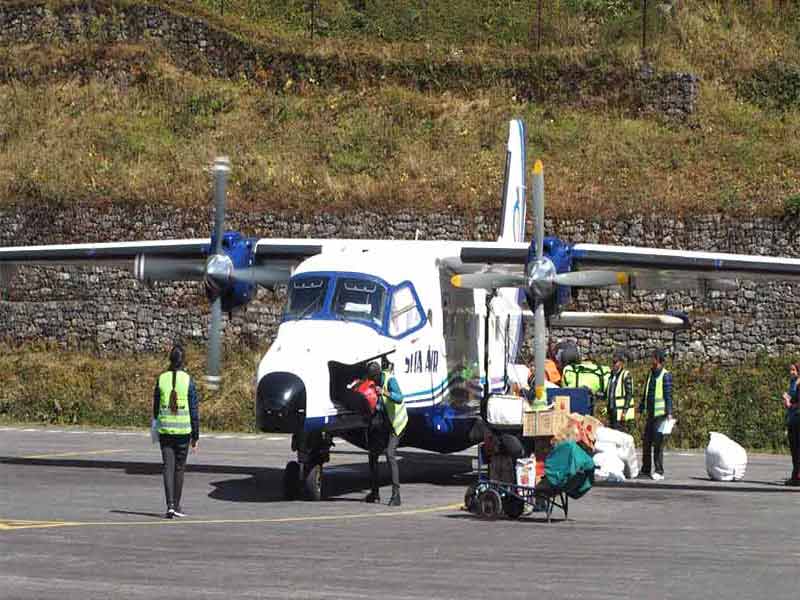
Phaplu to Everest Base Camp Trek is an exciting and scenic alternative to the classic Lukla-to-Everest Base Camp route. Starting from the lower Solukhumbu region, this trek combines peaceful lower-altitude trails, traditional Sherpa villages, beautiful Himalayan landscapes, and the iconic Everest Base Camp experience. It is ideal for trekkers who want to spend more time walking through the Solukhumbu countryside while gradually gaining altitude before entering the high Everest region.
The journey begins at Phaplu, a small town in the Solukhumbu district. From Phaplu, the trail passes through beautiful villages, forests, rivers, suspension bridges, and Buddhist cultural settlements before reaching the famous trekking hub of Namche Bazaar. From Namche, the route continues toward Tengboche, Dingboche, Lobuche, Everest Base Camp, and Kala Patthar.
One major advantage of the Phaplu route is its gradual approach to the Everest region. Instead of flying straight to Lukla at a high elevation, trekkers start at a lower altitude and have more opportunities to acclimatize naturally. The route also provides a wonderful opportunity to experience the lifestyle, culture, and landscapes of the Solukhumbu region away from the busier sections of the Everest trail.
Phaplu to Everest Base Camp Trek Highlights
- Scenic drive or flight to Phaplu
- Trek through the beautiful Solukhumbu countryside
- Traditional Sherpa villages and Buddhist culture
- Namche Bazaar, the gateway to Everest
- Everest View Hotel and panoramic mountain scenery
- Tengboche Monastery
- Beautiful views of Ama Dablam, Thamserku, Lhotse, Nuptse, and Everest
- Traditional villages such as Phakding, Monjo, Namche, Tengboche, Pangboche, Dingboche, and Lobuche
- Acclimatization in Namche Bazaar and Dingboche
- Everest Base Camp at approximately 5,364 meters
- Kala Patthar viewpoint at approximately 5,545 meters
- Khumbu Glacier and Khumbu Icefall views
- Sherpa hospitality and Himalayan culture
- Scenic return through the Everest region to Lukla or Phaplu
Where Is the Phaplu to Everest Base Camp Trek?
Phaplu is located in the Solukhumbu district of Nepal and serves as one of the traditional gateways to the Everest region. The town lies at a significantly lower elevation than Lukla, making it possible to begin the trek gradually.
The route generally follows the lower Solukhumbu trails toward Nunthala, Bupsa, or Paiya, depending on the selected itinerary, before connecting with the main Everest Base Camp trail around the Lukla or Monjo area. From there, trekkers follow the famous route through Namche Bazaar, Tengboche, Dingboche, Lobuche, Gorak Shep, and Everest Base Camp.
The exact itinerary can be adjusted according to road conditions, walking preferences, acclimatization requirements, and the availability of accommodation.
Phaplu to Everest Base Camp Trek Duration
A standard Phaplu to Everest Base Camp itinerary generally takes around 18 to 19 days, depending on whether transportation is used between certain sections and whether the trek begins directly from Phaplu or nearby villages.
A longer itinerary is often preferable because it allows more time for acclimatization and reduces the pressure of completing long walking days at high altitude.
Trekking route from Phaplu to EBC
Kathmandu → Phaplu- Nunthala- Busa- Lukla- Pakhding- Namche Bazaar- Tengboche-Dingboche- Lobuche -Gorak Shep -Everest Base Camp -Kala Patthar- return toward Lukla, to Kathmandu.
High Altitude of the trek
Altitude is one of the most important factors on the Phaplu to Everest Base Camp Trek. Starting at a lower elevation provides a gradual ascent, but the final sections of the trek reach more than 5,000 meters.
- Phaplu – approximately 2,400 meters
- Nunthala – approximately 2,200 meters
- Lukla – approximately 2,860 meters
- Namche Bazaar – approximately 3,440 meters
- Tengboche – approximately 3,860 meters
- Dingboche – approximately 4,410 meters
- Lobuche – approximately 4,910 meters
- Gorak Shep – approximately 5,164 meters
- Everest Base Camp – approximately 5,364 meters
- Kala Patthar – approximately 5,545 meters
The gradual gain in altitude is an important benefit of starting from Phaplu.
Walking Hours during the Trek
The average walking time is approximately 5 to 8 hours per day, depending on the destination, terrain, altitude, weather, and individual fitness.
Lower-altitude sections may involve longer walking days because the trail is generally easier. As the trek progresses above Namche, walking becomes slower because of increasing altitude.
The journey to Everest Base Camp is not a race. Taking regular breaks, drinking sufficient water, maintaining a comfortable pace, and following the guide’s recommendations are important for a successful trek.
Phaplu to Everest Base Camp Trek Difficulty
The Phaplu to Everest Base Camp Trek is considered a moderate to challenging high-altitude trek. No technical climbing skills are required to reach Everest Base Camp, but trekkers need good physical fitness and mental preparation.
The biggest challenges are the long walking days, steep sections, rocky terrain, high altitude, cold weather, and reduced oxygen levels.
The trek becomes more demanding after Dingboche. The trail from Dingboche to Lobuche, Gorak Shep, and Everest Base Camp involves walking at high elevation.
Trekkers should prepare with regular walking, hiking, stair climbing, and cardiovascular exercise before arriving in Nepal.
Best Time for Phaplu to Everest Base Camp Trek
The best seasons for the Phaplu to Everest Base Camp Trek are spring and autumn.
Spring Season
March, April, and May are excellent months for trekking. The weather is generally favorable, mountain visibility is often excellent, and the lower hills can be decorated with blooming rhododendrons.
April and May are also popular months for Everest expeditions, creating an exciting atmosphere in the Khumbu region.
Autumn Season
September, October, and November are considered some of the best trekking months in Nepal. After the monsoon, the skies often become clearer, mountain views are impressive, and daytime trekking conditions are generally comfortable.
Winter Season
December, January, and February can also be suitable for experienced trekkers who are prepared for cold conditions. Snow and freezing temperatures can affect high-altitude sections, and some accommodation services may have limited availability.
Monsoon Season
June, July, and August bring monsoon rainfall to many parts of Nepal. Lower sections of the Phaplu route may become wet and muddy, while clouds can affect mountain views. However, the upper Everest region receives less monsoon rainfall than many other areas of Nepal.
Major Attractions of the Trek
Phaplu is the starting point of the journey and an important settlement in Solukhumbu. Beginning here provides a different perspective of the Everest region compared with flying directly to Lukla.
Namche Bazaar (3,440 m)
Namche Bazaar is the commercial and cultural center of the Khumbu region. The town is surrounded by mountains and has lodges, restaurants, bakeries, shops, trekking stores, and other services.
An acclimatization day in Namche is normally included.
Everest View Hotel (3,720 m)
The hike toward the Everest View Hotel provides spectacular views of Everest, Ama Dablam, Lhotse, Nuptse, Thamserku, and surrounding peaks. This short acclimatization hike is an excellent way to explore the Namche area.
Tengboche Monastery (3,860 m)
Tengboche is famous for its Buddhist monastery and magnificent mountain scenery. The monastery is an important spiritual center for the Sherpa community.
From Tengboche, trekkers can enjoy beautiful views of Ama Dablam and other Himalayan peaks.
Dingboche (4,410 m)
Dingboche is one of the most important acclimatization villages on the Everest Base Camp route. It is surrounded by impressive mountains and offers excellent views of Ama Dablam, Island Peak, and the surrounding Himalayan landscape.
Lobuche (4,910 m)
Lobuche is a small settlement located at high altitude. The environment becomes increasingly rugged and alpine as trekkers approach Everest Base Camp.
Gorak Shep (5,140 m)
Gorak Shep is the final settlement before Everest Base Camp and Kala Patthar. Trekkers normally stay here before or after visiting Everest Base Camp.
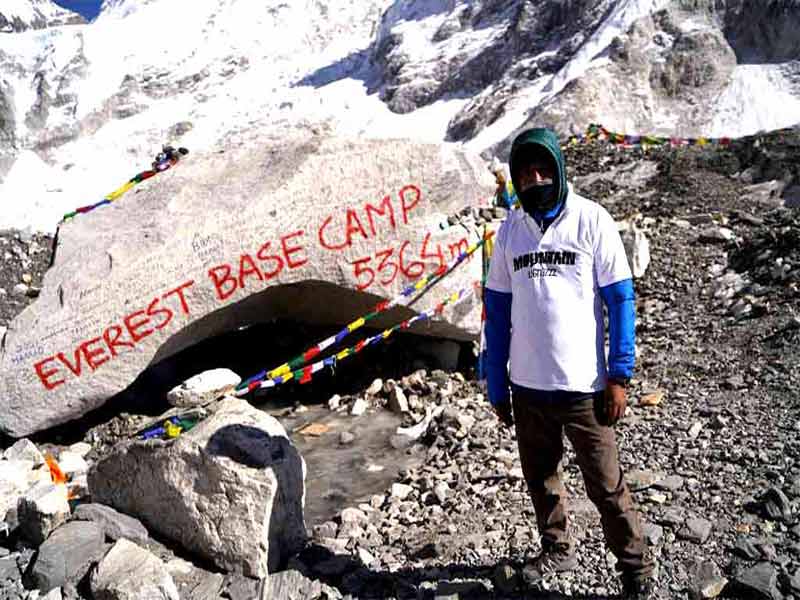
Everest Base Camp (5,364 m)
Everest Base Camp is the ultimate destination of the trek. Located beside the Khumbu Glacier, the base camp is surrounded by dramatic Himalayan landscapes.
The appearance of Everest Base Camp changes depending on the climbing season. During spring, expedition activity can create a lively atmosphere.
Kala Patthar (5,545 m)
Kala Patthar is one of the best viewpoints for seeing Mount Everest and the surrounding Himalayan peaks.
The early-morning hike to Kala Patthar is challenging because of the altitude, but the panoramic views make the effort worthwhile.
Accommodation on the Trek
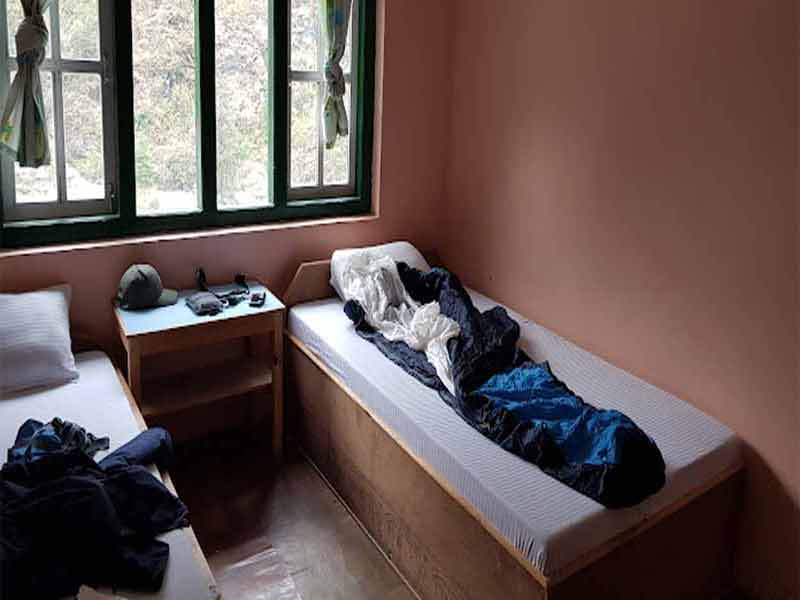
Accommodation during the Phaplu to Everest Base Camp Trek is generally provided in local teahouses and trekking lodges.
Rooms usually have beds, mattresses, pillows, and blankets. At higher elevations, rooms are generally simple and may not have attached bathrooms.
Bathrooms are commonly shared, especially in the higher villages.
Some lodges provide hot showers for an additional charge. Wi-Fi and charging facilities may also be available in many villages, although services can become more limited at higher elevations.
Food During the Trek
Teahouses provide a variety of meals suitable for trekkers. Common options include:
- Dal bhat
- Rice and vegetables
- Noodles
- Pasta
- Soups
- Sherpa stew
- Momos
- Potatoes
- Eggs
- Bread
- Pancakes
- Porridge
- Tea and coffee
Dal bhat is particularly popular because it provides carbohydrates and protein and can usually be refilled.
At higher elevations, food choices may become more limited because supplies have to be transported into the mountains.
Permits Required
Trekkers generally need the necessary permits and entry documents for the Everest region. These commonly include the Sagarmatha National Park entry permit and the applicable local area or Khumbu Pasang Lhamu Rural Municipality permit.
Permit requirements and fees can change, so trekkers should confirm the current requirements before departure.
A registered trekking agency can arrange the required permits on behalf of its clients.
Guide and Porter Service
A licensed local guide is highly recommended for the Phaplu to Everest Base Camp Trek. A knowledgeable guide can assist with navigation, accommodation arrangements, cultural interpretation, altitude awareness, and communication with local communities.
Hiring a porter can also make the trek more comfortable by carrying the majority of your luggage. Trekkers can then walk with a lighter daypack and concentrate on enjoying the trail.
Local guides and porters also contribute directly to the communities of the Everest region.
Transportation
The trek begins with transportation from Kathmandu to Phaplu. Depending on the current road and flight conditions, Phaplu may be reached by road or available air services.
Transportation arrangements can change according to seasonal conditions and local schedules.
For the return journey, trekkers may continue toward Phaplu by trail or use the Lukla-Kathmandu flight option if included in the selected itinerary.
Because mountain transportation is weather-dependent, it is wise to keep some flexibility in the schedule.
Safety and Altitude Acclimatization
Altitude is the most important safety consideration on the Everest Base Camp Trek.
Symptoms of altitude sickness can include headache, dizziness, nausea, unusual tiredness, and difficulty sleeping. Trekkers should inform their guide immediately if they feel unwell.
The best strategy is gradual ascent, sufficient rest, hydration, and avoiding unnecessary rapid gains in elevation.
Acclimatization days are normally included at Namche Bazaar and Dingboche. Short hikes during these days help the body adjust to higher elevations.
If serious altitude-related symptoms develop, descending to a lower altitude is the safest response.
Trekking Equipment
- Comfortable trekking boots
- Trekking socks
- Thermal base layers
- Fleece jacket
- Down jacket
- Waterproof jacket
- Trekking trousers
- Warm hat
- Gloves
- Sunglasses
- Sunscreen
- Headlamp
- Water bottle
- Backpack
- Sleeping bag
- Trekking poles
- Personal first-aid supplies
- Toiletries
- Power bank
- Duffel bag for porter service
Warm clothing becomes especially important above Dingboche.
Why Choose Phaplu to Everest Base Camp Trek?
The Phaplu route is an excellent choice for trekkers who want a more gradual and traditional approach to Everest.
Instead of starting immediately at Lukla, the journey begins in the lower Solukhumbu region. The longer approach allows travelers to experience a broader range of landscapes and communities.
The route also provides an opportunity to understand the transition from lower Himalayan villages to the high-altitude environment of the Khumbu region.
For travelers with sufficient time, the Phaplu route can be more than simply a journey to Everest Base Camp—it becomes a complete Himalayan trekking experience.
Who Can Do This Trek?
The trek is suitable for people with reasonable fitness and previous hiking experience, although previous high-altitude trekking experience is not essential.
Trekkers should be comfortable walking for several hours on consecutive days and should prepare physically before the trip.
The itinerary can be customized for private groups, families with suitable experience, and experienced trekkers.
Responsible and Sustainable Trekking
The Everest region is one of Nepal’s most important trekking destinations, and responsible tourism is essential.
Trekkers should avoid unnecessary plastic waste, use refillable water bottles where possible, respect local customs, avoid damaging vegetation, and dispose of waste properly.
Respect for monasteries, prayer wheels, mani walls, local homes, and religious traditions is also important.
Supporting local lodges, guides, porters, and small businesses helps ensure that tourism benefits the communities along the route.
Cost of Phaplu to Everest Base Camp Trek
The cost depends on the duration, group size, transportation arrangements, accommodation standard, guide and porter services, permits, meals, and additional services.
A typical package may include transportation, trekking permits, accommodation, meals during the trek, a licensed guide, porter service, staff insurance, and necessary logistics.
International flights, Nepal visa fees, personal expenses, travel insurance, personal equipment, tips, emergency evacuation, and alcoholic beverages are generally excluded unless specifically stated in the package.
The Phaplu to Everest Base Camp Trek is a rewarding Himalayan adventure that combines cultural exploration, scenic mountain trails, Sherpa villages, Buddhist heritage, and the unforgettable experience of reaching Everest Base Camp.
Starting from Phaplu provides a gradual and immersive approach to the Everest region. As the trail climbs from the lower Solukhumbu countryside toward Namche Bazaar and the high Khumbu valleys, trekkers experience dramatic changes in landscape, climate, vegetation, and culture.
The spectacular views of Everest, Ama Dablam, Lhotse, Nuptse, Thamserku, and other Himalayan peaks, combined with the spiritual atmosphere of Tengboche and the excitement of reaching Everest Base Camp, make this trek one of Nepal’s most memorable adventures.
For trekkers who have enough time and want to experience more than the standard Lukla-to-EBC route, Phaplu to Everest Base Camp offers a longer, scenic, culturally rich, and rewarding journey through the heart of the Everest region.
| Day | Destination | Altitude | Walking Hour | Accommodation |
|---|---|---|---|---|
| 1 | Arrival Kathmandu and transfer to hotel | 1300 | One hour drive from airport to hotel | Hotel in Kathmandu |
| 2 | Kathmandu to Phaplu | 2364 | 9-10-hours driving from Kathmandu | Tea house Lodge |
| 3 | Phaplu to Nunthala | 2200 | 5-hours | Lodge |
| 4 | Nunthala to Bupsa | 2340 | 6-7-hours | Lodge |
| 5 | Bupsa to Surke | 2290 | 6-hours | Lodge |
| 6 | Surke to Phakding | 2610 | 4-hours | Lodge |
| 7 | Phakding to Namche Bazaar | 3440 | 5-hours | Lodge |
| 8 | High to Syangboche Mountain view | 3440 | 3-hours | Lodge |
| 9 | Namche to Tengboche to Monastery | 3860 | 5-hours | Lodge |
| 10 | Tengboche to Dingboche | 4410 | 5-hours | Lodge |
| 11 | Dingboche to Lobuche Via Thuk La | 4900 | 4-hours | Lodge |
| 12 | Lobuche to Gorakshep via EBC 5364 | 5140 | 6-7-hours | Lodge |
| 13 | High up to Kala Patthar 5545 & Pheriche | 4240 | 6-hours | Lodge |
| 14 | Pheriche to Tengboche | 3860 | 4-hours | Lodge |
| 15 | Tengboche to Namche | 3440 | 5-hours | Lodge |
| 16 | Namche to Lukla | 2800 | 7-hours | Lodge |
| 17 | Lukla to Kathmandu | 1300 | 35 Minutes flight from Lukla to Kathmandu | Hotel in Kathmandu |
| 18 | Day Free at Kathmandu | 1300 | Free walking in Kathmandu | Hotel in Kathmandu B&B Service |
| 19 | Departure day | After breakfast drive to the international airport | Flight out from Nepal | At your Your home |
Phaplu to Everest Base camp trek cost $ 1704 Per person
Cost includes
- Transport service for arrivals and departures in Kathmandu.
- Three nights' hotel in Kathmandu with breakfast.
- Kathmandu to Phaplu Shering Jeep.
- Breakfast, Lunch, and dinner during the trek.
- Lodge accomodaition during the trek.
- Gaurisankar and Sagarmatha Naitional Park fees.
- Trekking Guide, and Porter for Phaplu to EBC Trek.
- Duffel (Kit) Bag during the trek.
- Lukla to Kathmandu plane ticket, including for the guide.
- Salary for the guides and porters plus insurance, as well as accommodations and food.
- Paperwork for companies and taxes for the government.
Phaplu Everest base camp trek cost excludes
- Lunch and dinner in Kathmandu.
- The international flight ticket, the Nepal visa fee, your travel insurance, and medical and emergency assistance.
- Personal expenses, bar bill with any hot drinks, and battery charge.
- Hot showers, telephone calls, laundry, and any alcoholic beverages.
- We do not refund the balance if you have weather problems during the trek or want to return earlier than planned.
- Tips for Guide & Porters
Kalapatthar (5,545m) is our major high point.
There is a difference of 5-15 degrees between night and day.
Approximately 5 to 7 hours
There are clean and pleasant lodges with dining rooms, toilets, and hot showers to stay at while on your trek. We also offer Nepali, Tibetan, Chinese, Indian, Italian and French food.
February 20th to June 15th and September 15th to December 10th
A flow of equipment is usually required. It is better to wear Gore tax boots if possible. If it’s raining or snowing, wear warm socks and gaiters. The day carry bag comes with a down jacket. Sleeping bags and other items which are not featured in Walking boot mansions.
Feels like hangover & Feeling not good/ Headache/ Shortness of Breath/ Loss of appetite/ Sleep not good/ vomiting/ fevers etc.
All trekking in Nepal is very safe if you travel with a guide and porter. Booking through a Trekking agency is better because if something goes wrong, it is easier to solve any problems and the agency takes full responsibility.
A woman can travel to Nepal by herself, but she should use a trekking company for trekking and mountain climbing because the trekking agency is responsible. You are always taken care of by our agency staff, and they will be provided with a single room tent for the tea house trek and the climbing trek. However, if you hire a freelance Guide, then you will face a lot of problems. They attempt to make chit for a single woman. So, if you book a guide porter through an agency, your holiday trip to Nepal will be safe.
For the cost of 1380 $ per person, there should be at least two people. If one is alone, the cost would be 1680 $ for one.
Altitude Chart