Dhaulagiri circuit trek -
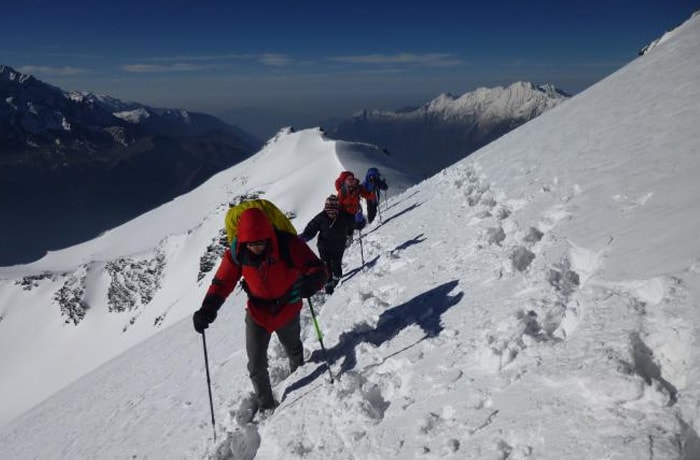

The Dhaulagiri Circuit Trek is one of Nepal’s most challenging and rewarding high-altitude wilderness adventures. This spectacular trek takes you around Mount Dhaulagiri (8,167 m), the seventh-highest mountain in the world, through remote Himalayan landscapes, deep valleys, glaciers, high mountain passes, and traditional mountain settlements. Unlike many popular trekking routes in Nepal, the Dhaulagiri Circuit offers a true wilderness experience with fewer trekkers and long stretches of rugged terrain.
The journey combines cultural experiences with demanding high-altitude trekking. Starting from the lower foothills of the Dhaulagiri region, the trail gradually enters a remote mountain environment before reaching Italian Base Camp, Dhaulagiri Base Camp, the challenging French Pass (5,360 m), and the dramatic Hidden Valley. The trek eventually descends toward the Kali Gandaki Valley and finishes around Jomsom.
The Dhaulagiri Circuit is particularly suitable for experienced trekkers who are comfortable walking for several hours each day, camping in remote locations, crossing glaciers, and dealing with rapidly changing Himalayan weather. The rewards are exceptional: close views of Dhaulagiri I and its surrounding peaks, dramatic glacier landscapes, untouched valleys, and a profound sense of adventure.
Why Choose the Dhaulagiri Circuit Trek?
The Dhaulagiri Circuit is different from Nepal’s more established teahouse trekking routes. Much of the route passes through remote wilderness where accommodation is limited or unavailable. Trekkers therefore travel with camping equipment, food, tents, kitchen staff, guides, and porters.
One of the main attractions is the opportunity to experience the Himalayan wilderness away from crowded trekking trails. The route passes through forests, alpine meadows, rocky valleys, glaciers, and high mountain passes. Every section of the trek offers a different landscape.
Another major attraction is the crossing of French Pass at approximately 5,360 meters. From the pass, trekkers can enjoy spectacular views of Dhaulagiri and surrounding Himalayan peaks before descending into Hidden Valley.
The trek also provides an opportunity to experience the local culture of the lower Dhaulagiri region. Villages such as Muri, Boghara, and Dobang reflect traditional mountain lifestyles, while the higher sections become increasingly remote and uninhabited.
Dhaulagiri Mountain and the Surrounding Himalayas
Mount Dhaulagiri rises to 8,167 meters and dominates the landscape throughout much of the circuit. The mountain is surrounded by an impressive group of peaks, glaciers, ridges, and deep valleys.
As the trek progresses toward Italian Base Camp and Dhaulagiri Base Camp, the mountain scenery becomes increasingly dramatic. Huge rock walls, snow-covered peaks, glaciers, and ice-covered slopes create an extraordinary Himalayan environment.
The Dhaulagiri massif includes several notable peaks, including Dhaulagiri I, Dhaulagiri II, Dhaulagiri III, Dhaulagiri IV, and Dhaulagiri V. Depending on weather and visibility, trekkers can enjoy magnificent views of these mountains from different points along the trail.
Trekking Route and Landscape
The Dhaulagiri Circuit begins in the lower hills and gradually climbs into the high Himalayas. The initial section passes through villages and forests, allowing trekkers to observe local agriculture and traditional lifestyles.
As the trail moves higher, the landscape changes from dense forests to alpine terrain. After leaving the lower settlements, the route becomes increasingly remote. The trail follows river valleys, rocky paths, and moraine-covered terrain before reaching the higher camps.
The area around Italian Base Camp is particularly impressive, with towering Himalayan walls surrounding the campsite. Beyond this point, trekkers enter a much more demanding high-altitude environment.
The route eventually reaches Dhaulagiri Base Camp before crossing French Pass and entering Hidden Valley. From Hidden Valley, the trail descends toward the Kali Gandaki region.
Muri Village
Muri is one of the important settlements on the lower section of the Dhaulagiri Circuit. The village provides a glimpse into the traditional lifestyle of the communities living in the foothills of the Dhaulagiri region.
The trail to Muri passes through beautiful countryside, forests, terraced fields, and small settlements. Depending on the season, trekkers may see local farmers working in the fields and villagers carrying out traditional agricultural activities.
Bagar and Dobang
After Muri, the trail continues toward Bagar and then Dobang. The route passes through forests, steep hillsides, and narrow valleys.
This section can involve significant ascents and descents, making it physically demanding. However, the scenery becomes increasingly spectacular as the trail approaches the high mountains.
Dobang is an important camping location before the trail continues toward Chhonbardan Glacier and Italian Base Camp.
Italian Base Camp
Italian Base Camp is one of the most memorable sections of the Dhaulagiri Circuit. The campsite is surrounded by enormous mountain walls and provides a dramatic introduction to the high-altitude environment.
The camp lies beneath impressive Himalayan peaks and glaciers. Trekkers usually spend time here for acclimatization and to allow the body to adjust to the increasing altitude.
The landscape around Italian Base Camp is rugged and beautiful. Snow-covered peaks, glaciers, rocky slopes, and clear mountain skies create an unforgettable wilderness atmosphere.
Acclimatization and High-Altitude Preparation
Acclimatization is extremely important on the Dhaulagiri Circuit because the route reaches elevations above 5,000 meters.
A carefully planned itinerary allows trekkers to gain altitude gradually and includes appropriate rest and acclimatization periods. Trekkers should walk slowly, stay hydrated, eat regularly, and communicate with the guide if they experience symptoms associated with altitude sickness.
Because the Dhaulagiri Circuit is a demanding wilderness trek, physical preparation before arriving in Nepal is highly recommended. Regular hiking, uphill walking, cardiovascular exercise, and carrying a backpack can help prepare for the long trekking days.
Dhaulagiri Base Camp
Dhaulagiri Base Camp is one of the highlights of the entire trek. Reaching the base camp brings trekkers close to the enormous Dhaulagiri massif.
The surroundings are dominated by glaciers, snow-covered mountains, steep rock faces, and high-altitude wilderness. The atmosphere is peaceful and remote, with very few signs of human settlement.
From the base camp area, trekkers can enjoy spectacular views of Dhaulagiri and the surrounding peaks. The changing light on the mountains during sunrise and sunset can create particularly impressive scenery.
Chhonbardan Glacier
The route around the Chhonbardan Glacier is another major feature of the Dhaulagiri Circuit. The trail enters an increasingly rugged environment where glaciers and moraine dominate the landscape.
Walking in this area requires careful attention to the trail and instructions from the trekking team. Depending on the season and conditions, glacier sections may require additional care and appropriate equipment.
The combination of ice, rock, snow, and enormous Himalayan peaks makes this one of the most adventurous parts of the journey.
French Pass (5,360 Meters)
Crossing French Pass at approximately 5,360 meters is one of the major achievements of the Dhaulagiri Circuit Trek.
The climb toward the pass is physically demanding because of the high altitude and steep terrain. Trekkers must maintain a steady pace and follow the guide’s instructions.
Upon reaching the pass, the surrounding panorama is extraordinary. The high Himalayan peaks, glaciers, ridges, and valleys stretch across the horizon.
After crossing French Pass, the trail descends toward Hidden Valley. The change from the pass to the broad alpine valley creates a dramatic contrast and is one of the most memorable moments of the trek.
Hidden Valley (5,140 meters)
Hidden Valley is a remote high-altitude valley situated beyond French Pass. Surrounded by mountains and open alpine terrain, the valley offers an exceptional wilderness experience.
The area is generally free from permanent settlements and developed accommodation. Camping here allows trekkers to experience the silence and isolation of the high Himalayas.
The valley is particularly beautiful in clear weather, when surrounding peaks can be seen against the blue Himalayan sky. Snow conditions may vary significantly depending on the season.
Dhampus Pass (5,244 meters)
Depending on the selected itinerary and trail conditions, the route may cross Dhampus Pass, another high point of the Dhaulagiri Circuit. The pass provides spectacular views across the surrounding mountain landscape and toward the Kali Gandaki Valley.
Crossing high passes requires careful pacing and appropriate acclimatization. Weather can change rapidly at high elevations, so the trekking team should always monitor conditions.
The descent after the high-pass section eventually takes trekkers toward lower elevations and the Kali Gandaki region.
Descending Toward Jomsom
After completing the high-altitude section, the landscape gradually changes as the trail descends toward the Kali Gandaki Valley.
The lower altitude brings warmer temperatures, vegetation, and more visible signs of settlement. Eventually, the trek reaches the famous Mustang region, where villages, apple orchards, traditional houses, and dry Himalayan landscapes become prominent.
Depending on the itinerary, the trek can finish around Marpha or Jomsom. Marpha is famous for its traditional stone houses, narrow streets, apple orchards, and beautiful mountain surroundings. Jomsom is an important settlement and transportation hub in the Kali Gandaki Valley.
Camping Experience
Camping is an essential part of the Dhaulagiri Circuit experience. Unlike established teahouse routes, many sections of this trek do not have regular lodges.
A camping trekking team normally provides tents, kitchen equipment, dining arrangements, meals, and other essential logistics. Porters and support staff carry much of the equipment required for this high pass trek.
Camping in remote valleys provides a unique opportunity to experience the Himalayan wilderness. At night, the absence of city lights can create spectacular views of the stars when the weather is clear.
Food During the Trek
Food is prepared by the trekking kitchen team during the camping sections. Meals are designed to provide sufficient energy for long and demanding trekking days.
Common trekking meals may include rice, lentils, vegetables, noodles, pasta, potatoes, soups, eggs, bread, and other suitable foods. Hot drinks such as tea and coffee are also commonly available.
Because the route is remote, food supplies must be planned and transported carefully. The menu can therefore be more limited than on popular teahouse routes, especially in the highest sections.
Guide and Porter Support
An experienced trekking guide is highly recommended for the Dhaulagiri Circuit. The guide assists with navigation, altitude management, campsite organization, weather assessment, and communication with the trekking team.
Porters are also important because camping requires additional equipment, tents, kitchen supplies, food, and personal gear. Using a properly organized support team helps trekkers focus on walking and enjoying the journey.
For remote and high-altitude trekking, choosing an experienced local trekking agency can also help with permits, transportation, camping logistics, equipment, and emergency arrangements.
Difficulty of the Dhaulagiri Circuit Trek
The Dhaulagiri Circuit is considered a very challenging trek. It is more demanding than many standard teahouse trekking routes in Nepal.
The difficulty comes from several factors, including long walking days, steep ascents and descents, remote terrain, high altitude, glacier and moraine sections, unpredictable weather, and high mountain passes.
Previous experience with multi-day trekking is strongly recommended. Trekkers should have good cardiovascular fitness, strong endurance, and the ability to remain comfortable in remote environments.
The exact difficulty can vary depending on weather, snow conditions, itinerary, individual fitness, and acclimatization.
Best Time for Dhaulagiri Circuit Trek
Spring, particularly from April & May, offers generally favorable trekking conditions, blooming vegetation in the lower areas, and good mountain views. Autumn, especially from September 15 to November, is also popular because of generally stable weather and clear mountain visibility.
High-altitude conditions can change quickly, and snow levels around the passes may vary from year to year. Trekking agencies and guides should assess current trail and weather conditions before crossing high passes.
Winter can bring heavy snow and very cold conditions at high elevations, while the monsoon season can bring rain, slippery trails, clouds, and landslides in lower areas.
Permits and Trekking Arrangements
The Dhaulagiri region has specific trekking regulations and permit requirements. The exact permits and fees can depend on the route and current government regulations.
Trekkers should arrange the necessary permits through a registered trekking agency or authorized provider and carry the required documentation during the trek.
A properly organized package normally includes transportation, permits, a guide, porters, camping equipment, accommodation during the trek, meals, and other logistical arrangements according to the selected package.
What You Will See and Experience
During the Dhaulagiri Circuit Trek, trekkers can experience:
Mount Dhaulagiri (8,167 m)
Dhaulagiri Base Camp (4,748 meters)
Italian Base Camp (3,660 meters)
Chhonbardan Glacier
French Pass (5,360 meters)
Hidden Valley (5,140 meters)
Dhampus Pass (5,244 meters)
High Himalayan glaciers and moraines
Traditional mountain villages
Forests and alpine landscapes
Kali Gandaki Valley
Marpha and Jomsom
Spectacular sunrise and sunset views
Remote Himalayan wilderness
Traditional local culture and lifestyles
Safety and Responsible Trekking Nepal Alsace trek
Safety should be the highest priority on a high-altitude Nepal -Alsace trek. Trekkers should follow the instructions of their guide and avoid rushing to gain altitude.
Weather conditions should be monitored regularly, particularly before crossing high passes. The itinerary should remain flexible enough to accommodate weather delays, health concerns, or trail conditions.
Responsible trekking is equally important. Trekkers should minimize plastic waste, avoid damaging vegetation, respect local communities, and carry rubbish back when disposal facilities are unavailable.
Conclusion during the trek
The Dhaulagiri Circuit Trek is an extraordinary Himalayan adventure for trekkers seeking a remote, challenging, and less-developed route in Nepal. From the traditional villages and forests of the lower Dhaulagiri region to the glaciers, base camps, high passes, and Hidden Valley, the trek offers an incredible variety of landscapes and experiences.
The journey around Mount Dhaulagiri requires preparation, physical fitness, patience, and a willingness to spend several nights camping in remote mountain environments. Crossing French Pass, exploring Dhaulagiri Base Camp, walking beside glaciers, and descending toward the Kali Gandaki Valley create memories that can last a lifetime.
With an experienced guide, reliable support team, appropriate equipment, proper acclimatization, and a carefully planned itinerary, the Dhaulagiri Circuit can become one of Nepal’s most memorable wilderness trekking experiences.
Dhaulagiri Circuit Trekking equipment list.
Proper equipment is essential for a safe and comfortable Trek. Conditions can change quickly in the mountains, particularly at higher elevations, so you should be prepared for cold temperatures, wind, rain, and possible snow.
Clothing for the trek
Waterproof trekking jacket and trousers
Warm down jacket
Fleece or warm mid-layer
Thermal base layers
Comfortable trekking trousers
Warm gloves
Warm hat and sun hat
Trekking socks and spare socks
Footwear
Good-quality, comfortable trekking boots
Lightweight camp shoes or sandals
Trekking Equipment
Comfortable daypack
Duffel bag
Cold-weather sleeping bag
Trekking poles
Headlamp with spare batteries
Reusable water bottles or hydration system
Dry bags or waterproof packing bags
Compression sacks for organizing clothing and equipment
Personal Items fr the trek in Nepal
Sunglasses
Sunscreen and lip balm
Personal medications
Basic first-aid supplies
Toiletries
Hand sanitizer
Power bank
Mobile phone or camera
Important Documents
Passport
Travel insurance documents
Flight details
Emergency contact information
Dry bags or waterproof packing bags are particularly useful for protecting clothing, documents, and electronics from rain and moisture. Compression sacks can also help reduce the volume of your clothing and keep your duffel bag organized.
We can provide or arrange selected trekking equipment, including a duffel/kit bag and trekking poles, depending on the package and your requirements. We recommend discussing any equipment needs with us before departure so that everything can be prepared in advance.
Altitude Sickness and Acclimatization
Altitude is one of the most important factors to consider on the Dhaulagiri Trek. As you ascend above 3,000 meters, the amount of available oxygen decreases, and your body needs time to adapt.
Our itinerary includes acclimatization stops at Italian Base Camp, with gradual elevation gain rather than ascending too quickly.
Common symptoms of mild altitude sickness can include headache, nausea, dizziness, tiredness, and reduced appetite. Trekkers should inform their guide immediately if they develop symptoms.
The best approach is to walk slowly, stay hydrated, eat properly, avoid overexertion, and follow the recommended acclimatization schedule. If symptoms become severe or continue to worsen, descending to a lower altitude is essential.
| Day | Destination | Altitude | Walking Hour | Accommodation |
|---|---|---|---|---|
| 1 | Arrival Kathmandu and transfer to hotel | 1300 | one hour drive from airport to hotel | Hotel in Kathmandu |
| 2 | Kathmandu | 1300 | Visit | Hotel in Kathmandu with B&B Service |
| 3 | Kathmandu to Beni | 830 | 10-11-hours the bus | Lodge |
| 4 | Beni to Muri | 1850 | 6-hours | Lodge |
| 5 | Muri to Bagar | 2080 | 6-7-hours | Lodge |
| 6 | Bagar to Dovan | 2520 | 6-7-hours | Lodge |
| 7 | Dovan to Forest Camp | 3110 | 6-7-hours | Lodge |
| 8 | Forest camp to Italian base camp | 3660 | 5-6-hours | Tent Camping |
| 9 | Day Acclimatization | 3660 | Rest day | Ten Camping |
| 10 | Italian base cam to Glacier Camp | 4210 | 4-5-hours | Tent Camping |
| 11 | Swiss base cam to Dhaulgiri base camp | 4750 | 4-5-hours | Tent Camping |
| 12 | Dhaulagiri base camp to Hidden Valley via French pass 5360 Meters | 5050 | 7-8-hours | Tent Camping |
| 13 | Hidden valley to Yak Kharka | 3680 | 6-7-hours | Tent Camping |
| 14 | Yak Kharka to Jomsom | 2720 | 5-6-hours | Lodge or Camping |
| 15 | Pokhara to Jomsom | 900 | 25-Minutes Flight to Pokhara | Hotel in Pokhara |
| 16 | Pokhara to Kathmandu | 1300 | 7-8-hours the bus | hotel in Kathmandu |
| 17 | Day free in Kathmandu | 1300 | Day Free | Hotel in Kathmandu with B&B Service |
| 18 | Departure Day | Plane | By air to home | At your home |
Dhaulagiri trek cost 2380 $ Per person
Cost Includes
- Arrival & Departure trnsports.
- Hotel in Kathmandu with bed and breakfast as per itinerary.
- Lodge & Camping accommodation during the trek
- 1 night’s hotel accommodation in Pokhara- on twin sharing with breakfast
- Meals -Breakfast, Lunch-dinner Such as Nepali, Indian. Chinese and Italian, much more European food, as per the above program during the trekking with Tea or Coffee.
- Transport-Kathmandu Muri-Pokhara to Kathmandu.
- Annapurna conservation entrance fees
- Trekking permit (TIMS)
- Porter to carry personal and camping gear.
- One cook for during the trek.
- English-speaking trekking guide
- Jomsom-Pokhara flight ticket.
Dhaulagiri trek cost Excludes
- Lunch and Dinner in Kathmandu and Pokhara.
- Your Travels Insurance Policy encases accident and high Altitude sickness Rescue operations.
- Nepal entry visa fee 15 Days 30 US$ and for the 30 Days 50 US$, you can obtain in Kathmandu airport if you have not taken from your country.
- Soft and hard drinks Such as Beer, Coke, Fanta, and Mineral water.
- Personal Trekking Equipment.
- Tips for Nepali staff.
- Please bring with you 2 passport size pictures.
Between September and November and between April and May
During the day, it’s normal, but at night it’s 5-15 degrees.
Minimum of two trekkers required to trek Dhaulagiri trek cost (US$ 1985 per person)
TIMS permit and National Park permit for Annapurna.
As long as you have a guide and porter, Nepal is a very safe country for trekking. When you book your trip through an agency, if anything goes wrong, they can easily solve any problem and will take full responsibility.
Tent service from Italian camp to Yak Kharka
Chinese, Nepali, Tibetan, Indian, and Italian dishes.
An average of 5 to 7 hours of walking per day.
There are many mountain views, including Mount Dhaulagiri (8167m), Thapa peak (6,012m), Nilgiri (7,061m), Tukche peak (7,135m), Annapurnas, and more.
The French summit (5,500m) of Dhaulagiri is a challenge pass
Usually, you need to bring with you flowing equipment. +, If possible, gore-tex boots are better. + Warm socks and gaiters if it is raining or snowing. + Day pack and down jacket above 4,000 meters. + A sleeping bag and other items that are not mansions.
Arrival & Departure trnsports. Hotel in Kathmandu with bed and breakfast as per itinerary. Lodge & Camping accommodation during the trek 1 night’s hotel accommodation in Pokhara- on twin sharing with breakfast Meals -Breakfast, Lunch-dinner Such as Nepali, Indian. Chinese and Italian, much more European food, as per the above program during the trekking with Tea or Coffee. Transport-Kathmandu Muri-Pokhara to Kathmandu. Annapurna conservation entrance fees Trekking permit (TIMS) Porter to carry personal and camping gears. One cook for during the trek. English speaking trekking guide Jomsom-Pokhara flight ticket.
Feel like you’re hungover/ short of breath, nausea, lack of appetite, sleeping poorly, and vomiting/ fevers.
Although trekking and climbing mountains are fully responsible for porters and guides, you can travel to Nepal alone. During the tea house trek and trekking to the peaks, our agency staff will take good care of you, and they will provide you with a single room tent. In contrast, contacting a freelancer Guide can cause problems, as they will try to make chit for a single woman. Booking your holiday travel to Nepal with an agency, therefore, ensures your safety.
Altitude Chart
Reviews

9 Person Group Camping Trek Bonjour Dhany Je suis les raid d'hiver...
Read More