Langshisa ri peak climbing -


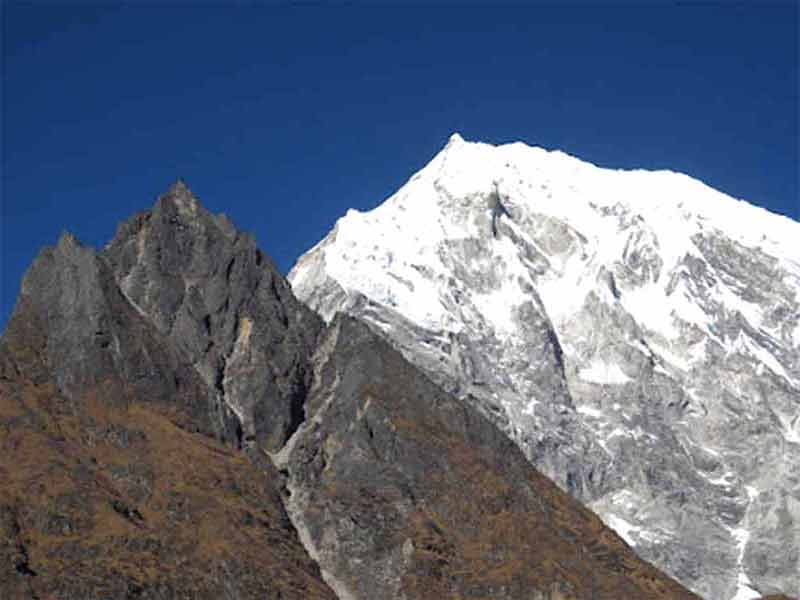
Langshisha Ri Peak Climbing is an exciting Himalayan adventure in the Langtang region of Nepal, combining a beautiful high-altitude trek with a challenging peak-climbing experience. Standing at approximately 6,427 meters (21,086 feet), Langshisha Ri is surrounded by dramatic Himalayan landscapes, glaciers, high mountain passes, and traditional Tamang villages.
The Langtang Valley is one of Nepal’s most accessible high-mountain destinations, yet the upper valley becomes increasingly remote and wild as the trail continues beyond Kyanjin Gompa toward Langshisha Kharka. The journey offers an opportunity to experience the natural beauty and mountain culture of Langtang before entering a more alpine environment for the climb.
Langshisha Ri Peak is suitable for experienced trekkers and mountaineers who have good physical fitness, previous high-altitude trekking experience, and basic knowledge of climbing techniques. Depending on route conditions, the ascent may involve snow, ice, rocky sections, and glacier travel. A professional climbing guide, proper acclimatization, and appropriate mountaineering equipment are essential.
Langshisha Ri Peak Climbing Highlights
Climb Langshisha Ri at approximately 6,427 meters.
Trek through the spectacular Langtang Valley.
Experience Tamang and Tibetan-influenced Himalayan culture.
Visit Langtang Village and Kyanjin Gompa.
Explore the beautiful surroundings of Kyanjin.
Enjoy panoramic views of Langtang Lirung, Langtang II, Dorje Lakpa, Yala Peak, Ganchenpo, and other Himalayan peaks.
Trek toward Langshisha Kharka and the upper Langtang Valley.
Experience glaciers, moraines, alpine meadows, and high Himalayan landscapes.
Receive climbing preparation and technical guidance from an experienced climbing team.
Enjoy a combination of trekking, camping, and Himalayan mountaineering.
Where Is Langshisha Ri Peak?
Langshisha Ri lies in the northern part of the Langtang region of Nepal, close to the Tibetan border. The normal approach begins from Syabrubesi, the main road-access point for the Langtang Valley.
From Syabrubesi, the trekking route follows the Langtang River through forests and mountain settlements before reaching Langtang Village and Kyanjin Gompa. Kyanjin is an important acclimatization and exploration point for climbing and trekking in the upper Langtang region.
After spending time around Kyanjin Gompa, the expedition continues toward Langshisha Kharka and the climbing area. The landscape becomes more remote, with fewer permanent settlements and more rugged alpine terrain.
Journey to Langshisha Ri
The adventure normally begins with a drive from Kathmandu to Syabrubesi. The road journey provides views of Nepal’s hills, rivers, and rural communities.
From Syabrubesi, the trekking route follows the Langtang Valley. The lower section passes through forests containing rhododendron, oak, bamboo, and pine. As the elevation increases, the vegetation gradually becomes smaller, and the landscape changes into alpine terrain.
The trail passes through settlements such as Lama Hotel, Langtang Village, and Kyanjin Gompa. Kyanjin is one of the most attractive destinations in the Langtang Valley, surrounded by high peaks and glaciers.
After acclimatization at Kyanjin, the expedition heads farther into the upper valley toward Langshisha Kharka. Depending on route and weather conditions, several camping nights may be required before the summit attempt.
Acclimatization during the trek & climbing
Acclimatization is one of the most important parts of Langshisha Ri Peak Climbing. The summit is above 6,000 meters, where the air contains significantly less oxygen than at sea level.
A carefully planned itinerary allows climbers to gain elevation gradually and spend additional time at suitable elevations. Kyanjin Gompa is particularly useful for acclimatization because trekkers can make day hikes and return to the same lodge or camp.
Possible acclimatization activities around Kyanjin include hikes toward viewpoints and nearby high-altitude areas. These hikes help climbers become familiar with walking at altitude while also providing excellent mountain views.
The exact acclimatization schedule should be adjusted according to the climber’s condition, weather, route conditions, and advice from the climbing guide.
Langshisha Ri Base Camp
The location and organization of the base camp can vary according to the selected climbing route and current mountain conditions. The expedition team establishes a suitable campsite in the upper Langtang Valley before beginning the technical climbing section.
Base camp provides a place for climbers to rest, organize equipment, check climbing systems and prepare for the summit attempt.
Before moving higher, the climbing guide normally checks ropes, harnesses, crampons, ice axe systems, and other essential equipment. Climbers should also review climbing techniques and emergency procedures.
Climbing Preparation
Preparation is particularly important for a peak above 6,000 meters. Before attempting the summit, climbers should have experience with long days of trekking at altitude and ideally some previous mountaineering experience.
Walking with crampons.
Using an ice axe.
Basic rope techniques.
Movement on snow and ice.
Ascending and descending fixed ropes where required.
Glacier and crevasse awareness.
Safe movement on steep terrain.
Using climbing harnesses and protection equipment.
Managing cold, wind and high-altitude conditions.
The climbing guide will provide practical instructions and determine whether current conditions are suitable for the summit attempt.
Summit Day
The summit day is normally the most demanding part of the expedition. Climbers start early, often before sunrise, because early-morning conditions can provide a better climbing window.
The ascent may involve steep snow or mixed terrain depending on the season and route conditions. Climbers must maintain a steady pace and follow the guide’s instructions.
At higher elevations, even simple movement becomes physically demanding. Climbers need to conserve energy, drink regularly, and maintain appropriate clothing and equipment.
The final approach to the summit can be challenging because of altitude, cold, wind, and changing snow conditions. After reaching the summit, climbers normally spend only the necessary amount of time enjoying the views and taking photographs before beginning the descent.
The descent is also an important part of the climb. Fatigue can increase the risk of mistakes, so climbers must continue to move carefully until reaching a secure lower camp.
Mountain Views
One of the major attractions of Langshisha Ri is the spectacular Himalayan panorama. From the upper Langtang region, climbers can experience impressive views of numerous peaks and glaciers.
Depending on visibility and the exact summit position, the panorama may include Langtang Lirung, Langtang II, Dorje Lakpa, Ganchenpo, Yala Peak, and other mountains of the Langtang Himalaya.
The upper valley also offers views of glaciers, rocky ridges, snow-covered peaks, and high alpine valleys. The landscape changes dramatically from the green forests near Syabrubesi to the barren and rugged environment around the high camps.
Culture and Local Communities
Langshisha Ri climbing is not only a mountain adventure. The approach through Langtang provides an opportunity to experience the culture and hospitality of Himalayan communities.
The Langtang region has strong Tamang cultural traditions, with Buddhist influences visible in monasteries, prayer flags, mani walls, chortens, and traditional architecture.
Kyanjin Gompa is an important cultural and spiritual location in the upper valley. Travelers should respect local customs, monasteries, religious structures, and community traditions throughout the journey.
Best Season for Langshisha Ri Peak Climbing
The main climbing seasons in Nepal are generally spring and autumn.
Spring Season
Spring, particularly from March to May, is a popular period for Himalayan trekking and climbing. The weather is often more favorable, with improving temperatures and generally good visibility during suitable periods.
Rhododendron forests in the lower Langtang Valley can also be particularly attractive during spring.
Autumn Season
September to November is another major season. After the monsoon, the atmosphere can become clearer, providing excellent mountain views. October and November are commonly considered strong months for trekking and mountaineering in many parts of Nepal.
Winter can bring very cold temperatures and heavy snow, while the summer monsoon can create wet trails, clouds, rain, and difficult approach conditions. However, actual climbing conditions vary from year to year, so the final decision should always be based on current mountain and weather conditions.
Difficulty of Langshisha Ri Peak Climbing
Langshisha Ri should be considered a technical high-altitude climbing objective, rather than simply a trekking peak. The difficulty depends on the chosen route, snow and ice conditions, weather, and current mountain conditions.
Previous experience with high-altitude trekking is strongly recommended. Climbers should be comfortable with long days in mountainous terrain and prepared to use mountaineering equipment.
Good physical conditioning is essential. Training before the expedition can include hiking, uphill walking, cardiovascular exercise, and strength training appropriate to the climber’s age and experience.
The most important preparation is not simply speed or strength. Climbers must also understand altitude, weather, cold exposure, equipment use, and safe mountain movement.
Permits for Langshisha Ri
Peak climbing in Nepal requires appropriate permits and administrative arrangements. The required permits and fees can vary according to the classification of the peak, season, and regulations in force at the time of the expedition.
Trekkers also require the relevant permits for entering the Langtang region. A professional expedition operator can arrange the required permits and coordinate the necessary documentation before the journey.
Because regulations and fees may change, climbers should confirm the current requirements before departure.
Accommodation during the trekking & climbing
The approach trek from Syabrubesi to Kyanjin Gompa normally uses local teahouses or lodges. Rooms are generally simple and may include shared bathroom facilities.
Beyond the established settlements, the expedition may require camping. Tents, sleeping arrangements, cooking equipment, and other camp logistics should therefore be organized by the climbing team.
At high altitude, accommodation becomes more basic. Climbers should be prepared for cold nights and simple camping conditions.
Food During the trek & Expedition
During the trekking section, meals are generally available at local teahouses and lodges. Common options include dal bhat, noodles, rice, pasta, potatoes, soups, Tibetan-style bread, vegetables, eggs, and other basic trekking meals.
During the camping and climbing section, the expedition kitchen prepares meals according to the team’s requirements.
A balanced diet with sufficient carbohydrates, protein, and fluids is important during a high-altitude expedition. Climbers should also carry suitable personal snacks such as energy bars, dried fruit, or other lightweight foods they are accustomed to eating.
Langshisha Ri Climbing Equipment
A complete equipment list should be prepared according to the route and season.
Personal Trekking Equipment
Trekking boots
Trekking poles
Backpack
Sleeping bag suitable for high altitude
Down jacket
Waterproof jacket and trousers
Fleece layers
Thermal base layers
Warm gloves
Sun hat and warm hat
Sunglasses or glacier glasses
Headlamp
Water bottles or hydration system
Sunscreen and lip balm
Personal first-aid supplies
Climbing Equipment
Mountaineering boots
Crampons
Ice axe
Climbing harness
Climbing helmet
Ascender
Descender
Carabiners
Prusik cord
Mountaineering gloves
Gaiters where required
Climbing rope and protection equipment as arranged by the expedition team
The exact equipment requirements should be confirmed with the climbing guide before departure because technical equipment can vary according to route and conditions.
Safety and High-Altitude Awareness
Safety is a major priority during Langshisha Ri Peak Climbing. Altitude-related problems can occur even in physically fit climbers, so the expedition should be organized with adequate acclimatization and flexibility.
Climbers should communicate honestly with their guide about symptoms such as unusual headache, dizziness, nausea, unusual fatigue, or difficulty breathing. The climbing team should never treat continuing toward the summit as more important than safety.
Weather is another important factor. High-altitude conditions can change rapidly, and the summit attempt may need to be delayed if conditions are unsafe.
A responsible expedition itinerary should include contingency time for bad weather, illness or route delays.
Why Choose Langshisha Ri Peak Climbing?
Langshisha Ri provides an opportunity to explore a less-developed section of the Langtang Himalaya while combining trekking and mountaineering.
The journey includes diverse landscapes, from green forests and traditional villages to glaciers, rocky valleys, and high mountain terrain. Climbers can also experience the cultural character of the Langtang communities and spend time in Kyanjin Gompa before entering the remote upper valley.
For experienced trekkers looking for a challenging Himalayan climbing adventure away from some of Nepal’s busiest mountaineering destinations, Langshisha Ri offers a memorable expedition experience.
Responsible Travel
Travelers should help protect the Langtang environment by minimizing waste, avoiding unnecessary plastic, respecting local communities, and following established trails wherever possible.
Climbers should avoid damaging vegetation, respect religious sites, and carry waste back from remote camping areas. Supporting local guides, porters, lodges, and other community services also helps contribute to the local economy.
Conclusion on the Trek
Langshisha Ri Peak Climbing is a demanding Himalayan adventure that combines the natural beauty of Langtang Valley with the challenge of climbing above 6,000 meters. The journey from Syabrubesi through Lama Hotel, Langtang Village, and Kyanjin Gompa provides a gradual introduction to the region before the expedition moves into the remote upper valley.
With proper acclimatization, experienced climbing leadership, suitable equipment, good preparation, and enough flexibility for changing mountain conditions, the expedition can provide an unforgettable experience in the Langtang Himalaya.
For climbers planning Langshisha Ri, the journey should be approached with respect for the mountain, local communities, and the changing Himalayan environment. Careful preparation and responsible decision-making are essential from the first day of trekking until the return to the lower valley.
| Day | Destination | Altitude | Walking Hour | Accommodation |
|---|---|---|---|---|
| 1 | Arrival Kathmandu and transfer to hotel | 1300 | one hour drive from airport to hotel | Hotel in Kathmandu |
| 2 | Preparation day in Kathmandu | 1300 | Free Visit in Kathmandu | Hotel in Kathmandu in Kathmandu with B&B Service |
| 3 | Kathmandu Syaprubensi | 1400 | 8-9-hours Public bus | Lodge |
| 4 | Syapru Besi to Lama hotel | 2380 | 5-6-hours | Lodge |
| 5 | Lama hotel to Mundo | 3430 | 5-hours | Lodge |
| 6 | Mundo to Kyangjin Gompa | 3870 | 2-3 hours | Lodge |
| 7 | Acclimatizing day | 3870 | Visit to Chorgo Ri (4900m) | Lodge |
| 8 | Kyangjin to Langsisha Base camp | 4850 | 5-6-hours | Tent Camping |
| 9 | Langshisa Base camp Acclimatization and Trining | 4850 | Training | Tent Camping |
| 10 | Langsisha Base to High camp | 5800 | Guide will make route fixed how to go Summit | Tent Camping |
| 11 | Summit to Langshisa Peak & retune to Base camp | 6427 | 9-10-hours | Tent Camping |
| 12 | If the weather is bad, you will have to wait an extra day | 500 | Extra day | Camping tent |
| 13 | More Extra day in case of Snow and bad weather | 5800 | Extra day | Lodge |
| 14 | High camp to Ghoratabela | 3030 | 6-7 hours | Lodge |
| 15 | Ghoratabela to Syaprubensi | 1400 | 5-hours | Lodge |
| 16 | Syprubensi t Kathmandu | 1300 | 9-hours bus | Hotel in Kathmandu |
| 17 | Day Free in Kathmandu | 1300 | Free visit | Hotel in Kathmandu with B&B Service |
| 18 | Departure Day | Fly out from Nepal | By air Plane to Your country | At your home |
Langshisa RI Peak climbing cost $ 2600 Per person
cost includes
- Transport for arrivals and departures
- On the trek and during the camping, three meals will be served per day: breakfast, lunch, and dinner, along with tea and coffee
- We provide accommodation on our treks at Guest House Lodges and tents while camping.
- Hotel accommodation in Kathmandu with breakfast according to our itinerary.
- The experienced climbing guide who speaks English well.
- Expeditions and trekking require porters
- All local taxes collected by the government
- Climbing permits, national park entrance fees, and garbage deposits are required for Langsihsa Peak.
- information Management System fee for Trekkers
- At Langshisa base camp, high altitude tents, high altitude food, and cooking with a kitchen helper are available
- For climbing guides' equipment
- Climbing equipment: fix ropes, main rope, dynamic rope, rock piton, snow shovel, snow bar, and ice screw
- Insurance for guide porters during expeditions and trekking
- While trekking, local transport is necessary.
- Map for trekking and climbing
Langshisa Ri peak climbing Nepal Cost excludes
- Lunch or dinner is no available in Kathmandu during your stay
- Visa fees and international flight tickets for Nepal
- The equipment you use for trekking and climbing
- As well as hard and soft table drinks, Coke, Fanta, etc. are available on the trekking.
- Normally, personal insurance covers the costs of rescue operations. For trekking and expeditions, however, additional coverage may be required.
- Here are some tips that guides and porters should follow.
Not too dangerous climbing Langshisa Ri peak, our guide will take care of you. during the climbing.
It is best to climb this peak between September and 20 November, and between 15 April and the end of May.
No, there are very few people who climb this peak.
Simply submit your passport-sized photograph, your passport copy, and 3% of the total cost in advance before you come to Nepal.
You should have trekked more than 5000 meters high before climbing this peak.
It cost 2185 dollars for each person, minimum 2 person climbers, but the cost for a single-person climber is over 300 dollars.
We have honest and experienced staff who will care for you and provide you with a single room during treks and will certainly provide you with a single tent during expeditions
During treks and expeditions, we serve Nepalese Indians, Chinese, Tibetans, and Italian foods.
Don’t be concerned about this matter. On day 2, you can rent it in Kathmandu. Our climbing guide will take you to a shop that sells trekking equipment. There will be a place to get it where he will show you.
Altitude Chart