Langtang Ganja La Passes Trek -


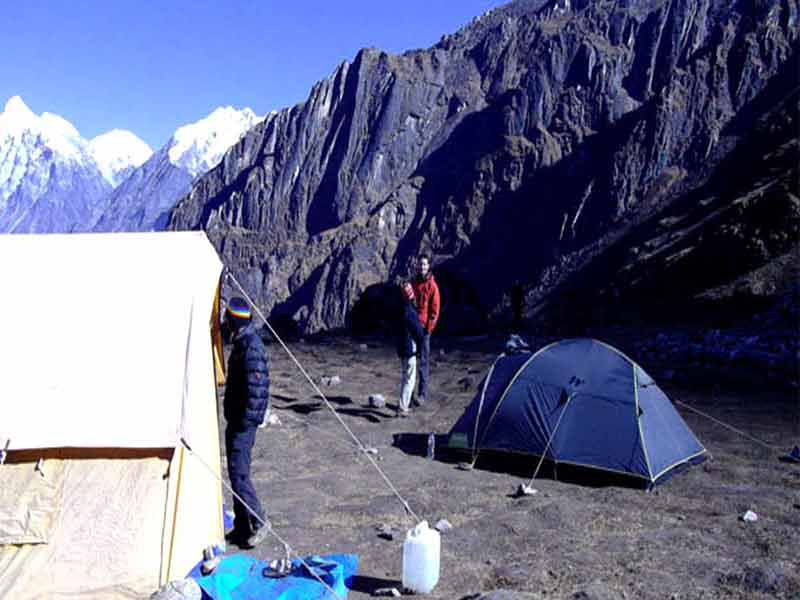
The Langtang Ganja La Pass Trek is one of Nepal’s spectacular high-pass trekking adventures, combining the beautiful Langtang Valley with the challenging and less-traveled Ganja La Pass (5,130 m). This trek is ideal for experienced trekkers looking for a combination of Himalayan scenery, traditional Tamang and Tibetan-influenced culture, alpine landscapes, glaciers, mountain villages, and a demanding high-altitude pass crossing.
Located north of Kathmandu near the Tibetan border, the Langtang region offers an excellent opportunity to experience the Himalayas without traveling deep into remote mountain areas. The trek begins around Syabrubesi and follows the Langtang Valley toward Kyanjin Gompa (3,830 m) before turning toward the challenging Ganja La Pass. The route then descends through beautiful mountain landscapes toward the Helambu region and eventually reaches the roadhead for the journey back to Kathmandu.
The Ganja La Pass stands at approximately 5,130 meters above sea level and is considered one of the more demanding pass crossings in the Langtang region. Depending on seasonal conditions, the pass can involve snow, ice, steep ascents, exposed terrain, and difficult trail sections. For this reason, proper preparation, an experienced guide, suitable equipment, and good acclimatization are important.
Langtang Ganja La Pass Trek Highlights
Trek through the beautiful Langtang Valley.
Cross the challenging Ganja La Pass at around 5,100 meters.
Explore traditional Tamang and Tibetan-influenced villages.
Visit Langtang Village and Kyanjin Gompa.
Enjoy spectacular views of Langtang Lirung, Langtang II, Langshisha Ri, Dorje Lakpa, and surrounding peaks.
Experience forests of rhododendron, bamboo, pine, and oak.
Explore the high Himalayan landscape around Kyanjin.
Enjoy panoramic mountain views from high viewpoints.
Experience traditional mountain hospitality.
Walk through less-crowded trails beyond the main Langtang route.
Combine cultural experiences with a challenging Himalayan pass.
Experience the transition from green valleys to alpine and glacial terrain.
Where Is the Langtang Ganja La Pass Trek
The Langtang Ganja La Pass Trek takes place in the Langtang region of northern Nepal. The region lies north of Kathmandu and close to the Nepal-Tibet border. The usual starting point is Syabrubesi, which can be reached by road from Kathmandu.
The trek follows the Langtang Valley toward Lama Hotel, Langtang Village, and Kyanjin Gompa. After exploring the upper Langtang Valley and allowing time for acclimatization, the route heads toward Ganja La Pass. From the pass, trekkers descend toward the southern side of the Langtang range and continue through quieter mountain settlements before connecting with the Helambu trekking area.
The exact route and overnight locations may vary depending on weather, trail conditions, local regulations, and the trekking itinerary selected.
Trekking Through the Langtang Valley
The Langtang Valley is one of the most scenic trekking valleys in Nepal. The lower part of the trek passes through dense forests, rivers, waterfalls, and traditional villages. As the elevation increases, the landscape gradually changes from green subtropical vegetation to alpine terrain.
The trail commonly passes through villages such as Syabrubesi, Lama Hotel, Langtang Village, and Kyanjin Gompa. Each section offers a different Himalayan experience.
The lower trail is characterized by forest and river valleys, while the upper valley provides impressive views of snow-covered mountains. The region is also home to communities with strong Tamang cultural traditions, and trekkers can experience local architecture, food, language, and hospitality along the route.
Syabrubesi – Gateway to the Trek
Syabrubesi is the traditional gateway for many Langtang trekking routes. After traveling from Kathmandu, trekkers normally spend the night in Syabrubesi before beginning the walking journey.
The village provides basic accommodation, restaurants, shops, and trekking services. It is also a useful place to check trekking equipment before entering the mountain trail.
From Syabrubesi, the trail follows the Langtang Khola through forests and mountain terrain toward Lama Hotel.
Forests, Rivers and Mountain Villages
The lower section of the trek passes through beautiful forests containing rhododendron, oak, pine, maple, and bamboo. During spring, rhododendron flowers add color to the landscape.
The Langtang Khola flows through the valley, and several bridges cross the river during the trek. The sound of flowing water, birds, and forest vegetation creates a peaceful atmosphere.
As trekkers climb higher, the forests become thinner, and the mountains become increasingly visible. Traditional settlements appear along the valley, providing opportunities to learn about local mountain life.
Lama Hotel to Langtang Village
From Lama Hotel, the trail continues toward the higher parts of the Langtang Valley. The path gradually gains elevation while passing through forests and smaller settlements.
Langtang Village is one of the important cultural and trekking points in the region. The village and surrounding communities have rebuilt and continued their mountain life after the earthquake of 2015.
The surrounding mountains become increasingly impressive from this section of the trek. Trekkers can enjoy views of Langtang Lirung and other peaks while walking through the valley.
Langtang Village to Kyanjin Gompa
The trail from Langtang Village continues toward Kyanjin Gompa, the main settlement in the upper Langtang Valley. The landscape becomes more alpine as the altitude increases.
Kyanjin Gompa is surrounded by impressive Himalayan peaks and is an important destination for acclimatization and exploration.
Trekkers normally spend time here to adjust to the altitude before attempting higher sections of the Ganja La route. Depending on the itinerary, an acclimatization day may include hiking to Kyanjin Ri or Tserko Ri.
Kyanjin Gompa and Acclimatization
Acclimatization is particularly important on the Langtang Ganja La Pass Trek because the route reaches more than 5,000 meters.
A rest and acclimatization day around Kyanjin Gompa provides an opportunity to explore the surrounding area while allowing the body to adapt to higher elevation.
Popular viewpoints include Kyanjin Ri (4,773 m) and Tserko Ri (4,984 m). These viewpoints provide impressive panoramas of Langtang Lirung and surrounding Himalayan peaks.
Trekkers should walk slowly, drink sufficient water, eat properly, and follow the guidance of their trekking guide. Any symptoms of altitude sickness should be taken seriously.
Ganja La Pass Crossing
The main challenge of the trek is crossing Ganja La Pass, which rises to approximately 5,100 meters.
The approach to the pass can be steep and demanding. Depending on the season, snow and ice can cover sections of the route, making the crossing more difficult. Some sections may require careful foot placement and, under suitable conditions, basic technical support from an experienced guide.
The final ascent to Ganja La requires physical effort and mental determination. Weather conditions can also change quickly at high altitude.
From the top of the pass, trekkers can enjoy magnificent views of the surrounding mountains and valleys. Standing at the summit of Ganja La provides a memorable sense of achievement after the demanding ascent.
Because conditions can vary considerably, the pass should only be attempted when the guide and local conditions indicate that it is safe to proceed.
High-Altitude Landscape
Beyond Kyanjin Gompa, the landscape becomes significantly different from the lower Langtang Valley. Trees become scarce, and the terrain consists mainly of rocks, grassland, snow, and glacial features.
The dramatic contrast between the green lower valleys and the rugged high-altitude environment is one of the major attractions of this trek.
Trekkers may encounter snow-covered slopes, rocky ridges, alpine meadows, and panoramic Himalayan views.
Mountain Views from the trek
The Langtang Ganja La Pass Trek offers excellent opportunities to see some of the major peaks of the Langtang region.
Depending on weather and viewpoint, trekkers may see:
Langtang Lirung (7,227 m)
Langtang II (6,596 m)
Langshisha Ri (6,427 m)
Dorje Lakpa (6,966 m)
Yala Peak (5,500 m)
Naya Kanga (5,844 m)
Ganesh Himal and surrounding ranges
Mountain visibility is highly dependent on weather. Clear mornings often provide the best views.
Culture and Local Communities
The Langtang region is well known for its Tamang culture and Tibetan-influenced traditions. Villages throughout the trekking route have their own distinctive architecture, monasteries, prayer flags, mani walls, and Buddhist traditions.
Trekkers can interact with local families, stay in mountain lodges, and learn about traditional Himalayan lifestyles.
Kyanjin Gompa and other Buddhist cultural sites provide opportunities to observe local religious practices. Respect for local customs is important throughout the trek.
Flora and Wildlife
The lower Langtang Valley contains diverse vegetation because of its changing elevation. Rhododendron, oak, pine, bamboo, and other Himalayan plants can be found along the trail.
The Langtang region is also associated with wildlife such as the red panda, Himalayan black bear, musk deer, and various bird species. Wildlife sightings are never guaranteed, but trekkers may notice signs of animals or hear birds while walking through the forests.
The region’s varied ecosystems are an important part of the trekking experience.
Difficulty of Langtang Ganja La Pass Trek
The Langtang Ganja La Pass Trek is generally considered a challenging trek. It is more demanding than the standard Langtang Valley Trek because of the high-altitude pass crossing and more remote trail conditions.
The major challenges
- High altitude
- Long trekking days
- Steep ascents and descents
- Snow or icy conditions depending on the season
- Variable mountain weather
- Limited facilities in remote sections
- Rough and rocky trails
- Ganja La Pass crossing
Previous high-altitude trekking experience is beneficial. Trekkers should be physically prepared for several hours of walking each day and should have suitable equipment.
Best Time for Langtang Ganja La Pass Trek
The best seasons for the Langtang Ganja La Pass Trek are generally spring and autumn.
Spring Season
March, April, and May are popular months for trekking in the Langtang region. The weather is generally favorable, and rhododendron forests are often in bloom.
Autumn Season
September, October and November generally provide stable trekking conditions and good mountain visibility. October is particularly popular for trekking in Nepal.
Winter Season
December, January and February can bring heavy snow and very cold conditions around Ganja La Pass. Snow may make the pass crossing difficult or unsafe.
Monsoon Season
June, July and August bring monsoon rainfall to much of Nepal. Lower trails can become wet and slippery, while clouds may reduce mountain visibility. Pass conditions can also become difficult.
Because Ganja La is a high mountain pass, actual conditions should always be checked before departure, regardless of the season.
Accommodation During the trek
Accommodation during the Langtang Ganja La Pass Trek varies according to the section of the route.
In established villages such as Lama Hotel, Langtang Village and Kyanjin Gompa, trekkers can usually stay in teahouses or lodges. These provide basic rooms and meals.
The remote sections associated with the Ganja La crossing may have limited or no regular lodge services. Depending on the selected route and current local conditions, camping arrangements may therefore be necessary.
Trekkers should confirm the current accommodation situation with their trekking agency before departure.
Food During the Trek
Teahouses generally provide simple but filling meals. Common options include dal bhat, noodles, rice, pasta, potatoes, soup, vegetables, eggs, bread, and Tibetan-style dishes.
Dal bhat is especially popular because it provides carbohydrates and protein suitable for long trekking days.
At remote sections, food arrangements may be more limited. If camping is required, the trekking team can organize cooking equipment, food supplies, and a cook where appropriate.
Guide and Porter Service
A licensed and experienced trekking guide is strongly recommended for the Langtang Ganja La Pass Trek, particularly because the route crosses a high and potentially difficult mountain pass.
A guide can assist with navigation, accommodation arrangements, communication with local communities, weather assessment, and emergency decisions.
Porters can carry trekking equipment and personal luggage, allowing trekkers to walk more comfortably and concentrate on the trail.
For challenging sections, an experienced mountain guide is particularly valuable.
Permits for trek
The Langtang region requires the appropriate trekking permits and entry documentation. Requirements can change according to government and protected-area regulations, so trekkers should confirm the current requirements before starting the journey.
A professional trekking agency can arrange the required permits and help ensure that the necessary documents are prepared before departure.
Physical Preparation
Preparation is important for a successful Ganja La Pass Trek.
Before the trek, trekkers can improve their endurance through regular walking, hiking, stair climbing, cycling, or other aerobic activities. Longer weekend hikes can help prepare the body for consecutive trekking days.
Strengthening the legs and improving balance can also be useful because the route includes steep ascents and uneven terrain.
However, physical fitness alone does not prevent altitude sickness. Proper acclimatization and a gradual ascent remain essential.
Safety and Altitude Awareness
Safety is one of the most important considerations on this trek. Ganja La is a high-altitude pass where weather and trail conditions can change rapidly.
Trekkers should follow the guide’s instructions, maintain a comfortable pace, and stay hydrated. If symptoms of altitude sickness develop, the trekking team should be informed immediately.
The group should never feel pressured to cross the pass when weather or trail conditions are unsafe. A responsible trekking itinerary should allow flexibility for weather and health conditions.
- Equipment for the Trek
- Essential equipment normally includes:
- Waterproof trekking boots
- Warm sleeping bag
- Down jacket
- Fleece jacket
- Waterproof jacket and trousers
- Thermal base layers
- Trekking trousers
- Warm hat and gloves
- Sunglasses
- Sun protection
- Trekking poles
- Water bottles or hydration system
- Headlamp
- Personal first-aid supplies
- Backpack and rain cover
- Personal toiletries
High-altitude trekking equipment appropriate to current pass conditions
Additional equipment may be required when snow and ice conditions are present. The guide or trekking agency should advise trekkers about specialized equipment before departure.
Why Choose Langtang Ganja La Pass Trek
The Langtang Ganja La Pass Trek is an excellent choice for trekkers who want more than a standard Himalayan valley trek. It combines the cultural and natural beauty of Langtang with the adventure of crossing a high mountain pass.
The trek provides a gradual journey from green forests and traditional villages into a dramatic alpine environment. Kyanjin Gompa, the surrounding peaks, and the Ganja La Pass are major highlights.
The route also provides opportunities to experience quieter trails and less-developed mountain areas compared with some of Nepal’s most popular trekking routes.
Conclusion during the trek
The Langtang Ganja La Pass Trek is a challenging and rewarding Himalayan adventure that combines spectacular mountain scenery, traditional culture, forest trails, high-altitude landscapes, and an exciting pass crossing.
From the lower forests around Syabrubesi to the dramatic mountains surrounding Kyanjin Gompa and the demanding ascent toward Ganja La Pass, every section of the journey offers a different experience.
With proper acclimatization, suitable equipment, experienced guide support, and careful attention to weather and trail conditions, the trek can become an unforgettable journey through one of Nepal’s remarkable mountain regions.
For trekkers seeking a challenging alternative to the standard Langtang Valley Trek, the Langtang Ganja La Pass.
| Day | Destination | Altitude | Walking Hour | Accommodation |
|---|---|---|---|---|
| 1 | Arrival Kathmandu and transfer to hotel | 1300 | One hour drive from airport to hotel | Hotel in Kathmandu |
| 2 | Kathmandu to Syaprubensi | 1400 | 8-9-hours bus from Kathmandu | Lodge |
| 3 | Syapru to Lama hotel | 2430 | 5-hours | Lodge |
| 4 | Lama hotel to Mundo | 3340 | 5-hours | Lodge |
| 5 | Mundo to Kyangjin Gompa | 3710 | 2-hours | Lodge |
| 6 | Kyangjin to Trego Ri Climbing | 4900 | 6-hours | Lodge |
| 7 | Kyangjin to Ganja La base camp | 4200 | 3-hours from Kyangjin | Tent Camping |
| 8 | Ganja La pass (5130m) and Kalden Kharka | 3800 | 6-hours | Tent Camping |
| 9 | Kalden Kharka to Dhukpu Kharka | 3400 | 6-7-hours | Tent Camping |
| 10 | Dhukpu Kharka to Tarkrghyang | 2743 | 5-6-hours | Lodge |
| 11 | Tarkeghyang to Timpu | 800 | 3-hours | Lodge |
| 12 | Timpu to Kathmandu | 1300 | 5-hours bus to Kathmandu | Hotel in Kathmandu |
| 13 | Free day at Kathmandu | 1300 | Free Visit | Hotel in Kathmandu with breakfast |
| 14 | Departure | Once you have finished your breakfast, transfer to the Kathmandu airport | Flight out from Nepal | At your home |
Ganja la Pass trek cost 1360 $ Per Person
Cost Includes
- Arrival and Departure Transport Car/Van/ Hiace.
- Hotel in Kathmandu with bed and breakfast 3 Nights.
- Breakfast, Lunch, and Dinner during Lodge and camping trek with Tea and coffee.
- Lodge and Tented accommodation during the trek.
- License holder Trekking Guide and porters. Including insurance, Food, Salary, and Accommodation.
- Fix rope and ice crow.
- Langtang National park fee and TIMS Card.
- Bus Transport-Kathmandu-Shybrubensi-Thimpu-Kathmandu.
Ganja la Pass trek cost Excludes
- Lunch and dinner in Kathmandu.
- Your Travel Insurance Policy encase if the accident and high Altitude sickness Rescue operation.
- Nepal entry visa fee 15 Days 30 US$ and for the 30 Days 50 US$, you obtain your visa in Kathmandu Kathmandu airport if you have not taken from your country.
- Will require 1 passport size photos
- Soft and hard drinks Such as Beer.Coke, Fanta and mineral waters.
- Personal Trekking Equipment.
- Tips for Trekking staffs.
September to 10 November and April to May
Day time normal and during Night 3-8 degree.
Langtang with Ganjala pass cost 1360 U$$: per person minimum of 2 people in it the Group
Langtang national park, and TIMS card.
Yes, If you take a Guide and porter then very safe trip all the trekking in Nepal. It is better to book your trip with an agency if something happens than easy to solve any problem and full responsibility from the Trekking agency.
Chinese, Nepali, Tibetan, Indian and Italian dishes and Accommodation at tea house lodge and 3 nights tent service.
5/7 hours of walking per day.
Yes, you can see Langtang, Kang Chambo, Yala peak, Yubra peak, and other mountain views.
No, It is an easy and less crowded trek in the Ganjala area 5,130m Pass
Normally, you need to bring with you flowing equipment. +, walking boot If possible Gore tax boot is better. + Warm socks and Gaiters in case of rain or snow. + Day carry bag and Down Jacket over 4,000 meters. + Sleeping bag and others which are not mansions here.
Hotel in Kathmandu with bed and breakfast 3 Nights. Breakfast, Lunch, and Dinner during Lodge and camping trek with Tea and coffee. Lodge and Tented accommodation during the trek. License holder Trekking Guide and porters. Including insurance, Food, Salary, and Accommodation. Fix rope and ice crow. Langtang National park fee and TIMS Card. Bus Transport-Kathmandu-Shybrubensi-Thimpu-Kathmandu.
Feels like hangover & Feeling not good/ Headache/ Shortness of Breath/ Loss of appetite/ Sleep not good/ vomiting/ fevers etc.
Yes, if a woman travels alone to Nepal no problem but you take a guide or porter from a registered trekking agency because the trekking company is fully responsible for trekking and Mountain climbing. Our agency staff always take care of you, and they will provide you with a single room single tent during the tea house trek and during the climbing trek. But if you contact a freelance Guide then you get many problems they try to make chit for a single woman. Therefore if you book a guide porter with an agency then it is good to save your Holyday travel to Nepal.
Altitude Chart