Muktinath Trek - 10 Nights 11 Days
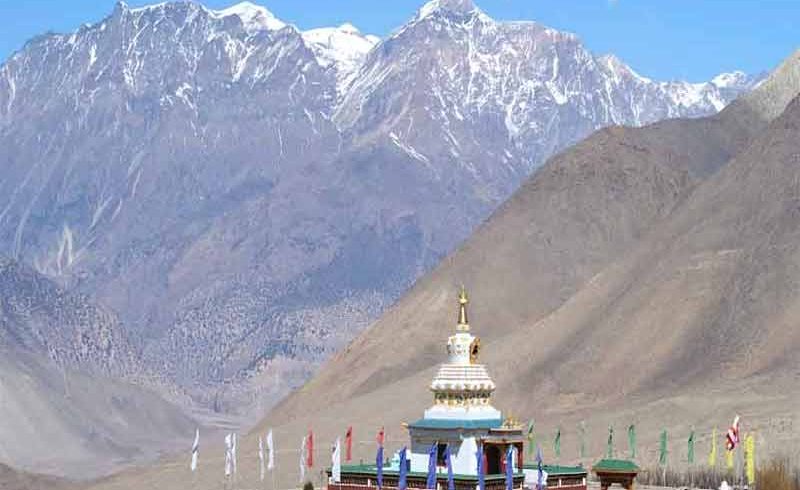


The Muktinath Trek is one of the most rewarding trekking experiences in Nepal, combining Himalayan mountain scenery, ancient religious traditions, traditional villages, and the unique landscapes of the Mustang region. Located in the Annapurna region of north-central Nepal, Muktinath is a sacred pilgrimage destination for both Hindus and Buddhists. The temple lies at an altitude of approximately 3,800 meters (12,467 feet) above sea level and attracts thousands of pilgrims and travelers every year.
The Muktinath Trek is an excellent choice for travelers who want to experience the beauty of the Himalayas while exploring Nepal’s spiritual and cultural heritage. Depending on the selected route, the journey can begin in Pokhara, Jomsom, Kagbeni, or along the famous Annapurna Circuit. Trekkers can enjoy spectacular views of the Annapurna and Dhaulagiri mountain ranges, walk through the Kali Gandaki Valley, visit traditional Thakali settlements, and discover the unique landscapes of Lower Mustang.
Unlike some of Nepal’s more demanding high-altitude trekking routes, the Muktinath journey can be customized for different fitness levels. Travelers can choose a short pilgrimage tour or combine Muktinath with the Annapurna Circuit, Jomsom, Kagbeni, and other destinations in Mustang.
Whether you are interested in Himalayan landscapes, local culture, religious history, or adventure, the Muktinath Trek offers an unforgettable experience in Nepal.
Where Is Muktinath Located?
Muktinath is situated in the Mustang District of Gandaki Province, Nepal. It lies north of the Annapurna Himalayan range, close to the Tibetan Plateau. The region is famous for its dramatic landscapes, dry valleys, ancient monasteries, and traditional settlements.
The temple is located near Ranipauwa village, which serves as the main accommodation and service center for pilgrims and trekkers visiting Muktinath.
The Kali Gandaki Valley provides the main access route to this region. The journey passes through Jomsom and Kagbeni, offering beautiful views of the surrounding mountains and distinctive Mustang terrain.
Muktinath is also an important stop on the Annapurna Circuit Trek. Many trekkers visit the temple after crossing Thorong La Pass, one of the highest trekking passes in the world, at approximately 5,416 meters.
Highlights of the Muktinath Trek
- The Muktinath Trek offers a combination of natural beauty, culture, spirituality, and adventure.
- Visit the sacred Muktinath Temple, an important pilgrimage site for Hindus and Buddhists.
- Explore the traditional village of Kagbeni, with its narrow lanes and historic architecture.
- Enjoy spectacular views of the Annapurna and Dhaulagiri mountain ranges.
- Experience the dramatic landscapes of the Kali Gandaki Valley.
- Discover traditional Thakali culture, local food, and Himalayan hospitality.
- Visit Jomsom, the administrative and commercial center of the Mustang region.
- Explore traditional villages surrounded by barren hills and snow-covered mountains.
- Experience the spiritual atmosphere of the 108 water spouts at Muktinath Temple.
- Photograph beautiful mountain scenery, ancient monasteries, and traditional stone houses.
- Combine the trek with the Annapurna Circuit or other Mustang adventures.
- Muktinath Temple and Its Religious Significance
Muktinath Temple is the most important attraction of this trek. The name Muktinath is associated with liberation or freedom from the cycle of suffering and rebirth in Hindu religious traditions.
For Hindus, the temple is dedicated to Lord Vishnu and is known as one of the sacred pilgrimage destinations in Nepal. Many pilgrims believe that visiting the temple and participating in its religious rituals bring spiritual purification and blessings.
The temple complex includes 108 water spouts, commonly known as Mukti Dhara. Pilgrims traditionally pass beneath these water spouts as part of their religious practice. The temple area also contains sacred water features and an eternal flame that contributes to its spiritual significance.
For Buddhists, Muktinath is also an important sacred place associated with the bodhisattva of compassion and the natural elements. The site is known as Chumig Gyatsa in Tibetan Buddhist tradition, meaning a place associated with a hundred waters.
This unique combination of Hindu and Buddhist traditions makes Muktinath a remarkable destination for understanding Nepal’s religious diversity.
Visitors should dress respectfully, follow temple regulations, and ask permission before photographing worshippers or religious ceremonies.
Scenic Beauty and Himalayan Landscapes
The Muktinath Trek provides an impressive variety of landscapes. Depending on the selected route, trekkers pass through green hills, river valleys, terraced farmland, traditional villages, and dry Himalayan terrain.
The Annapurna and Dhaulagiri ranges dominate the skyline, creating spectacular views throughout the journey. On clear days, trekkers can enjoy panoramic views of snow-covered peaks and the dramatic Kali Gandaki gorge.
The landscape changes significantly as you travel north from Pokhara toward Mustang. The greener hills gradually give way to dry, windswept valleys with rocky cliffs and sparse vegetation. This transition creates a distinctive trekking experience.
The Kali Gandaki Valley is particularly impressive because it runs between the Annapurna and Dhaulagiri massifs. Along the way, trekkers may also find fossil-bearing stones known as shaligrams, which are considered sacred by many Hindus. Collecting fossils or other natural objects should always follow applicable local rules.
The region is especially attractive to photographers, nature lovers, cultural travelers, and anyone interested in exploring Nepal beyond its more crowded trekking destinations.
Trekking Difficulty
The Muktinath Trek is generally considered easy to moderate when approached through Jomsom and Kagbeni. The difficulty depends on the route, walking distance, altitude, weather, and whether you travel by road or trek throughout the journey.
The route from Kagbeni to Muktinath involves a sustained uphill climb. Although it does not require technical climbing skills, some travelers may find the altitude and dry conditions challenging.
Trekkers who combine Muktinath with Thorong La Pass on the Annapurna Circuit face a much more demanding adventure. Thorong La is approximately 5,416 meters high and requires proper acclimatization, good preparation, and favorable weather.
You should be comfortable walking for several hours per day and carrying a small daypack. Regular walking, hiking, and cardiovascular exercise before the trip can help you prepare.
A licensed guide can help manage the route, accommodation, local arrangements, and changing weather conditions.
Best Time for the Muktinath Trek
Spring (March–May): Spring offers pleasant trekking conditions, improving temperatures, and excellent mountain views. Lower elevations may be warmer, while mornings and evenings can remain cold in Mustang.
Autumn (September–November): Autumn is one of the most popular trekking seasons in Nepal. After the monsoon, the skies often become clearer, providing excellent views of the Annapurna and Dhaulagiri ranges.
Winter (December–February): Winter travel is possible on many lower routes, but temperatures can fall significantly, and snow may affect higher trails. Thorong La Pass may be difficult or unsafe during severe weather.
Monsoon (June–August): Much of Nepal experiences heavy rainfall during the monsoon. However, Mustang lies in the rain shadow of the Annapurna and Dhaulagiri ranges, so it is generally drier than many other regions. Road conditions, landslides on access routes, flight disruptions, and strong afternoon winds can still affect travel.
Permits Required for the Muktinath Trek
Permit requirements depend on the route and current regulations.
For the usual Jomsom–Kagbeni–Muktinath route, trekkers should confirm whether an Annapurna Conservation Area Permit (ACAP) is required for their specific itinerary. Travelers on the Annapurna Circuit generally need the relevant conservation-area permit.
The standard Muktinath pilgrimage route in Lower Mustang does not automatically require the restricted-area permit used for Upper Mustang. However, if your itinerary continues beyond the permitted boundaries into restricted areas, additional permits and authorized arrangements may be necessary.
Permit fees and entry rules can change. Confirm the latest requirements with the Nepal Tourism Board, the relevant conservation-area authority, or your trekking agency before departure.
Carry your passport and the necessary permit documents during the trek.
Accommodation During the Trek
Accommodation is generally available in teahouses, guesthouses, and lodges throughout the main Muktinath route.
In Pokhara and Jomsom, travelers can choose from budget guesthouses to comfortable hotels. Kagbeni and Ranipauwa also offer lodges with basic to moderate facilities.
Most trekking lodges provide beds, blankets, shared or private bathrooms depending on the property, and dining areas. Hot showers and Wi-Fi may be available for an additional fee, but services can vary.
During peak seasons, booking accommodation in advance is advisable, especially for groups and travelers who require private rooms.
For a more comfortable experience, your agency can arrange suitable accommodation according to your budget and preferences.
Food and Drinking Water
The Muktinath Trek offers a mixture of Nepali, Tibetan-influenced, and international dishes.
- Dal Bhat: Rice, Lentils, Vegetables, and Pickles.
- Noodles, Fried rice, and Pasta.
- Soups, potatoes, and vegetable dishes.
- Tibetan bread, chapati, and eggs.
- Momos and other local specialties.
- Tea and coffee.
Dal Bhat is a popular trekking meal because it provides energy for long walking days.
Drink safe water throughout the journey. Use treated or properly boiled water, and consider carrying a reusable bottle and a suitable water-treatment method. Avoid assuming that untreated tap, stream, or spring water is safe to drink.
At higher elevations, stay hydrated and eat regular meals to support your trekking performance.
Transportation to Muktinath
By flight: Travelers can fly from Pokhara to Jomsom when flights are operating. Flights are weather-dependent and may be delayed or canceled, particularly because of strong winds and changing mountain conditions.
By road: Jeeps and other suitable vehicles operate on routes connecting Pokhara, Beni, Jomsom, and the Muktinath area, depending on road conditions. The journey can be long, and road surfaces vary.
By trekking: Many travelers walk between Jomsom, Kagbeni, and Muktinath to enjoy the landscape and villages. A road transfer can be used for one or more sections.
Combined route: Trekkers on the Annapurna Circuit may arrive at Muktinath after crossing Thorong La Pass and continue toward Jomsom.
Transportation costs are normally separate from the trekking package unless the itinerary clearly states that flights or road transfers are included.
What to Pack for the Muktinath Trek
Packing depends on the season and route, but the following items are useful for most travelers.
Clothing
- Moisture-wicking shirts and trekking trousers.
- Warm fleece or insulated jacket.
- Waterproof and windproof jacket.
- Comfortable trekking trousers and thermal layers.
- Warm hat, gloves, and sun hat.
- Several pairs of trekking socks.
- Comfortable, broken-in trekking boots.
- Lightweight shoes or sandals for evenings.
- Daypack and rain cover.
- Trekking poles.
- Sunglasses and sunscreen.
- Reusable water bottle and water-treatment supplies.
- Headlamp and spare batteries.
- Basic first-aid supplies and personal medication.
- Toiletries and quick-drying towel.
- Passport, permits, and travel insurance documents.
- Cash in Nepalese rupees.
- Power bank and charging cables.
If you are trekking during winter or crossing Thorong La Pass, additional insulation and more specialized equipment may be required.
Safety and Altitude Considerations
Muktinath is located at approximately 3,800 meters, so travelers should be aware of altitude-related illness. Some people may experience headache, nausea, dizziness, unusual tiredness, or sleep disturbances at higher elevations.
Ascend gradually where possible, stay hydrated, and avoid pushing yourself when feeling unwell. If symptoms worsen, do not continue ascending; descend and seek medical assistance. Severe symptoms require urgent medical attention.
Weather can change quickly in the mountains. Strong winds are common in the Kali Gandaki Valley, particularly later in the day. Start walking early, carry suitable layers, and follow local advice.
Travel insurance should cover trekking at the maximum altitude of your itinerary and emergency helicopter evacuation where applicable. Check the policy wording carefully.
Why Choose the Muktinath Trek?
The Muktinath Trek is an excellent option for travelers who want to combine mountain scenery with cultural exploration and spiritual experiences.
It offers access to a sacred temple, traditional Himalayan villages, beautiful landscapes, and the distinctive culture of Mustang without necessarily requiring a long or technically challenging expedition.
The route is flexible and can be customized for pilgrims, families, photographers, cultural travelers, and trekkers who want to extend their journey into the Annapurna region.
With a well-planned itinerary, suitable transportation, and reliable local support, the Muktinath Trek can become one of the most memorable highlights of a visit to Nepal.
Frequently Asked Questions (FAQs)
How long does the Muktinath Trek take?
A short Muktinath trip can take around 4–6 days from Pokhara, depending on transportation. A trekking-focused itinerary may take 5–7 days or longer. Combining Muktinath with the Annapurna Circuit requires additional time.
How high is Muktinath Temple?
Muktinath Temple is approximately 3,800 meters (12,467 feet) above sea level.
Is the Muktinath Trek difficult?
The usual route through Jomsom and Kagbeni is generally easy to moderate. The Annapurna Circuit extension involving Thorong La Pass is considerably more challenging.
Can beginners visit Muktinath?
Yes. Beginners can visit Muktinath using a suitable itinerary, gradual acclimatization, and road transportation for some sections if needed.
What is the best month to visit Muktinath?
April, May, October, and November are popular months because of generally favorable trekking conditions and mountain views.
Are flights to Jomsom included in the trek cost?
Yes: Our Package cost includes Pokhara to Jomsom to Pokhara flight tickets.
Is accommodation available near Muktinath Temple?
Yes. Guesthouses and lodges are available in Ranipauwa and nearby villages.
Can I combine Muktinath with the Annapurna Circuit Trek?
Yes. Muktinath is a common destination on the Annapurna Circuit, usually reached after crossing Thorong La Pass.
What should I bring for the trek?
Bring comfortable trekking footwear, layered clothing, a warm jacket, sun protection, a reusable water bottle, personal medication, and the necessary travel documents.
Is the Muktinath Trek suitable for a religious pilgrimage?
Yes. Muktinath is an important destination for Hindu and Buddhist pilgrims. Visitors should respect local customs and religious practices.
How can I book the Muktinath Trek?
You can book through Nepal Alsace Trek, which provides a clear itinerary, transportation arrangements, accommodation details, guide services, permit information, and a transparent cost breakdown.
Conclusion
The Muktinath Trek is a remarkable journey through Nepal’s Himalayan landscapes, cultural villages, and sacred religious heritage. From the lively lakeside city of Pokhara to the dry valleys of Mustang, the journey offers an opportunity to experience a different side of Nepal.
Visiting Muktinath Temple, exploring Kagbeni and Jomsom, enjoying the Annapurna and Dhaulagiri views, and learning about local traditions make this trip special for both trekkers and pilgrims.
Whether you choose a short Muktinath pilgrimage or combine it with the Annapurna Circuit, careful planning and responsible travel will help you enjoy a safe, comfortable, and memorable adventure in the Himalayas.
| Day | Destination | Altitude | Walking Hour | Accommodation |
|---|---|---|---|---|
| 1 | Arrival Kathmandu and transfer to hotel | 1300 | One hour drive from airport to hotel | Hotel in Kathmandu |
| 2 | Kathmandu to Pokhara | 900 | 7-hours by Tourist bus from Kathmandu Pokhara | Hotel in Pokhara |
| 3 | Pokhara -Jomsm to Kagbeni | 2800 | 25 Minutes & Plane 3-hours | Lodge |
| 4 | Kagbeni to Muktinath | 3800 | 4-hours | Lodge |
| 5 | Visit to Muktinath | 3800 | Visit | Lodge |
| 6 | Muktinath to Marpha Village | 2640 | 6-hours | Lodge |
| 7 | Marpha to Jomsom | 2700 | 2-hours | Lodge |
| 8 | Jomsom Pokhara | 900 | 25 Minutes flight from Jomsom to Pokhara | Hotel in Pokhara |
| 9 | Pkhara to Kathmandu | 1300 | 7-hoours the bus | Hotel in Kathmandu |
| 10 | Free day at Kathmandu | 1300 | Free walking | Hotel in Kathmandu with B&B Service |
| 11 | Departure day | Once you have finished your breakfast, transfer to the Kathmandu airport | Flight out from Nepal | At Your home |
Muktinath Trek Cost 990 $ PER PER PERSON
Cost Includes
- Permits for Annapurna Conservation Park cost 2,000 rupees and TIMS cards cost 1,000 rupees.
- There are three meals a day during the trek-breakfast, lunch, and dinner.
- 2800 rupees per day per member for food and lodging.
- Ticket from Pokhara to Jomsom & Pokhara.
- The ticket covers the journey between Kathmandu and Pokhara.
- English-speaking, government-licensed trekking guide.
- As a group of 6 Pax, we will be providing you with trained and experienced Mountain Leaders, who have completed Hotel Management Course 2 and 1 (NATHM), Navigation Course, Rock-climbing Course, Mountain Rescue Course, and Basic Mountaineering course, etc.
- Insurers, salaries, and accommodations during the trek are required of the porters.
- Arrival and departure transport services for company papers.
- Hotel and Government taxes etc.
- During the trek, local transportation was provided
Muktinath Trek Cost Excludes
- In Pokhara and Kathmandu, lunch and dinner.
- The travel insurance policy covers the accident and high altitude sickness, as well as Rescue and medication.
- Coca-Cola, Fanta, Beer, and mineral water are all soft and hard drinks.
- Trekking Equipment for Personal Use,
- Trekking staff tips.
- A passport-size photo should be brought with you.
- Nepal visa fees are 30 USD for 15 days and 50 USD for 30 days. If you haven't taken your visa from home, you can get it in Kathmandu airport.
From September to December and from March to June.
During the day, it is normal and during the night, it is 1-4 degrees.
Lower mustang trekking costs 976 USD per person for a minimum of 2 people in the group.
There is no difficulty, but it can be windy after 10 a.m.
TIMS cards are required for access to Annapurna National Park.
The trekking in Nepal may be very safe if you have a porter and guide with you. It is better to book your trip through an agency so that if something happens there is an easy resolution and full responsibility on the part of the Trekking agency.
It is common to find good lodges with dining rooms and toilets in every village
Chinese, Nepalese, Tibetan, Indian, and Italian dishes.
Five or six hours of walking per day.
Yes, you can see Annapurna over (8,000m), Nilgiri North (7,061m) &, Dhaulagiri (8,167m), Thapa peak (6,012m), Tukuche peak (7,135m) and many other mountain views.
Ten nights and eleven days is the normal schedule
Normally, you need to bring with you flowing equipment. + walking boot If possible Gore tax boot is better. + Warm socks and Gaiters in case of rain or snow. + Day carry bag and Down Jacket over 3,000 meters you get very cold. + Sleeping bag and others which are not mansions here.
Arrival & Departure transport. Hotel in Kathmandu with bed and breakfast as per itinerary. Two-night hotel in Pokhara at Lakeside with breakfast. Annapurna Conservation park permit 2,000 Rs and TIMS card 1,000 Rs. A day three times meals-Breakfast, Lunch and Dinner during the trek. 2800 Rs per day per member for food including lodge accommodation. Popkhara to Jomsom & Pokhara plane ticket. Tourist bus ticket Kathmandu Pokhara to Kathmandu. English- speaking –Government licensed holder trekking guide. Over the 6 Pax group, we will provide you experience mountain Leader, who has the best trained Hotel Management (NATHM) Mountain Leader Course, Component 1-2, Navigation Course, Rock climbing Course, Mountain rescue Training and Basic Mountaineering training, etc. Necessary porters-Insurance, Salary and they are accommodation during the trek. Company paper working Arrival and departure transport service. Hotel and Government taxes etc. Local transport during the trek
There is no issue if a woman travels alone to Nepal, but you take a guide or porter from a registered trekking agency, since they are responsible for mountaineering and trekking in Nepal. During the tea house trek and the climbing trek, our staff always takes good care of you, and they provide you with a single room tent. In contrast, if you contact a freelance guide, you are confronted with many problems as they try to make chit for a single woman. So it is safe to travel to Nepal with a guide or porter booked through an agency.
Altitude Chart