Chhukung to Island Peak climbing -
Introduction: Chhukung to Island Peak Climbing
Chhukung to Island Peak climbing is an exciting Himalayan mountaineering adventure in Nepal’s famous Everest region. Also known as Imja Tse, Island Peak stands at about 6,189 meters and is one of the most popular trekking peaks for climbers seeking their first Himalayan summit.
Chhukung is a small Sherpa settlement in the upper Imja Valley, located above Dingboche and surrounded by spectacular Himalayan Mountains. It is an ideal location for preparing for Island Peak because it provides access to the mountain’s base camp, nearby hiking viewpoints, and opportunities for altitude preparation before the summit attempt.
This climbing adventure combines high-altitude trekking, glacier travel, basic mountaineering techniques, and an unforgettable summit experience. From Chhukung, climbers can reach Island Peak Base Camp and prepare for the final ascent with support from experienced climbing guides.
During the journey, you can enjoy impressive views of Lhotse, Nuptse, Ama Dablam, and the surrounding Himalayan peaks. The dramatic landscape of the Imja Valley, with its rocky trails, glacial lakes, and rugged mountain walls, makes this expedition especially memorable.
Chhukung to Island Peak Climbing is suitable for trekkers with good physical fitness who want to experience a Himalayan peak above 6,000 meters. Previous trekking experience at altitude is helpful, while previous technical climbing experience is an advantage. Climbers must be prepared for cold temperatures, long summit-day hours, and the challenges of moving on snow and ice.
The route from Chhukung offers flexibility for acclimatization, climbing preparation, and weather-related delays. With proper planning, suitable equipment, and professional guidance, Island Peak can become a rewarding highlight of a Nepal trekking holiday.
Where Is Island Peak Located?
Island Peak is located in the Khumbu region of northeastern Nepal, within the Everest area and near the Chhukung Valley. The mountain lies southeast of the main Everest Base Camp trekking route and close to the impressive Lhotse and Nuptse mountain range.
Chhukung is situated at approximately 4,730 meters and serves as an important overnight stop for trekkers and climbers heading toward Island Peak. The settlement is accessible from Dingboche and is surrounded by dramatic mountain scenery.
The usual approach to Chhukung begins with a flight from Kathmandu or Ramechhap to Lukla, followed by trekking through Phakding, Namche Bazaar, Tengboche, Pangboche, and Dingboche.
Climbers who are already trekking in the Everest region can arrange their Island Peak expedition from Chhukung without returning to lower elevations first. This makes the route particularly convenient for travelers combining Island Peak with Everest Base Camp, Gokyo Lakes, or the Everest Three Passes Trek.
Highlights of Island Peak Climbing from Chhukung
Climb Island Peak, approximately 6,189 meters high.
Begin the final approach from Chhukung in the upper Imja Valley.
Enjoy panoramic Himalayan views of Lhotse, Nuptse, Ama Dablam, and neighboring peaks.
Experience glacier travel and high-altitude mountaineering.
Prepare for the summit with an experienced climbing guide.
Explore the dramatic landscapes surrounding Chhukung and Imja Valley.
Experience traditional Sherpa culture and hospitality.
Combine the climb with Everest Base Camp or other Khumbu trekking routes.
Enjoy sunrise views and spectacular scenery during the expedition.
Develop basic mountaineering skills under professional supervision.
Island Peak Climbing Route from Chhukung
The Island Peak climbing route from Chhukung offers an exciting journey through high-altitude Himalayan terrain. The route can be organized for climbers who have already completed the approach trek and reached Chhukung.
Chhukung to Island Peak Base Camp
After spending time in Chhukung, climbers continue toward Island Peak Base Camp. The trail crosses rocky landscapes and glacial terrain, with magnificent views of the surrounding mountains.
The walk can take approximately three to five hours, depending on trail conditions, the group’s pace, and the selected camp location. The altitude and uneven terrain make this section physically demanding.
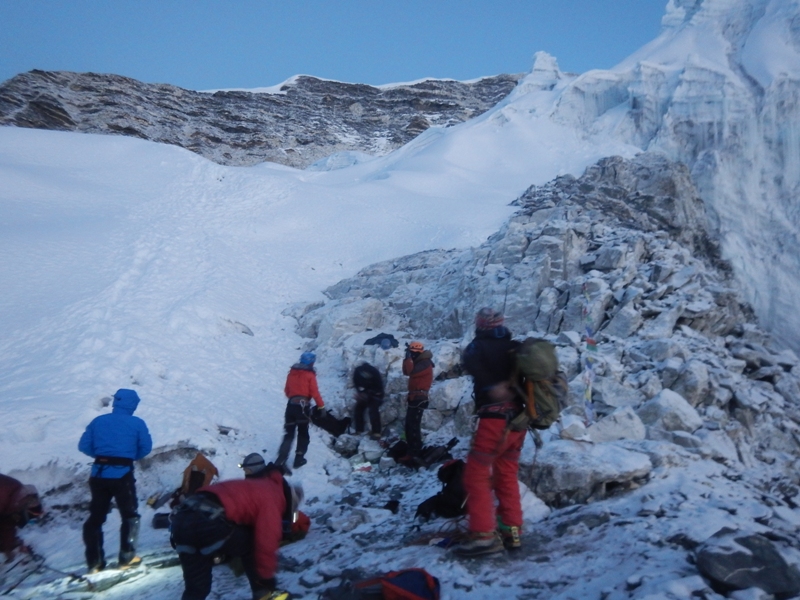
At base camp, the climbing team prepares for the expedition with support from the climbing guide. Climbers can rest, review their equipment, and receive a briefing about the mountain conditions and the planned summit attempt.
Base Camp to High Camp (If Required)
Depending on the chosen climbing plan, weather, and current mountain conditions, the expedition may use a higher camp or proceed from base camp according to the guide’s assessment and permitted arrangements.
The decision depends on safety, acclimatization, route conditions, and the climbing team’s experience. Not every itinerary uses the same camp arrangement.
Summit Day
Summit day is the most challenging part of Island Peak climbing. It generally begins very early to take advantage of suitable weather and snow conditions.
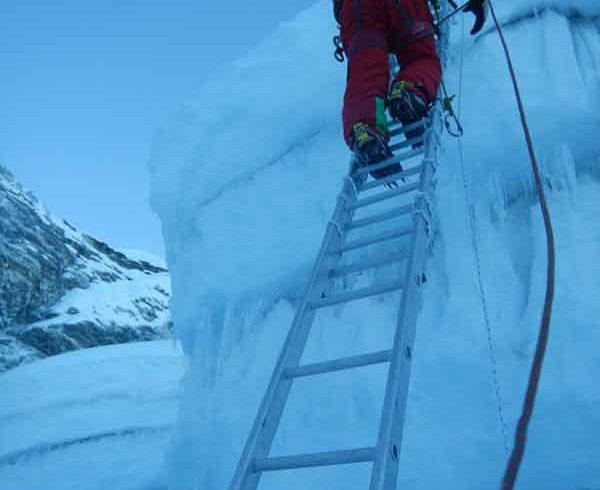
The ascent involves steep mountain terrain and glacier travel. The upper section may require specialized mountaineering equipment and professional supervision. Conditions can change quickly, and the final summit ridge can be exposed.
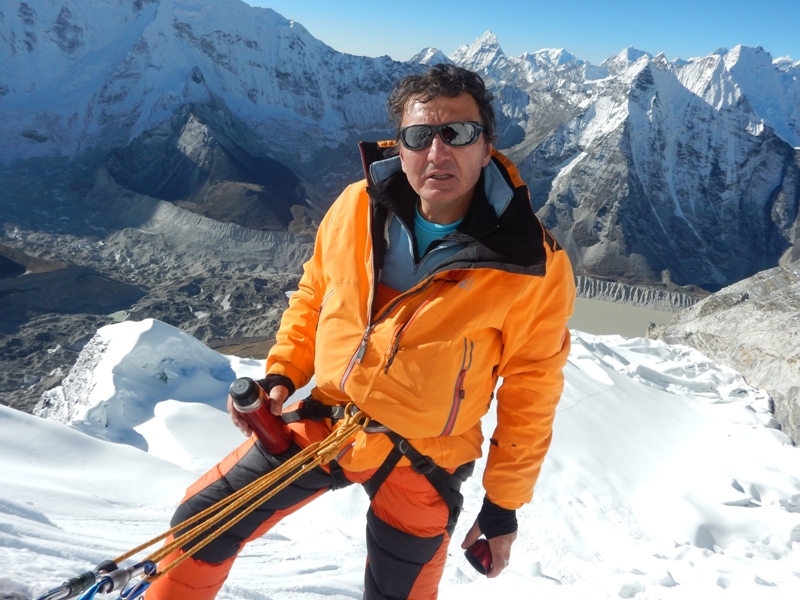
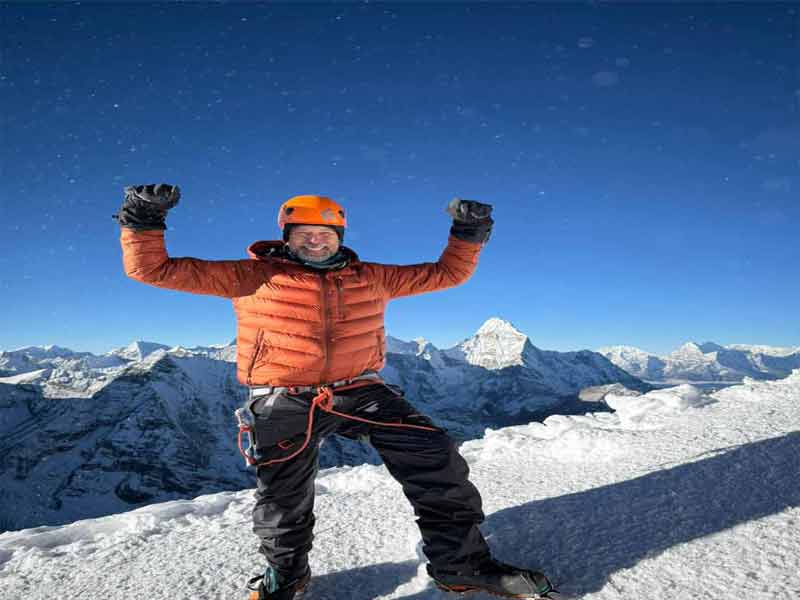
From the summit, climbers can enjoy breathtaking views of Lhotse, Makalu, Baruntse, Ama Dablam, and other Himalayan peaks, depending on visibility. After celebrating the achievement, the team descends carefully and returns to the planned overnight location.
The summit attempt commonly takes many hours, and the exact duration depends on weather, snow conditions, individual fitness, and the route used. Reaching the summit is never guaranteed, and the guide may postpone or cancel the attempt if conditions are unsafe.
Island Peak Altitude and Acclimatization
Island Peak reaches approximately 6,189 meters, where the reduced oxygen level makes physical activity significantly more demanding than at lower elevations.
Chhukung, at approximately 4,730 meters, is already high enough for altitude-related illness to be a concern. Climbers should not assume that reaching Chhukung means they are fully acclimatized.
A responsible itinerary includes adequate time for acclimatization before the summit attempt. Previous nights spent at suitable elevations during the approach trek can also help the body adjust.
Headaches, nausea, dizziness, unusual fatigue, and difficulty sleeping can occur at altitude. Severe or worsening symptoms require prompt medical assessment and descent when indicated. Never continue upward simply to keep to a schedule.
Difficulty Level of Island Peak Climbing
Island Peak is generally considered a challenging trekking peak. Although it is frequently chosen by people entering Himalayan mountaineering, it should not be treated as an easy extension of a regular trek.
High altitude and reduced oxygen availability.
- Long summit-day hours.
- Cold temperatures and strong winds.
- Steep, icy, or snow-covered terrain.
- Glacier travel and possible crevasse hazards.
- Physical exhaustion during the ascent and descent.
Good cardiovascular fitness, previous multi-day trekking experience, and familiarity with high-altitude conditions are valuable. Professional guidance and appropriate training are essential.
Travelers who have never trekked at altitude should discuss their experience and preparation honestly with a qualified climbing operator before booking.
Best Season for Island Peak Climbing
Spring (March to May): This season is popular because temperatures generally become more favorable as the season progresses. Climbers may enjoy impressive mountain views, although weather and snow conditions remain variable.
Autumn (September to November): Autumn often provides good visibility after the monsoon. It is a popular period for trekking in the Everest region, and suitable climbing windows may be available.
Winter (December to February): Winter conditions can be extremely cold, with difficult snow and weather conditions. Climbing during this period requires careful assessment by experienced professionals.
Monsoon (June to August): Rain, cloud, and unstable weather can affect travel to Lukla and conditions in the mountains. The upper mountain may still experience severe cold and changing snow conditions.
Spring and autumn are generally preferred, but no season guarantees safe summit conditions.
Permits for Island Peak Climbing
Island Peak climbing permit issued through the Nepal Mountaineering Assocaition (NMA)
Sagarmatha National Park entry permit.
Khumbu Pasang Lhamu Rural Municipality entry fee.
Any additional documents required by the relevant authorities.
Permit requirements and fees can change according to season, nationality, and government regulations. Your climbing agency should confirm the current rules and arrange the required documentation before departure.
Climbers should carry the necessary identification and permit documents during the expedition.
Accommodation and Food
In Chhukung, accommodation is generally available in local teahouses and trekking lodges. Rooms are usually simple, with facilities varying by lodge and season.
During the Base-Camp section, accommodation arrangements depend on the selected expedition package. Camping may be necessary, and services can be more basic than those available in villages.
- Dal Bhat,
- Rice,
- Noodles,
- Soup,
- Potatoes,
- Eggs,
- Porridge,
- Bread, and other locally available dishes.
At higher elevations, food choices can be limited, and appetites may decrease. Climbers should discuss suitable meals, drinking-water arrangements, and dietary requirements with their expedition organizer.
Equipment and Clothing
Chhukung to Island Peak climbing requires suitable clothing and equipment for cold, high-altitude conditions. The exact list depends on the season,
Important categories
- Insulated clothing and a warm down jacket.
- Waterproof outer layers and trekking trousers.
- Warm gloves, a hat, and suitable socks.
- Mountaineering boots appropriate for the planned conditions.
- A sleeping bag rated for the expected temperatures.
- A headlamp, sunglasses, and sun protection.
- A suitable backpack and personal water bottles.
- Personal medication and a first-aid kit.
The climbing operator should confirm which technical equipment is supplied, which items must be brought personally, and whether any equipment requires professional fitting or training.
Why Choose Island Peak Climbing from Chhukung?
Starting the climbing program from Chhukung is convenient for trekkers who are already exploring the upper Everest region. It avoids the need to repeat the lower approach route and places climbers close to the Island Peak Base Camp trail.
Chhukung to Island Peak climbing also provides a useful setting for reviewing the climbing schedule, resting, and coordinating with the expedition team. Its surrounding mountains create an unforgettable Himalayan atmosphere.
This option works particularly well for travelers combining Island Peak with Everest Base Camp, the Gokyo Lakes Trek, or the Everest Three Passes Trek. The exact combination should be planned carefully to allow sufficient recovery time and acclimatization.
Choosing a reputable operator with qualified guides, clear safety procedures, appropriate insurance arrangements, and realistic scheduling is essential.
Frequently Asked Questions
How high is Island Peak?
Island Peak, also known as Imja Tse, reaches approximately 6,189 meters above sea level.
How long does Island Peak climbing from Chhukung take?
The climbing section commonly requires around five to six days, including preparation, base-camp arrangements, and a summit attempt. Weather contingency days may extend the trip.
Do I need previous climbing experience?
Previous technical climbing experience is helpful. Anyone considering the climb should have suitable fitness, understand the challenges of high altitude, and complete the required preparation with qualified professionals.
Can I climb Island Peak directly from Chhukung?
Chhukung is an approach point, not the summit starting line. Climbers must continue to the designated base-camp area and follow the approved expedition plan.
Is a guide necessary?
A qualified climbing guide and properly organized expedition support are strongly recommended because the route involves high-altitude terrain, glacier travel, and technical sections.
Can Island Peak be combined with Everest Base Camp?
Yes. Island Peak is often combined with Everest Base Camp or other Khumbu trekking routes, provided sufficient time is allocated for acclimatization, rest, and climbing.
What is the best season?
Spring and autumn are generally the preferred seasons, although actual conditions vary from year to year.
Is the summit guaranteed?
No. Weather, snow conditions, altitude-related illness, and other safety concerns may prevent a summit attempt. Safety should always take priority over reaching the top.
Conclusion
Island Peak Climbing from Chhukung is an outstanding Himalayan adventure for trekkers who want to progress from high-altitude trekking toward mountaineering. The journey offers dramatic mountain scenery, an exciting summit objective, and an opportunity to experience the impressive landscapes of Nepal’s Everest region.
Beginning in Chhukung makes the approach convenient for those already trekking in the upper Imja Valley. However, successful expedition planning requires realistic scheduling, appropriate acclimatization, qualified climbing support, suitable equipment, and flexibility around mountain conditions.
With responsible preparation and professional guidance, Island Peak can be a memorable highlight of a Nepal adventure, whether undertaken as a standalone climbing objective after reaching Chhukung or as part of a longer Everest-region itinerary.
Climbing to Island Peak: cost per person; group size minimum 2 Pax
Chhukung to Island Peak climbing cost: 930 USD from March to April.
Island Peak climbing cost | USD 770 from September to November.
Chhukung to Island Peak climbing cost: A single climber: 11,00 USD
WHAT IS INCLUDED & WHAT IS NOT INCLUDED IN THE PRICE
Equipment information: You don’t need to bring your climbing equipment from Kathmandu; our package cost includes all equipment from Chhukung. Climbing equipment we do include:
- Climbing boots,
- Helmet,
- Crampons, Ice Axe,
- Harness,
- Carabiners,
- Ascender,
- Device,
- Jumar,
- Belay Device,
- Figure Eight,
- Safety rope.
| Day | Destination | Altitude | Walking Hour | Accommodation |
|---|---|---|---|---|
| 1 | Meeting with our climbing guide at Chhukung | 4730 | Arrival at Chhukung | Lodge include |
| 2 | Chhukung to Island peak base camp | 4970 | 6-hours | Tent Camping |
| 3 | Today climbing starts early morning about 3 am and Summit to (6,189m) Island peak and back to Chhukung | 6189 | 10-11-hours | Your |
Chhukung to Island Peak climbing cost 782 $ Per person
Cost Includes
- Kitchen Equipment: Trekking tents, Dining tent, Kitchen Tent, Toilet Tent, Table and chairs, Mattresses during the trekking & Peak climbing period.
- Climbing Rope, Ice screws, Snow anchor.
- Staff: 1 Cook, 1 Kitchen, one climbing guide and helper Base Camp Base
- insurance for Nepalese teams.
- Our service charge.
- Equipment Fees for the climbing guide
- Climbing peak permit
- meals from Base Camp to Base Camp.
- Climbing Equipment such as Climbing Boot, Crampons, Ice Axe, Harness, Crabinners, Ascender, Device, Jummer, Belay Device, Figure Eight, and safety rope.
Chhukung to Island Peak climbing Cost Excludes
- Personal equipment
- Personal expenses
- Tipping (Tips) for staffs
One of our staff is always in Chhukung to collect the group.
In Spring one Single 1,050 US$. If 2 person group then the price will be 910: US$ per person In Spring. In Autumn Session one single 855: US$ Per person If 2 person group then the price will be 735 US$ per person Autumn.
Don’t worry you can hire climbing equipment at Checking, But if you have your own Alpine boot then better to bring with you your own size. Because in Chhukung there is the only plastic boot.
Only 2 Night 3 Days program package Chhukung Island peak to Chhukung.
Yes, It is a Technical peak, but there is our experienced Sherpa guide, So, he will take you summit without any problem.
Passport photocopy (should be very clear with color scan) and validity minimum 6 months. 2 passport-size photos. Occupation. Home details address. Insurance copy
Kitchen Equipment: Trekking tents, Dining tent, Kitchen Tent, Toilet Tent, Table and chairs, Mattresses during the trekking & Peak climbing period. Climbing Rope, Ice screws, Snow anchor. Staff: 1 Cook, 1 Kitchen, one climbing guide and helper Base Camp Base insurance for Nepalese teams. Our service charge. Equipment Fees for the climbing guide Climbing peak permit meals from Base Camp to Base Camp Day 01: meals your own. Day 02: Breakfast, Pack Lunch and dinner Base camp. Day 03: Breakfast & pack Lunch Climbing day.
15 September to 10 December and 18 March to May. Before 15 September too much rain and after 10 December to 17 March too much snow also not sour to reach the summit peak
Feels like hangover & Feeling not good/ Headache/ Shortness of Breath/ Loss of appetite/ Sleep not good/ vomiting/ fevers etc.
Yes, Peak climbing is not very easy but depends on trekking peaks the same peak is less technical same peak is very steep, and much technical climbing + but you need good mountaineering equipment. We suggest that before the climbing peak you need to do a minimum 5,000 meters high trekking pass
Namaste, Frist inquiry from your trip you will have direct access to experienced and professional climbing guides advice or to ask questions on your arrival in Kathmandu meet with us we will brief you on how to climb Nepal trekking peaks. If you travel with us then, of course, we will provide qualified Guides who have experience high altitude trekking and climbing guides. We provide all the trekking and climbing staff insurance as well. You can speak directly with us about your proposed climbing Nepal Trekking peaks the will brief you on our experience climbing guide who has many times summit Nepal Trekking peaks
Altitude Chart