Larkya Peak Climbing with Manaslu Circuit Trek -
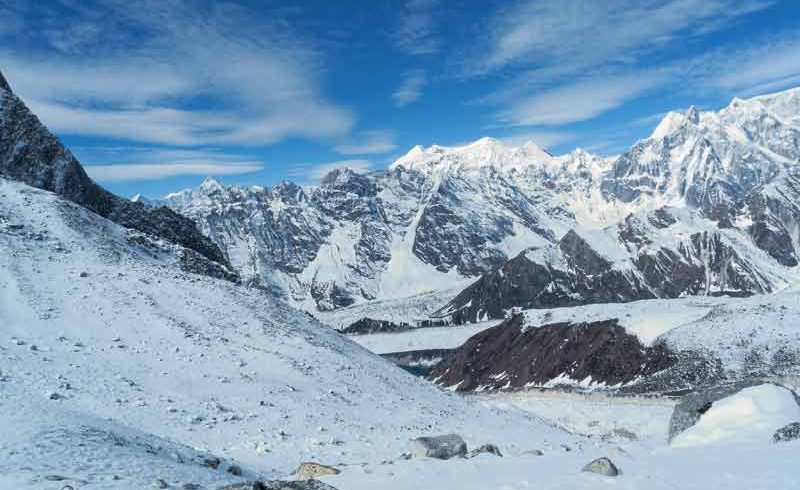
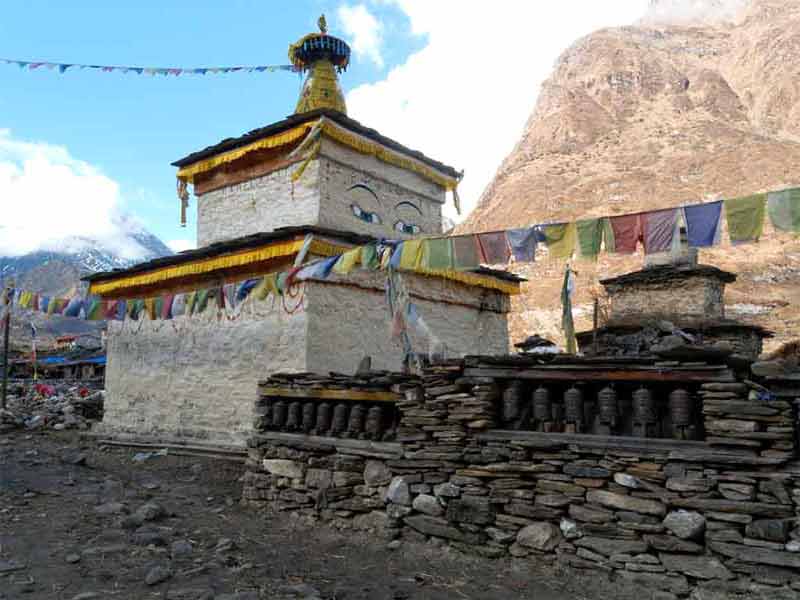
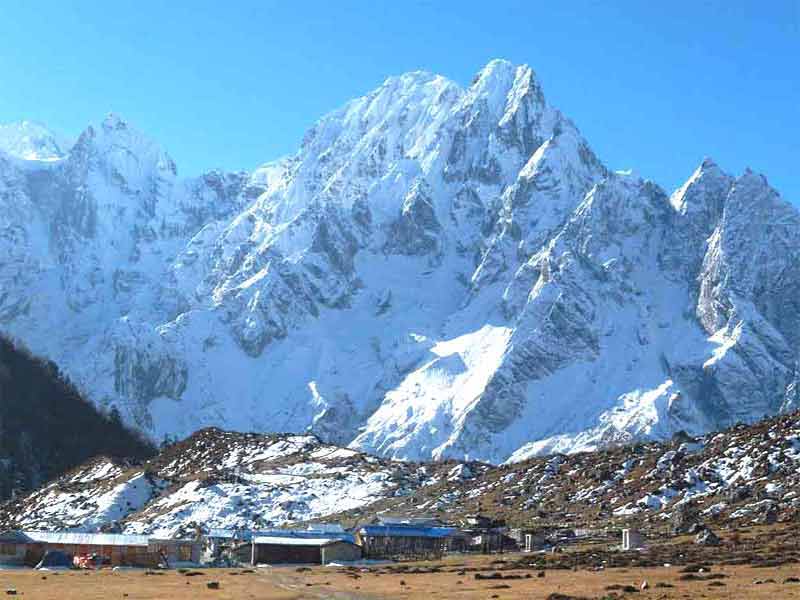
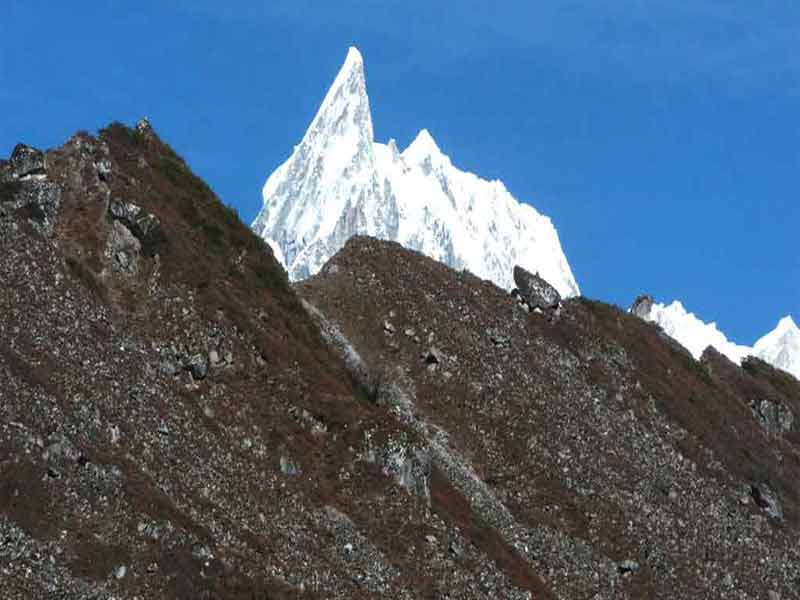
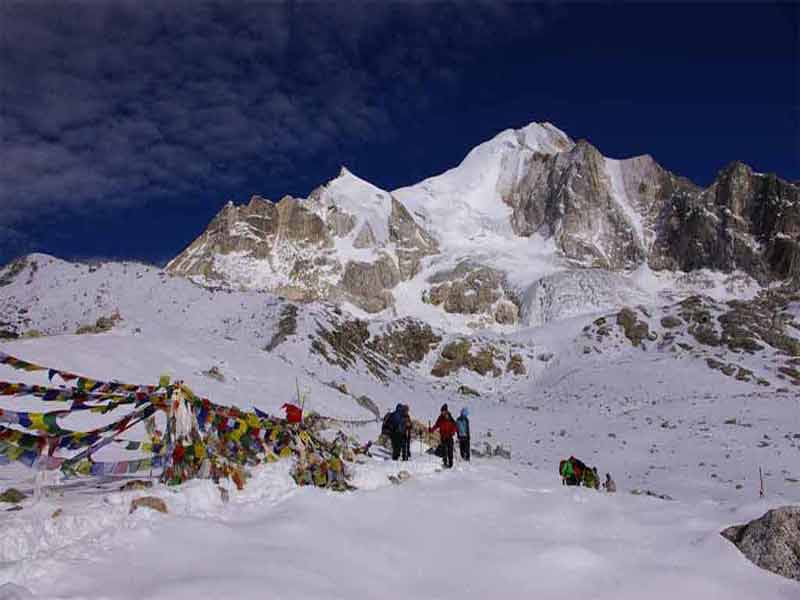
Larkya Peak Climbing with Manaslu Circuit Trek is an exciting Himalayan adventure that combines remote trekking, high mountain passes, traditional Nepalese villages, and an unforgettable climbing experience. Located in the Manaslu region of northern Nepal, this journey takes travelers through beautiful landscapes, ancient Buddhist settlements, lush forests, glacial valleys, and spectacular mountain scenery.
The adventure follows the famous Manaslu Circuit route around Mount Manaslu (8,163 m), the world’s eighth-highest mountain, before exploring the high-altitude terrain associated with Larkya Peak climbing. Trekkers experience the natural beauty of the Manaslu Conservation Area and cross the challenging Larkya La Pass, while the climbing section adds an exciting mountaineering challenge for suitably prepared participants.
This journey is ideal for experienced trekkers who want to combine a classic Himalayan circuit with a climbing adventure away from some of Nepal’s busier trekking trails. Along the way, visitors encounter traditional Gurung and Tibetan-influenced communities, monasteries, prayer flags, mani walls, and impressive views of the surrounding Himalayan ranges.
The exact climbing route, summit altitude, and technical requirements should be confirmed with a qualified local climbing agency, as the name Larkya Peak may be used differently in trip descriptions. A carefully planned itinerary, proper acclimatization, and experienced climbing support are essential for a safe and rewarding expedition.
Highlights of Larkya Peak Climbing with Manaslu Trek
- Trek through the remote and beautiful Manaslu region of Nepal.
- Enjoy spectacular views of Mount Manaslu and surrounding Himalayan peaks.
- Explore traditional villages such as Samagaun and Samdo.
- Experience Tibetan-influenced culture, Buddhist monasteries, and prayer walls.
- Walk through forests, river valleys, alpine meadows, and glacial landscapes.
- Cross the challenging Larkya La Pass, subject to weather and trail conditions.
- Experience a high-altitude climbing adventure with qualified climbing support.
- Enjoy magnificent views of glaciers, snow-covered mountains, and rugged ridgelines.
- Discover the peaceful landscapes of the Manaslu Conservation Area.
Experience a less crowded trekking region compared with some popular Everest routes.
Learn about local mountain lifestyles, traditions, and hospitality.
Complete a memorable combination of trekking and mountaineering in the Nepal Himalayas.
Location and Geography
The Manaslu region lies in the Gorkha District of north-central Nepal, close to the Tibetan border. The trekking route follows the Budhi Gandaki River valley before gradually climbing toward the high Himalayan landscape surrounding Samagaun, Samdo, and Dharamsala.
The region offers a remarkable range of landscapes. Lower sections feature terraced farmland, waterfalls, suspension bridges, subtropical forests, and small settlements. Higher elevations reveal pine forests, alpine meadows, rocky trails, glaciers, and snow-covered peaks.
Mount Manaslu dominates the surrounding landscape, while other mountains in the region create impressive views throughout the journey. The combination of deep river valleys and high mountain terrain makes this route especially attractive to trekkers and mountaineers.
The route passes through protected areas, so trekkers must follow local conservation rules and respect the natural environment. Some sections are remote, and facilities become more basic as the elevation increases.
Best Time for Larkya Peak Climbing with Manaslu Trek
The best seasons for this adventure are generally spring and autumn. Weather, snow conditions, and the climbing route must be assessed before departure.
Spring (March to May): Spring is a popular season for Himalayan trekking and climbing. Temperatures become warmer at lower elevations, and the forests begin to show fresh growth. Mountain views can be excellent, although afternoon clouds and changing snow conditions are possible.
Autumn (September to November): Autumn is another excellent period for the Manaslu Circuit. The monsoon usually leaves the landscape green, and clearer skies often provide impressive mountain views. October is particularly popular, so accommodation and permits should be arranged in advance.
Summer and monsoon (June to August): Heavy rain, muddy trails, landslides, and swollen rivers can make lower sections difficult. Leeches may also be present in forested areas. This season is generally less suitable for the standard itinerary.
Winter (December to February): Heavy snow, extreme cold, and difficult high-pass conditions can make the trek and climb challenging. Some lodges may close, and the climbing route may become inaccessible.
For the climbing section, the final decision should depend on current weather forecasts, snow stability, guide assessments, and the climber’s experience.
Difficulty Level
Larkya Peak Climbing with the Manaslu Circuit Trek is a strenuous adventure that requires good physical fitness, endurance, and preparation. The trek includes long walking days, steep ascents and descents, uneven trails, and extended periods at high altitude.
Crossing Larkya La Pass involves walking at approximately 5,100 metres, where low oxygen levels can affect performance. The climbing section may require additional technical skills, depending on the confirmed route and conditions.
Previous high-altitude trekking experience is strongly recommended. Climbers should train with regular hiking, uphill walking, cardiovascular exercise, and strength training before the trip.
The itinerary should include sufficient acclimatization days. Anyone experiencing symptoms of altitude sickness should inform the guide immediately. Severe symptoms require prompt medical assessment and descent when advised.
Trekking and Climbing Route Overview
The journey usually begins in Kathmandu, followed by a drive to the Manaslu trailhead. The trekking route then follows the Budhi Gandaki Valley through traditional settlements before ascending toward the high mountain region.
A typical route for Trekking & Climbing
- Kathmandu to Machha Khola
- Machha Khola to Jagat
- Jagat to Deng
- Deng to Namrung
- Namrung to Lho
- Lho to Samagaun
- Acclimatization around Samagaun
- Samagaun to Samdo
- Samdo to Dharamsala
- Larkya Base Camp
- Larkya Peak Climbing
- Crossing Larkya La Pass toward Bimthang
Continuing through the Manaslu Circuit toward Dharapani The climbing itinerary is arranged around the approved Larkya Peak route and suitable acclimatization locations. Depending on the route, it may require additional days for base camp, high camp, summit attempts, and descent.
The precise sequence should be confirmed by the climbing operator before booking. Climbers should not assume that a standard Manaslu Circuit itinerary automatically includes a safe or permitted summit attempt.
Detailed Trekking and Climbing Experience
Kathmandu Arrival and Preparation Upon arrival in Kathmandu, travelers are welcomed and transferred to their hotel if airport transfers are included in the package. The team checks permits, climbing equipment, and trekking arrangements.
A pre-trip briefing covers the itinerary, altitude awareness, weather, safety procedures, and communication with the guide. Climbers should ensure that their equipment fits properly and that any missing items are obtained before leaving Kathmandu.
Drive to Machha Khola
The journey begins with a drive from Kathmandu toward Machha Khola. The road passes through rural settlements, hills, river valleys, and terraced farmland. Road conditions can be rough, and travel times vary according to traffic and weather.
Machha Khola is a common starting point for the Manaslu Circuit. After arrival, trekkers settle into their accommodation and prepare for the walking days ahead.
Trek through the Budhi Gandaki Valley
The trail continues along the Budhi Gandaki River through villages, forests, suspension bridges, and narrow valley sections. Trekkers pass traditional settlements and gain an appreciation of local mountain life.
The route gradually climbs toward Jagat and Deng. Walking hours depend on trail conditions, the group’s pace, and overnight stops.
Namrung and Lho Villages
As the trek gains elevation, the landscape becomes more mountainous, and Tibetan cultural influences become increasingly visible. Stone houses, prayer flags, mani walls, and Buddhist monasteries add cultural interest to the journey.
Namrung provides a useful stop before continuing toward Lho. From Lho, trekkers can enjoy impressive views of Mount Manaslu when weather conditions are clear.
Samagaun Acclimatization
Samagaun is one of the most important stops on the Manaslu Circuit. Spending adequate time here helps the body adjust to the increasing altitude before moving higher.
An acclimatization day may include a short hike or a cultural visit, depending on the group’s condition and the guide’s advice. The purpose is to adapt gradually rather than exhaust the body.
Samdo and Dharamsala
The route continues toward Samdo, a traditional high-altitude settlement near the Tibetan border. The surrounding landscape is increasingly dry and rugged, with wide mountain views.
From Samdo, trekkers continue toward Dharamsala, also known as Larkya Phedi. This is an important staging point before crossing Larkya La Pass. Accommodation is basic, and cold temperatures are common.
Crossing Larkya La Pass
Crossing Larkya La Pass is one of the major highlights of the Manaslu Circuit. The trail climbs through high-altitude terrain before reaching the pass at approximately 5,100 metres.
From the top, trekkers may see dramatic mountain panoramas and surrounding glaciers. The descent toward Bimthang is long and requires care, particularly when snow or ice is present.
The crossing is weather-dependent. The guide may delay or change the plan if conditions are unsafe.
Larkya Peak Base Camp and Climbing Preparation
After the trekking section, the group follows the climbing itinerary established by the expedition leader. Depending on the confirmed route, climbers may move toward a suitable base camp and establish a camp for further preparation.
The climbing guide checks equipment, explains rope techniques where required, reviews movement on snow and ice, and discusses emergency procedures. Climbers should be comfortable using the equipment required for their specific route.
The team monitors weather conditions and the physical condition of each participant before deciding whether to proceed. Rest, hydration, and careful acclimatization are essential at this stage.
Larkya Peak Summit Attempt and Return
The summit attempt takes place only when weather, snow conditions, and the team’s health permit. Depending on the route, climbers may travel over snow, ice, or rocky terrain and use technical equipment under qualified supervision.
Reaching the summit can provide spectacular views of the surrounding Himalayan peaks and glaciers. However, reaching the summit cannot be guaranteed, and turning back is the correct decision whenever conditions become unsafe.
After the climbing section, the group descends according to the agreed itinerary and continues the return journey.
Accommodation During the Trek and Climb
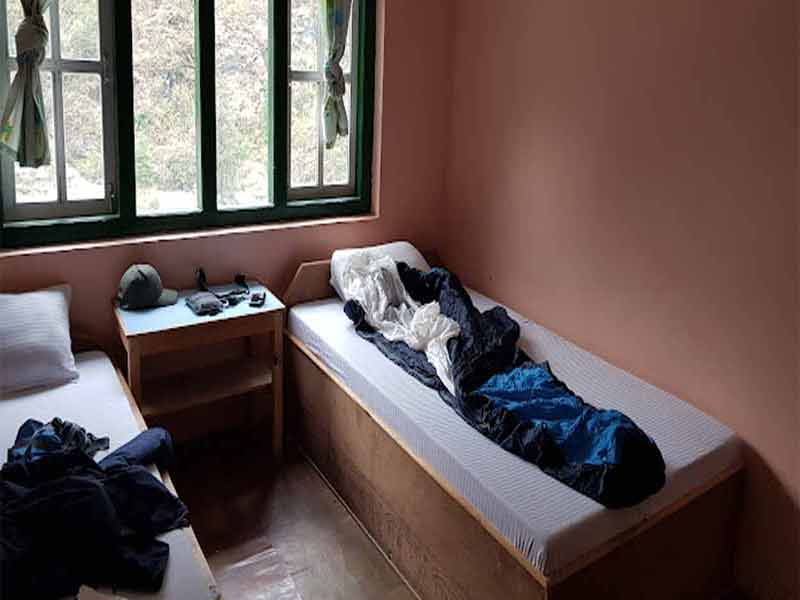
Accommodation during the Manaslu Circuit generally consists of teahouses and mountain lodges. Rooms are usually simple, with twin beds, mattresses, pillows, and blankets where available. Facilities become more basic at higher elevations.
During the climbing section, camping may be required depending on the route. The expedition operator should specify whether tents, sleeping mats, cooking facilities, and camp staff are included.
Travelers should bring a suitable sleeping bag for cold mountain conditions, even when lodge blankets are available.
Food and Drinking Water
- Dal Bhat,
- vegetables,
- Noodles,
- soups,
- potatoes,
- Eggs, Bread, and other basic meals.
- Food choices may become more limited at higher elevations.
During the climbing section, meals may be prepared by camp cooks if camping support is included. Climbers should eat sufficient carbohydrates and balanced meals to maintain energy.
Safe drinking water is important throughout the trip. Trekkers should carry reusable water bottles and use boiled, filtered, or properly treated water. Hot drinks and snacks may be available for an additional charge.
Permits Required
The trip may require the following permits, depending on the final route and applicable regulations:
Manaslu Restricted Area Permit (RAP).
Manaslu Conservation Area Permit (MCAP).
Annapurna Conservation Area Permit (ACAP) if the route enters that conservation area.
The applicable Larkya Peak climbing permit and other required climbing approvals.
Permit requirements and fees can change. The trekking agency should confirm the correct peak designation, official climbing route, current permit rules, and required documentation before departure. Restricted-area trekking rules may also require travel with a registered guide and compliance with group and agency requirements.
Guide, Porter, and Climbing Support
An experienced trekking guide helps manage the daily itinerary, accommodation arrangements, local communication, and altitude awareness. Porters may carry the permitted trekking baggage according to the agreed arrangement.
The climbing section requires appropriately qualified climbing leadership and suitable technical support. Depending on the route, additional staff may be needed to transport equipment, establish camps, prepare meals, or support the summit attempt.
The number of guides and support staff should be determined by the group’s size, the route’s technical demands, and the operator’s safety plan.
Physical Preparation and Training
Preparation should begin several months before departure. Regular hiking, uphill walking, stair climbing, cycling, and cardiovascular exercise can improve endurance. Strength training for the legs and core may also help with long trekking days.
Climbers should practise using their personal equipment before the trip and seek professional training if the route requires technical mountaineering skills.
Physical fitness does not eliminate altitude risk. A gradual ascent, planned acclimatization, adequate rest, and a willingness to descend when necessary remain essential.
Essential Equipment List
- Waterproof trekking boots and warm mountaineering boots suitable for the route.
- Layered clothing, an insulated jacket, and a waterproof outer shell.
- Warm gloves, a hat, and suitable sun protection.
- A sleeping bag rated for expected temperatures.
- A headlamp, sunglasses, and a reusable water bottle.
- Trekking poles and a comfortable backpack.
- A climbing helmet, harness, crampons, ice axe, and technical clothing where required.
- Personal medication and a basic first-aid supply.
The final climbing equipment list must be approved by the climbing guide. Some technical and group equipment may be supplied by the operator, while personal items may need to be purchased or rented separately.
Safety and Altitude Awareness
Safety is a priority throughout the Manaslu Circuit and Larkya Peak climbing expedition. High altitude, cold temperatures, snow, changing weather, and remote terrain can create serious challenges.
Trekkers should follow the guide’s instructions, maintain a steady pace, drink adequate fluids, and report symptoms such as headaches, dizziness, nausea, unusual fatigue, or breathing difficulties.
The itinerary should include appropriate acclimatization and contingency time. Emergency evacuation arrangements and insurance coverage should be confirmed before departure. Climbers should never continue upward when their health or the conditions make the route unsafe.
Responsible Tourism in the Manaslu Region
The Manaslu region is culturally rich and environmentally sensitive. Visitors should respect monasteries, local customs, religious sites, and traditional village life. Ask permission before photographing people, dress respectfully at cultural sites, and follow local guidance.
Avoid leaving rubbish on the trail, minimise single-use plastics, and carry waste to appropriate disposal points. Using local accommodation and services also helps support communities along the trekking route.
Conclusion
Larkya Peak Climbing with the Manaslu Circuit Trek offers an ambitious Himalayan adventure combining cultural exploration, challenging high-altitude trekking, and mountaineering. From the green Budhi Gandaki Valley to the traditional settlements of Samagaun and Samdo, the journey reveals the remarkable diversity of the Manaslu region.
Crossing Larkya La Pass is a major trekking achievement, while the climbing section adds another level of challenge for appropriately prepared participants. With a carefully designed itinerary, qualified guides, proper equipment, and sufficient acclimatization, this expedition can become a memorable experience in Nepal.
Before advertising or booking the package, confirm the official Larkya Peak name, summit altitude, climbing route, permit requirements, and technical difficulty with the relevant Nepalese authorities and a qualified climbing operator. These details are essential for providing accurate information and planning a safe expedition.
| Day | Destination | Altitude | Walking Hour | Accommodation |
|---|---|---|---|---|
| 1 | Arrival Kathmandu and transfer to hotel | 1300 | one hour drive from airport to hotel | Hotel in Kathmandu |
| 2 | Trekking and Expedition preparation day hotel including with the breakfast. | 1300 | Free Day | Hotel in Kathmandu with B&B Service |
| 3 | Drive a private jeep to Suti Khola or Machhe Khola | 710 | 7-8-hours drive from Kathmandu | Lodge |
| 4 | Sutikhola to Machha Khola | 900 | 5-6-hours | Lodge |
| 5 | Machhekhola to Jagat | 1340 | 5-6-hours | Lodge |
| 6 | Jagat to Deng | 1860 | 5-6-hours | Lodge |
| 7 | deng to Namrung | 2630 | 5-6-hours | Lodge |
| 8 | Namrung to Samagaun | 3530 | 5-6-hours | Lodge |
| 9 | Samagaun rest Day | 3530 | Visit | Lodge |
| 10 | Samagaun to Samdo | 3860 | 4-5-hours | Lodge |
| 11 | Samdo to Dharmasala | 4460 | 4-5 | Lodge |
| 12 | Dharmasala to Larke peak high camp | 5300 | 6-7 | Tent camp |
| 13 | Summit to Larke peak | 6416 | 9-10 | Tent Camping |
| 14 | Extra day if weather is bad | 5416 | Extra day | Tent Camping |
| 15 | Base camp to Dharmasala | 4460 | 6-7-hours | Lodge |
| 16 | After the same breakfast then start going over the Larke Pass (5,135) | Bhimtang 3720 | 6-7-hours | Lodge at Bhimtang |
| 17 | Bhimtang to Tilje | 2300 | 5-6-hours | Lodge |
| 18 | Tilje to Besishar via Dharapani | 760 | 3-hours walking and -3-hours Jeep | Lodge |
| 19 | Beshishar to Kathmandu | 1300 | 6-7-Drive bus to Kathmandu | |
| 20 | Day Free in Kathmandu | 1300 | Free walking in Kathmandu | Hotel in Kathmandu with B&B Service |
| 21 | After breakfast drive to Kathmandu airport | Flight our from Nepal | By air to your country | At the your home |
Larke peak climbing with Manaslu circuit trek cost $ 2500 each per son
cost includes
- 1. Airport Transfers and Transportation
- Airport pickup and drop-off in Kathmandu according to the agreed itinerary.
- Private vehicle transportation between the airport, hotel, and trekking departure point, where specified.
- Road transportation from Kathmandu
- 2. Trekking and Climbing Permits
- The package includes the necessary permits and entry fees for the Manaslu Circuit and Larkya Peak climbing route, as specified in the confirmed itinerary. These may include the Manaslu Restricted Area Permit, Manaslu Conservation Area Permit (MCAP), Annapurna Conservation Area Permit (ACAP), and the relevant Larkya Peak climbing permit.
- 3. Experienced Trekking Guide and Climbing Support
- An experienced, licensed English-speaking trekking guide will accompany the group throughout the trekking section. During the climbing phase, qualified climbing guides and necessary high-altitude support staff will be provided according to the package arrangement. Their salaries, meals, accommodation, and insurance should be covered by the agency as stated in the booking agreement.
- 4. Accommodation During the Trip
- The package includes shared accommodation in teahouses, mountain lodges, or guesthouses during the trekking section. Camping accommodation and essential camping equipment will be provided for the climbing section if required by the selected route.
- 5. Meals and Drinking Water Arrangements
- Breakfast, lunch, and dinner are included during the trekking and climbing period according to the itinerary. Meals generally consist of local Nepali dishes and other available mountain food. Tea or coffee may also be included with meals, depending on the package. Bottled water, boiled water, and other drinks should be checked against the agreed inclusions.
- 6. Porter Services and Baggage Support
- Porters are provided according to the agreed porter-to-trekker ratio. They carry the permitted trekking baggage and receive their wages, meals, accommodation, and insurance through the Nepal Alsace trek. Additional climbing porters may be arranged for transporting equipment and supplies to the base camp or high camp.
- 7. Climbing Equipment and Safety Support
- Essential group climbing equipment, ropes, and other technical support items are provided as specified in the package. A first-aid kit and basic altitude-monitoring equipment may also be carried by the guide. Personal climbing equipment is not automatically included unless the agency confirms otherwise.
- 8. Government Taxes and Agency Service Charges
- Applicable government taxes and agency service charges are included in the package price. Necessary permit paperwork, route coordination, and standard trip arrangements are handled by the agency.
Larke peak climbing with Manaslu circuit trek cost excludes
- 1. International Flights and Nepal Visa
- International airfare to and from Nepal is not included. Travelers must pay their Nepal visa fees and any related immigration expenses.
- 2. Personal Travel and Rescue Insurance
- Travel insurance is not included in the package. Participants must arrange insurance that covers high-altitude trekking, mountaineering where applicable, medical treatment, and emergency helicopter evacuation.
- 3. Personal Trekking and Climbing Equipment
- Personal items such as trekking boots, warm clothing, waterproof jackets, gloves, mountaineering boots, helmets, harnesses, crampons, ice axes, and sleeping bags are excluded unless equipment rental or provision is specifically mentioned.
- 4. Meals and Accommodation Outside the Itinerary
- Lunch and dinner in Kathmandu, extra hotel nights, and meals required before or after the scheduled trip are not included unless stated in the package. Additional accommodation caused by delays or itinerary changes may incur extra costs.
- 5. Personal Expenses During the Trek
- Hot showers, Wi-Fi, internet, mobile phone charges, battery charging, laundry, bottled drinks, snacks, and personal toiletries are generally excluded.
- 6. Tips and Gratuities
- Tips for trekking guides, climbing guides, porters, cooks, and other support staff are not included. These are voluntary and depend on the service received and the group's satisfaction.
- 7. Additional Costs and Unforeseen Expenses
- Extra transportation, emergency evacuation expenses, trip extensions, personal medical costs, and expenses resulting from weather delays or route changes are excluded unless explicitly covered by the agency or insurance provider.
- 8. Other Excluded Services
- Personal shopping, souvenirs, alcoholic beverages, sightseeing entrance fees outside the itinerary, international baggage fees, and any service not specifically listed under inclusions must be paid for separately.
- Important: Before booking, ask the Nepal Alsace trek to confirm the climbing permit, technical equipment, climbing-guide support, base-camp arrangements, meals, and emergency procedures in writing. These details can differ between Manaslu Circuit and Larkya Peak climbing packages.
Not too dangerous climbing Lanrke peak, our guide will take care of you. during the climbing.
It is best to climb this peak between September and 20 November, and between 15 April and the end of May.
No, there are very few people who climb this peak.
Simply submit your passport-sized photograph, your passport copy, and 3% of the total cost in advance.
You should have trekked more than 5000 meters high before climbing this peak.
It cost 2500 dollars for each person, minimum 2 person climbers, but the cost for a single-person climber is over 300 dollars.
We have honest and experienced staff who will care for you and provide you with a single room during treks and will certainly provide you with a single tent during expeditions
During treks and expeditions, we serve Nepalese Indians, Chinese, Tibetans, and Italian foods.
Don’t be concerned about this matter. On day 2, you can rent it in Kathmandu. Our climbing guide will take you to a shop that sells trekking equipment. There will be a place to get it where he will show you.
Altitude Chart