Lukla to Island peak - 12 Nights 13 Days
Lukla to Island Peak Climbing via Ama Dablam Base Camp is an exciting Himalayan adventure that combines classic Everest-region trekking, Sherpa culture, spectacular mountain scenery, and the challenge of climbing one of Nepal’s most popular trekking peaks. This journey begins with a scenic flight from Kathmandu to Lukla and follows the famous trails of the Khumbu Valley before reaching the high alpine landscapes around Dingboche and Chhukung.
A special highlight of this itinerary is the visit to Ama Dablam Base Camp, situated beneath the magnificent Ama Dablam mountain. The base camp provides an unforgettable opportunity to experience the atmosphere of a Himalayan climbing expedition while enjoying close views of Ama Dablam, one of the most beautiful peaks in Nepal.
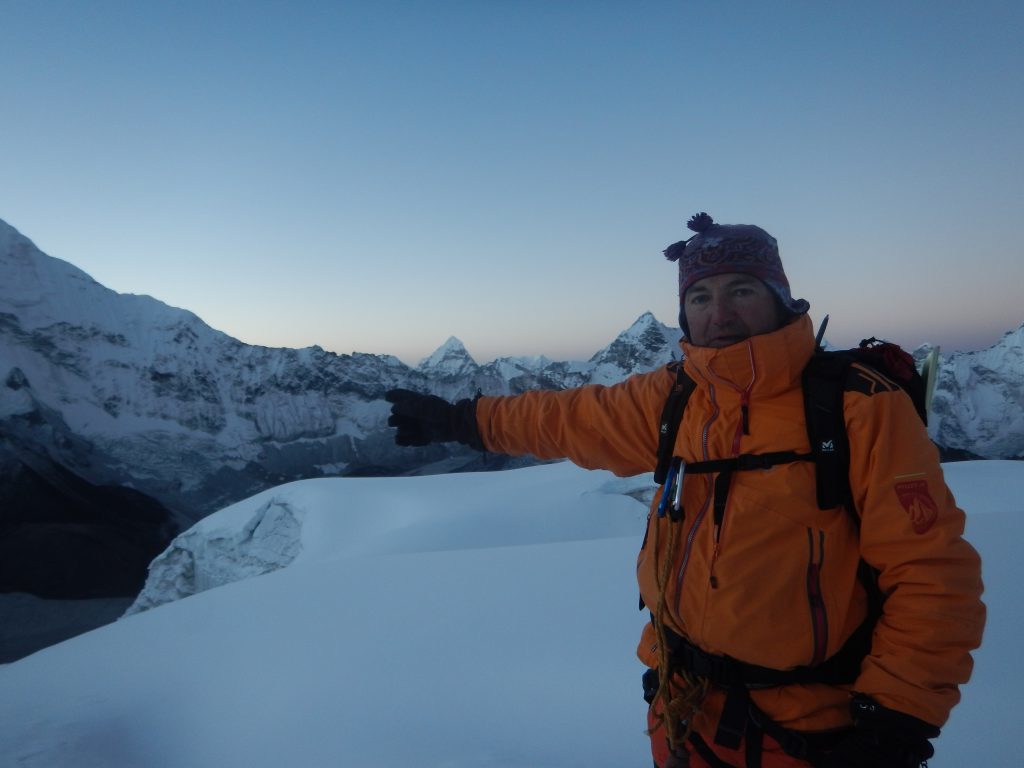
The adventure continues toward Chhukung and Island Peak Base Camp. After acclimatization, climbing preparation, and technical training, you attempt the summit of Island Peak (6,189 m). From the summit, you can enjoy breathtaking views of Lhotse, Nuptse, Ama Dablam, Makalu, Baruntse, and numerous other Himalayan peaks.
This trip is ideal for trekkers who want more than a standard Everest-region trek and are looking for an introduction to Himalayan mountaineering.
Lukla to Island Peak Climbing Route
The journey begins with a flight from Kathmandu to Lukla, the main gateway to the Everest region. From Lukla, the trail passes through traditional Sherpa villages, forests, suspension bridges, Buddhist monasteries, and the famous trading town of Namche Bazaar.
After acclimatizing in Namche, the route continues through Tengboche and Pangboche toward the Ama Dablam Base Camp. The trail then returns toward the Imja Valley before continuing to Dingboche and Chhukung. From Chhukung, you trek to Island Peak Base Camp, where you prepare for the summit.
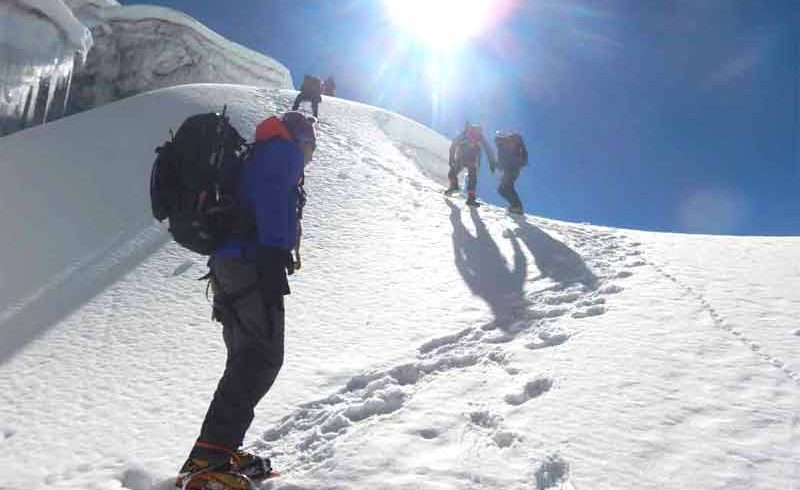
The climbing section involves glacier travel, steep snow and ice slopes, fixed ropes, and a final summit ridge. After reaching the summit, you descend back to Base Camp and continue down through the Khumbu Valley to Lukla.
Major Highlights: Lukla to Island Peak climbing
- Scenic flight from Kathmandu to Lukla
- Trek through the beautiful Khumbu Valley
- Visit to Namche Bazaar
- Sherpa culture and traditional mountain villages
- Tengboche Monastery
- Stunning views of Everest, Lhotse, Nuptse, and Ama Dablam
- Special visit to Ama Dablam Base Camp
- Acclimatization in the high Himalayas
- Trek through Dingboche and Chhukung
- Island Peak Base Camp experience
- Professional climbing preparation and technical training
- Island Peak summit at 6,189 meters
- Panoramic Himalayan views from the summit
- Experience of glacier and high-altitude climbing
- Experienced Sherpa climbing guide and support team
Ama Dablam Base Camp Visit
The visit to Ama Dablam Base Camp is one of the defining features of this adventure. Ama Dablam, at 6,812 meters, is widely recognized for its distinctive pyramid-shaped profile and dramatic ridges.
The trail to Base Camp passes through Pangboche and follows the beautiful landscape below Ama Dablam. As you approach the base camp, the mountain becomes increasingly impressive. The surrounding scenery includes alpine valleys, glaciers, rocky peaks, and enormous Himalayan walls.
Ama Dablam Base Camp is also an important staging area for mountaineering expeditions attempting the mountain. Depending on the season and climbing activity, you may see expedition tents, equipment, prayer flags, and climbers preparing for their objectives.
The visit provides valuable insight into Himalayan expedition life and gives climbers an opportunity to appreciate the scale and difficulty of the mountains before beginning their own Island Peak climb.
Island Peak Climbing
Island Peak, officially known as Imja Tse, rises to approximately 6,189 meters above sea level. It is located in the Imja Valley near Chhukung and is one of Nepal’s best-known trekking peaks.
Although Island Peak is considered an accessible Himalayan climbing peak for experienced trekkers, it should not be underestimated. The altitude, cold temperatures, steep terrain, glacier conditions, and changing weather make proper preparation essential.
The climbing route normally involves an early start from Base Camp or High Camp. The ascent includes rocky and mixed terrain followed by glacier sections and steeper snow and ice slopes. Fixed ropes may be used on the more technical sections depending on current route conditions.
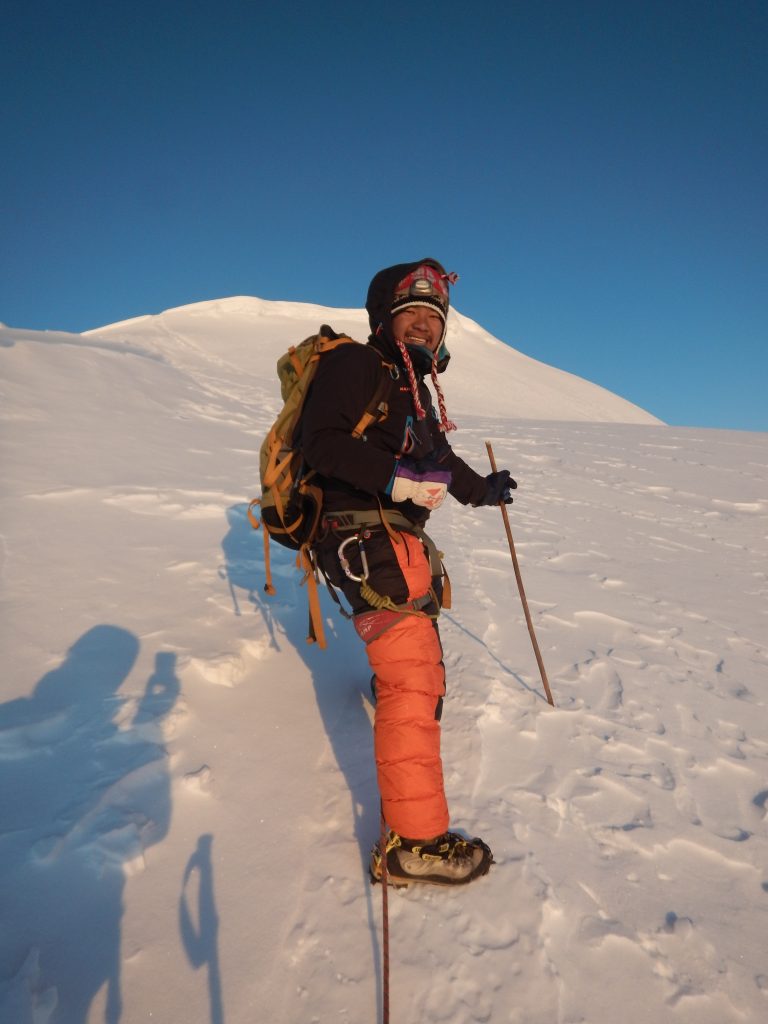
Near the summit, climbers encounter a narrow and exposed ridge. Reaching the summit provides an extraordinary sense of achievement and spectacular views of the surrounding Himalayan peaks.
Trekking and Climbing Difficulty
The Lukla to Island Peak climbing itinerary is considered moderate to challenging trekking combined with technical peak climbing.
The trekking section is suitable for people with good physical fitness and previous experience with multi-day mountain trekking. You should be comfortable walking approximately 5–8 hours on many trekking days over uneven and sometimes steep trails.
The climbing section is more demanding. Previous mountaineering experience is helpful but not always essential if you receive proper instruction and are accompanied by an experienced climbing guide. Basic skills such as using crampons, an ice axe, a climbing harness, and fixed ropes are important.
Altitude is one of the major challenges. Proper acclimatization is therefore an essential part of the itinerary.
Acclimatization during the trek
Acclimatization is particularly important because the trek reaches elevations above 6,000 meters. The itinerary should include adequate rest and acclimatization days around Namche Bazaar, Dingboche, and the Island Peak region.
During acclimatization days, short hikes are recommended rather than complete inactivity. These walks help your body adjust gradually to the increasing altitude.
Good hydration, adequate nutrition, slow walking, and sufficient sleep are important throughout the trip. Your guide should monitor your condition and make appropriate decisions if anyone develops symptoms of altitude sickness.
Island Peak Climbing Preparation
Before attempting the summit, climbers normally receive a technical briefing and practical training from the climbing guide.
- Ice axe techniques
- Using climbing harnesses
- Ascending and descending fixed ropes
- Using ascenders and descenders
- Glacier travel techniques
- Basic rope techniques
- Safe movement on snow and ice
- Climbing communication and safety procedures
The exact training program depends on weather, route conditions, group experience, and the guide’s assessment.
Accommodation During the Trek and Climbing
During the trekking portion, accommodation is generally provided in comfortable local teahouses and lodges. Rooms are usually simple and commonly arranged on a twin-sharing basis.
Facilities become more basic as you move toward higher elevations. Most teahouses provide beds, mattresses, blankets, dining areas, and basic toilet facilities. Hot showers and charging facilities may be available in many lower-altitude lodges for an additional charge.
At Island Peak Base Camp, accommodation changes from teahouse lodging to camping. Tents, sleeping arrangements, kitchen facilities, and other expedition equipment are organized by the climbing team.
Food During the Trek
Meals during the trek generally include a mixture of traditional Nepali food, Sherpa dishes, Tibetan-style meals, and familiar international options.
- Dal bhat
- Rice and vegetables
- Noodles
- Pasta
- Soup
- Potatoes
- Eggs
- Bread
- Pancakes
- Porridge
- Tibetan bread
- Momos
- Vegetables
- Rice dishes
Dal bhat is especially popular because it provides a substantial combination of carbohydrates, protein, and vegetables.
At higher elevations, food choices may become more limited. During the climbing period, the expedition cook can prepare suitable meals designed to provide sufficient energy for the summit attempt.
Best Time for Island Peak Climbing
The best seasons for Lukla to Island Peak climbing via Ama Dablam Base Camp are generally spring and autumn.
Spring Season
March, April, and May are popular months for trekking and climbing. The weather is generally favorable, and mountain visibility can be excellent. April and May are particularly important months for Himalayan climbing expeditions.
Autumn Season
September, October, and November are another excellent period. After the monsoon, the skies are often clear, mountain views are spectacular, and the trails are generally in good condition.
Winter can bring very cold temperatures and significant snow at higher elevations, while the monsoon season can bring rain, clouds, and flight disruptions in the lower Khumbu region.
Permits Required
The exact permits and fees can change according to Nepal government regulations and local authority requirements. Depending on the route and climbing season, the trip generally requires relevant Everest-region trekking permits, local area permits, and an Island Peak climbing permit from the Nepal Mountaineering Assocaition NMA
Your trekking and climbing agency should arrange the required permits before departure and advise you of the current regulations and costs.
Because climbing permit fees and rules can change, travelers should confirm the current fees when booking their expedition.
Lukla Flight
The adventure normally begins with a flight between Kathmandu and Lukla. Lukla’s Tenzing-Hillary Airport is one of the main gateways to the Everest region.
Flights are highly dependent on weather and operational conditions. Delays or cancellations can occasionally occur, particularly during periods of poor visibility or unfavorable weather.
It is therefore recommended to maintain some flexibility in your travel schedule and allow an additional contingency day in Kathmandu when possible.
Safety and Professional Support
Safety is a major priority on Island Peak. The climbing team should include an experienced and properly equipped climbing guide familiar with the Island Peak route and current mountain conditions.
The guide assists with route planning, acclimatization, technical training, rope management, and summit-day decisions. The guide also monitors weather and the physical condition of the climbers.
High-altitude climbing always involves inherent risks, and reaching the summit can never be guaranteed. Weather, snow conditions, altitude, health, and route conditions may require changes to the climbing plan.
Physical Preparation
Good preparation significantly improves the experience. You should prepare with regular cardiovascular and endurance activities before the trip.
- Hiking on varied terrain
- Stair climbing
- Long-distance walking
- Running or cycling
- Strength training
- Carrying a moderately weighted backpack
- Practicing endurance over consecutive days
Technical climbing experience is beneficial, although beginners with strong trekking fitness can learn many of the required skills through professional training.
Why Choose This Adventure?
The Lukla to Island Peak climbing itinerary via Ama Dablam Base Camp is attractive because it combines several different Himalayan experiences in one journey.
Rather than immediately focusing on climbing, you gradually enter the high mountains through the traditional Everest trekking route. You experience Namche Bazaar, Tengboche, Pangboche, Dingboche, and Chhukung while becoming accustomed to the altitude.
The Ama Dablam Base Camp visit adds an expedition-style experience before the Island Peak climb. Finally, the Island Peak summit provides a challenging but rewarding introduction to high-altitude Himalayan climbing.
It is an excellent choice for trekkers who want to experience both the cultural and natural beauty of the Everest region and the excitement of climbing a 6,000-meter Himalayan peak.
What You Can Expect to See
Throughout the journey, you can enjoy views of some of the world’s most famous mountains, including:
- Mount Everest (8,848 m)
- Lhotse (8,414 m)
- Nuptse (7,861 m)
- Ama Dablam (6,856 m)
- Makalu (8,463 m)
- Baruntse (7,129 m)
- Island Peak (6,189 m)
- Thamserku ( 6,608 m)
- Kangtega (6,685 m)
- Cholatse (6,325 m)
- Tawoche (6,367 m)
The landscapes change dramatically from green forests and river valleys around Lukla to alpine meadows, rocky terrain, glaciers, and high mountain landscapes near Island Peak.
The Lukla to Island Peak Climbing via Ama Dablam Base Camp is a remarkable Himalayan adventure combining trekking, culture, mountain exploration, and peak climbing. From the first exciting flight to Lukla to the final summit attempt on Island Peak, every stage offers a different experience.
The journey through Namche Bazaar, Tengboche, Pangboche, Ama Dablam Base Camp, Dingboche, and Chhukung allows travelers to explore the heart of the Khumbu while gradually acclimatizing to high altitude. The visit to Ama Dablam Base Camp adds a memorable expedition atmosphere, while the Island Peak summit provides the ultimate challenge and reward.
With proper preparation, gradual acclimatization, experienced guides, suitable equipment, and a flexible approach to Himalayan weather, this adventure can become one of the most memorable experiences of a lifetime.
For trekkers and aspiring mountaineers seeking a combination of Everest-region trekking, Ama Dablam Base Camp exploration, and 6,000-meter peak climbing, this itinerary offers an outstanding Himalayan experience.
| Day | Destination | Altitude | Walking Hour | Accommodation |
|---|---|---|---|---|
| 1 | Lukla to Phakding | Our Porter waiting at Lukla airport | 2610 | 3-hours | Lodge |
| 2 | Phakding to Namche Bazar | 3440 | 5-hours | Lodge |
| 3 | Lukla to Khumjung | 3780 | 2-3-hours | Lodge |
| 4 | Khumjung to Pangboche | 3930 | 6-hours | Lodge |
| 5 | From Pangboche visit to Amadablam Base camp and back to Pangboche | 4576 Ama Dablam Base Camp | Round Trip 5-6 hours | Lodge |
| 6 | Pangboche to Chhukung | 4730 | 5-hours | Lodge |
| 7 | Visit Chhukung Ri | 5550 | 5-hours | Lodge |
| 8 | Chhukung to Island peak base camp | 4970 | 5-6-hours | Tent Camping |
| 9 | Summit to (6189m) Island peak and back down to base camp | 4790 | 9-10-hours | Tent camping |
| 10 | Base camp to Chhukung | 4730 | 5-hours | Lodge |
| 11 | Chhukung to Deboche | 3820 | 5-6-hours | Lodge |
| 12 | Tengboche to Namche | 3440 | 5-hours | Lodge |
| 13 | Namche to Lukla | 2800 | 7-hours | Lodge |
Lukla to Island peak cost 1340 $ Per Person
Cost Includes
- Experienced trekking guide
- Experienced Island Peak climbing guide
- Porter service
- Trekking permits and local permits
- Island Peak climbing permit
- Garbage deposit $ 500
- Accommodation during the trek
- Meals during the trekking and climbing period
- Accommodation at Base Camp
- Climbing equipment required from the agency
- Rope and technical climbing equipment
- Necessary camping equipment
- Staff insurance and required logistics
- Ama Dablam Base Camp visit
- Government taxes and applicable service charges
Lukla to Island peak Cost Excludes
- International airfare
- Nepal visa fees
- Travel and rescue insurance
- Hotel in Kathmandu
- Personal climbing equipment
- Plane ticket Kathmandu- Lukla- Kathmandu
- Personal expenses
- Wi-Fi and battery charging
- Hot showers
- Alcoholic and bottled beverages.
- Any hot drinks
- Tips for guides, porters, and staff
- Extra accommodation caused by early arrival or late departure
- Emergency evacuation costs
- Additional costs caused by flight cancellation or bad weather
- Expenses resulting from itinerary changes beyond the agency's control
15 September to 10 December and 18 March to May. Before 15 September too much rain and after 10 December to 17 March too much snow also not sour to Amphu Lapcha pass and reach the summit both peak.
Day time normal and during Night 5-14 degree.
1012 US$ per person in spring | Minimum 2 Pax in your group. 997 US$ per person in Autumn | Minimum 2 Pax in your group.
Sagarmatha National park, Pasang Lhamu VDC permit and Island peak climbing Permit.
Yes It’s, You need a guide and porter and very safe travel.
5/8 hours of walking per day.
Yes, you can see, Kusum Kanguru (6,367m), Thamserku (6.608m). Amadablam (6,856m).Kang Tenga (6,685m) Everest (8,848m), Lhotse Shar (8,414m) other mountains views
Only (6,189m)
Yes, Island peak is Technical and you need full mountaineering equipment
No, No, You can hire climbing equipment at Chhukung, But if you have your own size Alpine climbing boot it’s better to bring with you
Passport photocopy (should be very clear with color scan) and validity minimum 6 months. 2 passport size photo. Occupation. Home details address. Insurance copy
1012 US$ per person in spring | Minimum 2 Pax in your group. 997 US$ per person in Autumn | Minimum 2 Pax in your group. Including one porter From Lukla to Base camp to Lukla 13 days salary insurance, accommodation, and his foods. Kitchen Equipment: Trekking tents, Dining tent, Kitchen Tent, Toilet Tent, Table and chairs, Mattresses during the Peak climbing period. Climbing Rope, Ice screws, Snow anchor. Staff: 1 Cook, 1 Kitchen, one climbing guide and helper Base Camp Base insurance for Nepalese teams. Our service charge. Equipment Fees for the climbing guide Climbing peak permit meals from Base camp to Base Camp day 8 and day 9
Feels like hangover & Feeling not good/ Headache/ Shortness of Breath/ Loss of appetite/ Sleep not good/ vomiting/ fevers etc.
Yes, Peak climbing is not very easy but depends on trekking peaks the same peak is less technical same peak is very steep, and much technical climbing + but you need good mountaineering equipment. We suggest that before the climbing peak you need to do a minimum 5,000 meters high trekking pass
Namaste, Frist inquiry from your trip you will have direct access to experienced and professional climbing guides advice or to ask questions on your arrival Kathmandu meet with us we will brief you how to climbing Nepal trekking peaks. If you travel with us then, of course, we will provide qualified Guides who have experience high altitude trekking and climbing guides. We provide all the trekking and climbing staff insurance as well. You can speak directly with us about your proposed climbing Nepal Trekking peaks the will brief you on our experience climbing guide who has many times summit Nepal Trekking peaks
Altitude Chart