Island Peak and Lobuche Peak: Climbing from Dingboche Chhukung -
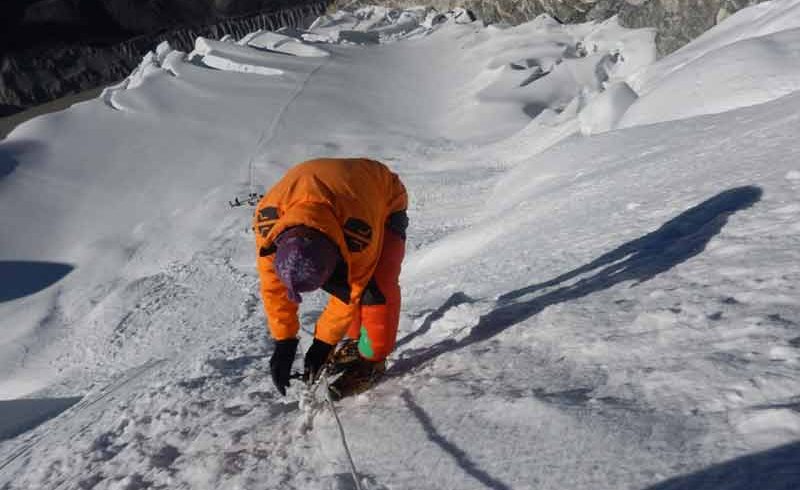
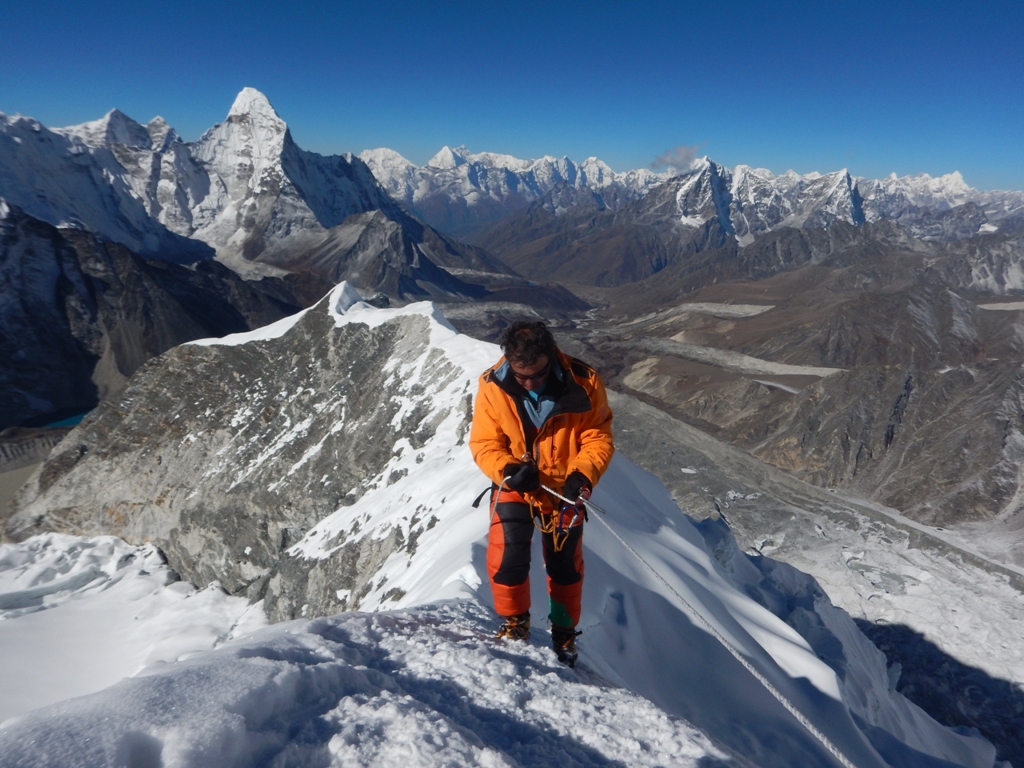
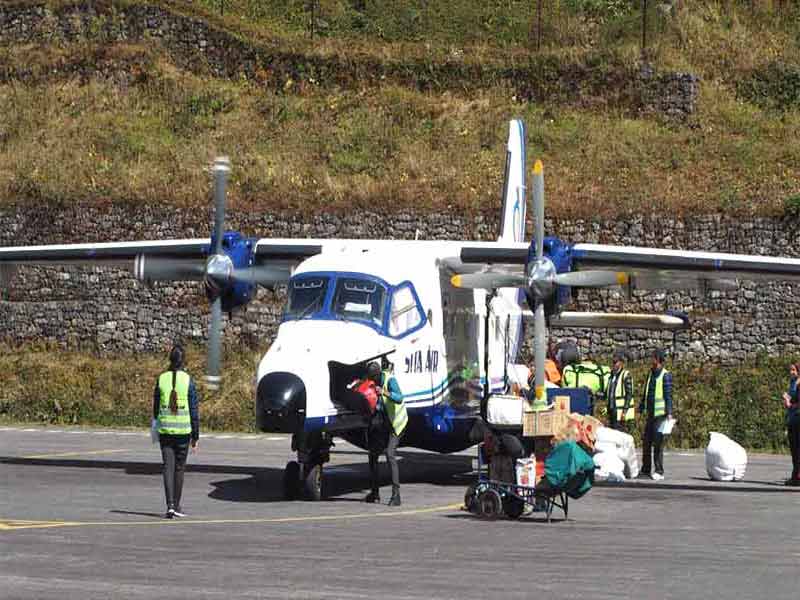
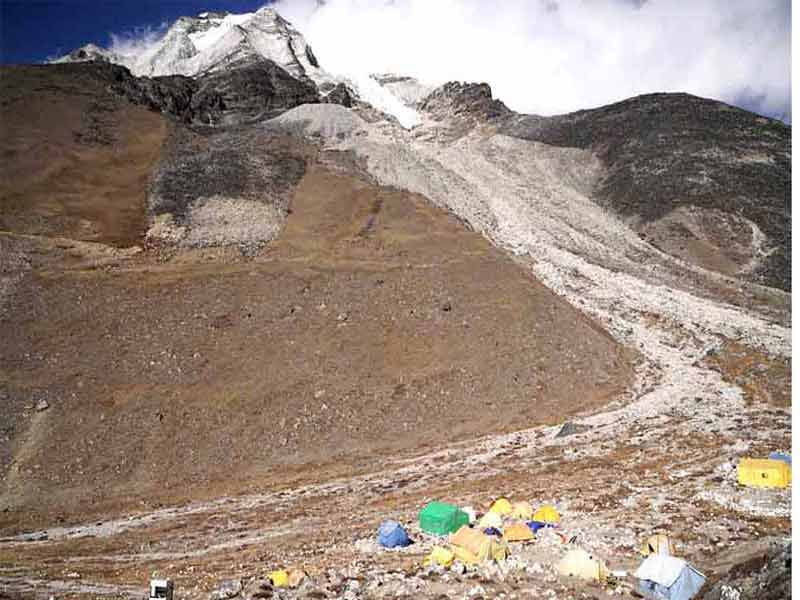
Island Peak and Lobuche Peak are popular trekking peaks in Nepal’s Everest region. Both mountains offer exciting Himalayan climbing experiences, spectacular views of the world’s highest mountains, and opportunities to explore the beautiful Khumbu Valley.
Island Peak, also known as Imja Tse, stands at approximately 6,189 metres above sea level. It is located in the Imja Valley, close to Chhukung and Dingboche. Lobuche East Peak reaches approximately 6,119 metres and is situated near Lobuche village, along the famous Everest Base Camp trekking route.
Many climbers choose to combine Island Peak and Lobuche Peak in one expedition because both mountains are located in the same general region. This combination provides an excellent opportunity to experience two different climbing routes, develop mountaineering skills, and enjoy magnificent views of Mount Everest, Lhotse, Nuptse, Ama Dablam, Makalu, and other Himalayan peaks.
Nepal Alsace Trek & Expedition offers customised Island Peak and Lobuche Peak climbing programmes starting from Chhukung and Dingboche. We provide experienced climbing guides, trekking guides, porters, climbing permits, accommodation, meals, transportation, climbing equipment arrangements, and logistical support.
Whether you are an experienced trekker preparing for your first Himalayan climbing experience or a mountaineer interested in climbing two trekking peaks, this adventure requires proper preparation, acclimatisation, technical training, and professional guidance.
Where Are Island Peak and Lobuche Peak Located?
Both peaks are located in the Khumbu region of northeastern Nepal, within the Everest Himalayan area.
Island Peak – 6,189 Metres
Island Peak is situated in the Imja Valley, southeast of Everest Base Camp. It is surrounded by impressive Himalayan mountains and glaciers. The mountain is commonly approached from Dingboche and Chhukung.
Chhukung is an important settlement for climbers preparing for Island Peak. It provides access to the Island Peak Base Camp area and nearby climbing routes.
The summit offers outstanding views of Lhotse, Nuptse, Makalu, Baruntse, Ama Dablam, and other Himalayan mountains.
Lobuche East Peak – 6,119 Metres
Lobuche East is located close to Lobuche village, along the Everest Base Camp trekking trail. The mountain is approached through the Khumbu Glacier and Lobuche High Camp area.
The climbing route involves glacier travel, steep snow and ice sections, and exposed ridge terrain. It is generally considered more technically demanding than a standard trekking experience.
Lobuche East provides a spectacular mountain panorama, including views towards Everest, Nuptse, Pumori, Ama Dablam, and the surrounding Himalayan ranges.
Starting the Climbing Expedition from Chhukung and Dingboche
Chhukung and Dingboche are two important villages for acclimatisation and climbing preparation.
Dingboche (4,410 metres) is a popular overnight destination for trekkers heading towards Everest Base Camp and Island Peak. It offers several lodges, restaurants, and opportunities for acclimatisation.
Chhukung (approximately 4,730 metres) is located further into the Imja Valley. It is an excellent location for climbers preparing for Island Peak and other nearby mountains.
A climbing expedition can be organised by first approaching Island Peak from Dingboche and Chhukung, then returning towards Dingboche before continuing to Lobuche.
The itinerary should allow enough time for altitude adaptation, rest, climbing preparation, and weather flexibility.
The following is an example itinerary beginning with the traditional Lukla approach. It can be customised according to your experience, climbing schedule, weather, and acclimatisation needs.
Island Peak Climbing from Chhukung
Island Peak is an excellent objective for climbers who want to experience high-altitude Himalayan mountaineering.
The climbing expedition usually approaches the mountain through Chhukung and Island Peak Base Camp. The route includes glacier travel, snow slopes, and a final technical climbing section.
Climbers should be familiar with the use of mountaineering equipment, including crampons, ice axes, harnesses, and fixed-rope systems.
The summit day can be physically demanding because of the altitude, cold temperatures, and long hours of climbing. The exact climbing time depends on weather, snow conditions, route conditions, and the experience of the climbing team.
Island Peak is not simply a walking adventure. Proper technical preparation and guidance are essential.
Lobuche East Peak Climbing from Dingboche
Lobuche East is another attractive climbing objective in the Everest region. It is approached through Lobuche village and the high camp.
Compared with Island Peak, Lobuche East has different climbing characteristics and can involve steeper and more exposed sections.
The summit route requires careful attention to rope management, snow and ice conditions, weather, and high-altitude safety.
Climbers should have previous trekking experience at high altitude and ideally some basic mountaineering training before attempting Lobuche East.
A qualified climbing guide assesses the team’s experience and current conditions before deciding whether the summit attempt is appropriate.
How Difficult Are Island Peak and Lobuche Peak Together?
Combining Island Peak and Lobuche East is a challenging Himalayan climbing expedition. It requires good physical fitness, endurance, mental preparation, and basic technical mountaineering skills.
Island Peak is generally considered a challenging trekking peak because of its altitude, glacier travel, and technical summit section.
Lobuche East can be more technically demanding due to its steep terrain, exposed sections, and climbing conditions.
Climbing both mountains during one expedition increases the physical demands because trekkers must recover from one summit attempt before beginning preparation for the next.
The main challenges include:
- High altitude above 6,000 metres.
- Cold temperatures and strong winds.
- Glacier and snow travel.
- Long summit days.
- Physical fatigue and recovery.
- Changing weather conditions.
- Technical equipment requirements.
- Risk of altitude-related illness.
Previous trekking experience, physical conditioning, and professional climbing support are strongly recommended.
Best Season for Island Peak and Lobuche Peak Climbing
The main climbing seasons are spring and autumn.
Spring (March to May)
Spring is one of the most popular climbing seasons. Temperatures gradually become warmer, and the region offers beautiful mountain scenery. However, snow and ice conditions can change considerably.
Autumn (September to November)
Autumn is another popular climbing season. The weather is often favourable, and mountain visibility can be excellent. September may still experience some monsoon-related weather, while October and November are commonly preferred periods.
Winter (December to February)
Winter climbing is considerably colder and may involve more challenging snow and weather conditions. It is suitable only for appropriately prepared and experienced teams with suitable equipment and support.
Monsoon (June to August)
The Everest region experiences monsoon weather, which can affect flights, trails, and climbing conditions. Climbing during this period requires careful planning and current weather assessments.
Physical Fitness and Climbing Preparation
Climbing both Island Peak and Lobuche East requires a good level of physical fitness.
We recommend preparing several months before the expedition.
Useful preparation activities include:
Regular hiking and long-distance walking.
Cardiovascular training.
Stair climbing and uphill walking.
Leg and core strengthening exercises.
Endurance training with a suitable backpack.
Practice using basic mountaineering equipment under qualified supervision.
Previous experience with crampons, ice axes, harnesses, and fixed ropes is beneficial.
Trekkers should discuss their previous high-altitude experience with the expedition organiser before booking.
Climbing Equipment for Island Peak and Lobuche East
Suitable equipment is essential for both mountains.
Personal Climbing Equipment
- Mountaineering boots suitable for the expected conditions.
- Crampons compatible with the boots.
- Climbing harness.
- Climbing helmet.
- Ice axe.
- Suitable climbing gloves.
- Warm inner gloves.
- Insulated jacket.
- Waterproof outer jacket and trousers.
- Mountaineering trousers.
- Thermal base layers.
- Warm sleeping bag.
- Headlamp with spare batteries.
- Sunglasses and glacier protection.
- Climbing socks.
- Backpack and daypack.
- Water bottles or hydration system.
- Personal first-aid supplies.
- Group Climbing Equipment
The climbing team may arrange suitable group equipment, such as ropes, anchors, snow protection, and other technical equipment according to current route conditions and climbing requirements.
The final equipment list should be confirmed with the climbing guide before departure.
Accommodation and Food During the Expedition
During the trekking section, accommodation is generally available in local teahouses and lodges.
Namche Bazaar, Tengboche, Dingboche, Chhukung, and Lobuche offer different levels of accommodation and facilities.
Typical meals include:
- Dal bhat.
- Rice and vegetables.
- Noodles.
- Pasta.
- Soup.
- Potatoes.
- Eggs.
- Bread and pancakes.
- Tea, coffee, and other available drinks.
At Island Peak Base Camp and Lobuche High Camp, camping or other expedition arrangements may be required depending on the selected route and operator’s logistics.
The climbing team should arrange appropriate food, drinking water, and shelter for high-altitude climbing periods.
Permits Required for Island Peak and Lobuche Peak
Climbers require the relevant permits and documentation for both peaks.
Depending on the current regulations, the required permissions may include:
Island Peak climbing permit.
Lobuche East climbing permit.
Sagarmatha National Park entry permit.
Khumbu Pasang Lhamu Rural Municipality entry permit.
Permit fees for climbing peaks can vary according to the season and government regulations.
Nepal Alsace Trek & Expedition can assist with the required climbing permits and trekking documentation before departure.
Island Peak and Lobuche Peak Climbing Cost
Lobuche and Island Peak climbing costs are USD 1780 per person for 2-6 people in a group.
Single Climber Cost: 1950 USD.
The following services may influence the total expedition budget:
- Island Peak climbing permit.
- Lobuche East climbing permit.
- Trekking guide and climbing guide charges.
- Assistant climbing staff where required.
- Accommodation during climbing at both peaks.
- Camping arrangements at climbing locations.
- Food and drinking water at the Base Camp.
- Climbing equipment and group gear.
For an accurate price, we recommend requesting a customised quotation based on your group size, travel dates, and climbing experience. Combining both peaks requires more days, staff, equipment, and logistics than climbing either peak individually.
Why Choose Nepal Alsace Trek & Expedition?
Nepal Alsace Trek & Expedition provides trekking and mountaineering services throughout Nepal. Our team helps international climbers arrange their Himalayan adventures with experienced local guides and professional logistical support.
Our services include:
Experienced Climbing Guides: We arrange qualified climbing guides familiar with the Island Peak and Lobuche East routes.
Customised Itineraries: We prepare climbing programmes according to the climber’s experience, available time, and acclimatisation requirements.
Permit Arrangements: We assist with the necessary trekking and climbing documentation.
Guide and Porter Hiring: We organise trekking guides, climbing guides, and porters according to the expedition requirements.
Equipment Support: We help coordinate personal and group climbing equipment.
Safety-Focused Planning: We prioritise acclimatisation, weather assessments, appropriate equipment, and responsible climbing decisions.
Local Knowledge: Our team understands the Khumbu region and its trekking and climbing infrastructure.
Frequently Asked Questions (FAQs)
1. Can I climb Island Peak and Lobuche Peak in one expedition?
Yes. Both mountains can be combined in one expedition through a carefully planned itinerary with sufficient acclimatisation and recovery time.
2. Can I start Island Peak climbing from Chhukung?
Yes. Chhukung is a common approach point for Island Peak Base Camp.
3. Can I start Lobuche East climbing from Dingboche?
Yes. From Dingboche, trekkers continue towards Lobuche village and then proceed to Lobuche High Camp.
4. Which peak is more difficult, Island Peak or Lobuche East?
Both are challenging. Lobuche East is often considered more technically demanding, while Island Peak also requires glacier travel and technical climbing skills. Actual difficulty depends on conditions and individual experience.
5. How many days are required for both peaks?
A combined expedition commonly requires around 6–8 days from Dingboche/ Chhukung, depending on the itinerary, acclimatisation, and weather reserves.
6. Do I need previous climbing experience?
Previous mountaineering experience is highly beneficial. Climbers should have basic technical training and be comfortable using climbing equipment.
7. Is a climbing guide necessary?
A professional climbing guide is strongly recommended for both mountains. Technical route decisions, safety management, and equipment use require appropriate expertise.
8. What is the best month for climbing both peaks?
April, May, October, and November are popular climbing months, subject to current weather and route conditions.
9. Can beginners climb both peaks?
Beginners with excellent fitness and appropriate technical preparation may consider these peaks with professional guidance. However, combining two peaks is demanding and is not recommended as an unprepared first mountaineering experience.
Is it possible to add Everest Base Camp?
Yes. Everest Base Camp and Kala Patthar can be incorporated into a longer itinerary, although the additional walking and altitude demands must be considered.
Book Your Island Peak and Lobuche Peak Climbing Expedition
Island Peak and Lobuche East offer an unforgettable Himalayan climbing experience in the heart of the Everest region. Starting from Chhukung and Dingboche, this combined adventure allows climbers to explore the beautiful Imja Valley, traditional Sherpa villages, glaciers, and spectacular mountain landscapes.
With proper preparation, experienced climbing guides, suitable equipment, and a well-designed acclimatisation schedule, you can experience two remarkable Himalayan summits in one expedition.
Nepal Alsace Trek & Expedition welcomes individual climbers, couples, and groups interested in combining Island Peak and Lobuche East.
Contact our team to discuss your climbing dates, experience, group size, and preferred itinerary. We will help organise a suitable climbing programme with professional local support.
| Day | Destination | Altitude | Walking Hour | Accommodation |
|---|---|---|---|---|
| 1 | Meeting with our people at Chhukung, and they will brief you about Island peak climbing. | 4730 | Arrival Chhukung | Lodge your self |
| 2 | Chhukung to island peak base camp | 4970 | 6-hours | Teng Camping with Dinner |
| 3 | Summit Island peak | 6189 | 8-9-hours | Tent Camping BLD Service |
| 4 | Base camp to Dngboche | 4410 | 6-7-hours | Lodge your self |
| 5 | Dingboche to Feriche | 4240 | 2-3 hours | Lodge Your self |
| 6 | Feriche to Lobuche high camp | 5400 | 5-6-hours | Tent Camping including BLD Service |
| 7 | Summit to Lobuche peak & back to high camp | 6119 | 8-9-hours | Tent Camping including BLD Service |
| 8 | You can do your own Everest base camp trek after breakfast or return to Feruche at dawn, depending on your holiday plans. | Free walk | Your won travel | Your won |
Island with Lobuche peak climbing cost 1780 $ Per person
Cost Includes
- Kitchen Equipment: Trekking tents, Dining tents, Kitchen Tents, Toilet Tents, tents, and Mattresses during the trekking & Peak climbing period.
- Climbing Rope, Ice screws, Snow anchor.
- Staff: 1 Cook, 1 Kitchen, one climbing guide, and one helper both Base Camp Base
- Insurance for Nepalese teams.
- Our service charge.
- Equipment Fees for the climbing guide.
- Climbing Guide Chhukung to Island Peak-Dingboche Lobuche peak climbing.
- Island Peak and Lobuche Peak climbing permits.
- Garbage deposit fees of 1000 USD for both Peak.
- Meals and Accommodations from Chhukung to Island Peak Base Camp to Island Peak.
- Dingboche to Lobuche Base camp.
- Climbing Boot, Sleeping bag Ice ax, Ascender, and Designer.
- Necessary fixe ropes and helmet and others.
Island with Lobuche peak climbing Cost Excludes
- Personal gears for a climbing boot which can hire in Dingboche
- Emergency Rescue evacuation
- Sleeping bag
- Tipping (Tips) for staffs
It cost 1,780 US$ in the spring season in autumn only 1,690 US$ per person
No, you can hire Mountaineering equipment at Dingboche and Chhukung.
Yes we have 15/20 time Island and Lobuche peak experience climbing guide
Passport photocopy (should be very clear with color scan) and validity minimum 6 months. 2 passport size photo. Occupation. Home details address. Insurance copy
September to November and 10 March to May
No, That time too much snow and no guaranty to the reach summit Island peak & Lobuche peak
Feels like hangover/ Feeling not good/ Headache/ Shortness of Breath/ Loss of appetite/ Sleep not good/ vomiting/ fevers etc.
Yes, Peak climbing is not very easy but depends on trekking peaks the same peak is less technical same peak are very step and much technical climbing + but you need good mountaineering equipment’s. We suggest that before the climbing peak you need to do a minimum 5,000 meters high trekking pass
Yes, If a Woman travels alone to Nepal no problem but you take a guide or porter from a registered trekking agency because the trekking company is fully responsible for trekking and Mountain climbing. Our agency staff always take care of you, and they will provide you a single room single tent during the tea house trek and during the climbing trek. But if you contact freelance Guide then you get many problems they try to make chit for a single woman. Therefore if you book guide porter with un agency then it is good safe your Holyday travel to Nepal.
Namaste, Frist inquiry from your trip you will have direct access to experienced and professional climbing guides advice or to ask questions on your arrival Kathmandu meet with us we will brief you how to climbing Nepal trekking peaks. If you travel with us then, of course, we will provide qualified Guides who have experience high altitude trekking and climbing guides. We provide all the trekking and climbing staff insurance as well. You can speak directly with us about your proposed climbing Nepal Trekking peaks the will brief you on our experience climbing guide who has many times summit Nepal Trekking peaks
Best acclimatization location, Dingboche is (4,410m), and Chhukung is (4,730m), which are perfect places for acclimatization before going Peak climbing, especially better for spending 2 nights here, good for short hikes to Nagarjun Hill or high up to Chhukung Ri. There is less risk of altitude sickness before summiting Island Peak (6189m) and Lobuche Peak (6119 m).
These areas have good teahouses and the best climbing gear shops, including training practice sport (Ice and rock practice near the Chhukung with experienced Sherpa Guides, Dinboche, and Chhukung is especially known as a Climbing training hub.
Altitude Chart