Dhunche Gosaikunda Trekking -
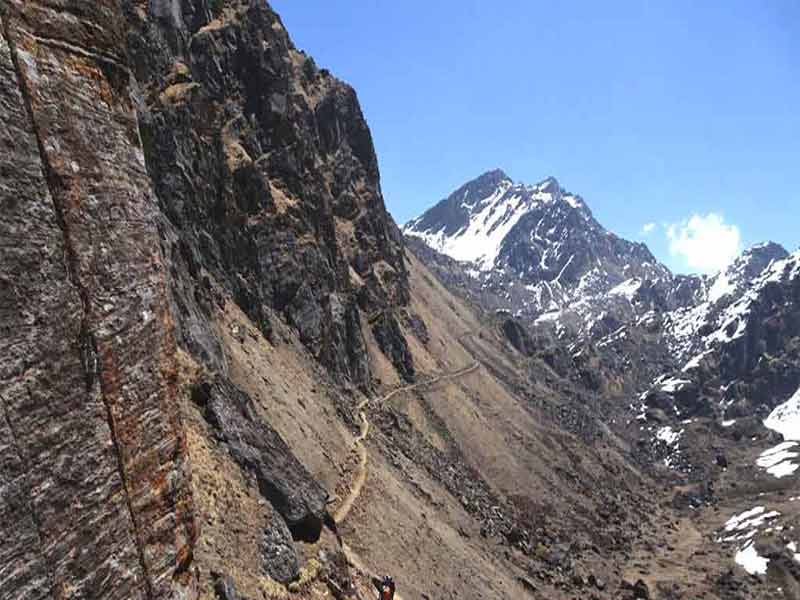
The Dhunche to Gosaikunda Trek is a beautiful short Himalayan adventure in the Langtang region of Nepal. It is an excellent choice for trekkers who want to experience high-altitude landscapes, sacred mountain lakes, Himalayan culture, forests, and spectacular mountain scenery without undertaking a very long trekking journey.
The trek begins from Dhunche, the main gateway to the Langtang and Gosaikunda areas. From Dhunche, the trail gradually climbs through peaceful forests, traditional villages, and alpine landscapes before reaching the sacred Gosaikunda Lake at approximately 4,380 meters. The journey provides an opportunity to experience the natural and cultural beauty of northern Nepal within a relatively short period.
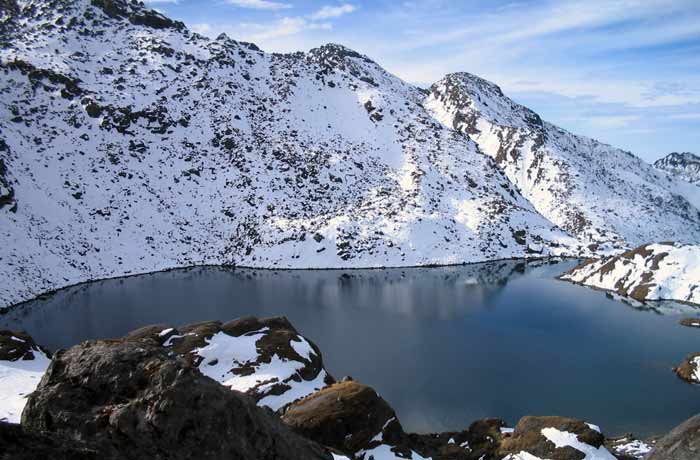
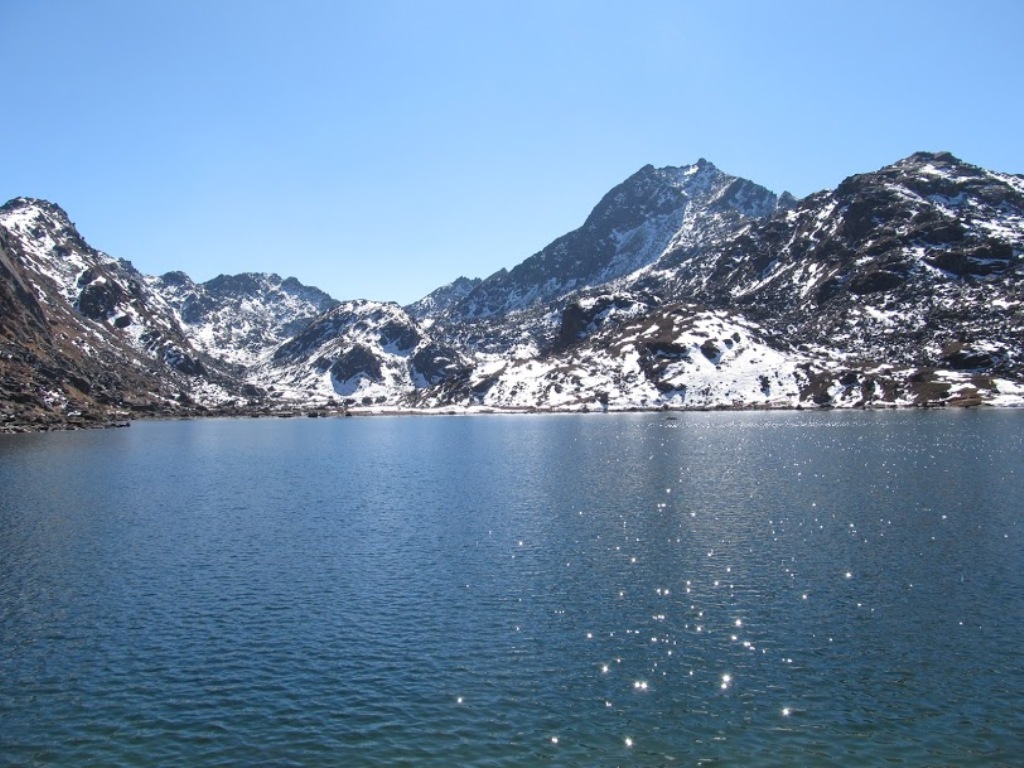
Gosaikunda is one of Nepal’s most important high-altitude pilgrimage destinations. The lake is especially significant to Hindu and Buddhist communities, and thousands of pilgrims visit the area during the annual Janai Purnima festival. Surrounded by rugged mountains and other alpine lakes, Gosaikunda offers an unforgettable Himalayan experience.
Dhunche to Gosaikunda Trek Highlights
- Trek from Dhunche to the sacred Gosaikunda Lake
- Beautiful Himalayan scenery and high-altitude landscapes
- Explore the forests of Langtang National Park
- Visit Sing Gompa and experience local mountain culture
- See Saraswati Kunda, Bhairav Kunda, and Gosaikunda
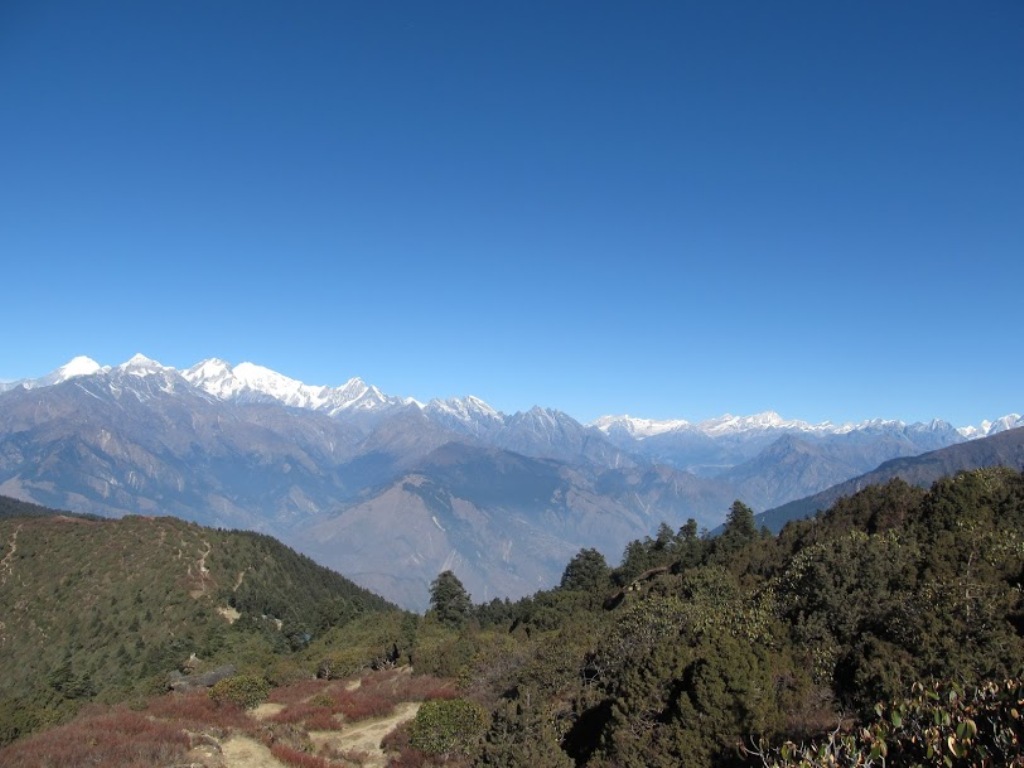
- Enjoy views of Langtang and surrounding Himalayan peaks
- Experience Tamang culture and traditional mountain villages
- Walk through rhododendron, oak, pine, and alpine vegetation
- Explore one of Nepal’s most important pilgrimage sites
Possibility of extending the trek toward Lauribina La and Helambu
Location of the Dhunche to Gosaikunda Trek
Dhunche is located in Rasuwa District of Bagmati Province and serves as one of the principal access points to the Langtang region. It is connected to Kathmandu by road, making the Gosaikunda trek relatively accessible compared with many other high-altitude trekking destinations in Nepal.
From Dhunche, the trail climbs toward Chandanbari and Sing Gompa before continuing through Cholangpati and Lauribina to Gosaikunda. The landscape changes significantly as the elevation increases. Lower sections contain forests and villages, while the upper section becomes more alpine and rugged.
Journey from Kathmandu to Dhunche
The adventure normally begins with a scenic drive from Kathmandu to Dhunche. The road passes through countryside, rivers, hills, and numerous settlements. As the journey continues north, the landscape becomes increasingly mountainous.
Dhunche is an important stopping point for trekkers heading toward Langtang Valley and Gosaikunda. After arriving in Dhunche, trekkers can rest, prepare their equipment, and begin the walking portion of the journey according to the itinerary.
Dhunche to Sing Gompa
The trail from Dhunche climbs steadily through beautiful forest. Rhododendron, oak, pine, and other Himalayan vegetation provide shade along sections of the route. As you gain elevation, views of the surrounding hills and mountains gradually become more impressive.
The journey continues toward Chandanbari and Sing Gompa, an important stopping point on the Gosaikunda route. Sing Gompa is known for its monastery and traditional mountain environment. The area is also recognized for local cheese production.
Spending the night around Sing Gompa provides an opportunity to rest before continuing toward the higher elevations.
Sing Gompa to Cholangpati
After leaving Sing Gompa, the trail continues through forest toward Cholangpati. The vegetation gradually becomes thinner as the altitude increases.
This section offers beautiful views of the surrounding Himalayan landscape. On clear days, trekkers can enjoy views toward the Langtang range and other mountain peaks. The trail is generally well established, but the increasing elevation means that trekkers should maintain a comfortable pace.
Cholangpati is another popular overnight stopping point for trekkers traveling toward Gosaikunda.
Cholangpati to Lauribina
The trail from Cholangpati toward Lauribina becomes more exposed and alpine. The forest gradually gives way to shorter vegetation and rocky terrain.
Lauribina is an important viewpoint on the route. From here, trekkers can enjoy expansive mountain views when weather conditions are clear. The landscape around Lauribina provides a strong contrast to the forests encountered earlier in the trek.
Because the elevation is increasing rapidly, trekkers should walk slowly and allow their bodies sufficient time to adapt.
Lauribina to Gosaikunda
The final approach to Gosaikunda is one of the most memorable parts of the trek. The trail continues through rugged high-altitude terrain, passing several sacred lakes before reaching the main Gosaikunda Lake.
Along the way, trekkers can encounter Saraswati Kunda and Bhairav Kunda, two important lakes associated with the Gosaikunda lake system. Eventually, the magnificent Gosaikunda Lake appears, surrounded by rocky Himalayan terrain.
At approximately 4,380 meters, Gosaikunda is a spectacular high-altitude destination. The deep-blue or turquoise appearance of the lake, combined with the surrounding mountains, creates an impressive Himalayan landscape.
Gosaikunda Lake
Gosaikunda is one of the most famous sacred lakes in Nepal. According to Hindu religious tradition, the lake is associated with Lord Shiva. It is believed that Shiva created the lake with his trident, and the area has therefore become an important pilgrimage destination.
During the Janai Purnima festival, large numbers of pilgrims travel to Gosaikunda to take a holy bath in the lake. Buddhists also consider the region spiritually significant.
Apart from its religious importance, Gosaikunda is a remarkable natural destination. The surrounding mountains, rocky slopes, alpine vegetation, and nearby lakes create a dramatic high-altitude environment.
Culture and Local Communities
The trek provides an opportunity to experience the culture of communities living in the Langtang region. Tamang culture is particularly prominent around the lower and middle sections of the route.
Traditional houses, monasteries, prayer flags, mani walls, and local customs contribute to the cultural character of the journey. Meeting local people and staying in family-run lodges allows trekkers to experience the hospitality of Himalayan communities.
The combination of natural scenery and local culture makes the trek more than simply a walk to a mountain lake.
Langtang National Park
Much of the route lies within or around Langtang National Park, one of Nepal’s important protected areas. The park contains a diverse range of ecosystems, from subtropical forests to alpine environments.
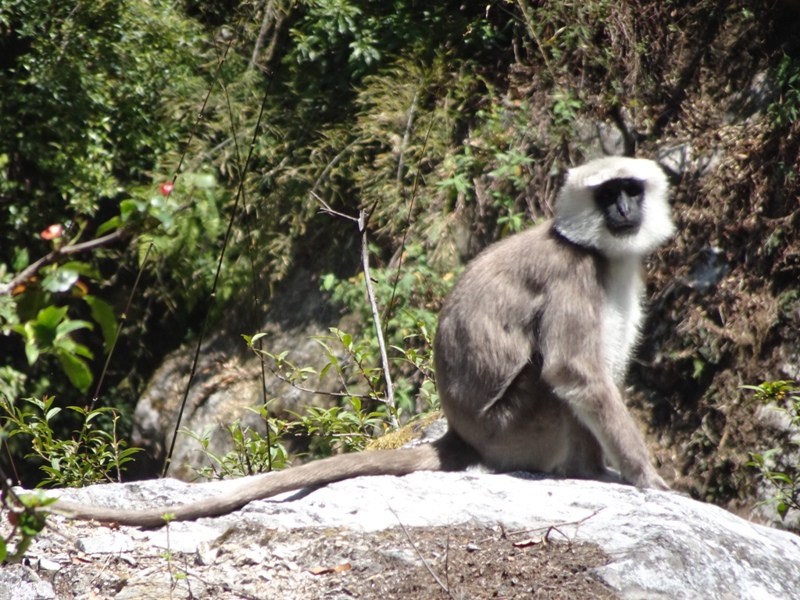
During the trek, visitors may encounter rhododendron, oak, pine, and other vegetation. The protected area is also home to wildlife such as Himalayan birds and, in suitable habitats, animals including Himalayan tahr and other mountain species.
Trekkers should respect the natural environment by avoiding litter, minimizing plastic waste, and following local conservation rules.
Difficulty of Dhunche to Gosaikunda Trek
The Dhunche to Gosaikunda Trek is generally considered a moderate to challenging trek, mainly because of the significant elevation gain.
The route starts at a relatively low elevation and reaches approximately 4,380 meters at Gosaikunda. The body therefore needs time to adapt to the changing altitude.
Trekkers should walk at a steady pace, drink enough water, eat properly, and avoid rushing. If symptoms such as severe headache, dizziness, unusual weakness, nausea, or breathing difficulties occur, they should be taken seriously and discussed with a guide or trekking professional.
Previous trekking experience is helpful, but people with reasonable fitness can undertake the trek with appropriate preparation and a well-planned itinerary.
Best Time for the Trek
The most popular seasons for the Dhunche to Gosaikunda Trek are spring and autumn.
Spring, particularly March to June, offers pleasant trekking conditions and blooming rhododendron forests. Autumn, especially October and December, generally provides clear mountain views and comfortable daytime trekking conditions.
The monsoon season from July to September can bring rain, clouds, slippery trails, and reduced mountain visibility. However, the pilgrimage period around Janai Purnima can make August culturally significant despite the monsoon conditions.
Winter brings cold temperatures and the possibility of snow around Gosaikunda. Trekkers attempting the route during winter should be properly equipped and prepared for changing weather.
Accommodation During the Trek
Tea houses and mountain lodges are available at major stopping points along the route. Rooms are generally simple and may include twin beds with blankets. Facilities become more basic as the altitude increases.
Bathrooms may be shared in many lodges, while hot showers may be available at some lower settlements for an additional cost. At higher elevations, facilities are more limited.
Trekkers should expect simple Himalayan accommodation rather than luxury hotels.
Food During the Trek
Tea houses provide a variety of meals suitable for trekkers. Dal bhat is one of the most common meals and provides carbohydrates and protein needed for long walking days.
Other available foods may include noodles, fried rice, soup, potatoes, Tibetan bread, eggs, vegetables, momo, porridge, and tea or coffee.
At higher elevations, food choices can become more limited because supplies need to be transported into remote mountain areas.
Guide and Porter Service
Although independent trekking may be possible depending on current regulations and route conditions, traveling with an experienced guide and porter can make the journey more organized and comfortable.
A guide can assist with navigation, accommodation arrangements, local cultural information, and altitude-related decisions. A porter can carry trekking equipment, allowing trekkers to walk with a lighter daypack.
For first-time visitors to Nepal or trekkers unfamiliar with high-altitude environments, professional local support can be particularly useful.
Trekking Permits for Dhunche to Gosaikunda
The Gosaikunda route is associated with Langtang National Park, so trekkers need the applicable entry permit and any required trekking registration or local permits. Requirements can change, so permits should be confirmed before starting the trek.
A registered trekking agency can assist with the necessary documentation and preparations.
What to Pack for this short trek
Important equipment for the Dhunche to Gosaikunda Trek
- Comfortable trekking boots
- Warm sleeping bag
- Down jacket
- Fleece or warm layers
- Waterproof jacket and trousers
- Trekking trousers and shirts
- Warm hat and gloves
- Sunglasses and sunscreen
- Water bottles or hydration system
- Trekking poles
- Headlamp
- Personal first-aid supplies
- Basic toiletries
- Backpack and rain cover
- Personal medicines and essential documents
The equipment should be adjusted according to the season and weather conditions.
Responsible Trekking
The Gosaikunda region has significant natural, cultural, and religious value. Trekkers should respect local traditions and protect the environment throughout the journey.
Avoid throwing rubbish on the trail, respect religious sites, minimize unnecessary plastic use, and follow the instructions of local authorities and guides. Supporting local tea houses and communities also contributes to the sustainability of tourism in the region.
Optional Extension to Lauribina La and Helambu
Trekkers who want to continue beyond Gosaikunda can extend the journey toward Lauribina La, one of the high passes of the region, and then continue toward Ghopte, Tharepati, and Helambu.
This extension provides additional Himalayan scenery and makes the journey longer and more challenging. It can also be combined with other Langtang trekking routes depending on available time and trekking conditions.
Conclusion during the Gosaikunda trek
The Dhunche to Gosaikunda Trek is an excellent Himalayan journey for travelers seeking a combination of mountain scenery, sacred landscapes, local culture, forests, and high-altitude adventure. Starting from Dhunche, the trail gradually leads through Sing Gompa, Cholangpati, Lauribina, and the alpine landscape surrounding Gosaikunda.
The sacred lake at approximately 4,380 meters is the main attraction, but the journey itself is equally rewarding. From peaceful forests and Tamang villages to dramatic mountain landscapes and ancient religious traditions, the trek offers a memorable experience in the Langtang region of Nepal.
With proper preparation, suitable equipment, a sensible pace, and attention to altitude and weather conditions, the Dhunche to Gosaikunda Trek can become a rewarding and unforgettable Himalayan adventure
Dhunche to Gosaikunda trek cost.
Dhunche to Gosaikunda trek cost depends on group size. We require a minimum of two people in the group. The package travel cost is 400 USD per person. But if the group is more than six Pax, the cost will be discounted.
Dhunche to Gosaikunda trek cost for Nepali | 37,000 NPR.
| Day | Destination | Altitude | Walking Hour | Accommodation |
|---|---|---|---|---|
| 1 | Kathmandu to Dhunche | 1900 | 7-hours bus from Kathmandu | Lodge |
| 2 | Dhunche to Singompa | 3330 | 5-hours | Lodge |
| 3 | Singompa to Gosaikunda lake | 4380 | 6-hours | Lodge |
| 4 | Gosaikunda to Dhunche | 1900 | 6-7-hours | Lodge |
| 5 | Dhunche to Kathmandu | 1300 | 7-hours bus drive from Dhunche | Your |
Dhunche Gosaikunda trekking cost 37,000 Nepali Indian For Tourist 400 $ Per person
cost Includes
- During the trek, three meals are served a day: breakfast, lunch, and dinner.
- TIMS Cards can be obtained for 2000 rs and entry permits for the Langtang National Park are 3,000 rs each. for tourist
- Transport is required between Kathmandu Dhunche and Kathmandu.
- Trekking guide with a government license who speaks English.
- Necessary Guide and porters-Insurance, Salary and they are accommodations during the trek.
- Company paper working and Government taxes etc.
Dhunche Gosaikunda trekking cost Excludes
- Hotel, Lunch, and Dinner in Kathmandu.
- Tickets for international flights, visa fees, medical and emergency cases, and travel insurance.
- Personal expenses, bar bills, hot showers, phone calls, laundry, and any drinks.
- Tips for porters and guides.
- If you want to return earlier than scheduled, or if you are experiencing weather problems or high-altitude sickness, the balance will not be refunded.
September to December and March to August
During the day, temperatures are normal, and during the night, they are 1-7 degrees.
The cost for the tourist is 398 US dollars. Indian and Nepalese people pay 33,000 Nepalese rupees each for two people or less and 29,800 Nepalese rupees for five or more people. There will be a cost of 26,700 Nepali for 9 or more people.
Langtang National Park and TIMS Trekking permit for tourists
Compared to other trekking areas, there isn’t too much rain
There is a tea house lodge
Various Chinese, Indian, Nepalese, Tibetan, and Italian dishes are available.
An average of 5-6 hours of walking per day.
Yes, you can see Langtang (7,227m), Manasulu (8,163m), Ganesh Himal (7,429m), and other mountain views.
(Maximum of 4,300m)
Four nights and five days in total
Normally, you need to bring with you flowing equipment. + walking boot If possible Gore tax boot is better. + Warm socks and Gaiters in case of rain or snow. + Day carry bag and Down Jacket over 4,000 meters. + Sleeping bag and others which are not mansions here.
A day three times meals-Breakfast, Lunch, and Dinner during the trek. Langtang National park entry permits 3,500 rs and TIMS Card 1000 rs per person for the tourist. All Necessary local bus transportation Kathmandu Dhunche to Kathmandu. English- speaking –Government licensed holder trekking guide. Necessary porters-Insurance, Salary and they are accommodation during the trek. Company paper working and Government taxes etc.
Yes, if you take a porter and guide, the trek in Nepal will be safe. You should book your trek through a trekking agency if anything goes wrong, you can get full help and responsibility from the agency
Yes, a woman can travel alone to Nepal, as long as she hires a guide or porter from a registered trekking company because the trekking company is responsible for the trek to Gosaikunda. While you are on the tea house trek or trekking guide trek, we will provide you with a single room
Altitude Chart