Makalu Base Camp Tea House Trek -
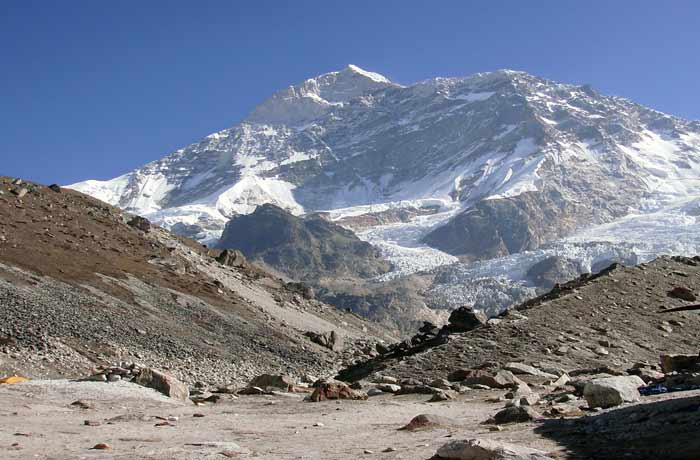
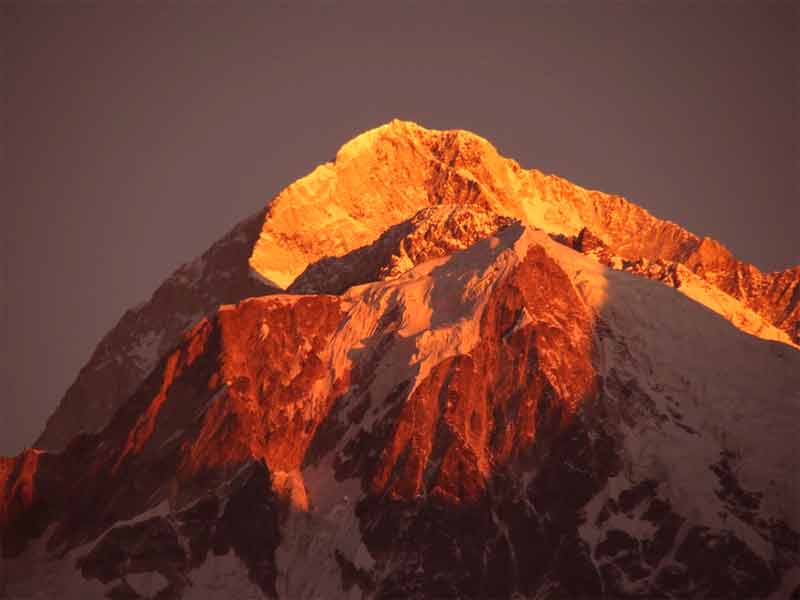
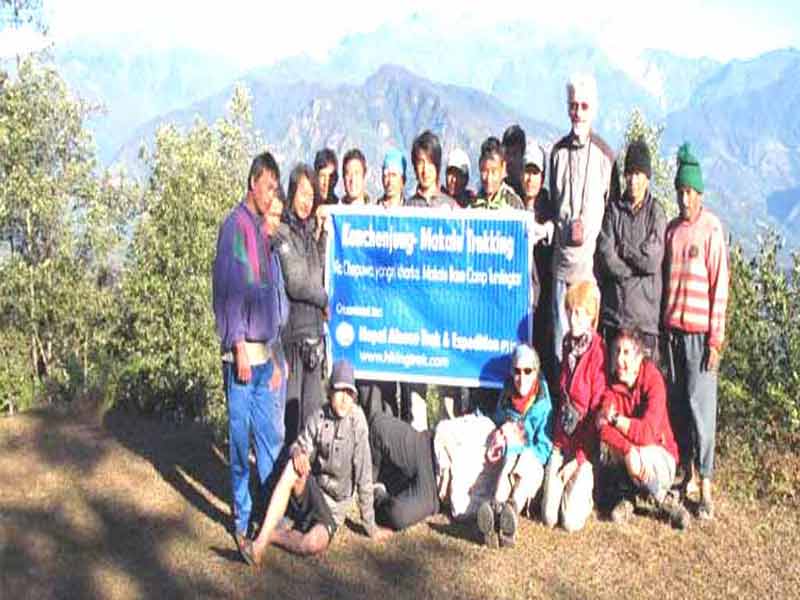
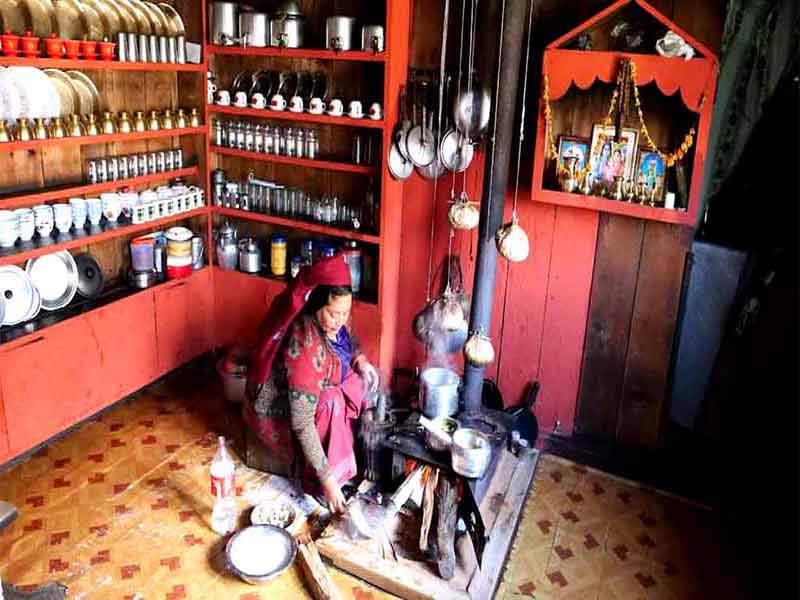
Makalu Base Camp Tea House Trek is one of Nepal’s most spectacular and adventurous trekking experiences. Located in the eastern Himalayas, this remote trek takes you to the base camp of Mount Makalu (8,485 m), the fifth-highest mountain in the world. The journey offers magnificent mountain scenery, beautiful forests, traditional villages, high-altitude landscapes, glacial valleys, and an opportunity to explore one of Nepal’s less-crowded trekking regions.
Makalu Base Camp Tea House Trek lies within Makalu Barun National Park, a protected area famous for its remarkable biodiversity, dramatic Himalayan landscapes, and rich natural heritage. Unlike the more popular Everest and Annapurna trekking routes, the Makalu region receives fewer visitors, making it an excellent destination for trekkers seeking wilderness, solitude, and a genuine connection with nature.
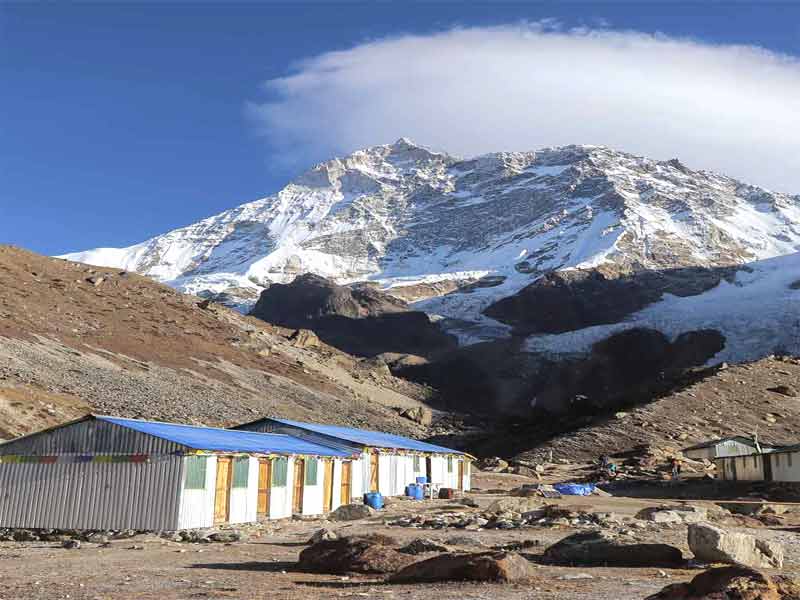
The trek begins in the lower foothills of eastern Nepal and gradually ascends through lush forests, terraced fields, traditional settlements, and alpine terrain before reaching the rugged landscapes surrounding Makalu Base Camp. Along the way, trekkers enjoy spectacular views of Mount Makalu, Baruntse, Chamlang, and other Himalayan peaks.
The Makalu Base Camp Trek is suitable for experienced trekkers who enjoy challenging journeys, remote trails, and high-altitude adventures. Proper preparation, acclimatization, and professional guidance are essential for a safe and rewarding experience.
Location of Makalu Base Camp Trek
Makalu Base Camp is situated in the Sankhuwasabha District of Koshi Province in eastern Nepal. The trekking route passes through Makalu Barun National Park and Conservation Area, which protects an extraordinary variety of landscapes and wildlife.
The region extends from warm, subtropical valleys to high-altitude Himalayan environments. This dramatic variation in elevation creates a diverse natural landscape, including dense forests, waterfalls, rivers, alpine meadows, rocky mountain slopes, and glaciers.
The trek generally starts from the Tumlingtar area, which can be reached by domestic flight from Kathmandu, followed by a road journey toward the trailhead. Depending on current road conditions and the itinerary, the starting point may vary.
The remote location of the Makalu region makes the trek more demanding logistically than many established trekking routes. However, its isolation is also one of its greatest attractions.
Highlights of Makalu Base Camp Trek
- The Makalu Base Camp Trek offers numerous natural and cultural highlights.
- Explore the remote and beautiful Makalu Barun National Park.
- Reach the base camp of Mount Makalu, standing at 8,485 meters.
- Enjoy breathtaking views of Mount Makalu and surrounding Himalayan peaks.
- Walk through forests of rhododendron, oak, pine, and bamboo.
- Discover traditional Rai, Sherpa, and other local communities.
- Explore the beautiful Barun Valley and its dramatic mountain scenery.
- Cross suspension bridges over fast-flowing Himalayan Rivers.
- Experience the transition from tropical vegetation to alpine wilderness.
- Visit high-altitude viewpoints near Shershong and Makalu Base Camp.
- Enjoy peaceful trails with fewer trekkers than on Nepal’s major trekking routes.
- Photograph glaciers, rocky valleys, snow-covered peaks, and pristine landscapes.
- Experience remote mountain hospitality and traditional village life.
These highlights make Makalu Base Camp a remarkable destination for adventure lovers, nature enthusiasts, photographers, and experienced trekkers.
Mount Makalu: The Fifth-Highest Mountain in the World
Mount Makalu rises to 8,485 meters above sea level and is one of the most impressive peaks in the Himalayas. Its distinctive pyramid-shaped summit and steep ridges create a dramatic profile against the sky.
The mountain is located southeast of Mount Everest, close to the Nepal–Tibet border. Its challenging terrain and exposed ridges have made it a respected objective among experienced mountaineers.
Although the Makalu Base Camp Trek does not require technical climbing, it provides an excellent opportunity to observe this enormous Himalayan Mountain from close range. The views become increasingly impressive as the trail approaches the upper Barun Valley.
On clear days, trekkers can enjoy spectacular views of Makalu and nearby peaks, while the surrounding glaciers and rocky landscapes create a dramatic wilderness atmosphere.
Reaching Makalu Base Camp is a major achievement for trekkers who appreciate remote destinations and demanding mountain journeys.
Difficulty of Makalu Base Camp Trek
The Makalu Base Camp Trek is considered a challenging trek because of its remote location, steep ascents and descents, high elevation, and limited facilities.
Trekkers should be prepared for several consecutive days of walking, sometimes over uneven and rocky trails. The ascent toward Khongma Danda involves demanding uphill sections, while the upper Barun Valley becomes increasingly rugged and exposed.
The highest overnight stops and the base camp itself are above 4,000 meters, where altitude-related illness becomes an important concern. Acclimatization and gradual ascent are essential.
Previous multi-day trekking experience is strongly recommended. Trekkers should also be comfortable with basic accommodation and changing weather conditions.
You do not need mountaineering skills to complete the standard trek, but good physical preparation, suitable equipment, and an experienced guide are important.
Best Time for Makalu Base Camp Trek
The best seasons for the Makalu Base Camp Trek are generally spring and autumn.
Spring (March to May)
Spring is a popular season for trekking in the Makalu region. The lower forests become greener, rhododendrons bloom in many areas, and temperatures generally become more comfortable for walking. Mountain views can be excellent during stable weather periods.
Autumn (September to November)
Autumn usually offers favorable trekking conditions after the monsoon. The skies are often clearer, mountain views are impressive, and daytime temperatures are generally suitable for trekking.
Winter (December to February)
Winter brings colder temperatures, possible snowfall, and difficult conditions on high passes. This season is generally suitable only for well-prepared trekkers with an appropriate itinerary and reliable local support.
Monsoon (June to August)
The monsoon season brings heavy rainfall, slippery trails, landslides, leeches in lower forests, and possible flight disruptions. Trekking may be difficult, particularly on the lower approaches.
Spring and autumn are normally the best choices, but weather conditions can change quickly in the Himalayas.
Permits Required for Makalu Base Camp Trek
Trekkers generally need permits for entry into the protected area and for the trekking route.
The main permits are:
Makalu Barun National Park entry permit: Required for access to the protected area.
Makalu Barun Conservation Area permit or other applicable conservation authorization: Requirements depend on the designated route and the current permit system.
Permit arrangements and fees may change, so confirm the exact requirements with the relevant Nepalese authorities or a registered trekking agency before departure. Permit fees can differ between Nepali citizens, SAARC nationals, and other foreign visitors.
Carry your passport and permit documents during the trek, as they may be checked at designated points. Your trekking agency can generally help arrange the required paperwork.
For remote-region treks, confirm in advance whether any additional local registration or documentation applies to your chosen route.
Accommodation during the Trek
Accommodation on the Makalu Base Camp Trek is more basic than on popular trekking routes such as Everest Base Camp and Annapurna.
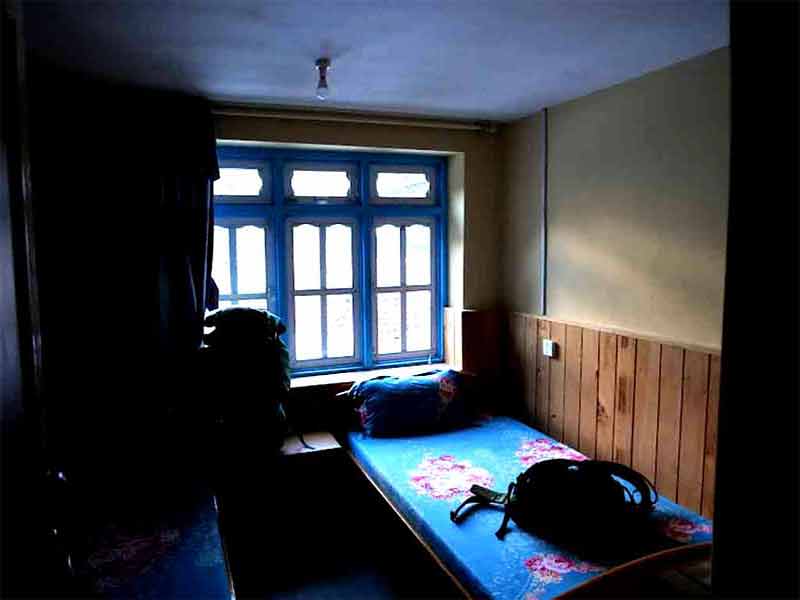
In lower villages, trekkers may find simple teahouses or local lodges offering rooms with basic beds and shared facilities. Accommodation becomes more limited as the trail enters the upper Barun Valley.
Depending on the season and local availability, some sections may require camping or a specially arranged support system. At higher elevations, facilities are basic, and room availability cannot always be guaranteed.
Trekkers should be prepared to share rooms, use communal dining spaces, and access shared toilets. Hot showers, charging facilities, and reliable internet may not be available in remote areas.
A sleeping bag suitable for cold mountain conditions is strongly recommended, even when accommodation provides blankets.
Food and Drinking Water
Food during the trek is generally simple, filling, and designed to provide energy for long walking days.
Common meals may include:
- Dal bhat with lentils,
- vegetables, and pickles.
- Noodles and vegetable soup.
- Fried rice and pasta.
- Potatoes and seasonal vegetables.
- Tibetan-style bread and local dishes.
- Porridge, eggs, tea, and other breakfast options.
Food choices become more limited as you travel farther into the remote valleys. If you have dietary restrictions, inform your trekking agency before departure.
Drink treated or purified water throughout the trek. Water can be purified using an appropriate filter or treatment method. Avoid assuming that clear mountain water is automatically safe to drink.
Carry reusable water bottles and suitable purification supplies, and drink regularly to support hydration at altitude.
Flora and Fauna of Makalu Barun National Park
Makalu Barun National Park protects a remarkable range of ecosystems, from subtropical forests to high-altitude mountain environments.
Lower elevations feature bamboo, oak, rhododendron, and other forest vegetation. As the route climbs, the landscape gradually changes into alpine meadows, rocky slopes, and sparsely vegetated terrain.
The region is known for its biodiversity and may support wildlife such as Himalayan tahr, musk deer, red pandas, and numerous bird species. However, wildlife sightings are never guaranteed.
The park’s ecological diversity is one of the major attractions of the trek. Visitors should respect wildlife, avoid disturbing animals, and follow park regulations.
Local Culture and Traditional Villages
The Makalu region is home to several ethnic communities, including Rai and Sherpa people, alongside other local groups. Their traditions, languages, food, and mountain lifestyles contribute to the cultural richness of the trekking experience.
Villages along the trail offer glimpses of traditional farming, livestock keeping, and everyday life in the Himalayan foothills.
In some settlements, trekkers may encounter Buddhist cultural influences, prayer flags, and local religious practices. Cultural traditions vary between communities and villages.
Travelers should show respect by asking permission before photographing people, dressing appropriately when visiting religious places, and following local customs.
Hiring local guides and porters also helps support livelihoods in remote mountain communities.
Transportation for Makalu Base Camp Trek
The journey typically begins with a flight from Kathmandu to Tumlingtar. From Tumlingtar, trekkers travel by road toward the trekking trailhead, commonly Num, depending on current road conditions and the selected itinerary.
Domestic flights may be affected by weather, visibility, and operational schedules. Road travel can also take longer than expected because of rough surfaces, road maintenance, or seasonal disruptions.
It is advisable to include at least one or more buffer days in the overall travel plan, especially if you have an international flight to catch after returning from the trek.
Your package should clearly state whether domestic flights, road transfers, airport transfers, and accommodation are included with the Nepal Alsace Trek & Expedition in Kathmandu
Guide and Porter Services
Hiring an experienced local trekking guide is highly recommended for the Makalu Base Camp Trek because the route is remote and facilities are limited.
A guide can assist with route navigation, local communication, accommodation arrangements, cultural interpretation, and decisions about weather or trail conditions.
Porters can carry part of your luggage, allowing you to concentrate on walking and enjoying the scenery. Their loads should remain within appropriate limits, and they should receive suitable clothing, food, accommodation, and fair payment.
For remote treks, choose an agency that can explain its emergency procedures and support arrangements. A guide cannot eliminate all risks, but experienced local support can improve planning and decision-making.
Equipment and Packing List
Proper equipment is essential for comfort and safety on the Makalu Base Camp Trek.
Recommended item.
- Waterproof trekking boots with good grip.
- Warm trekking socks and spare pairs.
- Thermal base layers.
- Fleece or insulated mid-layer clothing.
- Waterproof jacket and trousers.
- Down jacket suitable for cold conditions.
- Trekking trousers and comfortable shirts.
- Warm hat, gloves, and sun hat.
- Sunglasses with suitable UV protection.
- Sleeping bag rated for expected temperatures.
- Trekking poles.
- Headlamp with spare batteries.
- Sunscreen and lip protection.
- Personal first-aid supplies and any prescribed medication.
- Water bottles and water purification equipment.
- Backpack and waterproof pack cover.
- Personal toiletries and quick-drying towel.
- Power bank and charging accessories.
- Passport, permits, travel insurance details, and emergency contacts.
Your final equipment list should reflect the season, forecast, accommodation arrangements, and whether the trek includes camping.
Altitude Sickness and Safety
Altitude is one of the most important safety considerations on the Makalu Base Camp Tea House Trek. The base camp is approximately 4,870 meters above sea level, where the risk of altitude-related illness is significant.
Trekkers should ascend gradually, follow a sensible acclimatization schedule, and avoid increasing altitude too quickly. Headache, nausea, dizziness, unusual fatigue, and loss of appetite can be symptoms of altitude sickness.
Severe or worsening symptoms require prompt attention. If altitude sickness is suspected, do not continue ascending. Descending and obtaining medical assistance may be necessary. Confusion, difficulty walking straight, or breathing problems at rest require urgent emergency action.
Travel insurance should specifically cover high-altitude trekking and helicopter evacuation where available. Remember that evacuation may be delayed by weather, terrain, or aircraft availability.
Why Choose the Makalu Base Camp Trek?
The Makalu Base Camp Tea House Trek is an excellent option for travelers seeking a remote Himalayan adventure away from heavily visited trekking corridors.
Its main attractions include dramatic mountain scenery, diverse vegetation, traditional communities, quiet trails, and the opportunity to explore the magnificent Barun Valley.
Unlike a standard lodge-based trek in a more developed region, Makalu requires greater flexibility and preparation. This makes it especially rewarding for trekkers who enjoy wilderness travel and are comfortable with basic facilities.
Booking through a reliable agency, Nepal Alsace Trek, can simplify transportation, permit arrangements, accommodation planning, guide services, and emergency preparation.
A carefully planned itinerary also allows sufficient time for acclimatization and reduces the pressure to reach the destination too quickly.
Frequently Asked Questions (FAQs)
How long does the Makalu Base Camp Trek take?
Most itineraries take approximately 18–22 days, including travel, trekking, acclimatization, and return arrangements.
How high is Makalu Base Camp?
Makalu Base Camp is approximately 4,870 meters above sea level.
Is the Makalu Base Camp Trek difficult?
Yes. It is a challenging trek involving steep ascents, long walking days, remote terrain, and high altitude. Previous trekking experience is recommended.
Do I need a guide?
A knowledgeable local guide is strongly recommended because the route is remote and logistical support is limited. Confirm current regulations before departure.
What is the best season for the trek?
Spring, from March to May, and autumn, from September to November, are generally the preferred seasons.
Are teahouses available along the route?
Basic lodges and teahouses are available in some settlements, but accommodation becomes limited in the upper Barun Valley. Camping or additional support may be necessary.
What permits are required?
A Makalu Barun National Park entry permit and any other applicable conservation or local authorizations may be required. Confirm current requirements before booking.
Can beginners complete the trek?
The trek is not generally recommended as a first trekking experience. Good fitness, preparation, and experience with Multi-day Mountain walking are beneficial.
Is altitude sickness a concern?
Yes. The route reaches high elevations, so gradual ascent, acclimatization, symptom monitoring, and a suitable emergency plan are essential.
How much does the Makalu Base Camp Tea House Trek cost?
A rough estimate for an organized package is US$2,000–US$3,000 per person, depending on group size, flights, accommodation, support staff, and camping requirements.
Will I have mobile network coverage?
Coverage can be unreliable or unavailable in remote sections. Do not depend on a mobile phone as your only emergency communication method.
What should I pack?
Bring warm layered clothing, waterproof gear, sturdy trekking boots, a suitable sleeping bag, sun protection, water purification supplies, and personal medical essentials.
Conclusion
The Makalu Base Camp Trek is an extraordinary Himalayan adventure that combines dramatic mountain scenery, remote wilderness, cultural encounters, and the challenge of reaching the base camp of the world’s fifth-highest mountain.
From the lush forests and traditional villages of the lower valleys to the rugged glaciers and alpine landscapes of the upper Barun Valley, every section of the journey offers a different perspective on Nepal’s natural beauty.
Although the trek demands good preparation, careful acclimatization, and flexibility, the reward is an unforgettable experience in one of the country’s most impressive and less-visited mountain regions.
For travelers who want to explore beyond Nepal’s busiest trekking destinations, the Makalu Base Camp Tea House Trek is an excellent choice. With an experienced local guide, appropriate equipment, a well-planned itinerary, and responsible trekking practices, you can enjoy a memorable journey through the spectacular eastern Himalayas.
| Day | Destination | Altitude | Walking Hour | Accommodation |
|---|---|---|---|---|
| 1 | Arrival Kathmandu and transfer to hotel | 1300 | One hour drive from airport to hotel | Hotel in Kathmandu |
| 2 | Day Free in Kathmandu | 1300 | Free walking | Hotel in Kathmandu with B&B Service |
| 3 | Kathmandu Tumlingtar flight (450m) and Jeep to Num | 1500 | 47 Minuets Plane and 3-4- hours-Jeep | Lodge |
| 4 | Num to Seduwa | 1530 | 5-6-hours | Lodge |
| 5 | TSenduwa to Tashi Gaun Sherpa village | 2070 | 5-6-hours | Lodge |
| 6 | Tashiaun Rest day | 2070 | Rest day | Lodge |
| 7 | Tashigaun to Kongmadima | 3500 | 5-6-hours | Lodge |
| 8 | Khangma danda to Dobate | 3650 | 5-6-hurs | Lodge |
| 9 | Dbate to Yangri Kharka | 3610 | 5-6-hours | Lodge |
| 10 | Yangri Kharka to Jack Khara | 4410 | 5-6-hours | Lodge |
| 11 | Jack Kharka to Makalu Base camp | 4870 | 5 hours | Lodge |
| 12 | Makalu Base camp | 4870 | Visit to Makalu vaslley | Lodge |
| 13 | Base camp to Yangri Kharka | 3610 | 5 hours | Lodge |
| 14 | Yangri Kharka to Dobate | 3650 | 5-hours | Lodge |
| 15 | Dobate to Khongma Danda | 3500 | 5-6-hours | Lodge |
| 16 | Khongma Danda to Tashigaun | 2070 | 5-6 | Lodge |
| 17 | Tashigaun to Seduwa | 1530 | 5-6 | Lodge |
| 18 | Seduwa to Num | 1500 | 5-6 | Lodge |
| 19 | Siduwa to Tumlingtar | 540 | 3-4 hours drive Jeep | Lodge |
| 20 | Flight to Kathmandu from Tumlingtar | 1300 | 45 minutes flight | Hotel |
| 21 | Kathmandu | 1300 | Free visit | Hotel with Breakfast |
| 22 | Departure Day | Drive to Kathmandu airport | Flight to home | At your home |
Makalu tea house Trekking cost 2,070 $ Per Person
cost Includes
- Arrival & departure transport service in Kathmandu.
- Hotel in Kathmandu with bed and breakfast for 4 nights.
- Makalu Barun Naitional Park Permit.
- A day three times meals-Breakfast, Lunch, and Dinner during the trek.
- Lodge accomodaition during the trek.
- English–speaking, government-licensed trekking guide.
- Duffel (Kit) Bag from Agency for the trek.
- Tumlingtar Num to Tumlingtar Shering Jeep.
- Necessary porters' insurance, salary, and their accommodation during the trek.
- Company paperwork and Government taxes, etc.
- Kathmandu-Tumlingtar-Kathmandu plane ticket.
Makalu tea house Trekking cost Excludes
- Lunch and Dinner in Kathmandu.
- Personal equipment.
- Your Travel Insurance Policy encase accident and high-altitude sickness.
- Tips for Trekking staff.
- The Nepal entry visa fee is 15 Days 30 US$ and for 30 Days 50 US$; you can obtain your visa at Kathmandu airport if you have not obtained it from your country.
- Will require 2 passport-size photos
- Soft and hard drinks Such as Beer, Coke, Fanta, and Mineral water.
- Hot drinks- hot shower and battery charge during the trek
September to November and March to May
Day time normal and during Night 4-15- degree.
Makalu Tea house trek cost US$: 1,900: Per person minimum of 2 people in the group.
Makalu National park and TIMS Permit.
Yes, If you take a Guide and porter then very safe trip all the trekking in Nepal. It is better to book your trip with an agency if something happens then easy to solve any problem and full responsibility from Trekking agency.
Tea house lodge
Chinese, Nepali, Tibetans, Indian and Italian dish.
5/8 hours of walking per day.
Yes, you can see Makalu, Kanchenjunga, and other mountain views.
Maximum (4,810m)
20 Nights 21 Days total
Normally, you need to bring with you flowing equipment. + walking boot If possible Gore tax boot is better. + Warm socks and Gaiters in case of rain or snow. + Day carry bag and Down Jacket over 4,000 meters. + Sleeping bag and others which are not mansions here.
Arrival & departure transport service in Kathmandu. Hotel in Kathmandu with bed and breakfast 4 nights. Makalu Barun park permits 3,500 Rs and Tims card 1000 rs per person. A day three times meals-Breakfast, Lunch and Dinner during the trek. 3,400 rs per day per person for the meals & Lodge. English- speaking –Government licensed holder trekking guide. Over the 6 Pax group, we will provide you experience mountain Leader, who has the best trained Hotel Management (NATHM) Mountain Leader Course, Component 1-2, Navigation Course, Rock climbing Course, Mountain rescue Training and Basic Mountaineering training, etc. Necessary porters-Insurance, Salary and they are accommodation during the trek. Company paper working and Government taxes etc. Kathmandu-Tumlingtar-Kathmandu Plane Ticket More than 280 $ per person.
Feels like hangover & Feeling not good/ Headache/ Shortness of Breath/ Loss of appetite/ Sleep not good/ vomiting/ fevers etc.
Yes, if a woman travels alone to Nepal no problem but you take a guide or porter from a registered trekking agency because the trekking company is fully responsible for trekking and Mountain climbing. Our agency staff always take care of you, and they will provide you a single room single tent during the tea house trek and during the climbing trek. But if you contact freelance Guide then you get many problems they try to make chit for a single woman. Therefore if you book guide porter with un agency then it is good safe your Holyday travel to Nepal.
Altitude Chart