Gokyo Lake, Everest Base Camp, and Island Peak Climbing -
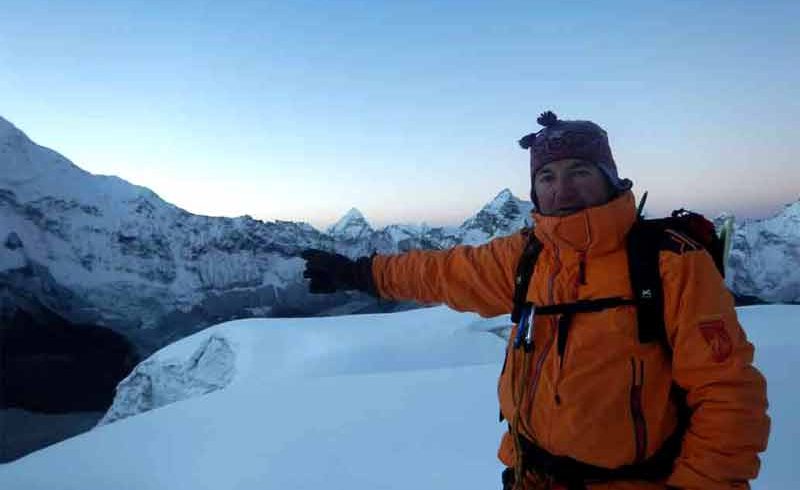

The Gokyo Lake, Everest Base Camp, and Island Peak Climbing adventure is one of the most exciting trekking and mountaineering experiences in Nepal’s Everest region. This combined journey offers spectacular Himalayan scenery, beautiful turquoise glacial lakes, traditional Sherpa villages, ancient Buddhist monasteries, the famous Everest Base Camp, and an opportunity to climb Island Peak (Imja Tse), one of Nepal’s popular trekking peaks.
This adventure is ideal for trekkers who want to explore the beautiful Gokyo Valley, cross challenging high-altitude trails, visit Everest Base Camp, enjoy panoramic views from Kala Patthar, and experience the excitement of Himalayan peak climbing. During the journey, you will discover the natural beauty of Sagarmatha National Park, walk through forests and alpine landscapes, cross suspension bridges, and experience the warm hospitality of the Sherpa people.
The trek combines three remarkable highlights: the peaceful Gokyo Lakes, the legendary Everest Base Camp, and the rewarding summit experience of Island Peak at approximately 6,189 meters. Depending on the itinerary, the route may include the Cho La Pass (5,420 m), allowing trekkers to connect the Gokyo Valley with the Everest Base Camp area.
With an experienced trekking guide, climbing guide, and proper acclimatization, this expedition provides an unforgettable combination of trekking, cultural exploration, and mountaineering in the heart of the Himalayas.
Location of the Trek and Climbing
The Gokyo Lake, Everest Base Camp, and Island Peak adventure is located in the Khumbu region of northeastern Nepal, within Sagarmatha National Park. The region is home to Mount Everest, Lhotse, Nuptse, Ama Dablam, Cho Oyu, and numerous other Himalayan peaks.
The journey generally begins with a flight from Kathmandu or, when operational arrangements require, an alternative departure point to Lukla. From Lukla, trekkers follow mountain trails through Phakding and Namche Bazaar before exploring the Gokyo Valley.
After visiting Gokyo Lakes and Gokyo Ri, the route continues toward Everest Base Camp and Kala Patthar. Trekkers then travel toward Dingboche and Chhukung before approaching Island Peak Base Camp.
The precise route and number of days depend on the selected itinerary, acclimatization requirements, weather conditions, and the climbers’ experience.
Major Highlights of the Adventure
- Explore the beautiful turquoise Gokyo Lakes.
- Enjoy panoramic Himalayan views from Gokyo Ri.
- Visit Namche Bazaar, the principal trading center of the Khumbu region.
- Experience Sherpa culture, Buddhist monasteries, prayer wheels, and Mani walls
- Trek to Everest Base Camp at approximately 5,364 meters.
- Hike to Kala Patthar (5,545 m) for outstanding views of Mount Everest and surrounding peaks.
- Cross the Cho La Pass at approximately 5,420 meters.
- Visit the traditional mountain settlements of Phakding,
- Namche Bazaar, Dole, Machhermo, Gokyo, Lobuche, and Dingboche.
- Explore the Imja Valley and the mountain landscapes around Chhukung.
- Climb Island Peak, approximately 6,189 meters, with a qualified climbing guide.
- Experience glaciers, high mountain valleys, alpine terrain, and spectacular Himalayan sunrises.
- Enjoy an adventure combining trekking, cultural discovery, and mountaineering.
Gokyo Lakes and Gokyo Ri
The Gokyo Lakes are among the most beautiful natural attractions in the Everest region. These high-altitude glacial lakes are famous for their brilliant turquoise and blue colors, surrounded by rugged mountains, glaciers, and alpine landscapes.
Gokyo village lies beside one of the lakes and provides a peaceful place to rest and acclimatize. Trekkers can explore nearby lakes and enjoy the impressive scenery of the Ngozumpa Glacier, one of the major glaciers in the Himalayas.
Gokyo Ri is a popular viewpoint at approximately 5,357 meters. From its summit, visitors can enjoy panoramic views of Mount Everest, Lhotse, Makalu, Cho Oyu, and the surrounding mountain ranges. The climb is steep and physically demanding because of the altitude, but the scenery makes it a memorable highlight.
Everest Base Camp and Kala Patthar.
Everest Base Camp is one of the world’s most famous trekking destinations. Located at approximately 5,364 m, it provides an opportunity to experience the dramatic landscapes of the Khumbu Glacier and the surrounding Himalayan peaks.
The trail passes through Lobuche and Gorak Shep before reaching the base camp area. The scenery includes glacial formations, rocky valleys, and impressive mountain walls. The views and accessibility of expedition areas can vary with the season.
Kala Patthar, approximately 5,545 meters, is another major highlight. Although it is not a climbing summit on this itinerary, it offers an outstanding viewpoint toward Mount Everest and nearby peaks. The early morning hike is physically challenging, and trekkers should attempt it only when they are feeling well and their guide considers conditions suitable.
Island Peak Climbing
Island Peak, also known as Imja Tse, reaches approximately 6,189 meters above sea level. Its name comes from the mountain’s appearance as an island rising above the surrounding glaciers and valleys.
Island Peak is a popular objective for trekkers who want to progress into Himalayan mountaineering. However, it is a serious high-altitude climb rather than an ordinary trekking excursion. Depending on route conditions, climbers may encounter snow slopes, glacier travel, crevasse hazards, and steep sections requiring fixed ropes.
Before the summit attempt, the climbing guide should provide instruction on the use of crampons, an ice axe, a climbing harness, and other appropriate equipment. Previous experience with basic mountaineering techniques is beneficial, and some technical climbing skills may be required.
The summit offers impressive views of Lhotse, Nuptse, Ama Dablam, Makalu, and the surrounding Himalayan landscape. Summit success depends on weather, snow conditions, acclimatization, fitness, and the judgment of the climbing team. Reaching the summit cannot be guaranteed.
Trek Difficulty and Physical Preparation
The Gokyo Lake, Everest Base Camp, and Island Peak adventure is challenging to very challenging because of its duration, high altitude, long walking days, and technical climbing section.
The trek involves repeated ascents and descents, uneven rocky paths, glacier-side trails, and potentially demanding high passes. Cho La Pass may be covered with snow or ice, depending on the season. Island Peak requires additional physical preparation and appropriate mountaineering skills.
Participants should prepare with regular walking, hill hiking, stair climbing, and suitable cardiovascular exercise. Strength and balance training can also help with carrying a daypack and moving over uneven ground.
Previous high-altitude trekking experience is strongly recommended. Anyone with concerns about their ability to undertake strenuous activity should seek medical advice before departure. Guides should monitor symptoms of altitude sickness, and the itinerary must allow for rest, acclimatization, and descent when necessary.
Best Season for the Trek and Climbing
Spring (March to May): Spring offers generally favorable trekking conditions, increasing daylight, and changing mountain scenery. Island Peak is a popular objective during this season, although snow conditions and summit weather can vary.
Autumn (September to November): Autumn often provides clear mountain views and stable trekking conditions after the monsoon. It is a popular period for Gokyo Lakes, Everest Base Camp, and Island Peak climbing.
Winter is colder, with a greater possibility of snow, ice, and difficult high-pass conditions. The monsoon season brings rain and cloud cover at lower elevations, while flights and trails can be affected by weather.
The best departure date depends on current forecasts, trail conditions, and the climbing team’s assessment. No season guarantees suitable summit weather.
Accommodation and Food
During the trekking portion, accommodation is generally provided in teahouses and mountain lodges. Rooms are usually simple, with twin beds and shared bathroom facilities in many locations. Some lodges offer private rooms or attached bathrooms where available, but facilities become more basic at higher elevations.
At Island Peak Base Camp, accommodation arrangements depend on the expedition operator and selected package. A camping arrangement may be required, with tents, sleeping equipment, and climbing support organized in advance.
Meals along the trail commonly include
- Dal Bhat,
- Rice,
- Vegetables,
- Noodles,
- Soups,
- Potatoes,
- Eggs,
- Porridge,
- Bread, and other lodge-menu options.
Eating regular, balanced meals and drinking sufficient safe fluids are important during high-altitude trekking.
Special dietary requirements should be communicated to the agency before departure. Food availability becomes more limited in remote settlements, so dietary arrangements should be confirmed rather than assumed.
Required Permits.
The required permits depend on the final itinerary and the applicable regulations at the time of travel. For this combined trek and climbing expedition, the main permit categories generally include
Sagarmatha National Park entry permit: Required for access to the protected Everest region.
Khumbu Pasang Lhamu Rural Municipality entry permit: Applicable to trekking in the Khumbu region under local regulations.
Island Peak climbing permit: Required for the authorized climbing period and issued by the Nepal Mountaineering Association (NMA)
Guide, Porter, and Safety Arrangements
An experienced trekking guide helps manage the route, accommodation, daily walking plan, and acclimatization schedule. A qualified climbing guide provides technical instruction, assesses conditions, and leads the Island Peak climbing team.
Porters can carry the agreed trekking baggage, allowing participants to walk with a lighter daypack. The agency should explain porter weight limits, equipment responsibilities, and arrangements for the climbing section.
Safety planning should include appropriate travel insurance covering high-altitude trekking and mountaineering, communication arrangements, first-aid supplies, and an emergency evacuation plan. Insurance must specifically cover the activities and elevations involved.
Trekkers should report headaches, nausea, unusual fatigue, dizziness, or breathing difficulties promptly. Severe or worsening altitude symptoms require immediate assessment and, when indicated, descent. The itinerary must never take priority over safety.
Equipment Checklist
- Waterproof trekking boots and comfortable trekking socks.
- Warm base layers, insulating layers, and a waterproof jacket and trousers.
- Down jacket suitable for cold high-altitude conditions.
- Warm hat, gloves, and sun protection.
- Sunglasses with appropriate UV protection.
- Sleeping bag suitable for expected temperatures.
- Trekking poles and a comfortable daypack.
- Water bottles or a suitable hydration system and water-treatment supplies.
- Headlamp, spare batteries, and personal toiletries.
- Personal medication and a basic first-aid kit.
- Climbing helmet, harness, mountaineering boots,
- Crampons, ice axe, and other technical equipment as required for the Nepal Alsace Trek & Expedition company.
Frequently Asked Questions
How long does the combined adventure take?
A practical itinerary may require approximately 20 days or longer, depending on acclimatization, route selection, and reserve days.
Can beginners climb Island Peak?
People new to mountaineering may be able to participate if they have excellent preparation, suitable fitness, and proper instruction. Previous high-altitude trekking and basic mountaineering experience are strongly recommended.
What is the highest point?
The highest planned point is Island Peak’s summit at approximately 6,189 meters, if the summit is reached. Kala Patthar and Gokyo Ri are also important high-altitude viewpoints.
Do I need climbing equipment?
Yes. Island Peak requires suitable technical equipment and instruction. Confirm the equipment list and what the agency provides before the expedition.
Is travel insurance necessary?
Yes. Arrange insurance that explicitly covers high-altitude trekking, Island Peak climbing, and helicopter evacuation at the elevations involved.
Can the summit attempt be delayed?
Yes. A reserve day can help accommodate weather or route delays, but the guide must decide whether conditions are safe enough to proceed.
Why Choose Our Gokyo Lake, Everest Base Camp and Island Peak Package?
Choosing a responsible local trekking and climbing agency gives you access to regional knowledge, organized logistics, and professional support throughout the journey. Our aim is to provide a well-planned adventure that combines the outstanding landscapes of Gokyo Lakes and Everest Base Camp with a carefully managed Island Peak climbing experience.
We focus on clear communication, suitable acclimatization, experienced guides, reliable equipment arrangements, and respect for local communities and the mountain environment. Before booking, every participant should receive a detailed itinerary, a transparent cost breakdown, a preparation checklist, and an explanation of safety procedures.
The Gokyo Lake, Everest Base Camp Trek and Island Peak Climbing adventure is a memorable opportunity to explore the heart of the Himalayas, experience Sherpa culture, and challenge yourself on a beautiful trekking peak. With realistic preparation, adequate acclimatization, and responsible guiding, it can become one of the most rewarding journeys in Nepal.
| Day | Destination | Altitude | Walking Hour | Accommodation |
|---|---|---|---|---|
| 1 | Arrival Kathmandu and transfer to hotel | 1300 | One hour drive from airport to hotel | Hotel in Kathmandu |
| 2 | Trip Preparation day | 1300 | Free walking | Hotel in Kathmandu with B&B Service |
| 3 | Kathmandu to Lukla plane & Trek Phakding | 2610 | 3-hours | Lodge |
| 4 | Phakding to Namche Bazaar | 3440 | 5-hours | Lodge |
| 5 | Acclimation at Namche | 3440 | Visit to Syangboche Mountain view | Lodge |
| 6 | Namche to Dhole | 4200 | 6-hours | Lodge |
| 7 | Dhole to Machhermo | 4410 | 3-4-hours | Lodge |
| 8 | Macchermo to Gokyo Lake | 4790 | 3-4-hours | Lodge |
| 9 | Climbing to Gokyo Ri | 5357 | 4-hours & trek to Tangnak | Lodge |
| 10 | Trek to D''Zongla via Chola pass 5420 | 4243 Zongla | 6-7-hours | Lodge |
| 11 | Zongla to Lobuche | 4910 | 3-hours | Lodge |
| 12 | Lobuche to EBC 5364 and back to Gorakshep | 5140-Gorakshep | 5-6-hours | Lodge |
| 13 | Hike to Kalapatthar | 5545-Kalapatthar | 6-7-hours | Lodge |
| 14 | Climbing to Chhukung Ri 5550 | 4730-Chhukung | 6-7-hours | Lodge |
| 15 | Chhukung to Island peak Base camp | 4970 | 5-6-hours | Tent Camping |
| 16 | Island Peak Base Camp to summit Peak (6,189m) and back to Chhukung | 4730-Chhukung | 8-9-hours | Lodge |
| 17 | Chhukung to Tengboche | 3860-Chhukung | 6-hours | Lodge |
| 18 | Tengboche to Jorsale | 2810-Jorsale | 6-7-hours | Lodge |
| 19 | Jorsale to Lukla | 2800-Lukla | 5-6-hours | Lodge |
| 20 | Lukla to Kathmandu | 1300-Kathmandu | 35-Minuts flight to Kathmandu | Hotel in Kathmandu |
| 21 | Day Free in Kathmandu | 1300 | Free walking | Hotel in Kathmandu with B&B Service |
| 22 | Departure Day | Final departure from the hotel to international airport Kathmandu. | Flight out from Nepal | At your home |
Gokyo Everest Base camp Island peak Climbing cost $ 2480
cost includes
- Arrival & Departure transport
- Hotel in Kathmandu with breakfast as per itinerary.
- Plane ticket Kathmandu Luka to Kathmandu
- Sagarmatha national park permit plus TIM’s card.
- Lodge and tent accommodations during trek and climbing
- Climbing Rope, Ice screws, Snow anchor.
- Staff: 1 Cook, 1 Kitchen, one climbing guide and helper Base Camp Base
- Insurance for Nepalese teams.
- Our service charge.
- Equipment Fees for the climbing guide.
- Export climbing guide from Kathmandu to Island peak Kathmandu.
- Necessary porters
- Island peak climbing permit
- Garbage deposit fee.
- Breakfast, Lunch and dinner during the trek.
Gokyo Everest Base camp Island peak cost excludes
- Lunch and dinner in Kathmandu.
- Your travel insurance Policy encases if the accident and high altitude Sickness Rescue.
- Nepal entry visa fee 15 Days 30 US$ and for the 30 Days 50 US$, But you can obtain in Kathmandu airport if you have not taken from your country.
- Soft and hard drinks such as Beer, Coke, Fanta, Mineral water.
- Personal trekking and Climbing Equipment.
- Tips for Nepali staff.
- You must bring your personal Equipment such as Sleeping bag/Crampons/Harness Ice ax and ice hammer.
- We reqer with you 2 passports of size pictures.
Don’t worry you can hire climbing equipment at Checking, But if you have your own Alpine boot then better to bring with you your own size. Because in Chhukung there is the only plastic boot.
Yes, It is a Technical peak, but there is our experienced Sherpa guide, So, he will take you summit without any problem.
Passport photocopy (should be very clear with color scan) and validity minimum 6 months. 2 passport-size photos. and your travel insurance photocopy.
Feels like hangover & Feeling not good/ Headache/ Shortness of Breath/ Loss of appetite/ Sleep not good/ vomiting/ fevers etc.
Yes, Peak climbing is not very easy but depends on trekking peaks the same peak is less technical same peak is very steep, and much technical climbing + but you need good mountaineering equipment. We suggest that before the climbing peak you need to do a minimum 5,000 meters high trekking pass
Namaste, Frist inquiry from your trip you will have direct access to experienced and professional climbing guides advice or to ask questions on your arrival in Kathmandu meet with us we will brief you on how to climb Nepal trekking peaks. If you travel with us then, of course, we will provide qualified Guides who have experience high altitude trekking and climbing guides. We provide all the trekking and climbing staff insurance as well. You can speak directly with us about your proposed climbing Nepal Trekking peaks they will brief you on our experience climbing guide who has many times summited Nepal Trekking peaks
3-10 hours walking during trek and peak climbing
Yes, if a woman travels alone to Nepal no problem but you take a guide or porter from a registered trekking agency because the trekking company is fully responsible for trekking and Mountain climbing. Our agency staff always take care of you, and they will provide you a single room single tent during the tea house trek and during the climbing trek.
Altitude Chart