Naya Kang Peak Climbing -
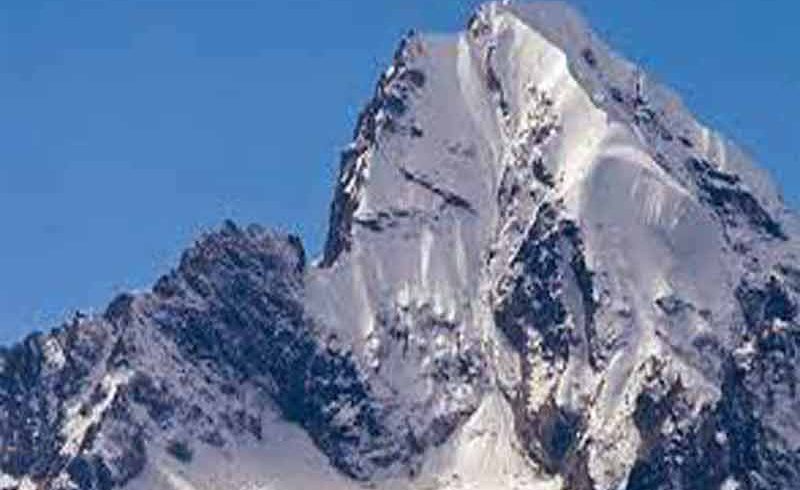
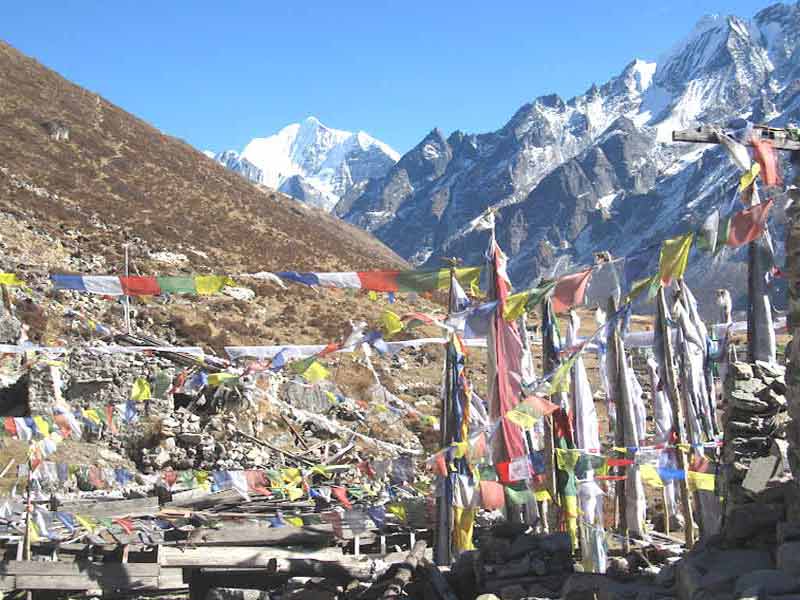
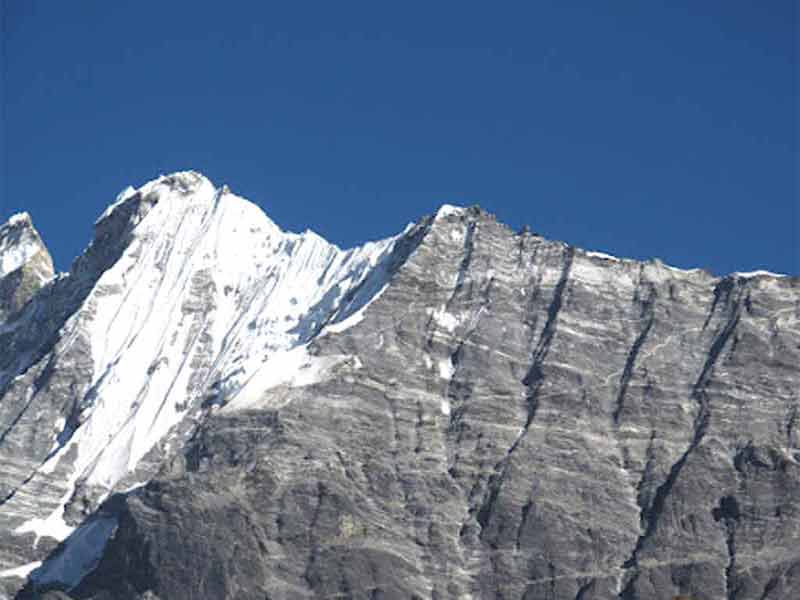
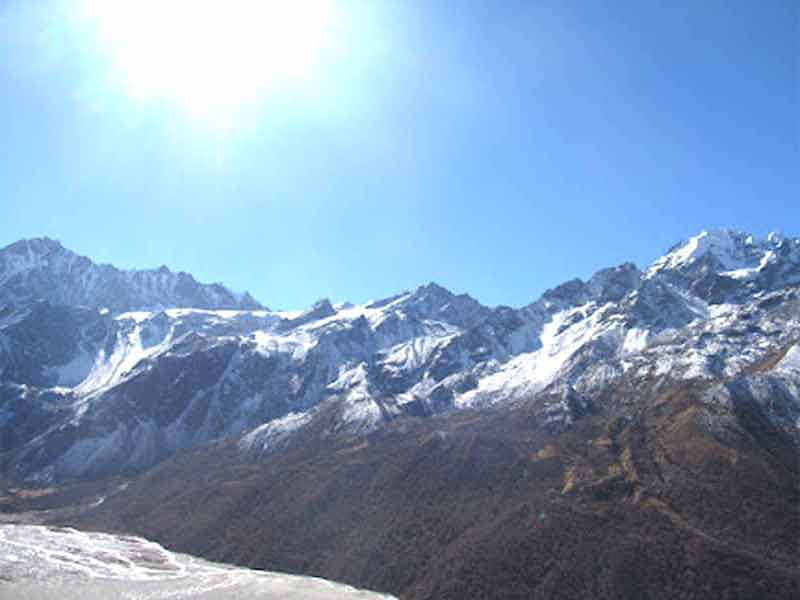
Naya Kang Peak Climbing is an exciting Himalayan mountaineering adventure in the Langtang region of Nepal. Rising to approximately 5,844 meters, Naya Kang is an attractive trekking peak for climbers looking for a challenging Himalayan experience away from the busier Everest and Annapurna regions.
The climb combines trekking through the beautiful Langtang Valley with high-altitude mountaineering, glacier travel, snow climbing, and spectacular Himalayan scenery. The journey takes you through traditional Tamang villages, rhododendron and pine forests, high alpine landscapes, glaciers, and impressive mountain viewpoints.
Naya Kang Peak is located in the Langtang Valley, north of Kathmandu and close to the Tibetan border. The region is surrounded by dramatic Himalayan peaks, including Langtang Lirung, Langtang II, Yala Peak, Dorje Lakpa, Gangchenpo, and other high mountains.
The expedition is suitable for experienced trekkers and physically fit climbers who want to develop their mountaineering skills while attempting a technically demanding trekking peak.
Naya Kang Peak Climbing Highlights
Summit Naya Kang Peak at approximately 5,844 meters
Trek through the spectacular Langtang Valley
Experience traditional Tamang and Tibetan-influenced culture
Visit Langtang village and Kyanjin Gompa
Explore the high alpine landscape around Kyanjin
Enjoy views of Langtang Lirung, Dorje Lakpa and surrounding peaks
Experience glacier and snow climbing
Learn and practice basic mountaineering techniques
Spend nights at high-altitude climbing camps
Enjoy an adventurous Himalayan summit experience
Combine cultural trekking with technical peak climbing
Where Is Naya Kang Peak?
Naya Kang Peak is situated in the Langtang region of central Nepal. The mountain lies near the Langtang Valley trekking route and can be approached from Syabrubesi via Lama Hotel, Langtang village, and Kyanjin Gompa.
The location makes Naya Kang particularly attractive because climbers can gradually acclimatize during the trek before starting the climb.
The Langtang region is relatively close to Kathmandu compared with many other Himalayan climbing destinations. Despite this accessibility, the upper valley offers a remote and wild mountain environment.
Naya Kang Peak Climbing Route
A typical Naya Kang Peak climbing itinerary begins with a drive from Kathmandu to Syabrubesi, the main gateway to the Langtang Valley.
From Syabrubesi, the trail follows the Langtang Khola through forests and mountain villages. Trekkers usually pass through Lama Hotel, Langtang village, and Kyanjin Gompa.
Kyanjin Gompa is an important acclimatization and preparation location. Climbers can take an acclimatization day here and explore nearby viewpoints and high-altitude terrain.
From Kyanjin Gompa, the climbing team moves toward the Naya Kang climbing area. Depending on the selected route and current mountain conditions, the climbing team establishes a suitable base or high camp before making the summit attempt.
The summit day generally begins early in the morning. Climbers ascend snow and rocky terrain toward the summit, using appropriate climbing equipment and rope systems where necessary.
After reaching the summit, the team descends carefully to the lower camp and eventually returns through the Langtang Valley to Syabrubesi before driving back to Kathmandu.
The actual itinerary may be adjusted according to weather, route conditions, acclimatization requirements, and the climbing team’s experience.
Naya Kang Peak Difficulty
Naya Kang Peak is considered a challenging Himalayan climbing peak. The difficulty depends on the chosen route, snow conditions, weather, climber experience, and current mountain conditions.
The approach trek itself is manageable for fit trekkers, but the climbing section requires stronger physical fitness and appropriate mountaineering skills.
Climbers should be comfortable walking for several hours at altitude and carrying or using climbing equipment. Previous experience with crampons, an ice axe, ropes, and ascending steep snow is highly beneficial.
Beginners may participate only with proper training, experienced climbing guides, and adequate preparation. A professional climbing guide can teach essential techniques before the summit attempt.
Acclimatization during the trek & climbing
Acclimatization is one of the most important parts of climbing Naya Kang Peak.
The trek through the Langtang Valley provides a natural opportunity for gradual altitude gain. Spending time around Kyanjin Gompa allows the body to adapt before moving higher.
Climbers should avoid rushing toward the summit. Proper acclimatization, hydration, nutrition, rest, and a flexible itinerary can significantly improve safety and summit success.
Our climbing team monitors each member throughout the expedition and adjusts the itinerary when necessary.
Best Season for Naya Kang Peak Climbing
The best seasons for Naya Kang Peak climbing are generally spring and autumn.
Spring: March to May
Spring offers relatively stable mountain conditions, good visibility, and warmer temperatures compared with winter. Rhododendrons also bloom along the lower trekking route, making the approach particularly beautiful.
Autumn: September to November
Autumn is another excellent season. After the monsoon, skies are often clearer, mountain views are spectacular, and trekking trails are generally in good condition.
Winter can bring severe cold and heavy snow at higher elevations, while the monsoon season may bring rain, clouds, and difficult trail conditions.
Naya Kang Peak Climbing Permits
Climbers need the appropriate Nepal government climbing permit for Naya Kang Peak. Trekking through the Langtang region also requires the applicable trekking-area entry permits.
Permit requirements and fees can change, so the current regulations should be confirmed before departure. Our agency can assist with arranging the necessary permits and documentation.
Depending on the route and current regulations, the expedition may involve:
Naya Kang Peak climbing permit from Nepal Mountaineering Assocaition NMA
Langtang National Park entry permit
Trekkers’ Information Management System (TIMS), where applicable | No need now.
Accommodation During the trekking and Climbing
During the trekking portion, accommodation is generally provided in local teahouses and lodges.
Rooms are usually simple and comfortable, with twin-sharing accommodation being common. Facilities become more basic as the altitude increases.
During the climbing section, accommodation is normally provided in expedition tents. The climbing team establishes camps according to the route and mountain conditions.
Food During Naya Kang Peak Climbing
Food during the trek is generally available at local teahouses.
Dal bhat, Rice and vegetables, Noodles, Pasta, Potatoes, Soup, Eggs, Tibetan bread, Momo, Pancakes, Tea and coffee
At higher camps, our climbing team provides suitable expedition meals designed to provide enough energy for climbing.
Adequate hydration is particularly important at high altitude. Climbers should drink regularly throughout the day.
Naya Kang Peak Climbing Equipment
A suitable equipment list is essential for a successful summit attempt.
Personal Trekking Equipment
- Waterproof trekking boots
- Trekking shoes or camp shoes
- Trekking trousers
- Thermal base layers
- Fleece jacket
- Down jacket
- Waterproof jacket and trousers
- Warm gloves
- Woolen hat
- Sun hat
- Sunglasses
- Sleeping bag
- Backpack
- Headlamp
- Water bottles
- Trekking poles
- Sunscreen and lip balm
- Personal first-aid supplies
Climbing Equipment for Naya Kang Peak Climbing
- Mountaineering boots
- Crampons
- Ice axe
- Climbing harness
- Helmet
- Ascender/Jumar
- Descender
- Carabiners
- Sling
- Prusik cord
- Climbing gloves
- Goggles
- High-altitude down jacket
- High-altitude sleeping bag
- Gaiters
- Expedition duffel bag
The exact climbing equipment required depends on the route, season, snow conditions, and technical requirements of the expedition. Our climbing guides inspect equipment before the summit attempt.
Safety and Experienced Climbing Guides
Our experienced climbing guides provide route guidance, acclimatization support, equipment checks, and technical instruction. Before entering difficult terrain, climbers receive information about rope techniques, crampon movement, ice-axe use, and safe movement on snow and ice.
Weather can change rapidly in the Himalayas. The climbing schedule therefore remains flexible. If conditions become unsafe, the team may delay the summit attempt.
We strongly recommend travel insurance that covers high-altitude trekking and peak climbing, including emergency evacuation where applicable.
Physical Preparation
Good physical preparation is important before attempting Naya Kang Peak.
- Hiking
- Running
- Cycling
- Stair climbing
- Swimming
Strength training for the legs and core can also be useful.
Regular hiking with a backpack before the expedition helps the body prepare for long days on mountainous terrain.
Previous high-altitude trekking or climbing experience is advantageous.
Why Choose Naya Kang Peak Climbing?
Naya Kang offers an excellent combination of trekking and mountaineering. The approach through the Langtang Valley is culturally rich and scenically impressive, while the upper section provides a genuine Himalayan climbing experience.
Compared with some of Nepal’s more famous expedition peaks, Naya Kang can provide a quieter mountain environment. Climbers can enjoy spectacular landscapes while developing their high-altitude mountaineering skills.
The journey also provides an opportunity to experience the culture and hospitality of the Tamang and Tibetan-influenced communities of the Langtang region.
Climbing Cost includes:
A complete package normally includes transportation, trekking accommodation, meals during the trek, climbing arrangements, experienced guides, permits, and necessary camping support.
The final price should be confirmed according to the current government regulations and the services included in the selected package.
Naya Kang Peak is approximately 5,844 meters above sea level.
Is Naya Kang Peak difficult?
Yes. Naya Kang is a challenging trekking peak requiring good physical fitness and appropriate mountaineering preparation.
Do I need previous climbing experience?
Previous climbing experience is strongly recommended. Climbers without extensive experience should undertake appropriate training and climb under the supervision of an experienced mountain guide.
How long does Naya Kang Peak climbing take?
A complete expedition commonly takes around 15–16 days, depending on the chosen itinerary, acclimatization requirements, weather, and route conditions.
What is the best season?
Spring and autumn are generally the preferred seasons for climbing.
Can beginners climb Naya Kang Peak?
Physically fit beginners may be able to attempt the peak with proper training, preparation, and professional guiding, but the climb should not be treated as a simple trekking trip.
Where does the trek start?
The traditional approach begins at Syabrubesi and follows the Langtang Valley toward Kyanjin Gompa.
Do I need a climbing permit?
Yes. Climbers need the appropriate peak-climbing permit and other required trekking-area permits.
Conclusion on the trek and Expedition
Naya Kang Peak Climbing is an adventurous Himalayan experience that combines the natural beauty of Langtang Valley with the challenge of high-altitude mountaineering. From the forests and traditional villages around Syabrubesi to the spectacular mountain landscape of Kyanjin Gompa and the snowy slopes of Naya Kang, the expedition offers an unforgettable journey.
With proper acclimatization, physical preparation, suitable equipment, experienced climbing guides, and careful attention to weather and mountain conditions, Naya Kang can be a rewarding objective for climbers seeking a genuine Himalayan peak-climbing experience.
Whether your goal is to improve your mountaineering skills, experience glacier and snow climbing, or stand on a Himalayan summit, Naya Kang Peak Climbing provides an exciting opportunity to explore one of Nepal’s beautiful and less-crowded mountain regions
| Day | Destination | Altitude | Walking Hour | Accommodation |
|---|---|---|---|---|
| 1 | Arrival Kathmandu and transfer to hotel | 1300 | One hour drive from airport to hotel | Hotel in Kathmandu |
| 2 | Free day at Kathmandu | 1300 | Free visit in Kathmandu | Hotel in Kathmandu with B&B Service |
| 3 | Kathmandu to Syaprubensi | 1400 | 9-hours by Public bus | Lodge |
| 4 | Syaprubensi to Lama hotel | 2455 | 5-6-hours | Lodge |
| 5 | Lama hotel to Mundo | 3340 | 5-hours | Lodge |
| 6 | Mundo to Kyangjin Gompa | 3830 | 2hr 30 Minutes | Lodge |
| 7 | Visit to Cherko Ri | 4984 | 6-7-hours | Lodge |
| 8 | Kyangjin to High camp | 4900 | 4-5-hours | Tent Camping |
| 9 | High Camp | 4900 | An extra day- If the weather is bad then you need to wait one day more. | Tent Camping |
| 10 | Summit Naya Khanga peak & Back to Mundo | 5844 | 8-9-hours | Lodge |
| 11 | Mundo to Rimche Danda | 2210 | 5-hours | Lodge |
| 12 | Rimche to Thulo Syapru | 2020 | 5-6-hours | Lodge |
| 13 | Syapru to Dhunche | 1900 | 5-hours | Lodge |
| 14 | Dhunche to Kathmandu | 1300 | 7-hours bus from Dhunche to Kathmandu | Hotel in Kathmandu |
| 15 | Day Free in Kathmandu | 1300 | Free visit at Kathmandu | Hotel in Kathmandu with B&B Service |
| 16 | Departure day | Fly out from Nepal | After breakfast drive to the international airport | At Your home |
Langtang trek via Naya kanga peak climbing cost $ 1355
cost includes
- Arrival & departure transport service in Kathmandu.
- Hotel in Kathmandu with bed and breakfast as per itinerary.
- A day three times meals-Breakfast, Lunch, and Dinner during the trek and climbing.
- Lodge & tent accommodation during trekking and peak climbing.
- Naya Kanga peak climbing permit.
- Garbage deposit of 500 US$
- Langtang National park entry permits, and TIMS Card.
- All Necessary local bus transportation during the trek and climbing.
- English- speaking –Government licensed holder Climbing Guide.
- Necessary porter.
- Salary and insurance for guide & porters.
- Company paper working and Government taxes etc.
Langtang trek via Naya Kanga peak climbing excludes
- Lunch and Dinner in Kathmandu.
- International air ticket, Nepal Visa fee, your travel insurance, medical and emergency case.
- Personal expenses, bars bills, hot shower, telephone, laundry, and any drinks.
- Tips for Guide & porters.
- During the trek, if due to the wither problems or you want to return earlier than scheduled the balance is not refundable, please.
Technical peak (5,844m)
Passport photocopy (should be very clear with color scan) and validity minimum 6 months. 2 passport-size photos.
Normally, you need to bring with you flowing equipment. >> Alpine boot your good size. >> Ice ax, Harness, Karabiner Lock & Unlock >> Fix rope, Jammer, Ice hammer, Snow bag >> Helmet and others which are not mansions here.
You feel like you’ve been hungover/ you don’t feel well/ you have headaches/ you’re short of breath/ you’re not eating well/ you’re tired/ you’re vomiting/ you’re having fevers etc.
Peak climbing is not easy, depending on which peak you are climbing. One peak is less technical than another, while others are very difficult and require more mountaineering equipment. Before climbing the peak, you need to pass through a minimum 5,000-meter high trekking pass.
In Nepal, traveling alone is fine as long as you hire a guide or porter to accompany you if you are trekking or climbing mountains. While on the tea house trek and during the climbing trek, our agency staff will always take good care of you and will provide you with a single room single tent.
Altitude Chart