Gokyo Lake trek -
The Gokyo Lake Trek is one of the most beautiful and rewarding trekking journeys in the Everest region of Nepal. The trek takes travelers into the peaceful Gokyo Valley, where a series of turquoise glacial lakes are surrounded by some of the highest mountains in the world.
Unlike the classic Everest Base Camp route, the Gokyo Lake Trek follows a quieter trail through the Dudh Koshi Valley and the traditional Sherpa settlements of the Khumbu region. The journey offers spectacular views of Everest, Lhotse, Makalu, Cho Oyu, and numerous other Himalayan peaks.
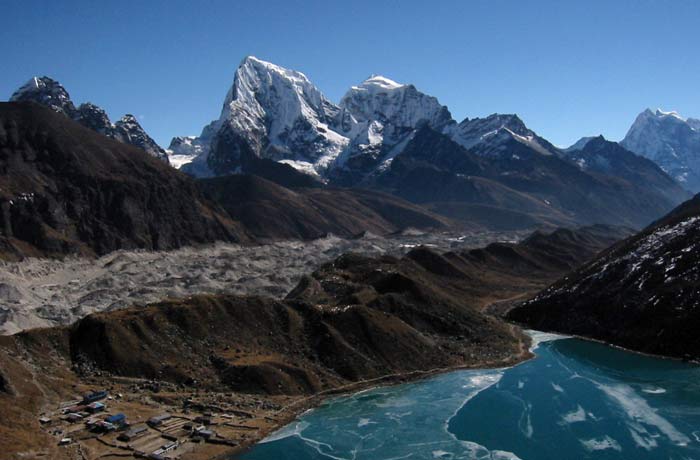
One of the major highlights of the trek is Gokyo Ri, a high viewpoint overlooking the Gokyo Valley, Ngozumpa Glacier, Gokyo Lakes, and surrounding mountains. The sunrise and sunset views from Gokyo Ri are particularly impressive.
The trek also provides an opportunity to experience Sherpa culture, Buddhist monasteries, traditional villages, mountain forests, suspension bridges, glacial valleys, and high-altitude landscapes.
Why Choose the Gokyo Lake Trek
The Gokyo Lake Trek is an excellent choice for travelers who want to explore the Everest region while following a route different from the standard Everest Base Camp trail.
The Gokyo Valley is famous for its beautiful glacial lakes and spectacular mountain scenery. The trail is surrounded by peaks and glaciers, creating a dramatic Himalayan landscape.
Some major reasons to choose the Gokyo Lake Trek include:
Lukla – Gateway to the Everest Region
Gokyo Lake Trek itineraries begin with a flight from Kathmandu to Lukla. The flight provides spectacular views of the Himalayan landscape and lands at Tenzing-Hillary Airport.
Lukla is a major gateway for trekkers visiting the Everest region. After arriving, trekkers usually begin walking toward Phakding.
The first walking section provides an easy introduction to the Khumbu region. The trail passes through small villages, forests, suspension bridges, and alongside the Dudh Koshi River.
Phakding to Namche Bazaar (3,440 m)
From Phakding, the trail follows the Dudh Koshi River toward Namche Bazaar.
The route crosses several suspension bridges and passes through villages surrounded by pine and rhododendron forests. As the trail approaches the entrance of Sagarmatha National Park, trekkers complete the required park formalities. The trail gradually becomes steeper before reaching Namche Bazaar.
Namche is one of the most important settlements in the Everest region and serves as a major trading and acclimatization center. The town has hotels, lodges, restaurants, bakeries, shops, trekking stores, and other services.
Acclimatization in Namche Bazaar
An acclimatization day in Namche Bazaar is an important part of the Gokyo Lake Trek.
Rather than remaining inactive throughout the day, trekkers can take a short hike to higher elevations before returning to Namche for the night.
One popular excursion is toward the Everest View Hotel. From the viewpoint, trekkers can enjoy views of Everest and other Himalayan peaks depending on weather conditions.
The acclimatization day also provides an opportunity to explore Namche’s local market, Sherpa culture, monasteries, and surrounding viewpoints.
Namche Bazaar to Dole (4,200 m)
After acclimatization, the trek leaves Namche and follows the trail toward the Gokyo Valley.
The trail initially climbs above the town and provides beautiful views of the surrounding mountains. Trekkers then continue through rhododendron and pine forests.
The route gradually moves away from the main Everest Base Camp trail. The Gokyo route becomes quieter and more peaceful.
The trail continues toward settlements such as Mong La and eventually Dole, depending on the selected itinerary.
Dole is situated at a high altitude and provides a scenic overnight stop surrounded by mountains.
Dole to Machhermo (4,470 m)
From Dole, the trail continues north through the Dudh Koshi Valley.
The vegetation becomes thinner as the elevation increases. The landscape changes from dense forest to alpine meadows, rocky slopes, and mountain terrain.
The trail passes through small settlements and yak grazing areas before reaching Machhermo.
Machhermo is an important acclimatization location on the route to Gokyo. Trekkers should walk slowly and drink enough fluids as the altitude increases.
The surrounding mountains provide spectacular scenery, and the area has a peaceful high-altitude atmosphere.
Machhermo to Gokyo
The journey from Machhermo to Gokyo is one of the most beautiful sections of the trek.
The trail follows the Dudh Koshi River toward the Ngozumpa Glacier. As trekkers approach Gokyo, the landscape becomes increasingly dramatic.
Several glacial lakes can be seen along the route. The bright colors of the lakes contrast beautifully with the surrounding rocky mountains and snow-covered peaks.
The trail eventually reaches Gokyo village, situated beside the famous Gokyo Lakes.
Gokyo is surrounded by high mountains and glaciers, making it one of the most spectacular settlements in the Everest region.
Gokyo Lakes (4,790 m)
The Gokyo Lakes are the major attraction of the trek.
The Gokyo lake system consists of several glacial lakes located at high altitude. The lakes are fed by glacial meltwater and are surrounded by dramatic Himalayan landscapes.
The turquoise and deep-blue colors of the lakes can change according to weather and sunlight.
The main lake near Gokyo village is a popular place for trekkers to explore and photograph. Prayer flags and small shrines around the lake add to the spiritual atmosphere.
The lakes are also culturally important to local communities.
Gokyo Ri Hike (5,357 m)
The hike to Gokyo Ri is one of the most important highlights of the trek.
Gokyo Ri rises to approximately 5,357 meters and provides an extraordinary panoramic viewpoint.
Many trekkers start the hike early in the morning to reach the summit around sunrise. The climb is steep and physically demanding because of the altitude.
From the top, trekkers can enjoy views across the Gokyo Valley, Gokyo Lakes, Ngozumpa Glacier, and surrounding Himalayan peaks.
On clear days, the panorama includes views toward Everest, Lhotse, Makalu, Cho Oyu, and other major peaks.
After spending time at the viewpoint, trekkers descend carefully to Gokyo village.
Ngozumpa Glacier
The Ngozumpa Glacier is another major attraction of the Gokyo Valley.
It is one of the largest glaciers in the Nepal Himalaya and extends through the valley below the surrounding peaks.
The glacier landscape contains rocks, ice, glacial streams, and changing terrain.
The views of the glacier from Gokyo Ri are particularly impressive and help demonstrate the scale of the Himalayan environment.
Trekkers should follow the established trail and their guide’s instructions when walking near glacial areas because terrain and conditions can change.
Gokyo Valley and Sherpa Culture
The Gokyo region is home to Sherpa communities whose lives are closely connected with the mountains.
Traditional houses, Buddhist prayer flags, mani walls, chortens, and monasteries can be seen throughout the trekking region.
Local people have traditionally depended on tourism, livestock, trade, and agriculture adapted to the high-altitude environment.
The trek provides travelers with an opportunity to learn about local culture and experience the hospitality of mountain communities.
Respect for local customs, religious sites, and environmental rules is an important part of responsible trekking.
Gokyo Lake Trek Difficulty
The Gokyo Lake Trek is generally considered a moderate to challenging high-altitude trek.
No technical climbing equipment is normally required for the standard Gokyo route, but the high altitude makes the journey physically demanding.
The main challenges include:
Previous trekking experience is helpful but not always essential. A good level of fitness and proper acclimatization are important.
Trekkers should maintain a comfortable pace rather than trying to walk too quickly.
Altitude and Acclimatization
Altitude is one of the most important considerations on the Gokyo Lake Trek.
The journey begins at a relatively low elevation in Lukla and gradually climbs above 4,000 meters.
Namche Bazaar and Machhermo are commonly used as acclimatization points. The itinerary should allow the body enough time to adapt to increasing altitude.
Trekkers should pay attention to symptoms such as headache, dizziness, nausea, unusual tiredness, or breathing difficulties and inform their guide if symptoms develop.
If serious altitude-related symptoms occur, descending to a lower elevation may be necessary.
Best Time for Gokyo Lake Trek
Spring Season: March, April, and May are popular months for trekking in the Everest region.
The lower forests can be colorful with blooming rhododendrons, and mountain views are often excellent when weather conditions are favorable.
April and May can also be busy because many climbers and trekkers visit the Everest region.
Autumn Season
September, October, and November are another major trekking period.
After the monsoon season, the skies are often clearer, and mountain views can be spectacular.
October is traditionally a popular month for trekking in the Everest region.
Winter Season
December through February brings colder temperatures and possible snowfall at higher elevations. The Gokyo route may still be possible for experienced trekkers with appropriate preparation, but conditions can be more challenging.
Monsoon Season
June through August is the monsoon period in Nepal. Rain, clouds, muddy trails, and flight disruptions can affect travel to the Everest region.
Accommodation During the Trek
Tea houses and lodges are available along the main Gokyo trekking route.
Accommodation is generally simple and comfortable, with twin-sharing rooms being common.
Most lodges provide dining rooms where trekkers can eat, rest, and socialize.
As the altitude increases, facilities become more basic and accommodation options become fewer.
Trekkers should expect simple mountain accommodation rather than luxury facilities.
Food on the Gokyo Lake Trek
Local lodges generally provide a variety of meals.
Common options include:
Dal bhat, Rice and vegetables, Noodles, Pasta, Soup, Potatoes, Eggs, Tibetan bread, Momos, Porridge, Tea and coffee
Dal bhat is particularly popular because it provides a substantial meal suitable for long trekking days.
At higher elevations, food choices may be more limited due to transportation difficulties.
Trekkers should also carry energy snacks such as chocolate, dried fruit, nuts, and energy bars.
Permits for Gokyo Lake Trek
The Gokyo Lake Trek passes through the Sagarmatha National Park area and requires the relevant permits and local entry documentation.
Permit requirements and fees can change, so trekkers should confirm the current requirements before beginning the trek.
A registered trekking agency can assist with arranging the necessary permits and documentation.
Guide and Porter Service
Hiring a professional guide is highly recommended for the Gokyo Lake Trek.
A guide can assist with route navigation, accommodation arrangements, cultural interpretation, altitude awareness, and communication with local lodges.
Porters can carry luggage and trekking equipment, allowing trekkers to walk with a lighter daypack.
Local guides and porters also contribute directly to mountain communities and bring valuable knowledge of the region.
Gokyo Lake Trek Equipment
Clothing
Trekking Gear
A warm sleeping bag is particularly useful during high-altitude nights.
Environmental Responsibility
The Gokyo Valley is a sensitive Himalayan environment. Trekkers should help protect the region by following responsible trekking practices.
Avoid leaving plastic, food packaging, batteries, or other waste on the trail.
Use designated toilets and accommodation facilities and follow local environmental regulations.
Travelers should also respect wildlife, vegetation, monasteries, prayer sites, and local communities.
Responsible tourism helps protect the Gokyo Valley for future generations.
Major Highlights of Gokyo Lake Trek
Gokyo Lake Trek with Gokyo Ri
Combining Gokyo Lakes with Gokyo Ri makes the journey particularly rewarding.
The lakes provide peaceful scenery at valley level, while Gokyo Ri offers a high panoramic viewpoint.
From Gokyo Ri, trekkers can see the surrounding mountains and glaciers from a completely different perspective.
The early morning climb requires physical effort, but the views from the top can be one of the most memorable experiences of the entire trek.
Why Trek with a Local Nepalese Agency
Booking the Gokyo Lake Trek with a local Nepalese trekking agency can provide direct support from experienced guides and local staff.
A local agency can assist with airport arrangements, Lukla flights, permits, accommodation, guides, porters, transportation, and emergency coordination.
Local guides also understand the culture, geography, weather patterns, trekking trails, and practical conditions of the Everest region.
A properly organized itinerary can make the journey more comfortable and allow trekkers to focus on enjoying the mountains and local culture.
Conclusion on the Trek
The Gokyo Lake Trek is an exceptional Himalayan adventure that combines spectacular mountain scenery, beautiful glacial lakes, Sherpa culture, Buddhist traditions, and high-altitude trekking.
From the lively streets of Namche Bazaar to the peaceful shores of Gokyo Lakes, every section of the journey offers something different. The hike to Gokyo Ri provides one of the most impressive viewpoints in the Everest region, while the Ngozumpa Glacier and surrounding peaks create a dramatic high-altitude landscape.
For travelers looking for an alternative to the classic Everest Base Camp route, the Gokyo Lake Trek provides a memorable journey into one of Nepal’s most beautiful mountain valleys.
With proper preparation, a suitable itinerary, experienced guide and porter support, appropriate equipment, and careful acclimatization, the Gokyo Lake Trek can be an unforgettable experience in the heart of the Nepal Himalaya.
| Day | Destination | Altitude | Walking Hour | Accommodation |
|---|---|---|---|---|
| 1 | Arrival Kathmandu and transfer to hotel | 1300 | one hour drive from airport to hotel | Hotel in Kathmandu |
| 2 | Kathmandu to Phakding | 2610 | 3-hours | Lodge |
| 3 | Phakding to Namche Bazaar | 3440 | 5-hours | Lodge |
| 4 | Acclimatization at Namche | 3440 | 2-3-hours visit to Everest view hotel | Lodge |
| 5 | Namche to Dhole | 4110 | 6-7 hours | Lodge |
| 6 | Dhole to Machhermo | 4470 | 4-hours | Lodge |
| 7 | Machhermo to Gokyo | 4790 | 4-hours | Lodge |
| 8 | Gokyo Ri Climbing & Gokyo and rest day. | 5357 | 4-5 hours | Lodge |
| 9 | Gkyo to Dhole | 4110 | 5-hours | Lodge |
| 10 | Dhole to Namche | 3440 | 5-hours | Lodge |
| 11 | Namche to Lukla | 2800 | 6-7-hours | Lodge |
| 12 | Lukla to Kathmandu | 1300 | one drive from domestic airport to hotel | Hotel in Kathmandu |
| 13 | Day Free in Kathmandu | 1300 | Free walking | Hotel include with B&B service |
| 14 | Departure Day | Flight our from Nepal | After breakfast drive to the Kathmandu airport | At home |
Gokyo trek cost 1290 U$D
Cost includes
- Transport service for arrivals and departures.
- As per the itinerary, a hotel in Kathmandu with a bed and breakfast.
- Kathmandu-Lukla-Kathmandu plane ticket including Guide Ticket.
- Breakfast, lunch, and Dinner during the Gokyo Trek
- Lodge accommodations during the Gokyo Lake trek.
- Everest National Park and Pasang Lhamu village municipality fee
- A trekking guide who speaks English and is licensed by the government.
- Trekking porters from Lukla.
- Porters and guides insurance, salaries, and accommodations during the trek.
- Working with company papers and government taxes, etc.
Gokyo trek cost Excludes
- Lunch and Dinner in Kathmandu.
- The cost of your international air ticket, Nepal visa fee, medical insurance, and emergency case.
- Personal expenses, bar bills, Hot drinks.
- Hot showers, telephones, laundry, and drinks.
- The balance will be non-refundable if you return earlier than scheduled or due to weather problems.
From September to November and from March to May
During the day, it is normal and at night, it is 5-10 degrees.
Lukla to Kathmandu Plane ticket costs 360 U.S. dollars per person The cost of Gokyo trekking is 872 US$) per person for a minimum of 2 people in a group
Gokyo Trek is a more comfortable trek than trekking EBC, Chola pass, and Renjola pass. Gokyo Ri (5,320m) is your highest point for your trek in the Khumbu Gokyo valley.
Pasanglhamu VCD permit and Sagarmatha National Park permit.
When you take a guide and porter, you will have a very safe trip all the way through Nepal. You should book your trip with an agency if something goes wrong, then they can solve any problems and take full responsibility.
The best toilets and dining rooms are available in every village
Chinese, Nepalese, Tibetan, Indian, and Italian dishes.
An average of 5 to 6 hours of walking per day.
Yes you can see Thamserku (6,608m), Kusum Kangaru (6,367m), Amadablam (6,856m), Cho-Oyo (8,200m), Everest (8,848m), Pumori (7,165m), and many other mountains views
It usually takes 13 days and 14 nights
Normally, you need to bring with you flowing equipment. + walking boot If possible Gore tax boot is better. + Warm socks and Gaiters in case of rain or snow. + Day carry bag and Down Jacket over 3,000 meters you get very cold. + Sleeping bag and others which are not mansions here.
Arrival & departure transport service. Hotel in Kathmandu with bed and breakfast as per itinerary. Kathmandu-Lukla-Kathmandu domestic plane ticket 360 US$: Per Person. For the Nepali Guide 11,000 Rs A day three times meals-Breakfast, Lunch and Dinner during the trek. Lodge accommodation during the trek. Maximum 3500 Rs per day per person for meals & lodge. Everest National park entry permit 3,500: Nepali Rs. Pasang Lhamu Village Tax 2000 Rs Nepali Per Person. English- speaking –Government licensed holder trekking guide. Over the 6 Pax group, we will provide you experience mountain Leader, who has the best trained Hotel Management (NATHM) Mountain Leader Course, Component 1-2, Navigation Course, Rock climbing Course, Mountain rescue Training and Basic Mountaineering training, etc. Guide and porters-Insurance, Salary and they are accommodation during the trek. Company paper working and Government taxes etc.
You feel like you have a hangover/ You feel unwell/you have a headache/ you have shortness of breath/ you lose your appetite/ you have bad sleep/ you have vomiting/ you have fevers, etc.
Yes, if a woman travels alone to Nepal no problem but you take a guide or porter from a registered trekking agency because the trekking company is fully responsible for trekking and Mountain climbing. Our agency staff always take care of you, and they will provide you a single room single tent during the tea house trek and during the climbing trek. But if you contact a freelance Guide then you get many problems they try to make a chit for a single woman. Therefore if you book guide porter with un agency then it is good safe your Holyday travel to Nepal.
Altitude Chart
Reviews

Gokyo Ri Trekking 2019 Dhane was recommended to me 10 years ago...
Read More
Gokyo trek avece un group Bonjour Nous avons fait un très beau...
Read More
Trek au Nepal avece Dhane L’Agence Népal Alsace Treks et Expédition et...
Read More