Nar Phu valley Kang La Pass with mesokanto Pass -

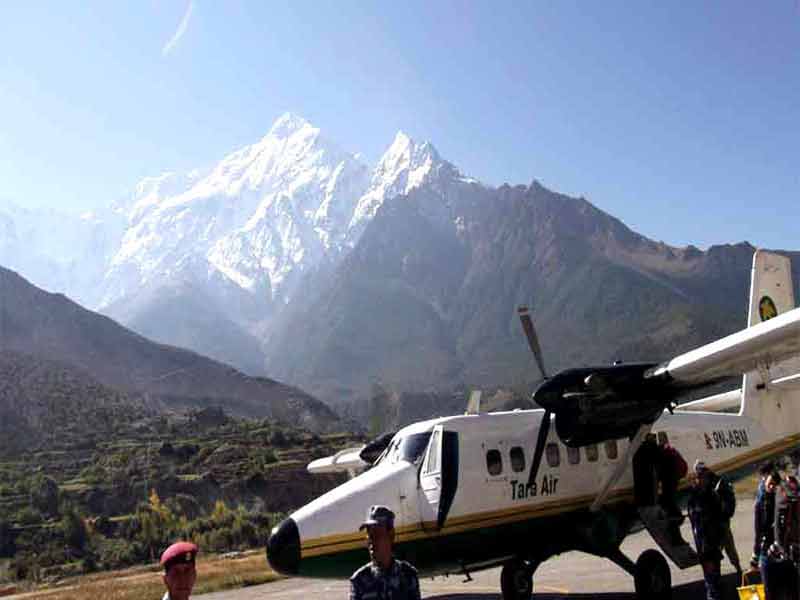
The Nar Phu Valley, Kang La Pass with Mesokanto Pass Trek is one of the most adventurous and remote trekking journeys in the Annapurna region of Nepal. This extraordinary route combines the hidden valleys of Nar and Phu, the spectacular Kang La Pass, the sacred and breathtaking Tilicho Lake, and the challenging Mesokanto La Pass before descending toward Jomsom.
Unlike the classic Annapurna Circuit, this trek takes you deep into remote Himalayan landscapes where traditional Tibetan-influenced villages, ancient monasteries, dramatic gorges, glaciers, alpine meadows and high mountain passes create an unforgettable wilderness experience. The route is particularly attractive to experienced trekkers looking for a quieter and more demanding alternative to Nepal’s popular trekking trails.
The trek reaches two major high passes: Kang La at approximately 5,320 m and Mesokanto La at approximately 5,100–5,300 m, depending on the exact route selected. It also reaches Tilicho Lake at approximately 4,919 m, one of the world’s highest large alpine lakes. The combination of high altitude, remote terrain and camping sections makes this a strenuous adventure requiring good physical preparation, appropriate equipment and careful acclimatization.
The journey normally begins by road from Kathmandu toward the Marsyangdi Valley and Koto, enters the restricted Nar Phu Valley, crosses Kang La into the Manang Valley, continues toward Tilicho Lake, crosses Mesokanto La and finally reaches the Jomsom area. From Jomsom, travelers can usually continue by flight or road toward Pokhara, depending on weather and transportation conditions.
Nar Phu, Kang La and Mesokanto Trek Highlights
- Explore the remote and culturally rich Nar Phu Valley
- Visit the traditional villages of Phu and Nar
- Experience Tibetan-influenced Himalayan culture and Buddhist traditions
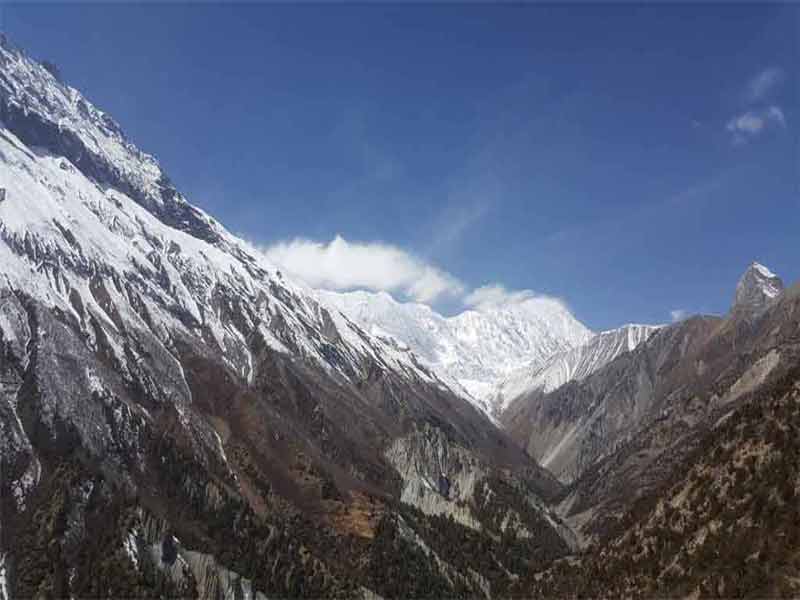
- Walk through dramatic narrow gorges and high alpine valleys
- Visit ancient monasteries and chortens
- Cross the challenging Kang La Pass at around 5,320 m
- Enjoy magnificent views of Annapurna, Manaslu, Dhaulagiri and surrounding peaks
- Explore the beautiful Manang Valley
- Visit Tilicho Lake at approximately 4,919 m
- Cross the remote Mesokanto La Pass
- Experience several days of wilderness trekking and camping
- Enjoy spectacular glacier, mountain and alpine scenery
- Finish the adventure around Jomsom
Experience one of the least-traveled high-altitude routes of the Annapurna region
Where Is the Nar Phu and Mesokanto Trek?
The trek lies in the northern part of Nepal’s Annapurna region, mainly within Manang and Mustang districts. The Nar Phu Valley branches north from the Annapurna Circuit near Koto. After exploring the valley, the route crosses Kang La and reconnects with the Manang side of the Annapurna region.
From Manang, the route heads toward Khangsar and Tilicho Lake before continuing into the remote high-altitude wilderness around Mesokanto La. The final section descends toward the Jomsom area.
Nar Phu is famous for its isolated Tibetan-style villages, while the Mesokanto section is known for its wild and relatively less-developed high mountain environment. The route therefore combines cultural trekking with serious high-altitude adventure.
Why Choose Nar Phu Kang La and Mesokanto La Trek?
This trek is ideal for trekkers who want to experience several different aspects of the Himalayas in one journey.
The Nar Phu section provides cultural immersion and remote village experiences. Kang La provides a dramatic high-pass crossing. Manang offers a more established Himalayan trekking environment, while Tilicho Lake introduces an extraordinary alpine landscape. Mesokanto La then takes trekkers away from the busy trails into a much more isolated mountain environment.
The combination makes this trek considerably different from a standard Annapurna Circuit. You experience ancient villages, Buddhist monasteries, deep canyons, high passes, glaciers, alpine lakes and remote camping areas during one continuous adventure.
Nar Phu Valley – The Hidden Himalayan World
The Nar Phu Valley is one of the most fascinating sections of the trek. The valley remained relatively isolated from outside tourism for many years, helping preserve its distinctive culture and traditional architecture.
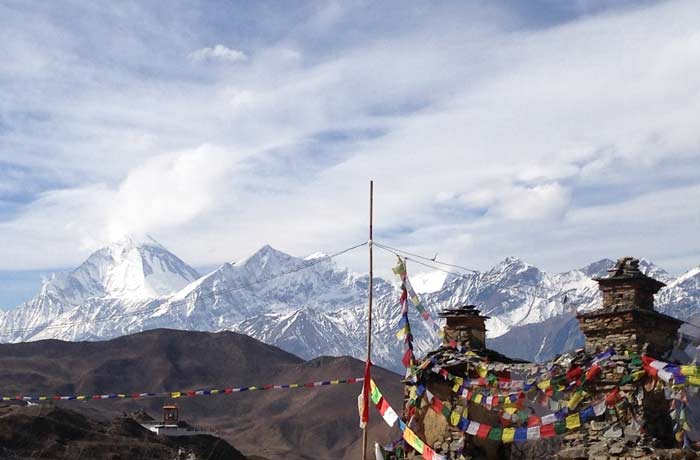
The villages of Phu and Nar are surrounded by enormous Himalayan mountains. Stone houses, prayer flags, mani walls, chortens, monasteries and barley fields reflect the strong Tibetan Buddhist influence of the region.
Phu is particularly famous for its dramatic location above the Phu Khola and its ancient Buddhist heritage. A rest day in Phu provides an opportunity to explore the village, visit monasteries and observe traditional local life.
Nar is another beautiful settlement with traditional stone houses and mountain views. It is also the final major village before the Kang La crossing.
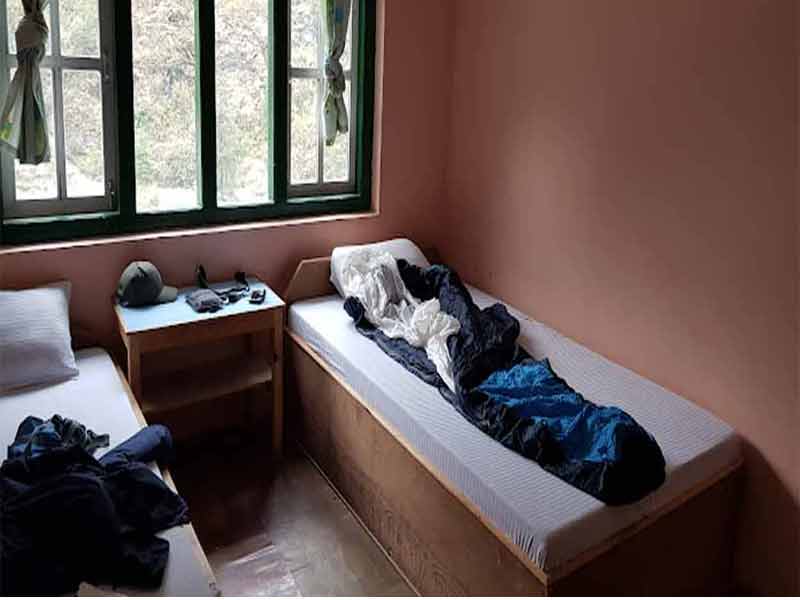
The relatively limited infrastructure in Nar Phu is an important part of the experience. Accommodation is more basic than on the main Annapurna Circuit, and trekkers should be prepared for simple lodges and limited services.
Kang La Pass – The First Major Challenge
The Kang La Pass, at approximately 5,320 m, is one of the defining highlights of the trek. It connects the Nar Phu Valley with the Manang side of the Annapurna region.
The crossing normally begins early in the morning. From Nar, the trail climbs toward the high pass through increasingly rugged terrain. Depending on the season and weather, trekkers may encounter snow, ice, loose rock and steep sections.
Reaching the top of Kang La is an unforgettable moment. The surrounding mountains open into an enormous Himalayan panorama. After taking time to appreciate the views, the trail descends steeply toward the Manang side and eventually reaches Ngawal.
The crossing is physically demanding because of both altitude and distance. A strong level of fitness, acclimatization and appropriate guidance are important.
Trek Manang Valley
After crossing Kang La, the landscape changes dramatically. The route reaches the wider Manang Valley, where the environment becomes more open and the traditional Annapurna Circuit infrastructure becomes more visible.
Manang is an important acclimatization and rest location. Trekkers can enjoy local bakeries, restaurants, monasteries, mountain views and short hiking opportunities.
The descent from Kang La also gives the body an important opportunity to recover from the high-pass crossing before the trek climbs again toward Tilicho Lake.
Tilicho Lake
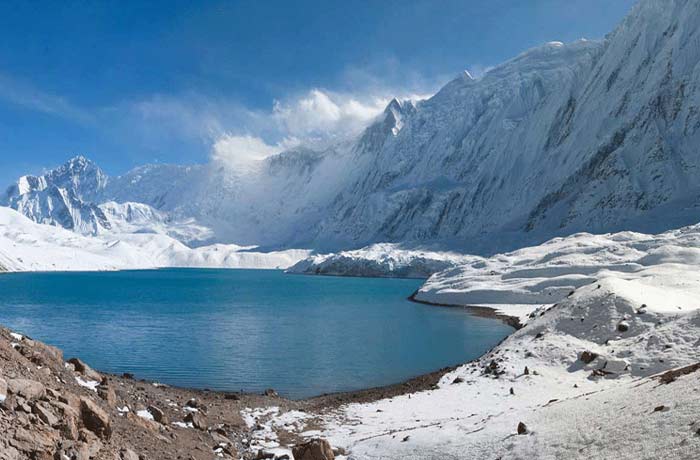
One of the most spectacular highlights of the journey is Tilicho Lake, situated at approximately 4,919 m.
The turquoise lake is surrounded by enormous mountain walls and high alpine terrain. Its location creates an extraordinary contrast between the deep blue-green water and the surrounding barren mountains.
The route usually approaches Tilicho Lake from the Manang/Khangsar side. The trail passes through increasingly rugged terrain before reaching Tilicho Base Camp. From there, the path climbs toward the lake.
Weather can change quickly around Tilicho, so the timing of the lake excursion is important. Depending on the itinerary, trekkers may stay at the base camp or camp near the lake before continuing toward the Mesokanto section.
Mesokanto La Pass
The second major challenge is Mesokanto La, also spelled Mesokanto Pass or Mesokanto-La.
Published route descriptions give different elevations for this pass, generally around 5,100–5,300 m, depending on the exact route and pass point used. For itinerary planning, the precise route selected by the trekking operator should determine the official elevation used in the package.
Mesokanto is much more remote than the standard Thorong La route. There are no extensive tea-house facilities throughout this section, so camping and organized logistics are normally required.
The trail crosses rugged alpine terrain, moraine, rocky slopes and potentially snow-covered areas. Conditions can change significantly depending on the season.
From the top of Mesokanto La, trekkers can enjoy spectacular views of surrounding Himalayan peaks, including sections of the Annapurna and Dhaulagiri mountain ranges. The descent then continues through remote terrain toward camping areas and eventually toward Jomsom.
Trek Duration 21 Days.
A complete Nar Phu, Kang La and Mesokanto La adventure generally requires around 18–21 days, depending on transportation, acclimatization days, weather contingency days and the exact route.
Some itineraries are shorter, while others include additional rest or camping days. For such a high-altitude route, a slightly longer itinerary is usually preferable because it provides greater flexibility for weather and acclimatization.
The highest points
- Nar Village: approximately 4,100 m
- Phu Village: approximately 4,050–4,100 m
- Kang La Pass: approximately 5,320 m
- Phu Village: appr oximately 4,050–4,100 m
- Manang: approximately 3,540 m
- Tilicho Lake: approximately 4,919 m
- Mesokanto La: approximately 5,100–5,300 m
- Jomsom: approximately 2,720 m
Published itineraries differ slightly in the recorded elevations of villages and Mesokanto La, so the final itinerary should use the measurements applicable to the selected trail.
Trek Difficulty
The Nar Phu Kang La and Mesokanto La Trek is strenuous to very challenging.
It is not recommended as a first-ever Himalayan trek. Previous experience at high altitude is highly beneficial.
The main difficulties include:
High Altitude
The route crosses two passes above 5,000 m and spends several nights above 4,000 m.
Long Walking Days
Pass-crossing days can require approximately 7–11 hours of walking depending on conditions and the exact route.
Remote Terrain
The Mesokanto section is particularly isolated, with limited infrastructure and fewer opportunities for assistance.
Weather
Snow, wind, rain, cloud and freezing temperatures can affect the route.
Steep Ascents and Descents
Both Kang La and Mesokanto involve significant elevation gain and loss.
Camping
Some sections require tented accommodation because permanent lodges are unavailable.
Acclimatization and Altitude Safety
Acclimatization is one of the most important parts of this trek.
The itinerary should include appropriate rest days around Phu and Nar, with gradual elevation gain rather than rushing directly to the high passes.
Trekkers should communicate openly with their guide if they experience symptoms such as persistent headache, dizziness, unusual weakness, nausea, confusion or difficulty breathing.
If symptoms become serious, the safest response is to stop ascending and descend to a lower altitude with the support of the trekking team.
Good hydration, adequate nutrition, sufficient sleep and a gradual pace are important throughout the journey.
Best Time for Nar Phu and Mesokanto La Trek
Spring – March to May
Spring provides relatively stable conditions, clear mountain views and warmer daytime temperatures. Lower elevations can have blooming rhododendrons and other vegetation.
April and May are especially popular for high-altitude trekking.
Autumn – September to November
Autumn generally offers excellent visibility and dry trekking conditions after the monsoon. October and November are particularly attractive for high mountain trekking.
Winter – December to February
Winter can bring heavy snow and freezing temperatures. High passes may become difficult or temporarily impassable.
Monsoon – June to August
Monsoon brings rain, clouds, landslides and difficult trail conditions at lower elevations. The high-pass sections can also be affected by unstable weather.
For this reason, spring and autumn are normally the preferred seasons.
Permits Required
Because Nar Phu is a restricted trekking area, special permits are required.
Depending on the route and current government regulations, trekkers generally need:
Nar Phu Restricted Area PermitAnnapurna Conservation Area Permit (ACAP) applicable trekking registration/documentationLocal entry or conservation fees where applicable
Permit rules and fees can change, so the exact current requirements should be confirmed before departure.
A licensed trekking agency can arrange the required permits and documentation before the trek begins. Published sources also identify the Nar Phu special permit and ACAP as key requirements for this route.
Accommodation during the trek
In Kathmandu and Pokhara, trekkers can stay in comfortable hotels.
On the main trekking trail, accommodation is generally provided in local tea houses and lodges. Nar and Phu have more basic facilities than larger Annapurna Circuit villages.
During the Mesokanto section, camping is generally necessary because there are no reliable tea houses in the remote high-pass wilderness.
Nepal Alsace Trek arrangements normally include:
- Tents
- Sleeping arrangements
- Kitchen equipment
- Dining tent where required
- Kitchen staff
- Camping crew
- Cooking equipment
The exact camping arrangements depend on group size and itinerary.
Food During the Trek
Tea houses normally provide a variety of simple meals such as:
- Dal bhat
- Rice
- Noodles
- Pasta
- Soup
- Potatoes
- Tibetan bread
- Eggs
- Pancakes
- Vegetables
- Momo
- Porridge
- Tea and coffee
During camping sections, the trekking kitchen team prepares meals.
At high altitude, nutritious and easily digestible food is particularly important. Dal bhat is popular because it provides carbohydrates, vegetables and protein and can be replenished throughout the trek.
Guide and Porter Service
A professional guide is strongly recommended for this trek because of its remote nature and high-altitude crossings.
- Navigation
- Permit and checkpoint procedures
- Daily route planning
- Accommodation arrangements
- Weather decisions
- High-altitude safety
- Communication with local communities
- Emergency coordination
- Cultural interpretation
Porters can carry the majority of your trekking luggage, allowing you to walk with a lighter daypack.
For the high-pass and camping sections, the support team also helps transport camping equipment, food and logistical supplies.
Equipment List for Trek
Clothing
- Waterproof trekking jacket
- Down jacket
- Fleece jacket
- Thermal base layers
- Trekking trousers
- Warm gloves
- Warm hat
- Sun hat
- Waterproof trousers
- Wool or thermal socks
- Footwear
- Strong trekking boots
- Camp shoes
- Warm socks
- Gaiters if required
- Sleeping Equipment
- Sleeping bag suitable for freezing temperatures
- Sleeping bag liner
- Sleeping mat for camping sections
- Trekking Accessories
- Backpack
- Daypack
- Trekking poles
- Sunglasses
- Headlamp
- Water bottles
- Water purification system
- Sunscreen
- Personal first-aid supplies
- Personal hygiene items
High-Altitude Equipment
Depending on seasonal conditions and the selected route, additional equipment such as microspikes or crampons may be recommended by the guide.
The final equipment list should be checked with the trekking agency before departure because snow and ice conditions on Kang La and Mesokanto can vary.
Travel and Transportation
The journey normally begins with road transportation from Kathmandu toward the Marsyangdi Valley.
Depending on road conditions and itinerary, transportation may involve:
Kathmandu → Besisahar → Dharapani → Koto
After completing the trek, the route generally ends around Jomsom.
From Jomsom, travelers may use:
Domestic flight to Pokhara
Road transportation Jeep depending on current road and weather conditions
Jomsom flights are weather-dependent, so a contingency plan is advisable.
Trek Cost
The cost of the Nar Phu Kang La and Mesokanto La Trek depends on several factors.
Major cost components include
- Number of trekking days
- Restricted-area permits
- Conservation permits
- Guide
- Porter
- Transportation
- Tea-house accommodation
- Camping equipment
- Camping staff
- Meals
- Domestic flights
- Hotels in Kathmandu and Pokhara
Because this is a remote trek with high-altitude camping, it normally costs more than a standard tea-house trek.
A detailed quotation should clearly identify what is included and excluded before booking.
What Is Included?
Why Book Nar Phu and Mesokanto La Trek With Nepal Alsace Trek?
Booking through an experienced Nepal-based trekking agency provides logistical advantages on such a remote route.
Nepal Alsace Trek will arrange permits, transportation, accommodation, camping logistics, guides, porters and emergency coordination.
Local guides also understand the changing conditions of the mountain environment and can help determine whether a pass crossing should proceed based on weather and trail conditions.
For a route involving two high passes and remote camping, careful logistics are especially important.
Who Can Do This Trek?
This trek is best suited to experienced trekkers with good physical fitness.
- 6–10 hour trekking days
- Steep ascents
- Long descents
- High altitude
- Cold weather
- Basic accommodation
- Camping
- Remote wilderness
- Changing weather
Previous experience on a trek above 4,000 m is highly useful.
Training before the trek should focus on cardiovascular fitness, endurance, uphill walking and carrying a moderate backpack.
What Makes This Trek Special?
You begin in the lower Marsyangdi landscape and gradually move into deep Himalayan valleys. Nar and Phu introduce you to centuries-old Tibetan-influenced communities. Kang La takes you over a dramatic mountain barrier. Manang offers a more established Himalayan settlement. Tilicho Lake provides an unforgettable alpine landscape, while Mesokanto leads into a remote wilderness rarely visited by ordinary trekkers.
This combination makes the journey suitable for travelers who want more than a conventional trekking experience.
Responsible and Sustainable Trekking
Responsible tourism is particularly important in remote areas such as Nar Phu.
Trekkers should:
- Respect local customs
- Dress appropriately in villages and monasteries
- Avoid damaging ancient structures
- Carry reusable water bottles
- Minimize plastic waste
- Follow designated trails
- Respect wildlife
- Avoid littering
- Ask permission before photographing local people
- Support local tea houses and businesses
The Nar Phu Valley has a fragile cultural and natural environment, and responsible trekking helps preserve it for future generations.
Frequently Asked Questions
How difficult is the Nar Phu Kang La and Mesokanto La Trek?
It is a strenuous to very challenging trek because it crosses two passes above 5,000 m and includes remote camping sections.
What is the highest point?
Kang La is approximately 5,320 m, while Mesokanto La is generally reported in the approximately 5,100–5,300 m range depending on the route.
Do I need previous trekking experience?
Previous high-altitude trekking experience is strongly recommended. The route is considerably more demanding than a standard low-altitude trek.
Is Tilicho Lake included?
Yes. The combined itinerary normally includes Tilicho Lake before crossing Mesokanto La.
Is camping required?
Yes. Camping is generally required around the remote Mesokanto section because tea-house infrastructure is unavailable or very limited.
What is the best season?
Spring and autumn are generally the best seasons, especially March–May and September–November.
Do I need a guide?
A licensed guide is strongly recommended, particularly because of the restricted-area section, remote terrain and high passes.
Can beginners do this trek?
It is not the best choice for beginners. A strong level of fitness and previous high-altitude trekking experience are preferable.
How long is the trek?
A practical itinerary is around 18–21 days, depending on transportation, acclimatization, weather contingency and route selection.
Is Kang La harder than Mesokanto La?
Both are demanding. Kang La is a major high pass with a long ascent and descent, while Mesokanto is more remote and involves wilderness/camping conditions. The actual difficulty depends heavily on snow, weather, route conditions and individual acclimatization.
Is Tilicho Lake very high?
Yes. Tilicho Lake is approximately 4,919 m above sea level and is one of the world’s highest large alpine lakes.
Can the itinerary change?
Yes. High-altitude trekking itineraries are flexible. Weather, snow, trail conditions, health, transportation and pass accessibility can require changes.
What happens if Mesokanto Pass is closed?
The trekking team should have a contingency plan. Depending on conditions, the itinerary may be modified, delayed or changed to a safer alternative route.
Is the trek worth doing?
For experienced trekkers seeking remote Himalayan culture, dramatic high passes, Tilicho Lake and wilderness camping, this is one of the most rewarding adventure routes in the Annapurna region.
Conclusion
The Nar Phu Valley, Kang La Pass, Tilicho Lake and Mesokanto La Pass Trek is a remarkable Himalayan adventure combining culture, wilderness and high-altitude trekking.
From the traditional stone villages of Phu and Nar to the spectacular summit of Kang La, from the turquoise waters of Tilicho Lake to the remote wilderness of Mesokanto La, every section offers a different Himalayan experience.
The trek is demanding and requires proper preparation, acclimatization, experienced guides, suitable equipment and flexible planning. However, for adventurous trekkers who are prepared for the challenge, the reward is an extraordinary journey through some of the most remote landscapes of the Annapurna region.
This is not simply a trek from one village to another. It is a journey through ancient Himalayan culture, dramatic mountain scenery and high-altitude wilderness—an ideal adventure for travelers who want to experience the less-traveled side of Nepal’s Annapurna Himalayas
| Day | Destination | Altitude | Walking Hour | Accommodation |
|---|---|---|---|---|
| 1 | Arrival Kathmandu and transfer to hotel | 1300 | one hour drive from airport to hotel | Hotel in Kathmandu |
| 2 | Day free in Kathmandu | 1300 | Free visit | Hotel in Kathmandu with B&B service |
| 3 | Kathmandu to Dharapani | 1960 | 10-hours drive Bus & Jeep | Lodge |
| 4 | Dhara to Koto | 2600 | 5-6-hours | Lodge |
| 5 | Koto to Meta | 3560 | 6-7-hours | Lodge |
| 6 | Meta to Chyaku | 3720 | 4-5-hours | Lodge |
| 7 | Chyaku to Phugaun | 4250 | 6-7-hours | Lodge |
| 8 | Acclimatization Day | 4250 | Visit around village | Lodge |
| 9 | Phugaun to Nar Phedi | 3450 | 7-8-hours | Lodge |
| 10 | Phedi to Nagwal via (5322 Kang La pass) | 3660 | 7-8 hours | Lodge |
| 11 | Nagwal to Manag | 3540 | 4-hours | Lodge |
| 12 | Rest day at Manag | 3540 | Free day | Tent Camping |
| 13 | Manag to Khangsar | 3734 | 4-hours | Tent Camping |
| 14 | Khangsar to Tilicho Base camp | 4200 | 6-7-hours | Tent Camping |
| 15 | Base camp to Tilicho Lake | 4919 | 5-hoours | Tent Camping |
| 16 | Lake to via Tilicho Pass 5285 Kisang Kharka | 3510 | 7-8 hours | Tent Camping |
| 17 | Kisangkharka to Jomsoom | 2710 | 5-6 hours | Lodge |
| 18 | Jomsom to Pokhara flight | 900 | 25 Minutes Fliy | Hotel in Kathmandu Pokhara |
| 19 | Pokhara to Kathmandu | 1300 | 7-8-hours bus | Hotel in Kathmandu |
| 20 | 1300 | Free visit | Hotel in Kathmandu with B& B Service | |
| 21 | Departure Day | Drive to Kathmandu Airport | By air to your Country | At Your home |
Nar Phu Tilicho pass trek cost 2530 $ Per person
cost includes
- Arrival and Departure Transport Car/Van/ Hiace.
- Kathmandu-Besishar bus and Besishar-Koto by jeep and Jomsom-pokhara plane-Pokhara-Kathmandu-Bus.
- Hotel in Kathmandu 4 Night with bed and breakfast.
- National Park and Special Trekking permit.
- Trekking Guide and porters Salary and Insurance.
- Lodge & Tent during the trek.
- Fix Rope.
- Breakfast, Lunch, Dinner Such as Italian.Chinese, Indian. Nepali and many more European foods, three times a day with Tea, coffee,
- Hot drinks, tea, or coffee.
- One Night Pokhara Hotel with Breakfast.
- Jomsom-Pokhara Plane Ticket.
Nar Phu Tilicho pass cost excludes
- Lunch and Dinner in Kathmandu and Pokhara.
- Your Travels Insurance.
- Kathmandu entree Visa Fee 15 Daya 30 US$ and for the 30 Days 50 US$, But you can obtain your visa at Kathmandu airport.
- Soft and hard drinks Such as coka-cola, Beer, and mineral water.
- Personal Trekking Equipment.
- Tips for Trekking staff.
- Please bring with you 2 Passport size picture for the Trekking Permit.
September to 10 November and March to May
Day time normal and during Night 5-15 degree at Narphu and Tilicho high camp.
The cost of the Nar Phu Tilicho pass trek is 1,800 US$ per person
Nar & Phu Especial Trekking permit and Annapurna park permit.
Yes, If you take a Guide and porter then very safe trip all the trekking in Nepal. It is better to book your trip with an agency if something happens then easy to solve any problem and full responsibility from Trekking agency.
From Besishar Via Narphu to Manang lodge and 2/3 Nights tent during the Tilicho pass | Chinese, Nepali, Tibetans, Indian and Italian dish
5/7 hours of walking per day.
Yes you can see Annapurnas, Pisang peak (6,091m), Mt, Kangaru (6,981m), Chulu peak,(6,585m) Tilicho peak,(7,134m) Dhaulagiri (8,167m), Nilgiri (7,061m) Thapa peak (6,012m) and Tukche peak (7,135m)
Normally, you need to bring with you flowing equipment. +, walking boot If possible Gore tax boot is better. + Warm socks and Gaiters in case of rain or snow. + Day carry bag and Down Jacket. + Sleeping bag and others which are not mansions here.
Feels like hangover & Feeling not good/ Headache/ Shortness of Breath/ Loss of appetite/ Sleep not good/ vomiting/ fevers etc.
Yes, if a woman travels alone to Nepal no problem but you take a guide or porter from a registered trekking agency because the trekking company is fully responsible for trekking and Mountain climbing. Our agency staff always take care of you, and they will provide you a single room single tent during the tea house trek and during the climbing trek. But if you contact freelance Guide then you get many problems they try to make chit for a single woman. Therefore if you book guide porter with un agency then it is good safe your Holyday travel to Nepal.
Altitude Chart