Summer trek in Nepal -


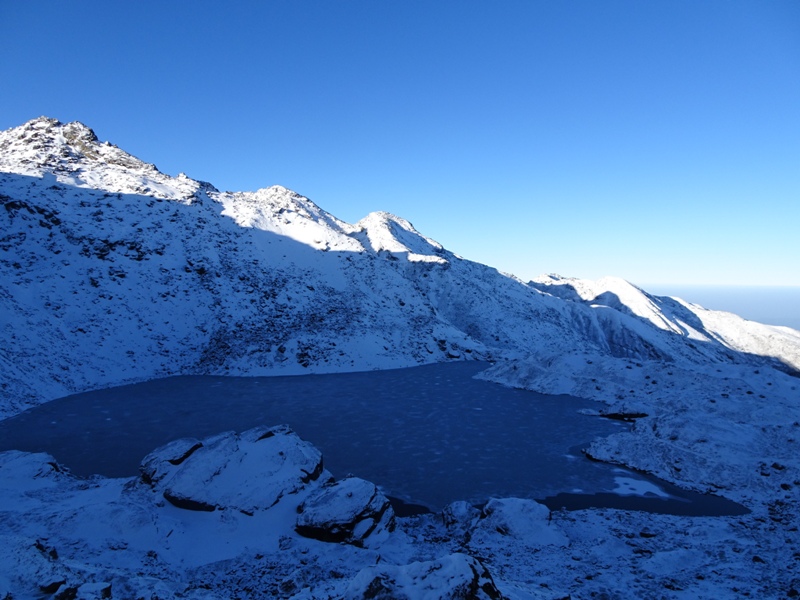


The summer trek in Nepal is one of the world’s most beautiful destinations for trekking, offering magnificent Himalayan Mountains, peaceful valleys, green forests, traditional villages, ancient monasteries, and diverse cultures. Although spring and autumn are the most popular trekking seasons, summer trekking in Nepal is also possible and rewarding, especially in rain-shadow regions such as Upper Mustang, Upper Dolpo, and parts of the Annapurna and Dolpo regions.
Summer in Nepal generally occurs from June to August. During this period, the monsoon brings rain to many parts of the country, making the hills and forests lush, green, and full of life. Waterfalls become more powerful, rivers flow through deep valleys, and terraced fields turn vibrant green. While some trekking routes experience heavy rainfall, landslides, and cloudy mountain views, other regions remain comparatively dry and offer excellent trekking opportunities.
Summer trekking in Nepal is ideal for travelers who want to explore less crowded trails, experience authentic Himalayan culture, discover remote landscapes, and enjoy the natural beauty of the mountains. Choosing the right destination, preparing appropriate equipment, and arranging an experienced local guide can make your summer trekking adventure safe, comfortable, and memorable.
Whether you want a short village walk, a moderate mountain trek, a challenging high-altitude adventure, or a remote wilderness expedition, Nepal offers several summer trekking options.
Why Choose Summer Trekking in Nepal?
Summer trekking offers a different experience from the busy spring and autumn seasons. The landscapes are greener, many villages are surrounded by blooming vegetation, and the atmosphere is refreshing after rainfall.
Beautiful Green Landscapes
During summer, Nepal’s hillsides become covered with green forests, colorful flowers, and lush vegetation. Terraced rice fields decorate the lower hills, while rivers and waterfalls create beautiful scenery along many trekking routes.
Photographers and nature lovers can enjoy the changing landscapes, dramatic clouds, and fresh mountain air.
Fewer Trekkers on Selected Routes
Some trekking routes become quieter during the monsoon season. Travelers who prefer peaceful trails and cultural experiences may appreciate the reduced crowds in certain areas.
However, popular routes and specific destinations can still attract visitors, so accommodation availability should be checked before departure.
Excellent Opportunities for Cultural Experiences
Summer is a good time to discover traditional Himalayan villages, Buddhist monasteries, ancient trading settlements, and local agricultural life. Trekkers can meet local people, learn about their customs, taste traditional food, and experience Nepalese hospitality.
Suitable for Rain-Shadow Regions
The most important advantage of summer trekking in Nepal is the opportunity to explore regions that receive less rainfall because they lie behind the main Himalayan mountain range.
Upper Mustang and Upper Dolpo are among the most notable choices. These regions feature dry valleys, colorful cliffs, ancient monasteries, traditional settlements, and dramatic desert-like landscapes.
Upper Mustang: A Top Choice for Summer Trekking
Upper Mustang deserves special attention because its relatively dry climate makes it one of Nepal’s most suitable destinations during the monsoon.
The journey usually begins in Kathmandu, followed by travel to Pokhara and onward to the Mustang region. Depending on the chosen itinerary and current transport conditions, travelers may continue toward Jomsom and Kagbeni before entering the restricted Upper Mustang area.
The trekking route follows the Kali Gandaki Valley and crosses a landscape of eroded cliffs, caves, barren hills, and traditional settlements. The region shares strong cultural connections with Tibetan Buddhism.
Lo Manthang, the historic walled settlement, is a major highlight. Visitors can explore monasteries, traditional houses, local markets, and the surrounding countryside.
Summer temperatures can be relatively warm during the day, but strong winds, cold nights, and changing mountain weather remain possible. Travelers should carry sun protection, warm clothing, and suitable trekking equipment.
Upper Mustang requires a restricted-area permit and must be visited according to the applicable regulations, including the required licensed guide and authorized trekking arrangements. Permit costs and minimum requirements should be confirmed before booking.
Upper Dolpo: Remote Summer Adventure
Upper Dolpo is an excellent option for experienced trekkers who want to explore one of Nepal’s most isolated Himalayan regions.
The journey can include remote villages, high passes, ancient monasteries, and spectacular landscapes far from busy trekking centers. The famous Shey Phoksundo Lake is known for its striking turquoise water and surrounding cliffs.
Summer is generally a useful period for exploring this high-altitude region, but conditions vary by elevation and route. Snow can remain on high passes, and storms may disrupt travel.
Unlike many established teahouse routes, Upper Dolpo often requires camping support and carefully organized supplies. Trekking teams may need tents, sleeping equipment, cooking facilities, food supplies, and staff to manage remote sections.
Special restricted-area permits and other applicable conservation or national park permits may be required. Trekkers should arrange the trip through an authorized operator and verify current rules before travel.
Weather and Temperature during summer
Summer in Nepal generally covers June, July, and August. The monsoon normally becomes established during June, although its arrival and intensity vary from year to year.
Weather differs significantly across the country.
Lower hills: Warm, humid, and frequently rainy.
Middle hills: Green landscapes, rain showers, clouds, and occasional clear mornings.
High mountains: Cooler temperatures, changing visibility, possible snow at high elevations, and cold nights.
Rain-shadow regions: Often drier than the southern slopes, but not completely free from rain or storms.
In Kathmandu and Pokhara, daytime temperatures can be warm and humid during summer. At higher elevations, temperatures drop considerably, particularly overnight and near high passes.
Trekkers should not assume that high-altitude destinations are warm simply because the trip takes place in summer. Weather can change rapidly in the Himalayas, and wind, rain, snow, and low visibility can affect safety.
Best Time for Summer Trekking in Nepal
June, July, and August are the principal summer months, but the best departure date depends on the trekking region.
June: Early summer can provide opportunities to trek before the monsoon becomes fully established. Rain may already be frequent in lower areas, while high-altitude routes can still have snow.
July: This is generally the peak monsoon period across much of Nepal. Upper Mustang and Upper Dolpo are worth considering because of their rain-shadow geography. Other trails may be muddy, slippery, or affected by landslides.
August: Monsoon conditions often continue, particularly in the first part of the month. Some areas may begin experiencing more stable conditions later, but this is not guaranteed. Rain-shadow regions remain important alternatives.
For the most reliable planning, select the region first and then confirm the current weather forecast, road access, trail conditions, and availability of accommodation.
Difficulty Level of Summer Treks
The difficulty of a summer trek depends on altitude, duration, trail conditions, daily walking hours, and the trekker’s experience.
Shorter treks such as Mardi Himal can be suitable for reasonably fit beginners when conditions are favorable. Langtang Valley and Gosaikunda involve more sustained walking and elevation gain.
Annapurna Circuit and Nar Phu Valley require preparation for long walking days and high-altitude conditions. Upper Mustang is moderately challenging on many itineraries, while Upper Dolpo can be strenuous because of its remoteness, camping requirements, and high passes.
Summer adds additional challenges, including slippery paths, leeches, reduced visibility, swollen streams, and landslides. A route that is manageable in dry weather can become considerably more difficult after heavy rain.
Trekkers should walk at a comfortable pace, take rest days when needed, and avoid crossing dangerous rivers or unstable slopes.
Accommodation depends on the destination and the type of trek.
On popular routes such as Langtang Valley, Mardi Himal, and the Annapurna Circuit, trekkers can generally find teahouses and lodges along established sections. Rooms may be basic, with shared bathrooms and limited hot-water facilities in some villages.
In Upper Mustang, traditional guesthouses and lodges are available along much of the main trekking route. Facilities vary between settlements.
Upper Dolpo and other remote expeditions may require camping, especially where accommodation is limited or unavailable.
During the monsoon, travelers should confirm that lodges are open and accessible. Road closures, transport delays, and fewer visitors can affect supply deliveries and services in remote villages.
Food and Drinking Summer Season
Teahouses on established trekking routes serve a selection of Nepalese and simple international meals.
- Dal Bhat with lentils, vegetables, and pickles.
- Noodles, soup, and fried rice.
- Tibetan bread, chapati, and potatoes.
- Eggs, porridge, pancakes, and other breakfast foods.
Food availability may be more limited in remote areas, particularly on camping treks. Expedition organizers should plan supplies carefully and consider dietary requirements in advance.
Drink treated, filtered, or properly boiled water. Avoid drinking untreated stream water, even when it looks clear. Carry a reusable bottle and an appropriate water-treatment method.
Permits Required for Summer Trekking
Permit requirements depend on the trekking destination, itinerary, and current government regulations.
For example:
Upper Mustang: Restricted-area permit and other applicable permits.
Upper Dolpo: Restricted-area permit and applicable conservation or national park permits.
Annapurna Circuit: Annapurna Conservation Area Permit, with any other requirements confirmed before departure.
Langtang Valley: Langtang National Park entry permit and any other currently applicable requirements.
Gosaikunda: Permits applicable to the chosen route and protected area.
Some restricted regions require a licensed guide, authorized agency arrangements, and specific group or permit conditions. Rules can change, so permit fees and eligibility should be confirmed before booking.
Travelers should carry the required identification documents and permit copies throughout the trek.
What to Pack for Summer Trekking in Nepal
Packing correctly is particularly important during the monsoon season.
Clothing
- Waterproof jacket and rain trousers.
- Quick-drying trekking shirts and trousers.
- Warm fleece or insulated jacket.
- Thermal base layers for colder elevations.
- Comfortable trekking socks.
- Hat, gloves, and sun-protection clothing.
Footwear and Equipment for winter trek
- Waterproof trekking boots with good grip.
- Comfortable camp shoes or sandals.
- Backpack with a waterproof cover.
- Trekking poles.
- Headlamp with spare batteries.
- Sleeping bag suitable for the expected temperature.
- Sunglasses and sunscreen.
- Personal toiletries and a small first-aid kit.
- Water bottle and purification tablets or filter.
- Insect repellent for lower and forested areas.
For remote camping treks such as Upper Dolpo, additional equipment may include tents, sleeping mats, cooking equipment, and expedition supplies. These are often organized by the trekking company.
Health, Safety, and Responsible Trekking
Safety should always be a priority when trekking in Nepal during summer.
Check the weather forecast before departure and consult local guides about trail conditions. Heavy rainfall can trigger landslides, wash out bridges, and make mountain roads dangerous.
Avoid walking across swollen rivers or streams. Do not continue onto unstable slopes to maintain the planned schedule. Allow extra days for weather and transport delays, particularly when your itinerary depends on flights or road connections.
Altitude sickness is another important consideration.
Ascend gradually, include appropriate acclimatization days, and recognize symptoms such as headache, nausea, dizziness, unusual fatigue, or breathing difficulties. If symptoms worsen, stop ascending and seek professional guidance. Severe symptoms require immediate descent and urgent medical assistance.
Travel insurance should cover trekking at the planned altitude and any relevant emergency evacuation. Confirm the policy details before departure.
Responsible trekking also means respecting local customs, minimizing plastic waste, supporting local businesses, and following park authorities’ and local communities’ guidance.
Why Hire a Local Trekking Guide?
Hiring an experienced local guide can make summer trekking easier to manage. A knowledgeable guide understands local trails, cultural traditions, altitude challenges, and seasonal weather patterns.
During the monsoon, a guide can help assess changing conditions, identify safer route options, communicate with local communities, and coordinate accommodation or transport changes when possible.
Guides also provide valuable information about mountain scenery, village history, monasteries, and local lifestyles. On restricted or remote treks, licensed guides and authorized arrangements may be mandatory.
Porters can help carry trekking equipment and personal luggage, allowing travelers to walk more comfortably. Their workload should be agreed upon in advance, and they should be provided with appropriate clothing, accommodation, food, and fair working conditions.
Choosing a responsible trekking agency helps ensure that guides, porters, permits, transportation, and accommodation are properly organized.
Transportation depends on the selected destination.
For Upper Mustang, travelers commonly travel from Kathmandu to Pokhara and continue toward Jomsom by flight or road, depending on the itinerary and current conditions. The journey to Kagbeni provides access to the Upper Mustang trekking route.
For Upper Dolpo, travelers typically arrange transportation toward Nepalgunj and onward to the Dolpo region, often involving domestic flights and local transfers. Weather and limited flight schedules can affect the journey.
For Langtang Valley, road transportation from Kathmandu toward Syabrubesi is commonly used. For the Annapurna Circuit, access may involve road travel to the selected starting point and transportation from the ending point.
During summer, road conditions and domestic flights can be affected by heavy rain and poor visibility. Allow sufficient buffer days and avoid scheduling an international departure immediately after a weather-sensitive mountain flight.
Who Can Join a Summer Trek in Nepal?
Summer trekking can suit a wide range of travelers, depending on the route.
Beginners may prefer shorter treks at moderate elevations with flexible schedules and reliable accommodation. Experienced hikers may choose longer journeys involving high passes, remote villages, and camping.
Nature lovers, photographers, cultural travelers, and adventure enthusiasts can all find suitable summer destinations in Nepal.
Good general fitness is helpful, and high-altitude treks require additional preparation. Travelers with limited trekking experience should discuss their abilities and expectations with a qualified trekking professional before selecting a route.
Families and younger trekkers should choose routes appropriate for their fitness, age, and experience, with careful attention to altitude and weather.
Booking a Summer Trek in Nepal
Booking a summer trek begins with selecting the right destination for the season. Consider the length of your holiday, preferred difficulty, budget, cultural interests, and whether you prefer lodge accommodation or camping.
A reliable trekking company can help prepare a realistic itinerary, arrange required permits, organize guides and porters, book accommodation, and plan transport connections.
It is also useful to discuss alternative routes and additional days in case of heavy rain or flight delays. For restricted-area destinations, confirm permit eligibility and guide requirements well before arrival.
When booking, make sure you understand the payment conditions, cancellation policy, emergency procedures, and services included in the package.
Frequently Asked Questions about Summer Trekking in Nepal
Is summer a good time for trekking in Nepal?
Yes. Summer can be a good time for trekking in rain-shadow regions such as Upper Mustang and Upper Dolpo. Other routes are also possible, but monsoon rainfall may affect trail conditions and mountain views.
Which is the best summer trek in Nepal?
Upper Mustang is one of the leading choices because it generally receives less monsoon rainfall than many other trekking regions. Upper Dolpo is another excellent option for experienced trekkers seeking remote landscapes.
Can beginners trek in Nepal during summer?
Yes, beginners can choose suitable routes, provided they prepare properly, check current conditions, and travel with appropriate support. A shorter itinerary with flexible walking days is often a sensible choice.
Does it rain every day during the summer?
No. Rainfall varies by region and day. Some areas receive frequent heavy rain, while rain-shadow destinations may remain relatively dry. Weather can still change quickly in the mountains.
Are mountain views possible during summer?
Yes. Clear views are possible, particularly in the morning or during breaks in the weather. However, clouds and rain can reduce visibility, so views cannot be guaranteed.
Do I need a guide for summer trekking?
A guide is strongly recommended for unfamiliar or remote trails. A licensed guide and authorized agency arrangements are also required in certain restricted areas.
What is the best clothing for summer trekking?
Wear quick-drying layers and carry waterproof outer clothing, warm layers for high elevations, comfortable trekking boots, and protection against sun and insects.
Is accommodation available during the monsoon?
Accommodation is available on many established routes, but opening times and accessibility vary. Remote routes may require camping, and it is advisable to confirm arrangements before departure.
How much does summer trekking cost?
Costs range from a few hundred US dollars for shorter, simpler treks to several thousand dollars for remote restricted-area expeditions. The final price depends on permits, transport, duration, accommodation, meals, and staffing.
Can I combine summer trekking with peak climbing?
Some combinations are possible, but peak climbing requires additional equipment, technical preparation, permits, and experienced climbing support. Summer weather can make climbing conditions less predictable, so the specific mountain and route must be assessed carefully.
Conclusion: Discover the Beauty of Summer Trekking in Nepal
Summer trekking in Nepal offers an opportunity to explore green hills, traditional Himalayan villages, sacred lakes, remote valleys, and spectacular mountain landscapes. While the monsoon creates challenges on many popular trails, it also makes certain regions especially attractive for travelers seeking a different Himalayan experience.
Upper Mustang and Upper Dolpo are particularly noteworthy summer destinations because of their rain-shadow geography and distinctive cultural heritage. Meanwhile, routes such as Langtang Valley, Gosaikunda, Mardi Himal, and the Annapurna Circuit can also be considered when weather, access, and trail conditions are suitable.
The key to a successful summer trek is choosing the right destination, preparing suitable equipment, allowing flexibility in your schedule, and arranging reliable local support. With careful planning and respect for mountain conditions, summer trekking can provide a rewarding journey through the natural and cultural wonders of Nepal.
Plan your summer trekking adventure in Nepal with experienced local guides and discover the Himalayas beyond the usual trekking season
| Day | Destination | Altitude | Walking Hour | Accommodation |
|---|---|---|---|---|
| 1 | Kathmandu to Dhunche | 1900 | 6-7-hours | Lodge |
| 2 | Dhunche to Singgompa | 3330 | 5-hours | Lodge |
| 3 | Singgompa to Gosaikunda | 4380 | 6-hours | Lodge |
| 4 | Gosaikunda to Dhunche | 1900 | 6-7-hours | Lodge |
| 5 | Local bus from Dhunche to Kathmandu. | 1300 | 8-hours bus | Your self |
Summer trek in Nepal price depending region
cost includes
- Local trekking guide with experience and registration.
- Trekking porters will carry your main bag
- Necessary Trekking permits, National Park fee.
- Lunch, dinner, breakfast, and lunch specials with Nepali, Tibetan, Chinese, or Italian items with coffee or tea during the trek.
- On a twin-sharing basis, accommodation is provided in tea houses (lodges).
- Necessary transport such as bus, Jeep, or air tickets.
- A trekking team must have insurance.
- Providing guides and porters with food, lodging, and salaries
- All local tax and VAT, company service charges.
Summer trek in Nepal price Excludes
- Meals, accommodations, and transportation in Kathmandu.
- All bar and beverage bills during the trek.
- Expenses for personal use
- Porters and guides deserve tips.
- Expenses not associated with mansions
Sure. It is possible to make a trek to Gosaikunda for four to seven days.
We walked five to six hours each day.
Yes. Better you take guide porter safe travel and the Nepali staff will care for you and they will help you on the trek.
In our package service, we provide you Nepali, Chinese, Tibetan, Indian and Italian food with coffee, tea, and a Celine lodge during the trek.
Altitude Chart