The Panch Pokhari Trek - 15 Nights 16 Days
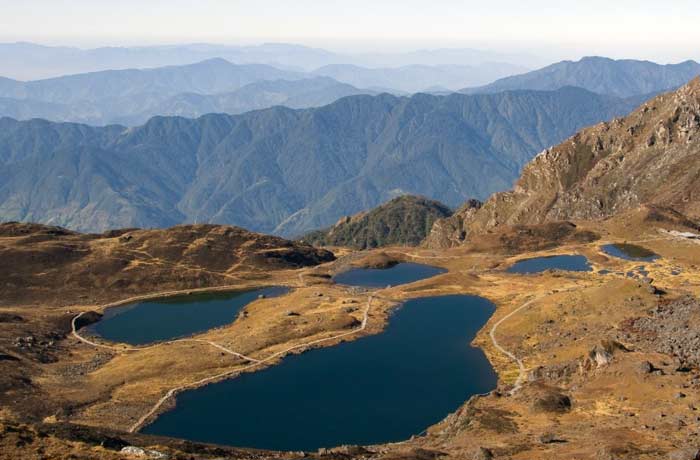

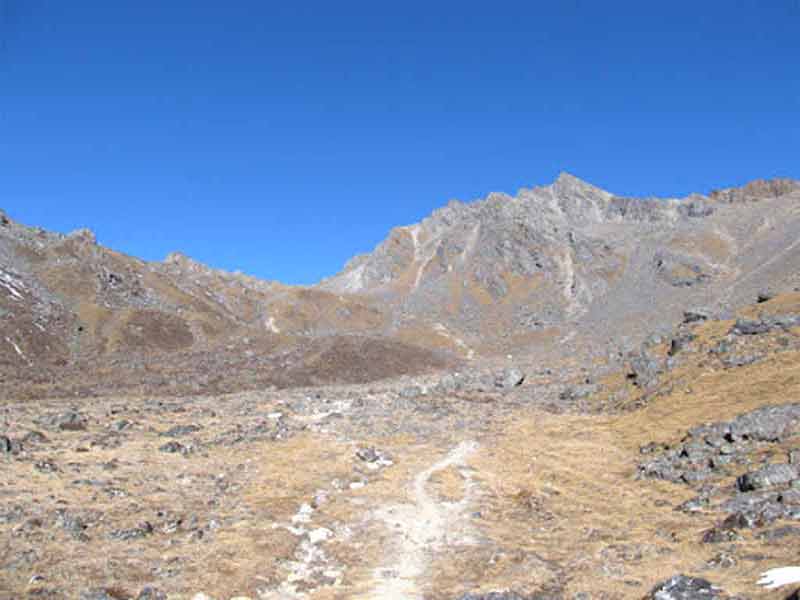
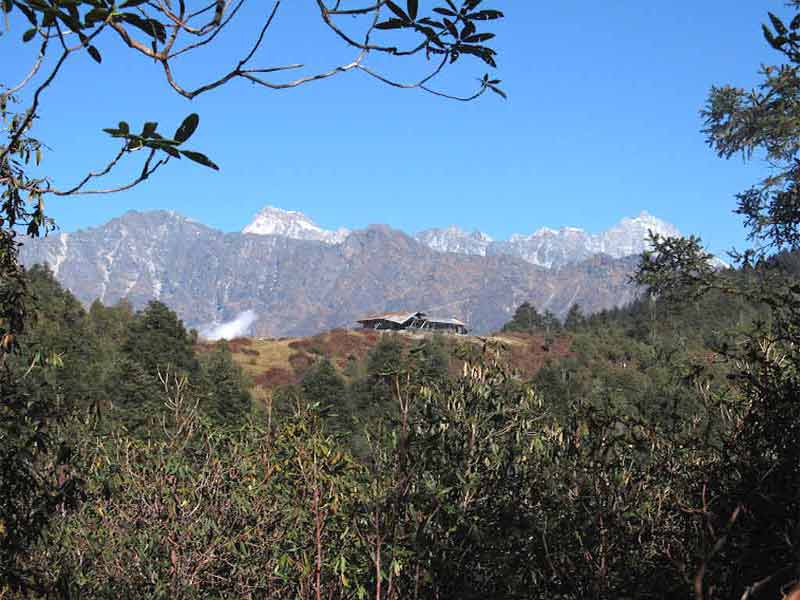

The Panch Pokhari Trek is a beautiful trekking adventure in the Sindhupalchok district of Nepal, northeast of Kathmandu. This trek is famous for its five sacred alpine lakes, stunning Himalayan landscapes, traditional villages, peaceful forests, and breathtaking mountain views. The name “Panch Pokhari” comes from two Nepali words: “Panch,” meaning five, and “Pokhari,” meaning ponds or lakes. These five holy lakes lie at around 4,100 metres above sea level in the Langtang region of the Himalayas.
Panch Pokhari is an excellent destination for trekkers who want to experience Nepal’s natural beauty, religious traditions, and remote mountain environment without travelling to some of the more crowded trekking areas. The trail passes through green hills, terraced farmland, rhododendron forests, rocky mountain paths, and alpine landscapes. As the route climbs higher, trekkers can enjoy increasingly impressive views of the surrounding Himalayan peaks.
The trek is also an important pilgrimage destination for Hindu and Buddhist devotees. Many pilgrims visit the sacred lakes, particularly during the Janai Purnima festival, which usually falls in August. During this festival, devotees travel to Panch Pokhari to perform religious rituals, puja, and honour their spiritual traditions.
Unlike the popular Everest Base Camp and Annapurna Circuit treks, Panch Pokhari offers a quieter and more remote experience. It is ideal for travellers seeking natural scenery, cultural exploration, peaceful walking trails, and a meaningful Himalayan journey.
Whether you are an experienced trekker or an adventurous traveller with a reasonable level of fitness, the Panch Pokhari Trek can provide an unforgettable experience in the mountains of Nepal.
Where Is Panch Pokhari Located?
Panch Pokhari is located in the northeastern part of Sindhupalchok district in Bagmati Province, Nepal. The area lies within the wider Langtang Himalayan region and is accessible from Kathmandu by road followed by several days of trekking.
The sacred lakes sit at approximately 4,100 metres, surrounded by rugged mountains, high-altitude grasslands, and dramatic Himalayan scenery. The region is relatively remote, making it an attractive destination for trekkers who prefer less commercialised trails.
The journey generally begins with a drive from Kathmandu towards the Melamchi or Chautara area, depending on the selected route. From there, trekkers follow mountain trails through villages, forests, and alpine terrain before reaching the five lakes.
The exact starting point and duration depend on road conditions, the itinerary, and the route the trekking agency udacnoz. Travellers should confirm the current road access and trail conditions before departure.
Major Highlights of Panch Pokhari Trek
- The Panch Pokhari Trek offers a combination of natural attractions, cultural experiences, and mountain adventure.
- Five sacred alpine lakes: Visit the five holy lakes that give the region its name.
- Himalayan mountain scenery: Enjoy panoramic views of surrounding Himalayan peaks and rugged mountain ridges.
- Religious and cultural significance: Learn about Hindu and Buddhist traditions associated with the sacred lakes.
- Rhododendron forests: Walk through beautiful forests that can display colourful flowers during spring.
- Traditional villages: Experience rural Nepali life, local hospitality, and mountain culture.
- Remote trekking trails: Explore a less crowded trekking destination away from Nepal’s busiest routes.
- High-altitude landscapes: Experience alpine meadows, rocky slopes, and dramatic mountain terrain.
- Pilgrimage experience: Witness the spiritual importance of Panch Pokhari, particularly during festival periods.
- Photography opportunities: Capture mountain scenery, forests, lakes, clouds, and traditional settlements.
- Adventure close to Kathmandu: Enjoy a rewarding Himalayan trek without needing a domestic flight to reach the trailhead.
Best Time for Panch Pokhari Trek
Choosing the right season is important for enjoying the Panch Pokhari Trek. Weather, visibility, trail conditions, and temperature can affect the overall experience.
Spring (March–May)
Spring is one of the best seasons for trekking in the region. The forests become greener, rhododendrons bloom in many areas, and daytime conditions are often suitable for walking. Mountain visibility can be excellent when the weather is clear.
Autumn (September–November)
Autumn is another excellent season. After the monsoon, the landscape is often fresh, and clear days can provide beautiful mountain views. October and November are particularly popular months for trekking in Nepal.
Monsoon (June–August)
Monsoon brings heavy rainfall, slippery trails, leeches in lower forests, and possible road disruptions. However, the landscape becomes lush and green. Janai Purnima may attract many pilgrims to Panch Pokhari, although festival dates and weather conditions vary.
Winter (December–February)
Winter can bring freezing temperatures, snow, and difficult conditions at higher elevations. Experienced trekkers may consider a winter trip with suitable equipment and local guidance, but high-altitude access must be checked carefully.
Difficulty Level of Panch Pokhari Trek
The Panch Pokhari Trek is generally considered a moderate to challenging trek, mainly because of the continuous uphill and downhill walking, remote trails, and high altitude.
Trekkers should expect several hours of walking each day, with some sections involving steep stone steps, uneven paths, and exposed terrain. The final ascent towards the lakes can be physically demanding, especially for people who are not accustomed to walking at altitude.
A good level of fitness is recommended. Before travelling to Nepal, prepare with regular walking, hiking, stair climbing, or other suitable cardiovascular activities.
The highest point around Panch Pokhari is approximately 4,100 metres. At this altitude, acute mountain sickness can occur. Symptoms may include headache, nausea, dizziness, and unusual fatigue. Ascending gradually, allowing time for acclimatisation, and recognising symptoms are important.
If symptoms develop or worsen, do not continue ascending. Inform your guide and descend when necessary. Severe symptoms require urgent medical attention.
Previous high-altitude trekking experience is helpful but not essential for every traveller. Beginners who are reasonably fit and follow a well-paced itinerary may also enjoy this trek with appropriate preparation and guidance.
Accommodation During the Trek
Accommodation on the Panch Pokhari Trek is generally more basic than on popular commercial routes such as Everest Base Camp or the Annapurna Circuit.
Depending on the chosen route, trekkers may stay in local teahouses, small guesthouses, simple lodges, or tents. Facilities vary between villages and higher camps. Rooms may be basic, and twin-sharing accommodation is common where available.
Near the lakes, accommodation options can be limited, especially during busy pilgrimage periods or when weather conditions affect access. Camping may be necessary if suitable indoor accommodation is unavailable.
Hot showers, electricity, charging facilities, and internet access should not be expected everywhere. Trekkers should bring warm sleeping clothes and, when camping, a suitable sleeping bag and appropriate equipment.
A trekking agency can help arrange accommodation and camping logistics according to the route, group size, and season.
Food and Drinking Water
Food during the Panch Pokhari Trek is usually simple, filling, and based on locally available ingredients. Common meals may include
- Dal bhat, with lentils and vegetables,
- Noodles, soups,
- Potatoes,
- Eggs,
- Tibetan-style bread where available.
Dal bhat is a particularly useful trekking meal because it provides carbohydrates, some protein, and energy for long walking days. Trekkers should eat regularly and maintain a balanced diet throughout the journey.
Food choices may become limited at higher elevations because supplies are transported from lower villages. Travellers with dietary requirements should inform their trekking agency in advance.
Drink plenty of safe water throughout the day. Water should be treated using an appropriate purification method or boiled before drinking. Carry a reusable water bottle and consider using purification tablets or a suitable filter. Avoid drinking untreated water from streams or lakes.
Permits and Entry Requirements
Before starting the Panch Pokhari Trek, travellers should confirm the current permit and registration requirements with the relevant Nepalese authorities or a registered trekking agency.
Requirements may depend on the exact route, protected-area boundaries, applicable regulations, and the nationality of the traveller. Do not assume that every route has the same permit requirements.
Your trekking agency can advise whether any national park, conservation-area, local-area, or other official permissions are required for the itinerary you select. Applicable fees should be confirmed before departure because regulations and charges can change.
Carry your passport or an appropriate identification document and keep copies of essential travel documents. Follow local rules and respect the religious significance of the lakes and surrounding sites.
Transportation to Panch Pokhari
The journey generally begins in Kathmandu, where trekkers travel by private vehicle or public transport towards the Sindhupalchok region.
Depending on the itinerary, the road journey may pass through Melamchi, Chautara, or another suitable access point. Travel time varies according to the starting point, road conditions, traffic, weather, and the selected trekking route.
Some roads in the region are rough, and landslides or heavy rainfall can cause delays. A private jeep may provide greater flexibility for groups, while public transport can be a more economical option.
After reaching the trekking starting point, the remaining journey is completed on foot. Your agency should confirm whether road transportation, airport transfers, or other transfers are included in the package price.
Culture, Religion, and Local Communities
Panch Pokhari has strong religious significance for Hindu devotees and is also important within the wider cultural traditions of the region. The five lakes are associated with sacred beliefs, pilgrimage, and traditional worship.
During Janai Purnima, pilgrims visit the lakes to perform religious activities and participate in ceremonies. This period can bring a special atmosphere to the area, although crowds, weather, and accommodation availability should be considered when planning a trip.
The surrounding region is home to diverse Nepali communities whose traditions, languages, farming practices, and hospitality contribute to the trekking experience.
Visitors should respect local customs, ask permission before photographing people, and follow any instructions at religious sites. Keep noise levels low around sacred places and avoid littering or disturbing the natural environment.
Flora, Fauna, and Natural Beauty
The Panch Pokhari trail passes through different ecological zones as it climbs from lower hills to alpine terrain.
Lower sections feature forests, farmland, and subtropical vegetation. Higher trails may include rhododendron, oak, and other mountain plants, depending on elevation and local conditions. In spring, flowering vegetation adds colour to parts of the route.
Birds and other Himalayan wildlife may be seen along the trail, although sightings cannot be guaranteed. The higher landscape around the lakes is characterised by rocky slopes, open ground, cold mountain air, and expansive views.
Trekkers should stay on established trails, avoid disturbing wildlife, and carry all rubbish back to appropriate disposal points. Responsible trekking helps preserve the natural environment for local communities and future visitors.
What to Pack for Panch Pokhari Trek
Proper equipment is essential because weather conditions can change quickly at higher elevations.
Recommended items
- Comfortable trekking boots.
- Warm layered clothing, including a fleece and insulated jacket.
- Waterproof jacket and trousers.
- Thermal base layers and warm trekking socks.
- Gloves, a warm hat, and sun protection.
- Sunglasses and high-SPF sunscreen.
- A comfortable daypack and rain cover.
- A reusable water bottle and water purification supplies.
- A headlamp with spare batteries.
- Personal toiletries and a small first-aid kit.
- Personal medications and any prescribed altitude-related medication.
- Trekking poles for steep ascents and descents.
- A suitable sleeping bag if camping or if accommodation does not provide adequate bedding.
- Snacks, energy bars, and essential personal documents.
The final equipment list should reflect the season, route, accommodation arrangements, and whether a porter or camping crew is provided.
Why Choose Panch Pokhari Trek?
The Panch Pokhari Trek is an excellent choice for travellers who want to explore a less commercialised part of Nepal while experiencing a combination of mountain scenery and spiritual heritage.
Its sacred lakes, quiet trails, traditional settlements, and varied landscapes create an experience different from many of Nepal’s better-known trekking routes. The trek is also relatively accessible from Kathmandu compared with destinations that require domestic flights or long journeys to remote trailheads.
For photographers, the changing landscapes and alpine lakes provide wonderful opportunities. For cultural travellers, the pilgrimage traditions offer a deeper understanding of local beliefs. For outdoor enthusiasts, the trail provides a rewarding high-altitude challenge.
Choosing a responsible trekking agency can make the journey more comfortable through route planning, accommodation arrangements, local guidance, transportation, and safety support.
Trek Cost and Package Services
The cost of the Panch Pokhari Trek depends on the number of days, group size, transport arrangements, guide and porter services, accommodation, meals, and whether camping equipment is required.
A private trip may cost more per person than a larger group departure because transportation and guide expenses are shared among fewer travellers. The season and availability of accommodation may also affect the overall price.
Before booking, ask your trekking agency for a clear breakdown of included and excluded services.
Trekking guide and agreed porter services.
Road transportation specified in the itinerary.
Responsible Trekking and Safety
Responsible trekking is important in the remote Himalayan environment. Carry reusable bottles, avoid unnecessary plastic, and take rubbish back to suitable disposal facilities. Respect local communities and religious sites, and use local services where possible.
Before the trek, check the latest weather forecast, trail conditions, transport availability, and accommodation options. Travel with a knowledgeable guide if you are unfamiliar with remote mountain trails.
Because Panch Pokhari lies above 4,000 metres, altitude awareness is essential. Walk slowly, remain hydrated, eat regularly, and allow adequate time for the ascent. Travel insurance should cover trekking at the maximum altitude of your itinerary and emergency helicopter evacuation where applicable.
Trekkers should also keep some flexibility in their schedule because rain, snow, landslides, or other unexpected conditions can change travel plans.
Frequently Asked Questions (FAQs)
How many days are needed for the Panch Pokhari Trek?
Most itineraries take approximately 6–8 days from Kathmandu, although the duration depends on the route, road access, walking pace, and acclimatisation needs.
What is the highest altitude of the Panch Pokhari Trek?
The five sacred lakes are located at approximately 4,100 metres above sea level. Nearby viewpoints or alternative routes may reach different elevations.
Is Panch Pokhari Trek suitable for beginners?
Yes, it may be suitable for fit beginners who prepare properly and follow a realistic itinerary. However, the steep trails, remote conditions, and high altitude make it more demanding than an easy low-altitude walk.
Which season is best for Panch Pokhari Trek?
Spring, from March to May, and autumn, from September to November, are generally the best seasons for favourable walking conditions and mountain views.
Are teahouses available during the trek?
Basic accommodation may be available in some locations, but facilities are limited along certain sections. Camping may be necessary near the lakes or on less-developed routes.
Can I visit Panch Pokhari during Janai Purnima?
Yes. Janai Purnima is an important pilgrimage period. However, expect more visitors and check accommodation, transportation, weather, and local arrangements in advance.
Do I need a guide for Panch Pokhari Trek?
A guide is strongly recommended for route planning, local knowledge, safety, and accommodation coordination, particularly on remote or poorly marked sections. Check current trekking regulations before travelling.
Is mobile network coverage available?
Coverage can be inconsistent, especially at higher elevations. Do not rely on continuous mobile service, and arrange an appropriate emergency communication plan with your guide.
What kind of food is available?
Dal bhat, rice, noodles, soup, potatoes, vegetables, and other basic local meals may be available. Choices can be limited in remote locations, so inform your agency about dietary requirements in advance.
Is travel insurance necessary?
Yes. Choose insurance that covers trekking at your planned altitude and emergency evacuation. Read the policy carefully to ensure that your activities are covered.
Conclusion
The Panch Pokhari Trek is a memorable Himalayan adventure combining sacred alpine lakes, mountain scenery, forest trails, traditional villages, and rich religious heritage. Located in the beautiful Sindhupalchok region of Nepal, it offers an opportunity to explore a quieter trekking destination while enjoying the natural and cultural diversity of the Himalayas.
With appropriate preparation, a suitable itinerary, reliable local guidance, and respect for the environment, trekkers can enjoy a rewarding journey to the five sacred lakes. Whether you are interested in nature, photography, culture, pilgrimage, or mountain adventure, Panch Pokhari is a destination worth considering for your next trekking experience in Nepal.
| Day | Destination | Altitude | Walking Hour | Accommodation |
|---|---|---|---|---|
| 1 | Arrival Kathmandu and transfer to hotel | 1300 | One hour drive from airport to hotel | Hotel in Kathmandu |
| 2 | Day Free in Kathmandu | 1300 | Free Visit in Kathmandu | Hotel in Kathmandu with B&B Service |
| 3 | Kathmandu Chutra | 1450 | 4-5-hours drive from Kathmandu | Tent Camping |
| 4 | Chutra to Sano Okhane | 2000 | 5-6-hours | Tent Camping |
| 5 | Sano Okhane to Kamikharka | 2810 | 5-6-hours | Camping tent |
| 6 | Kamikhara to Hele Bhanjyang | 3260 | 5-6-hours | Tent Camping |
| 7 | Hele Bhanjyang to Nursingpati | 3700 | 5-6-hours | Tent Camping |
| 8 | Narsing pati to Panch pokhari | 4100 | 5-6-hours | tent Camping |
| 9 | Hike to around panchpokhari | 4100 | 4-5-hours | Tent Camping |
| 10 | Panchpokhari to Dhupi Kharka | 3220 | 5-6-hours | Tent Camping |
| 11 | Dhupi Kharaka to Yangri Kharka | 2800 | 5-6-hours | Tent Camping |
| 12 | Yangrikharaka to Tarkeghyang | 2743 | 2-hours | Tent Camping |
| 13 | Tarkeghyang to Thimpu | 890 | 3-hours | Tent Camping |
| 14 | Thimpu to Kathmandu | 1300 | 5-hours drive to Kathmandu | Hotel in Kathmandu |
| 15 | Free day at Kathmandu | 1300 | Free visit | Hotel in Kathmandu with B&B Service |
| 16 | Departure | Once you have finished your breakfast, transfer to the Kathmandu airport | Flight out from Nepal | At your home |
Panch Pokhari trekking cost 940 $ Per Person
Cost Includes
- Arrival & Departure Transport.
- Hotel in Kathmandu with bed and breakfast 4 Nights.
- Breakfast/ (Eggs items) Toast, or Tibetan bread, Or Chapati, Or Pancake with honey, Jam, Butter or Muesli or cornflakes with hot milk, LUNCH/ Nepali Dalbhat, Momo or other (Items)
- DINNER/ (Soup items) Vege, Or Mushroom, Or Tomato, Or Chicken, Noodles with papad or popcorn.
- Dinner/ Spaghetti, Sandwich, macaroni, Or Chips, Pizza or Cowmen or Spring roll.
- HOT DRINKS/ Black tea with milk, Black coffee with milk, Lemon tea or hot chocolate.
- Tented accommodation and equipment during the camping trek.
- Two men tents, dining tents, kitchen gear dining tent, Toilet Tent.
- License holder Trekking guide, a cook, required number of porters and Including day Salary, Insurance, food, and accommodation.
- Park fee 2,000 and Trekking permits Tims 1,000.
- Bus Transport Kathmandu –Chautara-Thimpu-Kathmandu.
Panch Pokhari trekking Cost Excludes
- Lunch and Dinner in Kathmandu.
- Your Travel insurance policy encases if the accident and high Altitude sickness Rescue.
- Nepal entry visa fee 15 Days 30 US$ and for the 30 Days 50 US$, you can obtain your visa Kathmandu airport if you have not taken from your country.
- Will require 2 Passport size photos.
- Soft and hard drinks Such as Beer, Coke, Fanta and Mineral water.
- Personal Trekking Equipment.
- Tips for Trekking staff.
- Please don't forget to bring with you 2 passport size pictures.
September to November and March to May
Its means 5 Lakes
Day times normal and during Night 2-5 degree.
16 Days Panch Pokhari trekking cost is only 940 US$ per person
TIMS Trekking Permit & park fees.
Yes, If you take a Guide and porter, cook, and camping gear then a very safe trip for this trekking. It is better to book your trip with an agency if something happens then easy to solve any problem and full responsibility from Trekking agency.
Tent camping food per pair by our cook
Chinese, Nepali, Tibetans, Indian and Italian dish.
5/6- hours walking per day.
Yes, you can see, Gauri Shankar, Dorje Lakpa, Lopsang la peak, Jugal Himal and many other mountains views.
Maximum (4,100)
Normally, you need to bring with you flowing equipment. + walking boot If possible Gore tax boot is better. + Warm socks and Gaiters in case of rain or snow. + Day carry bag and Down Jacket over 4,000 meters. + Sleeping bag and others which are not mansions here.
Arrival & Departure Transport. Hotel in Kathmandu with bed and breakfast 4 Nights. Breakfast/ (Eggs items) Toast, or Tibetan bread, Or Chapati, Or Pancake with honey, Jam, Butter or Muesli or cornflakes with hot milk, LUNCH/ Nepali Dalbhat, Momo or other (Items) DINNER/ (Soup items) Vege, Or Mushroom, Or Tomato, Or Chicken, Noodles with papad or popcorn. Dinner/ Spaghetti, Sandwich, macaroni, Or Chips, Pizza or Cowmen or Spring roll. HOT DRINKS/ Black tea with milk, Black coffee with milk, Lemon tea or hot chocolate. Tented accommodation and equipment during the camping trek. Two men tents, dining tents, kitchen gear dining tent, Toilet Tent. License holder Trekking guide, a cook, required number of porters and Including day Salary, Insurance, food, and accommodation. Park fee 2,000 and Trekking permits Tims 1,000. Bus Transport Kathmandu –Chautara-Thimpu-Kathmandu.
Feels like hangover & Feeling not good/ Headache/ Shortness of Breath/ Loss of appetite/ Sleep not good/ vomiting/ fevers etc.
Yes, if a woman travels alone to Nepal no problem but you take a guide or porter from a registered trekking agency because the trekking company is fully responsible for trekking and Mountain climbing. Our agency staff always take care of you, and they will provide you a single room single tent during the tea house trek and during the climbing trek. But if you contact freelance Guide then you get many problems they try to make chit for a single woman. Therefore if you book guide porter with un agency then it is good safe your Holyday travel to Nepal.
Altitude Chart