Upper Dolpo Trek to Jomsom - 25 Nights 26 Days
The Upper Dolpo Trek to Jomsom is one of the most remote, adventurous, and culturally rewarding trekking experiences in Nepal. This extraordinary journey takes trekkers through the isolated valleys of the Dolpo region, ancient Tibetan Buddhist and Bon cultural settlements, high mountain passes, vast landscapes, turquoise lakes, traditional villages, and dramatic Himalayan wilderness before reaching Jomsom in the Mustang region.
Upper Dolpo lies in western Nepal, near the Tibetan border, and is famous for its preserved Tibetan-influenced culture, traditional monasteries, ancient trading routes, and rugged Trans-Himalayan landscapes. Much of the region lies within Shey Phoksundo National Park, Nepal’s largest national park, which protects a remarkable variety of landscapes and wildlife.
The trek traditionally begins near Juphal or Dunai after a flight to the Dolpo region. From there, the trail passes through beautiful places such as Phoksundo Lake, Ringmo, Shey Gompa, Saldang, and remote high-altitude settlements. Depending on the selected route, trekkers may cross challenging mountain passes and continue toward Chharka, Sangda, and eventually Jomsom.
This trek is particularly suitable for experienced trekkers who want to explore a less-traveled region of Nepal and experience a combination of wilderness, cultural heritage, and challenging high-altitude walking.
The journey requires careful planning, sufficient time, suitable equipment, and experienced local guides. Because Upper Dolpo is a restricted trekking region, special permits and an authorized trekking arrangement are required.
Location of the Upper Dolpo Trek
Upper Dolpo is situated in Dolpa District, in Karnali Province, western Nepal. It is one of the country’s most remote Himalayan regions, characterized by high mountain ranges, deep valleys, dry plateaus, and settlements influenced by Tibetan culture.
The trek to Jomsom connects the remote landscapes of Dolpo with the Mustang region. Jomsom is located in Mustang District and is a major gateway to the lower Mustang area and the Annapurna region.
The geographical transition is one of the journey’s greatest attractions. Trekkers move from forested river valleys and the turquoise waters of Phoksundo Lake into the dry, high-altitude landscapes of Upper Dolpo before continuing through remote mountain valleys toward Mustang.
Because the route is long and crosses high passes, the exact trail can vary according to the itinerary, seasonal conditions, and the availability of local guides and support teams.
Major Highlights of the Trek
The Upper Dolpo Trek to Jomsom offers a unique combination of natural scenery, cultural exploration, and remote wilderness.
Major highlights include:
- Exploring the remote landscapes of Upper Dolpo.
- Visiting beautiful Phoksundo Lake and traditional Ringmo Village.
- Discovering Shey Gompa, an important Buddhist monastery.
- Exploring Saldang and other traditional Dolpo settlements.
- Experiencing ancient Tibetan Buddhist and Bon traditions.
- Crossing High Mountain passes on selected routes.
- Walking through the spectacular Trans-Himalayan landscape.
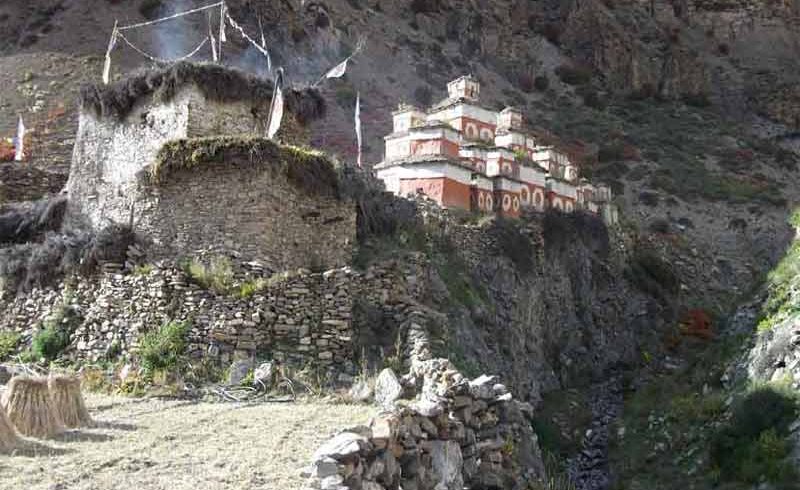
- Observing traditional stone houses, monasteries, and prayer walls.
- Exploring isolated valleys and traditional trading routes.
- Experiencing the peaceful environment of remote Himalayan villages.
- Enjoying panoramic views of surrounding mountains and high plateaus.
Completing the adventure in Jomsom, in the Mustang region.
The precise route and the passes included depend on the chosen trekking itinerary.
Phoksundo Lake
Phoksundo Lake is one of the most beautiful natural attractions in western Nepal and a major highlight of many Upper Dolpo trekking itineraries.
Located within Shey Phoksundo National Park, the lake is famous for its striking turquoise-blue water, dramatic rocky surroundings, and peaceful mountain atmosphere. Its color changes with the light and weather, creating outstanding photographic opportunities.
The lake is surrounded by cliffs, barren mountains, and forested sections near its lower approaches. Its natural beauty makes it one of Nepal’s most memorable high-altitude destinations.
Trekkers usually visit the lake before continuing toward Ringmo Village and the more remote parts of Upper Dolpo.
The surrounding area is also culturally significant. Local communities maintain traditional religious practices, and the landscape holds spiritual importance for many residents.
Visitors should respect local customs, avoid littering, and follow park regulations to help preserve this remarkable environment.
Ringmo Village
Ringmo is a traditional settlement near Phoksundo Lake. The village is known for its Tibetan-influenced architecture, stone houses, cultivated fields, and distinctive cultural traditions.
Walking through Ringmo offers an opportunity to observe the lifestyle of communities living in a remote Himalayan environment. Depending on the season, visitors may see residents tending livestock, working in fields, or carrying out daily household activities.
The village also provides insight into the relationship between local communities and the surrounding natural landscape.
Trekkers may stay in local accommodation, depending on the itinerary and available facilities. Before traveling, it is advisable to confirm the availability of rooms, meals, and other services, particularly during the early and late trekking seasons.
Ringmo is an excellent place to pause, explore the lake area, and prepare for the more challenging stages of the Upper Dolpo route.
Dolpo Kang La Pass Trek
Dolpo Kang La Pass Trek is an adventurous journey in the remote Dolpo region of western Nepal. This trek offers spectacular views of snow-capped mountains, dramatic landscapes, ancient monasteries, and traditional Tibetan-influenced villages. Trekkers can explore the unique culture, peaceful valleys, and untouched wilderness of the Himalayas. Crossing Dolpo Kang La Pass requires good physical fitness, proper acclimatization, and an experienced trekking guide. The best seasons are spring and autumn, when weather conditions are generally favorable. This trek is ideal for experienced trekkers seeking a challenging Himalayan adventure away from crowded trekking routes.
Shey Gompa and the Crystal Mountain Region
Shey Gompa is one of the most culturally important destinations in Upper Dolpo. Located in a remote mountain setting, it is associated with Tibetan Buddhist traditions and the historic spiritual landscape of Dolpo.
The surrounding region is famous for its rugged scenery, ancient monasteries, and pilgrimage traditions. Nearby Crystal Mountain, also known as Riwo Drugdra, is considered sacred by local Buddhist communities.
During the appropriate season, pilgrims visit the area for religious ceremonies and circumambulation of the sacred mountain.
The trek toward Shey Gompa takes travelers through high valleys and remote mountain terrain. Depending on the route, trekkers may cross challenging passes and spend several days away from larger settlements.
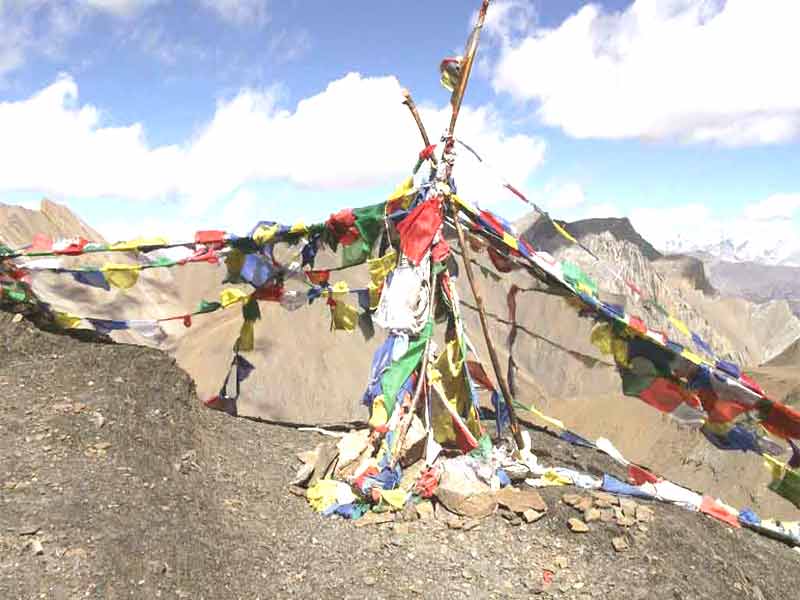
Visitors should behave respectfully around monasteries, religious structures, prayer flags, and sacred sites. Photography may be restricted in some religious buildings, so permission should be requested before taking pictures.
Saldang Village
Saldang is one of the most important traditional settlements in Upper Dolpo. Situated in a dry, high-altitude landscape, it is known for its traditional houses, cultivated terraces, monasteries, and strong cultural connections with the Tibetan plateau.
The village provides a valuable opportunity to learn about local life in one of Nepal’s most isolated regions.
The surrounding landscape consists of open valleys, rocky hills, and barren mountain slopes. This scenery differs significantly from the green forests and lower river valleys encountered earlier in the trek.
Saldang has historically been connected with trade, livestock herding, agriculture, and traditional Himalayan commerce. Local communities have maintained many cultural practices despite the challenges of living in such a remote environment.
Trekkers may explore the village, visit suitable cultural sites, and interact with residents when appropriate.
High Mountain Passes
The Upper Dolpo Trek to Jomsom may involve several high mountain passes, depending on the selected route.
Some itineraries cross passes in the Shey Gompa and Saldang region, while routes continuing toward Chharka and Mustang may include additional high passes.
These crossings provide spectacular views of the surrounding mountains and isolated valleys. However, they also represent some of the most physically demanding sections of the journey.
High passes may have snow, strong winds, loose rocks, and rapidly changing weather. Trekkers should cross them with an experienced guide and avoid continuing when conditions become unsafe.
The route should include adequate acclimatization and contingency days. Exact pass elevations and crossing arrangements should be confirmed against the final itinerary because several alternative routes connect Upper Dolpo with Mustang.
Route from Upper Dolpo to Jomsom
The journey from Upper Dolpo to Jomsom is a long-distance wilderness trek that links remote Dolpo settlements with the Mustang region.
A possible route may include:
Juphal -Dunai -Phoksundo Lake-Ringmo -Shey Gompa–Saldang–Dho Tarap–Chharka Bhot–Sangda to Jomsom.
This is an illustrative route framework rather than a fixed day-by-day itinerary. The order of Dho Tarap, Saldang, and other settlements may differ according to the selected circuit, and not every village is included on every route.
The section toward Chharka and Sangda takes trekkers through remote high-altitude terrain. Facilities are limited, and camping support may be required where suitable teahouses are unavailable.
The final approach to Jomsom connects the remote wilderness of Dolpo with the established settlements and trekking infrastructure of Mustang.
A detailed route assessment is essential before booking because the trek’s length, difficulty, logistics, and total cost depend heavily on the exact passes and valleys selected.
Jomsom is the Gateway to Mustang Trek
Jomsom is the main administrative and transport center of the lower Mustang area. It is situated in the Kali Gandaki Valley and serves as an important gateway for travelers exploring Mustang and the Annapurna region.
After completing the remote stages of Upper Dolpo, arriving in Jomsom provides a welcome opportunity to rest, enjoy local accommodation, and arrange onward transportation.
Jomsom has a different atmosphere from Upper Dolpo. Visitors can find more established lodges, restaurants, shops, and transport services.
From Jomsom, travelers may continue to Pokhara by road or by a scheduled flight when operating conditions permit. Flights can be affected by weather and are not guaranteed, so an additional buffer day is recommended.
Some travelers also choose to continue toward Kagbeni, Muktinath, or other destinations in Mustang, depending on their available time and travel plans.
Trek Difficulty
The Upper Dolpo Trek to Jomsom is considered a challenging to very challenging trek because of its remoteness, high altitude, long duration, and limited facilities.
- Long walking days over uneven terrain.
- High mountain passes and steep ascents or descents.
- Cold nights and significant temperature changes.
- Limited accommodation in remote settlements.
- Camping on sections without suitable lodges.
- Restricted access to medical facilities and emergency services.
- Unpredictable weather and possible route changes.
Previous experience with multi-day high-altitude trekking is strongly recommended. Trekkers should have good endurance and be comfortable walking for several consecutive days while carrying a daypack.
This route is not generally suitable for inexperienced trekkers without careful preparation and professional support.
Best Time for the Upper Dolpo Trek to Jomsom
The best trekking period depends on the route, weather, and pass conditions.
Spring (April to May): Spring can provide suitable conditions for many parts of the trek, although snow may remain on higher passes. Temperatures are generally warmer than in winter, but weather remains variable.
Summer and monsoon (June to August): Upper Dolpo lies in Nepal’s rain-shadow region, making some areas comparatively dry during the monsoon. This is one reason the region can be suitable for summer trekking. However, the access roads, flights, river crossings, and lower sections of the route may still be affected by rain and landslides.
Autumn (September to October): Autumn is a popular period for trekking in Nepal and can offer good visibility and generally favorable conditions. Cold temperatures and snowfall are still possible at high elevations.
Late autumn and winter (November to March): Conditions can become severe, with heavy snow, freezing temperatures, and blocked passes. Many itineraries become difficult or impractical during this period.
For most travelers, late spring or early autumn is worth considering, subject to local conditions and advice from an experienced trekking operator.
Accommodation and Camping
Accommodation arrangements depend on the route and the availability of local facilities.
In some settlements, trekkers may stay in basic teahouses, guesthouses, or community lodges. Facilities can be simple, and private bathrooms, hot showers, and charging services may not be available.
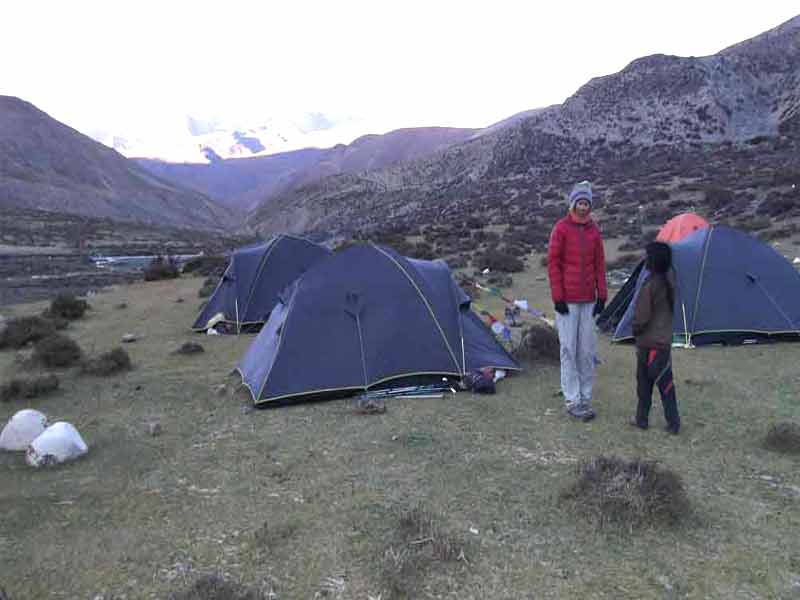
On remote sections, camping may be necessary. A camping-supported trek generally requires tents, sleeping equipment, kitchen supplies, food provisions, and an appropriate support team.
A camping arrangement may include:
- Sleeping tents and suitable sleeping mats.
- A kitchen tent and cooking equipment.
- Meals prepared by a support crew.
- Staff to help establish and manage camps.
- Waste management and sanitation arrangements.
- Porters or pack animals where locally appropriate.
The precise support arrangements should be agreed upon before departure. Remote trekking requires responsible waste disposal and careful use of natural resources.
Food During the Trek
Food availability varies considerably between established villages and remote camping sections.
Where teahouses are available, common meals may include
- Dal Bhat,
- Noodles,
- Rice,
- Soups
- Potatoes,
- Eggs,
- Tibetan bread,
- Seasonal vegetables.
On camping-supported sections, the kitchen crew prepares meals according to the itinerary and available supplies. Breakfast, lunch, dinner, and hot drinks should be planned.
Because fresh produce can be limited in remote locations, the food menu may be simpler than in popular trekking areas.
Trekkers should inform their agency about vegetarian, vegan, allergy-related, or other dietary requirements before departure.
Adequate food and hydration are especially important on long walking days and during high-pass crossings.
Permits and Trekking Regulations
Upper Dolpo is a restricted trekking region, so travelers must meet specific permit and trekking requirements.
Upper Dolpo Restricted Area Permit: Required for entry into the designated restricted area. Fees and permitted durations depend on the current government rules.
Shey Phoksundo National Park entry permit: Required when entering the national park.
Lower Dolpo Restricted Area Permit: This may be required if the selected route enters the designated Lower Dolpo restricted area.
Whether it applies depends on the exact route.
Authorized trekking arrangements: Restricted-area trekking generally requires an authorized trekking agency and a licensed guide, with group-size and permit conditions determined by current regulations.
Trekkers should verify all current requirements before booking. Permit fees, minimum group rules, documentation requirements, and route authorizations can change.
The trekking agency should confirm the applicable permits for the entire route from Dolpo to Jomsom rather than assuming that one permit covers every section.
Transportation and Logistics
The trek commonly starts with travel from Kathmandu to Nepalgunj, followed by a flight to Juphal when scheduled flights are operating. In some circumstances, alternative road or air arrangements may be needed.
Juphal is the main air access point for many Dolpo trekking itineraries, although flight availability and schedules can change according to weather and airline operations.
After the trek, Jomsom offers road and air connections toward Pokhara and other destinations.
Because the route is remote, transportation planning should include contingency days for flight cancellations, weather delays, and road disruptions.
Food supplies, camping equipment, staff arrangements, and luggage transport must be organized in advance. The support plan is a major part of the trek’s safety and overall cost.
Guide and Porter Services
An experienced local guide is particularly valuable on the Upper Dolpo Trek to Jomsom.
A guide can help with route finding, local communication, cultural interpretation, weather decisions, acclimatization planning, and coordination with village accommodation providers.
Porters and camping crew members can carry equipment and supplies, reducing the physical burden on trekkers. The number of staff required depends on the group size, camping arrangements, and the amount of equipment.
A professional trekking agency should explain the responsibilities of each team member, the weight limits for porters, emergency
procedures, and the services included in the package.
Responsible employment practices are important in remote trekking areas, where staff may face the same difficult weather and altitude conditions as the visitors.
Health, Safety, and Acclimatization
Altitude is a major safety consideration on this trek. Several sections pass through high-altitude terrain, and the itinerary may include extended periods above 4,000 metres.
Trekkers should ascend gradually, allow sufficient time for acclimatization, eat regular meals, and remain hydrated.
Possible symptoms of altitude sickness include headache, nausea, dizziness, and unusual fatigue. Anyone developing symptoms should inform their guide and avoid ascending further until appropriately assessed. Severe or worsening symptoms require immediate descent and medical assistance.
Other important precautions include carrying suitable warm clothing, waterproof layers, a first-aid kit, sun protection, personal medication, and a headlamp.
Because medical facilities are limited in remote Dolpo, suitable travel insurance is essential. Insurance should specifically cover trekking at the maximum planned altitude and emergency helicopter evacuation where available and medically necessary.
Travel toward Pokhara, subject to transport availability
Important: This is not a verified day-by-day route and should not be used as a final booking itinerary. Some stages may be geographically inconsistent when combined in this order, and high-pass crossings may require additional days. A specialist local operator must verify the sequence, distances, elevations, camping locations, and feasible daily walking times before the itinerary is advertised or booked.
Frequently Asked Questions
How long does the Upper Dolpo Trek to Jomsom take?
A suitable itinerary often requires around three weeks or longer, depending on the chosen route, acclimatization days, and transport arrangements.
Is the trek suitable for beginners?
It is generally not recommended for beginners without substantial preparation. Previous experience with remote, high-altitude trekking is strongly advised.
Do I need a restricted-area permit?
Yes. Upper Dolpo requires a restricted-area permit, and additional permits may be required depending on the route.
Is camping necessary?
Camping is necessary on some remote sections where suitable teahouses are unavailable. The exact arrangements depend on the selected route.
Can I finish the trek in Jomsom?
Yes, the route can be planned to finish in Jomsom, provided the selected trail is confirmed, and the necessary logistics are arranged.
Is a guide compulsory?
Restricted-area trekking generally requires an authorized agency and licensed guide under current regulations. Confirm the latest rules before departure.
What is the best season?
Late spring and early autumn are often suitable, but the best dates depend on snow, weather, and high-pass conditions.
What equipment should I bring?
Essential equipment includes sturdy trekking boots, warm layers, waterproof clothing, a sleeping bag suitable for cold conditions, trekking poles, a headlamp, sun protection, personal medication, and a comfortable daypack.
Is travel insurance necessary?
Yes. Insurance should cover the maximum trekking altitude and emergency evacuation.
Can the trek be customized?
Yes. The itinerary can be tailored to the group’s experience, available time, cultural interests, preferred camping arrangements, and selected route.
Conclusion
The Upper Dolpo Trek to Jomsom is an exceptional Himalayan adventure for experienced trekkers seeking remote landscapes, traditional Tibetan-influenced culture, sacred monasteries, turquoise lakes, high mountain passes, and a challenging journey across western Nepal.
From the remarkable beauty of Phoksundo Lake and the cultural significance of Shey Gompa to the traditional settlements of Saldang and the dramatic landscapes toward Mustang, this trek offers a rare opportunity to discover a less-traveled part of the Himalayas.
Reaching Jomsom provides a rewarding conclusion to the journey, connecting the remote wilderness of Dolpo with the established trekking routes of Mustang.
With appropriate permits, an accurately verified itinerary, experienced local guides, camping and transportation support where needed, and careful acclimatization, the Upper Dolpo Trek to Jomsom can become one of the most memorable trekking experiences in Nepal.
| Day | Destination | Altitude | Walking Hour | Accommodation |
|---|---|---|---|---|
| 1 | Arrival Kathmandu and transfer to hotel | 1300 | one hour drive from airport to hotel | Hotel in Kathmandu |
| 2 | Upper Dolpo trek management day | 1300 | Visit | Hotel in Kathmandu with breakfast |
| 3 | Kathmandu to Nepal Gung | 492 | one hours flight to Nepalgunj | Tent Camping |
| 4 | Nepalgunj to Juphal, Dunai | 2140 | 2-3-hours | tent Camping |
| 5 | Dunai to Chhepka | 2720 | 5-6-hours | Tent Camping |
| 6 | Chhepak to Richi | 2940 | 6-hours | Tent Camping |
| 7 | Richi to Phoksundo Lake | 3641 | 6-hours | Tent Camping |
| 8 | Rest day | 3641 | Visit to Lake | Tent Camping |
| 9 | Nagda la Base camp | 4500 | 5-7-hours | Tent camping |
| 10 | Nangdala Base camp to Shey Gompa via Nagdala Pass (5350m) | 4320 | 6-7-hours | Tent Camping |
| 11 | Shey Gompa to Saldang | 3770 | 5-6-hours | tent Camping |
| 12 | Rest Day at Saldang | 3770 | Visit -3-5 hours | Tent Camping |
| 13 | Saldang-Num Gan | 3360 | 4-6-hours | Tent Camping |
| 14 | Num Gaon-Yagzer Gompa | 3855 | 4-5hours | Tent Camping |
| 15 | Yangzer Gompa-Musi Gaon (via 5100 Pass | 4350 | 6-7-hours | tent Camping |
| 16 | Musi Gaaon -Shim | 3450 | 5-7-hours | Tent Camping |
| 17 | Shim Gaon to Tenje | 3900 | 5-7-hours | Tent Camping |
| 18 | Tenje to Keng Khola | 3600 | 6-7-hours | Tent Camping |
| 19 | Keng Khola -Charka Bhote | 4120 | 7-8-hours | Tent Camping |
| 20 | Chharka Bhote Yak Kharka | 4660-via 5150 pass | 6-7-hours | tent Camping |
| 21 | Yak Kharka Sangdala Phedi | 4800 | 6-7-hours | Tent Camping |
| 22 | Sangdala Phedi via Sangda Pass (5420m) Sandala village | 3800 | 6-7-hours | Lodge or Camping |
| 23 | Sangdala to Jomsoom | 2720 | 4-5 hours | Lodge |
| 24 | Flight to Pokhar from Jomsom | 900 | 20-25 minutes | Hotel in Pokhara Lakside |
| 25 | Pokhara to Kathmandu-Bus | 1300 | 7-8 hours | Hotel in Kathmandu |
| 26 | Free day | 1300 | Free visit | Hotel include with breakfat |
| 27 | After breakfast drive to Kathmandu international airport for your final departure. | Departure Day | Flight out from Nepal | In your Home |
Upper Dolpo trek cos 3952 per t $person
cost includes
- Arrival and departure Transport Car/Van/ Hiace.
- Hotel in Kathmandu 4 Nights with bed and breakfast.
- Dining Tent, Toilet tent, Two Men Tent, Mattress, and Kitchen Equipment.
- BREAKFAST/ Eggs Items, Toast or Tibetan bread or Pancakes or Chapati, with honey, Jam, or butter.or Muesli.Cornflakes with hot Milk.
- LUNCH/ Nepali Dalbhat, Momo, or other (Items).
- DINNER/ (Soup Items) Vege or Mushroom or Tomato or Chicken or Noodles with papad or popcorn, Dinner, Spaghetti, Sandwich or Chips, Pizza or Macaroni or Chwmen or spring roll.
- HOT DRINKS/ Balck tea with milk, Black coffee with milk, Lemon tea, or hot chocolate.
- Licenses ‘holder Trekking Guide, Cook and Necessary Porters insurance, food, Salary, and accommodation.
- Hotel in Nepalgunj 1 Night with dinner.
- 1 Night hotel in Pokhara with bed and breakfast.
- Lower Dolpo Trekking Permit 10: US$ Per person.
- 13 Days Upper Dolpo Special Trekking Permit 650: US$ per person.
- Dolpo and Annapurna National park Permit.5500 Nepali RS Per person.
- Official Equipment Such as Fix Rope, Ice screw and Snow bar.
- Kathmandu-Nepalgunj -164-US$ Per person.
- Nepalgunj-Juphal -164-US$ Per person.
- Jomsom -Pokhara -125-US$ Per person.
- Pokhara-Kathmandu Tourist bus.
Upper Dolpo Trekking cost excludes
- Lunch, and Dinner in Kathmandu and Pokhara.
- Your Travel Insurance Policy encase if an accident or high altitude sickness.
- Your Trekking Equipment.
- Nepal entry visa fee 15 Days 30 US$ and for the 30 Days 50 US$, you can obtain your visa in Kathmandu airport if you have not taken from your country.
- Soft and hard drinks Such as Beer, Coke, Fanta, and Mineral waters.
- Tips for guide and Porters.
- Please bring with you 3 Passport size pictures
June to September
Day time normal and during Night 3-12 degree.
Including 11 days of Special trekking permits, one week of Lower Dolpo Trekking permit, the Upper Mustang trek costs $ 3,242 per person based on a minimum of two people.
Phoksandu National park Permit. ACAP Annapurna park Lower and Upper Dolpo Especial Trekking permit
Yes, If you take a Guide and porter, and camping gear then a very safe trip for the Upper Dolpo trekking. It is better to book your trip with an agency if something happens then easy to solve any problem and full responsibility from Trekking agency.
Camping Service
Chinese, Nepali, Tibetans, Indian and Italian dish with coffee and Tea
5/9 hours of walking per day.
Nagda La pass (5,350m) Sela pass (5,009m) Lang la pass (5,240m) Nawla pass (4,500m) Chharka pass (5,036m) Thujeng la pass (5,490m) Sangda la pass (5130m)
It is far west of the Nepal border of Tibet.
Thy Speaks little Nepali and well speaks Tibetan.
Passport photocopy (should be very clear with color scan) and validity minimum 6 months. 2 passport size photo. Occupation. Home details address. Insurance copy
During the Upper Dolpo trek, you need to fly 3 times-Kathmandu -Nepalgunj-Juphal and Jomsom to Pokhara
Normally, you need to bring with you flowing equipment. +, walking boot If possible Gore tax boot is better. + Warm socks and Gaiters in case of rain or snow. + Day carry bag and Down Jacket over 4,000 meters. + Sleeping bag and others which are not mansions here.
Feels like hangover & Feeling not good/ Headache/ Shortness of Breath/ Loss of appetite/ Sleep not good/ vomiting/ fevers etc.
Altitude Chart
Reviews

Trek du Haut Dolpo Je suis Accompagnateur en Montagne professionnel et membre...
Read More