Upper Mustang Trek -
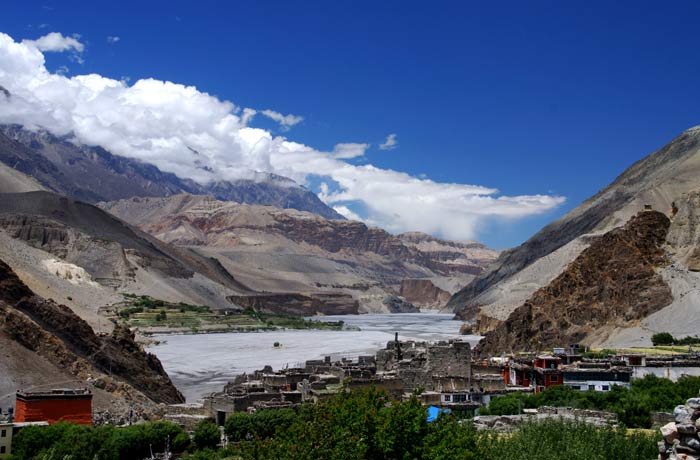
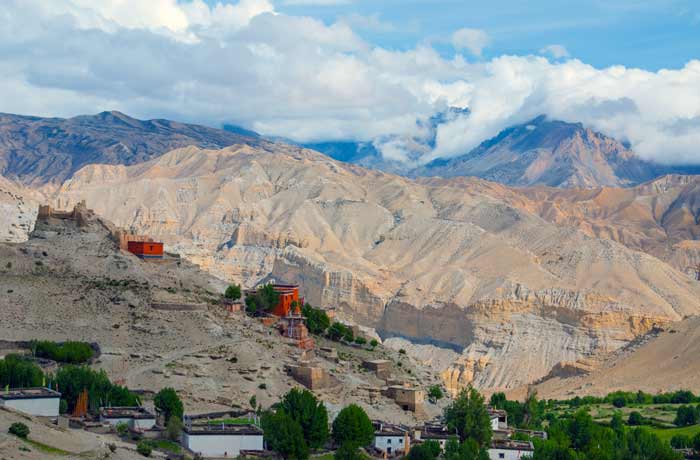
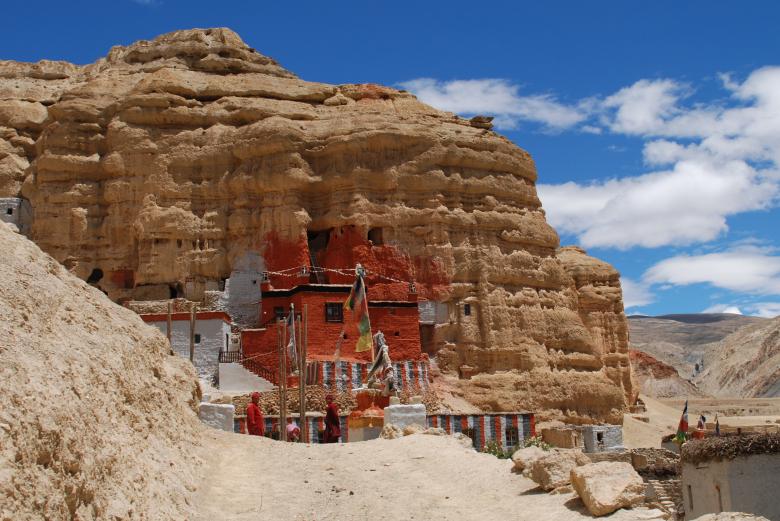
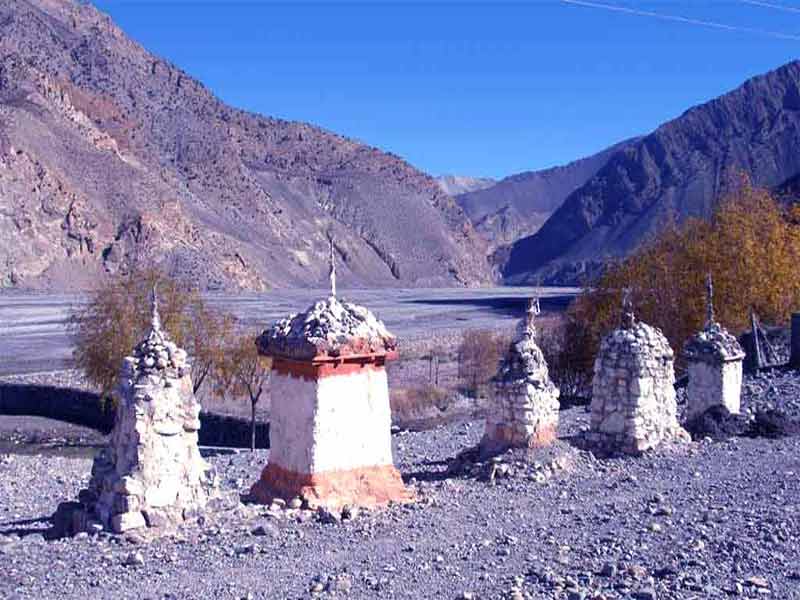
The Upper Mustang Trek from Kagbeni via Yara to Muktinath is one of the most fascinating and culturally rich trekking journeys in Nepal. Located in the rain-shadow region of the Annapurna and Dhaulagiri ranges, Upper Mustang is famous for its dramatic desert-like landscapes, ancient Tibetan Buddhist culture, medieval villages, caves, monasteries, colorful rock formations, and traditional settlements.
This trek begins at Kagbeni, the traditional gateway to Upper Mustang, and follows remote trails through the Kali Gandaki valley and the high-altitude landscapes of Mustang. The route passes through beautiful villages and remarkable places such as Chele, Syangboche, Ghami, Tsarang, Lo Manthang, Dhi Gaon, Yara, Tange, Tetang, and finally reaches Muktinath.
Unlike the more popular trekking areas of Nepal, Upper Mustang has a distinct Tibetan-influenced culture that has remained relatively well preserved. The landscape changes dramatically as you move north from Kagbeni, with barren hills, cliffs, deep gorges, eroded rock formations, and wide high-altitude valleys. The trek provides an opportunity to experience a unique combination of natural beauty, ancient history, Buddhist traditions, and mountain adventure.
Upper Mustang Trek Highlights
Explore the ancient walled city of Lo Manthang
Trek through the remote villages of Upper Mustang
Visit traditional Tibetan-style settlements
Discover ancient Buddhist monasteries and chortens
Explore the remarkable landscapes around Yara
Experience the traditional culture of Mustang
Walk through dramatic cliffs, caves, and eroded landscapes
Enjoy views of the Annapurna, Nilgiri, Dhaulagiri, and other Himalayan peaks
Cross high passes and rugged mountain trails
Visit the sacred pilgrimage site of Muktinath
Experience the unique rain-shadow landscape of the Kali Gandaki region
Combine cultural exploration with a challenging Himalayan trek
Where Is Upper Mustang?
Upper Mustang is located in the northern part of Nepal’s Mustang District, north of the Annapurna and Dhaulagiri mountain ranges. The region lies close to the Tibetan Plateau and has strong cultural and geographical connections with Tibet.
The trek normally begins from Kagbeni, at an altitude of approximately 2,800 meters. From Kagbeni, the trail enters the restricted Upper Mustang region and gradually climbs toward the high valleys and villages of northern Mustang.
The area is famous for its dry climate and spectacular desert-like scenery. Because the Annapurna and Dhaulagiri ranges block much of the monsoon rainfall, Upper Mustang receives significantly less precipitation than many other parts of Nepal.
Kagbeni – Gateway to Upper Mustang
Kagbeni is a historic village situated at the junction of the Kali Gandaki River and the route leading toward Upper Mustang. The village has narrow lanes, traditional stone and mud houses, prayer wheels, chortens, and an ancient Buddhist atmosphere.
Kagbeni is also an important cultural and geographical starting point for the Upper Mustang trek. Trekkers normally complete the required formalities here before continuing north toward the restricted area.
From Kagbeni, the trail follows the Kali Gandaki valley before climbing through increasingly dry and rugged landscapes.
Trekking Through the Upper Mustang Landscape
The landscape of Upper Mustang is completely different from the green valleys found in many lower-elevation areas of Nepal. As the trail moves north, the scenery becomes increasingly dry, with large cliffs, sandy slopes, red and brown rock formations, deep valleys, and exposed mountainsides.
The wind can be strong, particularly during the afternoon. The combination of high altitude, dry air, and strong sunlight makes proper preparation important.
The trail also passes through many traditional villages where houses are generally built from stone, mud, and other locally available materials. These settlements reflect the traditional lifestyle of the Mustang region.
Chele and the Northern Trail
After leaving Kagbeni, the trek continues through the lower section of Upper Mustang toward Chele. The trail gradually climbs above the Kali Gandaki valley and provides impressive views of the surrounding mountains and dry hills.
Chele is a traditional village with whitewashed houses and Buddhist cultural features. From Chele, the route continues through high mountain terrain toward Syangboche and other settlements.
The changing landscape and increasing altitude make this section an important part of the trekking experience.
Ghami and Tsarang
Ghami is one of the traditional villages of Upper Mustang and is surrounded by spectacular barren hills. The village is well known for its Buddhist monuments, including a long mani wall decorated with prayer inscriptions.
The trail then continues toward Tsarang, another historically important settlement. Tsarang has traditional houses, monasteries, chortens, and an impressive landscape overlooking the surrounding valleys.
The combination of ancient architecture and dramatic mountain scenery makes this section particularly interesting for photographers and cultural travelers.
Lo Manthang: The Ancient Capital of Mustang
One of the major attractions of Upper Mustang is Lo Manthang, the historic walled settlement that served as the traditional capital of the Kingdom of Lo.
Lo Manthang is surrounded by high mountains and dry valleys and contains narrow streets, traditional houses, monasteries, temples, and historic structures. The settlement provides an opportunity to learn about the unique cultural heritage of Mustang.
Trekkers can spend time exploring the old town, visiting monasteries, observing traditional architecture, and interacting respectfully with local communities.
The surrounding region also contains numerous caves and archaeological sites. Some caves are located high in the cliffs and are associated with the ancient history and religious traditions of the Mustang region.
Lo Manthang to Yara
After exploring the Lo Manthang area, the trek continues toward Yara, one of the most interesting and remote villages on the route.
The trail crosses rugged terrain with spectacular views of cliffs, valleys, and unusual geological formations. Yara is known for its traditional houses and its location among dramatic dry mountain landscapes.
The region around Yara is also famous for ancient cave settlements carved into cliffs. These caves are an important part of Mustang’s archaeological and cultural heritage.
Yara offers a peaceful experience away from the busier trekking routes and provides a closer look at the traditional lifestyle of the remote Mustang communities.
Yara Village and Its Cultural Importance
Yara is one of the highlights of this trekking route because of its remote location and traditional atmosphere. The village is surrounded by barren mountains and deep valleys.
Visitors can observe traditional houses, agricultural fields, Buddhist monuments, and local ways of life. Depending on the season, villagers may be engaged in farming, animal husbandry, or other traditional activities.
The area around Yara demonstrates how communities have adapted to living in a high-altitude, dry environment where water and fertile land are limited.
Yara to Tange
The route from Yara toward Tange is one of the more adventurous sections of the trek. The trail passes through remote valleys and rugged terrain, with long stretches where settlements are limited.
This section requires good physical preparation because walking distances can be considerable and the terrain is often rough. Trekkers should carry adequate water and follow the guidance of their guide regarding trail conditions and rest points.
The landscape remains spectacular throughout the journey, with enormous cliffs, dry river valleys, and colorful rock formations.
Tange to Tetang
From Tange, the trail continues through a remote section toward Tetang. This area offers a different perspective of Mustang, with wide valleys and mountain landscapes stretching toward the Annapurna region.
The route eventually connects with the lower Mustang trekking area. Tetang is a traditional settlement located near the route toward Muktinath.
After several days in the remote Upper Mustang region, reaching Tetang marks the transition toward the more accessible pilgrimage and trekking areas around Muktinath.
Muktinath: A Sacred Himalayan Destination
The final major destination of this trek is Muktinath, one of the most important pilgrimage sites in Nepal.
Muktinath is sacred to both Hindus and Buddhists. The temple area contains religious shrines, natural water springs, and the famous eternal-flame area associated with natural gas.
For Hindu pilgrims, Muktinath is an important pilgrimage destination associated with Lord Vishnu. Buddhists also consider the area highly sacred.
The journey to Muktinath provides a meaningful conclusion to the Upper Mustang adventure, combining Himalayan scenery, culture, religion, and history.
Mountain Views
The Upper Mustang trek provides impressive views of several Himalayan ranges and peaks. Depending on the location, weather, and visibility, trekkers may see mountains including Nilgiri, Annapurna, Dhaulagiri, Tilicho, and other surrounding peaks.
However, Upper Mustang is especially famous for its landscapes rather than only its high mountain summits. The cliffs, canyons, caves, dry valleys, and colorful rock formations create scenery that is very different from other trekking regions of Nepal.
Culture and Local Lifestyle
The culture of Upper Mustang is strongly influenced by Tibetan Buddhism. Prayer flags, mani walls, chortens, monasteries, prayer wheels, and Buddhist paintings are common throughout the region.
Many villages have preserved traditional architecture and local customs. Agriculture and animal husbandry remain important to local communities, although modern transportation and tourism have gradually changed aspects of daily life.
Travelers should respect local customs, religious sites, monasteries, photography restrictions, and community traditions during the trek.
Upper Mustang Trek Permit Cost
Upper Mustang is a restricted trekking area, so trekkers require a special permit in addition to the regular conservation-area or related trekking permits required for the route.
The Restricted Area Permit (RAP) for Upper Mustang is generally charged at USD 50 per day
Permit regulations and fees can change, so the exact amount should be confirmed with the relevant Nepal immigration authorities or an authorized trekking agency before departure.
In addition to the restricted-area permit, trekkers may need the applicable Annapurna Conservation Area Permit (ACAP) for the sections of the journey covered by the conservation area.
Annapurna Conservation Area Permit: applicable according to current government regulations
The restricted-area permit must be arranged through an authorized trekking agency, and independent trekking is not permitted in the same way as unrestricted trekking areas. Trekkers should travel with a licensed guide and comply with the current group and permit requirements.
Upper Mustang Trek Cost
The total cost of the Upper Mustang Trek depends on the number of trekking days, group size, transportation, accommodation, guide and porter services, permits, food, and other arrangements.
A typical package may include:
Upper Mustang Restricted Area Permit
Conservation-area permit where applicable
Licensed trekking guide
Porter service if required
Guide and porter wages
Accommodation during the trek
Meals during the trekking period
Kathmandu or Pokhara transportation according to the itinerary
Local transportation
Guide and porter insurance
Trekking agency service charges
Government taxes
Necessary trekking documentation
These packages may also include domestic flights, while others use road transportation between Pokhara, Jomsom, and the trekking starting or ending points.
Because transportation and permit costs can change, it is advisable to request a current quotation based on the exact number of trekking days and group size.
Accommodation During the Trek
Accommodation in Upper Mustang is generally provided by local teahouses, lodges, and guesthouses. The facilities are more basic in remote villages than in popular trekking areas such as the Everest region.
Rooms are generally simple, often with twin beds and shared bathroom facilities. In some villages, private rooms may be available depending on the lodge.
Trekkers should not expect luxury accommodation in the remote sections around Yara and Tange. The basic facilities are part of the experience of traveling through one of Nepal’s most remote cultural regions.
Food and Drinking Water
Local lodges generally provide meals such as dal bhat, noodles, rice, vegetables, soup, Tibetan bread, pasta, eggs, and other basic trekking foods.
Dal bhat is particularly useful for trekkers because it provides a filling combination of rice, lentils, vegetables, and other side dishes.
Because some sections are remote, food choices can be more limited than in major trekking centers. Trekkers should carry some personal snacks and follow their guide’s recommendations regarding drinking water.
Difficulty of Upper Mustang Trek
The Upper Mustang Trek is considered a moderate to challenging trek, depending on the itinerary and the number of walking hours each day.
The main challenges include:
Dry and windy conditions
Long walking days
Rough and rocky trails
Steep ascents and descents
Remote sections with limited facilities
Cold temperatures at higher elevations
Strong sunlight and dry air
Previous trekking experience is helpful, but trekkers with good physical fitness and appropriate acclimatization can complete the route with proper preparation.
Best Time for Upper Mustang Trek
The best seasons for the Upper Mustang Trek are generally spring and autumn.
Spring – March to June
Spring provides relatively stable weather and pleasant trekking conditions. The skies are often clear, and daytime temperatures are suitable for walking.
Autumn – September to November
Autumn is another excellent trekking season. The monsoon period has generally ended, and the mountain landscapes are often clear.
Summer & Monsoon
Upper Mustang lies in the Himalayan rain shadow, so it receives less monsoon rainfall than many other parts of Nepal. This makes the region one of the few Himalayan trekking destinations suitable for trekking during parts of the monsoon season. However, road and trail conditions should still be checked before departure.
Mustang trek in Winter
Winter can be extremely cold, especially in the higher villages. Snow and freezing temperatures may affect some sections, and some local lodges may close during the coldest period.
Why Trek Upper Mustang via Yara to Muktinath?
The route from Kagbeni via Yara to Muktinath offers a combination of cultural discovery, remote trekking, dramatic landscapes, and pilgrimage.
It allows trekkers to experience both the classic Upper Mustang environment and the less-traveled areas around Yara and Tange. The route provides opportunities to explore ancient villages, Buddhist monuments, caves, high valleys, and traditional settlements.
The final arrival at Muktinath adds a spiritual dimension to the journey and connects the remote Upper Mustang region with one of Nepal’s most important pilgrimage destinations.
Responsible Trekking in Upper Mustang
Upper Mustang is culturally and environmentally sensitive, so responsible tourism is very important.
Respect local religious customs
Ask permission before photographing people
Avoid damaging ancient monuments or caves
Follow designated trekking trails
Avoid littering
Use water responsibly
Respect monasteries and religious ceremonies
Support locally owned lodges and businesses
Follow the instructions of local guides and authorities
Responsible trekking helps protect the cultural heritage and fragile environment of Mustang for future generations.
Conclusion during the trek
The Upper Mustang Trek from Kagbeni via Yara to Muktinath is an extraordinary Himalayan adventure combining ancient culture, dramatic landscapes, Buddhist heritage, remote villages, and sacred pilgrimage sites.
Starting from Kagbeni, the journey takes trekkers deep into the restricted region of Upper Mustang, passing through traditional settlements, monasteries, high mountain valleys, cliffs, caves, and the historic city of Lo Manthang. Continuing toward Yara and Tange provides a more remote and adventurous experience before the trail reaches Tetang and finally Muktinath.
With proper permits, a licensed guide, suitable equipment, good physical preparation, and respect for local culture, this trek offers an unforgettable opportunity to discover one of Nepal’s most distinctive and culturally preserved Himalayan regions.
Upper Mustang Trek Equipment List
Upper Mustang is a high-altitude, dry, and windy region, so you should prepare for strong sun, cold nights, dust, and changing mountain weather.
1. Clothing for trek
Waterproof and windproof jacket
Warm down jacket
Fleece jacket
Thermal innerwear (1–2 sets)
Trekking T-shirts (2–4)
Long-sleeve trekking shirts (2)
Trekking trousers (2–3 pairs)
Warm trekking pants
Waterproof trousers
Underwear and sports socks
Warm woolen socks (2–3 pairs)
Lightweight gloves
Warm fleece or woolen gloves
Sun hat/cap
Warm woolen hat/beanie
Buff or neck gaiter
2. Footwear for the trek
Comfortable trekking boots with good ankle support
Lightweight camp shoes/sandals
Gaiters, especially for dusty or snowy conditions
Spare shoelaces
3. Sleeping & Personal Items
Sleeping bag suitable for cold temperatures
Sleeping bag liner (optional)
Trekking towel
Headlamp with spare batteries
Water bottle or hydration bladder
Sunglasses with good UV protection
Sunscreen (SPF 30–50+)
Lip balm with sunscreen
Personal toiletries
Quick-drying hand towel
4. Trekking & Navigation Gear
Comfortable daypack (25–35 liters)
Duffel bag for porter
Trekking poles
Waterproof backpack cover
Dry bags or waterproof packing bags
Small padlock for luggage
Headlamp
Map or GPS device/phone with offline maps
Power bank
Universal charging adapter
5. Health & First-Aid
Personal prescription medicines
Basic first-aid kit
Blister treatment/plasters
Pain-relief medicine
Antiseptic wipes
Bandages
Hand sanitizer
Water purification tablets or filter
Reusable water bottle
Basic altitude-awareness supplies as advised by a qualified medical professional
6. Documents & Money
Passport
Required trekking permits
Travel insurance documents
Passport-size photographs
Copies of important documents
Emergency contact information
Nepali rupees in cash, particularly for remote villages
7. Electronics
Mobile phone
Camera
Spare batteries
Power bank
Charging cables
Universal adapter
Small waterproof pouch for electronics
8. Optional Items
Binoculars
Camera tripod
Lightweight travel pillow
Book or e-reader
Snacks, energy bars, or chocolate
Small sewing/repair kit
Walking gaiters
Lightweight rain poncho
Important for Upper Mustang
Sun protection and wind protection are particularly important. The Mustang region is very dry and exposed, so sunglasses, sunscreen, a hat, buff, and windproof clothing are useful. Temperatures can become cold at higher elevations and at night, even when daytime conditions are sunny.
If you are trekking with a guide and porter, keep your daily essentials-water, jacket, camera, documents, sunscreen, snacks, and personal medicine-in your daypack, while heavier equipment can go in the porter’s duffel bag.
| Day | Destination | Altitude | Walking Hour | Accommodation |
|---|---|---|---|---|
| 1 | Arrival Kathmandu and transfer to hotel | 1300 | One hour drive from airport to hotel | Hotel in Kathmandu |
| 2 | Trekking preparation Day | 1300 | Permits Esuing Day. | Hotel in Kathmandu with B&B Service |
| 3 | Kathmandu to Pokhara | 900 | 7-8-hours bus | Hotel in Pokhara |
| 4 | Pokhara Jomsom flight and trek to Kagbeni | 2810 | 3-4-hours | Lodge |
| 5 | Kagbeni to Chile | 3050 | 5-6 hours | Lodge |
| 6 | Chile to Ghilling | 3570 | 6-7-hours | Lodge |
| 7 | Syangboche to Ghami | 3520 | 5-hours | Lodge |
| 8 | Ghami to Tsarang | 3560 | 5-hours | Lodge |
| 9 | Tssrang to Lhomanthang | 3840 | 4-5-hours | Lodge |
| 10 | Visit to Mustang City | 3840 | 5-6-hours | Lodge |
| 11 | Lhomanthang to Yara | 3650 | 5-6-hours | Lodge |
| 12 | Yara to Tangya | 3240 | 5-6-hours | Lodge |
| 13 | Tangya to Ti Tang | 3067 | 5-6-hours | Lodge |
| 14 | Ti Tang to Muktinath | 3800 | 5-6-hours | Lodge |
| 15 | Muktinath to Jomsam | 2700 | 5-hours | Lodge |
| 16 | Jmsom to Pokhara | 900 | 25 Minutes plane to Pokhara | Hotel in Pokhara |
| 17 | Pokhara to Kathmandu | 1300 | 7-hours bus | Hotel in Kathmandu |
| 18 | Day Free in Kathmandy | 1300 | Free walking | Hotel in Kathmandu with B&B Service |
| 19 | Departure day | After breakfast drive to the Kathmandu airport | Flight out from Nepal | At Your Home |
Upper Mustang Trekking cost 1953 $ Per Person
cost includes
- Arrival & departure transport service in Kathmandu.
- Hotel in Kathmandu with bed and breakfast 4 nights.
- Annapurna Conservation park permit 2,000 rs per person.
- A plane ticket from Pokhara-Jomsom and to Pokhara 250 $ per person.
- A day three times meals-Breakfast, Lunch and Dinner during the trek.
- 3,200 Rs per day per member for meals and Lodge accommodation.
- English- speaking –Government licensed holder trekking guide.
- Over the 6 Pax group, we will provide you experience mountain Leader, who has the best trained Hotel Management (NATHM) Mountain Leader Course, Component 1-2, Navigation Course, Rock climbing Course, Mountain rescue Training and Basic Mountaineering training, etc.
- Necessary porters-Insurance, Salary and they are accommodation during the trek.
- Company paper working and Government taxes etc.
- Hotel in Pokhara bed and breakfast 2 Nights.
- Kathmandu-Pokhara-Kathmandu by Tourist bus.
- (Mustang Special) Trekking Permit 500 $ per person.
Upper Mustang Trekking cos exludes
- Lunch, Dinner in Kathmandu and Pokhara
- Your Travel Insurance Policy if encase accident and high altitude sickness.
- International airfare.
- Nepal entry visa fee 15 Days 30 US$ and for the 30 Days 50 US$, you can obtain your visa in Kathmandu airport if you have not taken from your Country.
- We will require 2 Passport size photos.
- Soft and hard drinks Such as Beer, Coke, Fanta and Mineral water.
- Personal Trekking Equipment.
- Tips for Trekking staff.
June to September
Day time normal and during Night 1-4 degree. Much wendy
Including ten days of Special trekking permits, the Upper Mustang trek costs $ 1953 per person based on a minimum of two people.
Annapurna National park permit and Upper Mustang especial Trekking Permit.
Yes, If you take a Guide and porter then very safe trip all the trekking in Nepal. It is better to book your trip with an agency if something happens then easy to solve any problem and full responsibility from Trekking agency.
Tea house Lodge Service
Chinese, Nepali, Tibetans, Indian and Italian dish.
5/6 hours of walking per day.
Yeas, We can See Dhaulagiri (8,167m), Tukche peak (7,135m), Nilgiri (7,061m), Thorang peak (6,420m) and part of the Damodar Kunga
Maximum (3,800m)
Passport photocopy (should be very clear with color scan) and validity minimum 6 months. 2 passport size photo. Occupation. Home details address. Insurance copy
Normally, you need to bring with you flowing equipment. + walking boot If possible Gore tax boot is better. + Warm socks and Gaiters in case of rain or snow. + Day carry bag and Down Jacket over 4,000 meters. + Sleeping bag and others which are not mansions here.
Arrival & departure transport service in Kathmandu. Hotel in Kathmandu with bed and breakfast 4 nights. Annapurna Conservation park permit 2,000 rs per person. A plane ticket from Pokhara-Jomsom and to Pokhara 250 $ per person. A day three times meals-Breakfast, Lunch and Dinner during the trek. 3,200 Rs per day per member for meals and Lodge accommodation. English- speaking –Government licensed holder trekking guide. Over the 6 Pax group, we will provide you experience mountain Leader, who has the best trained Hotel Management (NATHM) Mountain Leader Course, Component 1-2, Navigation Course, Rock climbing Course, Mountain rescue Training and Basic Mountaineering training, etc. Necessary porters-Insurance, Salary and they are accommodation during the trek. Company paper working and Government taxes etc. Hotel in Pokhara bed and breakfast 2 Nights. Kathmandu-Pokhara-Kathmandu by Tourist bus. (Mustang Special) Trekking Permit 500 $ per person.
Altitude Chart