Ramdung peak climbing -

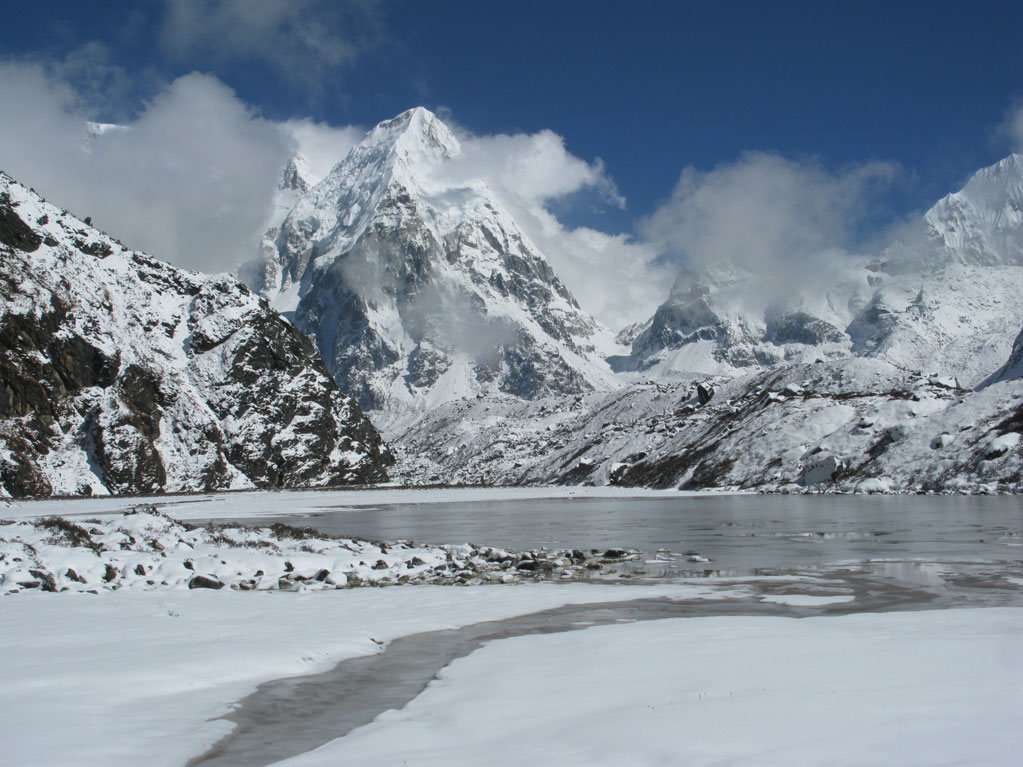


Ramdung Peak Climbing is an exciting mountaineering adventure in Nepal’s beautiful Rolwaling region. It is an excellent choice for trekkers and aspiring mountaineers who want to experience Himalayan climbing, Remote Mountain landscapes, traditional villages, glaciers, and spectacular snow-covered peaks. Located in the Rolwaling Himal, Ramdung Peak offers a combination of trekking, high-altitude camping, glacier travel, and a challenging summit experience.
Ramdung Peak, also known as Ramdung Go, rises to approximately 5,925 meters above sea level. It is situated in the mountain region west of the Khumbu Himal and south of the Tashi Lapcha Pass area. The surrounding landscape features rugged mountain ridges, deep valleys, rocky trails, alpine meadows, and impressive Himalayan panoramas.
The Ramdung Peak climbing expedition is suitable for adventurous travelers with good physical fitness, a positive attitude, and a willingness to learn basic mountaineering skills. Previous trekking experience at high altitude is highly recommended. Although it is considered a trekking peak, climbing conditions can be demanding and depend on snow, ice, weather, and the route selected.
During the journey, climbers can experience the cultural richness of Nepal’s mountain communities while exploring one of the less crowded Himalayan trekking destinations. With a professional climbing guide, proper acclimatization, suitable equipment, and careful planning, Ramdung Peak can become an unforgettable Himalayan adventure.
Where Is Ramdung Peak Located?
Ramdung Peak lies in the Rolwaling Himalayan region of northeastern Nepal, within the Gaurishankar area. The region is known for its remote valleys, traditional Sherpa settlements, dramatic mountain scenery, and challenging trekking routes.
Unlike the busy trails of the Everest Base Camp region, the Rolwaling Valley generally offers a quieter and more secluded experience. Trekkers pass through forests, river valleys, terraced fields, suspension bridges, and traditional villages before reaching the higher alpine landscapes.
The region also provides access to other well-known mountaineering and trekking destinations, including Tashi Lapcha Pass and Pachermo Peak. However, combining these destinations with Ramdung Peak requires careful itinerary planning, appropriate permits, and additional acclimatization.
The journey to Ramdung Peak allows visitors to explore a less commercialized side of Nepal while enjoying breathtaking views of the surrounding Himalayan mountains.
Highlights of Ramdung Peak Climbing
- The Ramdung Peak climbing expedition offers many memorable experiences.
- Climb Ramdung Peak to approximately 5,925 meters.
- Explore the remote and beautiful Rolwaling Valley.
- Experience traditional Himalayan villages and local culture.
- Walk through forests, riverside trails, and alpine landscapes.
- Enjoy panoramic views of snow-covered Himalayan peaks.
- Learn basic mountaineering techniques from an experienced climbing guide.
- Experience glacier travel and high-altitude climbing where conditions require.
- Enjoy a remote camping experience in the mountains.
- Discover the natural beauty of the Gaurishankar region.
- Experience a less crowded alternative to some of Nepal’s busier trekking areas.
- Photograph spectacular mountain scenery, glaciers, and high-altitude valleys.
- Combine trekking adventure with a challenging Himalayan summit.
The main attraction is the summit attempt, but the journey through the Rolwaling Valley is equally rewarding.
Ramdung Peak Climbing Route
A typical Ramdung Peak climbing itinerary begins in Kathmandu and continues by road to the trailhead in the Rolwaling region. Depending on road conditions, the selected route, and the expedition operator, the approach may start around Chet Chet or another suitable access point.
From the trailhead, trekkers follow mountain trails through villages and forested valleys before reaching the higher settlements of the Rolwaling region.
A common approach includes the following destinations:
- Kathmandu
- Chet Chet or the selected road-access trailhead
- Simigaon
- Dongang
- Beding
- Na
- Ramdung Peak Base Camp
- Ramdung Peak summit
- Return through the Rolwaling Valley
- Drive back to Kathmandu
The exact route and camping locations may vary depending on the climbing conditions and the expedition team’s preferred approach. Some itineraries may also include additional acclimatization days or a longer exploration of the Rolwaling Valley.
The journey requires flexibility because mountain weather, trail conditions, and snow coverage can affect the planned schedule.
Kathmandu Arrival and Expedition Preparation
Your adventure begins in Kathmandu, Nepal’s capital city. Upon arrival, you will be welcomed by your trekking agency representative and transferred to your hotel.
Kathmandu is an important place for expedition preparation. You can check your climbing equipment, organize personal belongings, meet your guide, and attend a briefing about the climbing route.
The expedition team should review the itinerary, emergency procedures, insurance arrangements, equipment requirements, and expected climbing conditions. Your guide will explain the importance of acclimatization and the need to follow a gradual ascent.
If any climbing equipment is missing, you may be able to rent or purchase suitable items in Kathmandu.
It is also important to confirm road transportation, accommodation, permits, and the arrangements for guides, porters, and camping staff before leaving the city.
Trekking Through the Rolwaling Valley
The trek through the Rolwaling Valley is one of the most beautiful parts of the Ramdung Peak expedition.
The lower section of the route passes through green hills, forests, rivers, and traditional settlements. The trail includes stone steps, suspension bridges, narrow paths, and occasional steep ascents.
As you gain elevation, the landscape gradually changes. Dense forests give way to alpine vegetation, rocky slopes, open mountain valleys, and snow-covered peaks.
Villages such as Simigaon and Beding offer opportunities to observe traditional mountain lifestyles. Local communities have a close relationship with the surrounding mountains, and visitors can learn about their customs, architecture, and daily activities.
The higher settlement of Na is an important location for acclimatization and preparation before continuing toward the climbing area.
Walking hours vary depending on the day’s destination, elevation gain, trail conditions, and individual fitness. Some trekking days may require approximately five to seven hours of walking, while shorter acclimatization days may involve less activity.
Beding and Na: Important Stops for Acclimatization
Beding is one of the principal settlements in the Rolwaling Valley. Surrounded by impressive mountains, it provides a valuable opportunity to rest and experience the culture of this remote Himalayan region.
From Beding, the trail continues toward Na, a high-altitude settlement that serves as an important staging point for journeys into the upper Rolwaling Valley.
Spending adequate time at higher elevations helps the body adapt to the reduced oxygen availability. Your guide should monitor your condition and adjust the ascent if you develop symptoms of altitude illness.
An acclimatization day may include a short hike to a higher elevation followed by a return to a lower sleeping altitude. This approach helps prepare the body for the challenges of base camp and summit day.
Do not rush the ascent simply to follow a fixed schedule. If anyone develops concerning symptoms, the group should stop ascending and seek appropriate medical advice. Severe altitude illness requires urgent descent and emergency assistance.
Ramdung Peak Base Camp
Ramdung Peak Base Camp is a key stage of the expedition. After completing the approach trek and allowing time for acclimatization, the climbing team moves toward the selected base camp location.
The exact location depends on the route, terrain, snow conditions, and the judgment of the climbing guide.
At base camp, the team organizes tents, food supplies, cooking equipment, climbing gear, and communication arrangements. The guide assesses the conditions and explains the plan for moving toward higher camps or the summit.
Depending on the chosen route and prevailing conditions, climbers may need additional camps or an intermediate high camp. Not every expedition follows the same camping arrangement.
Before attempting the summit, climbers should review the route, learn or refresh essential mountaineering techniques, and ensure that their equipment is suitable.
Base camp is also a useful place to rest, hydrate, eat well, and prepare mentally for the summit attempt.
Ramdung Peak Summit Climbing
The summit attempt is the most challenging and rewarding part of the expedition. Ramdung Peak reaches approximately 5,925 meters, where the altitude, cold, wind, snow, and physical effort can make climbing demanding.
The summit schedule depends on the route and conditions. Climbers may begin early to take advantage of more stable morning weather, but the guide should determine the departure time according to the forecast and current mountain conditions.
Depending on the route, the ascent may involve steep snow slopes, glacier travel, exposed sections, or technical climbing. Ropes, crampons, ice axes, harnesses, and other specialist equipment may be necessary.
Climbers should be comfortable following their guide’s instructions and using the required equipment. Anyone without sufficient experience should receive appropriate training before entering technical terrain.
The summit offers the possibility of extraordinary views across the surrounding Himalayan landscape. On a clear day, the mountain panorama can be a major highlight of the expedition.
However, reaching the summit is never guaranteed. If weather deteriorates, avalanche danger increases, or a climber’s health becomes a concern, the team must be prepared to turn back.
Safety must always come before reaching the summit.
After the summit attempt, the team descends carefully to the designated camp or a safe lower location. Descending can be just as demanding as ascending, especially when climbers are tired or conditions are changing.
Difficulty of Ramdung Peak Climbing
Ramdung Peak is a challenging high-altitude mountaineering objective. Although it is often approached as a trekking peak, it should not be considered an easy walk.
- The difficulty depends on several factors:
- High altitude and reduced oxygen availability.
- Steep or uneven mountain terrain.
- Snow and ice conditions.
- Possible glacier crossings and crevasse hazards.
- Cold temperatures and strong winds.
- Long trekking days and summit-day exertion.
- Rapid changes in mountain weather.
- The climber’s experience and physical preparation.
Previous experience with multi-day trekking is strongly recommended. Basic mountaineering experience is beneficial, particularly for routes involving technical snow or ice.
Climbers should prepare with regular aerobic exercise, uphill walking, stair climbing, strength training, and practice carrying a comfortable backpack. Training should be gradual and appropriate to each person’s fitness level.
The climbing guide should assess the team’s experience and the route’s technical requirements before confirming the final plan.
Best Time for Ramdung Peak Climbing
The most suitable seasons for Ramdung Peak climbing are generally spring and autumn.
Spring: March to May
Spring is a popular Himalayan climbing season. Temperatures gradually become warmer, and the lower valleys begin to show signs of new growth.
Conditions can be favorable for trekking and climbing, although snow accumulation, wind, and changing weather remain important considerations.
Autumn: September to November
Autumn is another favorable period for trekking in Nepal. After the monsoon, visibility can improve, and the mountain landscapes are often clear and impressive.
September may still experience residual monsoon weather, while October and November often offer attractive trekking conditions.
Winter: December to February
Winter brings colder temperatures, snow, and potentially difficult high-altitude conditions. Climbing may require more specialized preparation and careful evaluation of the route.
Monsoon: June to August
The monsoon can bring heavy rainfall, slippery trails, landslides, and transport disruptions in the lower valleys. Higher elevations may also experience unstable weather.
For most climbers, spring and autumn are the preferred seasons, but the final decision should depend on current snow, weather, and climbing conditions.
Permits for Ramdung Peak Climbing
Climbers must arrange the appropriate permits before starting the expedition. The exact requirements should be confirmed with the relevant Nepalese authorities or a registered expedition operator because permit rules and fees can change.
Ramdung Peak climbing permit or the applicable Nepal Mountaineering Association (NMA)
Relevant conservation-area permits, where required.
The exact permit category, issuing authority, and fee should be verified for the intended travel dates. Do not assume that every Rolwaling itinerary requires identical permits.
Your trekking agency should explain the permits included in the package and identify any government fees that are charged separately.
Accommodation During the Expedition
Accommodation varies between Kathmandu, the lower trekking route, and the higher climbing area.
In Kathmandu, travelers usually stay in a tourist-standard hotel. Depending on the package, private rooms, breakfast, and airport transfers may be included.
During the trekking approach, accommodation may be available in local teahouses or simple mountain lodges. Facilities become more basic as the trail enters remote areas.
At higher elevations and in the climbing area, camping may be necessary. The expedition team arranges tents, sleeping facilities, cooking equipment, and other essential supplies according to the package.
Travelers should expect limited facilities in remote villages. Hot showers, charging facilities, internet access, and private bathrooms may not always be available.
A suitable sleeping bag and personal hygiene supplies are important for a comfortable expedition.
Food and Drinking Water
Food is essential for maintaining energy during high-altitude trekking and climbing.
- Dal Bhat, Rice,
- Noodles, soups,
- Potatoes,
- Eggs,
- Bread,
- Porridge, and other basic meals.
During the camping section, the expedition cook prepares meals according to the group’s requirements and available supplies. Typical meals may include.
- Rice, lentils, vegetables,
- Pasta,
- Noodles, soups,
- Porridge, and hot drinks.
Climbers should eat regularly, drink sufficient fluids, and carry convenient snacks for long walking days.
Drinking water should be treated or purified using an appropriate method. Bottled water may be available in lower settlements, but carrying reusable bottles and using a reliable purification system can reduce waste.
Special dietary requirements should be discussed with the agency before the trip, particularly for remote camping days.
Guide, Porter, and Climbing Support
A professional climbing guide is essential for a responsible Ramdung Peak expedition. The guide helps manage the route, evaluate conditions, organize climbing activities, and support the group throughout the journey.
- A qualified climbing guide.
- Trekking guides and porters.
- Camping staff and cooks.
Additional climbing support where required by the route and group size.
The number of staff depends on the size of the group, the amount of equipment, and the technical demands of the climb.
Porters help transport equipment and supplies, while climbers should carry their personal essentials in a daypack. Staff should receive fair working conditions, appropriate equipment, and suitable insurance.
Choose an agency that explains its safety arrangements clearly and employs appropriately qualified personnel.
Equipment List for Ramdung Peak Climbing
Proper equipment is essential for comfort and safety in the mountains.
Clothing
- Thermal base layers.
- Fleece or insulating mid-layer.
- Waterproof and windproof jacket.
- Insulated down jacket.
- Waterproof trekking trousers.
- Warm climbing trousers.
- Thermal socks and spare socks.
- Warm hat, sun hat, and neck gaiter.
- Insulated gloves and waterproof outer gloves.
Footwear for Trekking & Expedition
- Sturdy trekking boots.
- Mountaineering boots compatible with the required crampons.
- Camp shoes or comfortable lightweight footwear.
- Gaiters, if required by the conditions.
Climbing equipment for Ramdung Peak
- Climbing helmet.
- Harness.
- Crampons.
- Ice axe.
- Suitable carabiners and other technical equipment.
- Climbing rope and protection equipment, as arranged by the guide.
- Headlamp with spare batteries.
The technical equipment must be appropriate for the actual route and conditions. Confirm compatibility with your guide before departure.
Personal equipment for Trek
- Four-season sleeping bag suitable for expected temperatures.
- Backpack and waterproof pack cover.
- Sunglasses with strong UV protection.
- Sunscreen and lip protection.
- Water bottles or hydration system.
- Personal medication and first-aid essentials.
- Trekking poles.
- Toiletries and a quick-drying towel.
- Snacks and a power bank.
Some technical equipment may be provided or rented by the expedition operator. Confirm what is included before purchasing anything.
Responsible and Sustainable Climbing
The Rolwaling region is a valuable natural and cultural environment. Responsible climbing helps preserve its landscapes and supports local communities.
Travelers should carry out non-biodegradable rubbish, minimize unnecessary plastic, respect local customs, and follow the instructions of their guides.
Use established trails where possible and avoid disturbing wildlife or damaging vegetation. Respect monasteries, shrines, and other culturally significant places.
Hiring qualified local guides and staff through a responsible agency can also contribute to the local economy.
Every expedition should aim to leave the mountain environment as clean as it was found.
Why Choose Ramdung Peak Climbing?
Ramdung Peak is a rewarding option for travelers seeking a remote Himalayan adventure that combines trekking, cultural experiences, and mountaineering.
The expedition provides an opportunity to explore the Rolwaling Valley, visit traditional settlements, experience high-altitude camping, and challenge yourself in a dramatic mountain environment.
It is particularly appealing to adventurous trekkers who want to progress toward more demanding Himalayan climbing objectives. However, the experience should be planned according to individual ability, technical experience, and current mountain conditions.
A responsible expedition operator helps organize the logistics, arrange qualified staff, confirm permits, assess climbing conditions, and provide guidance throughout the journey.
With appropriate preparation and a flexible itinerary, Ramdung Peak climbing can be a memorable experience in one of Nepal’s remarkable mountain regions.
Frequently Asked Questions (FAQs)
How high is Ramdung Peak?
Ramdung Peak is approximately 5,925 meters above sea level. Confirm the official elevation and permit classification with your expedition operator before booking.
How many days are required for Ramdung Peak climbing?
A typical expedition may take around 16–21 days, depending on the approach route, acclimatization schedule, base camp arrangements, and return transportation.
Is Ramdung Peak suitable for beginners?
It may be suitable for fit trekkers who are new to mountaineering if the selected route and conditions are appropriate and proper instruction and professional support are provided. Previous high-altitude trekking experience is strongly recommended.
Do I need previous climbing experience?
Previous technical climbing experience is beneficial, particularly where glacier travel or steep snow and ice is involved. The guide should assess your experience and provide appropriate training before the summit attempt.
What is the best season for Ramdung Peak climbing?
Spring, from March to May, and autumn, from September to November, are generally the preferred seasons. Actual conditions should be checked before departure.
Do I need a climbing permit?
Yes, the applicable climbing permit and any required area-entry permits must be arranged. The exact permit category and fees should be confirmed for your itinerary.
Is a guide compulsory?
You should arrange qualified climbing leadership for this high-altitude mountaineering expedition. The guide should be familiar with the selected route, technical requirements, and emergency procedures.
Is accommodation available throughout the route?
Basic teahouses or lodges may be available in some villages, while the upper climbing section generally requires camping arrangements.
What happens if the weather is bad on summit day?
The guide may postpone the attempt, use a reserve day, or cancel the summit attempt if conditions are unsafe. A summit should never be prioritized over the safety of the team.
Can Ramdung Peak be combined with Tashi Lapcha Pass or Pachermo Peak?
Potentially, yes, but combining these objectives creates a more demanding expedition. It requires detailed route planning, suitable permits, sufficient acclimatization, and an assessment of technical and weather conditions.
What insurance do I need?
You need insurance that explicitly covers high-altitude mountaineering at the intended elevation and emergency evacuation, including helicopter evacuation where available
What should I bring for Ramdung Peak climbing?
Bring suitable trekking clothing, mountaineering boots, warm layers, a sleeping bag, personal essentials, and the technical equipment required for your route. Confirm which items the Nepal Alsace Trek & Expedition agency will provide.
Conclusion
Ramdung Peak Climbing is a remarkable Himalayan adventure that combines the cultural beauty of the Rolwaling Valley with the challenge of climbing a mountain of approximately 5,925 meters. From the traditional settlements of the lower valley to the remote base camp and summit slopes, the expedition offers a diverse mountain experience.
With appropriate physical preparation, experienced climbing support, reliable equipment, sufficient acclimatization, and a flexible itinerary, Ramdung Peak can be a rewarding objective for adventurous travelers.
Plan your Ramdung Peak climbing expedition in Nepal with a focus on responsible tourism, professional support, and mountain safety. Confirm the route, permits, itinerary, and current climbing conditions before departure so you can make the most of your Himalayan adventure.
| Day | Destination | Altitude | Walking Hour | Accommodation |
|---|---|---|---|---|
| 1 | Arrival Kathmandu and transfer to hotel | 1300 | one hour drive from airport to hotel | Hotel in Kathmandu |
| 2 | Expedition preparation day hotel includes with breakfast | 1300 | Free visit in Kathmandu | Hotel in Kathmandu with B&B Service |
| 3 | Kathmandu Jagat | 1150 | 8-9-hours drive from Kathmandu | Lodge |
| 4 | Jagat to Simi Gaun | 2020 | 5-hours | Lodge |
| 5 | Simi Gaun to Dhokang | 2791 | 6-7-hours | Lodge |
| 6 | Dhokang to Bedding | 3740 | 5-hours | Lodge |
| 7 | Beding to Na | 4180 | 4-5-hours | Tent Camping |
| 8 | Day Rest at Na | 4180 | Free Visit | Tent Camping |
| 9 | Na to Yalung glacier | 4750 | 5-6-hours | Tent Camping |
| 10 | Yalung Glacier to Ramdung base camp | 5150 | 5-6-hurs | Tent Camping |
| 11 | Summit to Ramdung Peak | 5930 | 9-10-hours | Tent Camping |
| 12 | Yalung Glacier to Nh | 4180 | 5-6-hours | Tent Camping |
| 13 | Na-Beding | 3740 | 4-5 hours | Lodge |
| 14 | Beding Kyalche | 2900 | 5-7-hours | Lodge |
| 15 | Kyalche-Chhechhet | 1377 | 6-7 | Lodge |
| 16 | Trabsfer to Kathmandu | 1300 | 9-11 | Hotel in Kathmandu |
| 17 | Free Day at Kathmandu | 1300 | Day Free | Hotel |
| 18 | After Breakfast Drive to Kathmandu Airport. | Departure Day | By Plane | At your home |
Ramdung peak climbing cost 2450: $ US$ Each person
cost includes
- 1-Airport Transfers and Transportation
- Airport pickup and drop-off in Kathmandu by private vehicle.
- Ground transportation between Kathmandu and the trek starting point, according to the agreed itinerary.
- Local transportation required for the trekking and climbing program, where specified.
- 2. Accommodation in Kathmandu and During the Trek
- Hotel accommodation in Kathmandu before and after the expedition, according to the package itinerary.
- Teahouse or lodge accommodation during the trekking section.
- Camping accommodation during remote sections, if required by the selected route.
- Accommodation arrangements for the climbing guide and support staff.
- Note: Single rooms, luxury hotels, and additional nights outside the itinerary may cost extra.
- 3. Meals and Drinking Water
- Breakfast at the Kathmandu hotel when included in the itinerary.
- Three meals per day during the trekking and climbing period, according to the agreed package.
- - Basic tea or coffee with meals where provided by the lodge.
- Food supplies and cooking arrangements for camping sections, if applicable.
- Bottled water, boiled water, hot showers, and other personal drinks may incur additional charges.
- 4. Experienced Trekking and Climbing Guides
- An experienced, English-speaking trekking guide.
- A qualified climbing guide with appropriate mountaineering experience.
- Guide salaries, meals, accommodation, insurance, and necessary local expenses, as specified in the package.
- Trekking assistance, route guidance, and basic climbing preparation.
- Guidance on altitude awareness, weather conditions, and safe climbing practices.
- 5. Permits and Official Documentation
- Required Ramdung Peak climbing permit, where included in the package.
- Applicable trekking-area permits and local entry fees specified in the itinerary.
- Assistance with arranging required permits and expedition documentation.
- Permit requirements and fees depend on the route, season, and current regulations.
- 6. Climbing Equipment and Safety Support
- Group climbing equipment, such as ropes and other technical equipment, as specified in the package.
- Basic climbing instruction and equipment checks before the summit attempt.
- Necessary camping equipment for organized camping sections.
- First-aid supplies carried by the guide or expedition team.
- 7. Staff, Porter Service, and Administrative Support
- Porter service for transporting the agreed amount of trekking baggage, if included.
- Wages, meals, accommodation, and insurance for included staff.
- Pre-trek briefing and assistance with itinerary planning.
- Government taxes and company service charges, where stated in the package.
Ramdung peak climbing cost excludes
- 1-nternational Flights and Nepal Visa
- International flights to and from Nepal.
- Nepal tourist visa fees.
- Airport taxes or airline charges not included in flight tickets.
- 2. Meals and Accommodation Outside the Package
- Lunch and dinner in Kathmandu unless specified.
- Extra hotel nights caused by early arrival, late departure, or itinerary changes.
- Additional accommodation due to delays or personal preferences.
- 3. Travel Insurance and Emergency Evacuation
- Personal travel insurance covering high-altitude trekking and mountaineering.
- Emergency helicopter evacuation and medical expenses.
- Hospital treatment, medicines, and personal medical costs.
- Important: Climbers should arrange suitable insurance that explicitly covers the planned altitude, peak climbing, and emergency evacuation.
- 4. Personal Climbing Equipment
- Personal mountaineering clothing and equipment.
- Sleeping bag and insulated trekking gear, unless supplied by the company.
- Equipment rental charges if not included in the package.
- Personal climbing equipment, such as mountaineering boots, a harness, helmet, crampons, ice axe, and suitable clothing, should be confirmed with the company before departure.
- 5. Personal Expenses
- Soft drinks, bottled water, snacks, chocolate, and alcoholic beverages.
- Hot showers, Wi-Fi, battery charging, and laundry.
- elephone calls, internet data, and personal shopping.
- 6. Tips and Additional Costs
- Tips for guides, porters, and climbing staff.
- Additional porter services or baggage beyond the agreed limit.
- Costs arising from itinerary changes, extra accommodation, or transportation caused by delays.
- Additional expenses caused by bad weather, flight cancellations, or unforeseen circumstances.
- Personal expenses and services not specifically listed under the included section.
From September to October and from 7 April to May are the best times to visit.
Yes. The Ramdung peak is not as high as other peaks, but climbing it can be difficult, including the Tashi Lapcha pass
Daytime normal and during Night 7-15 degrees at high camp.
Gouri Sankar park, TIMS Card and a Climbing permit from Nepal mountaineering assocaition
Normally, you need to bring with you flowing equipment. >> Alpine boot your good size. >> Ice ax, Harness, Karabiner Lock & Unlock >> Fix rope, Jammer, Ice hammer, Snow bag >> Helmet and others which are not mansions here.
Passport photocopy (should be very clear with color scan) and validity minimum 6 months. 2 passport size photos. Occupation. Home details address. Insurance copy
Feels like hangover & Feeling not good/ Headache/ Shortness of Breath/ Loss of appetite/ Sleep not good/ vomiting/ fevers etc.
Altitude Chart