Kanchenjunga Trek from Basantapur - 31 Nights 32 Days
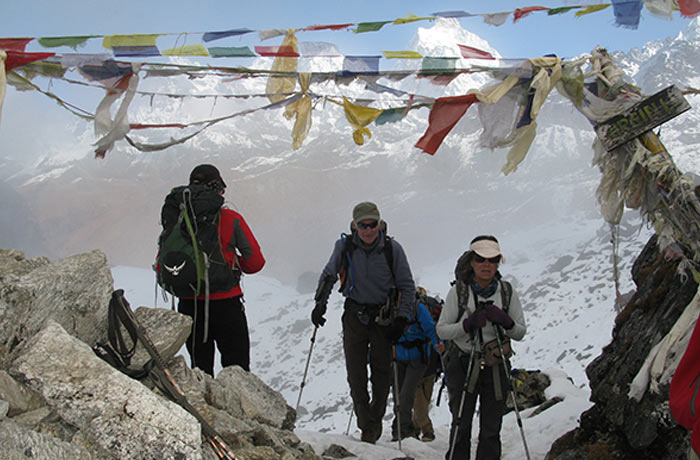
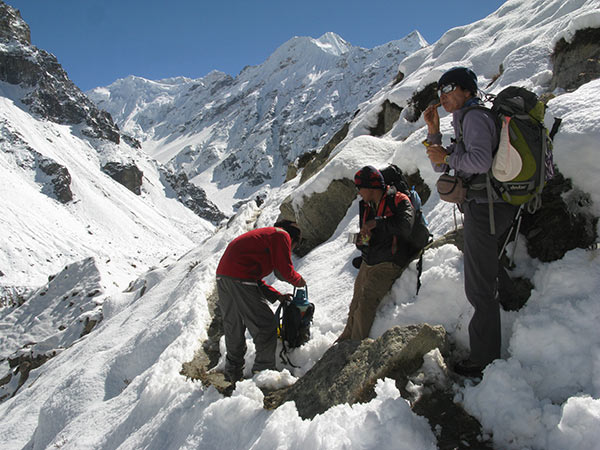

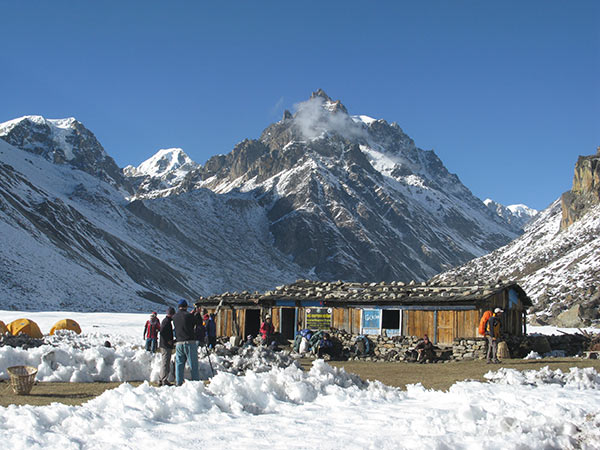


Kanchenjunga Trek from Basantapur is an extraordinary trekking adventure in eastern Nepal, offering spectacular Himalayan scenery, traditional mountain villages, beautiful forests, alpine landscapes, and close-up views of the majestic Kanchenjunga range. This trekking route is an excellent choice for experienced trekkers seeking a remote Himalayan journey away from Nepal’s more crowded trekking destinations.
Basantapur, located in the Tehrathum district of eastern Nepal, serves as a traditional starting point for trekking journeys toward the Kanchenjunga region. From here, trekkers travel through green hills, terraced farmland, rhododendron forests, rivers, and remote settlements before reaching the high mountain landscapes surrounding the world’s third-highest mountain, Mount Kanchenjunga (8,586 m).
The Kanchenjunga region is famous for its natural beauty, rich biodiversity, traditional Limbu and Rai cultures, and dramatic Himalayan scenery. Depending on the selected itinerary, trekkers may visit the Kanchenjunga North Base Camp at Pangpema, the South Base Camp at Oktang, or combine both sides for a longer and more challenging adventure.
Starting from Basantapur offers an opportunity to experience eastern Nepal’s rural lifestyle before entering the more isolated mountain areas. The trek requires careful planning because some sections have limited accommodation, transportation, communication facilities, and medical services.
For travelers who want to discover an authentic and less-commercialized part of Nepal, the Kanchenjunga Trek from Basantapur provides a rewarding combination of cultural exploration, wilderness adventure, and spectacular mountain views.
Highlights of the Kanchenjunga Trek from Basantapur
- Explore Basantapur and the beautiful hill landscapes of eastern Nepal.
- Experience traditional Rai and Limbu villages and local hospitality.
- Walk through rhododendron forests, bamboo groves, and alpine vegetation.
- Enjoy breathtaking views of Mount Kanchenjunga (8,586 m).
- Discover remote settlements and traditional mountain lifestyles.
- Explore the magnificent Kanchenjunga Conservation Area.
- Visit the northern base camp area at Pangpema, depending on the itinerary.
- Explore the southern base camp viewpoint area around Oktang on a combined trek.
- Cross suspension bridges and follow scenic mountain rivers.
- Experience the peaceful atmosphere of one of Nepal’s most remote trekking regions.
- Observe Himalayan wildlife, birds, and diverse plant species.
- Enjoy spectacular sunrises and sunsets over snow-covered Himalayan peaks.
Location and Geography
The Kanchenjunga region lies in northeastern Nepal, near the borders of India and Tibet. Mount Kanchenjunga rises to 8,586 meters above sea level and is the third-highest mountain in the world.
Basantapur is situated in the eastern hill region of Nepal and provides a possible approach for trekkers traveling toward the Kanchenjunga area. However, Basantapur is not the immediate gateway to every Kanchenjunga base camp itinerary. Depending on road conditions and the chosen route, trekkers may need to travel through additional towns and trailheads before beginning the main mountain trek.
The landscape changes significantly throughout the journey. Lower elevations feature green hills, agricultural terraces, subtropical forests, and warm river valleys. As the trail climbs higher, the scenery changes to temperate forests, rhododendron woodlands, rocky valleys, alpine meadows, glaciers, and snow-covered mountain terrain.
The Kanchenjunga region is also home to several important Himalayan peaks, including Jannu (Kumbhakarna), Rathong, and other dramatic summits surrounding the main Kanchenjunga massif.
Trekking Route from Basantapur
The exact itinerary depends on road access, the selected base camp, weather conditions, and the number of acclimatization days. A trek from Basantapur generally involves traveling through eastern Nepal before joining the established trails into the Kanchenjunga region.
A possible outline for a combined northern and southern base camp adventure is provided below. It is an indicative route rather than a fixed daily itinerary.
Possible route: Basantapur-eastern hill settlements-Chauki- Gupha Pokhari-Dovan-Simha-Sekathum -Amjilosa – Gyabla- Ghunsa – Kambachen -Lhonak -Pangpema -return toward Ghunsa -Sele Le area -Cheram -Ramche – Oktang viewpoint – return toward the southern trailhead – Taplejung area.
This route combines sections of the northern and southern Kanchenjunga trekking trails. The exact connections and overnight stops must be confirmed locally, as trail conditions and available accommodation can change.
Trekkers focusing only on the northern or southern base camp may follow a shorter or differently arranged itinerary. Additional travel days from Basantapur may also be necessary, depending on road conditions and transportation arrangements.
Basantapur to Taplejung
The journey begins in Basantapur, a scenic hill settlement surrounded by green landscapes, traditional villages, and agricultural terraces. Depending on transportation availability, trekkers can travel by road toward Taplejung and the surrounding trailhead settlements.
The road journey offers views of eastern Nepal’s hills, rivers, forests, and rural communities. It is a valuable introduction to the region’s culture and geography before the more demanding trekking stages begin.
Road conditions can be affected by monsoon rainfall, landslides, and seasonal maintenance. Travelers should allow sufficient time for transportation and confirm current road access before departure.
Taplejung and nearby settlements provide opportunities to arrange local transport, purchase last-minute supplies, and coordinate with trekking guides and porters.
Trekking Through Remote Villages and Forests
After reaching the trailhead, trekkers enter a landscape of river valleys, forested hills, suspension bridges, and traditional settlements. The lower sections of the route can involve considerable ascents and descents, making the first few days physically demanding.
The trails pass through agricultural land, small villages, and forests where trekkers may encounter local farmers and livestock. The pace of life is slower than in Nepal’s larger cities, and visitors can gain insight into the traditions of eastern Nepal.
As the trail moves deeper into the mountains, settlements become smaller and farther apart. Trekkers should carry appropriate clothing, personal medication, and essential equipment because shops and services are limited in remote areas.
Ghunsa Village and Local Culture
Ghunsa is one of the most important settlements on the northern Kanchenjunga trekking route. Located at approximately 3,400 meters, it is a traditional mountain village with a strong Tibetan Buddhist cultural influence.
The village provides an important stop for rest and acclimatization before the trail continues toward Kambachen and Lhonak. Depending on the season, trekkers may find basic lodges, meals, and opportunities to interact with local residents.
Traditional houses, prayer flags, monasteries, and mountain scenery give Ghunsa a distinctive atmosphere. The surrounding forests and high mountain landscapes make it an attractive place for photography and cultural exploration.
Spending adequate time in Ghunsa helps trekkers prepare for the increasing altitude ahead.
Kambachen and Lhonak
Beyond Ghunsa, the route enters a more rugged alpine environment. The trail follows the mountain valley through rocky terrain, glacial streams, and increasingly dramatic mountain scenery.
Kambachen, at approximately 4,050 meters, is an important overnight stop. The area offers impressive views of surrounding peaks and provides an opportunity to rest before continuing to higher elevations.
Lhonak, at approximately 4,780 meters, is one of the last principal overnight settlements before the northern base camp viewpoint at Pangpema. Accommodation is basic, and facilities may be limited, especially during the shoulder seasons.
Because altitude-related illness becomes a greater concern at these elevations, trekkers should maintain a steady pace, drink adequate fluids, and follow the guide’s acclimatization recommendations.
Kanchenjunga North Base Camp
Pangpema, located at approximately 5,143 meters, is the principal viewpoint and base camp area for the northern side of Kanchenjunga. It is one of the most spectacular destinations on the trek.
The journey from Lhonak to Pangpema passes through high-altitude terrain characterized by rocky paths, glacial landscapes, and breathtaking views of the Kanchenjunga massif. Weather can change rapidly, and the trail may be difficult in snow or poor visibility.
From Pangpema, trekkers can enjoy extraordinary views of enormous Himalayan peaks, glaciers, and rugged mountain ridges. The scale of the surrounding landscape creates an unforgettable wilderness experience.
Many trekkers visit Pangpema as a day excursion from Lhonak and return to lower elevations for the night. This arrangement helps reduce the amount of time spent sleeping at very high altitude.
Reaching Pangpema requires good physical fitness, suitable equipment, and careful attention to weather and altitude conditions.
Kanchenjunga South Base Camp and Oktang Viewpoint
The southern side of the Kanchenjunga region offers a different perspective of the mountain massif. Depending on the itinerary, trekkers travel through the Sele Le area and descend toward Cheram and Ramche before exploring the Oktang viewpoint.
Ramche, situated at approximately 4,580 meters, is an important stop on the southern route. From here, trekkers can continue toward Oktang, a high viewpoint offering impressive views of the southern face of Kanchenjunga and the surrounding glaciers.
The southern trail features dramatic mountain scenery, high ridges, alpine landscapes, and remote camps or lodges. Some sections are steep and exposed to changing weather, so a knowledgeable guide and careful route planning are essential.
Combining the northern and southern approaches creates a longer and more demanding journey than visiting only one base camp. Trekkers should include sufficient rest days and allow flexibility for weather-related delays.
Kanchenjunga Trek Difficulty
The Kanchenjunga Trek from Basantapur is generally considered a challenging trek, particularly when both northern and southern base camp areas are included.
- Long walking days on uneven mountain trails.
- Repeated ascents and descents through river valleys.
- High-altitude trekking above 4,000 meters.
- Limited accommodation and services in remote areas.
- Cold temperatures, strong winds, and unpredictable weather.
- Long distances between some settlements.
- Possible snow, ice, landslides, or trail obstructions.
Previous trekking experience is strongly recommended for the full base camp journey. Trekkers should be comfortable walking for several hours a day over consecutive days and carrying a daypack.
Although technical climbing equipment is not normally required for standard base camp trekking, certain sections can become difficult in adverse weather. A licensed guide with experience in the Kanchenjunga region can help assess trail conditions and manage the itinerary safely.
Best Time for the Kanchenjunga Trek
Spring (March to May): Spring offers relatively favorable trekking conditions, blooming rhododendrons at lower elevations, and beautiful mountain landscapes. Temperatures gradually improve, although snow can remain on high trails.
Autumn (September to November): Autumn is another popular season because the weather often becomes clearer after the monsoon. Mountain views can be excellent, and daytime conditions are generally suitable for trekking.
Monsoon (June to August): Heavy rainfall can cause landslides, muddy trails, leeches, and transportation delays in eastern Nepal. Cloud cover may also limit mountain views.
Winter (December to February): Winter brings very cold temperatures and a greater possibility of snow and difficult conditions at high elevations. Some lodges may close, and high passes can become inaccessible.
For most trekkers, spring and autumn offer the best balance of weather, scenery, and trail accessibility. Conditions still vary from year to year, so current local advice is important.
Accommodation During the Trek
In Basantapur, Taplejung, and larger settlements, trekkers may find guesthouses, hotels, or simple lodges. Once on the remote trekking trail, accommodation is generally basic, with simple rooms, shared facilities, and limited heating.
In villages such as Ghunsa, Kambachen, and Lhonak, tea houses provide basic overnight accommodation and meals when open. Availability can be limited during busy periods or outside the main trekking seasons.
On some remote sections, especially around high passes or less-developed parts of the southern route, facilities may be more limited than on popular trekking trails. A camping arrangement may be necessary if suitable accommodation is unavailable.
Travelers should not expect luxury hotels, attached bathrooms, or reliable hot showers in the high mountains. Your trekking agency should confirm accommodation arrangements before departure.
Food and Drinking Water
Meals during the Kanchenjunga Trek are usually simple, nutritious, and designed to provide energy for long walking days.
- Dal bhat with rice, lentil soup, and vegetables.
- Noodles and noodle soup.
- Fried rice and vegetable dishes.
- Potatoes, eggs, and bread.
- Porridge, pancakes, and other breakfast foods.
Food options become more limited at higher elevations because supplies must be transported to remote settlements. Trekkers should inform their agency about dietary restrictions in advance.
Drinking water should be treated using an appropriate purification method or obtained from a reliable treated-water source. Avoid drinking untreated water directly from streams. Reusable bottles, purification tablets, or suitable filters are useful during the journey.
Permits and Regulations
The Kanchenjunga region is a restricted trekking area, and visitors must comply with the applicable permit and conservation regulations.
- A Kanchenjunga Restricted Area Permit.
- A Kanchenjunga Conservation Area Permit.
- Any additional permits required for the selected route.
Restricted-area trekking regulations generally require foreign trekkers to arrange their journey through an authorized trekking agency and travel with a licensed guide. Requirements regarding minimum group size and permit arrangements should be verified before booking.
Permit fees may depend on nationality, duration, season, and current government regulations. The exact charges should be confirmed with the agency before departure.
Trekkers should carry their passport and the necessary permit documents throughout the journey. Entering restricted areas without the appropriate authorization is not permitted.
Guide and Porter Services
Hiring an experienced guide is strongly recommended for the Kanchenjunga Trek from Basantapur. The route is remote, and trail conditions, weather, accommodation availability, and transportation can change.
A professional guide helps with route navigation, daily planning, communication with local communities, accommodation arrangements, and coordination during emergencies.
Porters can carry the main luggage, allowing trekkers to walk with a lighter daypack. The weight carried by each porter should remain within the agreed and reasonable limits.
Before departure, discuss guide and porter wages, insurance, meals, accommodation, equipment, and emergency arrangements with the trekking company. Responsible trekking practices should ensure that staff have suitable clothing, adequate food, and fair working conditions.
Physical Fitness and Acclimatization
Good physical preparation is essential for a successful Kanchenjunga Trek. Training should ideally begin several weeks or months before departure.
Useful preparation includes regular walking, hiking on hills, stair climbing, cycling, and other aerobic activities suited to your fitness level. Practice walks with a daypack can also help prepare you for consecutive trekking days.
Acclimatization is especially important above 3,000 meters. The itinerary should allow gradual ascent and adequate rest, particularly before moving to higher settlements.
Symptoms such as headache, nausea, dizziness, unusual fatigue, and loss of appetite may indicate altitude-related illness. Symptoms that worsen or include confusion, difficulty walking normally, or breathlessness at rest require urgent medical attention and descent. Never continue ascending when altitude sickness is suspected.
Travel insurance should cover high-altitude trekking, emergency evacuation, and helicopter rescue where available. Evacuation can be delayed by poor weather or remote terrain.
Trekking Equipment and Packing List
- Waterproof trekking boots with good ankle support.
- Warm trekking socks and comfortable walking clothing.
- Thermal base layers, fleece, and an insulated down jacket.
- Waterproof jacket and trousers.
- Warm gloves, a hat, and sun protection.
- Sunglasses suitable for strong high-altitude sunlight.
- A sleeping bag suitable for cold mountain conditions.
- A backpack and waterproof pack cover.
- A reusable water bottle and purification supplies.
- Headlamp with spare batteries.
- Personal medication and a basic first-aid kit.
- Sunscreen, lip balm, and personal toiletries.
- Trekking poles.
- Passport copies, permits, and travel insurance details.
- Snacks, energy bars, and emergency essentials.
Your final equipment list should reflect the season, expected temperatures, accommodation arrangements, and whether the trek is organized as a tea-house or camping journey.
Estimated Trek Duration and Daily Walking Hours The duration depends on transportation arrangements, the selected base camp, and the number of acclimatization days.
- Lower trail and village sections: 5–7 hours per day
- Ghunsa to Kambachen: 5–7 hours
- Kambachen to Lhonak: 4–6 hours
- Lhonak to Pangpema and return: 6–8 hours
- High-pass and southern route sections: 5–8 hours
- Final descent toward the trailhead: 5–8 hours
These are indicative estimates, not guaranteed daily timings. Weather, altitude, trail conditions, and individual fitness can affect walking times.
A northern base camp trek commonly takes around two to three weeks when travel and acclimatization are included. A combined northern and southern base camp journey may take approximately three weeks or longer, depending on the route and transport schedule.
Starting from Basantapur may require additional days compared with itineraries that begin closer to the established Kanchenjunga trailheads.
Kanchenjunga Trek Cost
The cost of the Kanchenjunga Trek from Basantapur depends on the itinerary, group size, trek duration, accommodation, transportation, permits, and services included in the package.
Because remote-area transport and staff logistics can significantly affect the budget, travelers should request a detailed quotation based on their intended route. A combined north and south base camp trek generally costs more than a shorter visit to one side of Kanchenjunga.
The Kanchenjunga region contains valuable forests, fragile alpine ecosystems, and culturally important villages. Responsible tourism helps preserve these natural and cultural resources for future generations.
Trekkers should avoid littering, carry reusable water bottles, and dispose of waste properly. Respect local customs, ask permission before photographing people, and follow guidance when visiting monasteries or other cultural sites.
Supporting locally operated lodges and purchasing local products can help communities benefit from tourism. Trekkers should also respect wildlife and avoid disturbing animals or damaging vegetation.
Frequently Asked Questions (FAQs)
1. Where does the Kanchenjunga Trek from Basantapur begin?
The journey begins in Basantapur, eastern Nepal, and continues by road toward Taplejung or another suitable trailhead depending on the selected itinerary.
2. How difficult is the Kanchenjunga Trek?
It is a challenging trek because of its remoteness, long walking days, high altitude, and limited facilities. Previous trekking experience is recommended.
3. How long does the trek take?
A northern base camp journey often takes approximately two to three weeks, while a combined north and south base camp trek can take three weeks or longer.
4. What is the highest point of the trek?
Pangpema, the northern base camp viewpoint, is approximately 5,143 meters above sea level. The exact maximum altitude depends on the itinerary.
5. Can beginners do the Kanchenjunga Trek?
Fit beginners may be able to complete the trek with suitable preparation, a carefully planned itinerary, and professional support. However, the remote environment and high altitude make it more demanding than many standard trekking routes.
6. Is a guide compulsory?
Foreign trekkers must follow the current restricted-area regulations, which generally require an authorized agency and licensed guide. Confirm the latest rules before traveling.
7. What is the best season for the trek?
Spring, from March to May, and autumn, from September to November, are generally the most favorable seasons.
8. Are tea houses available along the route?
Basic tea houses and lodges are available at several settlements, but facilities are limited in some sections. Camping may be necessary depending on the itinerary and current conditions.
9. Is the Kanchenjunga Trek safe?
It can be completed safely with appropriate preparation, acclimatization, an experienced guide, suitable equipment, and flexible planning. However, altitude sickness, severe weather, and remote terrain present genuine risks.
10. Can I combine the north and south base camps?
Yes. An itinerary combining Pangpema and Oktang provides a more comprehensive experience of the Kanchenjunga region, but it requires additional time, stamina, and careful logistical planning.
Conclusion
The Kanchenjunga Trek from Basantapur is a remarkable adventure for travelers who want to explore the remote Himalayan landscapes of eastern Nepal. From the green hills and traditional villages around Basantapur to the glaciers, high valleys, and dramatic mountain scenery surrounding Kanchenjunga, the journey offers a rich combination of nature, culture, and adventure.
Visiting Pangpema or combining the northern and southern approaches toward Oktang allows trekkers to appreciate different perspectives of this magnificent mountain region. Although the journey requires good preparation, appropriate acclimatization, and careful logistical planning, it rewards visitors with extraordinary scenery and an authentic wilderness experience.
With an experienced guide, responsible trekking practices, suitable equipment, and a well-designed itinerary, the Kanchenjunga Trek from Basantapur can become one of the most memorable trekking experiences in Nepal.
| Day | Destination | Altitude | Walking Hour | Accommodation |
|---|---|---|---|---|
| 1 | Arrival Kathmandu and transfer to hotel | 1300 | One hour drive from airport to hotel | Hotel in Kathmandu |
| 2 | Kathmandu | 1300 | Free day | Hotel in Kathmandu with B&B Service |
| 3 | Kathmandu to Hele by bus | 1850 | Driving hours 19 hours | Lodge |
| 4 | Hele to Basantapur | 2200 | 2-hours | Lodge |
| 5 | Basantapur to Chauki | 2680 | 5-hours | Lodge |
| 6 | Chauki to Guphapokhari viewpoint of Kanchenjunga and Makalu range | 2900 | 5-6-hours | Lodge |
| 7 | Guphapokhari to Gurja Gaun | 2000 | 5-hours | Lodge |
| 8 | Gurja Gaun to Dovan | 780 | 3-hours | Lodge |
| 9 | Doven to Mttlung | 921 | 5-hours | Lodge |
| 10 | Mittlung to Chhiruwa | 1270 | 5-6-hours | Lodge |
| 11 | Chhiruwa to Sekhathum | 1575 | 5-6-hours | Lodge |
| 12 | Sekhathum to Amjila Lapsa | 2038 | 5-hours | Lodge |
| 13 | Amji Lapsa to Gyapla | 2730 | 4-5-hurs | Lodge |
| 14 | Gyapla to Ghunsa | 3595 | 5-hours | Lodge |
| 15 | Rest Day | 3595 | Walking around Ghunsa village | Lodge |
| 16 | Ghunsa to Khambachen Viewpoint of Mauntains | 4099 | 5-hours | Lodge |
| 17 | Khambachen to Lhonak | 4785 | 4-5-hours | Lodge |
| 18 | Sightseeing to Pangpema Kanchenjunga base camp | 5143 | 6-7-hours | Lodge |
| 19 | Lhonak to Ghunsa | 3595 | 7-8-hours | Lodge |
| 20 | Ghunsa to Sele base camp | 3700 | 4-5-hours | Tea house |
| 21 | Selle Base camp to Tseram via Selle pass (4646m) | 3870 | 6-7-hours | Tea house |
| 22 | Tseram to Ramche | 4580 | 2-hr.30 | Lodge |
| 23 | Ramche to Lasiya Dada | 3310 | 6-7-hours | Tea house Lodge |
| 24 | Lasiya danda to Yamphudin | 2080 | 4-5-hours | Lodge |
| 25 | Yamphudin to Phumphe Danda | 1854 | 6-hours | Tea house lodge |
| 26 | Phumphe to Sinchuwa Bhanjyang | 2129 | 4-5-hours | Lodge |
| 27 | Sinchuwa Bhanjyang to Lali Kharka | 2711 | 4-5-hours | Lodge |
| 28 | Lalikhara to Taplejung | 1820 | 4-hours | Lodge |
| 29 | Taplejung to Kathmandu | Bus to Kathmandu | 19-hours to Kathmandu | Night driving |
| 30 | Arrival Kathmandu from Taplejung | 1300 | Bus drive | Hotel in Kathmandu |
| 31 | Kathmandu | 1300 | Free day at Kathmandu | Hotel in Kathmandu with B&B Service |
| 32 | Departure Day | After breakfast drive to the international airport your departure. | Flight out from Nepal | At Your home |
Basantapur Kanchenjunga Trek cost 2,410 $ Per Person
Cost Includes
- 1. Transportation
- Ground transportation from Kathmandu to Basantapur and onward to the designated trekking starting point is included if specified in the package. Return transportation from the trek's ending point to Kathmandu may also be provided. The type of transport depends on road conditions, group size, and the agreed itinerary.
- 2. Trekking Permits and Conservation Fees
- The package generally includes the necessary permits for the Kanchenjunga region, such as the Kanchenjunga Restricted Area Permit and Kanchenjunga Conservation Area Permit. These permits allow trekkers to enter the designated restricted and conservation areas according to applicable regulations. Your trekking agency will arrange the required documentation.
- 3. Professional Trekking Guide
- A licensed, experienced English-speaking trekking guide is generally included. The guide assists with navigation, daily walking schedules, accommodation arrangements, cultural communication, and safety throughout the journey. The guide also monitors weather and trail conditions and provides guidance on altitude acclimatization.
- 4. Porter Services
- Porter services may be included according to the package agreement. Porters carry the main trekking luggage, allowing trekkers to walk comfortably with a lighter daypack. The number of porters and the luggage allowance should be confirmed before booking.
- 5. Accommodation During the Trek
- Accommodation in local tea houses, lodges, or guesthouses is generally included during the trekking period. Rooms are usually basic, particularly in remote mountain villages such as Ghunsa, Kambachen, and Lhonak. Camping arrangements may be required in certain areas if lodge accommodation is unavailable or if the itinerary demands it.
- 6. Meals During the Trek
- Daily meals are included according to the selected package. These may consist of breakfast, lunch, and dinner, with options such as dal bhat, noodles, rice, potatoes, soup, vegetables, eggs, and other locally available foods. Tea, coffee, and other beverages may be charged separately.
- 7. Staff Expenses
- The package generally covers the agreed wages, meals, accommodation, and necessary expenses of the trekking guide and porters. Responsible trekking agencies also arrange appropriate staff insurance and equipment according to the terms of employment.
- 8. Trekking Arrangements and Support
- The agency provides itinerary planning, accommodation coordination, permit arrangements, and general logistical assistance. Basic first-aid support and help coordinating emergency arrangements may also be provided.
Basantapur Kanchenjunga Trek Cost Excludes
- 1. International Flights and Nepal Visa
- International flights to and from Nepal are not normally included. Nepal visa fees and other immigration-related expenses must be paid separately by the traveler.
- 2. Personal Travel Insurance
- Travel insurance is not usually included. Trekkers must arrange their own insurance covering high-altitude trekking, emergency medical treatment, and helicopter evacuation where available.
- 3. Personal Trekking Equipment
- Trekking boots, warm clothing, sleeping bags, backpacks, waterproof jackets, trekking poles, sunglasses, and other personal equipment are generally excluded unless specifically stated.
- 4. Accommodation and Meals in Kathmandu
- Hotel accommodation and meals in Kathmandu before or after the trek are generally not included unless mentioned in the package.
- 5. Personal Expenses
- Expenses for bottled drinks, snacks, chocolate, alcoholic beverages, hot showers, Wi-Fi, battery charging, laundry, and personal telephone calls are not normally included.
- 6. Tips and Gratuities
- Tips for trekking guides, porters, and other supporting staff are not included. They are optional and depend on the traveler's satisfaction with the services provided.
- 7. Additional Transportation and Delays
- Extra transportation, accommodation, and meals caused by unforeseen delays, itinerary changes, bad weather, or road closures may incur additional costs unless covered by the booking agreement.
- 8. Medical and Emergency Expenses
- Personal medication, medical consultations, hospital treatment, and evacuation costs are generally excluded. Trekkers should maintain suitable insurance and carry their essential medication.
- 9. Unspecified Services
- Any service not clearly listed under the package inclusions should be considered excluded until confirmed by the trekking agency.
- Important Note
- Before booking the Kanchenjunga Trek from Basantapur, request a detailed written quotation specifying transportation, permits, meals, accommodation, guide and porter services, and any additional charges. This helps you understand the total trekking cost and avoid unexpected expenses during your Himalayan adventure.
September to 10 November and March to May
Day time normal and during Night 3-13 degree.
Bashantapur Kanchenjunga trek will cost 2410 US$ per person minimum of 2 people
Kanchenjunga National park, and Special Trekking Permit
Yes, If you take a Guide and porter then very safe trip all the trekking in Nepal. It is better to book your trip with an agency if something happens then easy to solve any problem and full responsibility from Trekking agency.
Chinese, Nepali, Tibetans, Indian and Italian, and Accommodation at tea local tea house lodge.
5/8 hours of walking per day.
Yes, you can see Kanchenjunga, Kumba Karna+Janu Himal, Nepal Peak, Yalung Khang, and other mountains views.
No, It is an easy and less crowd trek
It is a very far away to Kathmandu, border of the India Shikim
Passport photocopy (should be very clear with color scan) and validity minimum 6 months. 2 passport size photo. Occupation. Home details address. Insurance copy
Normally, you need to bring with you flowing equipment. +, walking boot If possible Gore tax boot is better. + Warm socks and Gaiters in case of rain or snow. + Day carry bag and Down Jacket over 4,000 meters. + Sleeping bag and others which are not mansions here.
Arrival and Departure Transport. Hotel in Kathmandu with bed and breakfast 4 Nights. Including Breakfast, Lunch, and Dinner Such as Italian, Chinese, Indian, Nepali many more continental food. Per day 3,500 Rs Per members for food and Accommodation. Local tea house Lodge accommodation during the trek. License holder trekking guide Perday 2,400 Rs per day we include his insurance. For the 2 members, one porter per day 2,000 Rs includes his insurance. Special Trekking permits 20 $ per week and Kanchenjunga and park fee 3,500 include. Bus Transport from Kathmandu-Basantapur-Taplejung-Kathmandu about 6,000 Rs per person.
Feels like hangover & Feeling not good/ Headache/ Shortness of Breath/ Loss of appetite/ Sleep not good/ vomiting/ fevers etc.
Altitude Chart
Reviews

Andre Souvignet From Andre Souvignet Accompagnateur en Montagne et Instructeur au Club...
Read More