Chulu East Peak climbing - 19Nights 20 Days
Chulu East Peak Climbing is an exciting Himalayan climbing adventure in the Annapurna region of Nepal. Rising to approximately 6,584 meters (21,601 feet), Chulu East is one of the popular trekking peaks in the Annapurna massif and offers a rewarding combination of high-altitude trekking, glacier travel, and technical mountaineering. The climb is ideal for experienced trekkers and adventure seekers who want to progress from trekking into Himalayan peak climbing.
The journey to Chulu East Peak combines the spectacular landscapes of the Annapurna mountain range, traditional villages, Buddhist and Hindu cultures, dramatic valleys, alpine meadows, glaciers, and high mountain passes. The route generally follows the famous Annapurna Circuit before turning toward the Chulu East climbing area.
From the summit, climbers can enjoy magnificent views of Annapurna I, Annapurna II, Annapurna III, Annapurna IV, Gangapurna, Tilicho Peak, Manaslu, Dhaulagiri, Pisang Peak, Chulu West, and numerous surrounding Himalayan peaks.
Chulu East Peak Climbing requires good physical fitness, proper acclimatization, suitable climbing equipment, and basic knowledge of using mountaineering equipment. Our experienced climbing guides provide technical training and safety support before the summit attempt.
Chulu East Peak Location
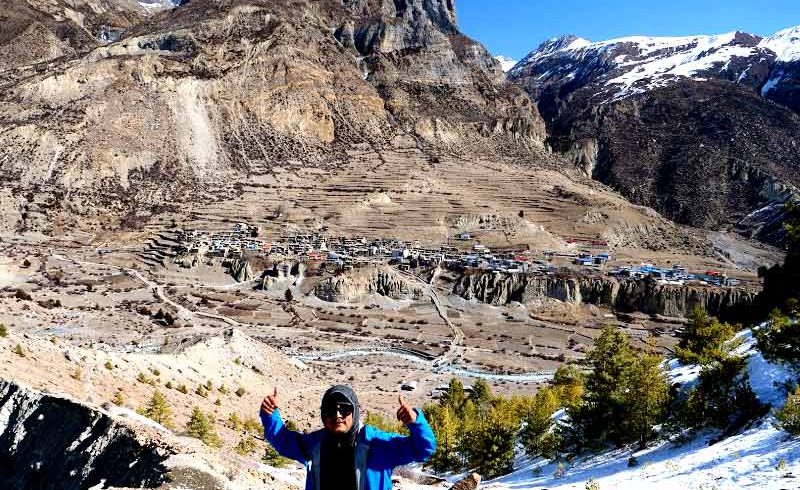
Chulu East Peak is located in the northern part of the Annapurna region of Nepal, close to the Marsyangdi Valley and the main Annapurna Circuit route. The mountain lies near Manang and is surrounded by some of the most impressive Himalayan landscapes in central Nepal.
The approach normally begins after driving from Kathmandu toward the Marsyangdi Valley and trekking through villages such as Dharapani, Chame, Pisang, and Manang. After spending sufficient time acclimatizing around Manang, the climbing route moves toward the Chulu East Base Camp and High Camp.
The location makes Chulu East a convenient peak for combining trekking and climbing. Climbers can experience the Annapurna Circuit environment while gradually gaining altitude before attempting the summit.
Highlights of Chulu East Peak Climbing
Climb Chulu East Peak at approximately 6,584 meters.
Explore the spectacular Annapurna region.
Trek through the famous Marsyangdi Valley.
Experience traditional Gurung, Tibetan-influenced, and Manang communities.
Enjoy views of Annapurna I, II, III, and IV.
See Gangapurna, Tilicho Peak, Manaslu, and Dhaulagiri ranges.
Visit the beautiful Manang Valley.
Experience high-altitude Himalayan landscapes.
Cross or approach high mountain terrain around the Annapurna Circuit.
Receive professional climbing guidance and technical support.
Practice glacier travel, crampon walking, and rope techniques.
Enjoy a challenging Himalayan summit experience.
Chulu East Peak Climbing Difficulty
Chulu East is considered a challenging trekking peak because of its altitude, steep terrain, weather conditions, and potential glacier and snow sections. It is more demanding than a normal high-altitude trek and requires preparation for mountaineering conditions.
Previous trekking experience at high altitude is strongly recommended. Climbers should be comfortable walking for several hours each day over uneven mountain terrain and should be prepared for cold temperatures and changing weather.
The exact technical difficulty can vary depending on route conditions, snow, ice, weather, and the season. A good climbing guide assesses the conditions and selects the safest practical route.
Physical fitness is very important. Regular cardiovascular exercise, hiking, stair climbing, running, cycling, and strength training before the expedition can help prepare the body for the demands of high-altitude climbing.
Best Time for Chulu East Peak Climbing
The best seasons for Chulu East Peak Climbing are generally spring and autumn.
Spring Season
Spring, particularly March to May, offers generally favorable mountain conditions. Temperatures gradually become warmer at lower elevations, while the higher mountains remain covered with snow. Clear mornings and stable weather can provide excellent mountain views.
April and May are popular months for climbing because conditions can be suitable for summit attempts, although weather can change rapidly at high altitude.
Autumn Season
Autumn, from September to November, is another excellent period. The monsoon season normally ends, leaving clearer skies and fresh mountain scenery. October and November are particularly popular trekking months in the Annapurna region.
Winter Season
December to February can bring very cold temperatures and heavy snow at higher elevations. Chulu East climbing during winter is more demanding and requires strong winter mountaineering preparation.
Monsoon Season
June to August is the monsoon period in much of Nepal. Rain can affect lower sections of the approach route, while clouds may reduce mountain visibility. However, conditions can differ by location and year.
Chulu East Peak Climbing Route
The Chulu East climbing journey generally begins with a drive from Kathmandu toward the Annapurna region. The trekking route follows the Marsyangdi Valley and gradually climbs toward Manang.
Chulu East Peak climbing & Trekking routes
Kathmandu, Dharapani, Chame, Pisang, Manang, Chulu East Base Camp, Chulu East High Camp, Summi, Base Camp, Manang Annapurna Circuit route, Thorong La (5,416 m), Muktinath, Jomsom, Pokhara
The exact itinerary can be adjusted according to weather, acclimatization, fitness, trail conditions, and climbing conditions.
Kathmandu to Dharapani
The adventure begins in Kathmandu with expedition preparation, equipment checking, and a briefing. From Kathmandu, you travel toward the Marsyangdi Valley by road.
Dharapani is one of the main entry points for the Annapurna Circuit and is surrounded by beautiful hills and mountain scenery. After arriving, the trekking portion of the journey begins.
Dharapani to Chame
The trail continues through forested landscapes and traditional mountain villages toward Chame, the administrative center of Manang District.
The walk offers views of surrounding mountains and follows sections of the Marsyangdi River. As the altitude increases, the vegetation gradually changes.
Chame to Pisang
From Chame, the route continues toward Pisang. The landscape becomes increasingly alpine, with dramatic cliffs and Himalayan peaks appearing along the trail.
Pisang is divided into Lower Pisang and Upper Pisang, with the upper village offering impressive mountain scenery.
Pisang to Manang
The trail continues toward Manang, one of the most important acclimatization points in the Annapurna region.
Manang provides an excellent opportunity to rest and adapt to the increasing altitude. Depending on the itinerary, an acclimatization day may include a short hike to nearby viewpoints and villages.
Acclimatization in Manang
Proper acclimatization is one of the most important parts of climbing Chulu East Peak.
During the acclimatization period, climbers can take a gradual hike around the Manang Valley while returning to sleep at a lower elevation. This allows the body to adjust to reduced oxygen levels.
Our climbing team monitors the group and recommends a suitable pace. The objective is not simply to reach the summit quickly but to give the body enough time to adapt safely.
Trek to Chulu East Base Camp
After acclimatization around Manang, the route turns toward the Chulu East climbing area.
The trail gradually leaves the main settlements and enters a more remote alpine environment. The scenery becomes increasingly dramatic, with rocky slopes, snow-covered peaks, and open mountain valleys.
As the elevation increases, the walking becomes more demanding. Climbers should maintain a steady pace and stay well hydrated.
Chulu East Base Camp
Chulu East Base Camp is an important preparation point before climbing higher.
The climbing team checks equipment, discusses the route, and reviews safety procedures. Depending on conditions and the expedition itinerary, climbers may practice using crampons, harnesses, ropes, ice axe techniques, and ascending or descending on snow and ice.
The base camp provides an opportunity to rest before moving toward the higher camp.
Chulu East High Camp
The climb from Base Camp toward High Camp is more demanding because of increasing altitude and steeper terrain.
The High Camp is established at a suitable location according to current mountain conditions. Climbers spend the night there before the summit attempt.
At high altitude, temperatures can become extremely cold, particularly during the night. The climbing team therefore prepares clothing, sleeping equipment, climbing gear, food, water, and oxygen-related emergency planning where appropriate.
Chulu East Summit Day
Summit day is the main objective of the expedition.
Climbers normally start very early, often before sunrise, depending on weather, route conditions, and the climbing guide’s assessment.
The ascent may involve snow, ice, rocky sections, and steep terrain. Climbers use appropriate equipment such as crampons, harnesses, ropes, helmets, and ice axes according to the conditions.
The pace is kept slow and controlled because of the high altitude.
Reaching the summit provides spectacular panoramic views across the Annapurna Himalayas. Climbers can see a vast landscape of Himalayan peaks, glaciers, valleys, and high mountain passes.
After spending a suitable amount of time at the summit, the group descends carefully toward High Camp or Base Camp.
Descending from Chulu East
Descending safely is just as important as reaching the summit. Fatigue can increase after the summit attempt, so climbers must remain focused and follow the guide’s instructions.
After returning to a lower elevation, the body begins to recover from the physical demands of the summit day.
The expedition can then continue toward Manang and the remaining Annapurna Circuit route, depending on the selected itinerary.
Chulu East and Thorong La Pass
Chulu East Peak Climbing can be combined with the Annapurna Circuit and Thorong La Pass, one of the highest trekking passes in Nepal.
After the climbing section, the journey can continue toward Yak Kharka, Thorong Phedi, and Thorong La. Crossing the pass adds another spectacular Himalayan experience to the expedition.
From Thorong La, the trail descends toward Muktinath in the Mustang region.
Muktinath and Jomsom
Muktinath is an important pilgrimage site visited by both Hindus and Buddhists. The surrounding landscape combines Himalayan mountains, dry valleys, and traditional settlements.
From Muktinath, the journey can continue toward Jomsom, an important town in the Kali Gandaki Valley.
Depending on the package, travelers may return to Pokhara by road or flight from the Jomsom area.
Accommodation During Chulu East Climbing
Accommodation during the approach trek is generally provided in teahouses or lodges.
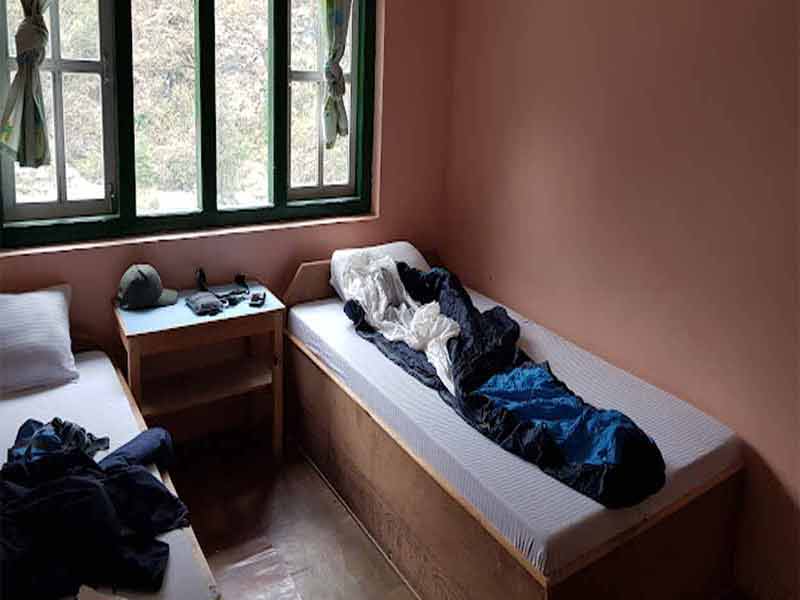
Rooms are usually simple and may include twin beds with shared bathroom facilities. Facilities become more basic as the route moves into remote and high-altitude areas.
During the climbing section, accommodation is normally provided in tents at Base Camp and High Camp.
Because mountain facilities are limited, climbers should be prepared for basic conditions at higher elevations.
Food During the Expedition
During the trekking section, meals are generally available at local lodges and teahouses. Common options include dal bhat, rice, vegetables, noodles, pasta, soup, potatoes, eggs, bread, and other local or basic international dishes.
At Base Camp and High Camp, food is prepared by the expedition team. Meals focus on providing sufficient carbohydrates, protein, calories, and fluids for high-altitude activity.
Adequate hydration is especially important during the climb.
Chulu East Peak Climbing Equipment
Proper equipment is essential for a successful and safe climbing expedition. Personal Trekking Equipment
Backpack
Daypack
Sleeping bag
Trekking boots
Trekking poles
Headlamp
Sunglasses
Sun protection
Warm jacket
Waterproof jacket
Trekking trousers
Thermal layers
Gloves
Warm hat
Water bottles
Personal first-aid supplies
Technical Climbing Equipment
Mountaineering boots
Crampons
Ice axe
Climbing harness
Climbing helmet
Carabiners
Ascender
Descender
Climbing rope
Prusik cord
Snow/ice protection equipment as required
Mountaineering gloves
Goggles
The exact technical equipment required depends on the route and current mountain conditions. Our climbing guide checks the equipment before the summit attempt.
Guide and Climbing Support
An experienced climbing guide is an important part of Chulu East Peak Climbing.
Our climbing guides assist with route selection, acclimatization, technical climbing, equipment checks, camp organization, and mountain safety.
The guide also monitors weather and trail conditions and can adjust the itinerary when necessary.
Experienced local staff have valuable knowledge of the Annapurna region and Himalayan mountain conditions.
Safety and Acclimatization
Safety is a major priority during Chulu East Peak Climbing.
The expedition itinerary allows time for gradual altitude gain and acclimatization. Climbers should communicate with the guide if they experience unusual symptoms at high altitude.
The group should walk slowly, drink enough water, eat properly, and avoid unnecessary physical exertion.
Weather conditions can change quickly in the mountains. The final summit decision should always be based on current weather, route conditions, and the guide’s safety assessment.
Physical Preparation
You should prepare physically several weeks or months before the expedition.
Long-distance hiking
Uphill walking
Stair climbing
Cardiovascular exercise
Leg-strength training
Core-strength exercises
Training with a backpack
Practice walking for consecutive days
Previous experience with high-altitude trekking or climbing is highly beneficial.
Permits for Chulu East Peak
Chulu East is a permitted trekking peak, and climbers require the appropriate Nepal government climbing and trekking permits.
Permit requirements and fees can change depending on government regulations and season. Your trekking agency normally handles the required permit arrangements before departure.
Additional permits may be required for the Annapurna Conservation Area and other sections of the route.
Chulu East Peak Climbing Cost
The total cost of Chulu East Peak Climbing depends on the itinerary, number of climbing days, group size, transportation, permits, accommodation, guide and porter services, food, climbing equipment, and emergency arrangements.
A complete package can include:
Airport transfers
Kathmandu hotel accommodation
Trekking and climbing permits
Annapurna Conservation Area permit
Domestic transportation where applicable
Experienced climbing guide
Trekking guide and porters
Teahouse accommodation
Camping equipment
Base Camp and High Camp support
Meals during the trekking and climbing period
Group climbing equipment
Government fees
Staff wages and insurance
Expedition logistics
Personal expenses, travel insurance, international flights, alcoholic drinks, personal shopping, and emergency evacuation may be excluded unless specifically mentioned in the package.
Why Choose Chulu East Peak Climbing?
Chulu East offers a combination of trekking and mountaineering without requiring a long expedition in an extremely remote region.
The journey provides access to the spectacular Annapurna landscape and allows climbers to experience Himalayan peak climbing while following part of the famous Annapurna trekking route.
It is particularly attractive to adventure travelers who want to develop their mountaineering experience and enjoy panoramic views from above 6,000 meters.
Environmental Responsibility
We encourage all climbers to respect the Himalayan environment and local communities.
Travelers should avoid littering, use designated waste-disposal facilities, reduce unnecessary plastic use, and respect local customs and traditions.
Our guides and staff encourage responsible tourism throughout the expedition.
Chulu East Peak Climbing FAQs
How high is Chulu East Peak
Chulu East Peak is approximately 6,584 meters (21,601 feet) high.
Is Chulu East suitable for beginners?
Chulu East is a challenging Himalayan climbing peak. Previous high-altitude trekking and basic mountaineering experience are strongly recommended.
Do I need climbing experience?
Basic mountaineering skills are very helpful. Climbers should know or be prepared to learn how to use crampons, harnesses, ropes, and an ice axe.
How difficult is Chulu East Peak?
The climb is challenging because of high altitude, steep terrain, cold temperatures, and possible snow and ice conditions. Difficulty can vary according to weather and route conditions.
What is the best season?
Spring and autumn are generally the preferred seasons, particularly March–May and September–November.
Can Chulu East be combined with the Annapurna Circuit
Yes. Chulu East can be incorporated into an Annapurna Circuit itinerary, subject to the selected route and available time.
Do I need a permit?
Yes. Climbers need the appropriate climbing and trekking permits. Your agency can arrange the required permits.
Is there accommodation at Base Camp
The climbing section normally uses tents at Base Camp and High Camp, while lower sections of the route use teahouses and lodges.
What mountains can I see from the summit?
The summit area offers views toward major peaks of the Annapurna range, including Annapurna I, II, III, and IV, Gangapurna, Tilicho Peak, Chulu West, and other Himalayan mountains.
How long does the expedition take
The total duration depends on the selected itinerary. A complete Kathmandu-to-Kathmandu program commonly takes around two to three weeks when approach trekking, acclimatization, climbing, and descent are included.
Conclusion on the trek
Chulu East Peak Climbing is a rewarding Himalayan adventure that combines the beauty of the Annapurna region with the challenge of climbing a 6,000-meter-class peak. The journey passes through traditional villages, dramatic mountain valleys, alpine landscapes, and high-altitude terrain before reaching the climbing section.
With proper acclimatization, physical preparation, experienced guides, appropriate equipment, and careful planning, Chulu East provides an unforgettable mountaineering experience in Nepal.
For adventure travelers looking to experience Himalayan peak climbing while exploring the Annapurna region, Chulu East offers an exciting journey filled with mountain scenery, cultural encounters, challenging trails, and a memorable summit experience.
| Day | Destination | Altitude | Walking Hour | Accommodation |
|---|---|---|---|---|
| 1 | Arrival Kathmandu and transfer to hotel | 1300-Kathmandu | One hour drive from airport to hotel | Hotel in Kathmandu |
| 2 | Chulu Far East Climbing preparation day | 1300 | Free visit | Hotel in Kathmandu with B&B Service |
| 3 | Kathmandu to Besishar | 760-Besishar | 7-hours the bus | Lodge |
| 4 | Besishar Chame | 2710-Chame | 4-5-hours drive Local Jeep from Besishar | Lodge |
| 5 | Chame to Pisang | 3200-Pisang | 4-5-hours | Lodge |
| 6 | Pisang-Ngwal | 3660 | 4-hours | Lodge |
| 7 | Ngwal- Yek Kharka | 4900 | 6-7-hours | Tent Camping |
| 8 | Yek Kharka -Base camp | 5155 | Not Long walking, Fix Base Camp | Tent Camping |
| 9 | Base camp to high camp | 5400-High camp | 3-4-hours | Tent Camping |
| 10 | Summit to Chulu East Peak and back to Base camp | 6429-Chulu East | 9-10-hours | Tent Camping |
| 11 | Base camp to Manang | 3540-Manag | 7-8-hours | lodge |
| 12 | Rest day at Manang | 3540 | Visit to Gangapurna glacier | Lodge |
| 13 | Manang- Yek Kharka | 4050 | 4-5 hours | Tea house Lodge |
| 14 | Yek Kharka- Thorong La Phedi | 2526 | 3-4-hours | Lodge |
| 15 | Phedi to Muktinath | 3800 | 6-7 hours via (5416) Merters Thorong La Pass | Lodge |
| 16 | Muktinath to Jomsom | 2700-Jomsom | 4-5-hours | Lodge |
| 17 | Jomsom to Pokhara | 900-Pokhara | 25-Minutes Flight from Jomsom | Hotel in Pokhara |
| 18 | Pokhara to Kathmandu | 1300 | 7-8-hours by bus | Hotel in Kathmandu |
| 19 | Day Free in Kathmandu | 1300 | Free Visit | Hotel in Kathmandu with B&B Service |
| 20 | Departure Day | Plane | By air to home | At your home |
Chulu East peak climbing cost 2,700 $ Per Person
Cost Includes
- Arrival & Departure transport
- 4-Night hotel in Kathmandu with breakfast.
- Camping during the peak climbing and tea house accommodations for the rest of the circuit
- Bus transfer from Kathmandu to Besisahar, and jeep transfer to Chamje
- English-speaking local expert guide, porters, and climbing guide
- Meals: Italian, Chinese, Nepali, Indian, and various European dishes are available three times a day: breakfast, lunch, and dinner. One main course is provided per meal during the trek.
- Tea/coffee three times a day during climbing, but excluded from the tea house accommodations
- Accommodations during the trek
- Tents and all food provided from the high camp to the summit
- ACAP (Annapurna Conservation Area Project) permit, TIMS (Trekkers' Information Management System) permit
- Climbing permits from the Nepal Mountaineering Association NMA.
- Garbage Deposit fee: 500 USD
- Flight ticket from Jomsom to Pokhara
- One-night hotel accommodation in Pokhara with breakfast.
- Tourist bus to Kathmandu
- Climbing guide equipment fee
- Equipment and clothing for porters and local climbing Sherpas
- Insurance for all staff and porters, ropes, ice screws, snow bars
Chulu East peak climbing Cost Excludes
- Meals in Kathmandu and Pokhara.
- Nepal entry visa fee: USD 50 for a 30-day visa on arrival.
- Travel and medical insurance (recommended).
- International airfare.
- Personal expenses.
- Alcoholic and non-alcoholic beverages (hot and cold) on the trek (i.e., those you choose to purchase along the way and during evenings at the tea houses).
- Desserts (sweet items like chocolate, cake, pie, pudding).
- Battery charging and hot showers at the tea houses.
- Personal climbing equipment.
- Tips for the guide, porter, and driver (tipping is expected).
- Excess baggage beyond 15kg for the Jomsom flight to Pokhara.
September to 10 November and March to May
Day time normal and during Night 4-13 degree.
Spring Season (400 US$) Per Person. Autumn Season (200) US$ Per Person. Winter & Summer Season (100) US$ Per person. Trekking Management Cost (1,777) US$ Per Person.
Annapurna national peak and Chulu East peak climbing Permit.
Chulu East Peak climbing is the real technical peak
5/10 hours of walking per day.
Normally, you need to bring with you flowing equipment. >> Alpine boot your good size. >> Ice ax, Harness, Karabiner Lock & Unlock >> Fix rope, Jammer, Ice hammer, Snow bag >> Helmet and others which are not mansions here.
Passport photocopy (should be very clear with color scan) and validity minimum 6 months. 2 passport size photo. Occupation. Home details address. Insurance copy
Chulu East peak is Annapurna Manag valley
Transport by car/van/at arrival and departure. Hotel in Kathmandu including bed and breakfast 4 Nights. Hotel in Pokhara with breakfast (1 Night). Breakfast, Lunch. Dinner Such as Italian, Chinese, Nepali, Indian, and Much more European food (Items) three times a day, With Coffee, Tea. Teahouse Lodge and tented camp during your trip. We provide you with a Separate Room available. License holder climbing Guide, Porters, Climbing Equipment, Salary insurance, food, and Accommodation. Annapurna National Park Permit. Chulu East Climbing Peak Permit. Garbage Deposited fee. General Climbing Equipment Such as Fix Rope, Ice Screw, and Snow bar. Jomsom-Pokhara Plane Ticket. Bus Kathmandu Besishar -Chame Local Jeep-Pokhara -Kathmandu bus transport.
Feels like hangover & Feeling not good/ Headache/ Shortness of Breath/ Loss of appetite/ Sleep not good/ vomiting/ fevers etc.
Yes, Peak climbing is not very easy but depends on trekking peaks the same peak is less technical same peak is very steep, and much technical climbing + but you need good mountaineering equipment. We suggest that before the climbing peak you need to do a minimum 5,000 meters high trekking pass
Yes, if a woman travels alone to Nepal no problem but you take a guide or porter from a registered trekking agency because the trekking company is fully responsible for trekking and Mountain climbing. Our agency staff always take care of you, and they will provide you a single room single tent during the tea house trek and during the climbing trek. But if you contact freelance Guide then you get many problems they try to make chit for a single woman. Therefore if you book guide porter with un agency then it is good safe your Holyday travel to Nepal.
Namaste, Frist inquiry from your trip you will have direct access to experienced and professional climbing guides advice or to ask questions on your arrival Kathmandu meet with us we will brief you how to climbing Nepal trekking peaks. If you travel with us then, of course, we will provide qualified Guides who have experience high altitude trekking and climbing guides. We provide all the trekking and climbing staff insurance as well. You can speak directly with us about your proposed climbing Nepal Trekking peaks the will brief you on our experience climbing guide who has many times summit Nepal Trekking peaks
Altitude Chart