Ghandruk Trek -
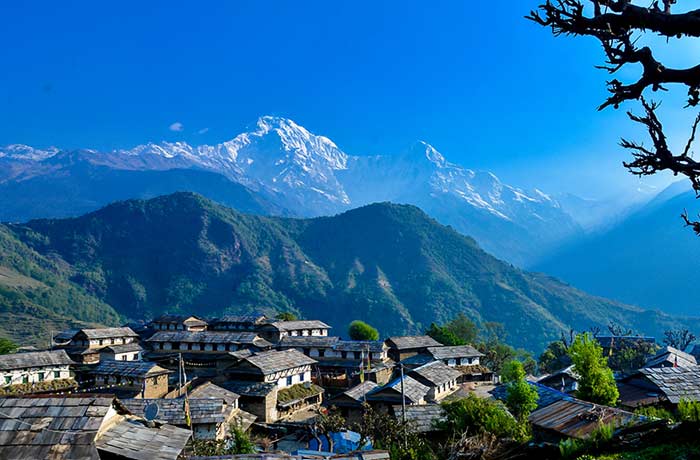


Ghandruk Trek is one of the most popular short trekking experiences in Nepal, offering spectacular Himalayan mountain views, traditional Gurung culture, beautiful terraced fields, green forests, and charming mountain villages. Located in the Annapurna region of north-central Nepal, Ghandruk is a picturesque traditional village known for its stone houses, friendly local people, rich cultural heritage, and breathtaking views of the Annapurna and Machhapuchhre mountain ranges.
The trek is an excellent choice for travelers who want to experience the beauty of the Himalayas without committing to a long or technically demanding expedition. It is suitable for families, couples, solo travelers, beginner trekkers, photographers, nature lovers, and anyone interested in experiencing rural Nepalese life.
Ghandruk lies at an altitude of approximately 1,940 meters above sea level, although the exact elevation varies slightly across the village. From different viewpoints around the settlement, trekkers can enjoy impressive views of Annapurna South, Hiunchuli, Machhapuchhre (Fishtail), and other snow-covered Himalayan peaks.
The journey usually begins with a drive from Pokhara to a trailhead near Ghandruk, depending on road conditions and the chosen itinerary. Trekkers then walk through forest trails, stone staircases, traditional settlements, and cultivated hillsides before reaching the village. Some itineraries begin from Nayapul or other nearby starting points and include additional walking days.
Ghandruk is also an excellent destination for travelers who want to combine Himalayan scenery with cultural exploration. Visitors can learn about the traditions of the Gurung community, explore the village museum, taste local food, and enjoy the peaceful atmosphere of the Annapurna foothills.
Highlights of the Ghandruk Trek
The Ghandruk Trek offers a wonderful combination of natural beauty, cultural experiences, and accessible Himalayan adventure.
Major highlights include:
- Beautiful panoramic views of Annapurna South, Hiunchuli, and Machhapuchhre.
- Exploration of the traditional Gurung village of Ghandruk.
- Walking along stone-paved trails and traditional village pathways.
- Opportunities to experience local Gurung culture, customs, and hospitality.
- Beautiful rhododendron forests and green hillsides.
- Stunning sunrise and sunset views over the Himalayan mountains.
- Visits to traditional stone houses and local cultural attractions.
- Photography opportunities featuring mountain landscapes and rural life.
- Comfortable teahouse accommodation and locally prepared meals.
- A short trekking experience suitable for many first-time trekkers.
The combination of mountain scenery and cultural immersion makes Ghandruk a memorable destination for travelers with limited time in Nepal.
Location and Geography
Ghandruk is situated in the Kaski District of Gandaki Province, Nepal, within the Annapurna region. It lies northwest of Pokhara and is surrounded by green hills, agricultural terraces, forests, and dramatic Himalayan scenery.
The village occupies a hillside overlooking the Modi Khola valley and the surrounding mountains. Its location provides impressive views of the Annapurna range while allowing visitors to experience the natural environment of the middle Himalayan region.
The landscape changes gradually along the trekking route. Lower sections feature cultivated fields, villages, subtropical vegetation, and terraced hillsides. Higher sections contain cooler forests, rhododendron trees, and mountain viewpoints.
Ghandruk’s geographical location makes it an excellent destination for travelers who want to experience Himalayan landscapes without traveling to extremely high elevations.
The trek also provides insight into the relationship between mountain communities and their environment. Traditional farming, livestock raising, tourism, and local trade continue to play important roles in village life.
Best Time for the Ghandruk Trek
Spring Season: March to May
Spring is one of the most beautiful times to visit Ghandruk. The weather is often pleasant, the hills become green, and rhododendron forests bloom with colorful flowers.
During March, April, and May, trekkers can enjoy comfortable daytime temperatures and excellent opportunities for photography. Mountain visibility is often good, especially during clear mornings.
April is particularly popular because rhododendron flowers may be seen along suitable forest sections of the route.
Autumn Season: September to November
Autumn is another excellent season for the Ghandruk Trek. Following the monsoon, the landscape is fresh, the air is often clear, and the Himalayan mountain views can be spectacular.
October and November are especially popular because of generally favorable trekking conditions. Daytime temperatures are usually comfortable, while mornings and evenings can be cool.
Autumn is ideal for travelers who prioritize mountain photography, cultural exploration, and pleasant walking conditions.
Winter Season: December to February
Winter trekking is possible because Ghandruk is relatively low compared with high-altitude Himalayan destinations. Days can be sunny, but mornings and evenings are cold.
Snow may occasionally affect higher surrounding areas, while lower trails are often accessible. Warm clothing, gloves, and a suitable sleeping arrangement are recommended.
Winter can be attractive for travelers seeking a quieter experience, although weather conditions should be checked before departure.
Monsoon Season: June to August
The monsoon season brings frequent rainfall, humid conditions, cloudy skies, and potentially slippery trails. Landslides and road disruptions can sometimes affect transportation.
However, the surrounding hills become lush and green, and the village can be beautiful during clear periods between rain showers.
Trekkers traveling during the monsoon should carry waterproof clothing, use appropriate footwear, and remain flexible with their itinerary.
Ghandruk Trek Itinerary
The following is a sample three-day itinerary from Pokhara. The exact route, walking duration, and transportation arrangements depend on road conditions, the chosen trailhead, and the traveler’s pace.
Visitors can walk through the traditional village, explore its stone-paved lanes, and observe the architecture of the old houses. The Gurung Museum, when open, offers information about local history, clothing, customs, and cultural traditions.
Trekkers may also take a short walk to nearby viewpoints or surrounding settlements, depending on available time and trail conditions.
Depending on the itinerary, they descend along stone steps and village paths toward a nearby road-accessible settlement. From there, a vehicle can take them back to Pokhara.
Travelers who prefer walking can take a longer route through nearby villages or extend their journey to other parts of the Annapurna region.
After arriving in Pokhara, the trek concludes with time to relax beside Phewa Lake, enjoy local restaurants, or explore the city.
Two nights in a Pokhara hotel, included in the package.
This option is suitable for visitors who want to experience the village and mountain views without including a full day of sightseeing.
Trekking Distance, Altitude, and Walking Hours
- Main destination-Ghandruk village
- Village altitude: Approximately 1,940 m
- Highest point: Depends on the selected route
- Trek duration: Usually 3 days, including Kathmandu to Pokhara -6 Days
- Walking hours: Approximately 3–4 hours per day
- Starting point: Pokhara and a Kimche
- Trek difficulty: Easy to moderate
- Accommodation: Teahouses and local lodges
- Transport: Bus or Jeep from Pokhara to Kimche
Guide requirement: Depends on current regulations and the selected arrangement
The shorter routes involve less walking, while routes beginning farther away can require longer days and more uphill or downhill sections.
Trekkers should be prepared for stone staircases, uneven paths, and occasional steep sections. Although the altitude is relatively low, walking can still be physically demanding for people who are not accustomed to hiking.
Difficulty Level of the Ghandruk Trek
The Ghandruk Trek is generally considered an easy-to-moderate trekking experience. It does not require technical climbing skills, mountaineering equipment, or previous high-altitude trekking experience.
However, the route includes stone steps, uneven paths, uphill climbs, and descents that may challenge people with limited walking experience.
A reasonable level of fitness is helpful. Travelers should be comfortable walking for several hours, taking breaks when needed, and carrying a small daypack.
Children and older travelers may enjoy the trek if the itinerary is adapted to their abilities and sufficient time is allowed for rest. Anyone with mobility concerns should discuss the trail conditions and transportation access before booking.
Hiring a local guide can make the journey easier by providing route guidance, cultural information, and assistance with accommodation arrangements.
Mountains and Natural Scenery
One of Ghandruk’s main attractions is its impressive mountain scenery.
Annapurna South (7,219 m)
Annapurna South is a prominent Himalayan peak visible from several viewpoints around Ghandruk. Its dramatic slopes and snow-covered upper sections form an important part of the village’s mountain panorama.
Machhapuchhre (Fishtail Mountain) (6,997 m)
Machhapuchhre is one of Nepal’s most recognizable mountains because of its distinctive twin-peaked summit. It holds cultural and religious significance and is admired for its striking shape.
Hiunchuli (6,441 m)
Hiunchuli is another important mountain visible from the Annapurna region. Its snow-covered slopes contribute to the spectacular Himalayan scenery surrounding Ghandruk.
Forests and Hillsides
The trek also passes through green forests, agricultural terraces, and hillsides covered with seasonal vegetation. During spring, suitable sections of the route may feature blooming rhododendrons.
The combination of forests, traditional villages, and distant snow-covered peaks makes this trek especially attractive to nature lovers and photographers.
Gurung Culture and Traditional Village Life
Ghandruk is widely recognized for its Gurung cultural heritage. The Gurung people have a rich history, distinctive traditions, and a strong connection to the surrounding Himalayan landscape.
Visitors can explore the village’s traditional stone houses, narrow pathways, and communal spaces. Many houses feature slate or stone roofs, wooden details, and architecture adapted to the mountain environment.
The village provides opportunities to learn about traditional clothing, local festivals, music, dance, food, and community customs. The Gurung Museum, when accessible, offers further insight into local history and cultural practices.
Hospitality is an important part of the visitor experience. Local families and lodge owners often welcome travelers and provide opportunities to learn about daily village life.
Visitors should respect local customs, ask permission before photographing people, and dress appropriately when visiting religious or culturally significant places.
Ghandruk is also associated with the Gurkha tradition. Many families in the wider region have historical connections with military service, although individual family experiences vary.
Accommodation During the Ghandruk Trek
Accommodation is generally available in teahouses, guesthouses, and small lodges.
Rooms commonly contain beds, mattresses, pillows, and blankets. The standard varies between establishments, and twin-sharing rooms are common.
Some lodges offer private bathrooms, while others provide shared toilet and washing facilities. Hot showers may be available for an additional fee or may depend on the lodge’s facilities and energy supply.
Travelers seeking greater comfort should request private rooms and attached bathrooms in advance, especially during busy trekking seasons.
Although Ghandruk has more developed accommodation facilities than many remote Himalayan villages, visitors should not expect every lodge to provide luxury-hotel standards.
Carrying a sleeping bag can be useful during colder months or if additional warmth is desired.
Food and Drinks on the Ghandruk Trek
Food is readily available in many teahouses and local restaurants in Ghandruk.
- Dal bhat with lentils,
- Vegetables, and pickles.
- Vegetable and noodle soups.
- Fried rice and fried noodles.
- Momos, a popular Nepalese dumpling dish.
- Potatoes, eggs, and seasonal vegetables.
- Bread, pancakes, porridge, and other breakfast foods.
- Tea, coffee, hot lemon, and other non-alcoholic drinks.
Dal bhat is a popular choice because it provides a filling meal for trekkers.
Travelers with vegetarian, vegan, or other dietary requirements should communicate their needs before ordering. Options vary between lodges.
Drinking enough safe water is important during the trek. Trekkers can use treated, filtered, or properly boiled water. Carrying a reusable water bottle helps reduce plastic waste.
Transportation to Kimche
Pokhara is the principal gateway for the Ghandruk Trek. Travelers generally reach Pokhara from Kathmandu by road or domestic flight before beginning the trekking journey.
From Pokhara, transportation is usually arranged by private jeep, taxi, or another suitable vehicle toward Ghandruk or a nearby trailhead.
The precise drop-off point depends on road conditions, seasonal accessibility, and the itinerary selected. Some routes allow vehicles to reach close to the village, while others require a longer walk.
Road conditions can change during the monsoon and after heavy rainfall. Travelers should allow flexibility in their schedule and confirm the transportation arrangements before departure.
Private transportation offers greater flexibility, while shared transportation may be more economical when available.
Permits for the Ghandruk Trek
Permit requirements should be checked before the trek because regulations can change.
Depending on the route and current rules, visitors may need an Annapurna Conservation Area Permit (ACAP). Requirements concerning trekking guides, registration, and other documentation should also be confirmed with the relevant Nepalese authorities or a registered trekking agency.
A licensed trekking agency can advise travelers about the permits required for their specific route and help arrange the necessary paperwork. Travelers should carry identification and any required permits during the trek. Permit checks may occur at designated locations.
Packing List for the Ghandruk Trek
Recommended items :
- Comfortable trekking boots or hiking shoes.
- Lightweight trekking trousers and shirts.
- A warm fleece or insulated jacket.
- A waterproof jacket and rain protection.
- A small backpack for daily essentials.
- Sunglasses, sunscreen, and a sun hat.
- A warm hat and lightweight gloves during colder seasons.
- Reusable water bottles and water treatment supplies.
- Personal toiletries and a small towel.
- A basic first-aid kit and personal medication.
- A camera or mobile phone.
- Cash for small purchases and additional services.
- Identification and required trekking documents.
During winter, extra warm clothing is advisable. During the monsoon, waterproof bags and reliable rain protection are especially useful.
Safety and Responsible Trekking
The Ghandruk Trek is generally accessible, but travelers should still follow basic trekking safety practices.
Walk at a comfortable pace, drink sufficient safe water, and take breaks when necessary. Use footwear with good grip on stone steps and muddy trails.
Check weather and road conditions before departure, particularly during the monsoon and winter seasons. Follow local guidance if trail conditions become unsafe.
Travelers should carry essential medication and maintain suitable travel insurance. Although the trek stays at relatively low elevations, injuries, illness, and transportation disruptions can still occur.
Responsible trekking is equally important. Avoid littering, reduce single-use plastics, respect local customs, and support local businesses where possible.
Ask permission before photographing residents, and avoid disturbing wildlife or damaging vegetation.
By respecting the environment and local communities, visitors help preserve Ghandruk’s cultural and natural heritage for future generations.
Ghandruk Trek for Families and Beginners
Ghandruk is a particularly attractive destination for families and first-time trekkers because it offers Himalayan views without requiring a long expedition.
The relatively low elevation reduces the concerns associated with very high-altitude trekking, although normal walking fatigue and weather-related challenges remain possible.
Families can choose a slower itinerary with shorter walking days and comfortable accommodation. Older travelers may also enjoy the village if the amount of stair climbing and walking is appropriate for their abilities.
Beginners should prepare with regular walking and comfortable footwear before the trip. A local guide can help with route planning, accommodation, and cultural interpretation.
The itinerary can also be combined with sightseeing in Pokhara, making Ghandruk a practical addition to a wider Nepal holiday.
Frequently Asked Questions About the Ghandruk Trek
1. How many days are required for the Ghandruk Trek?
Most visitors can explore Ghandruk in two to four days, depending on the starting point, walking pace, and whether additional villages or viewpoints are included.
2. What is the altitude of Ghandruk village?
Ghandruk is approximately 1,940 meters above sea level. Elevation figures can vary slightly depending on the exact location within the village.
3. Is the Ghandruk Trek suitable for beginners?
Yes. The trek is generally suitable for beginners with reasonable fitness. The trail includes stone steps, uphill sections, and descents, so comfortable walking shoes and a suitable pace are important.
4. Can I see Annapurna and Machhapuchhre from Ghandruk?
Yes. On clear days, Ghandruk offers beautiful views of Annapurna South, Hiunchuli, and Machhapuchhre, along with other surrounding Himalayan peaks.
5. Do I need a guide for the Ghandruk Trek?
A guide can provide cultural information, route assistance, and help with local arrangements. Whether a guide is legally required depends on current regulations and the route, so confirm the latest requirements before departure.
6. Is accommodation available in Ghandruk?
Yes. The village has teahouses, guesthouses, and lodges with varying room standards and facilities.
7. What is the best season for the Ghandruk Trek?
Spring, from March to June, and autumn, from September to December, are generally the best seasons for comfortable weather and mountain views.
Can I do the Ghandruk Trek without camping?
Yes. Most standard itineraries use local teahouses and lodges, so camping equipment is generally unnecessary.
9. Is the Ghandruk Trek expensive?
It is generally more affordable than longer Himalayan treks. Costs depend on transportation, accommodation, meals, guide services, and the duration of the trip.
10. Can I combine Ghandruk with other Annapurna treks?
Yes. Ghandruk can be combined with routes toward Landruk, Jhinu Danda, Ghorepani, Poon Hill, or other nearby destinations, depending on the available time and chosen itinerary.
Why Choose Nepal Alsace Trek and Expedition for the Ghandruk Trek?
Nepal Alsace Trek and Expedition can help travelers organize a memorable Ghandruk Trek with practical local arrangements and a personalized itinerary.
A well-planned trekking experience considers the traveler’s available time, fitness level, accommodation preferences, transportation requirements, and cultural interests. Local knowledge can also help visitors understand the Gurung community and appreciate the landscapes of the Annapurna region.
The agency can assist with transportation arrangements, guide services, accommodation planning, permit information, and advice about the best season to travel.
Whether you are traveling alone, with friends, as a couple, or with family, the itinerary can be adapted to your needs and budget.
Before booking, travelers should request a clear breakdown of package costs, services, permits, accommodation, meals, and exclusions. This helps ensure that the trip is transparent and suitable for their expectations.
Conclusion
The Ghandruk Trek is an excellent introduction to trekking in Nepal, combining beautiful Himalayan mountain views, traditional Gurung culture, green hillsides, forest trails, and welcoming village hospitality.
Its relatively short duration makes it an attractive option for travelers who want to experience the Annapurna region without committing to a long or demanding expedition. Visitors can explore traditional stone houses, enjoy local food, learn about Gurung heritage, and photograph spectacular mountain landscapes.
Spring and autumn generally offer the most favorable trekking conditions, although Ghandruk can be visited during other seasons with suitable preparation.
With appropriate planning, comfortable footwear, reliable transportation, and respect for local traditions, the Ghandruk Trek can become one of the most rewarding highlights of a Nepal holiday.
For travelers seeking a short Himalayan adventure with a rich cultural experience, the Ghandruk Trek offers a wonderful opportunity to discover the natural beauty and traditional lifestyle of Nepal’s Annapurna region.
| Day | Destination | Altitude | Walking Hour | Accommodation |
|---|---|---|---|---|
| 1 | Arrival Kathmandu and transfer to hotel | 1300 | One hour drive from airport to hotel | Hotel in Kathmandu |
| 2 | Kathmandu to Pokhara | 900 | 7-8 hours by Tourist bus from Kathmandu to Pokhara | Hotel in Pokhara B& B Servise |
| 3 | Pokhara to Ghandruk | 1940 | 1,30 drive and 3-4 walking from Kimche | Lodge |
| 4 | Explor at Ghandruk Gurung village | 1940 | Visit in the Gurung museum | Lodge |
| 5 | Ghandruk to Pokhara | 1940 | 2-3 walking down and trnsfer to Pokhara | Hotel include B& B Servise |
| 6 | Bus Transfer to Kathmandu | 1300 | 7-8 hours from Pokhara to Kathmandu | Hotel in Kathmandu |
| 7 | Deature After breakfast | Depature Day | By Air | At your home |
GHANDRUK TREK COST 476 $ PER PERSON
Cost Includes
- Airport Transfers: Airport pickup and drop-off in Kathmandu by private vehicle are included according to the agreed itinerary.
- Transportation: Ground transportation between Kathmandu and the trekking starting and ending points is included according to the package. Depending on the itinerary, this may involve a bus, jeep, or private vehicle.
- Hotel accommodation with breakfast is provided for the nights specified in the itinerary. Twin-sharing rooms are generally arranged.
- Teahouse Accommodation During the Trek: Accommodation in local teahouses and mountain lodges is included throughout the trekking route. Rooms are generally basic, with facilities varying by location.
- Meals During the Trek: Breakfast, lunch, and dinner are included on the trekking days specified in the package. Meals usually include dal bhat, noodles, soups, rice, potatoes, and other locally available dishes.
- Professional Trekking Guide: An experienced, licensed trekking guide accompanies you throughout the trek, assisting with navigation, cultural information, daily arrangements, and altitude awareness.
- Porter Services: Porter services are included if specified in your package. Porters carry your main luggage within the agreed weight limit. Their wages, meals, accommodation, and insurance are covered according to the package terms.
- Trekking Permits: The Annapurna Conservation Area Permit (ACAP) and any other required permits or applicable entry fees are included when stated in the package.
- Two-night hotels in Pokhara including breakfast service
- Guide and Porter Expenses: Staff wages, meals, accommodation, transportation, and insurance are included according to the agreed services.
- First-Aid Kit and Taxes: A basic first-aid kit is carried during the trek. Applicable government taxes and company service charges are included as specified.
Ghandruk trek Cost Excludes
- International Airfare: International flights to and from Nepal are not included.
- Nepal Visa Fees: Visa fees must be paid separately by travelers.
- Travel Insurance: Personal travel insurance is excluded. You should arrange insurance covering high-altitude trekking, medical treatment, and emergency helicopter evacuation.
- Meals in Kathmandu & Pokhara: Lunch and dinner in Kathmandu & Pokhara are not included unless mentioned in the itinerary.
- Personal Expenses: Snacks, chocolates, soft & Hot drinks, alcoholic beverages, bottled water, and additional food or drinks are paid for personally.
- Personal Trekking Equipment: Trekking boots, warm clothing, sleeping bags, backpacks, gloves, sunglasses, and other personal equipment are excluded unless agreed upon.
- Extra Lodge Services: Hot showers, Wi-Fi, laundry, and electronic device charging may require additional payment.
- Tips and Gratuities: Tips for guides and porters are not included and are given at your discretion.
- Extra Accommodation and Transportation: Additional hotel nights, extra vehicle services, and expenses caused by delays, illness, bad weather, or itinerary changes are excluded unless otherwise agreed.
- Emergency Expenses: Rescue costs, medical expenses, and other emergency services not covered by insurance or the package are the trekker's responsibility.
- Important Note
- The exact inclusions and exclusions depend on your itinerary, group size, transportation arrangements, and package price. Confirm all services with your trekking agency before booking your Annapurna Ghandruk Trek to avoid unexpected expenses and enjoy a safe, memorable Himalayan adventure.
September to December and March to June
Day time normal and during Night 1 degree.
Short trek Annapurna cost 476-US$ per person for 9 days package minimum of 2 people in the Group
No, Very easy trek
Annapurna National park permits TIMS card.
Yes, If you take a Guide and porter then very safe trip all the trekking in Nepal. It is better to book your trip with an agency if something happens then easy to solve any problem and full responsibility from Trekking agency.
Every village there are good lodge with Dining room including the best Toilet
Chinese, Nepali, Tibetans, Indian and Italian dish.
5/6 hours of walking per day.
Yes, you can see Annapurna South (7,647m), Himchuli (6,434m), Machhapuchhare (6,993m), and many other mountains views
Normally 08 Nights 09 Days
Arrival and departure transport service. Hotel in Kathmandu with bed and breakfast as per itinerary. Two-night hotel in Pokhara at Lakeside with breakfast. Annapurna Conservation park permit 2,000 Rs and TIMS card 1,000 Rs. A day three times meals-Breakfast, Lunch and Dinner during the trek. 2800 Rs per day per member for food including lodge accommodation. Tourist bus ticket Kathmandu Pokhara to Kathmandu. English- speaking –Government licensed holder trekking guide. Over the 6 Pax group, we will provide you experience mountain Leader, who has the best trained Hotel Management (NATHM) Mountain Leader Course, Component 1-2, Navigation Course, Rock climbing Course, Mountain rescue Training and Basic Mountaineering training, etc. Necessary porters-Insurance, Salary and they are accommodation during the trek. Company paper working and Government taxes etc. Local transport during the trek
Yes, if a woman travels alone to Nepal no problem but you take a guide or porter from a registered trekking agency because the trekking company is fully responsible for trekking and Mountain climbing. Our agency staff always take care of you, and they will provide you a single room single tent during the tea house trek and during the climbing trek. But if you contact freelance Guide then you get many problems they try to make chit for a single woman. Therefore if you book guide porter with un agency then it is good safe your Holyday travel to Nepal.
Highlight of the Ghandruk trek is one of the most popular short treks in the Pokhara region
1: scenic mountain views
Ghandruk Trek close up views of Annapurna South, Hiunchuli, Machhapuchhare (Fishtail) Mountain, and Gangapurna, a beautiful sunset and Sunrise views over snow-capped peaks,
2: Traditional Gurung village
Ghandruk village is one of the largest and best-preserved Gurung settlements, with stone houses, slate roofs, terraced fields, and a rich cultural atmosphere. You can visit the Gurung museum to learn about local Gurung history and lifestyle.
3: Natural Beauty
Walking through the Rhododendron forests, Bamboo groves, and lush hills (especially colourful in the spring season.Trek with scenic views, waterfalls, and farmlands along the trail.
4: Easy and short Trek
Ideal for beginners, families, or trekkers with limited time, this trek can be done in 3-4 days. Moderate elevation -Ghandruk is a (1,900 m) very low-risk altitude trek.
5: Tea house experience
Comfortable Tea house accommodations, enjoy local food like Dal bhat, momo, and Gurung dishes, and warm hospitality from local people.
6; Photography and relaxation
excellent for landscape and cultural photography and peaceful trails, less demanding, great for a relaxed trekking experience.
4-day Trek to Ghandruk
A four-day trek from Ghadruk offers stunning mountain views amid beautiful landscapes. Village houses are constructed of stone.
Altitude Chart