Pachermo Peak climbing -
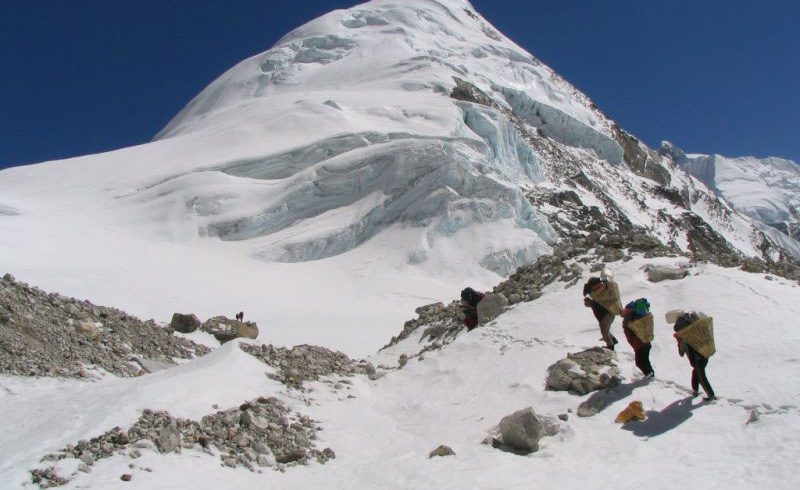
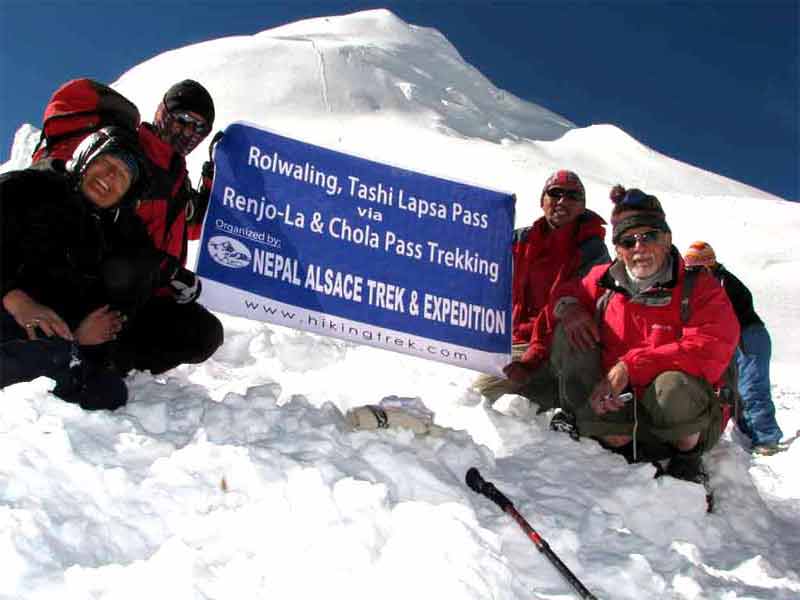
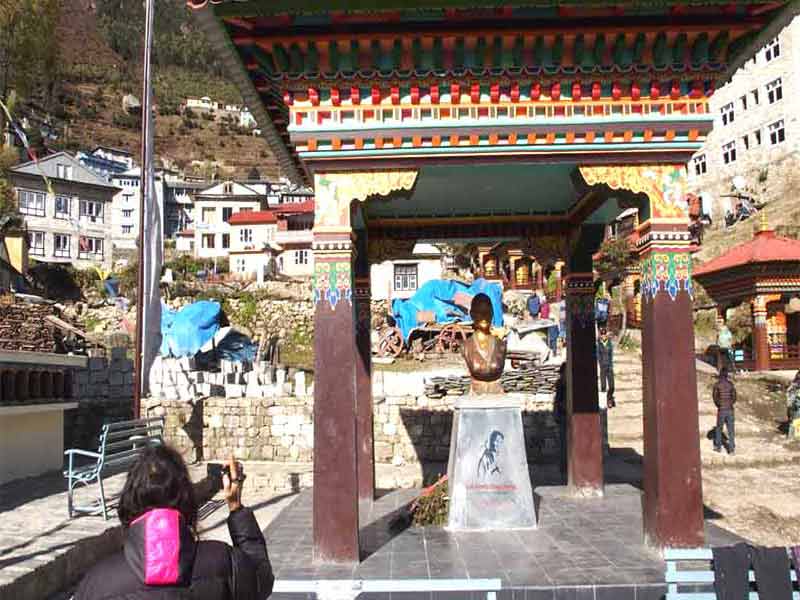
Pachermo Peak Climbing is an exciting Himalayan adventure in Nepal that combines remote trekking, high-altitude pass crossing, glacier travel, and technical peak climbing. Rising to approximately 6,273 meters (20,581 feet), Pachermo Peak lies in the Rolwaling region of central-eastern Nepal and offers a challenging alternative to some of the more crowded trekking peaks in the Everest area.
The journey to Pachermo Peak takes you through the beautiful Rolwaling Valley, an isolated Himalayan landscape surrounded by dramatic mountains, glaciers, high passes, traditional Sherpa villages, and remote Buddhist communities. The adventure usually involves crossing the spectacular Tashi Lapcha Pass (5,755 m), one of Nepal’s demanding high mountain passes, before approaching Pachermo Peak from the Rolwaling side.
Pachermo is suitable for experienced trekkers and climbers who are physically fit and comfortable with long days at high altitude. Depending on the route and current mountain conditions, climbers may need to use crampons, an ice axe, ropes, harnesses, and other mountaineering equipment.
Where Is Pachermo Peak
Pachermo Peak is located in the Rolwaling Himalaya of Nepal, west of the Everest region. The peak is associated with the Rolwaling Valley and the Tashi Lapcha Pass route connecting the Rolwaling and Khumbu regions.
The approach to Pachermo is an adventure in itself. Unlike the busy Everest Base Camp trail, the Rolwaling Valley is much quieter and more remote. The trail passes through forests, waterfalls, suspension bridges, alpine meadows, glaciers, and rugged mountain terrain.
The location provides spectacular views of Himalayan peaks including Gaurishankar, Melungtse, Dorje Phagmo, and other mountains of the Rolwaling range. After crossing Tashi Lapcha Pass, the route connects toward the Thame Valley in the Everest region.
Pachermo Peak Climbing Highlights
Pachermo Peak Climbing offers a combination of trekking and mountaineering experiences.
Trekking through the remote Rolwaling Valley
Exploring traditional Sherpa villages
Views of Gaurishankar and the Rolwaling Himalaya
Crossing the challenging Tashi Lapcha Pass
Glacier trekking and high-altitude terrain
Pachermo Peak climbing and summit attempt
Technical snow and ice climbing sections
Spectacular Himalayan sunrise and sunset views
Remote mountain camps and wilderness experience
Descending toward Thame and the Everest region
Experiencing Sherpa culture and Buddhist traditions
Combining adventure trekking with Himalayan peak climbing
Why Choose Pachermo Peak Climbing
Pachermo Peak is an excellent choice for climbers looking for a more adventurous Himalayan experience away from the busiest trekking routes.
The mountain requires more preparation than a standard trekking peak because the approach involves remote terrain and a high mountain pass. The combination of Tashi Lapcha Pass and Pachermo Peak makes this expedition especially attractive to experienced trekkers.
The journey also provides an opportunity to explore the Rolwaling Valley before entering the Everest region. The landscape changes dramatically throughout the trip, from lower green valleys and forests to glaciers, rocky mountain passes, and high-altitude snowfields.
Route to Pachermo Peak
A typical Pachermo Peak expedition begins with a drive from Kathmandu toward the Rolwaling region. Depending on road conditions and the selected itinerary, the approach may pass through areas such as Dolakha, Gonggar Khola, and Jagat before entering the Rolwaling Valley.
The trekking route continues through villages and mountain settlements such as Simi Gaon, Dongang, Beding, and Na, followed by higher alpine terrain toward Tashi Lapcha Pass.
Beding is one of the important Sherpa settlements in the Rolwaling Valley. It provides an opportunity to experience traditional Himalayan culture and prepare for the more demanding sections ahead.
From Na, the trail enters a more rugged and glaciated environment. The route gradually approaches Tashi Lapcha Pass, where altitude, snow, ice, and weather become major considerations.
After crossing Tashi Lapcha, climbers continue toward Pachermo Base Camp or High Camp depending on the expedition plan and mountain conditions.
Rolwaling Valley Trek
The Rolwaling Valley is one of the most spectacular parts of the Pachermo Peak journey.
The valley is surrounded by enormous Himalayan mountains and is known for its remote character. The trail passes through forests of pine, rhododendron, and other Himalayan vegetation at lower elevations before entering the alpine zone.
As the elevation increases, vegetation becomes sparse, and the landscape becomes increasingly dominated by rocks, snow, glaciers, and high mountain peaks.
The villages of the Rolwaling Valley have strong Sherpa cultural traditions. Buddhist monasteries, prayer flags, mani walls, chortens, and traditional houses can be seen along the trail.
The remote character of the valley makes the trek feel like a genuine Himalayan expedition rather than a conventional tourist trek.
Tashi Lapcha Pass
One of the most challenging sections of the Pachermo Peak expedition is the crossing of Tashi Lapcha Pass, which rises to more than 5,700 meters.
The pass connects the Rolwaling Valley with the Khumbu region and requires careful preparation because of its altitude and changing mountain conditions.
Depending on snow and ice conditions, the route can involve steep snow slopes, glaciers, fixed ropes, crampons, harnesses, and other technical equipment.
Crossing Tashi Lapcha requires an early start and careful movement. Weather conditions can change quickly at this elevation, so the expedition team must remain flexible.
From the top of the pass, climbers can enjoy extraordinary views of the surrounding Himalayan landscape.
Pachermo Base Camp
After crossing Tashi Lapcha Pass, the expedition approaches the Pachermo climbing area.
Base Camp provides an important location for organizing climbing equipment, checking weather conditions, resting, and preparing for the summit attempt.
The climbing team and guides normally inspect the route and assess snow and ice conditions before deciding the safest strategy for the summit.
A well-planned acclimatization schedule is essential because the body needs time to adapt to the high altitude.
Pachermo High Camp
Depending on the route and conditions, climbers establish a High Camp at a suitable elevation below the summit.
The High Camp is generally used as a staging point for the summit push. Climbers prepare their equipment the previous evening and usually begin the summit attempt very early.
The climb from High Camp to the summit can involve steep snow and ice terrain. The exact difficulty varies according to seasonal conditions.
The climbing guide assesses the route and determines whether fixed ropes, protection systems, or other technical equipment are necessary.
Pachermo Peak Summit
The summit day is the most exciting and demanding part of the expedition.
Climbers generally begin before sunrise to take advantage of stable morning conditions. The route may cross snowfields and steep slopes before reaching the summit ridge.
As the team gains elevation, the surrounding Himalayan panorama becomes increasingly impressive.
From the summit area, climbers can see extensive mountain landscapes of the Rolwaling and Khumbu regions. The achievement of reaching Pachermo’s summit provides a memorable experience for experienced mountaineers.
After spending limited time at the summit, the team begins the descent. Descending safely is just as important as reaching the summit because fatigue can increase the risk of mistakes.
Pachermo Peak Difficulty
Pachermo Peak is considered a challenging high-altitude climbing objective. It is considerably more demanding than a normal trekking route because the expedition combines remote trekking, high-altitude pass crossing, glacier travel, and peak climbing.
High altitude
Long trekking days
Tashi Lapcha Pass crossing
Snow and ice conditions
Steep terrain
Cold temperatures
Variable mountain weather
Remote rescue conditions
Glacier travel
Physical and mental endurance
Previous experience with crampons, an ice axe, rope travel, and high-altitude trekking is highly beneficial.
A climber should have good cardiovascular fitness, endurance, and previous experience at high altitude before attempting Pachermo.
Acclimatization
Acclimatization is one of the most important parts of a successful Pachermo Peak expedition.
The itinerary should include gradual altitude gain and appropriate rest periods. Acclimatization days may be used around important settlements and higher camps.
During acclimatization, climbers can take short hikes to higher elevations and return to a lower sleeping altitude.
Everyone reacts differently to altitude. Headache, unusual tiredness, dizziness, nausea, and breathing difficulties can be warning signs that should be taken seriously.
The expedition leader and climbing guide monitor the team and make decisions according to individual condition and mountain conditions.
Best Season for Pachermo Peak Climbing
The main climbing seasons in Nepal are generally spring and autumn.
Spring Season
Spring, particularly March through May, provides favorable conditions for many Himalayan climbing expeditions. The weather generally becomes more stable, although snow and route conditions can vary.
The mountain landscape is also attractive during the approach, with rhododendron forests blooming at lower elevations.
Autumn Season
Autumn, especially September through November, is another popular period for Himalayan trekking and climbing. The monsoon has generally ended, and the mountain atmosphere can become clearer.
October and November are often attractive months for high-altitude trekking, although actual climbing conditions depend on the specific year and route.
Winter conditions can bring significantly colder temperatures and heavier snow, while monsoon conditions can affect lower sections of the approach route.
Pachermo Peak Climbing Equipment
Personal Trekking Equipment
Trekking backpack
Duffel bag
Sleeping bag suitable for high altitude
Trekking poles
Headlamp with spare batteries
Water bottles
Sunglasses
Sunscreen
Lip balm
Warm hat
Gloves
Thermal clothing
Fleece jacket
Down jacket
Waterproof jacket
Waterproof trousers
Trekking boots
Warm socks
Gaiters
Personal first-aid supplies
Mountaineering Equipment
Depending on the route and guide’s assessment:
Mountaineering helmet
Crampons
Ice axe
Climbing harness
Ascender
Descender
Carabiners
Climbing slings
Prusik cord
Mountaineering rope
Mountaineering boots
Ice gloves
Goggles
Technical climbing clothing
The exact equipment list should be confirmed before departure because climbing requirements can change according to seasonal conditions and route status.
Food and Accommodation
Accommodation during the lower sections of the trek is generally available in local lodges and teahouses, particularly in established villages.
As the route enters the remote Rolwaling and high-altitude areas, accommodation becomes more basic. Some sections may require camping.
Meals normally include a mixture of local and trekking food such as dal bhat, noodles, rice, pasta, potatoes, soup, vegetables, eggs, bread, and other available dishes.
At higher camps, expedition-style meals are prepared by the climbing support team.
Adequate hydration and nutritious food are important during high-altitude climbing.
Guide and Porter Support
Professional guide and porter support is highly recommended for Pachermo Peak Climbing.
A qualified climbing guide helps with route finding, acclimatization, technical climbing, rope systems, weather assessment, camp organization, and emergency decisions.
Porters and expedition staff can carry trekking equipment and supplies, allowing climbers to conserve energy for difficult sections.
Because the Pachermo route includes remote and technical terrain, choosing an experienced local trekking and climbing agency is particularly important.
Permits for Pachermo Peak
Pachermo Peak climbing requires the appropriate Nepal government permits and conservation or restricted-area permits applicable to the selected route.
Permit requirements can change depending on the exact itinerary and current regulations. Climbers should confirm the latest permit requirements, fees, and documentation with a registered Nepal trekking and mountaineering agency before departure.
The expedition agency normally assists with permit processing and required documentation.
Safety and Responsible Climbing
Safety is the highest priority during a Pachermo Peak expedition.
Mountain weather can change rapidly, particularly around high passes and exposed ridges. The expedition itinerary should therefore include flexibility for weather and route conditions.
Responsible climbers should follow their guide’s instructions, maintain appropriate acclimatization, stay hydrated, and avoid unnecessary risks.
Environmental responsibility is also important. Climbers should minimize waste, avoid damaging vegetation, respect local culture, and carry rubbish back to appropriate disposal areas.
Pachermo Peak Climbing with Tashi Lapcha Pass
Combining Pachermo Peak with Tashi Lapcha Pass creates a complete Himalayan adventure.
The expedition begins in the lower Rolwaling region and gradually moves toward high alpine terrain. After exploring the valley and acclimatizing, the team crosses Tashi Lapcha Pass and continues toward the Pachermo climbing area.
The combination provides a unique progression from cultural trekking to remote wilderness and finally technical high-altitude climbing.
For experienced trekkers and climbers, this combination offers a demanding and rewarding expedition in one of Nepal’s less crowded Himalayan regions.
Who Can Join Pachermo Peak Climbing
Pachermo Peak is best suited to physically fit trekkers and climbers with previous high-altitude experience.
Participants should be prepared for:
Long trekking days
Remote mountain conditions
High-altitude camping
Cold temperatures
Steep terrain
Technical climbing
Tashi Lapcha Pass
Early-morning summit starts
Previous experience with crampons and an ice axe is strongly recommended. Basic mountaineering training before the expedition can also help climbers become familiar with technical equipment.
Conclusion
Pachermo Peak Climbing is a challenging and rewarding Himalayan expedition that combines the remote beauty of the Rolwaling Valley, the demanding Tashi Lapcha Pass, and the excitement of climbing a 6,000-meter-class Himalayan peak.
The journey offers much more than a summit. It provides an opportunity to experience traditional Sherpa villages, Buddhist culture, glaciers, high mountain passes, remote wilderness, and spectacular Himalayan scenery.
With proper acclimatization, experienced climbing guides, suitable equipment, careful planning, and respect for changing mountain conditions, Pachermo Peak can become one of the most memorable mountaineering experiences in Nepal.
For climbers seeking a remote Himalayan adventure that combines trekking and technical peak climbing, the Pachermo Peak climb via Rolwaling Valley and Tashi Lapcha Pass is an exceptional expedition experience.
| Day | Destination | Altitude | Walking Hour | Accommodation |
|---|---|---|---|---|
| 1 | Arrival Kathmandu and transfer to hotel | 1300 | one hour drive from airport to hotel | Hotel in Kathmandu |
| 2 | Day Free in Kathmandu | 1300 | Free visit at Kathmandu | Hotel in Kathmandu with B&B Service |
| 3 | Kathmandu to Jagat by bus or Jeep | 1150 | 8-9-hours public bus | Lodge |
| 4 | Jagat to Simi Gaun | 2020 | 5-6-hours | Lodge |
| 5 | Simi Gaun to Dhokang | 2397 | 6-7-hours | Lodge |
| 6 | Dhkang to Beding | 3740 | 5-6-hours | Lodge |
| 7 | Beding to Na | 4180 | 4-5-hours | Tent Camping |
| 8 | Rest Day at Na | 4180 | Visit -2-3-hours | Tent Camping |
| 9 | Na to Tsho Rolpa | 4540 | 5-6-hours | Tent Camping |
| 10 | Tsho Rolpa to Drolambu Glaicer | 4800 | 4-5-hours | Tent Camping |
| 11 | Drolambu to Tashi Lapsa high camp | 5755 | 5-6-hours | Tent Camping |
| 12 | High camp Summit Parchamo Peak 6279 and back to Nogle | 5137 | 9-10-hours | Tent Camping |
| 13 | Ngole to Thyangpo | 4350 | 6-7-hours | Tent Camping |
| 14 | Thyangpo to Thame | 3800 | 5-hours | Lodge |
| 15 | Day Rest at Thame | 3800 | Free visit Everest Summiteer village | Lodge |
| 16 | Thame to Jorsale | 2740 | 6-7-hours | Lodge |
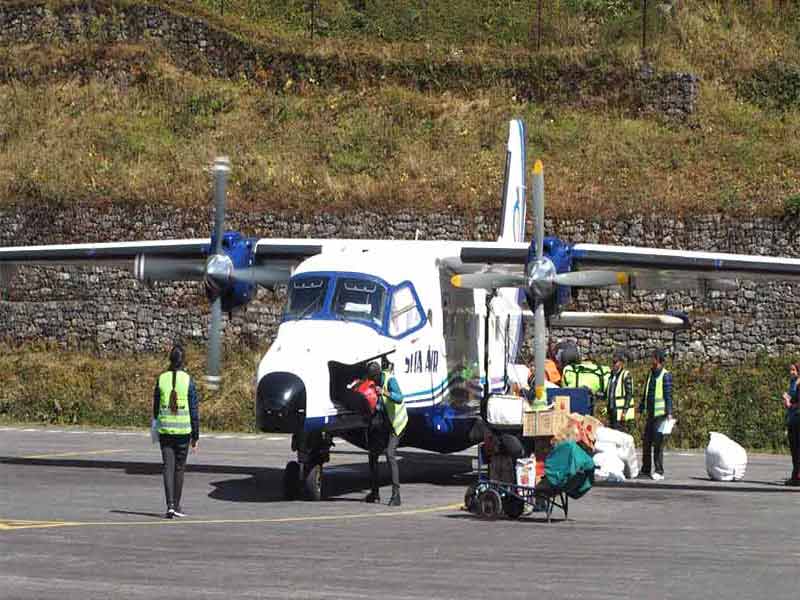
| 17 | Jorsale to Lukla | 2800 | 5-6-hours | Lodge |
| 18 | Lukla to Kathmandu | 1300 | 35-Minutes Flight to Kathmandu from Lukla | Hotel in Kathmandu |
| 19 | Day Free in Kathmandu | 1300 | Free visit in Kathmandu | Hotel in Kathmandu with B&B Service |
| 20 | Departure day | Fly out from Nepal | By air plane to your country | At your home |
Pharchamo peak climbing cost 3,358$ Per person
Cost Includes
- Arrival and departure transport. Car/ Van/ Hiace.
- Hotel in Kathmandu with bed and breakfast 4 Nights.
- Breakfast, Lunch, and dinner Such as Italian, Chinese, Nepali, Indian many more European (Items). food three times a day with Coffee, Tea.
- Tea Houses Lodge and Tented accommodation during the trek and climbing.
- License holder climbing guide, cook, and Porters, Including Salary, Insurance, food, and accommodation.
- Gauri Sankar and Everest National Park permit.
- Pharchamo Peak climbing Permit fee.
- Garbage deposit Fee.
- General Climbing equipment such as Rope, Ice Screw, Snow Bar, etc.
- Lukla-Kathmandu Plane ticket.
- Bus transport to Kathmandu to Jagat.
Pharchamo peak climbing Cost Excludes
- Lunch and dinner in Kathmandu.
- Your travel insurance policy encases if the accident and high altitude Sickness Rescue.
- Nepal entry visa fee 15 Days 30 US$ and for the 30 Days 50 US$, But you can obtain in Kathmandu airport if you have not taken from your country.
- Soft and hard drinks such as Beer, Coke, Fanta, Mineral water.
- Personal trekking and Climbing Equipment,
- Tips for Nepali staff.
- Your Personal Equipment.
- Please bring with 2 passports size pictures.
It is 6,0272m | 20,577 Ft Rolwaling region.
September to November and March to May
Day time normal and during Night 7-15 degree at high camp.
Pherchamo Peak Permit fee Spring | 250 US$| Autumn | 125 US$ | Winter & Summer 70 US$ | Per peak per person. Lukla to Kathmandu Plane ticket 180 | US$ Per person. Trekking management Cost Per person US$ | 2,070 | Per person minimum 2 pax in the group.
Normally, you need to bring with you flowing equipment. >> Alpine boot your good size. >> Ice ax, Harness, Karabiner Lock & Unlock >> Fix rope, Jammer, Ice hammer, Snow bag >> Helmet and others which are not mansions here.
Passport photocopy (should be very clear with color scan) and validity minimum 6 months. 2 passport size photo. Occupation. Home details address. Insurance copy
Feels like hangover & Feeling not good/ Headache/ Shortness of Breath/ Loss of appetite/ Sleep not good/ vomiting/ fevers etc.
Yes, Peak climbing is not very easy but depends on trekking peaks the same peak is less technical same peak is very steep, and much technical climbing + but you need good mountaineering equipment. We suggest that before the climbing peak you need to do a minimum 5,000 meters high trekking pass
Yes, if a woman travels alone to Nepal no problem but you take a guide or porter from a registered trekking agency because the trekking company is fully responsible for trekking and Mountain climbing. Our agency staff always take care of you, and they will provide you a single room single tent during the tea house trek and during the climbing trek. But if you contact freelance Guide then you get many problems they try to make chit for a single woman. Therefore if you book guide porter with un agency then it is good safe your Holyday travel to Nepal.
Namaste, Frist inquiry from your trip you will have direct access to experienced and professional climbing guides advice or to ask questions on your arrival Kathmandu meet with us we will brief you how to climbing Nepal trekking peaks. If you travel with us then, of course, we will provide qualified Guides who have experience high altitude trekking and climbing guides. We provide all the trekking and climbing staff insurance as well. You can speak directly with us about your proposed climbing Nepal Trekking peaks the will brief you on our experience climbing guide who has many times summit Nepal Trekking peaks
Altitude Chart