Annapurna Circuit Trek -
The Annapurna Circuit Trek is one of Nepal’s classic long-distance Himalayan trekking adventures, taking trekkers around the spectacular Annapurna massif through a remarkable variety of landscapes, cultures, villages, rivers, forests, and high mountain terrain. The route traditionally begins in the lower Marsyangdi Valley, climbs gradually toward Manang, crosses the famous Thorong La Pass at 5,416 meters, and then descends toward the sacred pilgrimage site of Muktinath and the dramatic Kali Gandaki Valley.
What makes the Annapurna Circuit special is the extraordinary change in scenery during the journey. The lower sections feature green hills, terraced farmland, waterfalls, subtropical forests, and traditional villages. As the trail climbs higher, the landscape becomes drier and more rugged, with Tibetan-influenced villages, ancient monasteries, prayer wheels, mani walls, and spectacular Himalayan peaks. The route therefore combines natural beauty and cultural diversity in one extended Himalayan experience.
The trek offers views of some of the most impressive mountains in the Annapurna region, including Annapurna I, Annapurna II, Annapurna III, Annapurna IV, Gangapurna, Annapurna South, Dhaulagiri, Manaslu, Nilgiri, and Tilicho Peak. The Nepal Tourism Board describes the Annapurna region as an area of strong contrasts, ranging from forested middle mountains to high Himalayan and trans-Himalayan landscapes.
Annapurna Circuit Trek Highlights
Crossing the spectacular Thorong La Pass – 5,416 meters
Beautiful views of the Annapurna and Dhaulagiri mountain ranges
Exploring the traditional villages of Manang
Experiencing Tibetan-influenced Himalayan culture
Visiting ancient monasteries, chortens, mani walls, and prayer wheels
Exploring the sacred pilgrimage site of Muktinath
Walking through the dramatic Kali Gandaki Valley
Experiencing the changing landscape from subtropical hills to high-altitude desert
Enjoying traditional Himalayan food and comfortable teahouse accommodation
Visiting villages such as Pisang, Manang, Muktinath, Kagbeni, and Jomsom. Tatpani and Poon Hill.
Optional side trips toward Tilicho Lake and other viewpoints
Experiencing the unique culture of Gurung, Manangi, and Thakali communities
Where Is the Annapurna Circuit Trek?
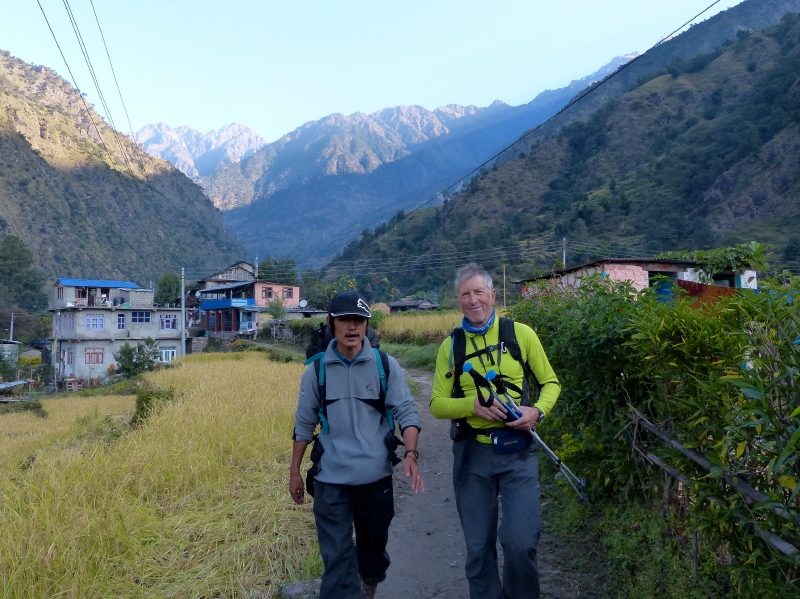
The Annapurna Circuit is located in central-northern Nepal within and around the Annapurna Conservation Area. The classic route travels around the Annapurna mountain massif, generally following the Marsyangdi River toward Manang before crossing Thorong La and descending toward Mustang and the Kali Gandaki Valley.
The traditional trek starts around Besisahar, while modern itineraries often use road transportation to reach higher trailheads such as Dharapani or Chame because roads have changed parts of the original walking route. The route can be customized depending on how much of the traditional trail trekkers want to experience.
The route eventually reaches the Mustang side of the Himalayas, where the scenery becomes much drier and more Tibetan in character. From Muktinath, trekkers can continue toward Kagbeni and Jomsom or use available transportation depending on their chosen itinerary.
Thorong La Pass – The Highest Point
The major achievement of the Annapurna Circuit is crossing Thorong La Pass at approximately 5,416 meters. It is the highest point on the standard circuit and one of the most memorable sections of the trek.
The approach to Thorong La requires gradual acclimatization because the altitude increases significantly after Manang. Trekkers normally spend time in the Manang area before continuing toward Yak Kharka and Thorong Phedi.
The pass crossing involves a long uphill climb followed by a substantial descent toward Muktinath. Weather can change quickly at high altitude, so the crossing should be planned carefully with appropriate equipment, experienced guidance, and flexibility.
Reaching the prayer-flag-covered pass provides magnificent views of the surrounding Himalayan landscape and a strong sense of achievement. From the top, the trail descends toward the Mustang side, where the environment changes dramatically.
Annapurna Circuit Manang Valley
Manang is one of the most important places on the Annapurna Circuit. Situated at around 3,500 meters, the Manang area provides an important opportunity for acclimatization before the trek continues toward Thorong La.
The landscape around Manang is noticeably different from the green valleys lower down. The mountains create a rain-shadow environment, resulting in a dry and rugged landscape with strong Tibetan cultural influences. The Nepal Tourism Board notes that the upper Manang landscape resembles the Tibetan plateau and contains turquoise mountain lakes, including Tilicho Lake.
Trekkers can explore the surrounding villages, monasteries, viewpoints, and mountain trails during an acclimatization period. Side hikes can provide excellent views of Gangapurna, Annapurna III, Annapurna II, Chulu peaks, and other Himalayan mountains.
Manang is also a place where trekkers can experience traditional local architecture, Buddhist culture, mountain hospitality, and the lifestyle of communities that have adapted to life in a high-altitude environment.
Mountain Views
The Annapurna Circuit provides an exceptional variety of mountain scenery. Depending on the section of the trail, trekkers may see:
- Annapurna I – 8,091 m
- Annapurna II
- Annapurna III
- Annapurna IV Annapurna South
- Gangapurna
- Dhaulagiri – 8,167 m
- Manaslu – 8,163 m
- Tilicho Peak
- Nilgiri
- Chulu West and East Peak
- Pisang Peak
- Thorong Peak
The views change throughout the trek because the trail travels through different valleys and around different sides of the mountain massif. The contrast between the green lower valleys and the dry high-altitude landscape is one of the defining features of the circuit.
Cultural Experience during the trek
The Annapurna Circuit is not only a mountain trek but also a cultural journey.
Lower sections of the route pass through communities influenced by Hindu and Buddhist traditions. As the trail climbs toward Manang, Buddhist cultural influences become increasingly visible. Trekkers encounter monasteries, prayer wheels, mani walls, chortens, colorful prayer flags, and traditional stone houses.
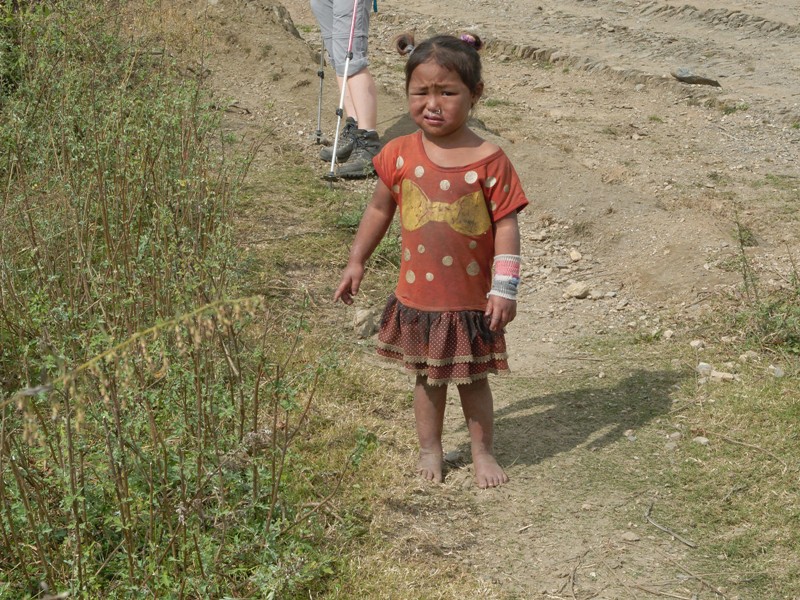
The communities of the region include Gurung, Manangi, and Thakali people, among others. Their languages, architecture, food, religious practices, and traditional lifestyles contribute to the cultural diversity of the trek.
In Mustang, the cultural landscape becomes strongly connected with Tibetan Buddhism. Ancient settlements such as Kagbeni demonstrate the historical connection between Nepal and the Tibetan plateau.
Muktinath is located in the Mustang region
Muktinath is one of the most important cultural and religious destinations along the Annapurna Circuit. Located at roughly 3,800 meters, it is sacred to both Hindus and Buddhists.
For Hindu pilgrims, Muktinath is an important pilgrimage destination associated with Lord Vishnu. For Buddhists, the area is also considered sacred and contains monasteries and religious sites.
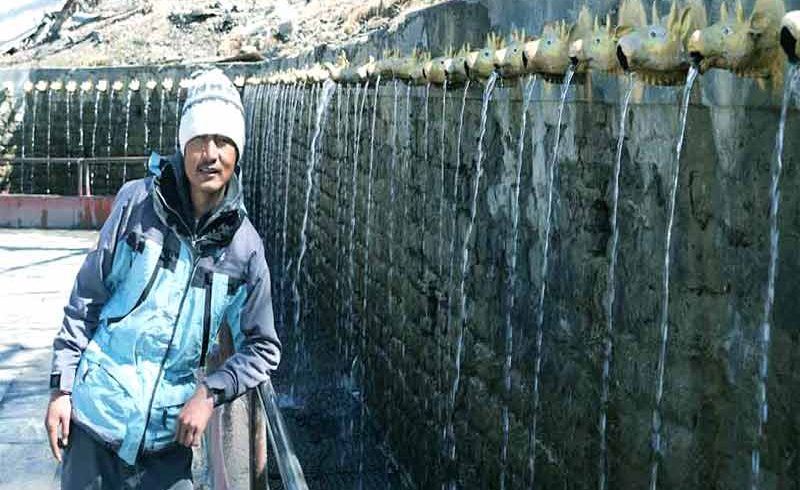
The Muktinath area includes the famous 108 water spouts and the Jwala Mai temple, where a natural flame is traditionally associated with the sacred character of the site.
For trekkers, visiting Muktinath provides an opportunity to experience one of Nepal’s most significant religious and cultural landscapes while also enjoying the spectacular mountain environment of Mustang.
Trek Kali Gandaki Valley
After crossing Thorong La and visiting Muktinath, the route descends into the Kali Gandaki Valley.
The landscape here is dramatically different from the Marsyangdi Valley. Dry hills, rocky cliffs, traditional villages, apple orchards, and enormous Himalayan peaks dominate the scenery.
The Kali Gandaki Valley lies between the Annapurna and Dhaulagiri mountain ranges. The Nepal Tourism Board describes the gorge between these two great mountain systems as one of the most dramatic features of the region.
Villages such as Kagbeni, Marpha, Tukuche, and Jomsom provide opportunities to experience the distinctive Thakali culture and architecture of the valley.
Kagbeni and Jomsom
Kagbeni is an ancient settlement located near the transition between the Annapurna and Mustang regions. Its traditional houses, narrow lanes, monasteries, prayer flags, and surrounding dry landscape give it a distinctive Himalayan character.
Jomsom is another important settlement and transportation center in the Kali Gandaki Valley. Depending on the trekking package, trekkers may finish their walking journey around Jomsom and continue by road to Poon Hill.
Transportation options have changed the classic Annapurna Circuit considerably. Today, some trekkers choose to use road transportation on selected sections, while others prefer longer itineraries that retain more walking on the traditional trails.
Trek to Tilicho Lake Side Trip
Trekkers who have additional time can consider adding a side trip toward Tilicho Lake, located at approximately 4,919 meters. The lake is situated in the high mountains of the Manang area and is surrounded by dramatic Himalayan terrain.
The Tilicho Lake extension adds additional altitude and trekking days, so it should be planned according to the trekker’s experience, acclimatization, weather, and overall itinerary.
Annapurna Circuit Trek Difficulty
The Annapurna Circuit is generally considered a challenging high-altitude trek, particularly because of the elevation gained before reaching Thorong La. The difficulty depends on the chosen route, number of trekking days, acclimatization schedule, weather, trail conditions, and individual experience.
The biggest physical challenge is the combination of altitude and the long crossing of Thorong La. Trekkers should not rush the ascent. A well-planned itinerary allows the body time to adapt to increasing elevation.
Good preparation includes regular walking or hiking before the trek, appropriate clothing and footwear, carrying enough water, maintaining a comfortable pace, and following the advice of an experienced guide.
The trek does not require technical mountaineering skills on the standard route, but high-altitude trekking experience and proper preparation are important.
Best Time for Annapurna Circuit Trek
The most popular trekking periods are generally spring and autumn, especially March–May and September–November. The Nepal Tourism Board identifies March–May and September–November as favorable periods for trekking in the Annapurna region.
Spring season: March to May
Spring brings pleasant trekking conditions and gradually warmer temperatures. Rhododendron forests in lower areas can add beautiful colors to the landscape.
Autumn Season: September to November
Autumn generally offers stable trekking weather, clear mountain views, and comfortable conditions. October and November are particularly popular months.
Winter Season: December to February
Winter brings cold temperatures and snowfall at higher elevations. Thorong La may become more difficult depending on snow and weather conditions. Proper winter equipment and careful planning are essential.
Monsoon Season: June to August
The lower Annapurna region receives monsoon rainfall, which can affect trails and transportation. However, areas such as Manang and Mustang lie in the Himalayan rain shadow and can experience much drier conditions than southern-facing areas.
Accommodation During the Trek
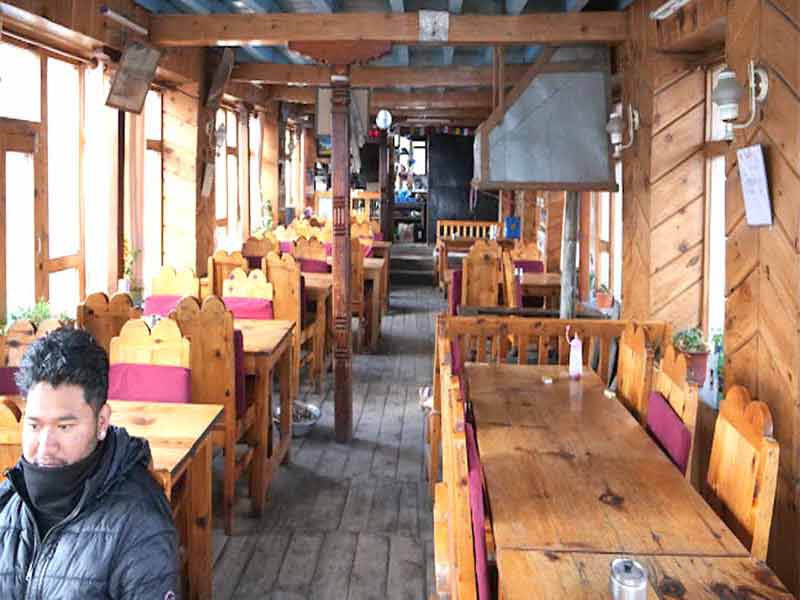
The Annapurna Circuit is well known for its extensive network of teahouses and lodges. Nepal Tourism Board notes that most trekking routes in the Annapurna region are well serviced by teahouses.
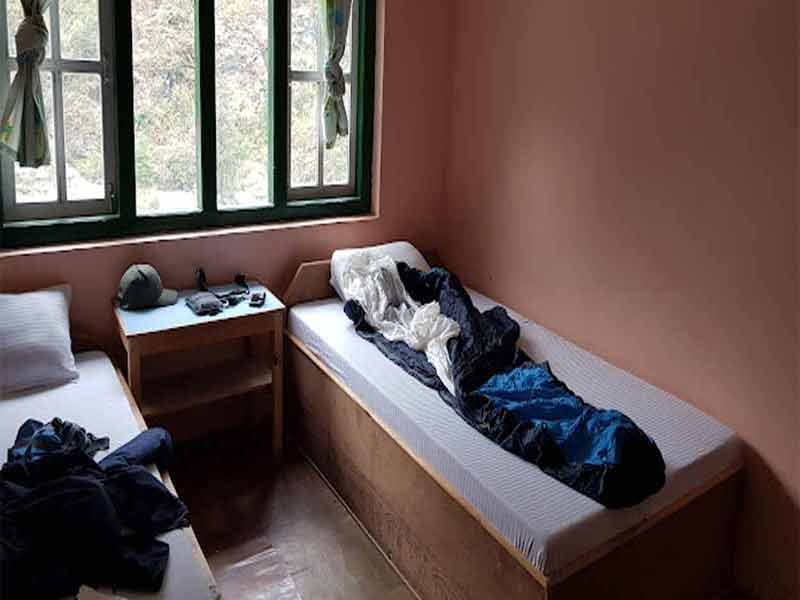
Accommodation normally consists of simple but comfortable rooms, commonly with beds and blankets. In many places, rooms are shared, particularly during busy trekking seasons.
Dining rooms are usually heated with a central stove where available. Meals commonly include traditional Nepali dishes as well as options such as noodles, rice, pasta, Momo, soup, potatoes, eggs, bread, pancakes, tea, and coffee Seasonal local foods and other basic trekking meals.
At higher elevations, facilities can be more basic, and prices can increase because food and supplies need to be transported considerable distances.
Food During Annapurna Circuit Trek
Food is an important part of the trekking experience. Dal bhat, consisting of rice, lentil soup, vegetables, and related side dishes, is one of the most common meals in Nepal and is widely available along the route.
Eating sufficient food and drinking enough water are particularly important during high-altitude trekking.
Permits and Guide during the trek
The Annapurna Circuit trekking region and current trekking requirements should be checked before departure because permit and guide regulations can change. The Nepal Tourism Board lists the Annapurna Circuit among routes requiring trekking-related registration and provides current TIMS information plus Annapurna conservation fees.
A professional trekking agency can assist with the necessary permits, guide arrangements, transportation, accommodation, and other logistics.
A guide can also help trekkers understand local culture, identify mountain landmarks, manage the daily walking pace, and respond to changing trail or weather conditions.
Transportation and the Modern Annapurna Circuit
Road construction has changed the original Annapurna Circuit considerably. Some lower sections now have road access, allowing trekkers to shorten the journey by using local transportation.
This does not mean the trek has lost its character. Instead, trekkers can choose between different versions of the circuit. Those with more time may walk longer sections, while travelers with limited time can use transportation to reach higher trailheads and concentrate on the major trekking sections.
Your trekking agency can design the route according to your available time, preferred walking distance, interest in cultural villages, and desire to include side trips.
Why Choose Annapurna Circuit Trek?
The Annapurna Circuit is an excellent choice for trekkers who want more than a single mountain destination. Instead of staying within one valley, the route takes you through a constantly changing environment.
You experience green hills, waterfalls, forests, traditional villages, high mountain valleys, Buddhist settlements, dry Himalayan landscapes, a major high-altitude pass, sacred pilgrimage sites, and the Kali Gandaki Valley during one journey.
The combination of mountains, culture, landscapes, villages, monasteries, and high-altitude adventure makes the Annapurna Circuit a complete Himalayan trekking experience.
Trek with an Experienced Local Team
Choosing a reliable local trekking agency can make the Annapurna Circuit more organized and comfortable. A local team can arrange permits, transportation, accommodation, guides, porters, and other essential services.
An experienced guide can also provide information about the local communities, mountain environment, monasteries, traditions, and trekking route while helping maintain an appropriate pace.
For trekkers who want to experience the Annapurna Circuit with a private guide and porter, the route can be customized according to the available time and desired trekking style.
Conclusion during the trek.
The Annapurna Circuit Trek is a remarkable journey through some of Nepal’s most diverse Himalayan landscapes. From the green valleys and villages of the lower Marsyangdi region to the high-altitude world of Manang, from the dramatic crossing of Thorong La at 5,416 meters to the sacred Muktinath and the dry landscapes of the Kali Gandaki Valley, every section offers something different.
It is a trek of changing scenery, rich culture, magnificent mountain views, traditional villages, Buddhist heritage, and unforgettable Himalayan experiences. With proper acclimatization, preparation, experienced support, and enough time, the Annapurna Circuit can become one of the most memorable trekking adventures in Nepal.
Annapurna Circuit Trekking equipment list.
Proper equipment is essential for a safe and comfortable Trek. Conditions can change quickly in the mountains, particularly at higher elevations, so you should be prepared for cold temperatures, wind, rain, and possible snow.
Clothing for the trek
- Waterproof trekking jacket and trousers
- Warm down jacket
- Fleece or warm mid-layer
- Thermal base layers
- Comfortable trekking trousers
- Warm gloves
- Warm hat and sun hat
- Trekking socks and spare socks
Foot ware
- Good-quality, comfortable trekking boots
- Lightweight camp shoes or sandals
Trekking Equipment
- Comfortable daypack
- Duffel bag
- Cold-weather sleeping bag
- Trekking poles
- Headlamp with spare batteries
- Reusable water bottles or hydration system
- Dry bags or waterproof packing bags
- Compression sacks for organizing clothing and equipment
Personal Items
- Sunglasses
- Sunscreen and lip balm
- Personal medications
- Basic first-aid supplies
Toiletries
- Hand sanitizer
- Power bank
- Mobile phone or camera
Important Documents
- Passport
- Travel insurance documents
- Flight details
- Emergency contact information
Dry bags or waterproof packing bags are particularly useful for protecting clothing, documents, and electronics from rain and moisture. Compression sacks can also help reduce the volume of your clothing and keep your duffel bag organized.
We can provide or arrange selected trekking equipment, including a duffel/kit bag and trekking poles, depending on the package and your requirements. We recommend discussing any equipment needs with us before departure so that everything can be prepared in advance.
Altitude Sickness and Acclimatization
Altitude is one of the most important factors to consider on the Annapurna Circuit Trek. As you ascend above 3,000 meters, the amount of available oxygen decreases, and your body needs time to adapt.
Our itinerary includes acclimatization stops in Manang, with gradual elevation gain rather than ascending too quickly.
Common symptoms of mild altitude sickness can include headache, nausea, dizziness, tiredness, and reduced appetite. Trekkers should inform their guide immediately if they develop symptoms.
The best approach is to walk slowly, stay hydrated, eat properly, avoid overexertion, and follow the recommended acclimatization schedule. If symptoms become severe or continue to worsen, descending to a lower altitude is essential.
| Day | Destination | Altitude | Walking Hour | Accommodation |
|---|---|---|---|---|
| 1 | Arrival Kathmandu and transfer to hotel | 1300 | One hour drive from airport to hotel | Hotel in Kathmandu |
| 2 | Kathmandu to Besishar & Chame shering Jeep | 2715 | By bus & Jeep Total 9 hours | Lodge |
| 3 | Chame to Pisang | 3100 | 4-hours | Lodge |
| 4 | Pisang to Manang via Nagwal village | 3440 | 4-hours | Lodge |
| 5 | Manang Rest day ang | 3440 | Visit to Gangapurna Glaciers | Lodge |
| 6 | Manang to Yek Kharka | 4050 | 4-hours | Lodge |
| 7 | Yek Kharka to Thorong High Cam | 4880 | 3-hours | Lodge |
| 8 | Muktinath via 5416-Thorong La pass | 3800 | 6-hours | Lodge |
| 9 | Muktinath to Marpha | 2700 | 6-hours | Lodge |
| 10 | Marpha to Tatopani by bus. | 1190 | by bus -4- 5-hours too Tatopani | Lodge |
| 11 | Tato Pani to Ghotrepani | Poon village with Mountains view | 2900 | 6-hours | Lodge |
| 12 | Ghorepani to Tadapani | 2630 | 3-4-hours | Lodge |
| 13 | Tadapani to Ghandruk Lunch & 0ne hours walking t to Kimche and drive to Pokhara | 900 | 4--hours walking and 3- hours shering Jeep or bus to Pokhara | Lodge |
| 14 | Pokhara-Kathmandu tourist bus. | 200 Km from Pokhara | 7-8 hours | Hotel in Kathmandu |
| 15 | Kathmandu | 1300 | Free day in Kathmandu | Hotel in Kathmandu with B&B |
| 16 | After breakfast drive to Kathmandu airport for your departure | Departure from Nepal | By air | At your home |
ANNAPURNA CIRCUIT TREK COST 995 U$D PER PERSON
Includes
- Arrival & departure transport service.
- Hotel in Kathmandu with bed and breakfast as per itinerary.
- Local bus and local jeep Kathmandu Besishar-Chame,
- One night hotel in Pokhara at Lakeside with breakfast.
- Annapurna Conservation park permit and Tims card.
- A day three times meals-Breakfast, Lunch, and Dinner during the trek.
- 2900 Rs per day per member including Lodge accommodation during the trek.
- Tourist bus ticket Pokhara Kathmandu.
- English- speaking –Government licensed holder trekking guide.
- Over the 6 Pax group, we will provide you with experience mountain Leaders, who had the best trained Hotel Management (NATHM) Mountain Leader Course, Component 1-2, Navigation Course, Rock climbing Course, Mountain rescue Training and Basic Mountaineering training, etc.
- Necessary porters-Insurance, Salary and they are accommodation during the trek.
- Company paper working and Government taxes etc.
Annapurna circuit trek Cost Excludes
- Lunch and dinner in Kathmandu & Pokhara
- You are covered for accidents, altitude sickness, rescue, and medication under your travel insurance policy.
- The trekking equipment you need.
- Hot sower & Battrey charging.
- The entry visa fee for Nepal is 30 US$ for 15 Days and 50 US$ for 30 Days. If you have not obtained your visa from your country, you can obtain it at the Kathmandu airport.
- Porter's and Guide's tips.
- We would appreciate it if you bring with you two passport-size photos.
- Drinks such as Coke, beer, and mineral water Tea, Coffee During the trek.
Between March and June 20th and September and November 20th to November 20th.
Daytime temperatures are normal, while nighttime temperatures are 5-10 degrees.
The cost of an Annapurna circuit trek is 1295 US dollars Each person, a minimum of 2 people in a group
One day is particularly challenging (5,416m) Thorog La, which is the highest point of your trek
Annapurna National park permits and TIMS card.
It’s very safe to travel with a guide & porter.
Each village has a good lodge with dining facilities and bathrooms
Chinese, Nepalese, Tibetan, Indian, and Italian dishes.
An average of 5-6 hours of walking per day
Yes, you can see Annapurna !+!!+!!!+IV, over (7,000) Pisang peak (6,091m), Chulu East (6,585m), West (6,419m), Gangapurna (7,454m), Tilicho peak (7,134m), Thorang la peak (6,420m), and many other mountains views. Dhaulagiri (8,171m), Tukche peak (7135m), Nilgiri (7,061m), and Annapurna range
Normally 15 Days, 16 Nights
Normally, you need to bring with you flowing equipment. + walking boot If possible Gore tax boot is better. + Warm socks and Gaiters in case of rain or snow. + Day carry bag and Down Jacket over 3,000 meters you get very cold. + Sleeping bag and others which are not mansions here.
Arrival & departure transport service. Hotel in Kathmandu with bed and breakfast as per itinerary. Local bus and local jeep Kathmandu Besishar-Chame other places during the trek, One night hotel in Pokhara at Lakeside with breakfast. Annapurna Conservation park permit and Tims card. A day three times meals-Breakfast, Lunch and Dinner during the trek. 2900 Rs per day per member include Lodge accommodation during the trek. Tourist bus ticket Pokhara Kathmandu. English- speaking –Government licensed holder trekking guide. Over the 6 Pax group, we will provide you experience mountain Leader, who had the best trained Hotel Management (NATHM) Mountain Leader Course, Component 1-2, Navigation Course, Rock climbing Course, Mountain rescue Training and Basic Mountaineering training, etc. Necessary porters-Insurance, Salary and they are accommodation during the trek. Company paper working and Government taxes etc.
Feels like hangover & Feeling not good/ Headache/ Shortness of Breath/ Loss of appetite/ Sleep not good/ vomiting/ fevers etc.
Yes, if a woman travels alone to Nepal no problem but you take a guide or porter from a registered trekking agency because the trekking company is fully responsible for trekking and Mountain climbing. Our agency staff always take care of you, and they will provide you a single room single tent during the tea house trek and during the climbing trek. But if you contact freelance Guide then you get many problems they try to make chit for a single woman. Therefore if you book guide porter with un agency then it is good safe your Holyday travel to Nepal.
Annapurna Circuit trek is one of the most famous trekking routes in the world, with amazing mountain views of the Annapurna range and the Dhaulagiri range.
1: High Thorong La pass. This trek crosses Thorong La Pass (5,416 m), which is a big achievement for climbers and feels like a real adventure.
2: Different Landscapes. During the trek, you walk through the green forests, rivers, waterfalls, different villages, farms, and scenery changes every day.
3: Local cultre. You will have a good experaince Gurung and Thakali culture. Buddhist monasteries, Prayer flags, stupas, and traditional villages.
4: Hot Springs. At Mengdi Tatopani, you can relax in a natural hot spring for many days while walking up and down on the Himalayan trails.
5: Good and best facilities. During the trek, there are many teahouses (Lodge service. Therefore, you don’t need to carry a tent. You can get food and a bed easily on this trek. In short peole love the Annapurna Circuit trek because it offers adventure, beauty, culture, and personal achievement all in one trek.
Altitude Chart
Reviews

Lodge Trek Annapurna We discover the "Nepal Alsace Trek & Expedition" agency...
Read More