Lower Dolpo Circuit trek - 18 Nights 19 Days
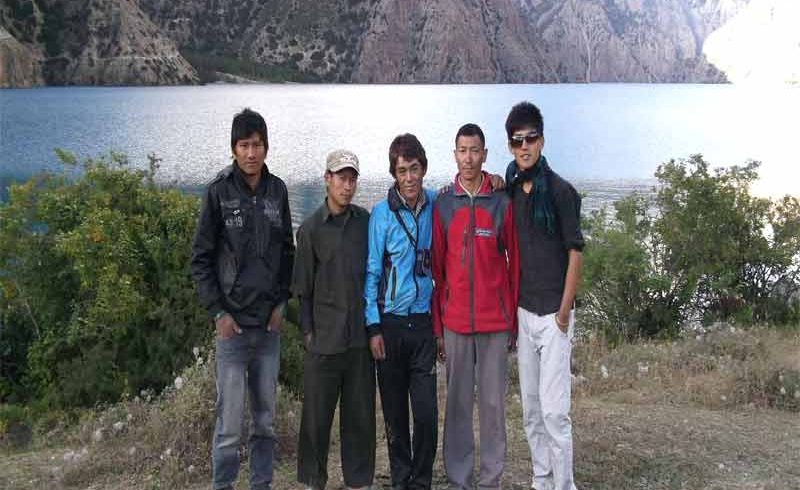
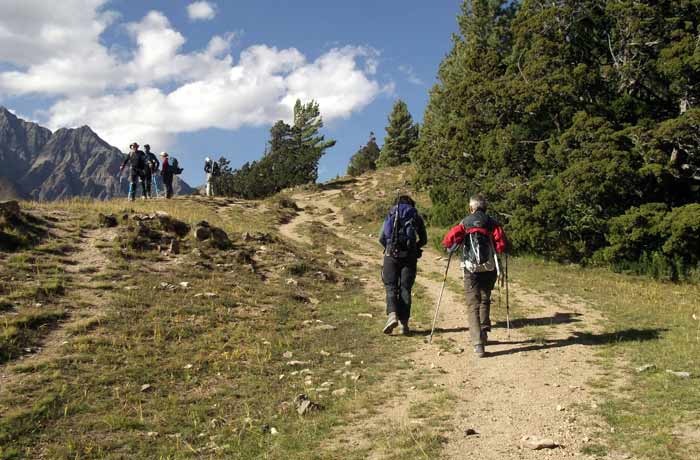
The Lower Dolpo Circuit Trek is one of Nepal’s most remote and culturally fascinating trekking adventures. Located in the far-western Himalayan region of Nepal, Dolpo is famous for its dramatic landscapes, ancient Tibetan Buddhist culture, high mountain passes, deep valleys, turquoise lakes, and traditional villages that have remained relatively untouched by modern development.
This trek offers an opportunity to explore the spectacular Dolpo landscape while experiencing the traditional lifestyle of local people. The route passes through beautiful forests, barren Himalayan valleys, traditional settlements, high passes, rivers, and the magnificent Phoksundo Lake. Compared with more popular trekking regions of Nepal, Lower Dolpo receives fewer visitors, making it an excellent choice for trekkers looking for solitude, wilderness, and authentic Himalayan experiences.
The Lower Dolpo Circuit can be organized as a camping trek with an experienced guide and support crew. Some sections have limited accommodation facilities, so proper preparation and logistics are essential.
Lower Dolpo Trek Location
Lower Dolpo lies in the Dolpa District of Karnali Province in western Nepal. The region is bordered by the Tibetan Plateau to the north and is surrounded by spectacular Himalayan mountains. The trekking area includes remote valleys, high passes, forests, and settlements influenced strongly by Tibetan culture.
The usual starting point is Juphal, reached by a domestic flight from Nepalgunj to Dolpa Airport. From Juphal, the trekking route continues through remote villages and valleys toward Phoksundo Lake and other spectacular areas of Lower Dolpo.
Highlights of Lower Dolpo Circuit Trek
- Remote and less-crowded Himalayan trekking experience
- Beautiful Phoksundo Lake
- Traditional Tibetan Buddhist villages
- Spectacular Himalayan valleys and mountain scenery
- High mountain passes and challenging trails
- Phoksundo Waterfall
- Shey Phoksundo National Park
- Juniper, pine, birch, and rhododendron forests
- Ancient monasteries and chortens
- Traditional stone houses and mountain settlements
- Rich Tibetan-influenced culture and lifestyle
- Opportunities to see Himalayan wildlife
Dramatic landscapes ranging from green forests to barren high-altitude valleys
Authentic camping and wilderness trekking experience
Shey Phoksundo National Park
A major part of the Lower Dolpo Circuit passes through Shey Phoksundo National Park, Nepal’s largest national park. The park is famous for its remarkable landscapes, high mountains, forests, deep valleys, and diverse wildlife.
The park provides habitat for animals such as blue sheep, Himalayan tahr, musk deer, Himalayan black bear, and other mountain species. The elusive snow leopard is also associated with the wider Dolpo ecosystem, although sightings are rare.
Trekkers can experience a remarkable change in vegetation and landscape during the journey. Lower valleys may contain forests and flowing rivers, while higher elevations become increasingly dry, rocky, and alpine.
Lower Dolpo Trek via Numu La and Baga La Passes
The Lower Dolpo Trek via Numu La and Baga La Passes is a challenging and spectacular Himalayan adventure through one of Nepal’s most remote regions. The trek combines the natural beauty of Shey Phoksundo National Park with high mountain passes, traditional Tibetan-influenced villages, dramatic valleys, and the beautiful Phoksundo Lake.
One of the major highlights is crossing Numu La Pass, which rises to approximately 5,143 meters. The trail climbs through rugged alpine terrain and rewards trekkers with impressive views of surrounding mountains and remote valleys. After crossing Numu La, the route continues through the wilderness toward Baga La Pass, at approximately 5,269 meters. Both passes involve steep ascents and descents and require good physical fitness, proper acclimatization, and favorable weather conditions.
The trek also provides an opportunity to explore the unique landscapes of Lower Dolpo, where green forests gradually give way to dry, rocky Himalayan terrain. Along the route, trekkers encounter traditional villages, Buddhist monasteries, prayer flags, chortens, and ancient cultural traditions.
The Lower Dolpo Trek via Numu La and Baga La is ideal for experienced trekkers seeking wilderness, high passes, Himalayan scenery, and authentic Dolpo culture away from crowded trekking routes
Phoksundo Lake
One of the most important attractions of the Lower Dolpo Circuit is Phoksundo Lake. Situated at approximately 3,600 meters above sea level, this beautiful alpine lake is surrounded by dramatic cliffs and mountains.
The lake is known for its deep blue and turquoise colors, which change depending on weather and sunlight. The peaceful environment around the lake makes it one of the most memorable places on the trek.
Nearby, trekkers can visit traditional settlements and explore the surrounding landscape. The famous Phoksundo Waterfall is another major attraction in this area.
The combination of the turquoise lake, cliffs, barren mountains, and traditional villages creates an extraordinary Himalayan landscape.
Phoksundo Waterfall
Phoksundo Waterfall is one of the spectacular natural attractions of the region. Water flows down from the Phoksundo Lake area through a dramatic rocky landscape before continuing into the valley.
The waterfall and surrounding cliffs provide excellent opportunities for photography. The trail around this part of the trek also provides beautiful views of the lake, forests, mountains, and traditional settlements.
Traditional Villages and Culture
Lower Dolpo is strongly influenced by Tibetan Buddhist traditions. Many villages contain traditional stone houses, prayer flags, chortens, mani walls, and Buddhist monasteries.
The local communities have developed a lifestyle adapted to the harsh Himalayan environment. Agriculture, animal husbandry, trade, and seasonal activities have traditionally been important parts of life.
Villages along the route provide an opportunity to observe traditional architecture and daily life. Local people are generally welcoming to trekkers, and staying in or passing through these communities can be an important part of the trekking experience.
Buddhist Heritage
Religion plays an important role in the culture of Dolpo. Tibetan Buddhism and ancient Himalayan traditions influence local festivals, architecture, monasteries, prayer wheels, and daily life.
Trekkers may encounter Buddhist monasteries, chortens, prayer flags, mani walls, and other religious structures throughout the journey.
Respecting local customs is important. Visitors should ask permission before photographing people or religious ceremonies and should follow local guidance when visiting monasteries.
Lower Dolpo Circuit Landscape
The Lower Dolpo Circuit offers extraordinary geographical diversity. The trail passes through lush forests, narrow river valleys, high alpine meadows, rocky landscapes, and dry Himalayan terrain.
At lower elevations, trekkers may walk through pine, birch, juniper, and rhododendron forests. As the elevation increases, vegetation becomes increasingly sparse, and the landscape changes into open alpine terrain.
The contrast between green valleys and dry, rugged mountains is one of the defining characteristics of Dolpo.
High Mountain Passes: Numu La & Baga La
The Lower Dolpo Circuit involves several challenging sections and high passes depending on the exact itinerary. Crossing high mountain terrain requires good physical preparation, appropriate acclimatization, and favorable weather.
Pass crossings can involve steep ascents and descents over rocky or snow-covered trails. Weather can change rapidly at high elevations, so trekkers should always follow the instructions of their guide and allow flexibility in the itinerary.
The high passes provide spectacular views of surrounding mountains and valleys and are among the most rewarding parts of the trek.
Trekking Difficulty
The Lower Dolpo Circuit is considered a challenging trek because of its remoteness, long walking days, high elevations, steep trails, and limited infrastructure.
Trekkers should be comfortable walking for several hours per day on uneven Himalayan terrain. Previous trekking experience is highly recommended, particularly for itineraries involving high passes.
Good physical preparation before the trek can make the journey more comfortable. Regular walking, hiking, stair climbing, and endurance training can help prepare for the demands of the route.
Altitude is another important consideration. The itinerary should include appropriate acclimatization and gradual elevation gain.
Accommodation During the trek
Accommodation varies depending on the section of the Lower Dolpo Circuit.
Some villages have basic teahouses or local lodges, while remote sections may require camping. Camping provides greater flexibility and allows trekkers to travel through areas where commercial accommodation is unavailable.
A typical camping arrangement includes tents for trekkers, dining facilities, kitchen equipment, and support staff. The trekking crew prepares meals and manages camp logistics.
Because facilities are limited, trekkers should not expect the same accommodation standards available on popular routes such as Everest or Annapurna.
Food During the Trek
Food during the Lower Dolpo Circuit depends on whether the route uses lodges, teahouses, or camping.
Common trekking meals may include:
Dal bhat with rice, lentils, and vegetables, Noodles, Pasta, Tibetan bread, Soups, Potatoes, Eggs, Vegetables, Porridge, and Seasonal local foods
During camping sections, the trekking kitchen team prepares meals according to the available ingredients and logistics.
Trekkers should carry some personal snacks such as energy bars, dried fruit, chocolate, nuts, or other lightweight foods.
Permits for Lower Dolpo
Trekkers need the required permits to enter the Dolpo trekking region and Shey Phoksundo National Park.
The exact permit requirements and fees can change, so trekkers should confirm the current regulations before departure. Nepal Alsace trekking agency can arrange the necessary permits and help ensure that all required documentation is prepared correctly.
Because Lower Dolpo is a restricted and remote trekking region, independent trekking arrangements may have additional requirements compared with ordinary trekking areas.
Guide and Porter Support
Hiring an experienced guide and support crew is highly recommended for the Lower Dolpo Circuit.
A local guide can assist with navigation, accommodation, communication, cultural matters, altitude awareness, and emergency arrangements. In remote areas, having an experienced guide is particularly valuable because weather and trail conditions can change quickly.
Porters or support staff can carry trekking equipment, camping materials, food, and personal luggage. This allows trekkers to concentrate on walking and enjoying the landscape.
For a remote trek such as Lower Dolpo, experienced local staff can also contribute significantly to the smooth operation of the expedition.
Best Time for Lower Dolpo Circuit Trek
The main trekking seasons for Lower Dolpo are generally spring and autumn.
Spring Season
Spring, particularly from March to May, offers relatively favorable trekking conditions. Temperatures gradually become warmer, and vegetation begins to develop in the lower valleys.
Rhododendrons and other flowers may add color to the landscape, while mountain views can be excellent during clear weather.
Autumn Season
September to November is another popular period. After the monsoon, the atmosphere is often clearer, providing excellent mountain visibility.
October is generally regarded as a particularly favorable month for many high-altitude trekking routes, although conditions can vary from year to year.
Summer and Monsoon
The summer monsoon can make access to western Nepal more complicated. Rain, cloud, flight disruptions, and wet trails may affect travel plans.
However, some parts of Dolpo lie in the rain-shadow region of the Himalayas and can remain comparatively dry. The suitability of a particular itinerary depends on the route and current conditions.
Winter Season
Winter brings cold temperatures and significant snowfall in high-altitude areas. Some high passes may become difficult or temporarily inaccessible.
Winter trekking therefore requires specialized preparation and should only be undertaken with careful planning and experienced local support.
Transportation to Lower Dolpo
A common approach to Lower Dolpo begins with travel from Kathmandu to Nepalgunj and then a flight from Nepalgunj to Juphal.
Flights to remote mountain airports can be affected by weather, visibility, and operational conditions. It is therefore important to keep some flexibility in the itinerary.
Nepal Alsace Trek & Expedition company can coordinate flights, ground transportation, permits, accommodation, guides, porters, and camping logistics.
Safety and Altitude Awareness
Safety is especially important in remote areas such as Dolpo. Medical facilities are limited, and evacuation can take considerable time.
Trekkers should walk at a comfortable pace and allow their bodies time to adapt to increasing altitude. Symptoms of altitude sickness should never be ignored.
The guide should monitor the group and make decisions according to weather, trail conditions, altitude, and individual health.
Travel insurance covering high-altitude trekking and emergency evacuation is strongly recommended.
What to Pack
Important equipment for the Lower Dolpo Circuit.
- Comfortable trekking boots
- Waterproof jacket and trousers
- Warm down jacket
- Fleece or warm layers
- Thermal base layers
- Trekking trousers
- Warm hat and gloves
- Sun hat
- Sunglasses
- Sleeping bag suitable for cold conditions
- Backpack and duffel bag
- Headlamp
- Water bottles or hydration system
- Water purification tablets or filter
- Trekking poles
- Sunscreen and lip balm
- Personal toiletries
- First-aid supplies
- Personal medicines
- Power bank
- Camera and spare batteries
- Lightweight towel
- Snacks and energy food
- Passport and required permit documents
For camping sections, the Nepal Alsace trekking agency will provide tents, kitchen equipment, dining equipment, and other group gear.
Why Choose Lower Dolpo Circuit Trek
The Lower Dolpo Circuit is suitable for trekkers who want to experience a remote Himalayan environment away from Nepal’s busiest trekking trails.
The trek combines natural beauty, traditional culture, Buddhist heritage, high mountain terrain, and wilderness. The opportunity to visit Phoksundo Lake is another major reason to choose the route.
Unlike heavily developed trekking areas, Dolpo retains a strong sense of isolation and traditional Himalayan life. Walking through remote valleys and traditional villages gives trekkers a deeper appreciation of the relationship between people and the Himalayan environment.
Responsible Trekking in Dolpo
Dolpo is a fragile mountain environment, and responsible tourism is essential.
Trekkers should avoid unnecessary plastic waste, use designated camping areas, respect local customs, and avoid damaging plants or historical structures.
Visitors should also respect monasteries, religious objects, and private homes. Supporting local communities through local guides, porters, accommodation, and food services can contribute positively to the region.
Conclusion: During the Trek
The Lower Dolpo Circuit Trek is an unforgettable Himalayan adventure for trekkers seeking remote landscapes, traditional culture, high mountain passes, and the spectacular beauty of Phoksundo Lake.
From the beginning of the journey in Juphal to the remote valleys, forests, traditional villages, Buddhist heritage sites, high passes, and turquoise waters of Phoksundo Lake, the trek provides a diverse and rewarding experience.
Because the region is remote and infrastructure is limited, careful preparation and experienced local support are important. With a professional guide, reliable trekking crew, appropriate equipment, proper acclimatization, and a flexible itinerary, the Lower Dolpo Circuit can become one of the most memorable trekking experiences in Nepal.
For trekkers who want to explore a less-developed Himalayan destination and experience the natural and cultural character of western Nepal, Lower Dolpo offers an exceptional wilderness journey
Lower Dolpo Circuit trek cost | 2,330 USD per person, Group size 1-5 Pax
One single trekker costs | 2640 USD
| Day | Destination | Altitude | Walking Hour | Accommodation |
|---|---|---|---|---|
| 1 | Arrival Kathmandu and transfer to hotel | 1300 | One hour drive from airport to hotel | Hotel in Kathmandu |
| 2 | Preparation for your trekking permits and equipments | 1300 | Free walking | Hotel in Kathmandu with B&B Service |
| 3 | Flight from Kathmandu to Nepalgunj | 158 | One hour flight from Kathmandu | Hotel in Nepalgunj with Dinner |
| 4 | 25 Minutes Flight to Juphal & trek to Dunai | 2140 | 2-3-hours | Tent Camping |
| 5 | Dunai to Tarakot | 2540 | 5-6-hoours | Tent Camping |
| 6 | Tarakot to Lahini | 3005 | 6-hours | Tent Camping |
| 7 | Lahini to Bavo Cave | 3500 | 5-6-hours | Tent Camping |
| 8 | Bavo cave to Dho trap | 3944 | 5-6-hours | Tent camping |
| 9 | Dhotrap to Numula Base camp | 4440 | 5-hours | Tent Camping |
| 10 | Base camp to Numula pass (5,143m) and Bagala Base camp | 4700 | 5-6-hours | Tent Camping |
| 11 | Base camp to Bagala Pass (5,269m)) miters and Phedi | 3653 | 5-6-hours | Tent Camping |
| 12 | Bagala Phedi to Ringmo Phoksundo Lake | 3640 | 4-5-hours | Tent Camping |
| 13 | Day Free at Phoksindu Lake | 3640 | Free visit Phoksundo Lake | Tent camping |
| 14 | Phoksidu to Richi Gaun | 2940 | 5-6-hours | Tent Camping or Guest house |
| 15 | Richi to Raktang | 2421 | 5-6-hour | Tent camping or Guest house |
| 16 | Rimtang to Juphal | 2475 | 5-6-hours | Tent camping or Guest house |
| 17 | Juphal to Kathmandu | 1300 | Flight frm Juphal -Nepalgunj to Kathmandu | Hotel in Kathmandu |
| 18 | Day Free in Kathmandu | 1300 | Free visit in Kathmandu | Hotel in Kathmandu with B&B Service |
| 19 | Departure day | 1300 | Drive to the airport to catch your flight to home | At Your home |
Lower Dolpo circuit trek cost US$ 2230Per Person
cost Includes
- 1. Airport Transfers and Transportation
- The package may include airport pickup and drop-off in Kathmandu and domestic flights between Kathmandu, Nepalgunj, and Juphal, according to the itinerary. Ground transportation required by the agreed program may also be included. Additional transportation or flight changes are charged separately unless specified.
- 2. Accommodation
- The package generally includes hotel accommodation in Kathmandu and Nepalgunj, if required by the itinerary. During the trek, accommodation may be provided in basic local teahouses or tents. As Lower Dolpo is a remote region with limited lodging facilities, camping is often necessary. A camping package should specify tents, sleeping arrangements, and other essential camping equipment.
- 3. Meals During the Trek
- Three meals a day—breakfast, lunch, and dinner—are generally included during the trekking period. Meals may consist of dal bhat, rice, noodles, potatoes, soups, vegetables, and other available local foods. For camping treks, the crew prepares meals and provides the necessary cooking arrangements. Special dietary requirements should be discussed before booking.
- 4. Restricted Area and National Park Permits
- The package should include the required Lower Dolpo Restricted Area Permit and Shey Phoksundo National Park entry permit, along with other applicable permit fees. Permit requirements depend on the confirmed itinerary and current regulations. Trekkers should travel with an authorized trekking agency and the required guide arrangements.
- 5. Professional Trekking Guide and Support Crew
- The package generally includes an experienced trekking guide familiar with Lower Dolpo’s remote trails, local culture, and high-altitude conditions. For camping expeditions, cooks, kitchen assistants, and porters or pack animals may be arranged according to the group size and itinerary.
- 6. Staff Wages, Food, and Accommodation
- The wages, meals, accommodation, and appropriate insurance for the guide and trekking crew are generally included in a fully organized package. The exact staffing arrangements depend on whether the trip uses teahouses or full camping support.
- 7. Camping and Kitchen Equipment
- For camping-based itineraries, the package may include sleeping tents, dining tents, kitchen equipment, cooking utensils, and other shared camping supplies. The agency should confirm which equipment is provided and which personal items trekkers must bring.
- 8. Government Taxes and Agency Service Charges
- Applicable government taxes, agency service charges, and standard trek-organizing expenses are generally included in the quoted package price.
Lower Dolpo circuit trek cost Excludes
- 1. International Flights and Nepal Visa
- International airfare to and from Nepal, Nepal visa fees, and personal immigration expenses are generally excluded.
- 2. Personal Travel Insurance
- Travel insurance is not usually included. Trekkers must arrange insurance covering high-altitude trekking, medical treatment, and emergency helicopter evacuation where available.
- 3. Personal Trekking Equipment
- Personal items such as trekking boots, warm clothing, sleeping bags, backpacks, trekking poles, gloves, and headlamps are generally excluded unless otherwise stated.
- 4. Personal Expenses
- Soft drinks, bottled beverages, snacks, chocolates, alcoholic drinks, souvenirs, and personal shopping are not normally included.
- 5. Extra Accommodation and Meals
- Additional hotel nights, meals outside the agreed itinerary, and expenses resulting from flight cancellations, delays, or unexpected overnight stays may require extra payment.
- 6. Tips and Optional Services
- Tips for guides, cooks, and porters are not included. Wi-Fi, laundry, hot showers, device charging, and other optional services may also cost extra where available.
- 7. Emergency and Unplanned Expenses
- Medical bills, emergency evacuation, additional staff, itinerary extensions, and extra transportation costs are generally excluded unless explicitly covered by the booking agreement.
- Conclusion
- Before booking the Lower Dolpo Circuit Trek, request a detailed quotation outlining all included and excluded services. Confirm domestic flights, restricted-area permits, camping equipment, meals, staff support, and emergency arrangements to understand the full trip cost and enjoy a safe, well-organized adventure in Nepal’s remote Dolpo region.
May to September
Day time normal and during Night 5/13 degree.
Lower Dolpo Trekking costs 2,000 U$$ per person.
Phoksandu National park permit and Lower Dolpo especial Trekking Permit.
Yes, If you take a Guide and porter then very safe trip all the trekking in Nepal. It is better to book your trip with an agency if something happens then easy to solve any problem and full responsibility from Trekking agency.
Lodge and Tent Service
Chinese, Nepali, Tibetans, India dish.
5/7 hours of walking per day.
Numula pass (5,128m) Bagala pass (5,169m)
Lower Dolpo trekking necessary to flight 4 times, Kathmandu-Nepalgunj-Juphal,-Nepalgunj to Kathmandu.
Passport photocopy (should be very clear with color scan) and validity minimum 6 months. 2 passport size photo. Occupation. Home details address. Insurance copy
Normally, you need to bring with you flowing equipment. + walking boot If possible Gore tax boot is better. + Warm socks and Gaiters in case of rain or snow. + Day carry bag and Down Jacket over 4,000 meters. + Sleeping bag and others which are not mansions here.
Arrival &departure transport service in Kathmandu. Hotel in Kathmandu with bed and breakfast as per itinerary. Kathmandu-Nepalgunj-Juphal-Nepalgunj-Kathmandu Plane about 624 $ per person. English Speaking Trekking guide, cook, and porters. All the ground transportation., A day three times meals-Breakfast, Lunch and Dinner during the trek. Camping gears /Tow meant Tent, Dining Tent toilet Tent Kitchen Equipment. Lower Dolpo special Trekking Permit 20 $ per week per person and Park fee. One night hotel in Nepalgunj including dinner. Please bring 2 passport size pictures
Feels like hangover & Feeling not good/ Headache/ Shortness of Breath/ Loss of appetite/ Sleep not good/ vomiting/ fevers etc.
Yes, if a woman travels alone to Nepal no problem but you take a guide or porter from a registered trekking agency because the trekking company is fully responsible for trekking and Mountain climbing. Our agency staff always take care of you, and they will provide you a single room single tent during the tea house trek and during the climbing trek. But if you contact freelance Guide then you get many problems they try to make chit for a single woman. Therefore if you book guide porter with un agency then it is good safe your Holyday travel to Nepal.
Altitude Chart
Reviews

I have just returned from a 14-day trek through Lower Dolpo with...
Read More