Kanchenjunga Base Camp trek - 27 Nights 28 Days
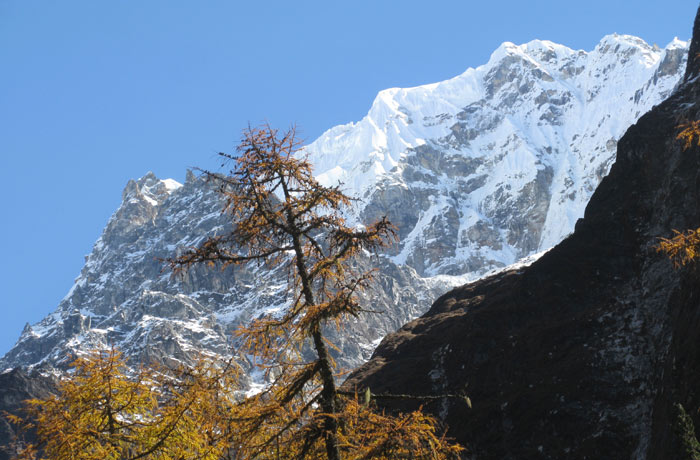
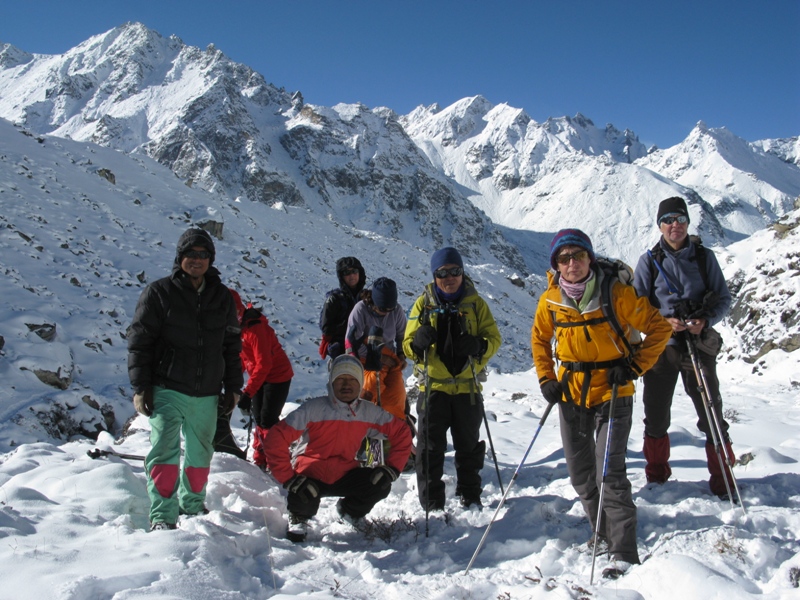
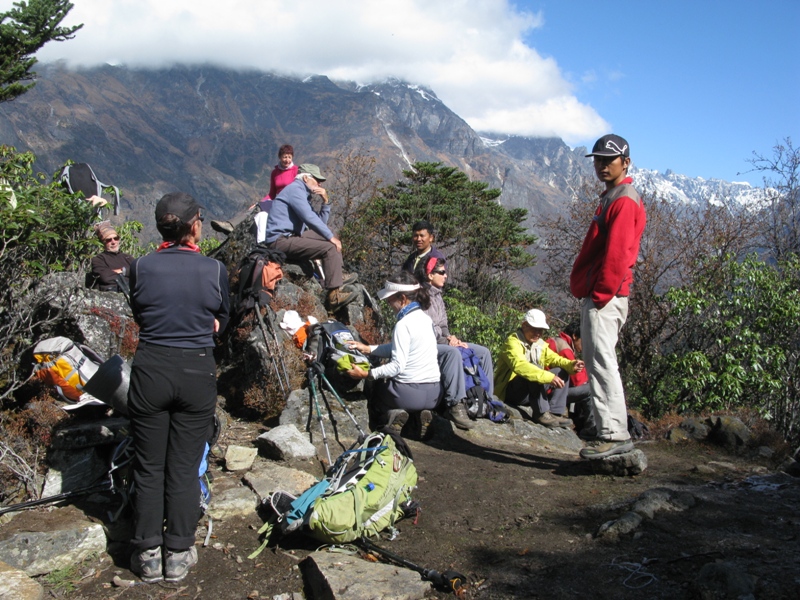
Kanchenjunga Base Camp Trek is one of Nepal’s most spectacular and remote trekking adventures. Located in Nepal’s far eastern region, this extraordinary journey takes trekkers into the heart of the Kanchenjunga region, home to Mount Kanchenjunga, the world’s third-highest mountain at 8,586 meters above sea level.
The Kanchenjunga Base Camp Trek is an excellent choice for adventurous travelers who want to explore unspoiled Himalayan landscapes, traditional mountain villages, dense forests, glacial valleys, and breathtaking mountain scenery. Unlike the more popular Everest and Annapurna trekking routes, the Kanchenjunga region offers a quieter experience with fewer trekkers and a stronger sense of wilderness.
The trek usually includes visits to both Kanchenjunga South Base Camp at Oktang and Kanchenjunga North Base Camp at Pangpema. These two destinations provide different perspectives of the mighty Kanchenjunga massif and its surrounding peaks.
During the journey, trekkers pass through beautiful villages, terraced farmland, rhododendron forests, river valleys, and alpine meadows. As the elevation increases, the landscape gradually changes into rugged terrain surrounded by glaciers and towering snow-covered mountains.
The Kanchenjunga Base Camp Trek requires good physical fitness, proper acclimatization, and a flexible itinerary. Due to its remote location, long walking days, and limited facilities, it is more challenging than many standard teahouse treks in Nepal. However, the remarkable scenery, cultural experiences, and peaceful trails make this adventure highly rewarding.
Where Is Kanchenjunga Base Camp Located?
The Kanchenjunga region lies in eastern Nepal, mainly within Taplejung District, close to the borders of India and Tibet, China. The area forms part of the Kanchenjunga Conservation Area, which protects an exceptional range of Himalayan ecosystems, wildlife, and cultural heritage.
Mount Kanchenjunga dominates the region, surrounded by dramatic peaks, glaciers, deep valleys, and remote settlements. The area is known for its natural beauty and rich biodiversity, including forests that provide habitat for red pandas, Himalayan black bears, and numerous bird species.
The two main base camp destinations are:
Kanchenjunga South Base Camp: The viewpoint near Oktang offers magnificent views of the southern face of the Kanchenjunga massif.
Kanchenjunga North Base Camp: Pangpema, at approximately 5,143 meters, provides spectacular views of Kanchenjunga and the surrounding high Himalayan peaks.
Visiting both base camps allows trekkers to experience different sides of this magnificent mountain region.
Highlights of Kanchenjunga Base Camp Trek
The Kanchenjunga Base Camp Trek offers an outstanding combination of wilderness, culture, and Himalayan adventure.
Major highlights
- Explore the remote eastern Himalayan region of Nepal.
- Visit both Kanchenjunga North and South Base Camps.
- Enjoy breathtaking views of Mount Kanchenjunga, 8,586 meters.
- Discover the beautiful villages of the Taplejung region.
- Walk through rhododendron, bamboo, oak, and pine forests.
- Experience traditional Limbu, Rai, Sherpa, and other local cultural influences.
- Explore the impressive landscapes of Yalung Glacier and the surrounding mountain valleys.
- Visit Pangpema, one of the most spectacular viewpoints in the northern Kanchenjunga region.
- Enjoy peaceful trails far from Nepal’s busiest trekking routes.
- Experience high-altitude landscapes, alpine meadows, and glacial terrain.
- Photograph magnificent Himalayan peaks and traditional mountain settlements.
- Learn about the biodiversity and conservation efforts of the Kanchenjunga region.
The combination of two base camps makes this trek especially attractive for trekkers who want an extended adventure in a remote Himalayan destination.
Kanchenjunga Base Camp Trek Route
The standard Kanchenjunga Base Camp Trek begins in Kathmandu, followed by a flight toward eastern Nepal and ground transportation to the trekking trailhead. Flight and road arrangements may change depending on weather, road conditions, and the chosen itinerary.
Kanchenjunga Base Camp Trekking route
Kathmandu → Bhadrapur -Taplejung area-Sekathum- Amjilosa -Gyabla -Ghunsa -Kambachen -Lhonak – Pangpema (North Base Camp) -return to Ghunsa- Sele Le area -Tseram -Oktang (South Base Camp) -Ramche -Tortong -Yamphudin -Sukyatar or another suitable road-access point -Taplejung area -Bhadrapur toKathmandu.
The exact route may vary depending on the itinerary, local trail conditions, and transportation availability.
Some itineraries visit the south base camp first and the north base camp afterward. Others visit the northern side first, as outlined above. Both approaches require careful acclimatization and sufficient time for the high-altitude sections.
The route includes river valleys, steep forest trails, remote settlements, suspension bridges, rocky paths, and high mountain terrain.
Kathmandu Arrival and Trek Preparation
Your adventure begins in Kathmandu, Nepal’s capital city. Upon arrival at Tribhuvan International Airport, your trekking agency representative can welcome you and arrange transportation to your hotel.
Kathmandu is the main center for preparing for your Kanchenjunga expedition. You can check your trekking equipment, purchase missing supplies, meet your guide, and attend a briefing about the route.
Your trekking team should explain the itinerary, permit requirements, accommodation arrangements, food, transportation, emergency procedures, and altitude precautions.
Because the Kanchenjunga region is remote, preparation is particularly important. You should confirm that your insurance covers high-altitude trekking and emergency evacuation.
It is also wise to bring enough cash for personal expenses, as banking facilities and reliable card payments are limited along the trail.
Flight to Eastern Nepal and Drive to the Trailhead
The journey commonly begins with a flight from Kathmandu to Bhadrapur, followed by a road journey toward Taplejung or the selected trailhead.
The flight provides a convenient connection to eastern Nepal, while the drive passes through hills, rivers, farmland, villages, and winding mountain roads.
Depending on road conditions and the itinerary, the drive may take several hours or longer. Landslides, construction, and weather can affect travel times, particularly during the monsoon season.
Your agency should arrange suitable transportation and allow sufficient time for delays.
The road journey is an introduction to the diverse landscapes of eastern Nepal before the trekking adventure begins.
Trekking Through the Kanchenjunga Region
The early trekking days pass through lush forests, river valleys, cultivated hillsides, and traditional settlements. The trails can be steep in places, with repeated ascents and descents.
As you walk deeper into the Kanchenjunga region, you may notice changes in architecture, local customs, vegetation, and the surrounding environment.
Villages such as Sekathum, Amjilosa, and Gyabla provide opportunities to rest and experience life in remote mountain communities. The availability and standard of accommodation vary from place to place.
The trails gradually become more rugged as you approach Ghunsa and the higher valleys. Rhododendron forests and alpine vegetation give way to open slopes and increasingly dramatic mountain views.
This gradual progression helps trekkers adjust to the increasing elevation, although proper acclimatization days remain essential.
Ghunsa Village and Acclimatization
Ghunsa, at approximately 3,400 meters, is one of the most important settlements on the northern Kanchenjunga route.
The village is surrounded by forested hills and impressive mountain scenery. It provides a valuable opportunity to rest, acclimatize, and prepare for the higher sections of the trek.
An acclimatization day may include a short hike to a higher viewpoint followed by a return to the village. Your guide should choose an appropriate activity based on the group’s fitness and health.
During your stay, you can explore the village, learn about local mountain culture, and enjoy the peaceful atmosphere.
Acclimatization is essential because the amount of oxygen available decreases as elevation increases. Ascending too quickly can increase the risk of acute mountain sickness.
If you experience symptoms such as a headache, nausea, dizziness, or unusual fatigue, inform your guide. Do not continue ascending if altitude illness is suspected. Severe or worsening symptoms require prompt medical assessment and descent.
Kanchenjunga North Base Camp Trek
The northern section of the trek leads toward Kambachen, Lhonak, and Pangpema. This is one of the most spectacular parts of the entire journey.
Beyond Ghunsa, the trail passes through increasingly rugged landscapes, with rocky paths, glacial valleys, and expansive mountain views. The surroundings become more remote, and accommodation options are limited.
Kambachen, at approximately 4,050 meters, is an important stop before continuing higher. Lhonak, at around 4,780 meters, is another key settlement used for overnight accommodation before the North Base Camp excursion.
From Lhonak, trekkers make their way toward Pangpema, the North Base Camp viewpoint, at approximately 5,143 meters.
The route offers magnificent views of Mount Kanchenjunga and the surrounding Himalayan peaks. The landscape includes glacial deposits, rocky slopes, and impressive high-altitude scenery.
The excursion to Pangpema is physically demanding because of the altitude and distance. Weather can change quickly, and the trail may be affected by snow or difficult terrain.
Trekkers should start early, carry sufficient water and warm clothing, and follow their guide’s advice. After enjoying the views, the group normally returns to Lhonak or another suitable overnight location according to the itinerary and conditions.
Kanchenjunga South Base Camp Trek
The southern section provides another unforgettable perspective of the Kanchenjunga massif.
After returning toward Ghunsa, the route crosses the high trail around the Sele Le area before descending toward Tseram. The crossing can be challenging, with steep ascents and descents, exposed sections, and potentially snowy conditions.
The Sele Le section requires careful attention to weather, trail conditions, and acclimatization. Your guide should assess whether the crossing is appropriate on the planned day.
From Tseram, the trail continues toward Ramche and the Oktang viewpoint.
Oktang, at approximately 4,730 meters depending on the precise viewpoint, offers remarkable views of the southern face of the Kanchenjunga massif. The surrounding mountains and glaciers create an impressive setting for photography and quiet contemplation.
The South Base Camp excursion allows trekkers to experience a different landscape from the northern approach. After visiting Oktang, the trek returns through Tseram and continues toward the lower valleys.
The southern route is particularly rewarding for trekkers who appreciate remote landscapes and dramatic mountain panoramas.
Difficulty of Kanchenjunga Base Camp Trek
The Kanchenjunga Base Camp Trek is generally considered a challenging trek because of its remoteness, duration, elevation, and demanding terrain.
The main challenges include:
- Long walking days over uneven mountain trails.
- Repeated ascents and descents.
- High-altitude excursions above 5,000 meters.
- Limited accommodation and food options in remote settlements.
- Cold temperatures and rapidly changing weather.
- Steep sections and potentially snowy high passes.
- Limited access to medical facilities and emergency services.
- Long transportation journeys at the beginning and end of the trek.
Previous multi-day trekking experience is strongly recommended. You should be comfortable walking for several hours per day while carrying a daypack.
Preparing through regular walking, uphill hiking, stair climbing, and appropriate aerobic exercise can help improve endurance.
The trek is not a technical mountaineering expedition, but the high-altitude terrain requires careful planning, good judgment, and suitable support.
Best Time for Kanchenjunga Base Camp Trek
The best seasons for the Kanchenjunga Base Camp Trek are generally spring and autumn.
Spring: March to May
Spring offers warming temperatures, blooming rhododendrons, and beautiful forest landscapes. April and May are popular months for trekking, although snow and cold weather may persist at higher elevations.
Autumn: September to November
Autumn is another excellent season. After the monsoon, visibility often improves, and mountain views can be spectacular. October and November are particularly popular for trekking in Nepal.
Monsoon: June to August
Heavy rainfall can make lower trails slippery and increase the risk of landslides and transport disruptions. Leeches may also be common in forested areas.
Winter: December to February
Winter brings very cold temperatures and possible heavy snow in the higher valleys. Some lodges may close, and high sections may become difficult or unsafe.
For most trekkers, spring and autumn offer the best balance of weather, visibility, and trail conditions. Always confirm local conditions before departure.
Permits for Kanchenjunga Base Camp Trek
The Kanchenjunga region has special access requirements because of its restricted-area status and conservation importance.
Foreign trekkers generally need the following documents, subject to current regulations:
Kanchenjunga Restricted Area Permit (RAP): Required for the applicable restricted trekking area.
Kanchenjunga Conservation Area Permit (KCAP): Required for entry into the conservation area.
Restricted-area permit requirements generally include trekking with a registered trekking agency and a licensed guide. Foreign trekkers are commonly required to travel in a group of at least two trekkers, excluding the guide, for the restricted-area permit process.
Permit regulations and fees can change, so confirm the latest requirements with a registered Nepal trekking agency before booking.
Carry your passport and relevant permit documents throughout the trek. Your agency should arrange the required permits and explain which fees are included in the package.
Accommodation During the Trek
Accommodation is generally provided in local teahouses and mountain lodges.
In Kathmandu, trekkers normally stay in a tourist-standard hotel, depending on the package.
Along the trekking route, accommodation becomes more basic as you move deeper into the mountains. Rooms are usually simple, with shared bathrooms in many locations.
At higher settlements such as Lhonak, accommodation and food choices may be limited, especially during busy trekking periods or severe weather.
Hot showers, charging facilities, and internet access may not be available everywhere. Trekkers should bring a suitable sleeping bag and prepare for cold nights.
Booking arrangements in advance through the Nepal Alsace Trek agency can help ensure that accommodation and meals are organized at remote stops.
Food and Drinking Water
Food during the Kanchenjunga Base Camp Trek is usually served in local teahouses and lodges.
Common meals include
- Dal Bhat, Rice, Lentils, vegetables,
- Noodles,
- Pasta,
- Potatoes,
- Soups, Eggs, and bread.
Food options may be more limited at higher elevations because supplies must be transported over long distances.
Dal bhat is a popular trekking meal because it provides carbohydrates and other nutrients needed for long walking days.
Drink sufficient fluids throughout the trek and use treated or purified water. Carry reusable bottles and a reliable water purification method.
Avoid drinking untreated water from streams or rivers. Your guide can advise you about safe drinking-water arrangements along the route.
Bring snacks such as nuts, energy bars, or dried fruit if you prefer additional food during long trekking days.
Clothing
- Moisture-wicking base layers.
- Fleece or insulating mid-layers.
- Warm down jacket.
- Waterproof and windproof jacket.
- Trekking trousers and thermal leggings.
- Waterproof trousers.
- Warm hat, sun hat, and gloves.
- Trekking socks and spare socks.
- Neck gaiter or buff.
Footwear for the trek
- Comfortable, well-broken-in trekking boots.
- Lightweight camp shoes.
- Gaiters if needed for snow or wet conditions.
Personal equipment
- Backpack and waterproof cover.
- Sleeping bag suitable for expected temperatures.
- Trekking poles.
- Sunglasses with strong UV protection.
- Sunscreen and lip balm.
- Headlamp with spare batteries.
- Water bottles or hydration system.
- Water purification tablets or filter.
- Personal medication and basic first-aid supplies.
- Toiletries, towel, and quick-drying clothing.
- Power bank and charging cables.
- Passport, permits, and insurance documents.
Because temperatures can drop sharply at high elevations, warm clothing is essential even during spring and autumn.
Wildlife, Culture, and Responsible Tourism
The Kanchenjunga region is internationally valued for its biodiversity and cultural heritage. Its forests, alpine habitats, and high mountain landscapes support a variety of wildlife and plant species.
Trekkers may encounter signs of wildlife, birds, and beautiful native vegetation. However, sightings of rare animals such as red pandas are not guaranteed.
The region is also home to communities with distinctive traditions, languages, architecture, and religious practices. Visitors should respect local customs, ask permission before photographing people, and behave respectfully around monasteries and sacred places.
Responsible trekking includes reducing plastic waste, carrying rubbish back to appropriate disposal points, avoiding disturbance to wildlife, and supporting local businesses.
By traveling responsibly, trekkers can help protect the natural and cultural heritage that makes Kanchenjunga special.
Frequently Asked Questions (FAQs)
How many days are required for the Kanchenjunga Base Camp Trek?
A trek visiting both North and South Base Camps commonly takes around 20–26 days, including transportation, acclimatization, and return travel. The duration depends on the itinerary and trail conditions.
How high is Kanchenjunga North Base Camp?
Pangpema, the North Base Camp viewpoint, is approximately 5,143 meters above sea level.
What is the elevation of Kanchenjunga South Base Camp?
The Oktang viewpoint is approximately 4,730 meters, although exact elevations vary according to the precise location.
Is the Kanchenjunga Base Camp Trek difficult?
Yes. It is a challenging trek because of the long duration, remote location, high altitude, and demanding terrain.
Do I need a guide?
Foreign trekkers generally need to arrange the restricted-area trek through a registered trekking agency with a licensed guide, according to current regulations.
Can I trek alone in the Kanchenjunga region?
Independent trekking is generally not permitted under the restricted-area requirements applicable to foreign trekkers. Confirm current group and guide rules with your agency.
What is the best month for the trek?
April, May, October, and November are popular months, depending on weather and trail conditions.
Are teahouses available along the route?
Yes, basic teahouses and lodges operate along much of the route, but facilities are limited in remote and high-altitude settlements.
Is there a risk of altitude sickness?
Yes. The trek reaches elevations above 5,000 meters, so acclimatization, gradual ascent, and awareness of altitude symptoms are essential.
Can I visit both North and South Base Camps?
Yes. Many itineraries include both destinations, although visiting both requires additional time, physical effort, and careful planning.
Is the Kanchenjunga Base Camp Trek suitable for beginners?
It is generally better suited to trekkers with previous multi-day hiking experience. Beginners should carefully assess their fitness and consider gaining experience on shorter treks first.
What insurance should I have?
Choose insurance that explicitly covers trekking at the maximum planned elevation and emergency evacuation.
Conclusion
The Kanchenjunga Base Camp Trek is an extraordinary journey into one of Nepal’s most remote and beautiful Himalayan regions. Visiting both North and South Base Camps offers spectacular mountain views, cultural encounters, pristine valleys, and a genuine sense of wilderness.
Although the trek is challenging, proper preparation, experienced guides, sufficient acclimatization, suitable equipment, and responsible trekking practices can make it a rewarding experience.
If you are looking for a long Himalayan adventure away from Nepal’s busiest trekking trails, the Kanchenjunga Base Camp Trek is an excellent destination to consider.
Explore the majestic Kanchenjunga region with a professionally organized trekking package and experience the remarkable beauty of eastern Nepal.
| Day | Destination | Altitude | Walking Hour | Accommodation |
|---|---|---|---|---|
| 1 | Arrival Kathmandu and transfer to hotel | 1300 | one hour drive from airport to hotel | Hotel in Kathmandu |
| 2 | Day Free in Kathmandu | 1300 | Free visit | Hotel in Kathmandu in Kathmandu with B&B Service |
| 3 | Kathmandu to Bhadrapur Flight 55 minute and drive to Taplejung | 1820 | 6-8 hours drive | Lodge |
| 4 | Drive shearing Jeep to Shekhathum | 1575 | 4-5 hours | Lodge |
| 5 | Sekhathum -Amji Lapsa | 2308 | 5-6-hours | Lodge |
| 6 | Amji Lapsa-Kyabla | 2730 | 4-5-hours | Lodge |
| 7 | Gyabla-Ghunsa | 3595 | 4-5-hours | Lodge |
| 8 | Ghunsa Acclimatization | 3595 | Free hiking | Lodge |
| 9 | Ghunsa-Khambachen | 4050 | 5-6 hours | Lodge |
| 10 | Khamchen-Lhonak | 6780 | 4-5-hours | Lodge |
| 11 | Sghitseeing to Pangpema | 5143 | 6-7 hours (Round Trip | Lodge |
| 12 | From Pangpema back to Ghunsa | 3595 | 8-10-hurs | Lodge |
| 13 | Ghunsa-Selle La Base Camp | 4200 | 4-5-hours | Lodge |
| 14 | Base Camp Selle la Pass (4880m) and back to Tseram | 3870-Tseram | 5-6-hours | Narmal Lodge |
| 15 | Selle la to Ramche | 4580 | 5-6-hours | Lodge |
| 16 | Visit to Octang Everest viewpoint (4730m) and back to Ramche | 4580 | 7-9 hours (round trip | Lodge |
| 17 | Ramche to Lasya Dada | 3310 | 6-7-hours | Lodge |
| 18 | Lasya dada to Yamphudin | 2080 | 5-6-hours | Lodge |
| 19 | Yamphudin to Pumphe | 2100 | 6-7-hours | Lodge |
| 20 | Pumphe to Sinchuwa | 2300 | 6-7-hours | Lodge |
| 21 | Sinchuwa to Lali Kharka | 2200 | 6-7-hours | Lodge |
| 22 | Lali Khara to Taplejung (Phungling Bazzar | 1820 | 4-5-hours | Lodge |
| 23 | Jeep drive to Bhadrapur | 91-Meters | 7-8-hours | Lodge |
| 24 | Flight to Kathmandu from Bhadrapur | 1300 | 45-minute flight to Kathmandu | Hotel in Kathmandu |
| 25 | Day free in Kathmandu | 1300 | Free visit in Kathmandu | Hotel in Kathmandu with B&B Service |
| 26 | Departure | Plane | By air plane to home | At your home |
Kanchenjunga trekking cost 2,277 $ Per person
Cost Includes
- Arrival and departure of the Transport Car/Van/Hiace.
- Bed and breakfast in Kathmandu for 4 nights
- Breakfast, lunch, and dinner, such as Italian, Chinese, and Indian, and Many Nepali dishes are influenced by European cuisine
- Tents and lodges are available for accommodation during the Tea house trek
- The trek shall be led by a government-licensed holder trekking guide. Porters, food, and provisions are required.
- Accommodations, salary, and insurance
- Permits for special trekking on Kanchenjunga and park fees
- Flight ticket Kathmandu to Bhadrapur Kathmandu.
- Jeep trnsport from Bhadrapur Lelep and Taplejung to Bhadrapur
Kanchenjunga trekking cost Excludes
- Lunch and Dinner in Kathmandu
- If you are in the case of an accident high altitude sickness rescue operation with your travel insurance policy
- The Nepal entry visa fee for 15 Days is 30 US$ and for 30 Days it is 50 US$. If you have not taken your visa from your country, you can get one at the Kathmandu airport.
- Beer, Coke, Fanta, and mineral waters are examples of soft and hard drinks.
- Hot drings, Hot Shower, and Battrey charges,
- The equipment you need for trekking
- Tips for Nepalese employees
- We need 4 passport-sized photos from you
October 10 through December 10 and March 10 through May 10.
In Lhonak and Tesram, the daytime temperature is normal, but the nighttime temperature is 5-10 degrees
The cost of the Kanchenjunga trek is 2,177 US dollars per person
Permit to trek in Kanchenjunga park and permit to trek in Especial Trekking.
If you hire a guide and porter then the trek in Nepal will be very safe. In case of an accident, an agency can solve the problem quickly and take full responsibility.
Almost all the villages have clean lodgings, and the food is Chinese, Nepali, Tibetan, Indian, and Italian.
Walking for five to seven hours daily.
Kanchenjunga is located near the India-Sikhim border and is a long way from Kathmandu.
On the Kanchenjunga trek at the Lhonak, everyone’s face will swell for only 3/4 hours.
Flowing equipment is normally required. If possible, a Gore-Tex boot is better for walking. In case of rain or snow, wear warm socks and gaiters. Plus a daypack and a down jacket. Sleeping bags and other items that are not mansions.
You feel like you have a hangover/ you have a headache/ you have shortness of breath/ you don’t eat well/ you have trouble sleeping/ you have fevers/ you feel unwell/ etc.
Yes, if a woman travels alone to Nepal no problem but you take a guide or porter from a registered trekking agency because the trekking company is fully responsible for trekking and Mountain climbing. Our agency staff always take care of you, and they will provide you a single room single tent during the tea house trek and during the climbing trek. But if you contact a freelance Guide then you get many problems they try to make a chit for a single woman. Therefore if you book guide porter with un agency then it is good safe your Holyday travel to Nepal.
Altitude Chart