Makalu Sherpani Col Pass and Mera Peak Climbing -
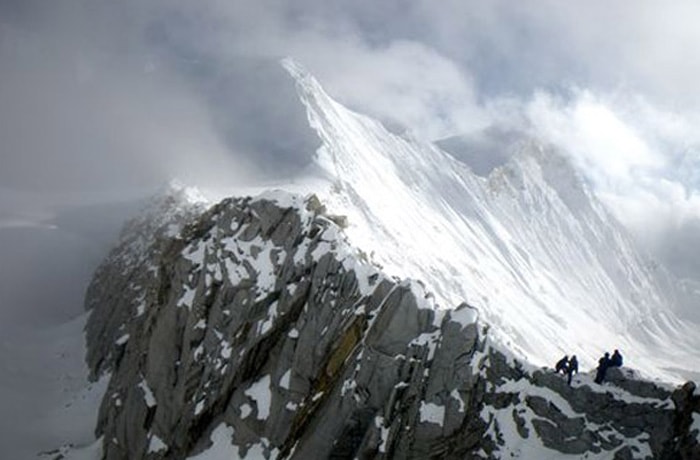
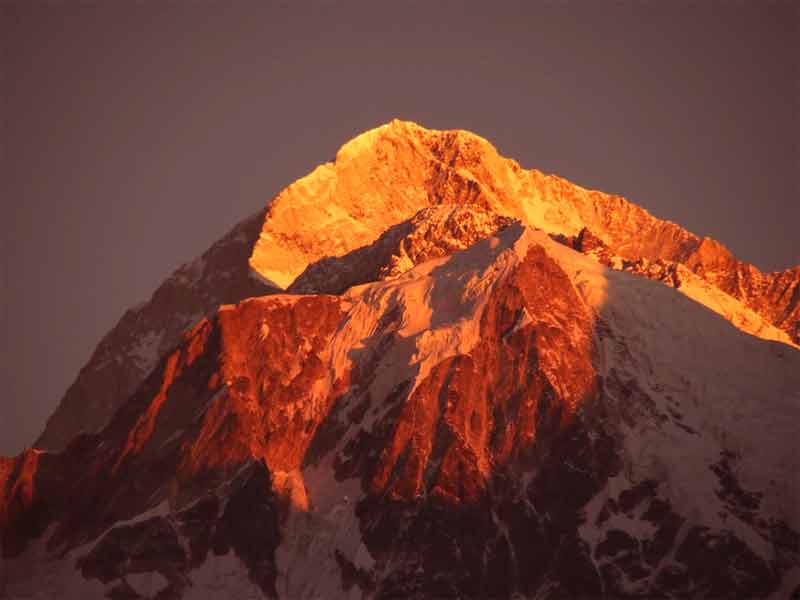
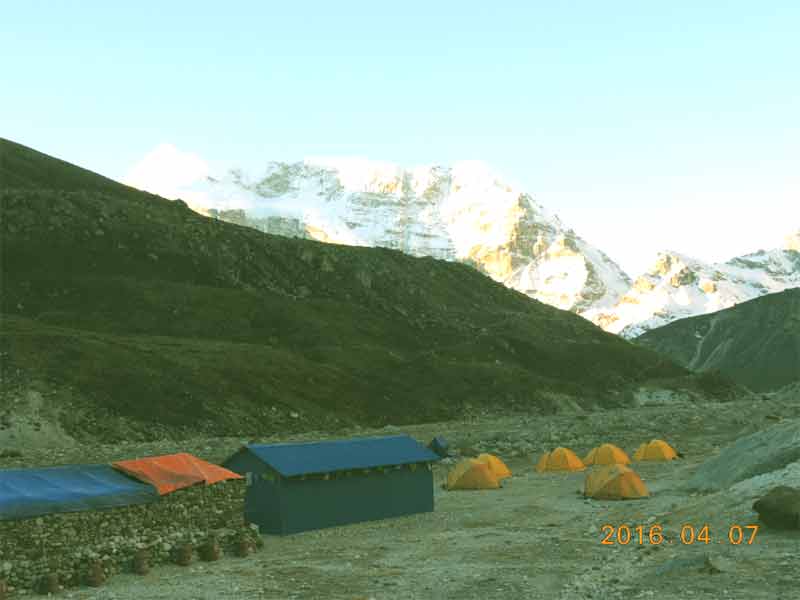
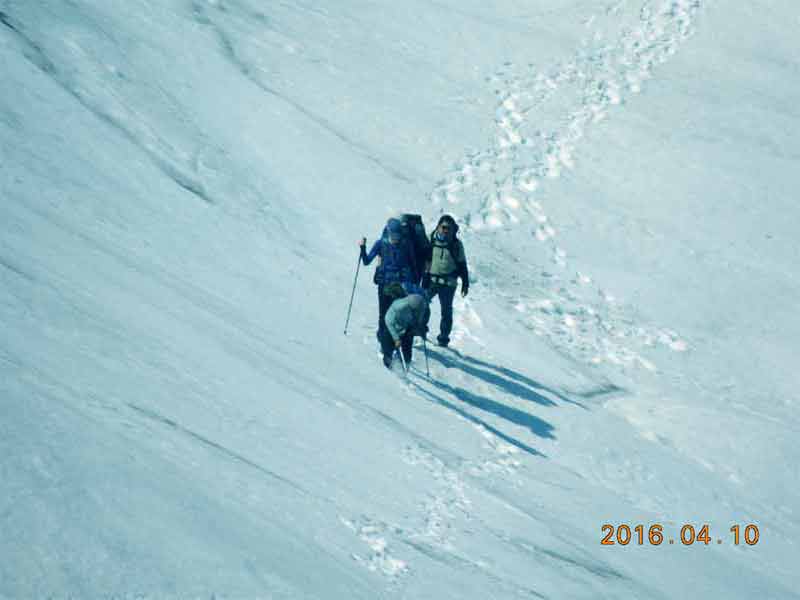
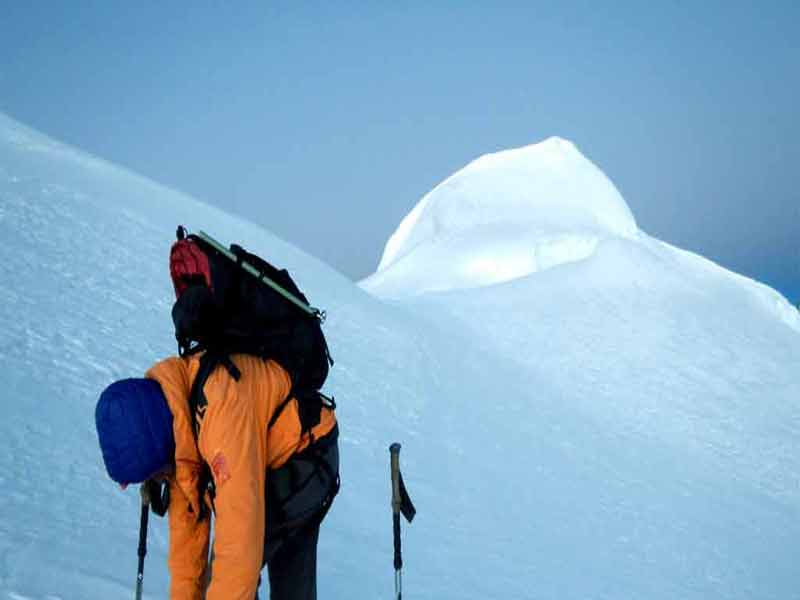
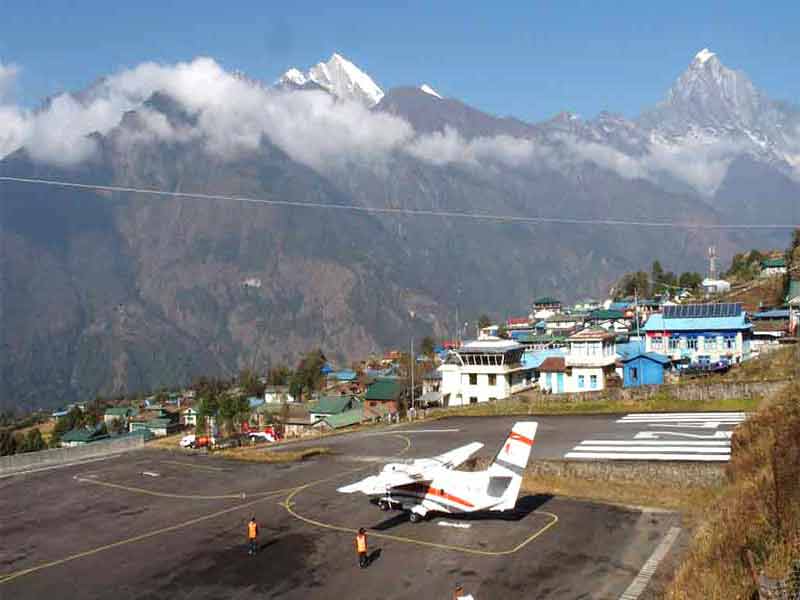
Makalu Sherpani Col Pass and Mera Peak Climbing is one of the most challenging and adventurous high-altitude expeditions in Nepal. This extraordinary journey combines the remote Makalu Base Camp Trek, the demanding crossing of the Sherpani Col Pass, and the ascent of Mera Peak at 6,470 meters (21,246 feet).
The route takes climbers deep into the eastern Himalayas, away from the more crowded trekking trails. It begins in the Makalu region and follows remote mountain valleys toward Makalu Base Camp. From there, the expedition enters a spectacular high-altitude wilderness containing glaciers, rugged passes, snowfields, and some of the highest mountain passes in the world.
The Sherpani Col section is the most technical and demanding part of the expedition. Crossing this high pass requires appropriate mountaineering equipment, experience with crampons and ropes, good physical fitness, and professional climbing support. After crossing the high passes and entering the Hinku Valley, the expedition continues toward Mera Peak for the final summit climb.
This expedition is particularly suitable for experienced trekkers, mountaineers, and adventure seekers who want to combine remote trekking with technical high-altitude mountain travel.
Makalu Sherpani Col and Mera Peak Route
The expedition generally begins with travel from Kathmandu toward the Makalu region. Depending on the chosen itinerary, transportation may reach the trailhead at lower elevation before the trekking section begins.
The route passes through traditional villages, terraced hills, dense forests, high mountain valleys, and eventually the remote Makalu Base Camp area. After acclimatization, the team moves toward the high mountain passes.
A typical route includes areas such as:
Trekking route. Num-Seduwa-Tashigaon -Khongma Danda-Shipton La -Mumbuk -Nehe Kharka- Jack Kharka-Makalu Base Camp-Hillary Camp-Sherpani Col -Baruntse Base Camp-Hunku Valley – Khare Mera High Camp-Mera Peak – Lukla.
The exact route and overnight locations can vary according to weather, snow conditions, route accessibility, and the expedition team’s technical plan.
Makalu Region and Makalu Base Camp
The Makalu region is one of the most remote trekking areas in Nepal. The landscape changes dramatically as the expedition moves from subtropical forests to alpine valleys and high Himalayan terrain.
The trek provides views of Mount Makalu (8,485 meters), the world’s fifth-highest mountain, as well as other spectacular peaks.
The trail passes through villages inhabited by communities including Rai, Sherpa, and other Himalayan ethnic groups. Traditional farming, mountain culture, monasteries, forests, and local villages provide an important cultural dimension to the expedition.
As the trail gains altitude, vegetation becomes thinner, and the landscape becomes increasingly rugged. The approach to Makalu Base Camp offers magnificent views of glaciers, cliffs, and snow-covered peaks.
Makalu Base Camp is an important acclimatization and preparation point before entering the high-altitude expedition section.
Acclimatization at Makalu Base Camp
Acclimatization is essential before attempting the high passes. The expedition schedule should include adequate rest and gradual altitude gain.
At Makalu Base Camp, climbers can rest, explore the surrounding area, check their equipment, and prepare for the more technical sections.
The climbing team may practice important mountaineering skills, including:
- Crampon walking
- Ice axe techniques
- Rope management
- Ascender and descender use
- Fixed-rope techniques
- Glacier travel
- Crevasse awareness
- Abseiling or controlled descent techniques
- Snow and ice movement
The exact techniques required depend on the route conditions and the current condition of the high passes.
Makalu Base Camp to High-Altitude Camp
After leaving Makalu Base Camp, the expedition enters increasingly remote and demanding terrain. The trail moves through glacial valleys and high mountain landscapes.
Camping becomes more important as lodge facilities become limited or unavailable. The expedition team carries tents, food, cooking equipment, climbing equipment, and other supplies.
The weather at high altitude can change rapidly. Snowfall, strong winds, freezing temperatures, and poor visibility can affect the route.
For this reason, the expedition should maintain flexibility and allow additional time for weather delays and route conditions.
Sherpani Col Pass
Sherpani Col is one of the most demanding sections of the expedition. The pass is situated at approximately 6,135 meters, although the exact crossing point and route conditions can vary.
The approach to Sherpani Col involves steep snow and glacier terrain. Climbers may need crampons, ice axes, harnesses, ropes, ascenders, carabiners, and other technical equipment.
The crossing requires careful movement because of the altitude, steep slopes, snow conditions, and potential crevasse hazards.
The climbing guide establishes appropriate rope systems and determines the safest route according to current conditions.
Sherpani Col is not simply a trekking pass. It is a serious mountaineering crossing and should be attempted by climbers with suitable experience, preparation, and professional support.
Sherpani Col to Baruntse Region
After crossing Sherpani Col, the expedition continues through an impressive high-altitude wilderness toward the Baruntse region.
The landscape includes glaciers, snow-covered slopes, rocky ridges, and enormous Himalayan peaks. The remote environment creates a true expedition atmosphere.
Depending on the itinerary and conditions, the route may involve additional high passes and technical sections before descending toward the Valley.
The exact route can vary because snow and glacier conditions may change from season to season.
High-Altitude Passes and Glacier Travel
One of the main attractions of the Makalu–Sherpani Col–Mera Peak expedition is the opportunity to experience genuine Himalayan glacier travel.
- Glaciers
- Snowfields
- Steep snow slopes
- Ice sections
- Crevasse zones
- Rocky ridges
- High mountain passes
- Remote alpine valleys
Rope travel and crampons may be required in some sections. The guide should assess the conditions before crossing technical terrain. Because conditions can change quickly, climbers must follow the guide’s instructions and avoid moving independently across unfamiliar glacier terrain.
Descending into the Hinku Valley
After completing the high-pass section, the expedition gradually descends toward the Hinku Valley.
The change in altitude is welcome after several demanding days at extreme elevation. As the route descends, the landscape becomes less severe, and vegetation gradually returns.
The Hinku Valley is also associated with the Mera Peak climbing route. The expedition eventually approaches Khare, where climbers prepare for the final objective: Mera Peak.
Khare and Mera Peak Preparation
Khare, at approximately 5,045 meters, is an important preparation point for Mera Peak.
After completing the demanding Sherpani Col section, climbers need sufficient rest and acclimatization before attempting the summit.
At Khare, the climbing guide can inspect all technical equipment and provide additional training if necessary.
- Mountaineering boots
- Crampons
- Ice axe
- Harness
- Helmet
- Ascender
- Carabiners
- Rope systems
- Warm clothing
- Sleeping equipment
- Headlamp
- Glacier glasses
Other personal climbing equipment
Mera Peak Base Camp and High Camp (5,780 m)
From Khare, the expedition moves toward Mera Base Camp. The landscape becomes increasingly glaciated and alpine.
From Khare, the team progresses toward Mera High Camp. Depending on the route and conditions, fixed ropes may be used on steeper sections.
High Camp is a very cold and exposed environment. Climbers normally arrive with enough time to rest, hydrate, eat, and prepare for an early summit attempt.
Weather conditions are closely monitored before beginning the summit climb.
Mera Peak Summit (6,470 m)
The final objective is the summit of Mera Peak at 6,470 meters.
The summit day normally begins very early. Climbers move gradually across snow and glacier terrain using crampons and other appropriate equipment.
The ascent can take several hours. The duration depends on weather, snow conditions, altitude, fitness, acclimatization, and the condition of the climbing route.
From the summit, climbers can enjoy spectacular views of the surrounding Himalayan range, including Everest, Lhotse, Makalu, Baruntse, Chamlang, Nuptse, and other peaks.
Reaching the summit after completing the Makalu and Sherpani Col sections provides a significant mountaineering achievement.
After a safe summit stay, the team descends toward High Camp and continues toward Khare.
Difficulty of Sherpani Col & Mera Peak Climbing
Makalu Sherpani Col Pass and Mera Peak Climbing is a very demanding high-altitude expedition.
The main challenges include:
- Long trekking duration
- High-altitude acclimatization
- Remote wilderness
- Camping at high altitude
- Glacier travel
- Steep snow slopes
- High mountain passes
- Possible crevasse terrain
- Extreme cold
- Changing weather
- Long summit day
- Physical and mental endurance
Unlike a standard trekking peak itinerary, this expedition combines remote trekking with technical high-altitude crossings.
Previous high-altitude trekking and basic mountaineering experience is strongly recommended. Climbers should be comfortable using crampons, ice axes, harnesses, and ropes before attempting the high passes.
Best Time to Sherpani Col & Mera Peak Climbing
The main seasons for this expedition are generally spring and autumn.
Spring Season
From 10 April to May are popular times for Sherpani Col Pass and Mera Peak climbing. Weather and visibility can be favorable, although conditions can still vary significantly at high altitude.
Autumn Season
September, October, and November are also widely used for high-altitude expeditions. After the monsoon, visibility is often good, although high-altitude weather can change quickly.
Winter is considerably colder and may bring more difficult snow and ice conditions. The monsoon season can create challenging conditions on the lower approach trails. The final decision about the expedition schedule should always consider current weather, snow, glacier, and route conditions.
Equipment List
Because this expedition involves high passes, glacier travel, camping, and Mera Peak climbing, climbers require a comprehensive equipment list.
- Technical Mountaineering Equipment
- Mountaineering boots
- Crampons
- Ice axe
- Climbing harness
- Climbing helmet
- Ascender
- Descender
- Locking, carabiners
- Non-locking carabiners
- Prusik loop
- Climbing sling
- Ice axe leash
Mountaineering rope, as arranged by the expedition
- Trekking poles
- Gaiters
Clothing for trekking & Climbing
- Thermal base layers
- Fleece jacket
- Down jacket
- Waterproof jacket
- Waterproof trousers
- Insulated trousers
- Trekking trousers
- Long-sleeved shirts
- Warm hat
- Neck warmer
- Inner gloves
- Insulated mountaineering gloves Thermal socks
- Spare socks
Camping Equipment:
- Four-season sleeping bag
- Sleeping bag liner
- Sleeping mat
- Duffel bag
- Daypack
- Backpack rain cover
- Waterproof dry bags
- Headlamp
- Spare batteries
- Personal water bottles
- Thermos flask
The expedition agency normally provides group camping equipment such as tents, cooking equipment, ropes, and other expedition materials according to the package.
- Personal Items
- Sunglasses
- Glacier glasses
- Ski goggles
- Sunscreen
- Lip balm
- Personal first-aid kit
- Personal medication
- Water purification tablets or filter
- Hand sanitizer
- Toilet paper
- Wet wipes
- Toothbrush and toothpaste
- Small towel
- Camera
- Power bank
- Mobile phone
- Spare batteries
Trekking & Climbing Permits
The expedition requires appropriate permits and official documentation for the Makalu region, high-altitude climbing sections, and Mera Peak.
The exact permits and fees depend on the current regulations, route, season, and areas crossed. A registered trekking or expedition agency can arrange the necessary permits and documentation before the expedition begins.
Because permit regulations and fees can change, current requirements should be confirmed before departure.
Food and Camping
Unlike popular tea-house trekking routes, much of the Makalu–Sherpani Col route requires camping.
The expedition team carries food and cooking equipment and prepares meals at the camps. Meals normally include rice, dal, pasta, noodles, potatoes, vegetables, soup, eggs, bread, porridge, and other suitable trekking foods.
At high altitude, climbers should maintain adequate hydration and consume enough calories to support long trekking and climbing days.
Guide, Sherpa and Porter Support
Professional mountain guides and Sherpa climbing staff are extremely important for this expedition.
The team assists with:
- Route navigation
- High-altitude acclimatization
- Glacier travel
- Rope management
- Climbing techniques
- Camp organization
- Weather assessment
- Summit planning
- Emergency response
- Equipment management
Porters and support staff can carry expedition equipment and personal baggage during the trekking sections.
Because the route includes remote and technical terrain, choosing an experienced expedition team is an important part of preparation.
Safety and Acclimatization
Safety should remain the highest priority throughout the expedition.
Climbers should follow the recommended acclimatization schedule and avoid unnecessary rapid altitude gain.
Weather conditions, snow stability, glacier conditions, and individual health should be monitored throughout the expedition.
If conditions become unsafe, the climbing team may delay the crossing or change the route. A flexible itinerary is therefore essential.
Altitude-related illness can occur at high elevations, and symptoms should never be ignored. The guide should assess any serious symptoms and determine whether rest, descent, or evacuation is necessary.
Major Highlights
The major highlights of the Makalu Sherpani Col Pass and Mera Peak expedition include:
- Remote Makalu region
- Makalu Base Camp
- Mount Makalu views
- Traditional Himalayan villages
- Beautiful rhododendron and alpine forests
- High-altitude glaciers
- Sherpani Col Pass
- Technical glacier crossings
- Remote Himalayan wilderness
- Baruntse mountain views
- Hinku Valley
- Mera High Camp
- Mera Peak summit at 6,470 meters
- Panoramic Everest and Makalu views
- Genuine Himalayan expedition experience
Conclusion During the Trek
Makalu Sherpani Col Pass and Mera Peak Climbing is a spectacular expedition combining remote trekking, high-altitude camping, glacier travel, technical mountain passes, and a 6,470-meter Himalayan summit.
The journey from the Makalu region toward Sherpani Col provides an opportunity to experience one of Nepal’s most remote mountain landscapes. Crossing the high pass requires proper mountaineering skills, suitable equipment, experienced guides, and careful acclimatization.
After completing the Sherpani Col section, the expedition continues toward the Hinku Valley and Mera Peak. The final summit climb provides an exciting conclusion to an already demanding Himalayan adventure.
This expedition is best suited to experienced trekkers and mountaineers who are physically prepared and comfortable with high-altitude and technical mountain conditions. With proper planning, professional support, appropriate equipment, and sufficient time for acclimatization, the Makalu Sherpani Col Pass and Mera Peak expedition offers an unforgettable experience in the remote Nepal Himalayas.
| Day | Destination | Altitude | Walking Hour | Accommodation |
|---|---|---|---|---|
| 1 | Arrival Kathmandu and transfer to hotel | 1300 | one hour drive from airport to hotel | Hotel in Kathmandu |
| 2 | Day Free in Kathmandu | 1300 | Trekking Management day | Hotel in Kathmandu with B&B Service |
| 3 | Flight to To Kathmandu and trek to Tumlingtar 45 minutes | 1490 | 3-4-hours Jeep to Num | Lodge |
| 4 | Num to Seduwa | 1460 | 5-6-hours | Lodge |
| 5 | seduwa to tashi Gaun | 2070 | 5-6-hour | Lodge |
| 6 | Tashi Gaun Acclimatization | 3470 | Rest Day | Lodge |
| 7 | Tashi Gaun-Kongmadingma | 3470 | 5-6-hours | Normal Lodge |
| 8 | Kongma Dingma-Yangli Kharka | 3580 | 5-6-hours | Normal Lodge |
| 9 | Yangli Khara to Jack Kharka | 4615 | 5-6-hours | Normal Lodge |
| 10 | Jack Khara -Makalu Base Camp | 5200 | 5-6 hours | Camping Tent or Lodge |
| 11 | Acclimatization | 5200 | Visit to Galacier | Tent camping or Lodge |
| 12 | Base to High Camp | 5700 | 5-6-hours | Tent Camping |
| 13 | High Camp East Col pass | 6135 | 5-6-hours | Tent Camping |
| 14 | West col Base camp to Baruntse Base camp | 5000 | 5-6-hours | Tent Camping |
| 15 | Baruntse Base Camp to Panch Pokhari | 4200 | 4-6 hours | Tent camping |
| 16 | Acclimatization | 4200 | Visit | Tent Camping |
| 17 | Panch Pokhari to Mera High Camp | 5780 | 5-6 | Tent Camp |
| 18 | Mera Peak Summit (6470m), and Back to Khare | 5045 | 10-12 hours | Lodge |
| 19 | Day Extra If weather is Bad conditions | |||
| 20 | Khare to Kothe | 3691 | 6-7-hour | Lodge |
| 21 | Kothe-Thuli Kharka | 2800 | 6-7 hours | Lodge |
| 22 | Thuli Kharaka -Lukla | 2800 | 5-6 | Lodge |
| 23 | Flight from Lukla to Kathmandu | 1300 | 35-40 minutes. | Hotel |
| 24 | Extra day in Kathmandu, Hotel includes with breakfast | 1300 | Free walking | Hotel |
| 25 | After breakfast drive to Kathmandu Airport | Departure fro Nepal | Plane | At the your home |
Sherpani col pass, Mera peak climbing cost 3,720 $ Per Person
Cost Includes
- Airport pick-up and drop-off transfers in Kathmandu
- Domestic flights: Kathmandu – Tumlingtar and Lukla – Kathmandu
- Ground transportation from Tumlingtar to Num by private/shared jeep
- Twin-sharing accommodation in tea houses/lodges during the trek
- Twin-sharing expedition tents during the climbing period
- Three meals a day (breakfast, lunch, and dinner) throughout the trek and expedition, with one main course per meal. Tea houses offer a variety of Nepali, Indian, Chinese, Italian, and Continental dishes.
- Freshly prepared meals at high camps by the expedition cook
- Professional climbing Sherpa Guide.
- Cook and necessary porters.
- Salaries, insurance, accommodation, meals, and equipment for all trekking and climbing staff
- Duffel (kit) bag for the trek
- Sleeping mattress
- Dining tent, kitchen tent, and other necessary camping equipment during the expedition
- Group climbing equipment, including fixed ropes, snow bars, ice screws, anchors, ropes, and other shared technical equipment
- Peak climbing permit (Add the official climbing permit for the specific peak, e.g., Mera Peak Permit,
- Makalu Barun National Park entry permit
- Government taxes and official service charges
- Expedition completion certificate
Sherpani col pass, Mera peak climbing Cost Excludes
- Nepal entry visa fee (available on arrival at Tribhuvan International Airport)
- International airfare to and from Nepal
- Extra hotel nights due to early arrival, late departure, flight delays, or itinerary changes
- Personal expenses such as laundry, telephone, Wi-Fi, charging electronic devices, hot showers, bottled water, snacks, soft drinks
- Personal trekking and climbing equipment, including climbing boots, crampons, harness, helmet, ice axe, ascender, descender, carabiners, trekking poles, gloves, down clothing, and other personal gear
- Personal travel and medical insurance covering high-altitude trekking, peak climbing, emergency helicopter evacuation, medical treatment, and trip cancellation
- Rescue or evacuation costs not covered by your insurance
- Additional accommodation or meals caused by flight cancellations, bad weather, illness, natural disasters, political unrest, or any circumstances beyond our control
- Personal medications and first-aid supplies
- Tips for guides, climbing Sherpas, cooks, porters.
Pass over Sherpani col (6,143m) and climbing to Mera peak (6,461m)
The Sherpani col is one of the biggest high passes in Nepal. There are danger holes and the Khar Vass. but our guide will make sure that you follow the best trail.
It is necessary to have Ice-ax, Crampons, Harness, Top Selling, Ice Crew, Karabiners lock and unlock, Desender, Helmet, Jammer, Fix rope, and other equipment.
While the Sherpani col is 11-15 degrees
The trip is very safe if you have a guide, porter, and cook. If you climb this pass alone, you could risk your life. You cannot cross it without a guide and porter.
Getting a permit for climbing Mera Peak in Sherpani col costs 250 US$ in Spring, 125 US$ in Autumn, and 70 US$ for Winter & Summer. A plane ticket from Kathmandu to Tumlingtar, Lukla, and Kathmandu costs 340 U.S. dollars. The cost per person for trekking management is US$ 3,290 for 2 or more participants.
Photocopy of passport (should be very clear with a color scan) with validity that is at least six months. Two passport-size photos. Occupation. Details about your home address. Insurance
Arrival and departure transport car/Van/ Hiace. Hotel in Kathmandu with bed and breakfast 4 Nights. Dining tent, toilet tent, two-man tent Mattress. Full board meals Lunch-dinner Such as Nepali, Indian. Chinese and Italian, much more European food. with tea or coffee during the trek. Climbing Guide and necessary porters and Salary food High insurance for staff. Makalu and Sagarmatha Park Permit. Porters, Cook insurance, day salary, foods, and Accommodation. Kathmandu Tumlingtar-Lukla Kathmandu plane ticket. General Climbing equipment such as Rope, Ice Screw, Snow Bar, etc. Garbage deposit Fee. Climbing Sherpa. Equipment. Mera Peak Climbing permit.
Feels like a hangover/ Headache/ Shortness of breath/ Loss of appetite/ Poor sleep quality/ Vomiting/ Fever/etc.
Yes, peak climbing is not very easy but it depends on trekking peaks the same peak is less technical, the same peak is very steep, and much technical climbing, plus mountaineering equipment is necessary. Our suggestion is to hike a minimum of 5,000 meters high before you climb the peak
If a woman travels alone to Nepal there is no problem. However, you must hire a guide or porter from a trekking agency since they are fully responsible for trekking and mountain climbing in Nepal. The tea house trek and climbing trek are cared for by us and provided with one-person tents which we provide for all our trekkers.
Namaste, Frist inquiry from your trip you will have direct access to experienced and professional climbing guides advice or to ask questions on your arrival Kathmandu meet with us we will brief you how to climbing Nepal trekking peaks. If you travel with us then, of course, we will provide qualified Guides who have experience high altitude trekking and climbing guides. We provide all the trekking and climbing staff insurance as well. You can speak directly with us about your proposed climbing Nepal Trekking peaks the will brief you on our experience climbing guide who has many times summit Nepal Trekking peaks
Altitude Chart