Everest Base Camp Trek 14 Days -
The Everest Base Camp Trek 14 Days is one of the most famous and rewarding trekking adventures in Nepal. This classic Himalayan journey takes you deep into the Khumbu region, home to Mount Everest (8,848.86 m), legendary Sherpa communities, ancient monasteries, dramatic mountain landscapes, and some of the world’s highest trekking trails.
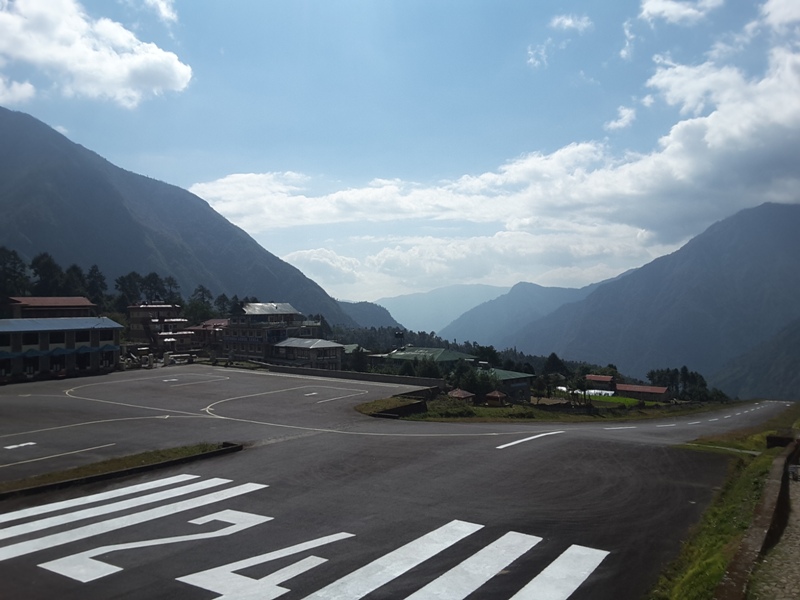
The trek begins with a scenic flight from Kathmandu to Lukla, one of the most famous mountain airstrips in the world. From Lukla, the trail follows the traditional route through beautiful Sherpa villages, green valleys, suspension bridges, rhododendron forests, and the famous trading town of Namche Bazaar. As you continue higher, the landscape gradually changes from forests and farmland to alpine terrain surrounded by enormous Himalayan peaks.
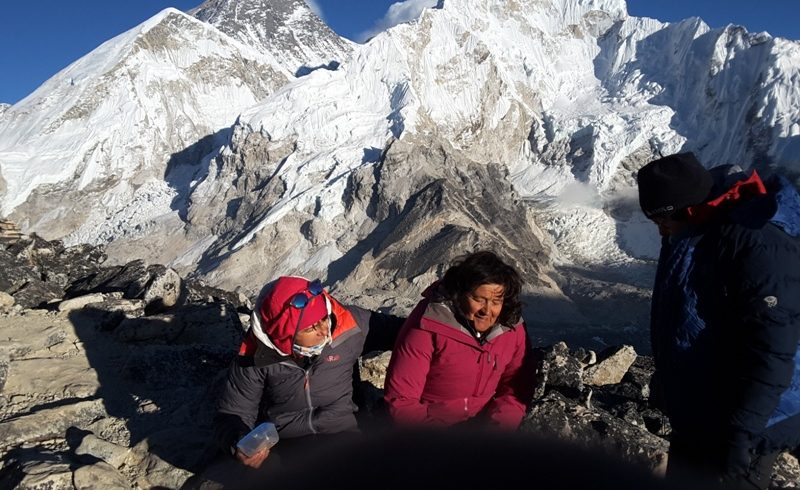
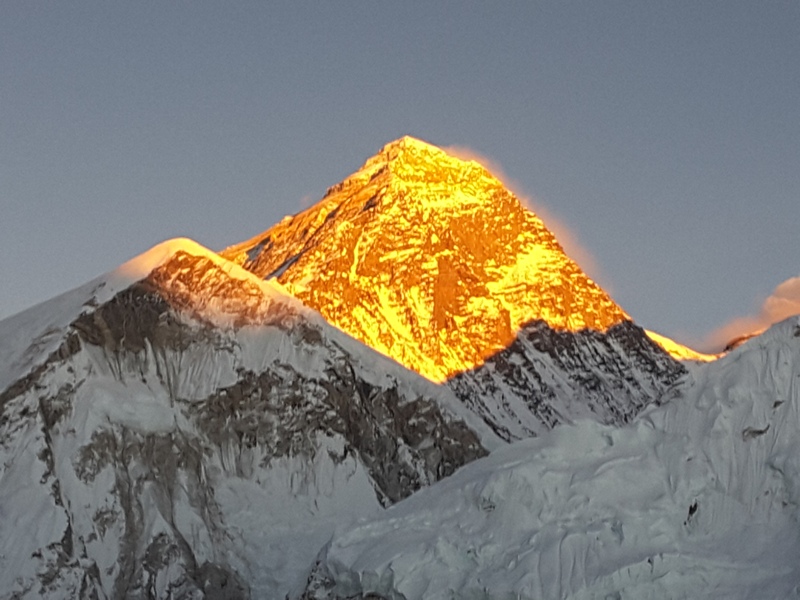
The main goal of the trek is reaching Everest Base Camp at approximately 5,364 meters. The journey also includes an early-morning hike to Kala Patthar, one of the most popular viewpoints in the Everest region. From Kala Patthar, trekkers can enjoy spectacular views of Mount Everest, Nuptse, Pumori, Ama Dablam, and surrounding Himalayan peaks.
This 14-day itinerary is designed to provide a balanced combination of trekking, acclimatization, mountain exploration, and cultural experience. It is suitable for trekkers who want to experience the Everest region without attempting technical mountain climbing.
Why Choose the 14-Day Everest Base Camp Trek?
The 14-day Everest Base Camp Trek provides enough time to gradually gain altitude while experiencing the highlights of the Khumbu region. Proper acclimatization is one of the most important parts of trekking at high altitude, and the itinerary includes acclimatization time in the Everest region.
The trek allows you to experience the contrast between the lower Himalayan valleys and the high-altitude landscapes around Everest Base Camp. You will walk through traditional villages, cross suspension bridges over mountain rivers, visit Buddhist monasteries, and meet local Sherpa people whose culture and lifestyle are closely connected with the mountains.
For many trekkers, reaching Everest Base Camp is not only about standing at the base of the highest mountain in the world. It is also about the journey itself—the people, landscapes, culture, challenges, and unforgettable moments along the trail.
Everest Base Camp Trek Highlights
Scenic flight from Kathmandu to Lukla
Trek through the heart of the Khumbu/Everest region
Explore the famous Namche Bazaar
Acclimatization experience in the high Himalayas
Visit traditional Sherpa villages
Visit Tengboche Monastery
Spectacular views of Ama Dablam
Walk through alpine valleys and mountain landscapes
Reach Everest Base Camp at about 5,364 m
Early-morning hike to Kala Patthar
Panoramic views of Mount Everest and surrounding peaks
Experience Sherpa culture and Buddhist traditions
Stay in traditional mountain teahouses and lodges
Cross famous suspension bridges over the Dudh Koshi River
Enjoy unforgettable views of Nuptse, Lhotse, Pumori, Thamserku, Kongde, and Ama Dablam Lukla – The Gateway to Everest
Lukla is the traditional gateway to the Everest trekking region. The flight from Kathmandu to Lukla provides beautiful views of Nepal’s hills and Himalayan landscapes. After landing in Lukla, the trekking adventure officially begins.
Lukla is a lively mountain town with trekking lodges, restaurants, shops, trekking agencies, guides, and porters. It is also an important meeting point for trekkers, guides, porters, and local communities traveling throughout the Khumbu region.
From Lukla, the trail follows the Dudh Koshi Valley toward the higher Himalayan settlements.
Phakding and the Dudh Koshi Valley
The trail from Lukla leads toward Phakding through small villages, forests, cultivated fields, and riverside landscapes. The Dudh Koshi River accompanies much of the route.
The lower section of the trail is surrounded by pine, rhododendron, and other Himalayan vegetation. During spring, rhododendron flowers add color to the landscape. The trail also passes through several traditional settlements where trekkers can observe the daily lifestyle of local people.
As the elevation increases, the vegetation gradually changes, and the mountains become more prominent.
Namche Bazaar – The Heart of the Everest Region
Namche Bazaar is one of the most important places on the Everest Base Camp Trek. Located at approximately 3,440 meters, Namche is often described as the commercial and cultural center of the Khumbu region.
The town is surrounded by mountains and has hotels, teahouses, restaurants, bakeries, shops, trekking equipment stores, and other facilities. It is also an important acclimatization point for trekkers.
During the acclimatization period, trekkers can explore Namche Bazaar and nearby viewpoints. The hike toward the Everest View Hotel provides impressive views of Mount Everest, Ama Dablam, Lhotse, Nuptse, and other peaks when weather conditions are clear.
Namche also provides an opportunity to learn more about Sherpa culture and the history of mountaineering in the Everest region.
Tengboche Monastery and Ama Dablam
Tengboche is one of the most important cultural destinations on the Everest Base Camp route. Tengboche Monastery is an important Buddhist monastery in the Khumbu region and is surrounded by spectacular mountain scenery.
The area offers impressive views of Ama Dablam, one of the most recognizable mountains in the Himalayas. The combination of the monastery, forests, mountains, and traditional Buddhist culture makes Tengboche one of the most memorable stops on the trek.
Trekkers may have an opportunity to observe Buddhist prayer ceremonies depending on the monastery schedule and local activities.
Dingboche and the High Himalayan Landscape
As the trail continues beyond Tengboche, the landscape becomes increasingly alpine. Dingboche, located at approximately 4,410 meters, is one of the main settlements for acclimatization in the upper Khumbu.
The surrounding landscape includes open mountain valleys, stone-walled fields, glaciers, and towering peaks. From this region, trekkers can see mountains such as Ama Dablam, Lhotse, Nuptse, and Island Peak.
Dingboche is also a popular base for climbers preparing for Island Peak and other Himalayan adventures.
Lobuche and the Route Toward Everest Base Camp
After Dingboche, the trail continues toward the higher elevations of the Khumbu region. The vegetation becomes sparse, and the landscape is dominated by rocky mountains, glaciers, and high-altitude terrain.
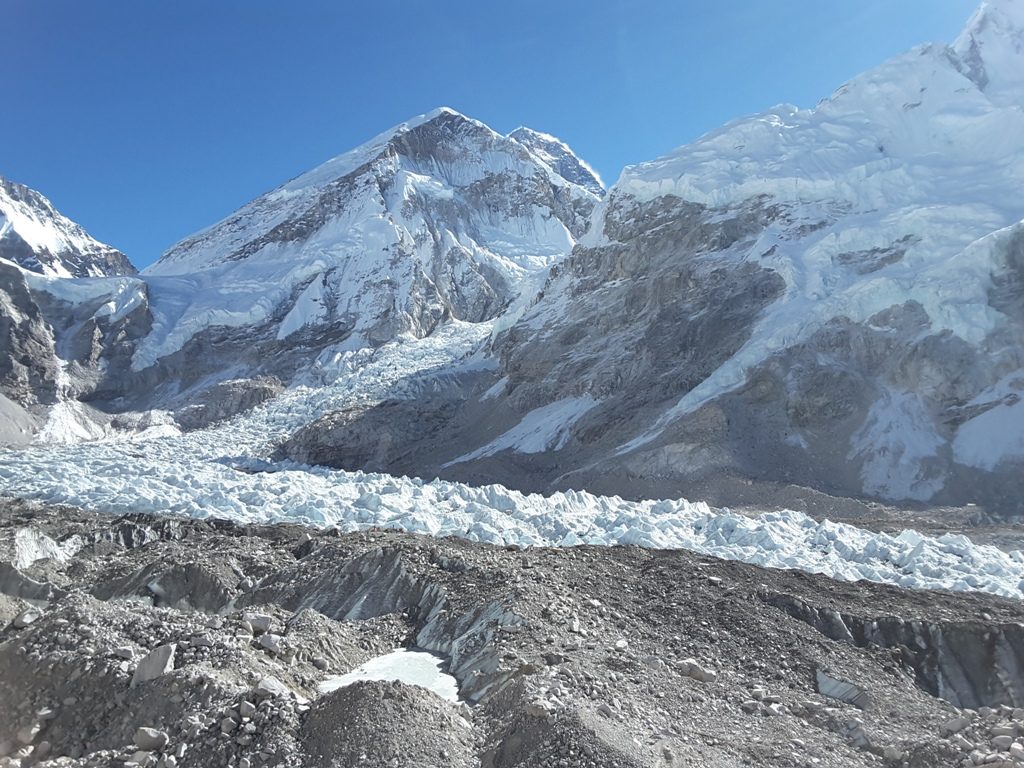
Lobuche is one of the final major settlements before Everest Base Camp. From Lobuche, the trail follows the Khumbu Glacier toward Gorak Shep and Everest Base Camp.
The landscape in this section clearly demonstrates the power and scale of the Himalayan environment. The surrounding peaks and glaciers create a dramatic setting as trekkers approach the destination.
Everest Base Camp – The Main Destination
Everest Base Camp, situated at approximately 5,364 meters, is the principal destination of the trek.
The base camp area is located beside the Khumbu Glacier and provides a close experience of the high-altitude environment used by mountaineering expeditions attempting Mount Everest.
The appearance of Everest Base Camp can vary depending on the season and expedition activity. During the main climbing seasons, the area can become busy with expedition teams, climbing equipment, tents, and support staff.
Reaching Everest Base Camp is a significant achievement for trekkers. Although trekkers do not climb Mount Everest itself, reaching the base camp provides an opportunity to experience the environment from which Everest expeditions begin.
Kala Patthar – The Best Everest Viewpoint
Kala Patthar is one of the most famous viewpoints in the Everest region. The viewpoint is located at approximately 5,545 meters, making the hike a demanding but highly rewarding part of the trek.
Trekkers usually start early in the morning to reach Kala Patthar around sunrise. Weather and visibility are important because the main attraction is the panoramic Himalayan view.
From Kala Patthar, trekkers can enjoy impressive views of Mount Everest, Nuptse, Pumori, Ama Dablam, and other Himalayan peaks.
For many people, the sunrise from Kala Patthar becomes one of the most memorable moments of the entire Everest Base Camp journey.
Sherpa Culture and Mountain Lifestyle
The Everest region is famous for its Sherpa communities. Sherpa people have a strong cultural, historical, and economic connection with the Himalayan mountains.
During the trek, visitors can experience traditional villages, Buddhist monasteries, prayer wheels, mani stones, chortens, prayer flags, and other elements of Himalayan Buddhist culture.
Sherpa communities have played an important role in Himalayan mountaineering and trekking. Their knowledge of the mountains, high-altitude environment, and traditional routes has contributed significantly to expeditions and trekking in the Everest region.
The trek provides an opportunity to experience this culture respectfully while supporting local communities through accommodation, food, transportation, guiding, and porter services.
Accommodation During the Trek
Accommodation on the Everest Base Camp Trek is generally provided in local teahouses and mountain lodges.
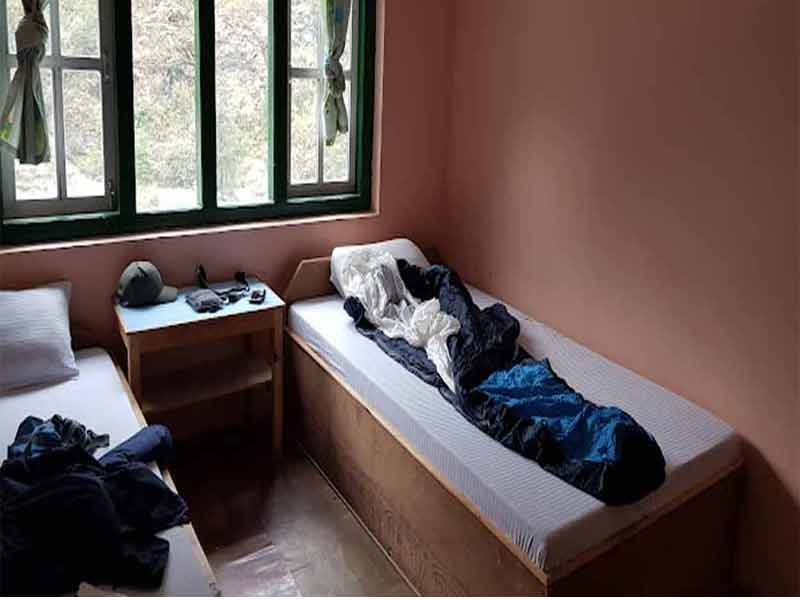
Most teahouses provide basic but comfortable rooms, usually with twin beds. Facilities become more basic as the altitude increases. Shared bathroom facilities are common, particularly at higher elevations.
Many lodges have dining rooms where trekkers can eat, relax, and warm themselves around a stove during colder evenings.
Hot showers may be available at many lower-altitude lodges for an additional charge, while facilities can become more limited at higher elevations.
Food During the Everest Base Camp Trek
Teahouses along the route provide a variety of meals suitable for trekkers. Common options include Dal bhat, rice, vegetables, noodles, pasta, potatoes, soup, bread, eggs, Tibetan bread, and other local or international dishes.
Dal bhat is one of the most popular meals because it provides rice, lentils, vegetables, and other side dishes and is a filling source of energy for trekking.
At higher elevations, food choices can be more limited because supplies must be transported from lower areas.
Trekkers should drink enough water throughout the day and maintain regular meals to support their energy during the trek.
Difficulty of Everest Base Camp Trek
The Everest Base Camp Trek is considered a challenging high-altitude trek, although it does not require technical climbing skills.
The main challenges are the long walking days, steep ascents and descents, high altitude, cold temperatures, rocky terrain, and changing weather conditions.
The highest points of the trek are Everest Base Camp and Kala Patthar. Because the trail reaches above 5,000 meters, altitude acclimatization is very important.
Previous high-altitude trekking experience can be helpful, but people with good physical preparation can also undertake the trek with appropriate pacing and acclimatization.
Trekkers should walk slowly, stay hydrated, eat regularly, and communicate with their guide if they experience symptoms of altitude illness.
Best Time for Everest Base Camp Trek
The main trekking seasons are generally spring and autumn.
Spring, particularly March to May, offers generally favorable trekking conditions and is also an important period for Everest climbing expeditions.
Autumn, particularly September to November, is another popular trekking season. After the monsoon, the atmosphere is often clearer, and mountain views can be excellent.
Winter trekking is possible, but temperatures can be very cold, especially at higher elevations, and snowfall can affect high-altitude trails.
The summer monsoon season generally brings more rain, clouds, and possible flight or trail disruptions in the lower regions.
Weather conditions in the Himalayan region can change quickly, so trekkers should remain flexible and follow local guidance.
Guide and Porter Service
A local guide can make the Everest Base Camp Trek easier to manage and more informative. Guides help with route navigation, accommodation arrangements, local culture, altitude awareness, and communication.
Porters can carry trekking equipment and personal belongings, allowing trekkers to walk with a lighter daypack.
Hiring local guides and porters also contributes directly to the local tourism economy.
Our trekking team can arrange experienced local guides and porters for the Everest Base Camp Trek, including support from Lukla and throughout the Everest region.
What You Will Experience
The Everest Base Camp Trek is more than a walk to a famous destination. It is a complete Himalayan experience.
You will experience:
The dramatic landscape of the Khumbu region
Traditional Sherpa villages
Buddhist monasteries and prayer sites
Suspension bridges and mountain rivers
Rhododendron and pine forests
High-altitude valleys
Khumbu Glacier and surrounding mountains
Mount Everest and other Himalayan peaks
Local food and teahouse hospitality
The unique lifestyle of mountain communities
The excitement of reaching Everest Base Camp
Sunrise views from Kala Patthar
Physical Preparation
Good physical preparation can make the trek more enjoyable. Regular walking, hiking, stair climbing, and cardiovascular exercise before the trek can help improve endurance.
Trekkers should prepare for several hours of walking each day, including uphill and downhill sections.
Mental preparation is equally important because high-altitude trekking can be physically demanding. Walking at a comfortable pace and allowing enough time for rest and acclimatization are important.
Responsible Trekking
The Everest region is a sensitive Himalayan environment. Trekkers should help protect the mountains by avoiding unnecessary plastic waste, using designated waste facilities, respecting local culture, and following environmental guidelines.
Visitors should respect monasteries, religious sites, local customs, wildlife, and the privacy of local communities.
Responsible trekking helps preserve the natural and cultural heritage of the Everest region for future generations.
Why Trek to Everest Base Camp?
The Everest Base Camp Trek offers a combination of adventure, nature, culture, and Himalayan scenery. You do not need to be a professional mountaineer to experience the world-famous Everest region.
The journey takes you from the lively streets of Kathmandu to the mountain airstrip of Lukla and then deep into the Khumbu Himalayas. Every day brings a new landscape, from green forests and rivers to high mountain valleys and glaciers.
Standing at Everest Base Camp and looking toward the surrounding Himalayan peaks is a memorable achievement. The sunrise from Kala Patthar, the peaceful atmosphere of Tengboche, the hospitality of Sherpa villages, and the dramatic scenery of the Khumbu region make this journey special.
Everest Base Camp Trek 14 Days at a Glance
Duration: 14 Days
Region: Everest –Khumbu
Starting Point: Lukla
Ending Point: Lukla
Highest Trekking Point: Kala Patthar – approximately 5,545 m
Everest Base Camp: approximately 5,364 m
Trek Type: Teahouse Trek
Difficulty: Challenging
Accommodation: Teahouse and mountain lodge
Transportation: Kathmandu–Lukla flight and return
Best Seasons: Spring and Autumn
Guide: Recommended
Porter: Optional but recommended for carrying luggage
Everest trek Conclusion
The 14-Day Everest Base Camp Trek is an unforgettable Himalayan adventure that combines spectacular mountain scenery, Sherpa culture, Buddhist heritage, high-altitude landscapes, and the achievement of reaching Everest Base Camp.
From the first steps in Lukla to the busy streets of Namche Bazaar, the peaceful surroundings of Tengboche, the high valleys of Dingboche and Lobuche, Everest Base Camp, and the sunrise from Kala Patthar, every section of the journey offers something different.
With proper preparation, appropriate acclimatization, an experienced guide, suitable equipment, and a responsible approach to the environment and local culture, the Everest Base Camp Trek can become one of the most memorable adventures of a lifetime.
Join us for a 14-day journey into the heart of the Himalayas and experience the beauty of the Everest region, the warmth of Sherpa hospitality, and the incredible landscapes surrounding the world’s highest mountain.
Everest Base Camp Trekking equipment list.
Proper equipment is essential for a safe and comfortable Trek. Conditions can change quickly in the mountains, particularly at higher elevations, so you should be prepared for cold temperatures, wind, rain, and possible snow.
Clothing
Waterproof trekking jacket and trousers Warm down jacket Fleece or warm mid-layer Thermal base layers Comfortable trekking trousers Warm gloves Warm hat and sun hat Trekking socks and spare socks
Footwear
Good-quality, comfortable trekking boots Lightweight camp shoes or sandals Trekking Equipment
Comfortable daypack
Duffel bag Cold-weather sleeping bag Trekking poles Headlamp with spare batteries Reusable water bottles or hydration system Dry bags or waterproof packing bags Compression sacks for organizing clothing and equipment
Personal Items
Sunglasses Sunscreen and lip balm Personal medications Basic first-aid supplies
Toiletries
Hand sanitizer Power bank Mobile phone or camera Important Documents
Passport
Travel insurance documents Flight details Emergency contact information Dry bags or waterproof packing bags are particularly useful for protecting clothing, documents, and electronics from rain and moisture. Compression sacks can also help reduce the volume of your clothing and keep your duffel bag organized.
We can provide or arrange selected trekking equipment, including a sleeping bag, duffel/kit bag, and trekking poles, depending on the package and your requirements. We recommend discussing any equipment needs with us before departure so that everything can be prepared in advance.
Altitude Sickness and Acclimatization
Altitude is one of the most important factors to consider on the Everest Base Camp Trek. As you ascend above 3,000 meters, the amount of available oxygen decreases, and your body needs time to adapt.
Our itinerary includes acclimatization stops in Namche Bazaar and Dingboche, with gradual elevation gain rather than ascending too quickly.
Common symptoms of mild altitude sickness can include headache, nausea, dizziness, tiredness, and reduced appetite. Trekkers should inform their guide immediately if they develop symptoms.
The best approach is to walk slowly, stay hydrated, eat properly, avoid overexertion, and follow the recommended acclimatization schedule. If symptoms become severe or continue to worsen, descending to a lower altitude is essential.
Medication for altitude sickness should only be taken according to appropriate medical advice.
14-day Everest Base Camp Trek Permits
Two main local permits are required for the Everest Base Camp Trek:
Sagarmatha National Park Entry Permit
Khumbu Pasang Lhamu Rural Municipality Permit
These permits are required for entering and trekking through the Everest region. Our trekking package includes the necessary permit arrangements, so you do not need to manage the application process yourself.
Everest Base Camp Trek Departure Dates
Our published EBC Trek departure dates are available for trekkers who want to join scheduled departures.
If your preferred date does not match our published schedule, we can arrange a private Everest Base Camp Trek according to your travel plans.
Private departures are available for solo travelers, couples, families, and groups, and the itinerary can be customized according to your schedule, preferred pace, and interests.
| Day | Destination | Altitude | Walking Hour | Accommodation |
|---|---|---|---|---|
| 1 | Arrival Kathmandu and transfer to hotel | 1300 | one hour drive from airport to hotel | Hotel in Kathmandu |
| 2 | Kathmandu Lukla flight and trek to Phakding | 2610 | 3-hours | Lodge |
| 3 | Phakding to Namche Bazaar | 3440 | 5-hours | Lodge |
| 4 | Day acclimatization in Namche | 3440 | Hike to Everest View Hotel | Lodge |
| 5 | Namche to Tengboche | 3860 | 5-hours | Lodge |
| 6 | Tengboche to Dingboche | 4360 | 5-hours | Lodge |
| 7 | Dingboche to Lobuche | 4940 | 4-hours | Lodge |
| 8 | Lobuche to Visit Everest base camp (5364m) and back to Gorakshep | 5140 | 6-7-hours | Lodge |
| 9 | Hike to Kalapathar (5545m) and back to Pheriche | 4240 | 7-hours | Lodge |
| 10 | Pheriche to Phortse wold Sherpa village | 3840 | 5- hours | Lodge |
| 11 | Phortse to Phkding | 2610 | 6-7-hours | Lodge |
| 12 | Phakding to Lukla | 2800 | 35-Minutes flight back to Kathmandu | Lodge |
| 13 | Lukla to Kathmandt | 1300 | Airport to hotel | Hotel in Kathmandu |
| 14 | Free day at Kathmandu | 1300 | Free visit | Hotel Kathmandu with B& B Service |
| 15 | After breakfast drive to Kathmandu airport | Departure | By air Plane | At Your home |
Everest base camp trek cost 1380 $ per person
includes
- Arrival & departure transport service.
- Hotel in Kathmandu with bed and breakfast as per itinerary.
- Kathmandu-Lukla-Kathmandu domestic plane tickets.
- Plane fare for Nepali Guide.
- A day three times meals-Breakfast, Lunch, and Dinner during the trek.
- Lodge accommodation during the Everest region trek.
- Everest National Park entry permit..Pasang Lhamu Village Municipality fee.
- English- speaking –Government-licensed holder trekking guide.
- Guide and porters' insurance, salary, and they are accommodation during the trek.
- Company paperwork and Government taxes, etc.
Everest base camp trek 13 days cost excludes
- Lunch and Dinner in Kathmandu.
- International air ticket, Nepal Visa fee, your travel insurance, medical and emergency cases.
- Personal expenses, bar bills, hot shower,
- Telephone, laundry, and any drinks.
- During the trek, if due to weather problems or you want to return earlier than scheduled, the balance is not refundable, please.
- Tips for Guide & Porters.
Normally, you need to bring with you flowing equipment. +, walking boot If possible Gore tax boot is better. + Warm socks and Gaiters in case of rain or snow. + Day carry bag and Down Jacket. + Sleeping bag and others which are not mansions here.
September to 10 December and March to June
No, Very nice trek many trekkers are the climb to Kalapatthar (5,545m) very close view of the Everest, Pumori, Nuptse and other mountains.
Day time normal and during Night 5-15 degree.
Katmandu-Lukla to Kathmandu plane ticket cost 358 US$ Per person Trekking Management costs 780: US$ per person. Recommended a minimum of 2 people. If you are one single guest willing to do this trek, then the price increases by 200 US$.
Pasang Lhamu G/P/ K Ticket and Sagarmatha park permit.
Yes, It’s, If you take a Guide and porter then very safe trip all the trekking in Nepal. It is better to book your trip with an agency if something happens then easy to solve any problem and full responsibility from Trekking agency.
There is every village has clean lodge and food is Chinese, Nepali, Tibetans, Indian and Italian dishes.
Normally, you need to bring with you flowing equipment. + walking boot If possible Gore tax boot is better. + Warm socks and Gaiters in case of rain or snow. + Day carry bag and Down Jacket over 3,000 meters you get very cold. + Sleeping bag and others which are not mansions here.
Feels like hangover & Feeling not good/ Headache/ Shortness of Breath/ Loss of appetite/ Sleep not good/ vomiting/ fevers etc.
Yes, if a woman travels alone to Nepal no problem but you take a guide or porter from a registered trekking agency because the trekking company is fully responsible for trekking and Mountain climbing. Our agency staff always take care of you, and they will provide you a single room single tent during the tea house trek and during the climbing trek. But if you contact freelance Guide then you get many problems they try to make chit for a single woman. Therefore if you book guide porter with un agency then it is good safe your Holyday travel to Nepal.
Altitude Chart
Reviews

Camp de base de l’Everest Camp de base de lÉverest Pour mon...
Read More