Lukla to Tengboche trek -
The Lukla to Tengboche Trek is one of the most beautiful short trekking experiences in the Everest region of Nepal. This journey offers an excellent opportunity to explore the natural beauty, mountain landscapes, Sherpa culture, Buddhist traditions, and traditional villages of the Khumbu region without committing to a long Everest Base Camp trek.
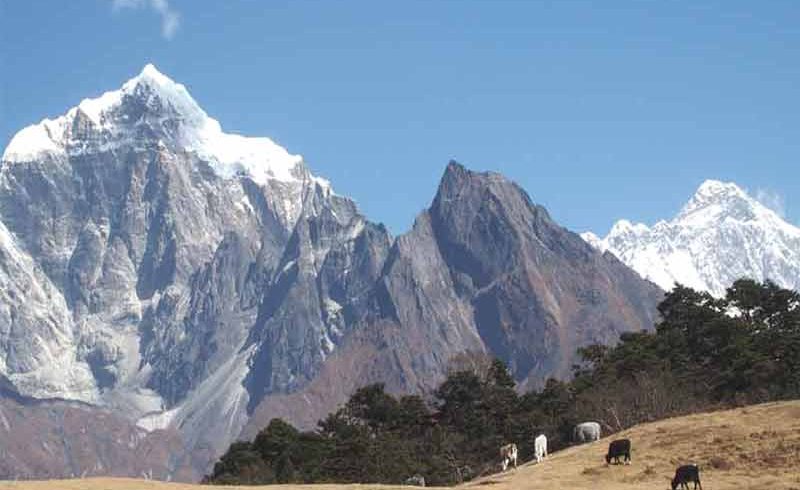
The trek begins at Lukla, the main gateway to the Everest region, and follows the scenic trail through Phakding and Namche Bazaar before reaching the famous village of Tengboche. Tengboche is home to the renowned Tengboche Monastery and is surrounded by spectacular Himalayan peaks, including Ama Dablam, Thamserku, Kangtega, and other mountains of the Everest region.
Although the Lukla to Tengboche trek is shorter than the Everest Base Camp or Everest Three Pass Trek, it provides a wonderful introduction to the Khumbu region. The trail passes through forests, suspension bridges, rivers, traditional Sherpa settlements, Buddhist monuments, and beautiful mountain viewpoints.
Where is the Lukla to Tengboche Trek?
The Lukla to Tengboche Trek is located in the Khumbu region of Solukhumbu District, Nepal. Lukla is the primary entry point for most trekkers visiting the Everest region. Trekkers normally fly from Kathmandu to Lukla and begin walking from the airport.
Tengboche is situated at approximately 3,860 meters (12,664 feet) above sea level. It is one of the most important cultural and religious places in the Everest region because of its famous Buddhist monastery and spectacular mountain surroundings.
The trail follows the Dudh Koshi River valley and gradually climbs toward Namche Bazaar and Tengboche. The changing landscape, increasing altitude, and magnificent mountain scenery make this trek a memorable Himalayan experience.
Highlights of Lukla to Tengboche Trek
The Lukla to Tengboche Trek offers many natural and cultural attractions. Some of the major highlights.
- Scenic flight from Kathmandu to Lukla
- Lukla mountain airport and traditional Sherpa settlement
- Walking through beautiful Himalayan forests
- Crossing suspension bridges over the Dudh Koshi River
- Exploring Phakding village
- Entering Sagarmatha National Park
- Visiting the famous Namche Bazaar
- Spectacular views of Ama Dablam, Thamserku, and Kangtega
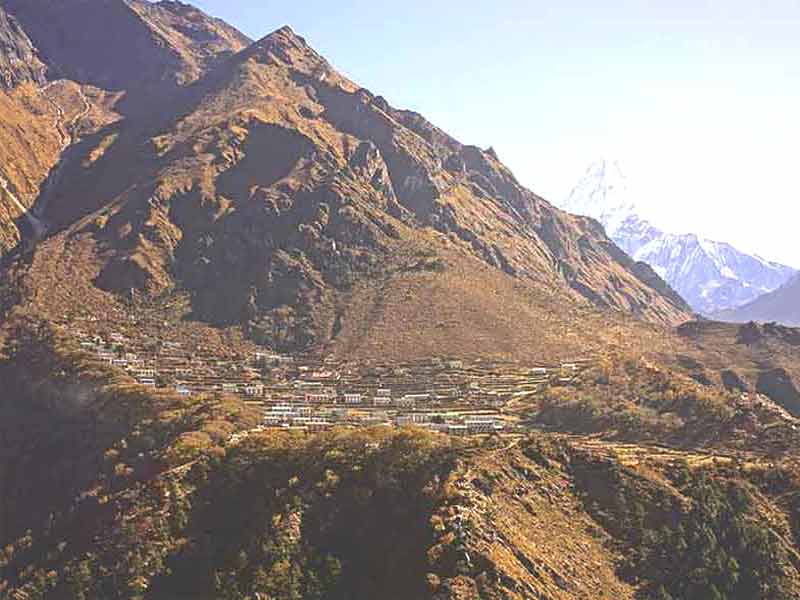
- Traditional Sherpa villages and mountain communities
- Buddhist prayer flags, mani walls, and chortens
- Tengboche Monastery
- Panoramic Himalayan views from Tengboche
- Rhododendron, pine, and juniper forests
- Opportunity to experience Sherpa culture and hospitality
Lukla to Phakding
The trekking adventure begins after landing at Lukla Airport. Lukla is located at approximately 2,860 meters and is surrounded by green hills and mountains. After meeting the guide and porter, trekkers can organize their equipment and begin the journey toward Phakding.
The trail from Lukla to Phakding is relatively comfortable and serves as a gentle introduction to the Himalayan trekking environment. The path passes through small settlements, cultivated fields, forests, and traditional houses.
As the trail continues, trekkers walk alongside the Dudh Koshi River. Several small bridges and local settlements can be seen along the route. The peaceful surroundings and mountain atmosphere make the first day enjoyable and relaxing.
Phakding is situated at approximately 2,610 meters and is an important overnight stop on the Everest trekking route. There are several tea houses and lodges where trekkers can rest and enjoy traditional Nepali and Sherpa meals.
Phakding to Namche Bazaar
The journey from Phakding to Namche Bazaar is one of the most important sections of the trek. The trail follows the Dudh Koshi River and passes through several beautiful villages before entering Sagarmatha National Park.
Trekkers cross several suspension bridges decorated with prayer flags. The famous Hillary Suspension Bridge is one of the notable bridges along the route. The trail gradually becomes steeper as it approaches Namche Bazaar.
Namche Bazaar is situated at approximately 3,440 meters and is the commercial and cultural center of the Khumbu region. It is a colorful mountain town built in a natural amphitheater surrounded by hills.
Namche has many hotels, lodges, restaurants, bakeries, trekking shops, and other services. It is also an important acclimatization location for trekkers heading toward higher parts of the Everest region.
Exploring Namche Bazaar
Namche Bazaar is more than just an overnight stop. It is a fascinating place to experience the lifestyle and culture of the Sherpa people.
Trekkers can explore the local market, visit nearby viewpoints, and enjoy magnificent views of the surrounding mountains. Depending on the weather and viewpoint, mountains such as Ama Dablam, Thamserku, Kangtega, and Everest can be seen.
A short hike around Namche also helps trekkers gradually adapt to the increasing altitude. Walking slowly and allowing the body to adjust is an important part of a safe Himalayan trekking experience.
Namche also provides an opportunity to learn about Sherpa history, mountaineering, Buddhist culture, and the development of tourism in the Everest region.
Namche Bazaar to Tengboche
The trail from Namche Bazaar to Tengboche is one of the most scenic sections of the trek. After leaving Namche, the trail initially follows a relatively comfortable path along the mountainside.
The route offers outstanding views of the Himalayan peaks. Ama Dablam becomes particularly impressive as trekkers approach Tengboche. Thamserku and Kangtega can also be seen from various points along the trail.
After passing through the scenic area, the trail descends toward the Dudh Koshi River. From the river, the route climbs gradually through beautiful forests toward Tengboche.
The final climb to Tengboche can feel challenging because of the increasing altitude, but the scenery along the way makes the effort worthwhile.
Tengboche Village
Tengboche is one of the most beautiful villages in the Everest region. Located at approximately 3,860 meters, it sits on a ridge surrounded by mountains and forests.
The village has a peaceful atmosphere and is strongly connected with Tibetan Buddhist traditions. Prayer flags flutter in the mountain wind, while mani stones and Buddhist monuments can be seen along the trail.
The most important attraction of Tengboche is the Tengboche Monastery, which is one of the major Buddhist monasteries in the Khumbu region.
Tengboche Monastery
Tengboche Monastery is a major spiritual and cultural landmark of the Everest region. The monastery belongs to the Tibetan Buddhist tradition and has an important role in the religious life of the local Sherpa community.
Visitors can observe the monastery’s architecture, Buddhist artwork, prayer wheels, and peaceful surroundings. When religious ceremonies are taking place, trekkers may have an opportunity to experience the local Buddhist traditions respectfully.
The monastery is especially impressive because it is surrounded by some of the most beautiful Himalayan scenery in Nepal.
Mountain Views from Tengboche
One of the main reasons trekkers visit Tengboche is the magnificent mountain panorama.
The view of Ama Dablam from Tengboche is particularly spectacular. The distinctive shape of Ama Dablam makes it one of the most recognizable mountains in the Everest region.
Trekkers can also enjoy views of Thamserku, Kangtega, Kusum Kanguru, and other surrounding peaks. On clear days, the landscape becomes even more impressive, with snow-covered mountains rising above the green forests and valleys.
For photographers, Tengboche provides excellent opportunities to capture Himalayan landscapes, monasteries, villages, prayer flags, and local life.
Sherpa Culture and Local Lifestyle
The Lukla to Tengboche route provides a wonderful opportunity to experience the traditional lifestyle of the Sherpa people.
Sherpa communities have lived in the high Himalayan valleys for generations. Their culture is closely connected with Tibetan Buddhism, mountain life, agriculture, animal husbandry, and mountaineering.
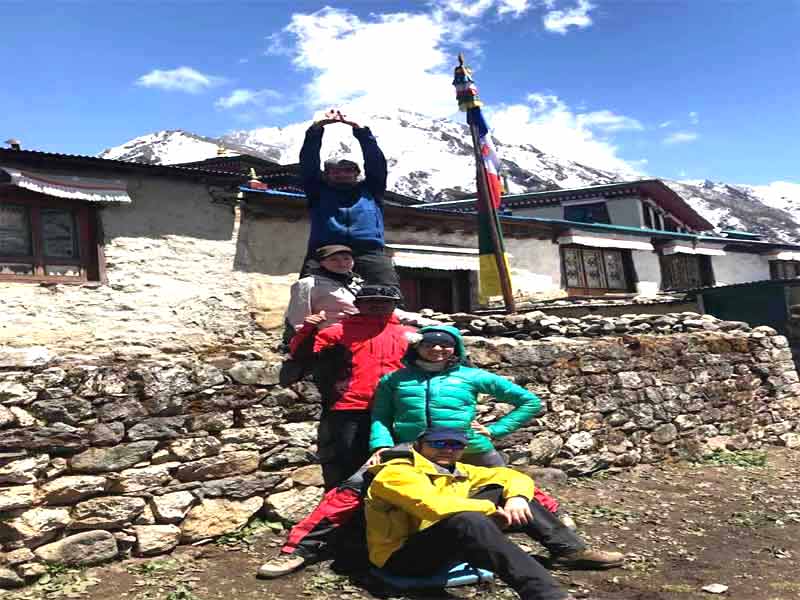
Along the trail, visitors can see traditional stone houses, mani walls, chortens, prayer wheels, and colorful prayer flags. Local people are involved in farming, tourism, guiding, lodge management, and porter services.
Staying in local tea houses allows trekkers to interact with local families and experience genuine Himalayan hospitality.
Forests and Natural Environment
The trail from Lukla to Tengboche passes through a variety of Himalayan vegetation. Lower sections of the route contain green forests and cultivated areas, while higher sections include pine, fir, juniper, and rhododendron forests.
During spring, rhododendron flowers add beautiful colors to the landscape. The forest sections also provide a peaceful walking environment and opportunities to observe Himalayan birds and other wildlife.
The natural environment changes gradually as the altitude increases, providing trekkers with a clear experience of the diverse landscapes of the Everest region.
Trekking Difficulty
The Lukla to Tengboche Trek is generally considered a moderate-level trek. It does not require technical climbing skills, but trekkers should be prepared for uphill and downhill walking and increasing altitude.
The trail between Phakding and Namche includes several uphill sections, while the route from Namche to Tengboche also includes a significant descent and climb near the Dudh Koshi River.
Good physical fitness, comfortable trekking shoes, appropriate clothing, and a gradual walking pace are recommended. Trekkers should also pay attention to altitude and allow their bodies sufficient time to adapt.
Best Time for Lukla to Tengboche Trek
The best seasons for the Lukla to Tengboche Trek are generally spring and autumn.
Spring, from March to May, offers pleasant trekking conditions, blooming rhododendrons, and beautiful mountain scenery.
Autumn, from September to November, is another popular season because the weather is often stable and mountain visibility can be excellent.
Winter can bring cold temperatures and snow at higher elevations. The monsoon season can bring rain, clouds, and slippery trails, although experienced trekkers can still travel with suitable preparation.
Accommodation and Food
Tea houses and lodges are available throughout the main trail from Lukla to Tengboche. Most provide simple rooms with beds and blankets, while bathrooms are often shared.
Some lodges offer hot showers and other additional services for an extra charge. Facilities become more basic as the altitude increases.
A variety of meals can be found along the trail, including traditional Nepali food
- Dal Bhat, vegetables,
- Noodles,
- Momo,
- Soup,
- Potatoes,
- Eggs,
- Bread,
- Pasta, and different hot drinks.
Dal bhat is particularly popular among trekkers because it provides a filling and energy-rich meal for long days of walking.
Guide and Porter Service
Although the Lukla to Tengboche route is well established, trekking with a local guide can make the journey more informative and organized. An experienced guide can explain local culture, monasteries, villages, mountains, and the natural environment.
A porter can carry the main luggage, allowing trekkers to walk with a lighter daypack. Local guides and porters can also provide practical information about weather, trail conditions, accommodation, and local customs.
Hiring a licensed local guide and porter also contributes directly to the local tourism economy.
Why Choose Lukla to Tengboche Trek?
The Lukla to Tengboche Trek is an excellent choice for travelers who want to experience the Everest region without undertaking a long journey to Everest Base Camp.
It combines beautiful mountain scenery
- Sherpa culture,
- Buddhist heritage,
- Traditional villages,
- Forests, rivers,
- Famous Tengboche Monastery in one relatively short trekking experience.
It is suitable for travelers with limited time, first-time Himalayan trekkers, families with appropriate preparation, photographers, nature lovers, and anyone interested in experiencing the unique atmosphere of the Khumbu region.
Conclusion during the trek
The Lukla to Tengboche Trek is a rewarding Himalayan journey that combines spectacular mountain scenery with the rich cultural heritage of the Everest region. Starting from Lukla, the trail passes through Phakding and Namche Bazaar before reaching the peaceful mountain village of Tengboche.
Along the way, trekkers experience suspension bridges, forests, rivers, traditional Sherpa villages, Buddhist monuments, and breathtaking views of Ama Dablam and other Himalayan peaks. The visit to Tengboche Monastery adds an important spiritual and cultural dimension to the journey.
For travelers looking for a shorter Everest-region adventure, the Lukla to Tengboche Trek offers an excellent opportunity to experience the beauty and culture of the Khumbu Himalayas while enjoying the warm hospitality of local Sherpa communities.
| Day | Destination | Altitude | Walking Hour | Accommodation |
|---|---|---|---|---|
| 1 | Lukla to Phakding | 2610 | 3-hours | Lodge |
| 2 | Phakding-Namche | 3440 | 5-hours | Lodge |
| 3 | Namche-Tengboche | 3860 | Lodge | |
| 4 | Visit to Monastery in Tengboche visit | 3860 | Sightseeing in Tengboche | Lodge |
| 5 | Trek to Mongla Mountain viewpoint via Phortse village | 3970 | 5 hours | Lodge |
| 6 | Mongla-Monjo | 2835 | 5-6 hours | Lodge |
| 7 | Monjo-Lukla | 2800 | 5-6 | Lodge |
Lukla to Tengboche trek cost 500 $ per persn
includs
- Experienced Trekking Guide: An experienced, English-speaking trekking guide familiar with the Everest region. The guide's salary, meals, accommodation, insurance, and necessary transportation expenses are included according to the package agreement.
- Porter Service: Porter service to carry your trekking luggage according to the agreed porter-to-trekker ratio. Porter wages, meals, accommodation, insurance, and transportation expenses are covered when specified in the package. Trekkers should carry their own daypack with water, snacks, valuables, and essential personal items.
- Teahouse Accommodation: Accommodation in local mountain lodges during the trek, generally in twin-sharing rooms where available. Overnight stops usually include Phakding, Namche Bazaar, and Tengboche, depending on the itinerary.
- meals During the Trek: Breakfast, lunch, and dinner during trekking days, if included in the selected package. Meals are generally chosen from the available teahouse menu, including traditional Nepali dishes and common international foods.
- Trekking Permits: Assistance with obtaining the required permits and payment of applicable Sagarmatha National Park entry fees and local permit charges specified in the package.
- First Aid and Safety Support: Basic first-aid supplies and guidance from the trekking guide regarding altitude awareness, hydration, and safe walking practices.
- Government Taxes and Service Charges: Applicable company service charges and government taxes, where specified in the confirmed package price.
Lukla to Tengboche Trek Cost Excludes
- Airport Transfers: Airport pickup and drop-off in Kathmandu by private vehicle, according to the confirmed itinerary.
- Hotel accommodation before and after the trek, including breakfast if specified in the package.
- Domestic Flights: Round-trip flights between Kathmandu or Ramechhap and Lukla, depending on the confirmed flight arrangements. Transportation between Kathmandu and Ramechhap is included only if mentioned in the package
- International Flights: International airfare to and from Nepal is generally excluded.
- Nepal Visa Fees: Tourist visa fees and visa extension charges are the trekker's responsibility.
- Travel Insurance: Travel insurance covering trekking, medical treatment, and emergency helicopter evacuation is generally excluded. Trekkers should arrange suitable insurance before departure.
- Personal Expenses: Personal snacks, chocolates, energy bars, soft drinks, bottled water, alcoholic beverages, hot showers, Wi-Fi, laundry, and electronic device charging at mountain lodges are usually excluded.
- Personal Trekking Equipment: Trekking boots, warm clothing, sleeping bags, backpacks, trekking poles, gloves, sunglasses, and other personal equipment are not included unless specifically mentioned.
- Meals in Kathmandu: Lunch and dinner in Kathmandu are generally excluded, along with meals during additional hotel nights.
- Extra Accommodation and Transportation: Additional hotel nights, unexpected transportation costs, and expenses resulting from flight delays, bad weather, illness, or itinerary changes are excluded unless otherwise agreed.
- Tips and Gratuities: Tips for trekking guides, porters, and supporting staff are not included. Tipping is voluntary and depends on your satisfaction with their services.
- Emergency Expenses: Helicopter evacuation, hospital bills, medical treatment, and other emergency expenses are generally excluded.
- Additional Services: Any service not specifically mentioned under the included section must be paid for separately.
- Important Information Before Booking
- The Lukla to Tengboche Trek generally takes around 4–6 days from Lukla and back, depending on the itinerary and acclimatization arrangements. The highest overnight destination, Tengboche, is approximately 3,860 meters above sea level.
If you have not, you can hire in Lukla, but the lodge will also provide a blanket.
No, Problem with altitude in this trek; this trek can be done by children and people over 70 years old.
Yes, we can arrange a flight ticket from Kathmandu to Lukla or Ramechhap to Lukla to Kathmandu. We can also book your hotel in Kathmandu, with many categories of hotels to your choice.
Yes, you can see the world’s highest peak, Everest, and other mountain views from Namche and Tengboche.
Evry lodge has a dining room service, so you can eat your breakfast, Lunch, and Dinner in the dining room.
Every Lodge will provide you such as Nepali, Indian, Tibetan, Chinese, Italian, and many more European foods. There is a menu system you can choose them.
Many trekkers choose the trek to Tengboche Monastery from Lukla because it offers a beautiful Himalayan experience in a relatively short and accessible trek. Here are the main reasons:
1. Famous Buddhist Monastery
The main highlight is Tengboche Monastery, the largest and most important monastery in the Khumbu region. Trekkers can observe Buddhist ceremonies, prayer flags, and experience Sherpa spiritual culture.
2. Short and Moderate Trek
The trek from Lukla to Tengboche usually takes 4–5 days, making it ideal for people who do not have enough time to go to Everest Base Camp.
3. Beautiful Rhododendron and Pine Forest
The trail passes through scenic forests inside Sagarmatha National Park, with rhododendron, pine trees, and chances to see wildlife like musk deer and Himalayan birds.
4. Part of the Everest Trek Route
Tengboche lies on the main trail toward Everest Base Camp, so many trekkers visit it while trekking further to Dingboche, Lobuche, or EBC.
5: In summary, People choose the Tengboche trek from Lukla for its spiritual monastery, stunning Himalayan views, Sherpa culture, beautiful forests, and shorter trekking duration.
Altitude Chart