Narphu Kangla Pass trek itinerary
Narphu Kangla Pass trek itinerary
Day 1: Arrive Kathmandu
From the airport (1,300m), a 40-minute drive to the hotel.
Day 2: Kathmandu
Trekking parperition day hotel includes breakfast.
Day 3: Kathmand Beshishar.
By microbus to Besishar (760m), 5 hours, and same day, 5 hours, Jeep to Dharapani (1,860m). Overnight at Lodge
Follow the classic Annapurna Circuit trail along the Marshyangdi River.
Day 4: Dharapani to Koto (2,600m)
Trek to Koto from Dharapani, 5-6 hours walking. Overnight at Lodge. Why are we walking from Dharapani? It is good acclimatization for the Kang La Pass trek.
Day 5: Koto → Meta (3,560m)
6-7 hours walking overnight at the Lodge in Meta village.
Day 6: Meta-Chyaki (3,720m) 5-6 hours
Trek: 5–6 hrs.Long day through the forest, river crossings, and narrow gorges. Night at Lodge.
Day 7: Choyaki to Phu village (4,080m)
Trek: 6–7 hrs to Phu village.Amazing chortens and canyon views. Overnight in Phu.
Day 8: Acclimatization Day in Phu (4,080m).
Overnight at the Lodge. Visit Tashi Lhakhang Monastery
Day 9: Phu → Nar (4,110m)
Trek: 5–6 hrs. Descend to the river, then gradually climb to Nar village. Overnight at Lodge.
Day 10: Acclimatization Day in Nar
Optional hikes to Nar viewpoints or Kang La approach.
Day 11: Nar → Kang La Pass (5,320m) → Ngawal (3,660m)
Trek: 8–9 hrs (big day), Kang La Pass 5,320m – magnificent views of Annapurna II, Tilicho, Chulu Range. Steep descent to Ngawal.Overnight at Lodge.
Day 12: Ngawal → Manang (3,540m)
Trek: 3 hrs. Easy day to recover. Overnight at Lodge
Day 13: Rest -Acclimatization Day in Manang
Optional hike to: Gangapurna Lake. Overnight at the lodge.
Day 14: Manang → Yak Kharka (4,050m)
Trek: 4–5 hrs. Gradual ascent.Overnight at Lodge.
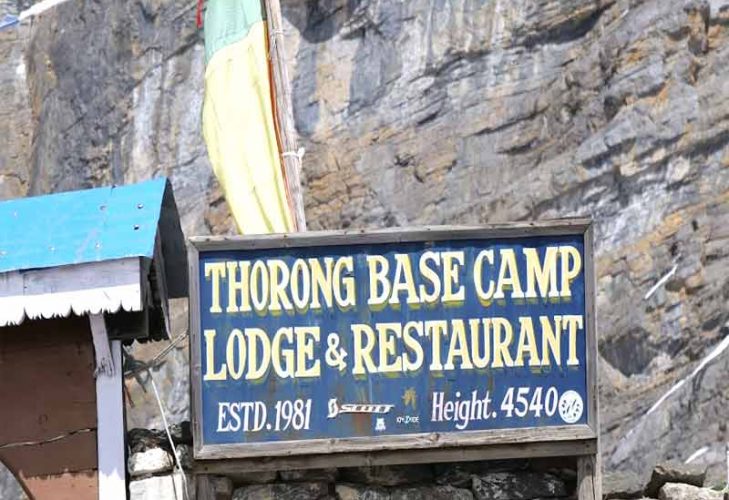
Day 15: Yak Kharka → Thorong Phedi (4,525m)
Trek: 3 hrs. Prepare for the pass the next morning.
Day 16: Thorong Phedi → Thorong La Pass (5,416m) → Muktinath (3,800m)
Trek: 6-7 hrs. Cross the high pass of Thorong La (5,416m) and descend to Muktinath. Overnight at the Lodge
Day 17: Muktinath → Jomsom (2,720m)
Trek: 5– hrs hours walking. Follow the Kali Gandaki Valley. Overnight at Lodge.
Day 18: Jomsom to Pkhara (900m)
25-minute flight to Pokhara and drive to your hotel in Lakeside Pokhara.
Day 19: Pokhara to Kathmandu (1300m)
From Pokhara, 7-8 hours by tourist bus to Kathmandu (200 KM). Overnight at the Hotel.
Day 20: Kathmandu (1,300m)
Your safety day in Kathmandu, the hotel includes breakfast.
Day 21: Departure.
After breakfast, drive to Kathmandu airport for your final departure.
Please note that this itinerary is a general guideline, and the actual walking hours and altitudes may vary depending on individual and group pace, as well as weather conditions. It is essential to go with a reputable trekking agency and a knowledgeable guide for a safe and enjoyable experience in the Narphu -Annapurna region. Always prioritize your safety and acclimatize properly to the higher altitudes.
The best time to make the Narphu Kang La Pass Trek is during the trekking seasons in Nepal, which are primarily spring (April to May) and autumn (September to November). Both seasons offer favorable weather conditions, stable temperatures, and clear skies, making them ideal for trekking in the Narphu valley with the Annapurna region.
Spring Season (April to May): During spring, the weather starts to warm up after the colder winter months. The rhododendron forests along the trail come alive with colorful blooms, creating a picturesque landscape. The days are usually pleasant, and the skies are clear, providing excellent mountain views. Spring is also a great time for wildlife sightings, as many animals become more active. However, keep in mind that nights at higher elevations can still be quite cold during this season.
Autumn Season (September to November): Autumn is the most popular and busiest trekking season in Nepal. The weather during this time is dry and stable, with moderate temperatures, making it comfortable for trekking. The skies are generally clear, offering stunning views of the surrounding peaks. The landscapes are lush and green after the monsoon season, adding to the beauty of the trek. The autumn months are also the time when many traditional festivals take place in Nepal, providing a cultural experience for trekkers.
Both spring and autumn seasons are suitable for the Narphu Kang La with Thoron PassTrek, and the choice between them depends on your preferences and schedule. If you prefer to see the blooming rhododendrons and experience the post-winter environment, spring might be the better option. On the other hand, if you enjoy the green landscapes and clear mountain views after the monsoon season, then autumn is a great choice.
Avoid trekking during the monsoon season (June to August) as heavy rainfall can make the trails slippery and leech-infested. Winter (December to February) is extremely cold and harsh, with high passes blocked by snow, making it unsuitable for most trekkers.
Before undertaking the Narphu Kang La and Thorong La Pass, make sure to plan, book with a reputable trekking agency, and be well-prepared with proper gear and clothing for a safe and enjoyable adventure.
Contact for the Responsible person,
Dhan, Bdr, Gurung
Team Leader
Former Secretary
Nepal Mountaineering Association (NMA)
Advisor- Gurung Tourism Entrepreneurs Association of Nepal (GTEAN)
(Managing Director)
Nepal Alsace Trek & Expedition Pvt. Ltd.)
P.O. Box: 12397, Baniyatar, Kathmandu, Nepal
Cell No: +977- 9849417994 > gurungdhanee@gmail.com