Jiri to Three Pass Trek -
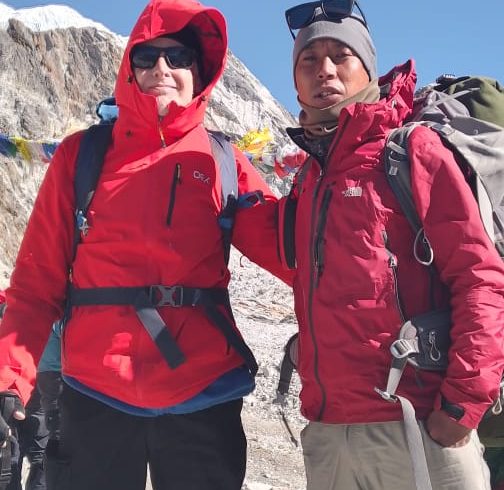
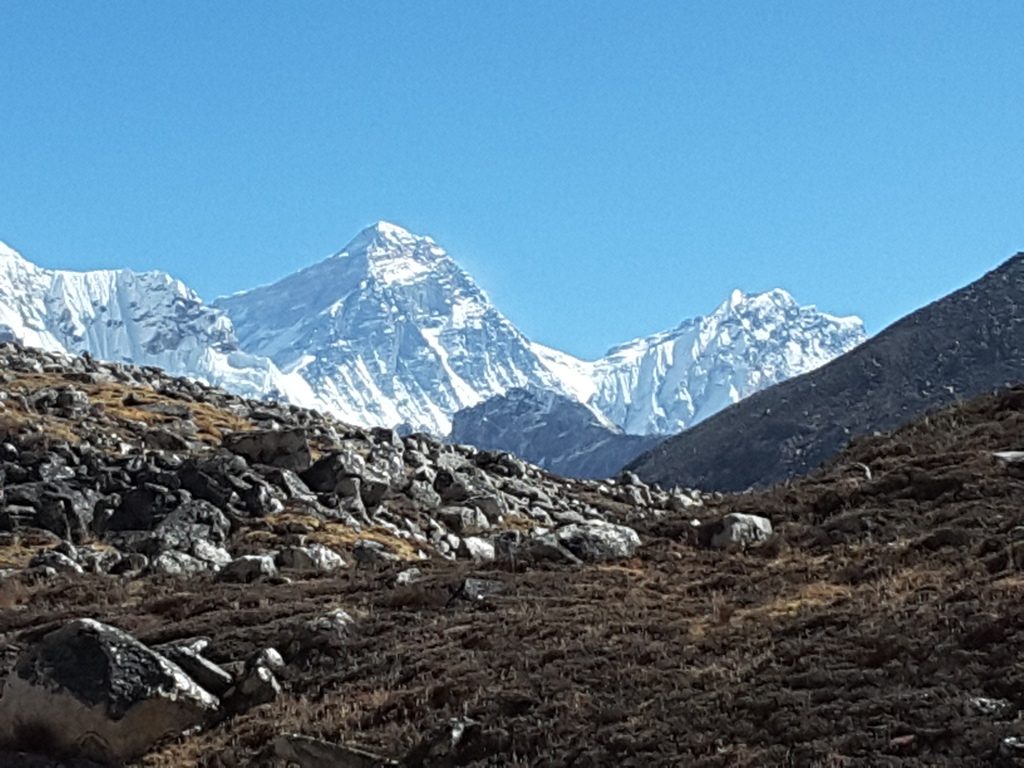
The Jiri to Everest Three Pass Trek is one of the most adventurous and rewarding treks in Nepal’s Everest region. This extended Himalayan trek combines the historic Jiri approach route with the spectacular Everest Three Passes: Renjo La, Cho La, and Kongma La. It is designed for experienced trekkers who want to explore the Everest region beyond the standard Everest Base Camp route while enjoying diverse landscapes, traditional mountain villages, Buddhist culture, high-altitude passes, glaciers, and breathtaking Himalayan scenery.
Before the construction of the Lukla airport and the development of modern trekking routes, Jiri was the traditional gateway to the Everest region. Early Everest expeditions, including the expedition associated with Sir Edmund Hillary and Tenzing Norgay, used the Jiri approach before continuing toward the high Himalayas. Today, beginning the trek from Jiri provides an opportunity to experience this historic trail while allowing the body to gain altitude gradually.
The Jiri to Three Pass Trek is more than a high-altitude adventure. It is a journey through the cultural heart of the Solukhumbu region, where trekkers encounter Sherpa villages, Buddhist monasteries, prayer wheels, mani walls, suspension bridges, forests, alpine valleys, glaciers, and some of the world’s highest mountains.
The three major passes—Renjo La Pass, Cho La Pass, and Kongma La Pass—make this trek physically demanding and technically more challenging than the regular Everest Base Camp Trek. The route also includes famous destinations such as Jiri, Lamjura Pass, Junebesi, Khari Khola, Surke, Namche Bazaar, Thame, Gokyo Lakes, Gokyo Ri, Everest Base Camp, Kala Patthar, Lobuche, and Chhukung.
Jiri is the Historic Gateway to Everest
Jiri is the traditional starting point of the classic Everest approach route. Located in the lower Solukhumbu region, Jiri provides a completely different trekking experience from flying directly to Lukla.
Starting from Jiri means beginning at a lower elevation and gradually walking through hills, forests, villages, and river valleys before reaching the high Himalayan environment. This gradual ascent can provide additional time for trekkers to become accustomed to walking and changing elevations.
The trail from Jiri passes through beautiful countryside where agriculture, traditional villages, forests, and mountain culture are still an important part of daily life. Compared with the busy trails around Namche Bazaar and Everest Base Camp, the lower section of the Jiri route can feel quieter and more culturally immersive.
Why Choose the Jiri to Three Pass Trek?
The Jiri to Three Pass Trek is ideal for trekkers who want a longer and more complete Himalayan experience. Rather than beginning with a flight directly into the high mountains, the journey develops gradually from the middle hills into the high-altitude Everest landscape.
One of the major reasons to choose this route is the combination of historic trekking trails and high Himalayan adventure. You experience the traditional approach to Everest and then continue into the demanding Three Pass circuit.
The trek also provides an excellent opportunity to explore less-visited areas such as Thame Valley before reaching the famous Gokyo and Everest valleys.
The major highlights include:
- •Historic Jiri approach route
- •Traditional Sherpa villages
- •Namche Bazaar (3,440 m)
- •Thame Valley (3,800 m)
- •Renjo La Pass (5,360 m)
- •Gokyo Lakes (4,790 m)
- •Gokyo Ri (5,357 m)
- •Ngozumpa Glacier
- •Cho La Pass (5,420 m)
- •Everest Base Camp (5,364 m)
- •Kala Patthar (5,545 m)
- •Kongma La Pass (5,535 m)
- •Chhukung Valley (4,730 m)
- •Stunning views of Everest, Lhotse, Makalu, Cho Oyu, Ama Dablam, and other Himalayan peaks
Three High Passes of the Everest Region. The main attraction of this trek is crossing the three major high passes of the Everest region.
Renjo La Pass
Renjo La is generally the first major pass encountered when completing the Three Pass circuit from the Thame side. The trail climbs gradually through the high Himalayan landscape before reaching the pass.
From the top of Renjo La, trekkers can enjoy magnificent mountain scenery and views toward the Gokyo Valley and surrounding peaks. The descent leads toward the beautiful Gokyo region.
The pass is surrounded by rugged mountains, alpine terrain, and often snow-covered landscapes depending on the season. Crossing Renjo La is a significant achievement and introduces trekkers to the demanding conditions of high-altitude trekking.
Cho La Pass
Cho La is the second major pass and connects the Gokyo Valley with the Everest Base Camp side of the Khumbu region.
The route approaches the pass through high mountain terrain and requires careful walking, particularly when snow or ice is present. Depending on conditions, the crossing can involve steep sections and glacial terrain.
The landscape around Cho La is dramatic, with rocky mountains, glaciers, and high Himalayan valleys. After crossing the pass, trekkers descend toward Dzongla and continue toward Lobuche and Everest Base Camp.
Kongma La Pass
Kongma La is another challenging high pass connecting the Everest Base Camp area with the Chhukung and Imja Valley.
The crossing involves a significant ascent and descent through rugged high-altitude terrain. Weather conditions can change quickly, and snow may make the route more demanding.
From the Kongma La area, trekkers can experience spectacular views of peaks including Lhotse, Nuptse, Makalu, and other mountains of the Khumbu Himalaya.
Crossing all three passes makes this trek a serious high-altitude adventure requiring good preparation, physical fitness, proper acclimatization, and experienced trekking support.
Lamjura Pass and Junbesi Village
Lamjura Pass and Junbesi Village are two of the most memorable highlights of the Jiri to Everest Three Pass Trek, offering a beautiful combination of high mountain landscapes, peaceful Sherpa culture, and traditional Himalayan villages. This section of the trek takes you away from the busier Everest trails and into a quieter and more authentic part of the Solukhumbu region.
Lamjura Pass is one of the major high passes on the Jiri approach to the Everest region, reaching approximately 3,530 meters above sea level. The trail climbs gradually through dense rhododendron, pine, and fir forests. During spring, the rhododendron forests become especially beautiful with colorful flowers. From the pass, trekkers can enjoy wide views of surrounding hills and Himalayan landscapes when the weather is clear. The crossing of Lamjura Pass is also an important achievement before continuing toward the higher valleys of Solukhumbu.
After crossing Lamjura Pass, the trail descends through forests and traditional settlements toward Junbesi, one of the most attractive Sherpa villages in the region. Located at around 2,680 meters, Junbesi is surrounded by green hills and impressive mountain scenery. The village is known for its traditional stone houses, Buddhist culture, prayer flags, mani walls, and welcoming local communities.
Junbesi is also an important cultural and acclimatization stop on the route to Everest. Trekkers can visit nearby Buddhist monasteries, explore the village, and experience the traditional lifestyle of the Sherpa people. The peaceful surroundings make Junbesi an excellent place to rest before continuing toward higher elevations.
The journey from Lamjura Pass to Junbesi combines forest trails, mountain scenery, Buddhist heritage, and authentic Sherpa culture, making it a rewarding part of the Jiri-to-Everest trekking experience.
Namche Bazaar
Namche Bazaar is the commercial and cultural center of the Everest trekking region. It is a famous Sherpa settlement built into the mountain slopes and surrounded by spectacular Himalayan scenery.
Trekkers commonly spend time in Namche to rest and acclimatize before continuing toward the higher valleys. The town has trekking shops, bakeries, cafés, lodges, restaurants, communication facilities, and other services.
Namche is also an excellent place to learn about Sherpa culture and mountain life. From the surrounding viewpoints, trekkers can begin seeing famous peaks such as Everest, Ama Dablam, Thamserku, and Kongde.
Thame Valley
The route through Thame adds a special cultural and historical dimension to the trek. Thame is a traditional Sherpa valley known for its Buddhist heritage, mountain scenery, and connection with famous Himalayan climbers.
The valley is quieter than the main Everest Base Camp route and provides an opportunity to experience traditional Himalayan settlements.
The trail through Thame eventually connects with the high route toward Renjo La. The combination of cultural exploration and high-altitude trekking makes this section particularly memorable.
Gokyo Lakes and Gokyo Ri
After crossing Renjo La, the route reaches the beautiful Gokyo Valley. The Gokyo Lakes are a series of turquoise and blue glacial lakes surrounded by dramatic Himalayan mountains.
Gokyo is one of the most beautiful destinations in the Everest region. The lakes are associated with the sacred landscape of the Himalayas and are important to local Buddhist and Hindu traditions.
A climb of Gokyo Ri provides a spectacular panoramic viewpoint. From the summit area, trekkers can see several major Himalayan peaks and the surrounding glaciers and valleys.
The view toward Everest, Cho Oyu, Lhotse, Makalu, Cholatse, and other mountains makes Gokyo Ri one of the major highlights of the trek.
Ngozumpa Glacier
The Gokyo region is also home to the Ngozumpa Glacier, one of the major glaciers in the Himalayas. The rugged glacial landscape demonstrates the powerful natural forces that shape the high mountain environment.
Depending on the route and conditions, trekkers may walk near or across sections of glacial terrain while continuing toward Cho La.
The changing landscape from green valleys to rocky alpine terrain and glacial environments is one of the defining features of the Three Pass Trek.
Everest Base Camp
After crossing Cho La and continuing through the Everest Valley, the trek reaches the legendary Everest Base Camp.
Everest Base Camp is one of the world’s most recognized trekking destinations. It is used as a staging area for mountaineering expeditions attempting Mount Everest during climbing seasons.
Standing at Base Camp provides an opportunity to experience the atmosphere of the world’s highest mountain and the surrounding Khumbu landscape. The surrounding peaks, glaciers, icefalls, and rocky terrain create an unforgettable Himalayan environment.
The experience is especially meaningful for trekkers arriving at Base Camp after already crossing two high passes.
Kala Patthar
Kala Patthar is one of the most famous viewpoints in the Everest region. The climb to Kala Patthar is steep but relatively short compared with the major high passes.
From the viewpoint, trekkers can enjoy exceptional views of Mount Everest and surrounding peaks. Sunrise and early morning are often popular times for the viewpoint because mountain visibility can be excellent.
The panorama includes Everest, Nuptse, Pumori, Ama Dablam, and other Himalayan peaks.
For many trekkers, reaching Kala Patthar becomes one of the most memorable moments of the entire journey.
Kongma La and Chhukung Valley
After exploring the Everest Base Camp area, the route continues toward Kongma La and eventually into the Chhukung Valley.
Kongma La provides another challenging high-altitude crossing. The landscape becomes increasingly rugged, with glaciers, rocky slopes, and high Himalayan peaks surrounding the trail.
After crossing the pass, trekkers descend toward the Imja Valley and Chhukung. Chhukung is also an important base for climbers attempting peaks such as Island Peak.
The valley offers impressive views of Ama Dablam, Lhotse, Nuptse, Island Peak, and other surrounding mountains.
Sherpa Culture and Himalayan Villages
The Jiri to Three Pass Trek provides extensive opportunities to experience Sherpa culture.
Throughout the route, trekkers pass traditional settlements, monasteries, chortens, mani walls, prayer flags, and prayer wheels. Buddhism has a strong influence on the cultural landscape of the Khumbu region.
Local people traditionally depend on tourism, agriculture, livestock, trade, and mountaineering-related activities. Hospitality is an important part of the trekking experience.
Staying in local teahouses also allows trekkers to experience traditional mountain accommodation and local food while supporting communities along the trekking route.
Mountain Views during the Trek
Depending on the location and weather, trekkers can see:
- •Mount Everest (8,848 m)
- •Lhotse (8,400 m)
- •Nuptse (7,861 m)
- •Cho Oyu (8,201 m)
- •Makalu (8,163 m)
- •Ama Dablam (6,856 m)
- •Pumori (7,165 m)
- •Cholatse (6,325 m)
- •Thamserku (6,608 m)
- •Baruntse (7,129 m)
- •Island Peak (6,189 m)
The region has mountains, numerous glaciers, and high mountain valleys
The scenery changes continuously from green forests and terraced hills around Jiri to rocky alpine landscapes and glacial valleys in the upper Khumbu.
Flora and Fauna
The lower sections of the trek pass through forests containing rhododendron, pine, fir, juniper, and other Himalayan vegetation.
As the altitude increases, forests gradually become smaller and eventually give way to alpine vegetation, rocky slopes, glaciers, and permanent snowfields.
The Everest region is also home to wildlife such as Himalayan tahr, musk deer, Himalayan monal, and other mountain species. Sightings are not guaranteed, but the diverse environment adds another dimension to the trek.
Accommodation
Accommodation during the trek is mainly provided by local teahouses and lodges.
In the lower areas, trekkers can find simple mountain lodges offering rooms and meals. In popular locations such as Namche, Gokyo, and the Everest Base Camp route, a wider selection of teahouses is generally available.
At higher elevations, facilities become more basic. Rooms are usually simple, and bathrooms may be shared. Some accommodations have attached bathrooms, but availability depends on the location and lodge.
During the high-pass sections, trekkers should be prepared for basic facilities and changing conditions.
Food During the Trek
Teahouses provide a variety of meals along the route. Common options include dal bhat, rice, noodles, pasta, potatoes, soups, vegetables, eggs, bread, Tibetan-style dishes, and other simple trekking meals.
Dal bhat is particularly popular because it provides a filling combination of rice, lentils, vegetables, and curry.
At higher elevations, food choices may become more limited because supplies have to be transported over difficult terrain.
Difficulty of the Jiri to Three Pass Trek
The Jiri to Three Pass Trek is considered a very challenging high-altitude trek.
The difficulty comes from the combination of long trekking duration, significant elevation gain, steep ascents and descents, high passes, changing weather, and limited facilities in remote areas.
The three passes all reach elevations above 5,000 meters, and the trek also includes Everest Base Camp and Kala Patthar.
Previous high-altitude trekking experience is beneficial. Trekkers should prepare with regular walking, hiking, cardiovascular exercise, and strength training before departure.
Good physical preparation is important, but altitude acclimatization is equally important.
Altitude and Acclimatization
Altitude is one of the most important considerations on this trek. The route begins at relatively low elevation around Jiri and gradually climbs into the high Himalayas.
The gradual approach through Jiri provides more time for the body to adjust compared with beginning directly at Lukla. Nevertheless, altitude-related illness can still occur at high elevations.
Trekkers should walk at a comfortable pace, stay hydrated, eat properly, sleep adequately, and follow the guidance of experienced guides.
If symptoms associated with altitude become serious or worsen, descent and professional medical assistance may be necessary.
Best Time for Jiri to Three Pass Trek
The main trekking seasons are generally spring and autumn.
Spring, particularly March through May, offers relatively stable conditions and excellent mountain scenery. Rhododendron forests are also colorful during this season.
Autumn, especially September through November, is another popular period because of generally clear skies and good mountain visibility.
Winter can bring heavy snow and difficult conditions on the high passes. Crossing Renjo La, Cho La, and Kongma La may become more difficult or temporarily impossible depending on snowfall and weather.
The monsoon season can bring rain, clouds, muddy trails, and transportation challenges in the lower sections.
Actual conditions vary from year to year, so current weather and trail conditions should always be considered.
Permits for Three Pass trek from Jiri
The Jiri to Three Pass Trek requires the appropriate permits and local trekking documentation for the areas included in the route.
The exact permit requirements can depend on the current regulations and the route being used. A licensed trekking agency can help arrange the necessary permits before and during the trek.
Trekkers should carry their passport and required documents throughout the journey.
Guide and Porter Service
A professional guide is highly recommended for the Jiri to Three Pass Trek because the route includes remote sections, high mountain passes, changing weather, and challenging terrain.
An experienced guide can assist with navigation, accommodation arrangements, local communication, altitude management, and emergency coordination.
Porters can carry the majority of the trekking equipment and personal luggage, allowing trekkers to focus more comfortably on walking and enjoying the Himalayan scenery.
For the high-pass sections, experienced local trekking staff can be particularly valuable because they understand local trails and changing mountain conditions.
Safety and Preparation
Proper preparation is essential for this trek.
Trekkers should bring suitable trekking boots, warm clothing, waterproof layers, gloves, a hat, a sleeping bag, sunglasses, sunscreen, trekking poles, water bottles, personal medicine, and other essential equipment.
Weather can change rapidly in the high mountains, so clothing should be suitable for both cold and changing conditions.
The itinerary should also allow sufficient time for acclimatization and flexibility for weather delays.
Who Is This Trek Suitable For?
The Jiri to Three Pass Trek is suitable for experienced and physically prepared trekkers who want a demanding Himalayan adventure.
- •Have previous multi-day trekking experience
- •Are comfortable walking for several hours per day
- •Want to explore remote parts of the Everest region
- •Are interested in Sherpa culture and Himalayan villages
- •Want to cross Renjo La, Cho La, and Kongma La
- •Want to visit Gokyo Lakes and Everest Base Camp
- •Are prepared for high-altitude trekking
- •Prefer a longer journey through the historic Jiri route
Why Trek with a Local Nepal Trekking Company?
Choosing a local trekking company provides access to guides and support staff who understand the terrain, culture, weather, and local trekking conditions.
A local team can help organize transportation, permits, accommodation, guides, porters, meals, and emergency support. Local guides also provide cultural information that can make the journey more meaningful.
For the Jiri to Three Pass Trek, experienced local staff are especially useful because the route combines traditional trails with difficult high-altitude passes.
A Complete Himalayan Adventure
The Jiri to Everest Three Pass Trek combines history, culture, wilderness, and high-altitude adventure in one extraordinary journey.
Starting from Jiri allows trekkers to experience the traditional approach to Everest before entering the famous Khumbu region. The journey then continues through Namche Bazaar, Thame, Renjo La, Gokyo, Cho La, Everest Base Camp, Kala Patthar, Kongma La, and Chhukung.
The combination of three high passes, glacial valleys, sacred lakes, Sherpa villages, Buddhist monasteries, and spectacular mountain views makes this one of the most comprehensive trekking experiences in Nepal.
For trekkers seeking more than a standard Everest Base Camp journey, the Jiri to Three Pass Trek offers an extended route filled with cultural discovery and challenging Himalayan landscapes.
With proper preparation, experienced guides and porters, suitable equipment, appropriate acclimatization, and flexibility for mountain weather, the journey can become an unforgettable experience in the heart of the Nepal Himalayas.
Insurance documents
Passport
Flight details
Emergency contact information
Dry bags or waterproof packing bags are particularly useful for protecting clothing, documents, and electronics from rain and moisture. Compression sacks can also help reduce the volume of your clothing and keep your duffel bag organized.
We can provide or arrange selected trekking equipment, including a duffel/kit bag and trekking poles, depending on the package and your requirements. We recommend discussing any equipment needs with us before departure so that everything can be prepared in advance.
Altitude Sickness and Acclimatization
Altitude is one of the most important factors to consider on the Jiri to Three Pass trek. As you ascend above 3,000 meters, the amount of available oxygen decreases, and your body needs time to adapt.
Our itinerary includes acclimatization stops in Namche Bazaar, with gradual elevation gain rather than ascending too quickly.
Common symptoms of mild altitude sickness can include headache, nausea, dizziness, tiredness, and reduced appetite. Trekkers should inform their guide immediately if they develop symptoms.
The best approach is to walk slowly, stay hydrated, eat properly, avoid overexertion, and follow the recommended acclimatization schedule. If symptoms become severe or continue to worsen, descending to a lower altitude is essential.
| Day | Destination | Altitude | Walking Hour | Accommodation |
|---|---|---|---|---|
| 1 | Arrival Kathmandu and transfer to hotel | 1300 | One hour drive from Airport to Hotel | Hotel in Kathmandu |
| 2 | Kathmandu to Jiri by privet Jeep or Car | 1995 | 7-8- hours drive | Lodge |
| 3 | Jiri to Bhandar Deurali | 2300 | 6-7-hours | Lodge |
| 4 | Bhandar to Sethe | 2575 | 6-7-hours | Lodge |
| 5 | Sethe to Junebesi Sherpa Village | 2700 | 6-hours | Lodge |
| 6 | Junebesi -Nunthala | 2220 | 6-hours | Lodge |
| 7 | Nunthla -Bupsa | 2360 | 6-hours | Lodge |
| 8 | Buspa to Surke | 2290 | 6-hours | Lodge |
| 9 | Surke to Phakding | 2610 | 4-5-hours | Lodge |
| 10 | Phakding to Namche famous Sherpa village | 3440 | 5-hours | Lodge |
| 11 | Namche Bazaar Acclimatization | 3440 | 3-4-hours | Lodge |
| 12 | Namche to Thame Everest Summiteer village | 3810 | 4-5-hours | Lodge |
| 13 | Thame to Lungdine | 4380 | 6-7-hours walking of highland | Lodge |
| 14 | Lungden to Gokyo via Renjola pass 5360 | 4790 | 6-7-hours walking with Mountain views. | Lodge |
| 15 | Climbing to Gokyo Ri (5357 Meters) back to Gokyo | 4790 | 4-hours go and back to Gokyo village | Lodge |
| 16 | Gkyo to Dhargang | 4700 | 2 hours Easy day -Trekking start after Lunch | Lodge |
| 17 | Dhargang to D"zong La via (5420 Meters ) Chola pass | 4830 | 6-7-hours walking difficulty high land | Lodge |
| 18 | D"zong La to Lobuche | 4910 | 3-hours day short walk | Lodge |
| 19 | Lobuche Everest Base camp (5364) and back to Gorak Shep | 5140 | 6-7 hours walking high land | Lodge |
| 20 | Grak Shep to visit Kalapathar (5545 Meters) and trek back to Lobuche | 4910 | 7-8 hours froom Gorakshep Kalapattar to Labuche | Lodge |
| 21 | Lobuche to Chhukung via Kongmal pass (5535 Metters) | 4730 | 7-8-hours walking very hard walking | Lodge |
| 22 | Chhukung to Tengboche Monastery one of the big Gompa in Khumbu | 3860 | 6-hours | Lodge |
| 23 | Tengboche to Namche Bazaar | 4340 | 5-hours | Lodge |
| 24 | Namche Bazaar to Lukla-Your Last day Trek | 2800 | 7-8 hours | Lodge |
| 25 | Lukla to Kathmandu | 1300 | 35 Minutes flight to Kathmandu then drive to hotel | Hotel in Kathmandu |
| 26 | Kathmandu | 1300 | Free day | Hotel in Kathmandu |
| 27 | Departure day | One hours drive from hotel to KTM Airport | By flight to your Country | At your home |
Jiri Three col pass trekking cost 1995 $ Per person
cost Includes
- Airport Transfers: Airport pickup and drop-off in Kathmandu by private vehicle,
- Hotel accommodation before and after the trek, including breakfast if specified in the package.
- Transportation from Kathmandu to Jiri: Ground transportation from Kathmandu to Jiri by private jeep, depending on the agreed package.
- Transportation from Lukla to Kathmandu: Return flight from Lukla to Kathmandu, i
- Experienced Trekking Guide: An experienced, English-speaking trekking guide familiar with the Jiri route and Everest Three Pass trail. The guide's salary, meals, accommodation, insurance, and necessary transportation expenses are included according to the package terms.
- Porter Service: Porter service to carry trekking luggage according to the agreed porter-to-trekker ratio. Porter wages, meals, accommodation, insurance, and transportation expenses are covered when stated in the package.
- Teahouse Accommodation: Accommodation in local lodges and teahouses throughout the trek, generally in twin-sharing rooms where available. Overnight stops depend on the itinerary and may include Jiri, Bhandar, Sete, Junbesi, Nunthala, Bupsa, Phakding, Namche Bazaar, Thame, Gokyo, Lobuche, and Chhukung.
- Meals During the Trek: Breakfast, lunch, and dinner during trekking days, if included in the selected package. Meals are generally selected from the available teahouse menu, including traditional Nepali dishes and common international foods.
- Trekking Permits: Assistance with obtaining required trekking permits and payment of applicable national park entry fees and other required local charges specified in the package.
- First Aid and Safety Support: Basic first-aid supplies and guidance from the trekking guide regarding altitude acclimatization, hydration, and safe walking practices.
- Government Taxes and Service Charges: Applicable company service charges and government taxes, where specified in the confirmed package price.
Jiri Three col pass trekking cost Excludes
- International Flights: International airfare to and from Nepal is generally excluded.
- Nepal Visa Fees: Tourist visa fees and visa extension charges are the trekker's responsibility.
- Travel Insurance: Insurance covering high-altitude trekking, medical treatment, emergency evacuation, and helicopter rescue is generally excluded. Trekkers should arrange suitable insurance before departure.
- Personal Expenses: Personal snacks, chocolates, energy bars, soft drinks, bottled water, alcoholic beverages, hot showers, Wi-Fi, laundry, and electronic device charging at mountain lodges are usually excluded.
- Personal Trekking Equipment: Trekking boots, warm clothing, sleeping bags, backpacks, trekking poles, gloves, sunglasses, and other personal equipment are not included unless specifically stated.
- Meals in Kathmandu: Lunch and dinner in Kathmandu are generally excluded, as are meals during additional hotel nights.
- Extra Accommodation and Transportation: Additional hotel nights, unexpected transportation costs, and expenses resulting from flight delays, bad weather, illness, or itinerary changes are excluded unless otherwise agreed.
- Tips and Gratuities: Tips for trekking guides, porters, and supporting staff are not included. Tipping is voluntary.
- Emergency Expenses: Helicopter evacuation, hospital bills, medical treatment, and other emergency costs are generally excluded.
- Additional Services: Any service not specifically mentioned in the package's included section must be paid for separately.
- Important Information Before Booking
- The Jiri to Everest Three Pass Trek generally requires around 22–26 days, depending on the route, acclimatization schedule, and return arrangements. The traditional Jiri approach adds several trekking days compared with starting directly from Lukla.
- Before booking, confirm whether your package includes ground transportation to Jiri, return flights from Lukla, meals, permits, accommodation, and porter services. The exact inclusions depend on your trekking company's written agreement. Proper preparation and a clear understanding of the costs will help you enjoy a safe, rewarding, and memorable Himalayan adventure.
Per person | 1930: US$.
Cost included –Kathmandu Jiri privet jeep, Lukla Kathmandu plane ticket a day three times food and Guide porters + Necessary Trekking permits.
No, because you have got full acclimatized from Jiri, therefore not too difficult.
Renjola pass (5,360m) Gokyo Ri (5,320m) Chola pass (5,420m) Kalapatthar (5,545m) Kongmala pass (5,535) Chhukung Ri (5,550m)
Yes during the night 5-15 degree, but in the day normal.
Per day we walking 5/7 hours
During your trek, there is very nice and clean lodges with a dining room toilet hot swore.
Nepali, Chinese, Tibetan, Indian and Italian dishes.
March to May and September to 10 December
Normally, you need to bring with you flowing equipment. +, If possible Gore tax boot is better. + Warm socks and Gaiters in case of rain or snow. + Day carry bag and Down Jacket. + Sleeping bag and others which are not Walking boot mansions here.
Feels like hangover & Feeling not good/ Headache/ Shortness of Breath/ Loss of appetite/ Sleep not good/ vomiting/ fevers etc.
If you take Guide and porter then very safe trip all the trekking in Nepal. It is better to book your trip with an agency if something happens then easy to solve any problem and full responsibility from Trekking agency.
Yes, if a woman travels alone to Nepal no problem but you take a guide or porter from a registered trekking agency because the trekking company is fully responsible for trekking and Mountain climbing. Our agency staff always take care of you, and they will provide you a single room single tent during the tea house trek and during the climbing trek. But if you contact freelance Guide then you get many problems they try to make chit for a single woman. Therefore if you book guide porter with un agency then it is good safe your Holyday travel to Nepal.
Altitude Chart