Khopra Ridge Trek -
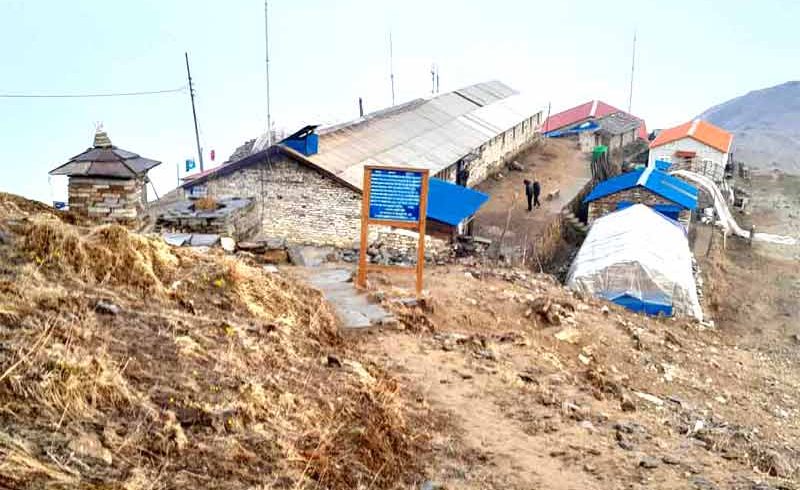

The Khora Ridge Trek, commonly known as the Khopra Ridge Trek or Khopra Danda Trek, is one of the beautiful off-the-beaten-path trekking experiences in Nepal’s Annapurna region. This trek is an excellent choice for travelers who want to explore peaceful mountain trails, traditional villages, green forests, alpine landscapes, and spectacular Himalayan panoramas away from the busiest trekking routes.
Located in the Annapurna Conservation Area of western Nepal, Khopra Ridge offers impressive views of the Annapurna and Dhaulagiri mountain ranges. The ridge stands at approximately 3,660 meters above sea level, providing a wonderful viewpoint for observing the surrounding Himalayan peaks. Trekkers can also extend their adventure with an optional hike to the sacred Khayer Lake, situated at approximately 4,660 meters. Actual route details and elevations should be confirmed before departure.
Unlike some of Nepal’s more commercialized trekking destinations, the Khopra Ridge route provides opportunities to experience community-managed accommodation and authentic village hospitality. It combines natural beauty, cultural exploration, mountain scenery, and a quieter atmosphere, making it an attractive alternative to the popular Ghorepani Poon Hill and Annapurna Base Camp routes.
The trek is suitable for travelers with a reasonable level of fitness who enjoy walking through mountain landscapes. With proper preparation, an appropriate itinerary, and guidance from an experienced trekking professional, visitors can discover a remarkable side of Nepal’s Annapurna region.
Location of Khora Ridge Trek
Khopra Ridge is situated in the Myagdi area of Gandaki Province, within the Annapurna region of Nepal. The trekking route connects traditional settlements, forest trails, elevated viewpoints, and community lodges. The trail can be approached through different route variations, often linking villages such as Ghandruk, Tadapani, Swanta, and Chistibung.
Most trekkers travel to Pokhara before driving to a suitable trailhead near Ghandruk or another starting point. From there, the journey continues on foot through terraced farmland, forests, mountain villages, and increasingly open landscapes.
As the trail climbs, the surrounding scenery changes from green hills and cultivated land to rhododendron forests and high mountain ridges. The final approach to Khopra Ridge rewards trekkers with impressive views of the Himalayas.
The precise starting and ending points depend on the selected itinerary, road conditions, and available transportation.
Major Highlights of Khopra Ridge Trek
- Panoramic views of the Annapurna and Dhaulagiri mountain ranges.
- A spectacular viewpoint at Khopra Ridge, approximately 3,660 meters high.
- Optional hike to the sacred Khayer Lake.
- Traditional Gurung and Magar villages.
- Beautiful rhododendron and oak forests.
- Peaceful mountain trails with fewer trekkers than some popular Annapurna routes.
- Sunrise and sunset views over the Himalayan landscape.
- Community-managed lodges that support local livelihoods.
- Opportunities to experience traditional Nepali food and hospitality.
- Photography opportunities featuring mountains, forests, villages, and alpine scenery.
These attractions make the trek appealing to nature lovers, photographers, cultural travelers, and hikers seeking a less crowded Himalayan experience.
Himalayan Mountain Views
One of the greatest attractions of the Khora Ridge Trek is its impressive mountain scenery. From the elevated viewpoints, trekkers can enjoy views of several famous Himalayan peaks, depending on the weather and visibility.
The surrounding mountains include Dhaulagiri, Annapurna South, Nilgiri, Tukuche Peak, and other peaks of the Annapurna-Dhaulagiri region. Machhapuchhre may also be visible from suitable points along the broader trekking route.
Dhaulagiri, rising to 8,167 meters, is one of the most impressive mountains in Nepal. Its enormous snow-covered slopes create a striking backdrop for the trek. The Annapurna range presents another dramatic landscape, with steep ridges, glaciers, and snow-covered summits.
Early mornings often provide excellent opportunities for mountain photography. As the sun rises, the changing light illuminates the snowy peaks and surrounding valleys. Clear afternoons can also offer beautiful views, although mountain clouds may develop throughout the day.
For many visitors, spending time at Khopra Ridge and observing the Himalayan panorama becomes the most memorable part of the journey.
Traditional Villages and Local Culture
The Khopra Ridge Trek is not only about mountains. It also introduces visitors to the traditional lifestyles of rural communities in Nepal.
Along the route, trekkers may visit Gurung and Magar settlements where farming, livestock raising, local trade, and tourism contribute to everyday life. Traditional houses, stone-paved paths, terraced fields, and small village monasteries provide opportunities to learn about the region’s cultural heritage.
Ghandruk is a well-known Gurung village in the Annapurna region. Depending on the itinerary, trekkers may explore its traditional architecture, cultural exhibits, and mountain viewpoints.
Local communities are known for their hospitality. Visitors may enjoy conversations with lodge owners, guides, and villagers while learning about local customs, food, festivals, and mountain traditions.
Trekkers should respect local religious practices, ask permission before photographing people, and follow guidance when visiting monasteries or other sacred places.
Choosing community-run accommodation can also help support local businesses and contribute to the economic development of mountain villages.
Forests, Wildlife, and Natural Scenery
The Khopra Ridge route passes through diverse natural environments. Lower sections feature cultivated hillsides, streams, terraced fields, and subtropical vegetation. As the trail gains elevation, forests of oak, rhododendron, and other Himalayan plants become prominent.
During spring, rhododendron flowers add vibrant colors to the forest landscape. The combination of flowering trees, fresh mountain air, and distant snow-covered peaks creates particularly beautiful scenery.
Higher sections feature open grassland, rocky paths, and alpine vegetation. The transition between forest and high mountain terrain makes the trek rewarding for visitors interested in Nepal’s natural diversity.
The Annapurna Conservation Area provides habitat for various bird and animal species. Trekkers may encounter Himalayan birds, including pheasants, and occasionally see wildlife from a distance. Sightings are never guaranteed, and visitors should avoid disturbing animals or feeding them.
Responsible trekking helps protect the area’s natural environment. Travelers should carry reusable water bottles when practical, minimize plastic waste, remain on established trails, and take all non-biodegradable rubbish back to appropriate disposal points.
Optional Khayer Lake Excursion
Khayer Lake is an optional highlight for trekkers who want a more demanding high-altitude excursion. Located at approximately 4,660 meters, this sacred alpine lake is associated with local religious traditions and pilgrimage practices.
The journey to Khayer Lake involves a substantial increase in elevation and can be physically demanding. It generally requires an additional day, although the exact timing depends on the route, weather, trail conditions, and the trekker’s pace.
The surrounding landscape becomes increasingly rugged as the trail approaches the high-altitude area. Trekkers may encounter rocky ground, steep sections, cold temperatures, and rapidly changing weather.
Because of the altitude, the Khayer Lake excursion should be planned carefully. A suitable acclimatization schedule, an early start, adequate food and water, and an experienced guide are important considerations.
Trekkers should not attempt the excursion if they feel unwell, if weather conditions are unsafe, or if their guide advises against continuing. The lake is an optional extension rather than a necessary part of the standard Khopra Ridge Trek.
Trekking Route and Itinerary Options
The Khopra Ridge Trek can be arranged in several ways, depending on available time, fitness, transportation, and personal interests.
A common route begins near Ghandruk and continues through Tadapani or nearby forest settlements before reaching the Khopra Ridge area. The journey then descends toward Swanta and may continue through other villages before returning to Pokhara.
A longer itinerary may include additional viewpoints, cultural villages, or an optional Khayer Lake excursion. Some packages combine Khopra Ridge with Ghorepani Poon Hill or Mohare Danda.
A typical route structure may include:
Pokhara, Ghandruk, Tadapani, Dobato or Chistibung, Dhan Kharka, Khopra Ridge, Swante, Ghorepani Poon Hill, Tekhedhunga, and return toward Pokhara.
This is an illustrative route structure, not a fixed daily itinerary. Exact overnight stops and walking distances should be established according to the selected trail and current lodge availability.
Most standard Khopra Ridge trips take approximately 7–10 days, depending on the starting point, ending point, and additional activities. Travelers beginning in Kathmandu should allow extra time for transportation to and from Pokhara.
Difficulty Level of Khopra Ridge Trek
The Khopra Ridge Trek is generally considered moderate, although some sections can be challenging. It is suitable for trekkers who can comfortably walk for several hours a day on uneven mountain trails.
The route includes steep uphill climbs, long staircases, forest paths, rocky sections, and downhill descents. Daily walking time commonly ranges from around four to seven hours, depending on the stage, pace, and route.
The main challenge is the combination of sustained uphill walking and increasing altitude. Reaching Khopra Ridge requires good stamina, while the optional Khayer Lake excursion is considerably more demanding because it reaches a higher elevation.
Previous trekking experience is helpful but not essential for the standard route if travelers are reasonably fit and properly prepared. Regular walking, stair climbing, and moderate cardiovascular exercise can help improve readiness.
Trekkers should maintain a comfortable pace, take breaks when needed, eat regularly, and drink sufficient water. The itinerary should include enough time to rest and adjust to altitude.
Best Time for Khopra Ridge Trek
Spring (March to May): Spring brings pleasant trekking conditions, blooming rhododendrons, and beautiful forest scenery. Temperatures become milder at lower elevations, although mornings and nights can remain cold at higher camps.
Autumn (September to November): Autumn is a popular season because the weather is often stable and mountain visibility is excellent. October and November can provide especially rewarding Himalayan views.
Winter (December to February): Winter trekking is possible in suitable conditions, but higher sections may experience snow, ice, freezing temperatures, and difficult trail conditions. Additional preparation and local advice are essential.
Monsoon (June to August): The monsoon brings heavy rainfall, clouds, slippery trails, leeches in forested areas, and possible landslides on access roads. Mountain views may be limited. Travelers considering this season should check current conditions carefully.
For many trekkers, March–May and September–November offer the best balance of weather, scenery, and trail conditions.
Accommodation During the Trek
Accommodation is generally provided in teahouses, village guesthouses, and community-managed lodges. The facilities are simpler than those found in cities, especially at higher elevations.
Rooms commonly contain beds, mattresses, pillows, and blankets. Some lodges offer shared bathrooms, while facilities vary from one settlement to another.
Khopra Ridge is particularly known for its community lodge. Accommodation capacity can be limited during busy trekking periods, so advance arrangements are advisable.
Heating is usually available in common dining areas rather than bedrooms. Hot showers, Wi-Fi, and device charging may be available at some stops for an additional charge, but these services cannot be guaranteed.
Trekkers should bring warm clothing and, where recommended by their trekking operator, a suitable sleeping bag.
Food and Drinking Water
Teahouses serve a range of local and familiar trekking meals.
- Dal bhat, Rice, lentil soup,
- vegetables
- Noodles, soups,
- Potatoes,
- Fried rice,
- Eggs,
- Pancakes,
- Porridge, and simple pasta dishes.
Food choices may become more limited at higher elevations because supplies must be transported along mountain trails. Eating regular meals helps provide energy for daily walking.
Drinking sufficient safe water is essential. Trekkers should use properly treated or reliably boiled water and carry a reusable bottle. Water purification methods should be selected according to local conditions and professional advice.
Alcohol should not be relied upon for warmth or recovery, particularly at altitude. A balanced diet, adequate hydration, and sufficient rest are better ways to support trekking performance.
Permits Required for Khora Ridge Trek
The Khopra Ridge Trek is located within the Annapurna Conservation Area. Foreign trekkers generally need the relevant Annapurna Conservation Area entry permit.
Other documentation requirements, including whether a Trekkers’ Information Management System (TIMS) card applies to a particular traveler or package, Permit fees and procedures can change. Travelers should confirm current requirements, carry the necessary documents, and follow regulations applicable to their nationality and travel arrangements.
Guide and Porter Services
Hiring a qualified trekking guide can improve safety, navigation, and the overall experience. A guide can explain local culture, identify mountain viewpoints, help arrange accommodation, and provide advice about changing weather and trail conditions.
Porters can carry the main luggage, allowing trekkers to walk with a lighter daypack. This can make steep climbs more comfortable and allow visitors to focus on the scenery.
Travelers should discuss luggage limits, porter welfare, insurance, emergency procedures, and the responsibilities of each team member before the trek begins.
A Nepal-based trekking operator should ensure that guides and porters receive fair treatment and suitable equipment for the conditions.
Trekking Preparation and Equipment
Proper preparation helps make the journey more comfortable. Trekkers should bring equipment appropriate for changing temperatures and mountain weather.
- Comfortable, well-broken-in hiking boots.
- Warm layers and a waterproof jacket.
- Trekking trousers and moisture-wicking shirts.
- A warm hat, gloves, and sun protection.
- A suitable sleeping bag if required by the itinerary.
- A small daypack and reusable water bottle.
- Sunglasses and sunscreen.
- Personal medication and a basic first-aid kit.
- Trekking poles for steep ascents and descents.
- Headlamp, spare batteries, and personal toiletries.
- Water purification supplies appropriate for the route.
The exact equipment list depends on the season, the inclusion of Khayer Lake, and the facilities available at the overnight stops.
Safety and Altitude Awareness
Although the standard Khopra Ridge route does not require technical climbing, trekking at high elevations presents real risks. Cold weather, fatigue, dehydration, slips, and altitude-related illness can affect travelers.
The optional Khayer Lake excursion reaches a considerably higher altitude than the ridge itself, so the risk of altitude illness is greater.
Trekkers should ascend gradually, allow time for acclimatization, and inform their guide immediately if they develop concerning symptoms such as headache, nausea, dizziness, unusual weakness, or breathlessness at rest.
Severe or worsening symptoms require prompt medical assessment and may require descent. Never continue to a higher elevation simply to complete a planned itinerary.
Travel insurance should cover trekking at the maximum planned altitude and emergency helicopter evacuation where applicable. Weather forecasts, local advice, and trail conditions should be checked before setting out each day.
Why Choose the Khora Ridge Trek?
The Khopra Ridge Trek is an excellent option for visitors seeking a quieter alternative to Nepal’s best-known trekking destinations. It combines spectacular Himalayan views with traditional villages, diverse vegetation, community-based accommodation, and opportunities for cultural discovery.
The route offers a rewarding balance between adventure and comfort. It does not require technical mountaineering for the standard ridge trek, yet it provides a genuine mountain experience with sustained uphill walking and high-altitude scenery.
Travelers can customize the journey according to their interests, choosing a shorter ridge-focused trip or a longer package with additional viewpoints and the optional Khayer Lake excursion.
By choosing responsible local services and respecting the natural environment, visitors can enjoy a meaningful trekking experience while contributing to the communities along the route.
Frequently Asked Questions (FAQs)
Where is the Khora Ridge Trek located?
It is commonly understood to mean the Khopra Ridge Trek in the Annapurna region of western Nepal, within the Annapurna Conservation Area.
How high is Khopra Ridge?
Khopra Ridge is approximately 3,660 meters above sea level.
How long does the trek take?
Most itineraries take approximately 7–10 days, depending on the starting point, ending point, and optional side trips.
Is the Khopra Ridge Trek difficult?
It is generally moderate. Trekkers should be prepared for steep climbs, uneven trails, and several hours of walking each day.
What is the best season for the trek?
Spring and autumn are generally the most favorable seasons, particularly March–May and September–November.
Can beginners do this trek?
Beginners with reasonable fitness can consider the standard route with appropriate preparation, a suitable itinerary, and experienced guidance.
Can I visit Khayer Lake during the trek?
Yes. Khayer Lake is an optional high-altitude excursion that requires additional time, preparation, and suitable weather conditions.
What type of accommodation is available?
Trekkers generally stay in teahouses, guesthouses, and community-managed lodges. Facilities vary between locations.
Do I need a trekking guide?
Travelers should check current Nepal trekking regulations and route requirements. A qualified guide is valuable for navigation, cultural interpretation, logistics, and safety.
What permits are required?
The Annapurna Conservation Area entry permit is generally required for foreign visitors. Confirm any additional documentation and current fees before departure.
Is the trek suitable for families?
It may suit families with older children who are comfortable with sustained hiking, provided the route, altitude, walking hours, and accommodation are appropriate for everyone.
What makes this trek special?
Its combination of panoramic Himalayan views, peaceful trails, community lodges, traditional villages, rhododendron forests, and the optional Khayer Lake excursion makes it a distinctive Annapurna trekking experience.
Conclusion
The Khora Ridge Trek, commonly known as the Khopra Ridge Trek, is a rewarding Himalayan journey for travelers who want to explore Nepal beyond its busiest trekking trails. With magnificent mountain panoramas, welcoming communities, beautiful forests, and the opportunity to visit sacred Khayer Lake, it offers a memorable combination of nature, culture, and adventure.
Whether you are planning a short ridge trek or a longer journey through the Annapurna region, choosing the right season, preparing suitable equipment, and following a responsible itinerary will help you make the most of your adventure. The Khopra Ridge Trek is an excellent choice for discovering the quieter beauty of the Nepalese Himalayas
| Day | Destination | Altitude | Walking Hour | Accommodation |
|---|---|---|---|---|
| 1 | Arrival Kathmandu and transfer to hotel | 1300 | One hour drive from airport to hotel | Hotel in Kathmandu |
| 2 | Free day at Kathmandu | 1300 | Free visit | Hotel Samsara Boutique with B&B Service |
| 3 | Kathmandu to Pokhara | 900 | 25 Minutes Flight | Hotel Haven 0 Ganga Lake Saide |
| 4 | Pokhara-Ghandruk | 1940 | 2 hurs drive Thamdanda and 2 hours walking | Lodge |
| 5 | Ghandruk-Tadapani | 2630 | 5 hours | Lodge |
| 6 | Tadapani-Dobato | 3420 | 5-6 | Lodge |
| 7 | Dobato-Dhan Kharka (Chistibung) | 3000 | 5 hours | Lodge |
| 8 | Chistibung-Khopra Danda | 3660 | 4 hours | Lodge |
| 9 | Khopra-Dhan Kharka | 3000 | Visit to Kheyer Lake 2 hours and trek back to Dhan Kharka 3-4 hours | Lodge |
| 10 | Dhan Kharka -Chitre | 2390 | 5 hours | Lodge |
| 11 | Chitre Ghore pani Deurali | 2900 | 2-3 hours | Lodge |
| 12 | Ghorepani-Hele | 1160 | 2 hours up to Poon Hill and trek back to Hele 3 hours | Lodge |
| 13 | Hele-Pokhara | 900 | 2-3 hours drive to Pokhara | Hotel Haven 0 Ganga |
| 14 | Pokhara-Kathmandu | 1300 | 25 Minutes Flight from Pokhara to Kathmandu | Hotel Samsara Boutique |
| 15 | Day Free in Kathmandu | 1300 | Free | Hotel Samsara Boutique with B&B Service |
| 16 | After breakfast drive to International Airport Kathmandu | Departire | Flight to Country | At your home |
Khopra Trek cost $1400 Per person
cost includes
- Airport Transfers: Airport pickup and drop-off in Kathmandu by private vehicle are included according to the agreed itinerary.
- Transportation: Ground transportation between Kathmandu and the trekking starting and ending points is included according to the package. Depending on the itinerary, this may involve a bus, jeep, or private vehicle.
- Hotel accommodation with breakfast is provided for the nights specified in the itinerary. Twin-sharing rooms are generally arranged.
- Teahouse Accommodation During the Trek: Accommodation in local teahouses and mountain lodges is included throughout the trekking route. Rooms are generally basic, with facilities varying by location.
- Meals During the Trek: Breakfast, lunch, and dinner are included on the trekking days specified in the package. Meals usually include dal bhat, noodles, soups, rice, potatoes, and other locally available dishes.
- Professional Trekking Guide: An experienced, licensed trekking guide accompanies you throughout the trek, assisting with navigation, cultural information, daily arrangements, and altitude awareness.
- Porter Services: Porter services are included if specified in your package. Porters carry your main luggage within the agreed weight limit. Their wages, meals, accommodation, and insurance are covered according to the package terms.
- Trekking Permits: The Annapurna Conservation Area Permit (ACAP) and any other required permits or applicable entry fees are included when stated in the package.
- Two-night hotels in Pokhara including breakfast service.
- Kathmandu-Pokhara -Kathmandu plane ticket including in our package cost.
- Guide and Porter Expenses: Staff wages, meals, accommodation, transportation, and insurance are included according to the agreed services.
- First-Aid Kit and Taxes: A basic first-aid kit is carried during the trek. Applicable government taxes and company service charges are included as specified.
Khopra Danda Trek Cost Excludes
- International Airfare: International flights to and from Nepal are not included.
- Nepal Visa Fees: Visa fees must be paid separately by travelers.
- Travel Insurance: Personal travel insurance is excluded. You should arrange insurance covering high-altitude trekking, medical treatment, and emergency helicopter evacuation.
- Meals in Kathmandu & Pokhara: Lunch and dinner in Kathmandu & Pokhara are not included unless mentioned in the itinerary.
- Personal Expenses: Snacks, chocolates, soft & Hot drinks, alcoholic beverages, bottled water, and additional food or drinks are paid for personally.
- Personal Trekking Equipment: Trekking boots, warm clothing, sleeping bags, backpacks, gloves, sunglasses, and other personal equipment are excluded unless agreed upon.
- Extra Lodge Services: Hot showers, Wi-Fi, laundry, and electronic device charging may require additional payment.
- Tips and Gratuities: Tips for guides and porters are not included and are given at your discretion.
- Extra Accommodation and Transportation: Additional hotel nights, extra vehicle services, and expenses caused by delays, illness, bad weather, or itinerary changes are excluded unless otherwise agreed.
- Emergency Expenses: Rescue costs, medical expenses, and other emergency services not covered by insurance or the package are the trekker's responsibility.
- Important Note
- The exact inclusions and exclusions depend on your itinerary, group size, transportation arrangements, and package price. Confirm all services with your trekking agency before booking your Annapurna Khopra Trek to avoid unexpected expenses and enjoy a safe, memorable Himalayan adventure.
You can find hotels with *** stars in both Kathmandu and Pokhara. They offer a variety of breakfast services.
The maximum altitude reached on this trek is 4500 meters.
The Khopra Danda Trek takes place in the Annapurna Region of Nepal.
You will be able to see breathtaking views of Annapurna South, Hiunchuli, Machhapuchhare, Nilgiri, Dhaulagiri, Tukche Peak, and the Rhododendron forest.
No, you do not need to bring camping gear for this trek. You will be going on a Tea House Trek, where you will stay in lodges. There are 5-6 lodges in Tarapani, 3 lodges in Dbato, 2 lodges in Dhankharka, and only one lodge in Khopra Danda. Therefore, you will need to book your lodge a day in advance.
No, the Khopra Danda Trek is not too difficult and has a lower altitude compared to other treks.
We have done this trek on 11 April 2024 to 24 April 2024 with French Alpine Club Group.
Altitude Chart
Reviews

Trek Kkophra Ridge Apr 2024 • Friends Superbe trek de 9 jours...
Read More
Apr 2024 • Friends Trek between Annapurna south and magnificent Daulhaghiri very...
Read More
Apr 2024 • Friends Superb 9-day trek, with Dhane as guide!, a...
Read More