Ramdung and Pachermo Peak Climbing -
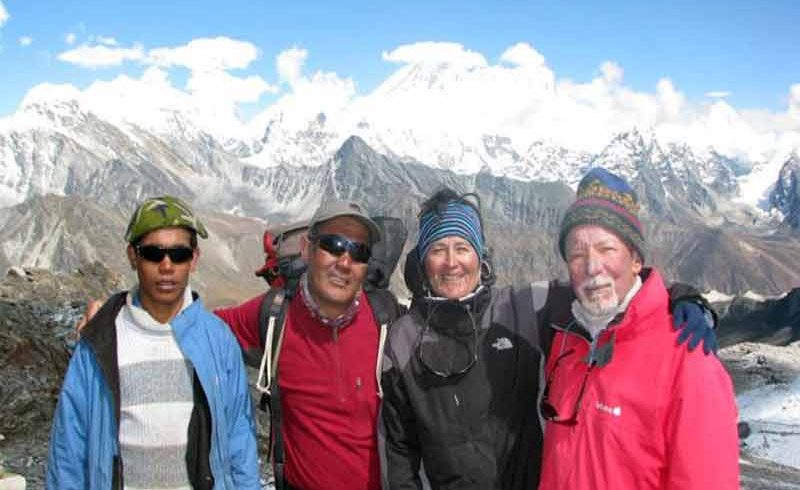

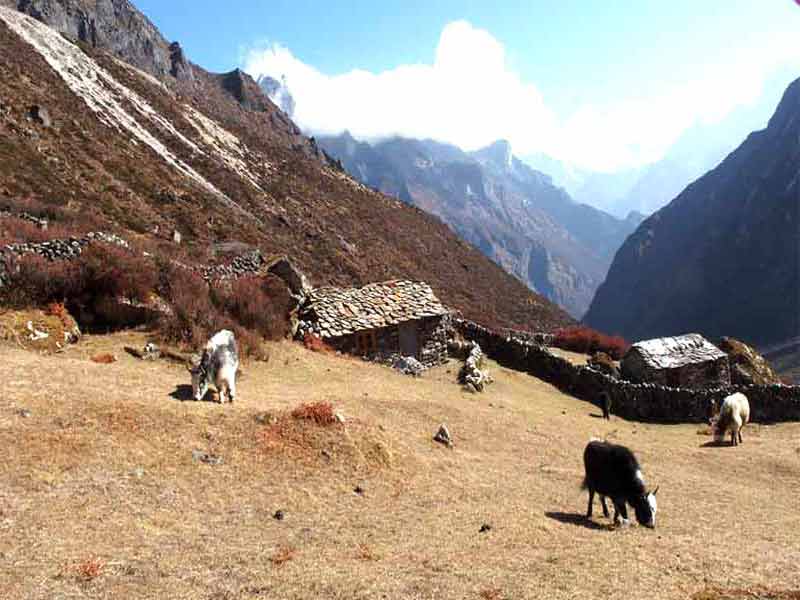

Ramdung and Pachermo Peak Climbing is an exciting high-altitude mountaineering adventure in Nepal that combines two challenging trekking peaks with the spectacular Rolwaling Valley and Tashi Lapcha Pass. This expedition is designed for experienced trekkers and climbers who want to explore a remote Himalayan region while developing their skills on snow, ice, glaciers, and high mountain passes.
The journey takes you deep into the beautiful Rolwaling Valley, surrounded by dramatic Himalayan peaks, glaciers, remote villages, and traditional mountain landscapes. After acclimatizing in the valley, climbers attempt Ramdung Peak before continuing toward Pachermo Peak and crossing the demanding Tashi Lapcha Pass. The combination of two peaks and a high mountain pass makes this an adventurous and physically demanding expedition.
Ramdung Peak is located in the Rolwaling region and offers an excellent introduction to Himalayan peak climbing. Pachermo Peak, standing at approximately 6,273 meters, provides a more demanding climbing experience with steep snow and ice sections. The route also includes the spectacular Tashi Lapcha Pass, one of the major high passes connecting the Rolwaling Valley with the Khumbu region.
Ramdung and Pachermo Peak Climbing Highlights
- Climb two Himalayan peaks in one expedition
- Explore the remote and beautiful Rolwaling Valley
- Summit Ramdung Peak
- Summit Pachermo Peak at approximately 6,273 meters
- Cross the challenging Tashi Lapcha Pass
- Experience glacier and snow climbing
- Enjoy views of Gauri Shankar, Melungtse, Dorje Lakpa, and other Himalayan peaks
- Visit traditional Sherpa and Tamang settlements
- Experience remote mountain culture and wilderness
- Develop glacier, rope, crampon, and ice-axe skills
- Trek through forests, rivers, glaciers, and high mountain terrain
- Finish the adventure toward the Everest/Khumbu region
Where Are Ramdung and Pachermo Peaks?
Ramdung and Pachermo Peaks are located in Nepal’s Rolwaling Himalaya. The Rolwaling Valley lies west of the Khumbu Everest region and is known for its remote landscapes and impressive mountain scenery.
The expedition normally begins after traveling from Kathmandu toward the Rolwaling Valley. The trekking route passes through villages and increasingly remote mountain landscapes before reaching higher elevations around Ramdung and the Tashi Lapcha area.
The region is less developed than the main Everest trekking routes, making the journey particularly attractive to climbers looking for a wilderness experience. The trail passes through forests at lower elevations and gradually enters alpine terrain, glaciers, moraines, and snow-covered mountains.
Ramdung Peak Climbing
Ramdung Peak is one of the attractive climbing peaks of the Rolwaling region. The climb provides an opportunity to gain experience with high-altitude mountaineering before continuing toward Pachermo.
The approach to Ramdung takes climbers through the spectacular Rolwaling Valley. After reaching the climbing area, the team establishes a suitable base camp and prepares for the summit attempt.
The final climb can involve snow and ice, depending on route and seasonal conditions. Climbers normally use crampons, ice axes, ropes, helmets, harnesses, and other mountaineering equipment.
The Ramdung summit provides magnificent Himalayan views and is an important part of this combined expedition.
Pachermo Peak Climbing
Pachermo Peak is approximately 6,273 meters high and is situated near the Tashi Lapcha Pass. It is considered a challenging trekking peak because of its altitude, steep sections, snow conditions, and changing mountain weather.
The climb requires good physical fitness and previous experience with high-altitude trekking. Basic mountaineering skills are highly recommended. Climbers should be comfortable walking with crampons and using an ice axe and fixed rope under the guidance of experienced climbing staff.
The summit attempt normally starts early in the morning when snow and weather conditions can be more favorable. Depending on route conditions, climbers may encounter steep snow slopes and icy sections.
From the summit, climbers can enjoy outstanding views across the Rolwaling and surrounding Himalayan ranges. After reaching the summit, the team descends carefully to a safer camp or lower elevation.
Tashi Lapcha Pass
Tashi Lapcha Pass is one of the most exciting sections of the expedition. The pass connects the Rolwaling Valley with the Khumbu region and reaches an altitude of around 5,755 meters, depending on the exact route and point measured.
Crossing Tashi Lapcha requires good acclimatization, appropriate equipment, and experienced guides. Snow, ice, crevasses, steep terrain, and changing weather can make the crossing challenging.
The route toward the pass passes through high-altitude landscapes dominated by glaciers and rocky mountains. Climbers may need ropes, crampons, ice axes, harnesses, and other technical equipment.
Crossing Tashi Lapcha is not simply a trekking experience; it is a serious high-altitude mountain crossing and should be undertaken with proper preparation.
Trekking & Climbing routes
A Ramdung and Pachermo Peak expedition can be organized in different ways depending on the climbing plan, weather, acclimatization schedule, and current trail conditions. A typical itinerary follows the general sequence:
Kathmandu → Jagat -Simi Gaon-Dongang-Beding- Na -Ramdung area -Ramdung Base Camp-Ramdung Summit -Rolwaling Valley, Tashi Lapcha area -Pachermo Peak-Tashi Lapcha Pass-Thame/Khumbu -Namche Bazaar -Lukla → Kathmandu
Acclimatization during the Trek
Acclimatization is one of the most important parts of a Ramdung and Pachermo expedition. The itinerary should allow the body enough time to adjust gradually to increasing altitude.
Beding and Na are important acclimatization locations in the Rolwaling Valley. Spending additional time at high altitude can help climbers prepare for the higher camps and summit attempts.
A good expedition itinerary should not focus only on reaching the peaks quickly. Weather, rest, acclimatization, and contingency days are important factors.
Difficulty of Ramdung and Pachermo Peak Climbing
Ramdung and Pachermo Peak Climbing is a challenging high-altitude expedition. It is considerably more demanding than a normal tea-house trek.
- High altitude
- Long trekking days
- Snow and ice
- Glacier travel
- Steep mountain terrain
- Tashi Lapcha Pass crossing
- Cold temperatures
- Unpredictable mountain weather
- Carrying or managing climbing equipment
- Limited facilities in remote areas
Previous high-altitude trekking and basic mountaineering experience is strongly recommended. Climbers should be physically fit and prepared for long days at altitude.
Who Can Join This Expedition?
This expedition is suitable for experienced trekkers and climbers who are comfortable with challenging mountain conditions.
Participants should ideally have experience with high-altitude trekking and be prepared to learn or practice:
- Crampon walking
- Ice-axe use
- Rope techniques
- Ascending and descending steep snow
- Glacier travel
- Basic climbing safety
High-altitude camp routines
Beginners may participate only if they have suitable physical preparation and are supported by an experienced climbing team. The guide should assess the climber’s experience before the expedition.
Best Time for Ramdung and Pachermo Peak Climbing
Spring Season
March to May is generally considered one of the main periods for Himalayan climbing. April and May can provide favorable climbing opportunities, although weather conditions can vary.
The mountain environment may still contain considerable snow, especially at higher elevations. Proper equipment and experienced climbing support are essential.
Autumn Season
September to November is another popular period. After the monsoon, the skies can become clearer, and mountain visibility is often excellent.
October and November are particularly popular months for trekking and climbing in Nepal, although conditions at high altitude can still change quickly.
Winter climbing is considerably colder and more demanding, while the monsoon season can bring rain, clouds, landslides, and difficult trail conditions at lower elevations.
Permits for Ramdung and Pachermo: Main permits required
Ramdung Peak Climbing Permit
Ramdung is one of the peaks administered through the Nepal Mountaineering Association (NMA). Nepal’s tourism statistics also list
Pachermo Peak Climbing Permit
Pachermo-Pharchamo is also an NMA-permitted peak.
Gaurishankar Conservation Area Permit (GCAP)
Required for the Rolwaling Valley section, including the Gaurishankar Conservation Area.
The official NTNC permit system identifies Rolwaling-Gaurishankar routes under GCAP.
The upper Rolwaling/Tashi Lapcha section has additional restricted-area requirements. Current route information identifies a
Restricted Area Permit (RAP) for upper Rolwaling and requires an authorized agency-guide.
Sagarmatha National Park Entry Permit
Required if your route crosses into the Khumbu/Sagarmatha National Park after Tashi Lapcha, such as when continuing toward Thame and Namche Bazaar.
Khumbu Pasang Lhamu Rural Municipality Entry Permit
Required when the itinerary enters the Khumbu local-government area. This is commonly included on Pachermo/Tashi Lapcha itineraries continuing into Khumbu.
Because this is a combination of trekking, peak climbing, and a high-pass crossing, the expedition should be organized through a properly authorized trekking and climbing agency.
The agency normally helps arrange the required permits, climbing documentation, liaison requirements where applicable, and other expedition logistics.
Accommodation during the Trek and expedition
At lower elevations, trekkers can usually stay in local lodges or tea houses. Facilities become simpler as the route enters the remote Rolwaling Valley.
At higher elevations and during the climbing sections, camping is normally required. Tents, sleeping systems, cooking equipment, and other expedition supplies need to be organized in advance.
At high camps, facilities are basic. Climbers should be prepared for cold temperatures and limited services.
Food During the Trek and Expedition
Food is an important part of maintaining energy during a long climbing expedition.
In villages and lodges, meals can include traditional Nepali food such as dal bhat, rice, vegetables, noodles, soups, potatoes, eggs, bread, and other available meals.
During camping and climbing sections, the expedition kitchen team prepares meals according to the available facilities. High-energy foods, carbohydrates, protein, hot drinks, and adequate hydration are important.
Climbers should also carry personal snacks such as chocolate, energy bars, dried fruit, nuts, and other preferred foods.
Guide and Climbing Sherpa Support
Experienced mountain guides and climbing Sherpas are important for this expedition. The guide helps with route finding, acclimatization, safety, camp organization, and daily trekking.
During technical climbing sections, climbing staff assist with ropes, anchors, glacier travel, fixed lines, and summit preparation where required.
The exact number of climbing staff depends on group size, experience, route conditions, and the expedition plan.
Equipment List for the Trekking and Climbing
- Base-layer shirts
- Fleece jacket
- Down jacket
- Waterproof jacket
- Waterproof trousers
- Trekking trousers
- Warm gloves
- Inner gloves
- Wool or thermal socks
- Warm hat
- Sun hat
- Buff or neck warmer
Trekking Equipment for the Trek
- Backpack
- Duffel bag
- Trekking poles
- Sleeping bag
- Headlamp
- Water bottles
- Water purification system
- Sunglasses
- Sunscreen
- Personal first-aid kit
Peak Climbing Equipment
- Mountaineering boots
- Crampons
- Ice axe
- Climbing harness
- Helmet
- Ascender
- Descender
- Carabiners
- Prusik loops
- Mountaineering gloves
- Climbing rope where required
Appropriate technical clothing
The final equipment list should be confirmed with the climbing guide before departure because equipment requirements can change according to route and seasonal conditions.
Physical Preparation
Good preparation can make the expedition safer and more enjoyable.
Training should begin several weeks or months before departure.
- Long-distance hiking
- Uphill walking
- Stair climbing
- Cardiovascular exercise
- Strength training
- Backpack walking
- Balance and endurance exercises
Training should gradually increase rather than suddenly becoming very intense. Climbers should also practice using mountaineering equipment before attempting the summit.
Safety and Altitude Awareness
Altitude is one of the major concerns during this expedition. Climbers should understand the symptoms of altitude-related illness and communicate immediately with the guide if they feel unwell.
The most important safety principle is not to continue ascending when serious altitude symptoms are developing. Depending on the situation, the guide may recommend rest, descent, medical assistance, or evacuation.
Weather is another major factor. Summit attempts and high-pass crossings depend on current mountain conditions. The expedition schedule should remain flexible enough to respond to changing weather.
Why Choose Ramdung and Pachermo Peak Climbing?
Ramdung and Pachermo provide a unique combination of trekking, mountaineering, and remote Himalayan exploration.
Rather than climbing a single peak, this expedition gives participants the opportunity to experience the Rolwaling Valley, climb Ramdung, prepare for Pachermo, cross Tashi Lapcha, and continue toward the Khumbu region.
It is particularly attractive to climbers who want to experience a less-developed Himalayan route and combine technical mountain adventure with cultural and wilderness exploration.
Cost of Ramdung and Pachermo Peak Climbing
The total expedition cost depends on group size, itinerary length, permits, climbing staff, transportation, accommodation, camping arrangements, equipment, food, and other logistical requirements.
A package can include airport transfers, transportation from Kathmandu, trekking permits, peak permits, accommodation, meals, guides, climbing Sherpas, porters, camping equipment, tents, cooking support, and other expedition services.
International flights, travel insurance, personal climbing equipment, emergency evacuation, personal expenses, and some beverages are generally separate unless specifically included in the package.
A detailed cost should therefore be provided after confirming the group size, dates, itinerary, and required services.
Responsible and Sustainable Travel
The Rolwaling region is a sensitive Himalayan environment. Climbers should respect local communities and protect the natural environment.
- Avoid unnecessary plastic waste
- Carry waste back from high camps
- Respect local customs
- Avoid damaging vegetation
- Use water responsibly
- Follow local climbing regulations
Support local guides, porters, lodges, and communities
Responsible tourism helps preserve the mountain environment for future generations.
Conclusion on the Trekking and Climbing
Ramdung and Pachermo Peak Climbing is an adventurous Himalayan expedition combining remote trekking, high-altitude mountaineering, glacier travel, and the spectacular Tashi Lapcha Pass. From the green lower valleys to the rugged landscapes of the Rolwaling Himalaya, the journey offers a remarkable progression through some of Nepal’s most dramatic mountain terrain.
Climbing Ramdung provides valuable high-altitude experience before attempting the more demanding Pachermo Peak. The expedition then continues through the high mountain environment toward Tashi Lapcha and the Khumbu region.
With proper acclimatization, physical preparation, suitable climbing equipment, experienced mountain guides, and a flexible itinerary, this expedition can provide an unforgettable Himalayan adventure for capable and well-prepared climbers.
Frequently Asked Questions
1. How high is Pachermo Peak?
Pachermo Peak is approximately 6,273 meters above sea level.
2. What is the altitude of Tashi Lapcha Pass?
Tashi Lapcha Pass is approximately 5,755 meters, although the exact elevation can vary according to the point measured.
3. Are Ramdung and Pachermo suitable for beginners?
The expedition is challenging. Previous high-altitude trekking and basic mountaineering experience are recommended.
4. Do I need crampons?
Yes. Crampons are important for the snow and ice sections. The guide will confirm the final technical equipment requirements.
5. Do we stay in lodges throughout the route?
No. Lodges or tea houses are available in some villages, but camping is generally required during remote and high-altitude climbing sections.
6. What are the best months?
Spring and autumn are the main climbing seasons, particularly around March–May and September–November, subject to current weather and route conditions.
7. Can I climb only Pachermo Peak?
Yes. Pachermo can be organized as a separate expedition depending on the route and current climbing conditions.
8. Can Ramdung be climbed separately?
Yes. Ramdung Peak can also be arranged as an individual climbing itinerary.
9. How difficult is Tashi Lapcha Pass?
It is a demanding high-altitude pass involving steep terrain and potentially snow, ice, and glacier conditions. Good acclimatization and technical support are important.
10. Do I need travel insurance?
Yes. Comprehensive travel insurance covering high-altitude trekking, climbing, and emergency evacuation is strongly recommended. Check that your policy specifically covers the maximum altitude of your planned expedition.
11. What happens if the weather is bad?
The itinerary should include flexibility for weather and climbing conditions. Summit attempts or pass crossings may be delayed when conditions are unsafe.
12. Why combine Ramdung and Pachermo?
Combining the two peaks allows experienced trekkers and climbers to explore the Rolwaling region more extensively and experience multiple high-altitude climbing objectives in one expedition.
| Day | Destination | Altitude | Walking Hour | Accommodation |
|---|---|---|---|---|
| 1 | Arrival in Kathmandu | 1300 | one hour drive from airport to hotel | Hotel in Kathmandu |
| 2 | Trekking and Climbing Preparing day | 1300 | Free day | Hotel in Kathmandu with B&B Service |
| 3 | Kathmandu to Gongar Khola | 1020 | 7-8 hours bus drive | Lodge |
| 4 | Gongor Khla to Simigaun | 2020 | 4-5 | Lodge |
| 5 | Simigaun to Dhokang | 2800 | 6-7 hours | Lodge |
| 6 | Dhokang to Beding | 3690 | 5-6-hours | Lodge |
| 7 | Beding to Na | 4180 | 4-5 hours | Tent Camping including BLD Service |
| 8 | Acclimatization at Na | 4180 | Rest day | Tent Camping-include BLD Service |
| 9 | Na to Yalung Glacier | 4750 | 6-7 hurs | Tent camping with BLD Service |
| 10 | Yalung Glacier to Ramdung Base camp | 5150 | 6-7 hours | Tent Camping with BLD Service |
| 11 | Summit to Ramdung Peak | 5925 | 9-10 hours | Tent Camping with BLD Service |
| 12 | Extra day in case weather is bad and Snowing | 5150 | Extra day | Tent Camping with BLD Service |
| 13 | Retune to Na | 4180 | 6-7 hours | Tent Camping with BLD Service |
| 14 | Rest day at Na | 4180 | Day Free | Tent Camping with BLD Service |
| 15 | Na to Tsho Rolpo | 4540 | 5-6 hours | Tent Camping with BLD Service |
| 16 | Tsho Rolpo to Drolammbu Glacier | 4800 | 4-5 hours | Tent Camping with BLD Service |
| 17 | Crossing Tashi Lapcha pass and Camping | 5755 | 5-6 hurs | Tent Camping with BLD Service |
| 18 | Summit to Pherchamo Peak | 6187 | 10-11 hours | Tent Camping with BLD Service |
| 19 | Extra day if bad weather and Snowing | 5755 | Extra day | Tent Camping with BLD Service |
| 20 | Thyangpo | 4350 | 5-6 hours | Tent Camping with BLD Service |
| 21 | Trek to Thame | 3800 | 5-6 hours | Ldge |
| 22 | Thame Rest day | 3800 | Free day | Lodge |
| 23 | Trek to Namche | 3440 | 4-5 hours | Lodge |
| 24 | Namche to Lukla | 2800 | 6-7 | Loodge |
| 25 | Fly to Kathmandu | 1300 | 0ne hour drive from airport to hotel | Hotel in Kathmandu |
| 26 | Free day at Kathmandu | 1300 | Free walking | Hotel with B&B Service |
| 27 | Departure day | After breakfast drive to Kathmandu airport | By plane | At Your home |
Ramdung and Pharchamo peak climbing cos
cos includes
- Transport for arrivals and departures. A car, a van, or a Hiace.
- 4 nights' accommodation with breakfast in Kathmandu.
- Breakfast, lunch, and dinner such as Italian, Chinese, Nepalese, Indian, and many more (items). We eat three meals each day, along with coffee and tea.
- Tented accommodation for 12 days and Tea Houses Lodge trek for 7 days are available during the climbing and trekking.
- Government licensed holder climbing guides, cooks, porters, and insurance, as well as food, lodging, and accommodation to climbers.
- Everest National Park permits and Gauri Sankar permit.
- Fee for Ramdung and Pharchamo Peak climbing permits.
- Fee for garbage deposit during both peaks
- A rope, an ice screw, snow bars, etc. are all common climbing equipment.
- Plane ticket from Lukla to Kathmandu.
- Travel by bus to Jagat from Kathmandu.
Ramdung and Pharchamo climbing cost excludes
- In Kathmandu lunch and dinner.
- Travel insurance policies cover high altitude sickness and accidents.
- Nepal entry visa fee is 30 US$ for 15 Days and 50 US$ for 30 Days, but it can be obtained at the Kathmandu airport, if you do not already have it.
- Beer, Coca-Cola, Fanta, and mineral water are examples of soft and hard drinks.
- Climbing and trekking equipment for personal use,
- Nepali employees should follow these tips.
- .Two passport-size pictures are required.
Ramdung peak height (5930) meters and Pharchamo peak height (6279 meters).
March through May and September through November
Daytime temperatures are normal at high camp, but nighttime temperatures are between 7 and 15 degrees.
Ramdung and Parchamo peak climbing cost $ 2700 in spring and $ 2575 in Autumn season per person
Flowing equipment must be brought with you. The Alpine boot you’re wearing is a good size for you. need Ice axes, Harnesses, Karabiners Lock & Unlock, Jammers, Ice hammers, Snow bags, Helmets, and other items not here.
A clear color scan of your passport photocopy (valid for a minimum of six months). Two passport-sized photos. Job title. Address of the home. Copies of insurance policies.
Feeling unwell and feeling hangover-like/ Headache/ Shortness of breath/ Loss of appetite/ Lack of sleep/ vomiting/ fevers etc.
It is okay for a woman to travel alone to Nepal as long as we find a trekking company that is fully responsible for trekking in Nepal and climbing in the mountains. The agency’s staff will take care of you every step of the way, and during the trek to the tea house and during the climbing trek, they will provide you with a single room, a one-man tent. However, if you hire a freelance Guide, you’ll face many problems. They are trying to make chit for a single woman. When you book guide porters through an agency, then you can rest assured your holiday trip to Nepal will be safe.
The difficulty of Peak Climbing varies with the trekking peaks you choose. The same peak is less technical, but it is very steep, with lots of technical climbing, plus you need good mountaineering equipment. It is recommended that your trek a minimum of 5,000 meters high before reaching the peak
We are pleased to welcome you to Kathmandu. Upon your arrival, please meet with us in our office and we will brief you on how to climb Nepal’s trekking peaks. Our guides are experienced in high-altitude trekking and climbing, so if you travel with us, we will provide you with qualified guides. The trekking and climbing staff is also covered by our insurance. If you are interested in climbing Nepal Trekking peaks, we can tell you more about our experience climbing guide who has climbed Nepal Trekking peaks several times.
Altitude Chart