Phaplu to Three Pass trek -
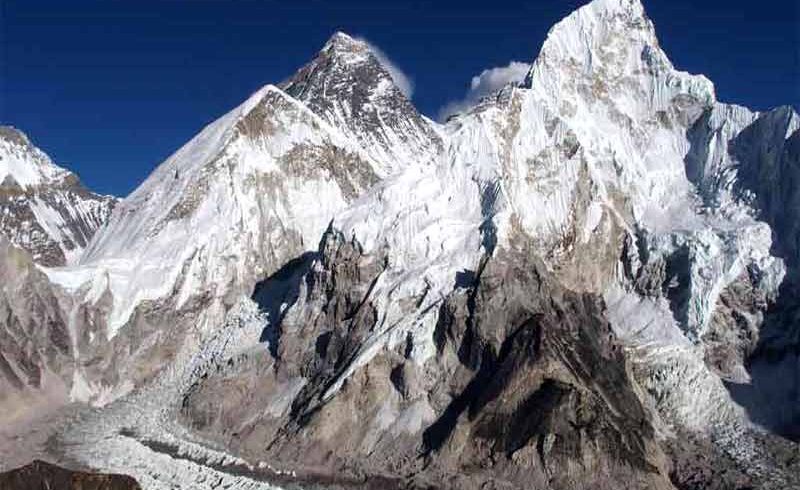
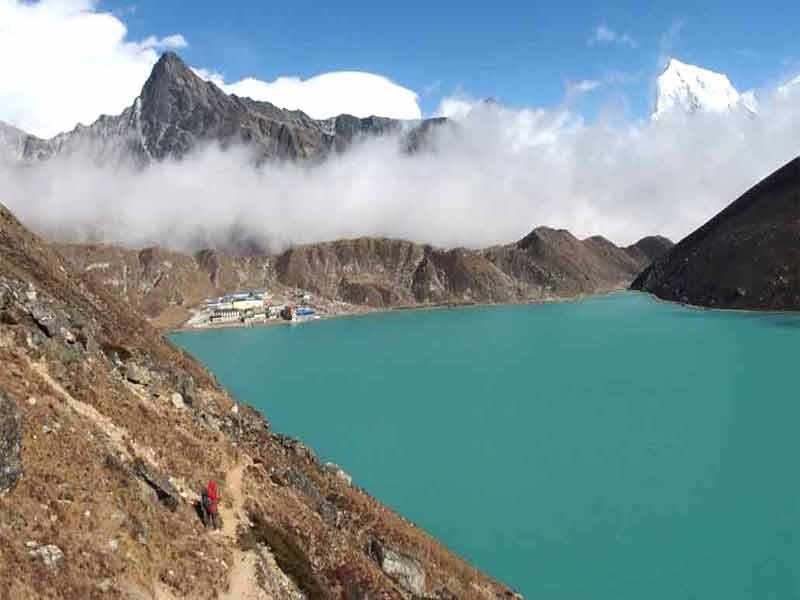
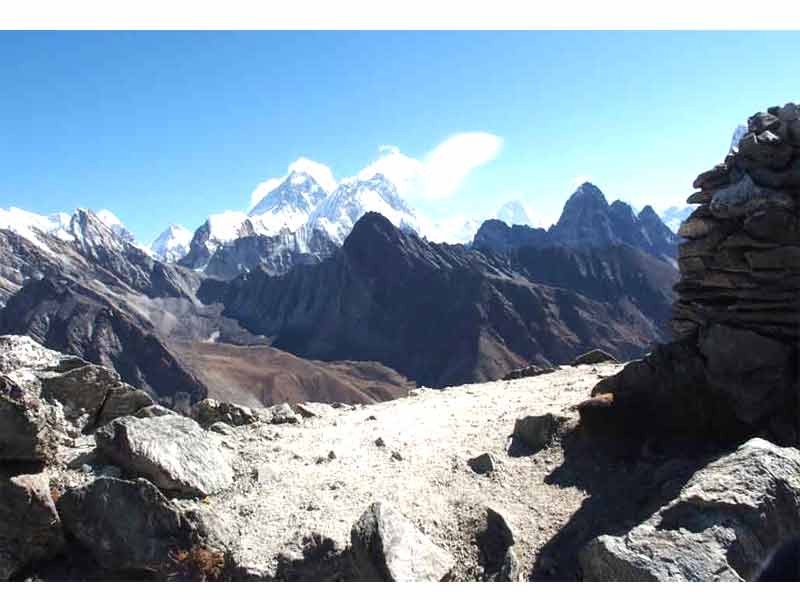
The Phaplu to Three Pass Trek is one of the most rewarding and adventurous trekking journeys in the Everest region of Nepal. It combines the quieter approach from the lower Solukhumbu area with the spectacular high-altitude trails of the Khumbu. Starting from Phaplu instead of flying directly to Lukla allows trekkers to experience more of the traditional villages, forests, mountain landscapes, and Sherpa culture before entering the main Everest trekking area.
The trek crosses three famous high mountain passes: Renjo La (5,360 m), Cho La (5,420 m), and Kongma La (5,535 m). Along the way, trekkers visit Namche Bazaar, Thame, Gokyo Valley, Gokyo Lakes, Everest Base Camp, Kala Patthar, Lobuche, and Chhukung before descending toward Lukla or continuing according to the selected itinerary.
This is a challenging trek designed for trekkers who are comfortable walking for several hours each day and who have prepared properly for high altitude. The combination of remote trails, steep climbs, glacial terrain, and high passes makes it more demanding than the standard Everest Base Camp Trek. However, the spectacular scenery and cultural experiences make the effort worthwhile.
Trek Starting from Phaplu
Phaplu is located in the Solukhumbu district and is a traditional gateway toward the Everest region. Trekkers can reach Phaplu by road from Kathmandu, making it an alternative to the Lukla flight. Depending on road conditions and the itinerary, the journey can be made by jeep or other local transportation.
Starting from Phaplu provides a gradual approach toward higher elevations. Instead of immediately arriving at Lukla at around 2,860 meters, trekkers spend additional days walking through lower-altitude settlements and forests. This can make the journey feel more gradual while also giving visitors an opportunity to experience areas that are often missed by trekkers who fly directly to Lukla.
The trail from Phaplu passes through traditional villages, farmland, forests, suspension bridges, and mountain viewpoints before joining the better-known Everest trekking route.
Phaplu to Ringmo
The early section of the trek leads through beautiful lower-Solukhumbu landscapes. Depending on the chosen route, trekkers pass through villages such as Ringmo.
Ringmo is one of the important Sherpa settlements in the region. The village is surrounded by green hills and mountains and is known for its Buddhist culture, monasteries, traditional houses, and welcoming local communities.
This part of the trek provides an excellent introduction to Sherpa life. Prayer flags, mani walls, chortens, monasteries, and traditional houses become increasingly common as the trail approaches the higher Khumbu region.
The forests in this section can include pine, rhododendron, fir, and other Himalayan vegetation. During spring, rhododendron flowers add color to the landscape, while autumn generally offers clear mountain views.
Continuing Toward Lukla and the Khumbu
After the lower Solukhumbu section, the route gradually approaches the Everest trekking corridor. The trail eventually connects with routes toward Lukla and the higher Khumbu.
The scenery changes as the elevation increases. Valleys become deeper, mountain peaks become more prominent, and the landscape becomes increasingly alpine.
Once the trek reaches the main Khumbu trail, trekkers encounter more travelers, porters, guides, monasteries, suspension bridges, and traditional Sherpa villages. From here, the route continues toward Namche Bazaar, the commercial and cultural center of the Everest region.
Namche Bazaar: The Heart of the Everest Region
Namche Bazaar is one of the most important stops on the Three Pass Trek. Located at approximately 3,440 meters, Namche is surrounded by impressive mountain scenery and serves as a major trading and trekking center.
Trekkers normally spend an acclimatization day in Namche before continuing toward higher elevations. An acclimatization day does not necessarily mean complete rest. A short hike around the surrounding hills can help trekkers become accustomed to the altitude.
Popular viewpoints around Namche provide views toward peaks such as Everest, Ama Dablam, Thamserku, Kongde, and other Himalayan mountains.
Namche also has bakeries, shops, restaurants, lodges, trekking stores, communication facilities, and other services. It is a good place to check equipment, charge batteries, and prepare for the more remote sections of the trek.
Namche to Thame Valley
From Namche, the Phaplu Three Pass route can continue toward the historic Thame Valley. Thame is quieter than the main Everest Base Camp trail and offers a different experience of the Khumbu.
Thame has strong historical and cultural importance in the Everest region. The surrounding mountains and traditional villages create a peaceful atmosphere, while the valley provides access toward the Renjo La area.
The trail gradually climbs through mountain landscapes with views of surrounding peaks. As the altitude increases, trekkers should maintain a steady pace and drink sufficient water.
Thame to Lungden
The trail from Thame continues toward Lungden, a small settlement at high altitude. This section is quieter and more remote than the main route to Everest Base Camp.
The landscape becomes increasingly rugged, with fewer trees and more alpine terrain. Mountains, rocky slopes, streams, and high valleys dominate the scenery.
Lungden is an important overnight stop before crossing Renjo La. Trekkers should use this time to rest, hydrate, and prepare for the following day’s demanding climb.
Crossing Renjo La Pass
Renjo La Pass, approximately 5,360 meters, is the first major high pass on the classic Three Pass route when approached from the Thame side.
The climb begins early, particularly when weather and trail conditions are favorable. The route gradually becomes steeper as it approaches the pass. Depending on the season, snow and ice may cover sections of the trail.
Reaching the top of Renjo La provides an extraordinary Himalayan panorama. From the pass, trekkers can see peaks and landscapes extending across the Everest and Gokyo regions.
The descent leads toward the beautiful Gokyo Valley. After the demanding climb, reaching the turquoise lakes and settlements of Gokyo is a memorable moment.
Gokyo Valley and Gokyo Lakes
Gokyo is one of the most spectacular destinations in the Everest region. The valley is famous for its series of glacial lakes, surrounding mountains, and high-altitude landscapes.
The main Gokyo Lake is surrounded by rocky mountains and glaciers. The landscape changes dramatically according to weather and season. Clear autumn mornings often provide excellent mountain views, while spring offers a combination of snow-covered peaks and changing alpine scenery.
Trekkers normally spend time in Gokyo for acclimatization and exploration. One of the most popular side trips is Gokyo Ri, a high viewpoint offering panoramic views of the Everest region.
From Gokyo Ri, trekkers can see several major Himalayan peaks, including Everest, Cho Oyu, Makalu, Lhotse, and surrounding mountains when visibility is good.
Gokyo to Thangnak
After exploring Gokyo, the trek continues toward Thangnak. This is a relatively short but important stage before crossing Cho La.
The trail follows a high-altitude landscape toward the Ngozumpa Glacier area. The terrain is rocky and alpine, with limited vegetation.
Trekkers should use the shorter walking day to rest and prepare for the Cho La crossing. Weather conditions can change quickly in this region, so the guide should check trail and weather conditions before attempting the pass.
Crossing Cho La Pass
Cho La, approximately 5,420 meters, is the second major pass of the Three Pass Trek.
The crossing is physically demanding because the trail reaches high altitude and can include steep, rocky, icy, or snow-covered sections depending on the season.
The approach toward Cho La provides dramatic views of surrounding peaks and glaciers. After reaching the top, trekkers can enjoy an impressive panorama before descending toward Dzongla.
The trail can be challenging, and careful foot placement is important. In difficult conditions, trekking poles and appropriate equipment can be particularly useful. Trekkers should follow their guide’s instructions and avoid rushing.
Dzongla to Lobuche
After crossing Cho La, the trail continues toward Dzongla and then Lobuche. This section reconnects with the Everest Base Camp trekking route.
The surrounding landscape is dominated by high mountains, glaciers, rocky valleys, and alpine terrain. The vegetation is sparse because of the altitude.
Lobuche is an important overnight settlement before continuing toward Everest Base Camp. The village is located at approximately 4,940 meters, so altitude awareness is especially important.
Everest Base Camp and Kala Patthar
From Lobuche, the trail continues toward Gorak Shep and Everest Base Camp, one of the major highlights of the trek.
Everest Base Camp is located at approximately 5,364 meters. The exact appearance of the area changes according to the season, particularly during the spring climbing season when expedition camps may be present.
The route to Base Camp passes through rocky and glacial terrain. The walk can be tiring because of the high altitude, even though the trail is not technically a climbing route.
Another major highlight is Kala Patthar, which rises to approximately 5,545 meters. Kala Patthar is famous for its close views of Mount Everest and the surrounding Himalayan peaks.
Many trekkers start the Kala Patthar hike early in the morning to experience sunrise over the mountains. From the viewpoint, Everest, Nuptse, Pumori, Ama Dablam, and other peaks can be seen in favorable weather.
Lobuche to Kongma La Area
After completing the Everest Base Camp section, the Three Pass route turns toward Kongma La, the highest of the three major passes.
Depending on the itinerary, trekkers may stay around Lobuche or another nearby settlement before crossing the pass. This section is more remote and generally has fewer facilities than the main Everest Base Camp trail.
Crossing Kongma La Pass
Kongma La is approximately 5,535 meters high and is generally considered one of the most demanding sections of the Three Pass Trek.
The trail climbs through rugged alpine terrain toward the pass. Snow and ice conditions can vary greatly depending on the season.
From the top of Kongma La, trekkers can enjoy magnificent views of the surrounding Himalayan peaks and glaciers. The descent leads toward the Chhukung Valley.
Because this is a high-altitude crossing, trekkers need adequate acclimatization, proper equipment, sufficient food and water, and careful pacing.
Chhukung and Chhukung Ri
After crossing Kongma La, trekkers descend toward Chhukung, a beautiful mountain settlement surrounded by impressive peaks.
Chhukung is also an important starting point for Island Peak climbing and the Chhukung Ri viewpoint.
Trekkers who have enough time and energy can hike toward Chhukung Ri, which provides excellent views of Ama Dablam, Lhotse, Nuptse, Island Peak, and other surrounding mountains.
The valley provides a dramatic conclusion to the high-pass section of the Three Pass Trek.
Chhukung to Tengboche and Namche
After completing the three high passes, the route gradually descends toward lower elevations.
The trail passes through beautiful mountain villages and forests before reaching Tengboche, home to the famous Tengboche Monastery.
Tengboche is one of the most important Buddhist cultural sites in the Khumbu region. The monastery is surrounded by spectacular mountain scenery, particularly views of Ama Dablam.
From Tengboche, the route continues toward Namche Bazaar. The descent provides a welcome change after several days at high altitude.
Returning Toward Lukla
From Namche, trekkers continue through the familiar Khumbu trail toward Lukla. Depending on the itinerary, the final trekking days pass through villages such as Monjo and Phakding before reaching Lukla.
The journey ends in Lukla, where trekkers can usually fly to Kathmandu or continue according to their travel arrangements.
Travelers who began the journey from Phaplu by road may return to Phaplu by road rather than fly from Lukla.
Difficulty of the Phaplu Three Pass Trek
The Phaplu to Three Pass Trek is a challenging high-altitude trek. The main challenges are long walking days, steep ascents and descents, high passes, changing weather, and altitude.
The three major passes are all above 5,300 meters, making acclimatization essential.
Trekkers should have good physical preparation and previous experience with multi-day mountain trekking if possible. Regular walking, hiking, stair climbing, and endurance training before the trek can help prepare the body.
The route is not normally a technical mountaineering expedition, but winter conditions or heavy snow can make some sections considerably more difficult.
Best Time for the Trek
The main trekking seasons are generally spring and autumn.
Spring, particularly March to May, offers warmer conditions at lower elevations, flowering rhododendrons, and generally good mountain visibility.
Autumn, particularly October to November, is popular because the monsoon has normally ended and the atmosphere can be clear. The mountain views are often excellent.
Winter can bring snow and very cold conditions at the high passes, while the monsoon season can create rain, clouds, muddy trails, and transportation challenges at lower elevations. Conditions can vary from year to year, so current weather and trail conditions should always be checked before departure.
Accommodation and Food
Accommodation along the Phaplu-to-Three-Pass route varies according to the section of the trek.
Lower sections generally have teahouses and lodges with relatively comfortable facilities. Higher areas such as Lungden, Thangnak, Dzongla, Lobuche, and Chhukung have more basic mountain accommodation.
Rooms are commonly simple and may include twin beds with shared bathroom facilities. Hot showers and charging facilities may be available in some lodges for an additional cost, but services become more limited at higher elevations.
Meals commonly include
- Dal Bhat,
- Noodles,
- Pasta,
- Soup,
- Potatoes,
- Eggs,
- Vegetables,
- Bread, and other trekking foods.
Trekkers should maintain adequate hydration and eat regular meals during high-altitude days.
Guide and Porter Support
Hiring an experienced guide and porter can make the Phaplu Three Pass Trek safer and more organized.
A professional guide helps with route navigation, accommodation arrangements, daily walking plans, weather and trail decisions, and communication with local communities.
A porter can carry part of the trekking equipment, allowing trekkers to walk more comfortably with a lighter daypack.
For the high passes, an experienced local guide is particularly useful because trail conditions can change according to weather and season.
Permits for Phaplu to Three Pass
The Phaplu to Three Pass Trek requires the appropriate permits and entry documentation for the Everest/Khumbu trekking area and other applicable local or national authorities.
Permit requirements and fees can change, so trekkers should confirm the current requirements before departure. A registered trekking agency can assist with obtaining the necessary permits and arranging the required documentation.
What You Will See and Experience
The Phaplu Three Pass Trek offers a combination of cultural and natural experiences.
- Traditional Sherpa villages
- Lower Solukhumbu landscapes
- Namche Bazaar
- Thame Valley
- Renjo La Pass
- Gokyo Lakes
- Gokyo Ri
- Cho La Pass
- Dzongla
- Everest Base Camp
- Kala Patthar
- Kongma La Pass
- Chhukung Valley
- Chhukung Ri
- Tengboche Monastery
- Ama Dablam and other Himalayan peaks
- Glaciers, alpine valleys, forests, and suspension bridges
- Buddhist monasteries, chortens, mani walls, and prayer flags
- Local Sherpa culture and mountain hospitality
Why Choose the Phaplu to Three Pass Trek
The Phaplu route is ideal for trekkers who want to experience both the lower Solukhumbu region and the demanding high-altitude landscapes of the Everest region.
Starting from Phaplu provides additional cultural and natural experiences before reaching the busy Khumbu trekking trails. The journey then combines three spectacular high passes with Gokyo Lakes, Everest Base Camp, Kala Patthar, and Chhukung.
Unlike a short Everest Base Camp itinerary, this trek offers a much broader experience of the Everest region. It is suitable for adventurous trekkers who want a challenging journey through some of Nepal’s most impressive mountain landscapes.
The Phaplu to Three Pass Trek is not simply a route between destinations. It is a complete Himalayan adventure combining traditional villages, Buddhist culture, high mountain passes, glaciers, alpine valleys, and unforgettable views of the world’s highest mountains.
With proper preparation, a suitable itinerary, experienced guide and porter support, adequate acclimatization, and flexibility for changing mountain conditions, the Phaplu to Everest Three Pass Trek can become one of the most memorable trekking experiences in Nepal.
Phaplu to Everest Three Pass Trek – Equipment List
1. Clothing for Phaplu to Three Pass Trek
- Moisture-wicking T-shirts – 2–3
- Thermal base-layer top – 1–2
- Thermal base-layer trousers – 1–2
- Fleece jacket – 1
- Down jacket – 1
- Waterproof/windproof jacket – 1
- Trekking trousers – 2–3 pairs
- Waterproof trekking trousers – 1
- Warm fleece or soft-shell trousers – 1
- Lightweight shorts – 1
- Underwear – 4–6 pairs
- Sports or trekking socks – 4–6 pairs
- Warm woolen socks – 2 pairs
- Warm hat/beanie – 1
- Sun hat/cap – 1
- Buff or neck warmer – 1–2
- Lightweight gloves – 1 pair
- Warm insulated gloves – 1 pair
2. Trekking Footwearfor Everest Three Pass Trek
- Good-quality trekking boots with ankle support – 1 pair
- Lightweight camp shoes/sandals – 1 pair
- Gaiters – 1 pair, especially useful in snow
- Microspikes or traction devices – recommended for icy sections
- Spare shoelaces
3. Backpack and Bags for the 3 High Pass Trek
- Main trekking backpack – approximately 40–60 liters
- Small daypack – approximately 20–30 liters
- Waterproof backpack cover
- Waterproof dry bags
- Small packing bags for organizing clothes and equipment
- Duffel bag if using porter service
4. Sleeping Equipment for 3 Pass Trek
- Four-season sleeping bag suitable for temperatures around -15°C to -20°C
- Sleeping bag liner
- Inflatable or foam sleeping mat if required
- Small travel pillow or inflatable pillow
Tea-house lodges normally provide beds and blankets, but a good sleeping bag is strongly recommended for the high-altitude sections.
5. Head, Eye and Sun Protection for trek
- UV-protection sunglasses
- Glacier/snow sunglasses for bright snow conditions
- Sunglasses case
- Sunscreen SPF 30–50+
- Lip balm with SPF
- Sun hat
- Buff or scarf
6. Trekking and Technical Equipment for 3 Pass Everest
- Adjustable trekking poles – strongly recommended
- Headlamp with extra batteries
- Water bottles – 2 × 1 liter or equivalent
- Water bladder
- Water purification tablets or filter
- Thermos/flask for hot water
- Small personal first-aid kit
- Blister treatment
- Emergency whistle
- Multi-purpose knife/tool
- Lightweight emergency blanket
- Small repair kit
- Duct tape
- Zip ties
For the Three Passes, microspikes and trekking poles can be particularly useful when the passes are icy or covered with snow. Depending on current conditions, your guide may recommend additional equipment.
7. Personal Medical and Health Items during the Trek
- Personal prescription medicines
- Basic pain-relief medicine
- Basic stomach/diarrhea medicine
- Bandages
- Antiseptic wipes
- Blister plasters
- Elastic bandage
- Oral rehydration salts
- Hand sanitizer
- Personal hygiene products
- Small first-aid kit
For altitude safety, discuss appropriate medication with a qualified healthcare professional before the trek rather than self-prescribing.
8. Electronics During the trek
- Mobile phone
- Power bank – 10,000–20,000 mAh
- Charging cables
- Universal travel adapter
- Camera
- Spare camera batteries
- Headlamp batteries
- Small waterproof electronics pouch
Electricity and charging facilities can vary between villages, so carrying a power bank is useful.
9. Documents and Money
- Passport
- Required trekking permits
- Passport-size photographs if required
- Travel insurance documents
- Emergency contact information
- Copies of important documents
- Nepali currency in small denominations
- Waterproof document pouch
10. Personal Hygiene
- Toothbrush and toothpaste
- Small towel
- Biodegradable soap
- Wet wipes
- Toilet paper/tissues
- Hand sanitizer
- Nail clippers
- Comb
- Moisturizer
- Small rubbish bags
11. Recommended Extra Items
- Trekking map
- Compass or GPS device
- Snacks and energy bars
- Chocolate/dried fruit
- Sunglasses backup
- Extra gloves
- Extra warm socks
- Lightweight down vest
- Earplugs
- Small notebook and pen
12. Equipment for High Pass Sections
- For Renjo La, Cho La and Kongma La, pay special attention to:
- Warm down jacket
- Thermal layers
- Waterproof shell
- Warm gloves
- Woolen socks
- Quality trekking boots
- Gaiters
- Trekking poles
- Microspikes/traction devices
- Headlamp
- Sunglasses with strong UV protection
- Sunscreen
- Water bottle/thermos
- High-energy snacks
Important: The exact equipment needed can change according to the season and current snow and trail conditions. Your guide should check the conditions before crossing each high pass and advise whether additional snow/traction equipment is necessary.
| Day | Destination | Altitude | Walking Hour | Accommodation |
|---|---|---|---|---|
| 1 | Arrival Kathmandu and transfer to hotel | 1300 | One hour drive from airport to hotel | Hotel in Kathmandu |
| 2 | Provide Jeep from Kathmandu to Phaplu | 2364 | 9-11 | Lodge |
| 3 | Phaplu-Nunthala | 2200 | 4 hours | Lodge |
| 4 | Nunthala-Buspa | 2360 | 6-7 | Lodge |
| 5 | Buspa-Chotok | 2730 | 5-6 | Lodge |
| 6 | Surke-Phakding | 2610 | 5-6 | Lodge |
| 7 | Phakding-Namche Bazaar | 3440 | 5 | Lodge |
| 8 | Rest day at Namche | 3440 | 2 hours to walk up to Everest View hotel (3730m), and one hour back to Namche Bazaar | Lodge |
| 9 | Namche- Tengboche | 3860 | 5-6 | Lodge |
| 10 | Tengboche-Dingboche | 4410 | 5-6 | Lodge |
| 11 | Dingboche Hike to Nargajun viewpoing (5050m) and back to Chhukung | 4730 | 6-7 hours | Lodge |
| 12 | Chhukung -Lobuche via Kongmala pass 5535 | 4910 Labuche | 7-8 | Lodge |
| 13 | Lobuche -Gorak Shep via Everest Base Camp (5364m) | 5140 | 6-7 | Lodge |
| 14 | Gorak Shep Kala Patther (5545m) and back to D"zongla | 4830 | 6-7 hours including Kala Patther | Lodge |
| 15 | D"zongla -Gokyo | 4790 | 6-7 hours | Lodge |
| 16 | Climbing Gokyo Ri 5357m and Gokyo | 4790 Gokyo | 5-6 hours | Lodge |
| 17 | Gokyo -Lungdine via 5360 Meters Renjo Pass | 4380 | 6-7 | Lodge |
| 18 | Lungdine-Thame | 3800 | 6-7 | Lodge |
| 19 | Thame -Namche | 3440 | 4-5 hours | Lodge |
| 20 | Namche-Lukla | 2800 | 7 -hours | Lodge |
| 21 | Morning flight to Kathmandu from Lukla | 1300 | 35 Minutes fly to Kathmandu | Hotel |
| 22 | Your Extra day in Kathmandu | 1300 | Free day | Hotel include with breakfast |
| 23 | After Breakfast drive to KTM Airport | Departure from Nepal | Fling to your Country | At your home |
Phaplu to Tree pass trek Cost 1520 $ Per person
cost including
- Airport pickup and drop-off services in Kathmandu by private vehicle are included if mentioned in the package.
- Hotel accommodation in Kathmandu with breakfast is provided for the nights specified in the itinerary. Twin-sharing rooms are generally arranged.
- Ground transportation from Kathmandu to Phaplu by jeep, bus, or private vehicle is included according to the selected package. Return transportation from Lukla to Kathmandu is also included air Ticket
- Accommodation in local teahouses and mountain lodges is included throughout the trekking route. Rooms are usually basic, with twin-sharing arrangements depending on availability.
- Breakfast, lunch, and dinner are included during the trekking days. Meals generally consist of Nepali, Tibetan, and international-style dishes available in mountain lodges.
- A professional, licensed trekking guide accompanies you throughout the journey. The guide assists with navigation, cultural information, daily arrangements, and altitude awareness.
- Porter services are included if specified in your package. Porters carry your main trekking luggage within the agreed weight limit. Their wages, meals, accommodation, and insurance are covered according to the package terms.
- Required permits and entry fees, including the Gauri Sankhar park-Sagarmatha National Park entry permit and Khumbu Pasang Lhamu Rural Municipality permit, are included when stated in the package.
- The guide's and porters' wages, meals, accommodation, transportation, and insurance are included according to the agreed services.
- A basic first-aid kit is carried during the trek. Applicable government taxes and company service charges are included as specified in the package.
Phaplu to Three Pass trekking cost excludes
- International Airfare: Flights to and from Nepal are not included in the trekking package.
- Nepal Visa Fees: Visa fees must be paid separately by the traveler.
- Travel Insurance: Personal travel insurance is not included. You should arrange insurance covering high-altitude trekking, medical treatment, and emergency helicopter evacuation.
- Meals in Kathmandu: Lunch and dinner in Kathmandu are excluded unless specifically mentioned.
- Personal Expenses: Snacks, chocolates, soft drinks, alcoholic beverages, bottled water, and extra food or drinks are paid for personally.
- Personal Trekking Equipment: Trekking boots, warm clothing, sleeping bags, backpacks, gloves, sunglasses, and other personal equipment are not included unless agreed upon.
- Extra Lodge Services: Hot drink, Hot showers, Wi-Fi, laundry, and electronic device charging may require additional payment.
- Tips and Gratuities: Tips for trekking guides and porters are not included and are given at your discretion.
- Additional Accommodation and Transportation: Extra hotel nights, additional vehicle services, and expenses resulting from delays, bad weather, illness, or itinerary changes are excluded unless otherwise agreed.
- Emergency and Unforeseen Expenses: Rescue costs, medical expenses, and other emergency services not covered by insurance or the package are the trekker's responsibility.
- Important Note
- The exact inclusions and exclusions depend on the itinerary, group size, transportation arrangements, and package price. Before booking your Phaplu to Everest Base Camp Trek, confirm all services with your trekking agency to avoid unexpected expenses and enjoy a safe, memorable Himalayan adventure.
Yes, you need to use Crampons during the Kongmala Pass
Daytime is Normal, but at Night, 12-15 degrees.
2064 for a Group and for a Single person costs 400 USD over the cost.
Phaplu to Three pass trek there is many good lodge and verity of food items you can choose in the menu every Lodge.
Our Guide is very experience, so he will contact us and we will send you rescue, if you get rally high altitude sickness.
No Problem, you can do the trek single, our guide and porter are honest and helpful good care of you.
Altitude Chart