Winter trek in Nepal -
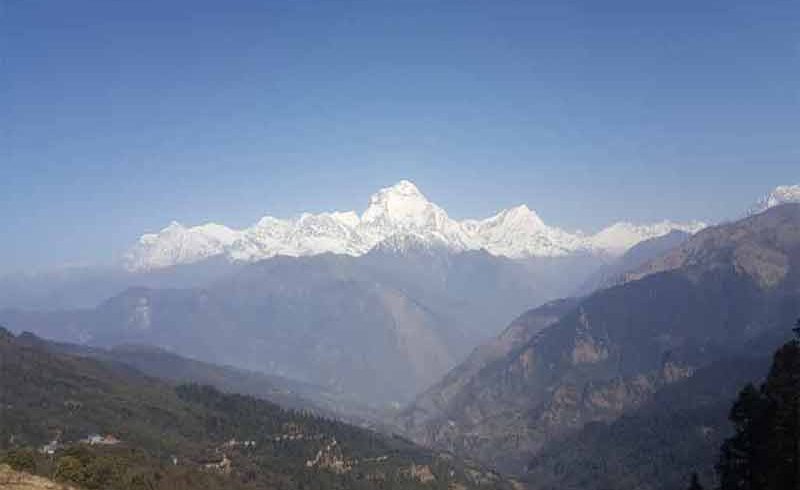
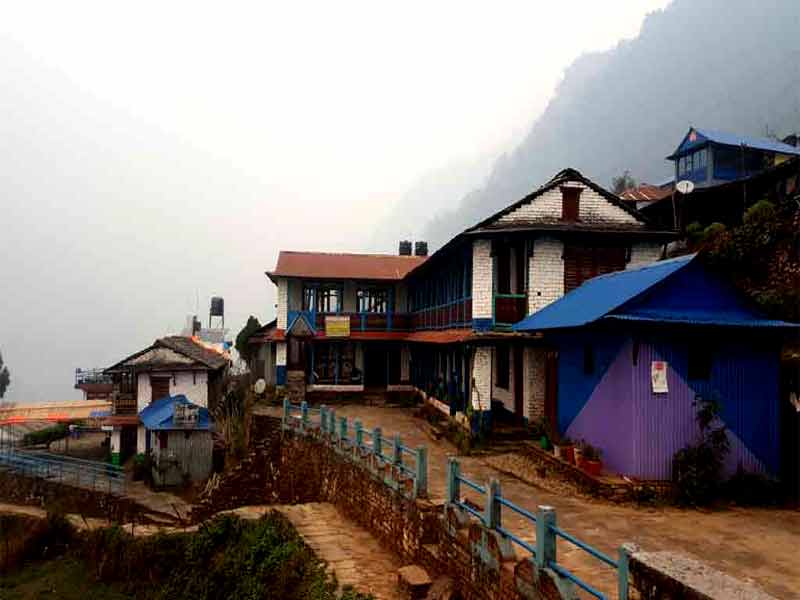
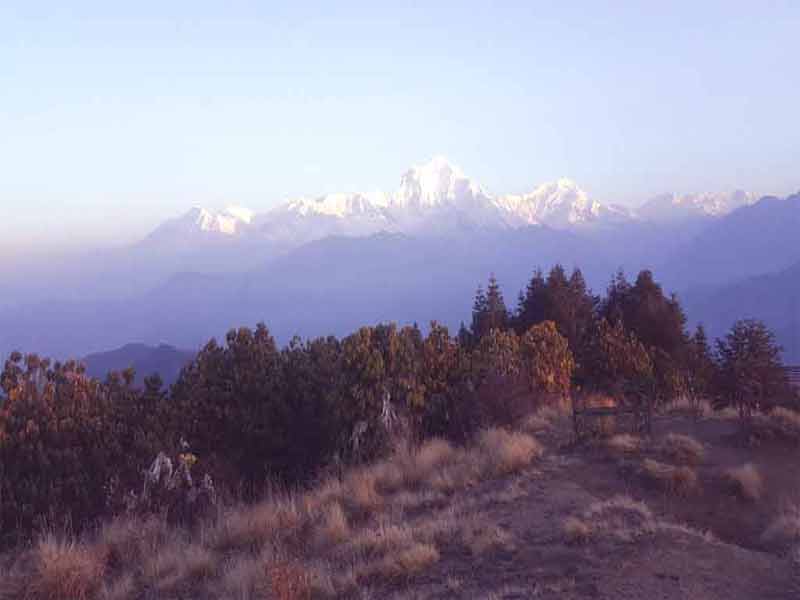
Winter Trek in Nepal – Complete Trekking Guide Nepal is one of the world’s most beautiful destinations for trekking, offering spectacular Himalayan mountains, snow-covered landscapes, traditional villages, ancient monasteries, peaceful forests, and diverse cultures. Although spring and autumn are the most popular trekking seasons, winter trekking in Nepal provides a unique opportunity to explore the Himalayas in a quieter and more peaceful atmosphere.
Winter in Nepal generally lasts from December to February. During this season, the weather is often clear, especially in the mornings, and the mountain views can be spectacular. Snow-covered peaks, crisp mountain air, and fewer trekkers on many trails make winter an attractive season for adventure lovers. However, winter trekking requires careful planning because temperatures can drop significantly at higher elevations. Snowfall, icy trails, strong winds, and freezing nights may affect trekking conditions, especially on high passes and remote mountain routes. Nepal offers many excellent winter trekking options, including Ghorepani Poon Hill, Mardi Himal, the lower Annapurna region,
Langtang Valley, Helambu, and selected sections of the Everest region. Trekkers seeking cultural experiences can also explore traditional Himalayan settlements and monasteries during the quieter winter months. Whether you are a beginner looking for a short mountain adventure or an experienced trekker searching for a challenging Himalayan journey, choosing the right destination is the key to enjoying a safe and memorable winter trek in Nepal.
Why Choose Winter Trekking in Nepal?
Winter trekking offers several advantages for travelers who want to experience the beauty of the Himalayas outside the busiest trekking seasons. Beautiful Snow-Covered Mountain Views One of the greatest attractions of winter trekking is the opportunity to see the Himalayan mountains covered in snow. On clear days, trekkers may enjoy panoramic views of Annapurna, Dhaulagiri, Manaslu, Langtang, and Everest, depending on the chosen route.
The winter sunlight creates beautiful contrasts between snowy peaks, blue skies, and deep mountain valleys. These conditions can be excellent for landscape photography.
Peaceful Trails and Fewer Crowds
Many trekking routes are quieter during winter than during the main spring and autumn seasons. This allows travelers to enjoy the natural surroundings, explore villages at a relaxed pace, and experience local hospitality without the same level of trail traffic. Some popular routes still receive winter visitors, so accommodation should be checked in advance.
Clear Skies and Excellent Photography
Winter often brings crisp mornings and excellent mountain visibility, although cloudy weather and snowfall remain possible. Photographers can capture dramatic Himalayan scenery, traditional villages, prayer flags, monasteries, and snow-covered forests. Authentic Cultural Experiences Winter trekking provides opportunities to discover Nepalese village life, Buddhist traditions, local food, and mountain hospitality. Travelers can visit monasteries, observe traditional architecture, and learn about the cultures of Gurung, Tamang, Sherpa, and other Himalayan communities.
Suitable Short Trekking Holidays
Several lower-altitude trekking routes are suitable for winter holidays. Travelers with limited time can enjoy a three-to-seven-day adventure without attempting difficult high-altitude passes.
Winter Trekking in the Annapurna Region
The Annapurna region is among Nepal’s most popular trekking destinations and offers several routes that can be suitable for winter. Poon Hill is particularly attractive for travelers who want a relatively short journey with impressive mountain views. The trek can be combined with Ghandruk, a traditional Gurung village known for its cultural heritage and views of the Annapurna range. Mardi Himal and Khopra Danda offer more challenging alternatives for trekkers seeking higher viewpoints and quieter trails. However, snow and ice can make the upper sections more difficult during winter.
The full Annapurna Circuit is a different proposition. Thorong La Pass, at approximately 5,416 meters, can experience severe winter conditions, heavy snow, and dangerous weather. Crossing it in winter should not be assumed feasible, and a trip may need to be postponed or rerouted. For most winter visitors, selecting a lower-altitude Annapurna itinerary provides a more flexible way to enjoy the mountains while reducing exposure to extreme cold and high-pass hazards.
Winter Trekking in the Everest Region
The Everest region offers magnificent mountain scenery and rich Sherpa culture. Winter trekking can be rewarding for experienced and well-prepared travelers, but cold temperatures and changing weather make route selection important. The Everest View Trek generally focuses on Namche Bazaar and nearby viewpoints. Visitors can explore local markets, monasteries, and traditional settlements while enjoying views of Everest, Lhotse, Ama Dablam, and other Himalayan peaks when visibility is good. The full Everest Base Camp Trek is also attempted during winter, but it requires greater preparation. Higher elevations experience freezing temperatures, and snowfall may disrupt trails, accommodation, or flights to and from Lukla. The Everest Three Passes Trek and other high-pass itineraries are substantially more demanding in winter because passes may become blocked or unsafe.
Trekkers should consult experienced local guides, monitor weather forecasts, allow additional days for flight disruptions, and be prepared to change their plans when conditions deteriorate.
Winter Trekking in the Langtang Region
The Langtang region lies north of Kathmandu and is known for beautiful mountain valleys, glaciers, forests, and Tamang culture. During winter, Langtang Valley can become a spectacular snowy destination. The trek passes through forested areas and traditional settlements before reaching the upper valley near Kyanjin Gompa. The cold becomes more intense as altitude increases. Snowfall can cover trails, and icy sections may require extra caution or specialist equipment.
A shorter itinerary or a trek focused on lower settlements may be preferable for travelers who have limited cold-weather experience. Those planning to continue toward higher viewpoints should check the forecast and obtain local guidance. The Langtang region can offer a memorable winter experience, but trekkers should not underestimate the combination of cold, altitude, and winter trail conditions.
Weather and Temperature During Winter
Winter in Nepal generally covers December, January, and February. Weather varies by region and altitude, and temperatures can change considerably between sunny daytime conditions and cold nights. In Kathmandu and Pokhara, daytime weather is often cool and comparatively dry, although cold mornings, fog, and occasional rain are possible.
At trekking elevations, daytime temperatures can be comfortable in sunshine but may fall below freezing overnight. Higher mountain camps and exposed viewpoints can be much colder, especially when wind increases the chill. Snowfall is more likely at higher elevations, but the timing and amount vary from year to year. Some trekking routes remain accessible throughout winter, while others may become difficult or temporarily impassable.
Trekkers should prepare for:
Cold mornings and freezing nights.
Snowfall and icy trails at higher elevations.
Strong winds and wind chill.
Shorter daylight hours.
Weather-related flight or transport delays.
Reduced accommodation services in some remote villages.
Checking current forecasts and local trail conditions is essential before starting each trekking day.
Best Time for Winter Trekking in Nepal
December, January, and February are all suitable for selected winter treks, but each month has different characteristics.
December: Early winter often provides good opportunities for trekking, particularly at moderate elevations. Temperatures begin to fall, and high mountain areas may receive snow.
January: This is usually the coldest part of the winter season. Lower-altitude routes such as Poon Hill and Helambu may be preferable for travelers who want to avoid severe high-altitude conditions. Snow can affect upper trails.
February: Temperatures gradually begin to rise toward the end of winter, although cold nights and snowfall remain possible at high elevations. Many lower and moderate-altitude routes can offer excellent trekking conditions when the weather is favorable. For travelers seeking a balance between mountain views and manageable temperatures, a lower-altitude trek in December or
February may be a practical choice. Conditions always depend on the specific year and destination.
Difficulty Level of Winter Treks
Winter trekking difficulty depends on the route, altitude, daily walking distance, snowfall, and the trekker’s experience. Poon Hill and Helambu are generally suitable for travelers with basic fitness when trails are in good condition. Mardi Himal and Khopra Danda can be more demanding because of elevation gain and potentially snowy upper sections.
Langtang Valley requires preparation for sustained walking and altitude. The Everest Base Camp Trek requires additional acclimatization and cold-weather preparation. Winter makes some routes more difficult than they would be in spring or autumn. Snow-covered paths may slow walking, while ice can increase the risk of slipping. Trekkers should use trekking poles, wear suitable boots, walk at a comfortable pace, and avoid high passes when local guides or authorities advise against crossing.
Accommodation During Winter Trekking
Accommodation varies according to the trekking region and elevation. On established routes such as Poon Hill, Langtang Valley, and parts of the Everest region, teahouses and lodges provide rooms and meals. Facilities may be basic, and bedrooms are often unheated.
Higher villages may have limited hot water, and some lodges reduce services or close during the quiet winter season. Confirming accommodation in advance is particularly important for remote or high-altitude itineraries. A warm sleeping bag suitable for the expected temperatures is recommended, even when lodges provide blankets. Travelers should also carry comfortable warm clothing for evenings.
Food and Drinking Water
Most established trekking routes offer traditional Nepalese meals and simple international dishes. Common meals include:
- Dal bhat with , lentils,
- Vegetables, and pickles.
- Noodles, soups, and fried rice.
- Tibetan bread, chapati, and potatoes.
- Eggs, porridge,
- Pancakes, and other breakfast options.
Warm meals and hot drinks can be particularly comforting after a cold day of walking.
Food availability may be more limited in remote areas during winter, so trekkers should confirm the arrangements with their guide or trekking company.
Drink boiled, filtered, or otherwise properly treated water. Avoid untreated stream water and carry a reusable bottle or insulated flask. Staying hydrated remains important even when cold weather reduces the sensation of thirst.
Permits Required for Winter Trekking
Permit requirements depend on the destination and current government regulations. Examples include:
Annapurna region: Annapurna Conservation Area Permit where required.
Langtang region: Langtang National Park entry permit where required.
Everest region: Sagarmatha National Park entry permit and other applicable local requirements.
Helambu: Requirements depend on the selected route and any protected areas entered.
Restricted-area destinations have additional rules, and certain locations require a licensed guide and authorized agency arrangements. Permit fees and regulations can change, so check the latest requirements before departure. Carry the necessary identification and permit documents throughout the trek.
What to Pack for Winter Trekking in Nepal
Packing the right equipment is essential for comfort and safety during winter.
Clothing
- Thermal base layers.
- Warm fleece or insulated mid-layer.
- Insulated down or synthetic jacket.
- Waterproof and wind-resistant outer jacket.
- Warm trekking trousers.
- Thermal leggings for cold conditions.
- Wool or thermal socks.
- Warm hat, neck warmer, and insulated gloves.
Footwear and Equipment
- Supportive trekking boots with good grip.
- Gaiters for snowy conditions when appropriate.
- Trekking poles.
- Backpack and waterproof cover.
- Sleeping bag rated for the expected temperatures.
- Headlamp with spare batteries.
- Sunglasses and sunscreen.
- Reusable water bottle or insulated flask.
- Personal first-aid kit and toiletries.
- Power bank and suitable charging accessories.
For routes where substantial snow or ice is expected, additional equipment may be necessary. Depending on the terrain, this can include microspikes or crampons and an ice axe, used only when appropriate and with the necessary training. Your equipment should match the actual route and forecast rather than the season alone.
Health and Safety During Winter Trekking
Safety is especially important when trekking in cold and snowy conditions. Dress in layers. Multiple layers help regulate body temperature as walking conditions change. Keep spare dry clothing available in case your clothes become wet. Monitor the weather. Check local forecasts and ask your guide about snow conditions before setting out. Avoid exposed ridges and high passes during severe weather.
Watch for altitude sickness. Headache, nausea, dizziness, and unusual fatigue can be symptoms of altitude illness. Ascend gradually and include appropriate acclimatization days. If symptoms worsen, stop ascending and seek professional guidance. Severe symptoms require urgent medical attention and descent. Avoid unnecessary risks on ice. Walk carefully on frozen paths, use trekking poles, and turn back if a section is beyond your ability or equipment.
Carry suitable insurance. Travel insurance should cover trekking at your planned altitude and relevant emergency evacuation. Allow extra time. Weather may delay mountain flights, road transportation, or progress on the trail. Flexible itineraries help avoid unnecessary pressure to continue in unsafe conditions.
Why Hire a Local Trekking Guide?
Hiring an experienced local guide can improve the safety and enjoyment of a winter trek. A knowledgeable guide can explain local culture, recommend suitable daily walking distances, monitor changing conditions, and help identify alternative routes when snowfall affects the original plan. Guides also assist with accommodation, food arrangements, transportation, and communication with local communities. Their experience can be especially valuable on remote trails or during periods of heavy snowfall.
Porters can carry luggage and shared equipment, helping trekkers walk more comfortably. Their loads, clothing, accommodation, food, and working conditions should be properly arranged. A responsible trekking agency can coordinate permits, transport, guides, porters, and emergency planning according to the selected itinerary.
Transportation for Winter Trekking
Transportation depends on the selected destination. For Annapurna treks, travelers generally travel from Kathmandu to Pokhara and continue by road toward the starting point, such as Nayapul or other route-specific access points.
For Langtang and Helambu, road transportation from Kathmandu is commonly used.
For Everest-region treks, travelers generally fly to Lukla or use an alternative overland approach where suitable. Winter weather can cause flight delays or cancellations, so additional days are recommended. Mountain roads can be affected by snow, ice, or poor weather. Travelers should confirm current road conditions and transport schedules before departure.
Who Can Join a Winter Trek in Nepal?
Winter trekking can be suitable for beginners, experienced hikers, families, photographers, and cultural travelers, provided the route matches their abilities. Beginners may prefer shorter, lower-altitude routes such as Poon Hill or Helambu. Travelers with previous trekking experience may consider Mardi Himal, Langtang Valley, or selected Everest-region routes when conditions are favorable. High-altitude treks require appropriate fitness, acclimatization, cold-weather equipment, and realistic expectations. Technical winter routes should only be attempted by people with suitable experience and professional support. Choosing the right itinerary is more important than choosing the most difficult route.
Frequently Asked Questions About Winter Trekking in Nepal
Is winter a good time for trekking in Nepal?
Yes. Winter can be an excellent time for selected routes, especially lower-altitude treks with accessible trails and suitable accommodation.
Which is the best winter trek in Nepal?
Ghorepani Poon Hill is one of the best choices for a short winter trek. Mardi Himal, Helambu, and selected Everest or Langtang itineraries can also be rewarding when conditions are suitable.
Can beginners trek in Nepal during winter?
Yes. Beginners can choose shorter routes with moderate elevations, good preparation, and experienced local support.
Does it snow during winter trekking?
Snow is common at higher elevations, but the amount and timing vary. Lower trekking routes may remain snow-free, while upper trails can become icy or temporarily inaccessible.
Can I trek to Everest Base Camp in winter?
Yes, it is possible in suitable conditions, but it is cold and requires careful preparation, acclimatization, flexible scheduling, and experienced guidance. Snow and flight disruptions may affect the itinerary.
Do I need special equipment for winter trekking?
Warm layered clothing, insulated gloves, a suitable sleeping bag, and supportive trekking boots are essential. Traction equipment may be needed on icy trails, depending on the route.
Are teahouses open during winter?
Many teahouses on established routes remain open, but some remote lodges reduce services or close. Check availability before starting.
What is the best month for winter trekking?
December and February can offer good opportunities on selected routes. January is often colder, particularly at high elevations. The best month depends on the destination and current weather.
Is a guide necessary for winter trekking?
A guide is strongly recommended for unfamiliar or snowy routes and is mandatory in certain restricted areas. Local knowledge can help with route planning and changing conditions.
How much does a winter trek cost?
A short guided trek may cost a few hundred US dollars per person, while longer or more demanding treks can cost considerably more. The final price depends on duration, services, permits, and transportation.
Conclusion: Experience the Himalayas on a Winter Trek in Nepal
Winter trekking in Nepal offers a special opportunity to explore snow-covered mountains, peaceful trails, traditional villages, Buddhist monasteries, and spectacular Himalayan landscapes. From the sunrise views at Poon Hill to the mountain scenery of Mardi Himal, the cultural trails of Helambu, and the dramatic valleys of Langtang, Nepal provides a wide range of winter adventures. The key to a successful winter trek is choosing an appropriate destination, checking current weather and trail conditions, carrying suitable cold-weather equipment, and allowing enough flexibility in your itinerary.
Lower and moderate-altitude treks are often the best choices for travelers who want to enjoy winter scenery without unnecessary exposure to severe cold or difficult high passes. More demanding routes can be considered by experienced trekkers when conditions and professional advice support the plan.
Plan your winter trekking adventure in Nepal with experienced local guides and discover the beauty, culture, and peaceful atmosphere of the Himalayas during the winter season.
| Day | Destination | Altitude | Walking Hour | Accommodation |
|---|---|---|---|---|
| 1 | Arrival Kathmandu and transfer to hotel | 1300 | One hour drive from airport to hote | Hotel in Kathmandu |
| 2 | Kathmandu to Pokhara | 900 | 7-hours by Tourist bus from Kathmandu Pokhara | Hotel in Pokhara |
| 3 | Pokhara to Ghandruk trek | 1940 | 4-hours | Lodge |
| 4 | Ghandruk to Chhomrom trek | 2170 | 5-hours | Lodge |
| 5 | Chomrom to Pothana trek | 1890 | 7-hours | Lodge |
| 6 | Pothana to Pokhara | 900 | 2-hours | Hotel in Pokhara |
| 7 | Pokhara to Kathmandu by bus | 1300 | 7-hours the bus from Pkharaa | Hotel in Kathmandu |
| 9 | Flight out from Nepal | Departure day | Once you have finished your breakfast, transfer to the Kathmandu airport | At your home |
Winter trek in Nepal cost U$D 475 per person
includes
- 1. Transport & Hotel.
- Arrival and departure transport and Kathmandu hotel included, with breakfast as per the trekking itineraray
- 2. Experienced Trekking Guide
- The package generally includes a licensed, experienced trekking guide who leads the group, explains local culture and traditions, provides information about mountain landscapes, and helps manage the daily walking schedule. The guide also monitors weather conditions and supports trekkers throughout the journey.
- 3. Porter Services
- Porter services may be included according to the package. Porters carry personal luggage and shared equipment within the agreed weight limit, allowing trekkers to enjoy the trails more comfortably.
- 4. Accommodation During the Trek
- Accommodation in teahouses, lodges, or guesthouses is included as specified in the itinerary. Rooms may have basic facilities, and heating can be limited during winter. Trekkers should bring a suitable sleeping bag for cold conditions when necessary.
- 5. Meals During the Trek
- Breakfast, lunch, and dinner are included if specified in the package. Typical meals include dal bhat, rice, noodles, soups, potatoes, vegetables, and other locally available dishes. Food availability may vary in remote areas during winter.
- 6. Transportation Services
- Ground transportation between Kathmandu and the trekking starting or ending point is included according to the itinerary. Domestic flights, including flights to Lukla, are covered only when clearly mentioned in the package.
- 7. Trekking Permits and Entry Fees
- Required trekking permits, conservation area permits, and national park entry fees are included when stated in the package. Permit requirements depend on the selected destination.
- 8. Guide and Porter Expenses
- The package covers agreed staff wages and necessary guide and porter expenses, including meals, accommodation, and insurance, according to the company's arrangements.
Winter trek in Nepal trek cost excludes
- 1. International Flights and Nepal Visa
- International air tickets to and from Nepal and Nepal tourist visa fees are generally not included.
- 2. Personal Trekking Equipment
- Winter clothing and personal gear, including thermal layers, insulated jackets, waterproof trousers, gloves, warm hats, trekking boots, sunglasses, and sleeping bags, are generally excluded unless specified.
- 3. Travel Insurance
- Personal travel insurance is not included. Trekkers should arrange insurance that covers high-altitude trekking, emergency medical treatment, and, where applicable, foilnzgbae sorureflrs.
- 4. Personal Expenses
- Bottled drinks, snacks, chocolates, hot showers, Wi-Fi, battery charging, laundry, and personal shopping are usually excluded.
- 5. Extra Accommodation and Meals
- Additional hotel nights, meals outside the agreed itinerary, and expenses caused by unexpected delays or itinerary changes are not included unless specified.
- 6. Tips and Gratuities
- Tips for guides, porters, and other trekking staff are generally excluded and are given at the trekker's discretion.
- 7. Emergency and Unplanned Expenses & Lunch-Dinner in city area.
- Medical treatment, emergency evacuation, extra transportation, and additional accommodation due to severe weather or other unforeseen circumstances are generally excluded unless covered by insurance or the package agreement.
- Important Note: Before booking your winter trek in Nepal, confirm all inclusions and exclusions with your trekking agency. Proper winter clothing, suitable equipment, and insurance are essential for a comfortable and responsible Himalayan adventure.
Sure. It is possible to trek in Annapurna and the Kathmandu valley for four to seven days.
We walked five hours each day.
Yes. Better you take guide porter safe travel and the Nepali staff will care for you and they will help you on the trek.
In our package service, we provide you Nepali, Chinese, Tibetan, Indian and Italian food with coffee, tea, and a Celine lodge during the trek.
Altitude Chart