Phaplu to Namche Bazaar trek -
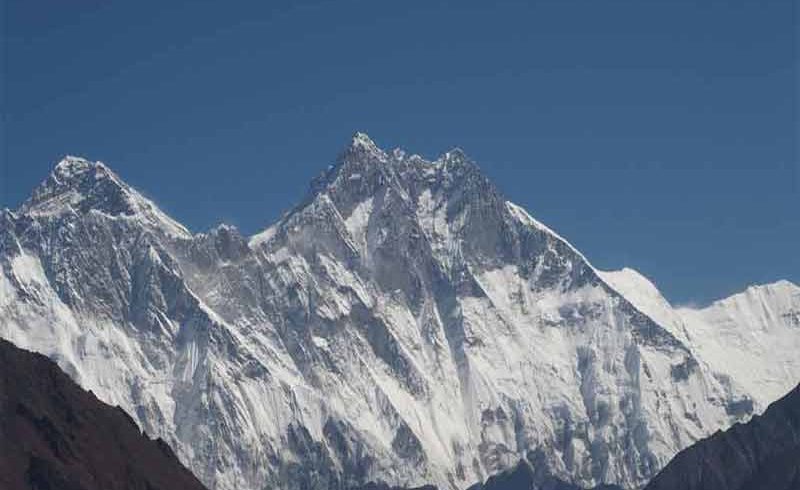
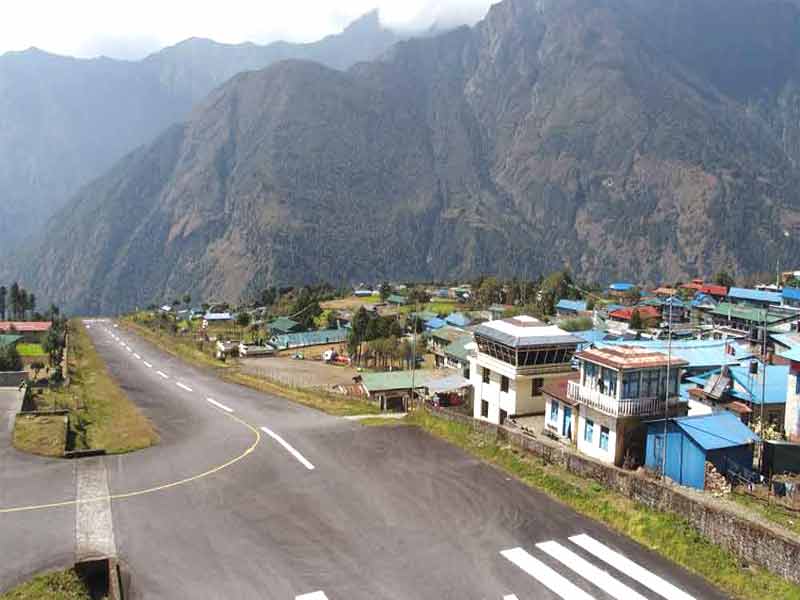
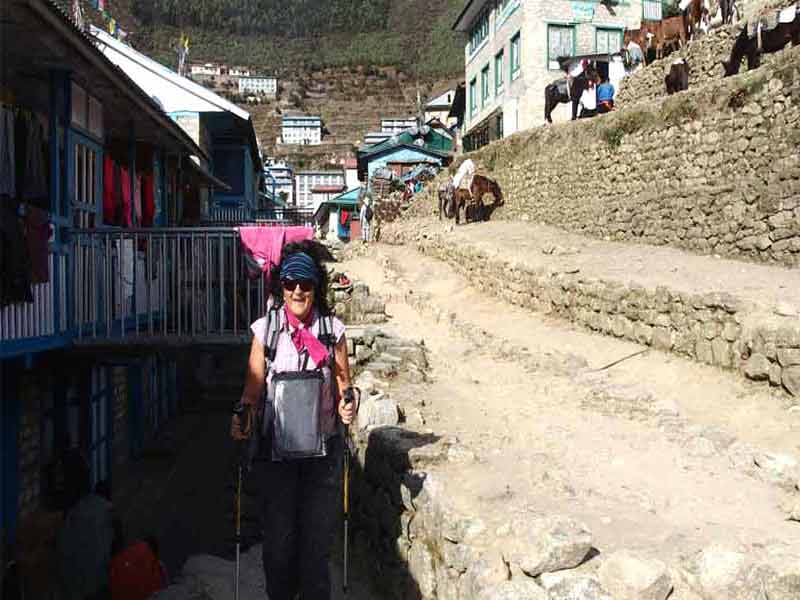
The Phaplu to Namche Bazaar Trek is a scenic and culturally rich trekking journey in Nepal’s Solukhumbu region. This route provides an alternative approach to the Everest region by beginning at Phaplu instead of flying directly to Lukla. The trek gradually leads through beautiful middle-hill landscapes, traditional Sherpa villages, forests, rivers, monasteries, and high Himalayan terrain before reaching Namche Bazaar, the famous gateway to Mount Everest and the Khumbu region.
Starting from Phaplu allows trekkers to experience a longer and more gradual approach to the Everest region. The trail passes through villages such as Salleri, Ringmo, Junbesi, Nunthala, Bupsa, and Paiya before joining the traditional Everest trekking route toward Lukla and Namche Bazaar. Depending on the chosen itinerary and road conditions, transportation can be arranged between Kathmandu and Phaplu, while the trekking section offers a rewarding combination of nature, culture, and Himalayan scenery.
Phaplu to Namche Bazaar Trek Highlights
- Scenic drive from Kathmandu to Phaplu-Salleri
- Traditional Sherpa villages and Buddhist culture
- Beautiful forests of pine, rhododendron, and fir
- Views of Himalayan peaks including Numbur, Kusum Kanguru, Thamserku, and Kongde
- Visit to Junbesi and its surrounding monasteries
- Crossing the Dudh Kund Khola and other mountain rivers
- Walking through the Solukhumbu countryside
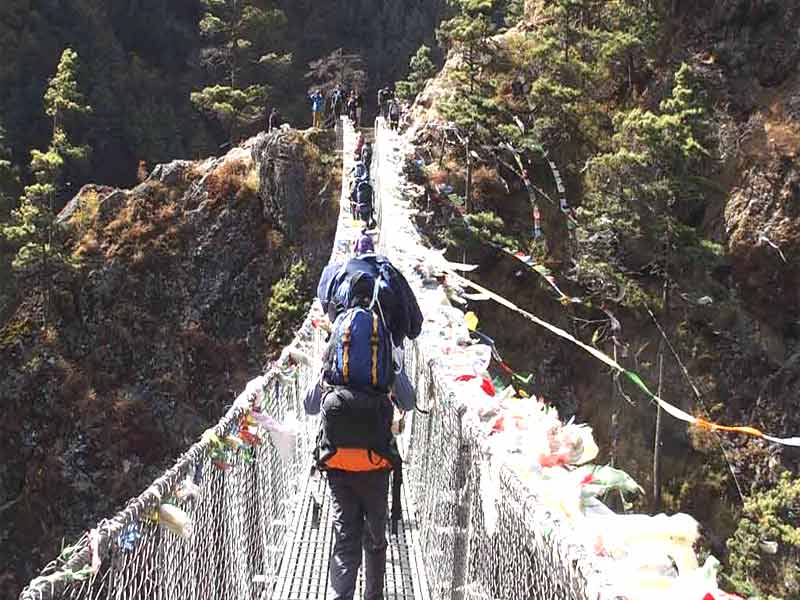
- Traditional suspension bridges and mountain trails
- Opportunity to meet local Sherpa communities
- Entrance into Sagarmatha National Park
- Namche Bazaar, the commercial and cultural center of the Khumbu
- First major views toward the Everest region
- Starting the Journey from Kathmandu to Phaplu
The adventure usually begins with a scenic drive from Kathmandu toward the Solukhumbu region. The road passes through Nepal’s beautiful hill country, with changing landscapes of rivers, terraced farmland, forests, and mountain settlements.
Phaplu is located at approximately 2,469 meters and is one of the important gateways to the Everest region. Trekkers can also stay around Salleri depending on the transportation arrangement. Spending the night in the area helps prepare for the walking section of the trek.
The drive itself is an interesting part of the journey because it provides an opportunity to observe rural Nepal and experience the transition from the busy Kathmandu Valley to the peaceful mountain environment.
Phaplu and Salleri to Nunthala (2,194 m)
After leaving Phaplu or Salleri, the trekking trail gradually enters the beautiful Solukhumbu countryside. The route passes through forests, cultivated hillsides, small settlements, and mountain streams.
The trail eventually reaches areas around Ringmo and continues toward the Dudh Kund Khola region before climbing and descending through the surrounding hills. Depending on the itinerary, trekkers may stay overnight around Nunthala or nearby villages.
This part of the trek is particularly attractive during spring when rhododendrons bloom throughout the forests. The changing landscape provides an excellent introduction to trekking in the Everest region.
Nunthala to Bupsa (2,340 m)
From Nunthala, the trail continues through green forests and traditional villages. The route involves several ascents and descents, making it a good opportunity to develop a steady trekking rhythm before reaching the higher elevations.
The trail crosses mountain rivers and suspension bridges and passes through settlements where local people maintain traditional agricultural practices. Along the way, trekkers can enjoy views of surrounding hills and Himalayan peaks.
Bupsa is a peaceful mountain village surrounded by forests and steep hills. It is an important overnight stop on the traditional approach route toward Lukla and Namche.
Bupsa to Paiya and Lukla Region
The trail continues through forested hills toward Paiya and eventually joins the more frequently used Everest trekking route. The landscape gradually becomes more mountainous as the trail approaches the Khumbu region.
Walking through the forest provides opportunities to observe Nepal’s Himalayan flora and, with luck, local wildlife and birds. The route also offers occasional views of high peaks through gaps in the forest.
Depending on the selected itinerary, trekkers may continue toward Lukla or use connecting trails through villages such as Surke and Chaurikharka. From here, the trail becomes part of the classic route used by many trekkers heading toward Namche Bazaar.
Entering the Everest Region
As the trek progresses beyond Lukla and toward Namche, the character of the landscape changes. The valleys become deeper, the mountains become larger, and Buddhist culture becomes increasingly visible.
The route follows the Dudh Koshi River through the Khumbu Valley. Trekkers cross suspension bridges and walk through forests of pine, fir, rhododendron, and juniper.
The sound of the river, prayer flags, mani stones, chortens, and Buddhist monasteries creates a distinctive Himalayan atmosphere. This section of the trek is not simply a journey toward Namche; it is an introduction to the culture and traditions of the Sherpa people.
Phakding to Namche Bazaar (3,440 m)
The classic final approach to Namche begins around Phakding. From Phakding, the trail follows the Dudh Koshi River northward through small villages and forested sections.
One of the memorable parts of the route is crossing several suspension bridges decorated with colorful prayer flags. The trail eventually reaches the entrance area of Sagarmatha National Park, where trekking permits and conservation requirements are checked.
Beyond the park entrance, the trail continues toward Monjo and Jorsale. The route follows the river before reaching the famous Hillary Suspension Bridge. After crossing the bridge, the trail begins a long and steady ascent toward Namche Bazaar.
The climb to Namche is one of the most demanding sections of the lower Everest route, but the beautiful forest and mountain scenery make the effort rewarding.
Namche Bazaar-Gateway to Everest
Namche Bazaar stands at approximately 3,440 meters and is one of the most famous mountain settlements in Nepal. Built in a natural amphitheater, Namche is surrounded by dramatic Himalayan landscapes.
The town has hotels, lodges, restaurants, bakeries, trekking shops, equipment stores, banks, internet facilities, and other services. It is an important acclimatization and supply center for trekkers, climbers, guides, and porters traveling deeper into the Khumbu.
From Namche, trekkers can continue toward Everest Base Camp, Gokyo Lakes, Renjo La Pass, Cho La Pass, Everest Three Passes, and other destinations in the Everest region.
Sherpa Culture and Local Life
One of the major attractions of the Phaplu to Namche trek is the opportunity to experience local culture. The Solukhumbu region is strongly associated with the Sherpa community and Tibetan Buddhist traditions.
Along the trail, trekkers encounter prayer wheels, mani walls, chortens, monasteries, prayer flags, and traditional houses. Local people have developed their lives around farming, animal husbandry, tourism, and mountain trade.
Junbesi is particularly important culturally and is surrounded by beautiful mountain scenery and Buddhist heritage. Staying in local lodges also provides an opportunity to interact with local families and learn about traditional Himalayan lifestyles.
Natural Scenery and Wildlife
The Phaplu to Namche route passes through a remarkable range of landscapes. Lower sections contain terraced fields and lush forests, while higher sections feature alpine vegetation and dramatic mountain valleys.
Common trees include rhododendron, pine, fir, birch, and juniper. In spring, rhododendron flowers add color to the forest.
The upper section of the route enters the Sagarmatha National Park, a protected Himalayan area known for its exceptional biodiversity and mountain landscapes. Wildlife in the broader region includes Himalayan thar, musk deer, pheasants, and other mountain species, although sightings are never guaranteed.
Difficulty of the Phaplu to Namche Trek
The Phaplu to Namche trek is generally considered a moderate trekking route, although its difficulty depends on the itinerary, walking hours, weather, trail conditions, and individual fitness.
The route includes frequent uphill and downhill sections before reaching Namche. The gradual approach from Phaplu can be helpful because trekkers gain altitude progressively rather than immediately starting at a high elevation.
The final climb from the Dudh Koshi Valley toward Namche is particularly steep. A comfortable pace, adequate hydration, proper rest, and gradual acclimatization are important.
Trekkers should also be prepared for changing mountain weather and varying trail conditions.
Best Time for Phaplu to Namche Bazaar Trek
Spring, from March to May, generally offers pleasant trekking conditions, clear mountain views, and blooming rhododendrons. This is an attractive season for trekkers who want to experience colorful forests and Himalayan scenery.
Autumn, from September to November, is another popular period. After the monsoon season, the atmosphere is often clear, and mountain visibility can be excellent.
Winter can bring cold temperatures and snow at higher elevations, while the monsoon season can bring rain, muddy trails, clouds, and transportation challenges. However, conditions can vary considerably from year to year.
Accommodation and Food
Tea houses and mountain lodges are available along much of the established route. Rooms are generally simple, comfortable, and designed for trekkers.
Most lodges provide Basic beds, blankets, dining areas, and toilets. Facilities become more developed as the trail approaches Namche.
Meals generally include traditional Nepali food such as
- Dal Bhat,
- Vegetables,
- Noodles, Soups,
- Potatoes,
- Tibetan
- momos, and thukpa.
- Many lodges also provide bread, eggs, pasta, rice dishes, and hot drinks.
Dal bhat is particularly popular among trekkers because it provides a filling meal suitable for long days of walking.
Guide and Porter Service
Hiring a licensed trekking guide and porter can make the Phaplu to Namche journey more organized and comfortable. A guide can assist with navigation, accommodation arrangements, local communication, cultural information, and general trekking support.
A porter can carry part of the luggage, allowing trekkers to walk more comfortably with a lighter daypack. Local guides and porters also contribute directly to the mountain communities and tourism economy.
For trekkers planning to continue beyond Namche toward Everest Base Camp or the Three Passes, arranging appropriate support in advance can be useful.
Permits and Trekking Requirements
Trekkers entering the Everest region generally need the applicable local and national park permissions required for their route. The exact requirements and fees can change, so trekkers should confirm the current regulations before departure.
Nepal Alsace trek agency can assist with permits, transportation, accommodation, guide and porter arrangements, and the overall trekking schedule.
Why Choose the Phaplu to Namche Route
The Phaplu to Namche route is an excellent choice for trekkers who want to experience more than the standard Lukla flight approach. Starting from the lower Solukhumbu region provides a longer journey through traditional villages, forests, rivers, and culturally significant settlements.
The gradual progression also creates a natural transition from the middle hills to the high Himalayas. Instead of arriving directly in the upper Everest region, trekkers have more time to experience the changing landscapes and communities.
The journey becomes especially rewarding when Namche Bazaar finally appears after the long climb from the Dudh Koshi Valley.
Conclusion of Trek
The Phaplu to Namche Bazaar Trek combines natural beauty, Sherpa culture, mountain scenery, and a traditional approach to the Everest region. From the hills around Phaplu and Salleri to the forests of Solukhumbu and the spectacular valleys surrounding Namche, every section offers a different Himalayan experience.
For travelers who want a longer and more gradual entrance into the Everest region, this route provides an opportunity to experience rural Nepal before joining the classic Everest trail. Reaching Namche Bazaar is a major milestone, and from there, trekkers can continue toward Everest Base Camp, Gokyo, Renjo La, Cho La, or the Everest Three Passes depending on their plans.
With proper preparation, suitable equipment, a sensible itinerary, and experienced local support, the Phaplu to Namche Bazaar Trek can be an unforgettable Himalayan adventure.
| Day | Destination | Altitude | Walking Hour | Accommodation |
|---|---|---|---|---|
| 1 | Arrival Kathmandu and transfer to hotel | 1300 | One hour drive from airport to hotel | Hotel in Kathmandu |
| 2 | Kathmandu to Phaplu | 2364 | 10 hours drive to Phaplu | Lodge |
| 3 | Phaplu to Nunthala | 2194 | 5-hours | Lodge |
| 4 | Nunthala to Buspa via Khari Khola | 2340 via | 6-hours | Lodge |
| 5 | Buspa to Surkhe | 2290 | 5-6-hours | Lodge |
| 6 | Surke to Phakding | 2610 | 5-hours | Lodge |
| 7 | Phakding to Namche | 3440 | 5-hours | Lodge |
| 8 | High to Everest view Hotel and Back to Namche | 3440 | 3-hours | Lodge |
| 9 | Namche to Lukla | 2800 | 7-hours | Lodge |
| 10 | Lukla to Kathmandu | 1300 | 25 Minutes flight from Lukla | Hotel in Kathmandu |
| 11 | Day Free in Kathmandu | 1300 | Free walking | Hotel in Kathmandu with B&B Service |
| 12 | After breakfast drive to the international airport | Departure | Flight out from Nepal | At the your home |
Phaplu to Namche trek $ 1015 Per person
cost includes
- Airport pickup and drop-off services in Kathmandu by private vehicle are included if mentioned in the package.
- Hotel accommodation in Kathmandu with breakfast is provided for the nights specified in the itinerary. Twin-sharing rooms are generally arranged.
- Ground transportation from Kathmandu to Phaplu by jeep, bus, or private vehicle is included according to the selected package. Return transportation from Lukla to Kathmandu is also included air Ticket
- Accommodation in local teahouses and mountain lodges is included throughout the trekking route. Rooms are usually basic, with twin-sharing arrangements depending on availability.
- Breakfast, lunch, and dinner are included during the trekking days. Meals generally consist of Nepali, Tibetan, and international-style dishes available in mountain lodges.
- A professional, licensed trekking guide accompanies you throughout the journey. The guide assists with navigation, cultural information, daily arrangements, and altitude awareness.
- Porter services are included if specified in your package. Porters carry your main trekking luggage within the agreed weight limit. Their wages, meals, accommodation, and insurance are covered according to the package terms.
- Required permits and entry fees, including the Gauri Sankhar park-Sagarmatha National Park entry permit and Khumbu Pasang Lhamu Rural Municipality permit, are included when stated in the package.
- The guide's and porters' wages, meals, accommodation, transportation, and insurance are included according to the agreed services.
- A basic first-aid kit is carried during the trek. Applicable government taxes and company service charges are included as specified in the package.
Phaplu to Namche trek cost excludes
- International Airfare: Flights to and from Nepal are not included in the trekking package.
- Nepal Visa Fees: Visa fees must be paid separately by the traveler.
- Travel Insurance: Personal travel insurance is not included. You should arrange insurance covering high-altitude trekking, medical treatment, and emergency helicopter evacuation.
- Meals in Kathmandu: Lunch and dinner in Kathmandu are excluded unless specifically mentioned.
- Personal Expenses: Snacks, chocolates, soft drinks, alcoholic beverages, bottled water, and extra food or drinks are paid for personally.
- Personal Trekking Equipment: Trekking boots, warm clothing, sleeping bags, backpacks, gloves, sunglasses, and other personal equipment are not included unless agreed upon.
- Extra Lodge Services: Hot drink, Hot showers, Wi-Fi, laundry, and electronic device charging may require additional payment.
- Tips and Gratuities: Tips for trekking guides and porters are not included and are given at your discretion.
- Additional Accommodation and Transportation: Extra hotel nights, additional vehicle services, and expenses resulting from delays, bad weather, illness, or itinerary changes are excluded unless otherwise agreed.
- Emergency and Unforeseen Expenses: Rescue costs, medical expenses, and other emergency services not covered by insurance or the package are the trekker's responsibility.
- Important Note
- The exact inclusions and exclusions depend on the itinerary, group size, transportation arrangements, and package price. Before booking your Phaplu to Everest Base Camp Trek, confirm all services with your trekking agency to avoid unexpected expenses and enjoy a safe, memorable Himalayan adventure.
There are clean and pleasant lodges with dining rooms, toilets, and hot showers to stay at while on your trek. We also offer Nepali, Tibetan, Chinese, Indian, Italian and French food.
A flow of equipment is usually required. It is better to wear Gore tax boots if possible. If it’s raining or snowing, wear warm socks and gaiters. The day carry bag, Sleeping bags.
Yes, With a Guide and porter it is Safe to travel on this trek
A woman can travel to Nepal by herself, but she should use a trekking company for trekking and mountain climbing because the trekking agency is responsible. You are always taken care of by our agency staff.
Altitude Chart