Dolpo Kagmara pass Trekking - 23 Nights 24 Days
The Lower Dolpo Numu La, Baga La, Phoksundo Lake and Kagmara La Pass Trek to Jumla is an extraordinary remote trekking adventure in western Nepal. This challenging journey combines the dramatic landscapes of Lower Dolpo with the turquoise waters of Phoksundo Lake, the high Himalayan passes of Numu La and Baga La, and the remote wilderness around Kagmara La before finishing in the Jumla region.
This trek is designed for experienced trekkers who want to explore a less-developed part of Nepal away from the busy trekking routes. The trail passes through remote villages, high mountain valleys, forests, alpine meadows, rocky landscapes, glaciers, and high Himalayan passes. The journey also provides opportunities to experience the distinctive culture and traditions of the people living in the Dolpo and Jumla regions.
One of the major attractions of the trek is Phoksundo Lake, one of Nepal’s most spectacular mountain lakes. Its deep blue and turquoise-colored water contrasts beautifully with the surrounding cliffs and mountains. The trek also crosses Numu La Pass and Baga La Pass, two demanding high passes in the Dolpo region, before continuing toward the remote Kagmara Valley and crossing Kagmara La Pass on the way toward Jumla.
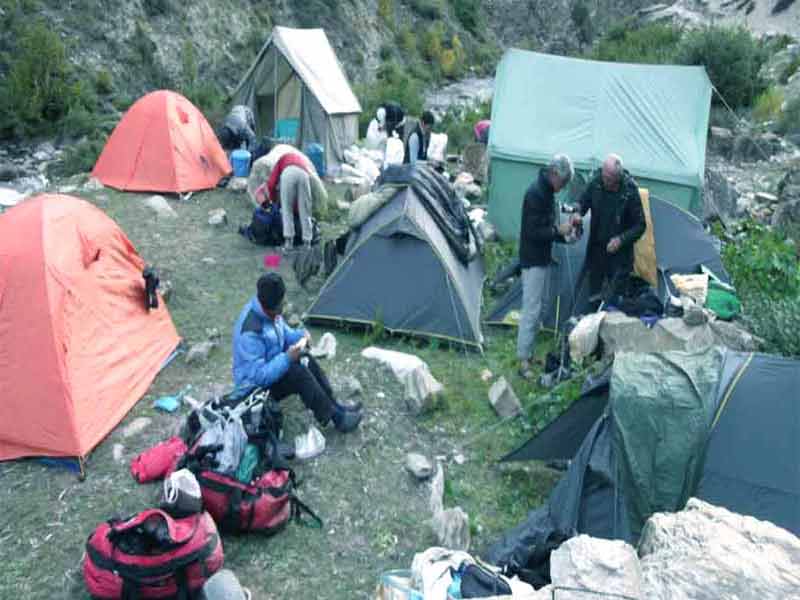
Because of its remoteness, this is not a conventional lodge-based trek. Some sections require camping, and trekkers must be prepared for long days in isolated mountain terrain. A professional guide, experienced trekking staff, appropriate equipment, and careful acclimatization are important for a safe and enjoyable journey.
Why Choose This Trek: Lower Dolpo Kagmara La Pass
This route is ideal for travelers looking for a combination of wilderness, high passes, mountain scenery, Tibetan-influenced culture, and remote Himalayan exploration.
- Exploring the remote Lower Dolpo region
- Visiting beautiful Phoksundo Lake
- Crossing Numu La Pass
- Crossing Baga La Pass
- Walking through the spectacular Phoksundo Valley
- Exploring remote Himalayan villages and traditional settlements
- Experiencing Buddhist and Tibetan-influenced culture
- Trekking through forests, alpine meadows, and high mountain terrain
- Entering the remote Kagmara Valley
- Crossing Kagmara La Pass
- Enjoying views of snow-covered peaks and glaciers
- Finishing the adventure in the Jumla region
The combination of the Dolpo wilderness and Kagmara Valley makes this route particularly attractive for trekkers seeking a demanding and adventurous Himalayan experience.
Lower Dolpo Wilderness
Lower Dolpo is located in the northwestern part of Nepal and forms part of one of the country’s most remote Himalayan landscapes. The region is characterized by high mountains, deep valleys, dry landscapes, forests, and traditional villages.
Compared with popular trekking destinations such as Everest and Annapurna, Lower Dolpo receives fewer visitors. The trails can therefore feel extremely peaceful and isolated. Trekkers can spend several days walking through valleys where there are very few signs of modern development.
The landscape changes continuously throughout the journey. Lower elevations may feature pine, birch, juniper, and other mountain vegetation, while higher elevations become increasingly barren and rocky. Beyond the tree line, the scenery is dominated by mountains, glaciers, scree slopes, and alpine terrain.
The remote character of Dolpo is one of its greatest attractions.
Phoksundo Lake (3,600 m)
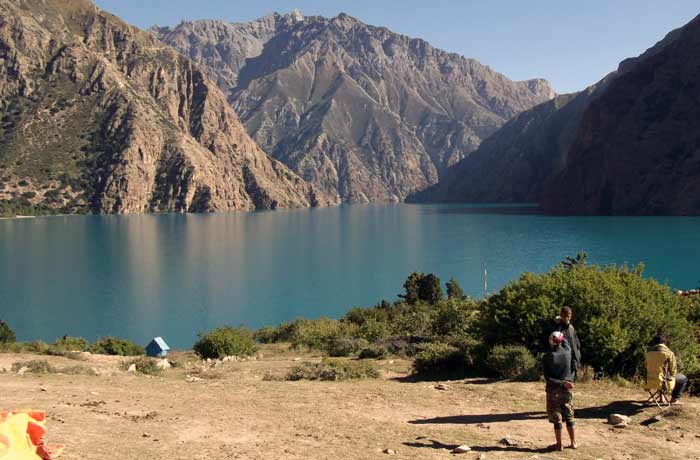
Phoksundo Lake is the centerpiece of the Lower Dolpo section of the trek. Located at approximately 3,600 meters above sea level, the lake is famous for its striking blue and turquoise color.
The lake is surrounded by steep cliffs and impressive Himalayan mountains. The contrast between the clear water and rugged landscape creates one of the most memorable scenes in western Nepal.
Trekkers usually have an opportunity to spend time around the lake, explore its surroundings, and enjoy views from different points along the trail. The area around Phoksundo also provides opportunities to observe the traditional lifestyle of local communities.
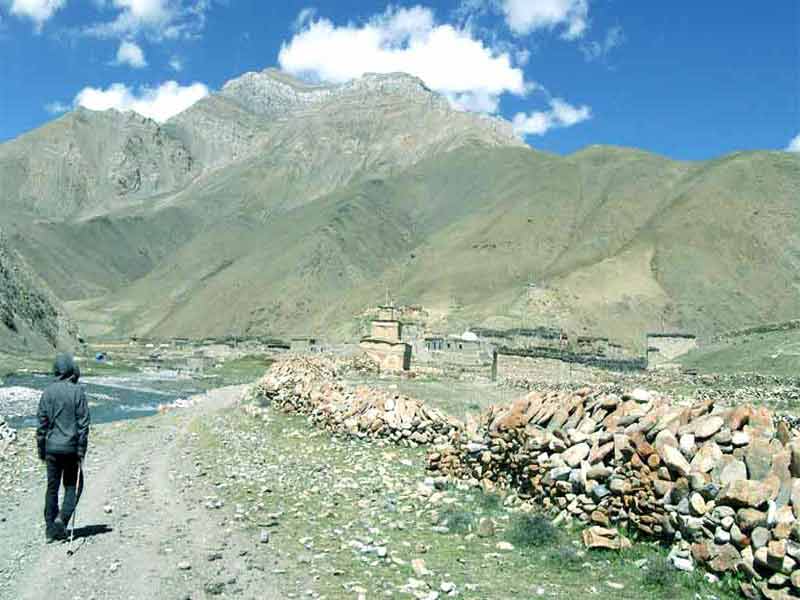
Nearby settlements reflect the Tibetan cultural influence of the region. Traditional stone houses, prayer flags, mani walls, chortens, and Buddhist practices are common features of the landscape.
Phoksundo Lake is therefore more than a scenic destination; it is also an important cultural and natural highlight of the trek.
Lower Dolpo Numu La Pass (5,143 m)
Crossing Numu La Pass is one of the major challenges of the trek. The pass takes trekkers into high-altitude terrain where the landscape becomes increasingly rugged and exposed.
The approach to the pass usually involves steep ascents over rocky and sometimes loose terrain. Depending on the season and weather, snow may be present around the higher sections.
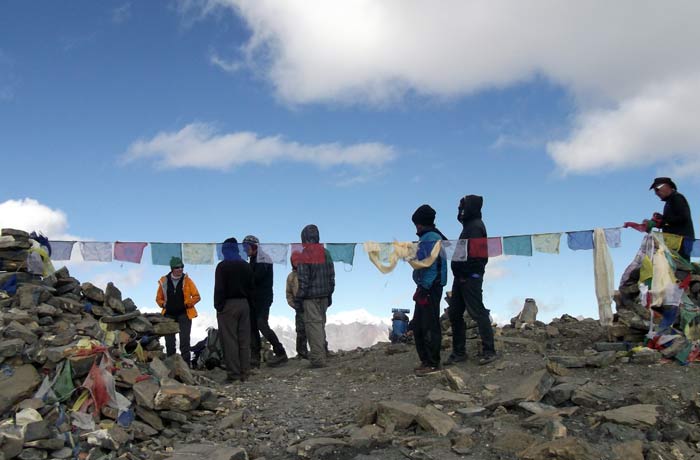
From the pass, trekkers can enjoy wide views of surrounding mountains and valleys. The feeling of reaching a remote Himalayan pass after a demanding climb is one of the memorable achievements of this expedition.
Crossing Numu La requires good physical preparation. Trekkers should walk slowly, maintain a steady rhythm, drink enough water, and follow the guide’s recommendations regarding altitude and weather.
Lower Dolpo Baga La Pass (5,269 m)
Baga La Pass is another important high pass in the Lower Dolpo section. The crossing involves steep and demanding terrain and requires careful pacing.
The landscape around Baga La is typically rugged and alpine. Depending on weather and season, snow can make the crossing more challenging.
The pass provides impressive views of surrounding Himalayan peaks and deep valleys. After crossing the pass, the trail gradually descends toward lower terrain and eventually reconnects with the wider Phoksundo and Dolpo landscapes.
The combination of Numu La and Baga La makes this section particularly attractive to experienced trekkers who enjoy high-pass trekking.
The Phoksundo Valley
The valleys around Phoksundo are characterized by dramatic cliffs, narrow trails, forests, and mountain streams. Walking through these landscapes gives trekkers a strong sense of the remoteness of Dolpo.
One of the most memorable features is the changing scenery. The trail may pass through forests in one section and then emerge into open rocky terrain. Waterfalls, streams, cliffs, and snow-covered mountains add variety to the route.
The famous Phoksundo waterfall is another natural attraction in the area. The waterfall descends dramatically through the mountain landscape and is an important feature of the trail near the lake.
Local Villages and Culture
The trek provides an opportunity to experience the traditional lifestyle of people living in remote western Nepal.
Many communities in Dolpo have strong cultural connections with the Tibetan plateau. Buddhism has an important influence on local life, and trekkers may encounter monasteries, chortens, mani walls, prayer flags, and prayer wheels along the route.
Traditional houses are often constructed from stone and designed to withstand the harsh mountain climate. Agriculture and animal husbandry remain important parts of local livelihoods.
During the journey, trekkers may see people working in fields, herding animals, collecting firewood, or transporting supplies between villages.
Respect for local customs is important. Visitors should ask permission before photographing people, religious sites, or ceremonies and should follow the guidance of their trekking staff.
Remote Camping Experience
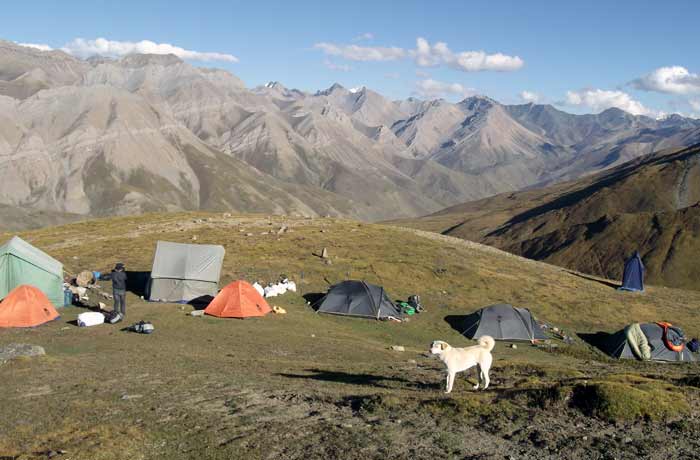
Several sections of this trek are remote enough that camping is necessary. Camping adds another dimension to the adventure.
A typical camping day involves walking for several hours before reaching a suitable campsite. Trekking staff prepare the camp, organize meals, and assist with luggage and equipment.
Evenings in the mountains can be cold, particularly at higher elevations. A warm sleeping bag, insulated clothing, and a suitable sleeping mat are essential.
Camping also allows trekkers to experience the wilderness more directly. At night, the absence of city lights can provide excellent opportunities for observing the stars when the sky is clear.
Entering the Kagmara Valley
After completing the Lower Dolpo and Phoksundo sections, the trek continues toward the remote Kagmara Valley.
Kagmara is one of the less-visited high mountain areas of western Nepal. The valley is surrounded by rugged peaks, glaciers, rocky slopes, and high alpine terrain.
As the trail enters the valley, vegetation becomes increasingly sparse. The environment is dominated by high-altitude landscapes, with streams and glacial features providing important sources of water.
The Kagmara section is particularly suitable for trekkers who want a genuine wilderness experience. There may be long stretches without permanent settlements, making preparation and experienced trekking support especially important.
Lower Dolpo Kagmara La Pass (5,115 m)
The crossing of Kagmara La Pass is one of the most demanding parts of the journey toward Jumla.
The approach to the pass involves walking through high-altitude terrain where weather conditions can change rapidly. Snow, strong winds, cold temperatures, and low visibility may occur depending on the season.
The ascent should be taken slowly. There is no benefit in rushing at high altitude. Trekkers should maintain a comfortable pace and communicate with the guide if they experience symptoms of altitude sickness.
At the top of Kagmara La, trekkers can enjoy magnificent views of surrounding mountains, glaciers, and high valleys when weather conditions are clear.
Reaching the pass represents a major achievement on this remote Himalayan adventure.
Trekking Toward Jumla
After crossing Kagmara La, the landscape gradually changes as the route continues toward the Jumla region.
The trail descends through mountain valleys and eventually reaches areas with more vegetation and signs of human settlement. Compared with the high-altitude terrain of Dolpo and Kagmara, the lower valleys around Jumla provide a noticeable change in scenery.
Jumla is historically and culturally important in western Nepal. The region is known for its distinctive landscape, traditional villages, agriculture, and local culture.
Reaching Jumla provides a satisfying conclusion to the trek after the demanding high-pass sections.
Mountain Scenery
The trek provides an impressive variety of Himalayan scenery. Depending on weather and location, trekkers may see:
- Snow-covered Himalayan peaks
- Glaciers and glacial valleys
- High mountain passes
- Deep river valleys
- Alpine meadows
- Pine and juniper forests
- Rocky cliffs
- Waterfalls
- Mountain lakes
- Traditional villages
- Dry Himalayan landscapes
The landscape is particularly dramatic around the high passes and Kagmara Valley.
Wildlife and Nature
The remote Dolpo and Kagmara regions provide habitats for a variety of Himalayan wildlife. Depending on the season, altitude, and luck, trekkers may encounter Himalayan birds and other mountain wildlife.
The wider Dolpo region is also associated with rare Himalayan animals, although sightings are never guaranteed.
The trek passes through different ecological zones, from forested valleys to high alpine environments. This ecological diversity makes the journey interesting for nature enthusiasts as well as trekkers.
Trekkers should avoid disturbing wildlife and should follow Leave No Trace principles throughout the journey.
Difficulty of the Trek
The Lower Dolpo–Kagmara La–Jumla trek is a challenging high-altitude trek.
The difficulty comes from several factors:
- High mountain passes
- Long trekking days
- Remote terrain
- Limited facilities
- Camping sections
- Rapid weather changes
- Steep ascents and descents
- High altitude
- Rocky and uneven trails
Limited access to emergency services
Trekkers should have previous experience with multi-day trekking and ideally some experience at high altitude.
Good physical fitness is important, but mental preparation is equally valuable. The route can involve long days, basic facilities, cold nights, and unpredictable mountain conditions.
Acclimatization during the trek
Proper acclimatization is essential because the trek reaches high elevations.
The body needs time to adjust to reduced oxygen levels. A well-designed itinerary should include appropriate acclimatization and rest periods rather than attempting to gain altitude too quickly.
Common symptoms of altitude sickness can include headache, dizziness, unusual tiredness, nausea, and difficulty sleeping. Trekkers should immediately inform their guide if they experience symptoms.
If symptoms become serious or worsen, descending to a lower altitude is an important safety measure.
Best Time to Trek Dolpo Kagmara La Pass Trek.
The main trekking seasons are generally spring and autumn.
Spring Season
March, April, and May usually provide favorable conditions for trekking in many parts of Nepal. The weather can be relatively stable, and mountain views may be excellent.
Higher passes may still have snow early in the spring, so conditions should be checked before departure.
Autumn Season
September, October, and November are generally considered another suitable period. After the monsoon season, the atmosphere can become clearer, providing good mountain visibility.
October and November can be particularly attractive for high-altitude trekking, although conditions at the passes must always be checked.
Winter season
Winter brings very cold conditions and substantial snow at high elevations. Some high passes may become difficult or unsafe depending on snowfall.
Monsoon Season
June, July, and August can bring rain, clouds, landslides, and difficult trail conditions in lower areas. However, the rain-shadow landscapes of western Nepal can sometimes have different weather patterns.
For a high-pass expedition, current trail and weather conditions should always be assessed before departure.
Permits and Restricted Areas
Because parts of Dolpo are regulated trekking areas, trekkers may require special permits in addition to standard national park or conservation–area permissions.
Permit requirements, fees, and regulations can change. The trekking agency should confirm the current requirements before the trip.
Trekkers should carry their passport, permits, insurance documents, and other required travel documents throughout the expedition.
Accommodation Tents
In villages where local accommodation is available, it is usually very simple teahouses, and from Numu La, Baga La & from Fhoksundo Lake to Kagmara La Pass there are no teahouses; this trek needs to be done with full camping.
Camping equipment should include:
- Tent
- Sleeping bag
- Sleeping mat
- Cooking equipment
- Dining tent where required
- Kitchen equipment
- Fuel
- Cooking cook.
- Porters for carrying food
- Food supplies
Nepal Alsace trekking team normally carries the necessary camping equipment.
Food During the Trek
Food availability is more limited than on Nepal’s major commercial trekking routes.
During camping sections, the trekking kitchen team prepares meals. Typical trekking meals can include
- Rice, lentils,
- Vegetables,
- Noodles,
- Pasta,
- Potatoes,
- Soup,
- Porridge,
- Eggs, and other simple foods.
At higher elevations, warm and easily digestible meals are particularly useful.
Trekkers should carry personal snacks such as energy bars, dried fruit, chocolate, nuts, and other preferred high-energy foods.
Adequate hydration is also important throughout the trek.
Guide and Porter Support
A professional guide is strongly recommended for this route because of the remote terrain, high passes, and changing trail conditions.
- An experienced guide can assist with:
- Route navigation
- Permit arrangements
- Accommodation
- Camping logistics
- Weather decisions
- Pass crossings
- Altitude management
- Communication with local communities
- Emergency coordination
Porters and other trekking staff help transport equipment, food, camping supplies, and personal luggage.
A well-organized support team can make the expedition more manageable and allow trekkers to focus on enjoying the landscape.
Trekking Equipment
Because this is a remote and high-altitude trek, appropriate equipment is essential.
Clothing for Lower Dolpo to Kagmara Pass
- Warm fleece or mid-layer
- Down jacket
- Waterproof jacket
- Waterproof trousers
- Trekking trousers
- Warm hat
- Sun hat
- Gloves
- Warm socks
- Footwear
- Strong trekking boots
- Camp shoes or sandals
- Spare socks
- Gaiters if required
- Sleeping Equipment
- Four-season sleeping bag suitable for expected temperatures
- Sleeping mat
- Lightweight sleeping liner
- Backpack
- Duffel bag
- Trekking poles
- Headlamp
- Sunglasses
- Sunscreen
- Water bottles
- Water purification tablets or filter
- Personal first-aid supplies
- Personal toiletries
- Power bank
- Camera
The exact equipment list should be adjusted according to the season and current route conditions.
Physical Preparation
- Preparation should begin several weeks before the trek.
- Useful preparation includes:
- Regular walking
- Hiking on uneven terrain
- Strength training
- Long-distance weekend hikes
- Practice carrying a daypack
Trekkers should gradually increase walking distance and elevation gain rather than attempting very demanding training immediately before departure.
Safety and Responsible Trekking
Safety is especially important in remote Himalayan areas.
- Follow the guide’s instructions
- Walk at a steady pace
- Stay with the group
- Drink sufficient water
- Monitor altitude-related symptoms
- Avoid unnecessary risks near cliffs and glaciers
- Check weather conditions before crossing high passes
- Carry appropriate warm clothing
- Protect yourself from strong sunlight
- Respect local customs
- Avoid littering
- Carry out non-biodegradable waste
Travel insurance covering high-altitude trekking and emergency evacuation should be arranged before departure.
Environmental Responsibility
The Dolpo and Kagmara regions are environmentally sensitive mountain areas. Responsible trekking helps preserve these landscapes for future generations.
Trekkers should avoid single-use plastics where possible, use refillable water bottles, dispose of waste properly, and never leave rubbish at campsites.
Respecting local water sources, vegetation, wildlife, monasteries, and cultural sites is equally important.
What You Will Experience
This trek provides an unusually diverse Himalayan experience. During the journey, trekkers can experience:
Phoksundo Lake: A spectacular high-altitude lake surrounded by dramatic mountains.
Numu La and Baga La: Challenging high Himalayan passes offering impressive mountain scenery.
Lower Dolpo: Remote valleys, traditional settlements, Tibetan-influenced culture, and wilderness.
Kagmara Valley: A remote high-altitude valley with glaciers, mountains, and alpine landscapes.
Kagmara La: A demanding mountain pass and one of the major achievements of the expedition.
Jumla: A culturally rich western Nepal destination where the trek concludes.
Conclusion during the trek
From the turquoise waters of Phoksundo Lake to the challenging crossings of Numu La and Baga La, the route offers dramatic scenery and authentic wilderness. Continuing through the remote Kagmara Valley and crossing Kagmara La adds another demanding and rewarding chapter to the journey.
The trek is not simply about reaching a destination. It is an expedition through changing landscapes, remote villages, ancient cultural traditions, high mountain passes, alpine valleys, and rugged Himalayan wilderness.
Because of the remote nature of the route, careful preparation is essential. An experienced guide, reliable trekking staff, suitable equipment, proper acclimatization, appropriate permits, and flexible planning according to weather and trail conditions all contribute to a safer and more enjoyable experience.
For adventurous trekkers seeking a challenging alternative to Nepal’s more established trekking routes, this journey from Lower Dolpo and Phoksundo through Numu La and Baga La, across the Kagmara region and onward to Jumla offers a memorable way to discover the remote beauty and cultural richness of western Nepal.
| Day | Destination | Altitude | Walking Hour | Accommodation |
|---|---|---|---|---|
| 1 | Arrival Kathmandu and transfer to hotel | 1300 | One hour drive from airport to hotel | Hotel in Kathmandu |
| 2 | Day Free in Kathmandu | 1300 | Free walking in Kathmandu | Hotel in Kathmandu with B&B Service |
| 3 | Kathmandu to Nepalgunj | Evening flight | 540 | 01 hour by plane | Hotel in Nepalgunj with Dinner |
| 4 | Fly to Juphal & trek to Dunai | 2140 | 2-3-hours | Tent Camping |
| 5 | Dunai to Tarakot | 2540 | 5-6-hours | Tent Camping |
| 6 | Tarakot Lahini | 3005 | 5-6-hours | Tent Camping |
| 7 | Lahini Kharka to Bivo Cave | 3500 | 5-6-hours | Tent Camping |
| 8 | Bivo Cave to Dho Tarap | 4190 | 5-6-hours | Tent Camping |
| 9 | Dho to Numum La Base Camp | 4300 | 5-hours | Tent Camping |
| 10 | Numu La Base camp to Baga La Base Camp 4700 | 5143 Numula Pass | 5-6-hours | Tent Camping |
| 11 | Baga La Pass and Phedi 3653 | 5269 Baga La Pass | 5-hours | Tent Camping |
| 12 | Baga La Phedi to Ringmo Phoksundo Lake | 3600 | 5-hours | Tent Camping |
| 13 | Day Free | 3600 | Visit to Lake side | Tent Camping |
| 14 | Ringmo to Pungmo. | 3497 | 6-hours | Tent Camping |
| 15 | Pungmo to Kagmara Phedi | 3500 | 6-hours | Tent Camping |
| 16 | Kagmara Phedi to Kagmara la Pass (5,115) Bhedi Kharka | 3750 | 6-7-hours | |
| 17 | Bhedikharka to Kaigoun | 2500 | 5-6-hours | Tent Camping |
| 18 | Kaigean to Muri | 2700 | 5-hours | Tent Camping |
| 19 | Mauri to Mani Sango. | 3700 | 5-6-hours | Tent Camping |
| 20 | Mani Sangu to Gurjakot | 2400 | 5-6-hours | Tent Camping |
| 21 | Gurja Kot to Jumla airport | 2500 | 5-6-hours | Tent Camping |
| 22 | Jumla -Nepalgunj to Kathmandu | 1300 | Total 120 Minutes Flight | Hotel in Kathmandu |
| 23 | Day Free in Kathmandu | 1300 | Free walking | Hotel in Kathmandu in Kathmandu with B&B Service |
| 24 | Departure Day | After breakfast drive to the international airport | Flight out from Nepal | At your home |
Dolpo Kagmara pass Trekking cost 3,320 $ Per person
cost Includes
- 1. Airport Transfers and Transportation
- Airport pickup and drop-off in Kathmandu by private vehicle.
- Ground transportation according to the agreed itinerary.
- Domestic flights between Nepalgunj and Juphal-Jumla-Nepalgunjt0 Kathmandu, included in the package cost.
- Airport transfers for domestic flights.
- 2. Accommodation
- Hotel accommodation in Kathmandu and Nepalgunj, if included in the itinerary.
- Teahouse or lodge accommodation where available.
- Camping accommodation in remote areas where lodges are unavailable.
- Tents, mattresses, and kitchen arrangements for organized camping sections.
- 3. Meals and Drinking Water
- Breakfast in Kathmandu and Nepalgunj, where specified.
- Three meals per day during the trekking period.
- Meals prepared by the trekking team during camping sections.
- Basic tea or coffee with meals where available.
- Bottled water, special drinks, and personal snacks may cost extra.
- 4. Experienced Trekking Guide and Porters
- An experienced, English-speaking trekking guide.
- Porter services for carrying the agreed baggage allowance.
- Guide and porter wages, meals, accommodation, and insurance, as specified in the package.
- Camping cooks and kitchen staff where required.
- Route guidance, daily trek briefings, and basic altitude-safety support.
- 5. Trekking Permits and Documentation
- Required trekking permits and restricted-area permits, if applicable to the chosen route.
- Shey Phoksundo National Park entry permit, if required by the itinerary.
- Assistance with permit applications and official documentation.
- Permit requirements depend on the exact route and current regulations.
- 6. Trekking and Camping Equipment
- Group tents, sleeping mattresses, and kitchen equipment for camping sections.
- Cooking equipment and food supplies for remote areas.
- Basic first-aid supplies carried by the trekking team.
- Necessary group equipment according to the agreed itinerary.
- 7. Administrative Services
- Trek organization and itinerary planning.
- Government taxes and company service charges, where specified.
- Pre-trek briefing and assistance with trekking preparations.
Dolpo Kagmara pass Trekking cost Excludes
- 1. International Flights and Visa
- International airfare to and from Nepal.
- Nepal tourist visa fees.
- 2. Personal Expenses
- Lunch and dinner in Kathmandu or Nepalgunj, unless included.
- Extra hotel nights outside the itinerary.
- Bottled water, soft drinks, alcoholic beverages, snacks, Wi-Fi, laundry, and battery charging.
- Telephone calls and personal shopping.
- 3. Travel Insurance and Medical Expenses
- Personal travel insurance covering high-altitude trekking.
- Emergency helicopter evacuation and rescue costs.
- Hospital treatment, medicines, and personal medical expenses.
- Important: Trekkers should obtain insurance that covers the planned altitude and emergency evacuation in remote mountain regions.
- 4. Personal Trekking Equipment
- Sleeping bags, down jackets, trekking boots, waterproof clothing, and trekking poles, unless supplied.
- Personal backpacks and other individual equipment.
- 5. Tips and Additional Costs
- Tips for guides, porters, and camping staff.
- Additional porter services beyond the agreed allowance.
- Costs resulting from flight delays, bad weather, itinerary changes, or extra accommodation.
- Any services not specifically listed under the included section.
- Conclusion
- The Dolpo to Kagmara La Pass Trek package provides essential support for exploring Nepal's remote western Himalayas. Before booking, confirm the exact itinerary, permits, domestic flights, camping arrangements, meals, porter allowance, and insurance requirements with your trekking company. A clear understanding of included and excluded services helps you prepare your budget and enjoy a well-organized trekking adventure.
May to September
Day time normal and during Night 5-13 degree.
24 Days Kagmara pass trek, the cost of this trek is 2,840: US$ per person
Phoksandu National park permit and Lower Dolpo especial Trekking Permit.
Yes It’s, You need a guide cook and porter is necessary and very safe travel.
Tent Camping Services
Chinese, Nepali, Tibetans, Indian and Italian dishes with coffee and tea.
5/7 hours of walking per day.
Kagmara (5,115m) Numula pass (5,128m) Bagala pass (5,169m) How is the high for we pass?
Dolpo Kagmara pass trekking we necessary to flight 4 times, Kathmandu-Nepalgunj-Juphal, Jumla-Nepalgunj to Kathmandu.
Passport photocopy (should be very clear with color scan) and validity minimum 6 months. 2 passport size photo. Occupation. Home details address. Insurance copy
Arrival departure & transport. Hotel in Kathmandu 4 Night with bed and breakfast. Dining tent and toilet tent two men tent, and cooking equipment. Sleeping Matters. BREAKFAST/ Eggs Items, Toast, Tibetan bread, or pancake, or Chapati with honey, Jam, Butter, Or Muesli, cornflakes with hot milk. LUNCH/ Nepali Dalbhat, Momo or other (Items). DINNER/ (Soup Items) Vege, Or Mushroom, Or tomato, Or Chicken, Or Noodles with Papad or popcorn. (Dinner) Spaghetti, Sandwich, Chips, or Pizza. Macaroni, or The Chow men or spring roll. HOT DRINKS/ Black tea with milk, Black Coffee with milk, Lemon tea or hot chocolate. Good Experience Guide, Cook, necessary porters and Salary food High insurance for staff. Necessary Dolpo Permit 20 $ per week per person. Kathmandu-Nepalgunj-JuPhal-Jumla-Nepalgunj-Kathmandu plane about 624 $ per person. For the one porter 1800 per day his salary. General equipment such as Rope, Ice Screw, Snow Bar, etc. 1 Night hotel in Nepalgunj with dinner.
Feels like hangover & Feeling not good/ Headache/ Shortness of Breath/ Loss of appetite/ Sleep not good/ vomiting/ fevers etc.
Yes, if a woman travels alone to Nepal no problem but you take a guide or porter from a registered trekking agency because the trekking company is fully responsible for trekking and Mountain climbing. Our agency staff always take care of you, and they will provide you a single room single tent during the tea house trek and during the climbing trek. But if you contact freelance Guide then you get many problems they try to make chit for a single woman. Therefore if you book guide porter with un agency then it is good safe your Holyday travel to Nepal.
Altitude Chart