Ruby Valley trek price -


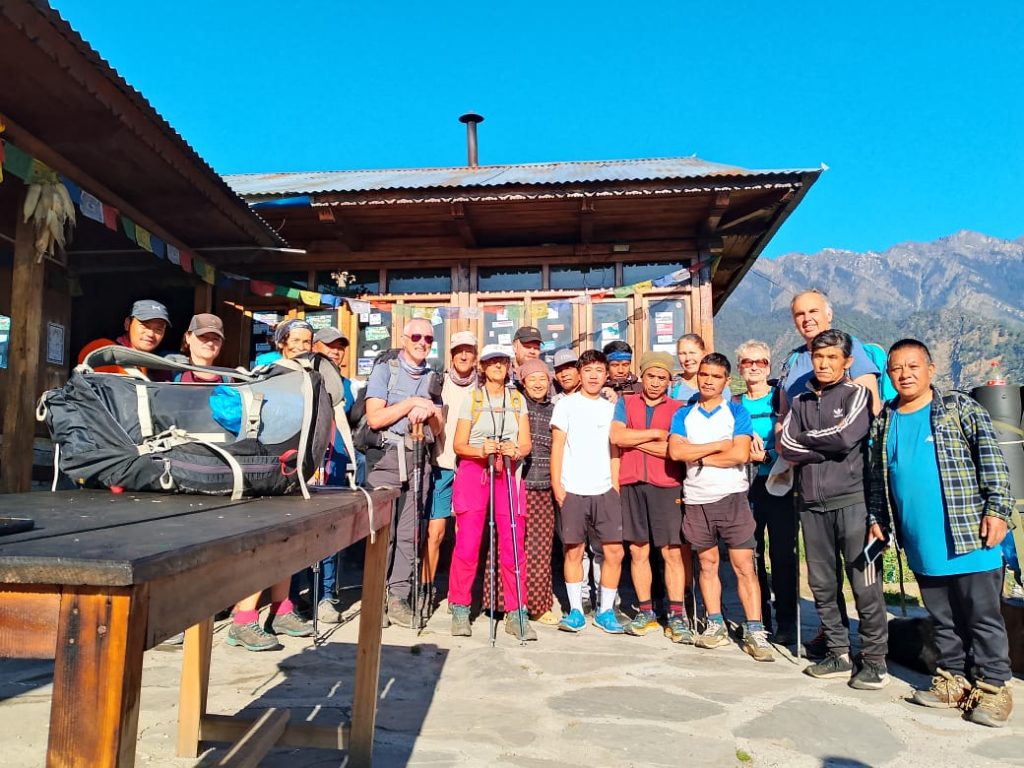
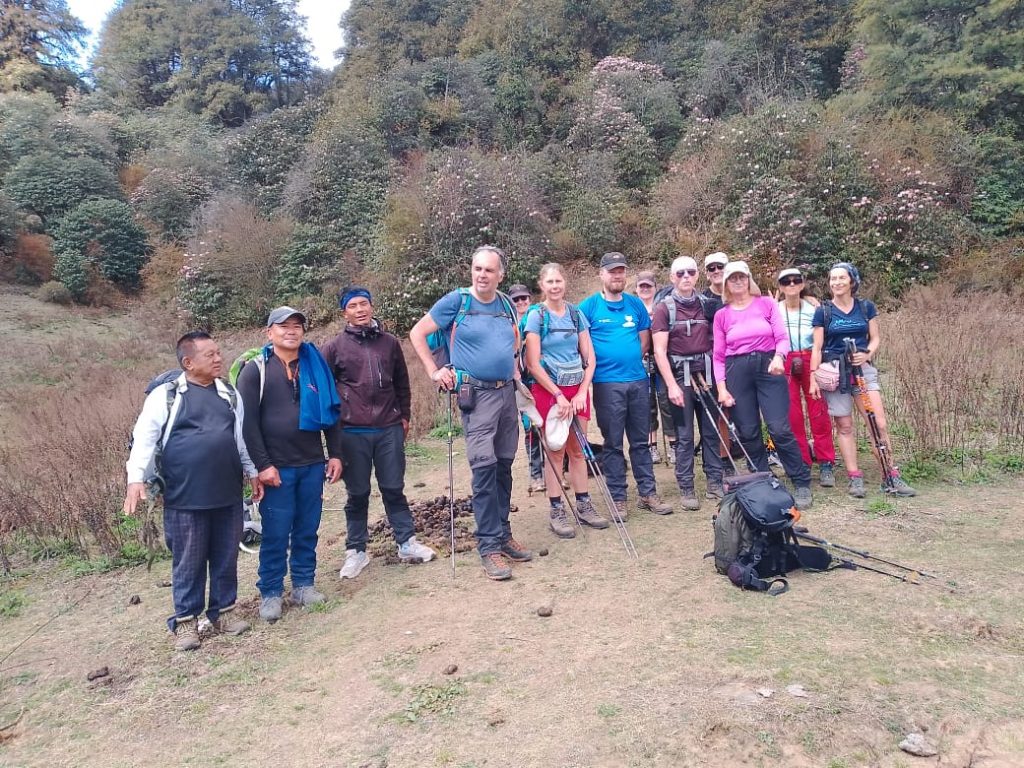
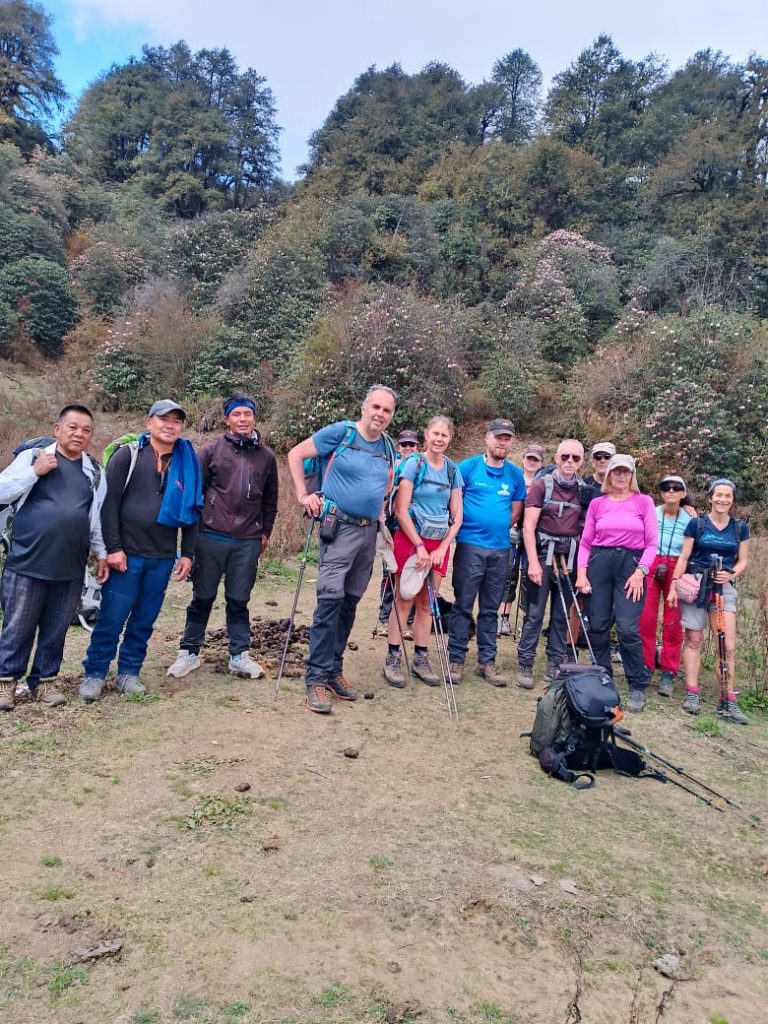
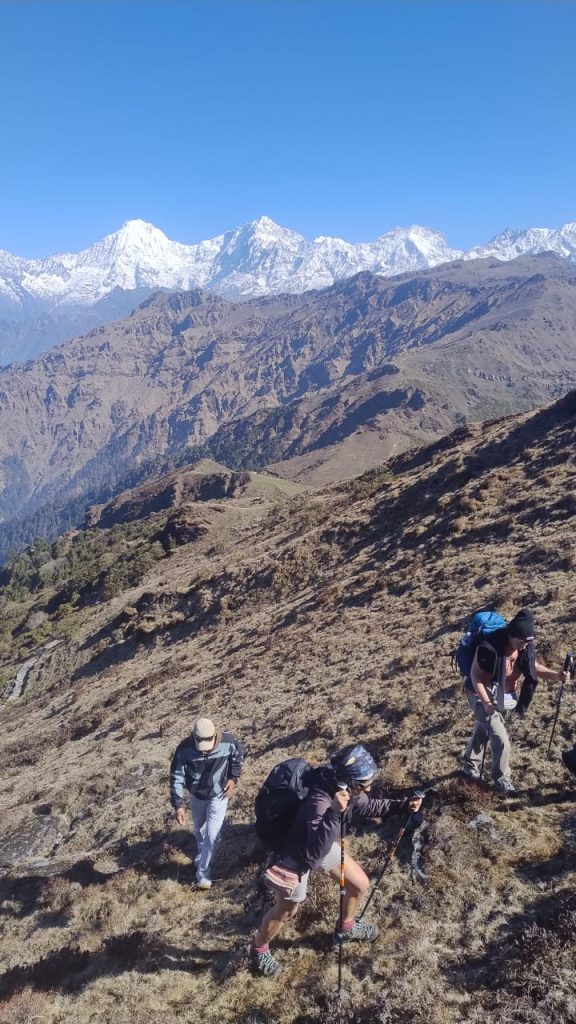
The Ruby Valley Trek is one of Nepal’s beautiful and less-crowded trekking destinations, located in the central Himalayan region between the Langtang and Manaslu mountain ranges. This trek lies mainly in the Dhading and northern Dhading–Rasuwa region, offering an excellent opportunity to explore traditional villages, green hills, forests, waterfalls, rivers, and spectacular Himalayan landscapes.
Ruby Valley is named after the ruby and other mineral resources believed to exist in the region. Unlike popular trekking routes such as Everest Base Camp and Annapurna Circuit, Ruby Valley offers a peaceful walking experience with fewer trekkers and a more authentic connection with local communities.
The trek is particularly attractive for travelers who want to experience Nepal’s natural beauty and traditional rural lifestyle without following busy commercial trekking trails. Along the way, trekkers can enjoy views of Ganesh Himal, Langtang, Manaslu-region peaks, and other Himalayan mountains, depending on the route, weather, and viewpoint.
Ruby Valley Trek is also a cultural journey. The region is home to Tamang, Gurung, and other local communities with distinctive traditions, languages, food, festivals, and lifestyles. Visitors can explore traditional settlements, visit Buddhist monasteries and chortens, observe local farming practices, and experience the warm hospitality of mountain communities.
This trek is suitable for travelers seeking a combination of mountain scenery, cultural exploration, nature, and adventure. With proper planning, a knowledgeable local guide, and sufficient preparation, Ruby Valley can become a memorable trekking experience in Nepal.
Highlights of Ruby Valley Trek
The Ruby Valley Trek offers a variety of natural and cultural attractions throughout the journey.
Enjoy panoramic views of Ganesh Himal and surrounding Himalayan peaks.
Explore traditional Tamang and Gurung villages.
Experience authentic village life and local hospitality.
Walk through beautiful forests of rhododendron, pine, oak, and other native vegetation.
Discover rivers, waterfalls, green valleys, and terraced farmland.
Visit traditional Buddhist monasteries, chortens, mani walls, and prayer flags.
Experience the peaceful atmosphere of a less-crowded trekking destination.
Explore the natural landscapes of the Ruby Valley and the surrounding Himalayan foothills.
Learn about local farming, handicrafts, traditions, and cultural practices.
Enjoy opportunities for photography, birdwatching, and nature observation.
Experience traditional Nepali food and local village accommodation.
Discover a different side of Nepal beyond the major commercial trekking routes.
The exact highlights depend on the selected itinerary, seasonal conditions, and the villages and viewpoints included in the trek.
Location and Geography
Ruby Valley is situated in north-central Nepal, primarily associated with the Dhading District and the southern approaches to the Ganesh Himal region. Depending on the itinerary, the trek may also connect with areas near Rasuwa District.
The region features a diverse landscape of subtropical valleys, cultivated hillsides, forested ridges, alpine scenery, and high mountain viewpoints. Its changing elevations create different environments, from warm agricultural settlements to cooler mountain villages.
The Ganesh Himal range is one of the major attractions of the area. On clear days, trekkers may enjoy views of snow-covered peaks rising above deep valleys and green hills. The terrain also includes streams, suspension bridges, narrow footpaths, and traditional settlements spread across mountain slopes.
Ruby Valley is an excellent destination for travelers interested in exploring rural Nepal. The route provides opportunities to observe how local communities adapt to mountain geography, seasonal weather, agriculture, and limited transport access.
Ruby Valley Trek Itinerary
A typical Ruby Valley Trek takes approximately 7–10 days, depending on the starting point, ending point, walking pace, road conditions, and side trips. The following is a sample itinerary that can be adjusted according to individual interests and available time.
Best Time for Ruby Valley Trek
Spring (March to May)
Spring is an excellent time for the Ruby Valley Trek. The weather is often suitable for walking, the hills become greener, and rhododendrons bloom in many forest areas. Mountain views can be excellent on clear days, although clouds may develop during the afternoon.
Autumn (September to November)
Autumn is another popular trekking season. After the monsoon, the landscape is fresh, and visibility often improves. Daytime temperatures are generally comfortable at lower elevations, while mornings and nights can be cold in higher villages.
Winter (December to February)
Winter offers quieter trails and beautiful mountain scenery when the weather is clear. However, temperatures can drop considerably, and higher sections may experience snow, frost, or icy paths. Warm clothing and flexible plans are essential.
Monsoon (June to August)
The monsoon brings heavy rainfall to many parts of Nepal. Trails may become muddy and slippery, while landslides, road disruptions, leeches, and reduced mountain visibility can affect the journey. Trekking may still be possible with suitable planning, but conditions require extra caution.
Difficulty Level of Ruby Valley Trek
The Ruby Valley Trek is generally considered a moderate trek, although difficulty varies according to the chosen route, altitude, walking duration, and trail conditions.
Trekkers should expect several hours of walking per day, with some steep uphill and downhill sections. Stone steps, narrow paths, forest trails, and uneven terrain may make certain sections physically demanding.
Previous trekking experience is helpful but not always necessary for a standard route. Beginners with reasonable fitness can prepare by walking regularly, climbing stairs, hiking on weekends, and building endurance before departure.
The trek may be more challenging during the monsoon, winter, or periods of poor trail maintenance. Travelers should be prepared for basic accommodation, changing weather, limited services, and occasional changes to the itinerary.
A licensed, experienced local guide can help with navigation, cultural interpretation, accommodation arrangements, and adapting the route to weather and trail conditions.
Altitude and Elevation
Ruby Valley includes a range of elevations, from lower river valleys to higher villages and mountain viewpoints. The exact maximum altitude depends on the route selected.
Some itineraries explore the broader Ganesh Himal region and may include higher viewpoints or mountain passes. These options require additional preparation and careful acclimatization.
Before booking, travelers should request a detailed itinerary showing the elevation of each overnight stop, the highest point, daily ascent and descent, and the expected walking hours.
Even on a moderate trek, altitude-related illness can occur. Walk gradually, drink water regularly, avoid rushing to higher elevations, and inform your guide if you develop symptoms such as a persistent headache, dizziness, nausea, or unusual fatigue. Severe or worsening symptoms require prompt medical assessment and descent when advised.
Accommodation During Ruby Valley Trek
Accommodation is generally simple and locally operated. Depending on the itinerary, trekkers may stay in village teahouses, community lodges, or homestays.
Rooms are often basic, with twin beds, mattresses, blankets, and shared bathrooms. Facilities vary considerably between villages, and hot showers may not always be available.
Homestays provide an opportunity to experience local hospitality and learn about village life. Some families prepare meals using locally available ingredients, allowing visitors to experience traditional food and rural culture.
Luxury hotels and high-end mountain lodges are limited or unavailable in many parts of the route. Travelers should therefore be comfortable with simple facilities and flexible arrangements.
During busy periods, booking accommodation in advance through a local trekking agency can help ensure suitable overnight stops.
Food and Drinking Water
Food during the Ruby Valley Trek is usually prepared by local teahouses and homestays. Common meals include
- Dal bhat, lentils,
- Vegetable curry,
- Noodles, soup,
- Potatoes,
- Eggs, and other locally available dishes.
Dal bhat is a popular trekking meal because it provides carbohydrates and protein for long walking days. Some accommodations may offer Tibetan-style bread, dumplings, or other regional dishes.
Food variety may be limited in remote villages, so travelers with dietary requirements should inform their trekking agency in advance.
Safe drinking water is essential. Trekkers should use properly treated, filtered, or boiled water and carry a reusable bottle. Water purification tablets or a suitable filter can be useful where bottled water is unavailable.
Avoid drinking untreated stream or river water, even when it appears clear.
Culture and Local Communities
One of the strongest attractions of Ruby Valley is its rich cultural heritage. The region includes Tamang and Gurung communities, among others, whose customs and traditions reflect centuries of life in the Himalayan foothills.
Visitors may encounter Buddhist monasteries, prayer flags, mani walls, chortens, and religious ceremonies along the route. These features reflect the spiritual importance of Buddhism in many local communities.
Traditional houses, agricultural practices, livestock keeping, local festivals, and family-based village life offer insight into the region’s way of living.
A responsible traveler should respect local customs, ask permission before photographing people, dress appropriately when visiting religious sites, and follow guidance from residents.
Purchasing locally made products, using village accommodation, and hiring local guides can help ensure that tourism benefits the communities along the trail.
Flora and Fauna
The natural environment of Ruby Valley changes with elevation. Lower areas may feature subtropical vegetation, cultivated fields, and broadleaf forests, while higher sections contain cooler mountain forests and alpine vegetation.
Depending on the season and route, trekkers may see rhododendrons, oak, pine, bamboo, wildflowers, and other native plants.
Birdwatching is another enjoyable activity. Forests and agricultural areas support a variety of bird species, although sightings depend on season, habitat, and luck.
Wildlife may inhabit the wider Ganesh Himal region, but sightings are never guaranteed. Visitors should maintain a respectful distance from animals, avoid feeding wildlife, and carry out all rubbish.
Protecting the forests, water sources, and wildlife habitats is important for the long-term sustainability of trekking in Ruby Valley.
Permits for Ruby Valley Trek
Permit requirements depend on the exact route, the districts visited, and any protected areas or restricted zones included in the itinerary.
For a standard Ruby Valley route, travelers should confirm the current requirements with a registered trekking agency or the relevant Nepalese authorities before departure. If the itinerary enters a national park, conservation area, or restricted area, additional permits may be required.
Permit rules and fees can change, so it is best not to rely on outdated price lists. Your trekking agency should identify the necessary permits, explain the applicable charges, and arrange them before the trek begins.
Carry your passport and relevant permit documents during the journey, and follow local regulations at checkpoints.
Transportation for Ruby Valley Trek
The journey usually begins with a road transfer from Kathmandu toward the selected trailhead. Depending on the route, transportation may involve a private jeep, shared jeep, or public bus.
Road conditions in the region can vary considerably. Some sections are paved, while others may be rough, narrow, or affected by rainfall and landslides. Travel times should therefore be treated as estimates rather than guarantees.
At the end of the trek, travelers generally return to Kathmandu by road from the final accessible settlement.
A private jeep provides greater flexibility and comfort, particularly for groups or itineraries involving remote starting points. Public transportation may be more economical but can require additional time and transfers.
Guide and Porter Services
Hiring a local guide is highly recommended for travelers who are unfamiliar with the region. A knowledgeable guide can help with navigation, village accommodation, local communication, cultural interpretation, and unexpected itinerary changes.
Porters can carry the main trekking luggage, allowing travelers to walk with a lighter daypack. Porter arrangements should be made through a responsible agency that provides fair wages, suitable equipment, insurance where applicable, and appropriate working conditions.
Before departure, agree on the services included, group size, daily walking plan, porter luggage limits, and arrangements for emergencies.
Independent trekking arrangements may be possible on some routes, but remote trails can be difficult to navigate without local knowledge. Confirm current regulations and trail conditions before choosing to trek independently.
Packing List for Ruby Valley Trek
A suitable packing list helps ensure comfort and safety throughout the journey.
Clothing
- Moisture-wicking trekking shirts and trousers
- Warm fleece or insulated jacket
- Waterproof and windproof jacket
- Comfortable trekking socks
- Thermal layers for cold mornings and evenings
- Hat, gloves, and sun protection
Footwear for the Trek
- Well-fitted trekking boots or shoes
- Comfortable camp footwear
- Extra socks
Equipment Personal
- Daypack and rain cover
- Sleeping bag if required by the accommodation
- Trekking poles
- Reusable water bottle
- Headlamp and spare batteries
- Sunglasses and sunscreen
- Personal toiletries and quick-drying towel
Health and personal items
- Personal medication
- Basic first-aid supplies
- Water purification method
- Hand sanitizer
- Passport and permit documents
- Some Nepalese rupees in cash
Nepal Alsace trek agency can provide a more specific list based on the season, altitude, and accommodation arrangements.
Health, Safety, and Responsible Trekking
Safety should remain a priority throughout the Ruby Valley Trek. Check weather forecasts, follow the guide’s advice, and avoid rushing on steep or slippery trails.
Drink sufficient safe water, eat regular meals, and take breaks when needed. Use sunscreen and protective clothing, even when the temperature feels cool.
Travel insurance should cover trekking at the maximum altitude of your itinerary and emergency evacuation if required. Confirm the policy details before departure, as not all policies cover every trekking activity.
Responsible trekking also means avoiding single-use plastics where possible, disposing of rubbish correctly, respecting wildlife, and supporting local businesses.
If weather, landslides, or trail conditions make a section unsafe, be prepared to change the itinerary rather than continue at unnecessary risk.
Cost of Ruby Valley Trek
The cost of the Ruby Valley Trek depends on the number of days, group size, transportation, guide and porter services, accommodation, meals, and any required permits.
A budget arrangement using public transportation and basic accommodation may cost less than a private trip with a dedicated guide, private jeep, and customized services.
When requesting a trekking quotation, ask whether the following are included:
- Kathmandu-to-trailhead and return transportation
- Guide and porter wages
- Guide and porter insurance and required expenses
- Accommodation and meals during the trek
- Applicable permits and entry fees
- First-aid support and emergency arrangements
- Taxes and agency service charges
International flights, Nepal entry visas, personal travel insurance, personal expenses, tips, and services before or after the trek may be excluded unless specifically stated.
For an accurate quotation, provide your travel dates, group size, preferred itinerary, and desired service level.
Why Choose Ruby Valley Trek?
Ruby Valley is an excellent option for travelers who want to discover a quieter and more traditional side of Nepal. Its combination of mountain scenery, village culture, forests, waterfalls, and rural hospitality makes it an appealing alternative to heavily visited trekking routes.
The trek also provides opportunities to support local communities through homestays, local guides, and village-based services. Travelers can learn about Himalayan lifestyles while enjoying the natural environment at a comfortable pace.
Whether you are a first-time trekker with good preparation or an experienced traveler looking for a less-commercial route, Ruby Valley offers an opportunity to experience Nepal beyond its best-known trekking destinations.
Conclusion
The Ruby Valley Trek is a rewarding Himalayan journey that combines natural beauty, cultural discovery, and peaceful village experiences. With views of the Ganesh Himal region, traditional settlements, forest trails, and opportunities to meet local communities, the trek provides a memorable introduction to rural Nepal.
The best experience comes from choosing a suitable itinerary, traveling during favorable weather, preparing for basic facilities, and arranging reliable local support. With responsible planning and respect for local traditions, the Ruby Valley Trek can be a meaningful adventure for travelers seeking authentic Himalayan experiences away from crowded trails.
| Day | Destination | Altitude | Walking Hour | Accommodation |
|---|---|---|---|---|
| 1 | Arrival Kathmandu and transfer to hotel | 1300 | One hour drive from airport to hotel | Hotel in Kathmandu |
| 2 | Kathmandu to Dundure via Dhading | 1300 | 8-9-hour Local Bus Drive | Simple Lodge |
| 3 | Dundure-Borang | 1500 | 5-6-hours | Sample Lodge |
| 4 | B0rang-Chalish | 1600 | 4-5 hours | Simple Lodge |
| 5 | Rest day and relax at hot spring | 1500 | vist | Home Stay Lodge |
| 6 | Chalish-Tibling | 2100 | 5-6-hours | Home stay Lodge |
| 7 | Tibling-Pangsang Danda which is the viewpoint of Annapurna, Manaslu, Ganesh Himal and Langtang range | 3850 | 5-6 | very simple lodge |
| 8 | Pansang-Somdang | 3320 | 3-hours | Home stay Lodge |
| 9 | Smdang-Ghattlang | 2238 | 5-6-hours | Home stay Lodge |
| 10 | Ghattlang to Syabrubensi | 1400 | 5-hours | Good Lodge |
| 11 | Syabrubesi to Kathmandu by bus | 1300 | 7-8 hours bus | Hotel in Kathmandu |
| 12 | Free day day at Kathmandu | 1300 | Free vist | Hotel include with B&B Service |
| 13 | After breakfast drive to Kathmandu airport | Depaeture | Fly out from Nepal | At Your home |
Ruby Valley trek cost 894 $ Per person
Cost includes
- Arrival & Departure transport.
- Hotel in Kathmandu with breakfast as per our itinerary.
- Local bus transportation from Syaprubensi to Kathmandu.
- Kathmandu, Dhading mycrwo bus. include.
- Dhading to Dundure Shearing Jeep includes,
- Accommodation local homestay.
- National park fee and TIMS card.
- The meal at a homestay.
- English-speaking trekking Guide & Porters.
- Breakfast, Lunch, Dinner with Tea or Coffee
- Company paper, working, and Government taxes, etc.
Ruby Valley Trek Cost excludes
- Lunch and Dinner in Kathmandu.
- Personal Trekking Equipment.
- Your Travel Insurance Policy encase accident and high Altitude sickness Rescue.
- Nepal entry visa fee 15 Days 30 US$ and for the 30 Days 50 US$, you can Obtain your visa in Kathmandu airport if you have not taken from your Country.
- Soft and hard drinks: Such as Beer, coke, Fanta and Mineral waters.
- Tips for Nepali staffs.
- Please bring with you 1 passport size of pictures.
October to November and March to May
Day times normal and during Night 1-3 degree.
Ruby Valley with Ganesh Himal view Trek cost only 894U$$ per person
Langtang park and TIMS Trekking Permit. If require
Yes, If you take a Guide and porter then very safe trip all the trekking in Nepal. It is better to book your trip with an agency if something happens then easy to solve any problem and full responsibility from Trekking agency.
Home Stay very normal Lodge but very nice place for the Trekking experience.
Chinese, Nepali, dish.
4/7- hours walking per day.
Yes, you can see, Ganesh Himal Langtang, Manasulu, and many other mountains views.
Maximum (3,850m)
Normally, you need to bring with you flowing equipment. + walking boot If possible Gore tax boot is better. + Warm socks and Gaiters in case of rain or snow. + Day carry bag and Down Jacket. + Sleeping bag and others which are not mansions here.
Arrival & Departure transport. Hotel in Kathmandu with breakfast as per our itinerary. Local bus transportations Kathmandu-Sybrubensi-Borang -Kathmandu. Accommodation local homestay. National park fee and TIMS card. The meal at a homestay. English spiking trekking Guide & Porters. Over the 6 Pax group, we will provide you experience mountain Leader, who has the best trained Hotel Management (NATHM) Mountain Leader Course, Component 1-2, Navigation Course, Rock climbing Course, Mountain rescue Training and Basic Mountaineering training, etc. Necessary porters-Insurance, Salary and they are accommodation during the trek. Company paper working and Government taxes etc.
Yes, if a woman travels alone to Nepal no problem but you take a guide or porter from a registered trekking agency because the trekking company is fully responsible for trekking and Mountain climbing. Our agency staff always take care of you, and they will provide you a single room single tent during the tea house trek and during the climbing trek. But if you contact freelance Guide then you get many problems they try to make chit for a single woman. Therefore if you book guide porter with un agency then it is good safe your Holyday travel to Nepal.
Altitude Chart
Reviews