Chulu West Peak Climbing -
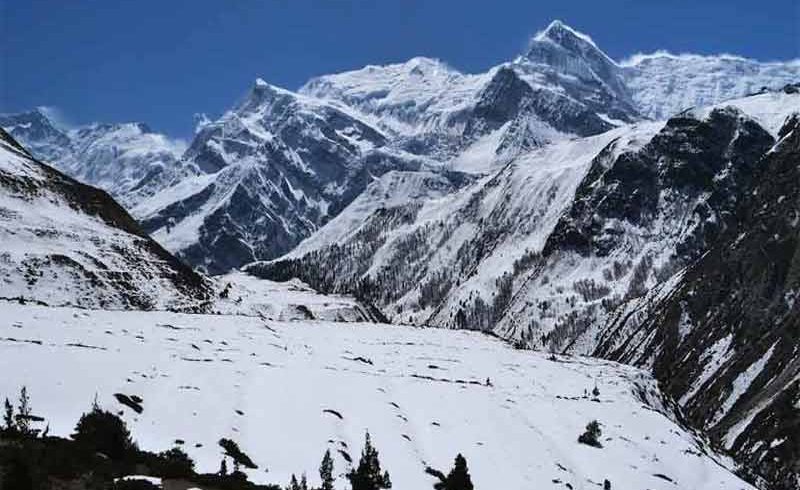
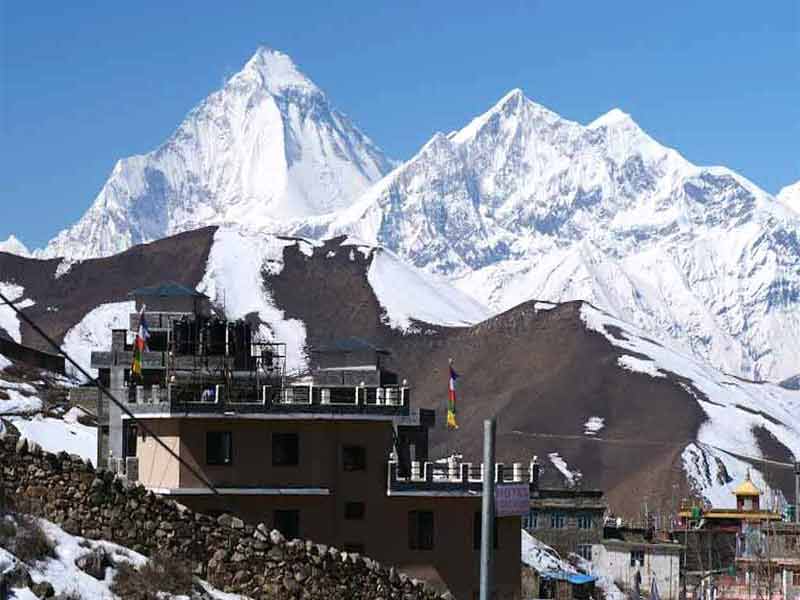
Chulu West Peak Climbing is an exciting Himalayan climbing adventure in the Annapurna region of Nepal. Rising to approximately 6,419 meters (21,060 feet), Chulu West Peak offers an excellent combination of high-altitude trekking, glacier travel, technical climbing, and spectacular mountain scenery. The expedition takes you through the famous Annapurna Circuit, traditional mountain villages, alpine valleys, and high mountain passes before reaching the Chulu West climbing area.
The journey begins in the lower hills and gradually moves into the high Himalayas. Along the way, you experience the diverse landscapes and cultures of the Annapurna region, including Manang Valley, Buddhist villages, yak pastures, glaciers, and panoramic views of Annapurna, Gangapurna, Tilicho Peak, Chulu peaks, and other surrounding mountains.
Chulu West is an attractive choice for climbers who want to gain Himalayan climbing experience without committing to one of Nepal’s highest 8,000-meter expeditions. However, it is still a serious high-altitude climb that requires good physical fitness, proper acclimatization, suitable equipment, and experienced climbing support.
Chulu West Peak Location
Chulu West Peak is located in the Annapurna region of north-central Nepal, above the Manang Valley. The normal approach follows the Annapurna Circuit trail before leaving the main trekking route toward the Chulu West Base Camp and higher climbing camps.
The mountain lies close to other well-known peaks of the Annapurna massif. The surrounding landscape contains dramatic rock faces, glaciers, snow-covered ridges, and high alpine valleys.
The route provides an opportunity to combine a classic Himalayan trek with a genuine peak-climbing experience.
Chulu West Peak Climbing Route
The expedition normally starts with a drive from Kathmandu toward the Marsyangdi Valley. Depending on the itinerary and road conditions, trekkers pass through places such as Besisahar, Dharapani, Chame, Pisang, and Manang.
After reaching Manang, the team spends time acclimatizing before moving toward the Chulu West climbing area.
Trekking & Climbing routes
Kathmandu → Besisahar, Dharapani, Chame, Pisang, Manang, Chulu West Base Camp, High Camp, Chulu West Summit, Base Camp, Manang, Thorong La, Muktinath, Jomsom to Pokhara
The exact itinerary can be adjusted according to weather, acclimatization requirements, road conditions, and the experience of the climbing group.
Trekking to Chulu West Base Camp
The approach trek is an important part of the expedition. Rather than traveling directly to the mountain, the gradual ascent allows climbers to acclimatize naturally.
From the lower Marsyangdi Valley, the landscape changes from green forests and terraced hillsides to dry alpine terrain. As you approach Manang, the vegetation becomes thinner, and the mountains become increasingly dramatic.
Manang is one of the most important acclimatization points on the Annapurna Circuit. It is an excellent place to rest, explore nearby villages, and prepare for the higher elevations.
From Manang, the team heads toward the Chulu West Base Camp area. The trail gradually enters a more remote alpine environment, with fewer settlements and more rugged terrain.
Acclimatization for trek & Expedition
Acclimatization is one of the most important parts of climbing Chulu West Peak. The summit is above 6,000 meters, where the amount of available oxygen is significantly lower than at sea level.
A carefully planned itinerary normally includes acclimatization days in the Manang area and appropriate rest periods before the summit attempt.
During acclimatization days, climbers may take short hikes to higher elevations and return to sleep at a lower altitude. This helps the body gradually adjust to the thinner air.
Climbers should never rush the ascent. Headache, tiredness, dizziness, nausea, loss of appetite, or unusual shortness of breath can be signs of altitude illness. The climbing guide monitors the team and can recommend rest, descent, or other appropriate action if necessary.
Chulu West Base Camp
The Chulu West Base Camp provides a place for the climbing team to prepare for the technical section of the expedition.
At Base Camp, climbers can organize their equipment, review the climbing route, check weather conditions, and receive a detailed briefing from the climbing guide.
Depending on the expedition style, the team may use tents and a camping kitchen at higher elevations. Food, fuel, climbing equipment, ropes, tents, and other supplies are organized before moving higher.
Base Camp is also an important psychological preparation point. From here, the environment becomes more alpine, and the climb requires greater concentration and teamwork.
Chulu West High Camp
After sufficient acclimatization and preparation, the team moves from Base Camp toward High Camp.
The route between Base Camp and High Camp may involve steep terrain, snow, ice, and glacial sections depending on the season and current mountain conditions.
At High Camp, climbers prepare for the summit attempt. The climbing team normally checks crampons, harnesses, ropes, ice axe, headlamp, clothing, and other equipment.
Because the summit day can be long and physically demanding, climbers usually start very early, often during the night or before dawn.
Chulu West Summit Day
Climbers leave High Camp early with their guide and climbing team. The route can include snow slopes, glacier terrain, steep sections, and exposed ridges. The exact conditions vary from season to season.
The climbing guide establishes the safest practical route according to snow and ice conditions. Fixed ropes may be used on appropriate technical sections.
As climbers gain altitude, the air becomes thinner, and movement becomes slower. Maintaining a steady pace is more important than moving quickly.
After reaching the summit, climbers have an opportunity to enjoy impressive Himalayan views before beginning the descent.
From the summit, views can include Annapurna II, Annapurna III, Annapurna IV, Gangapurna, Tilicho Peak, Chulu East, Chulu Central, Dhaulagiri, Manaslu, and numerous surrounding Himalayan peaks, depending on weather and visibility.
After spending limited time at the summit, the team descends carefully toward High Camp or Base Camp.
Difficulty of Chulu West Peak
Chulu West is considered a challenging technical trekking peak. It should not be treated like an ordinary high-altitude trek.
The main challenges include:
High altitude above 6,000 meters
Steep snow and ice terrain
Glacier travel
Cold and changing mountain weather
Long summit day
Possible use of fixed ropes
Exposure on higher sections
Physical fatigue
Altitude-related problems
Previous trekking experience at high altitude is highly recommended. Basic mountaineering knowledge is also beneficial.
Climbers should be comfortable walking for several hours in difficult terrain and should have sufficient strength and endurance for the summit attempt.
Climbing Experience and Training
You do not necessarily need extensive experience on major Himalayan peaks, but prior experience with crampons, harnesses, ropes, and an ice axe is very useful.
Before attempting the summit, the climbing guide can provide instruction and practical training in the use of climbing equipment.
Walking with crampons
Ice axe techniques
Rope movement
Fixed-rope techniques
Basic glacier travel
Ascending and descending steep snow
Using a climbing harness
Safe movement in a climbing group
Good preparation before arriving in Nepal significantly improves your ability to enjoy the expedition.
Best Season for Chulu West Peak Climbing
The main climbing seasons in Nepal are generally spring and autumn.
Spring Season
Spring, particularly March to May, offers generally favorable conditions for trekking and climbing. The weather is often suitable for mountain travel, and the lower valleys can have pleasant temperatures.
April and May are popular months for Himalayan climbing.
Autumn Season
September to November is another major climbing season. After the monsoon, the atmosphere often becomes clearer, providing excellent mountain visibility.
October and November are especially popular for trekking and climbing in the Annapurna region.
Winter can bring severe cold and heavy snow at higher elevations, while the monsoon season can create wet and unstable conditions on lower trekking trails.
Permits for Chulu West Peak
A Chulu West expedition requires the appropriate trekking and climbing permits.
Depending on the route and current regulations, climbers may require:
Annapurna Conservation Area Permit
Chulu West climbing permit
Local or restricted-area permits where required by the current route
Permit fees and regulations can change. A registered trekking agency can arrange the necessary permits before the expedition begins.
Accommodation during the trek
During the trekking portion, accommodation is generally available in local tea houses and lodges.
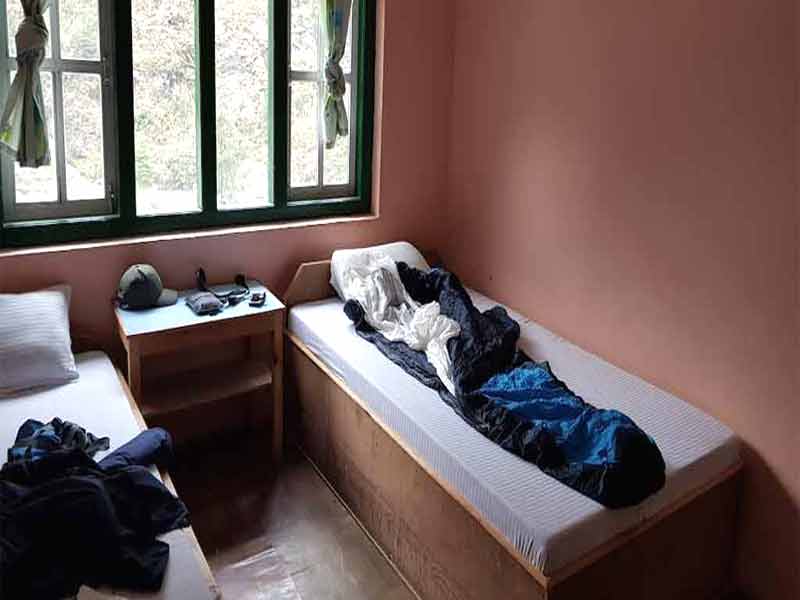
Rooms are normally simple and may include twin beds with blankets. Facilities become more basic as you travel into higher and more remote areas.
For the climbing section, camping is normally required. Tents are used at Base Camp and higher camps according to the expedition plan.
At high altitude, facilities are limited, so climbers should be prepared for basic mountain living.
Food During the Expedition
Food is an important part of maintaining energy during a high-altitude expedition.
On the trekking section, tea houses commonly provide meals such as:
Dal bhat, Rice, Noodles, Pasta, Potatoes, Soup, Tibetan bread, Eggs, Vegetables, Pancakes. Tea and coffee
At Base Camp and camping sections, the expedition kitchen can prepare suitable meals for climbers.
A balanced diet containing carbohydrates, protein, vegetables, and sufficient fluids is important. Climbers should drink regularly because dehydration can make altitude-related symptoms worse.
Equipment for Chulu West Peak Climbing
Clothing
Base layers
Thermal underwear
Fleece jacket
Down jacket
Waterproof jacket
Waterproof trousers
Trekking trousers
Warm gloves
Inner gloves
Wool or thermal socks
Warm hat
Sun hat
Neck warmer
Climbing Equipment
Mountaineering boots
Crampons
Ice axe
Climbing harness
Carabiners
Ascender
Descender
Helmet
Prusik loop
Climbing sling
Headlamp
Trekking poles
Personal Equipment
Sleeping bag suitable for high altitude
Duffel bag
Daypack
Water bottles
Sunglasses
Glacier glasses if required
Sunscreen
Personal first-aid supplies
Water purification tablets or filter
Camera
Personal toiletries
The exact equipment requirements should be confirmed with the climbing agency and guide because mountain conditions and expedition arrangements vary.
Guide and Sherpa Support
An experienced climbing guide is one of the most important components of a Chulu West expedition.
The guide helps with route planning, acclimatization, climbing techniques, weather assessment, rope systems, camp organization, and emergency decisions.
Sherpa climbing staff and porters can also help transport equipment and supplies.
A professional climbing team allows participants to concentrate on their own climbing performance while experienced local staff manage many of the logistical challenges.
Safety During Chulu West Climbing
Mountain weather can change quickly, particularly above 5,000 meters. The summit attempt should only proceed when the guide considers conditions appropriate.
The team should maintain a sensible pace and avoid unnecessary exposure to severe weather.
Proper acclimatization
Regular hydration
Appropriate clothing
Checking weather forecasts
Using climbing equipment correctly
Following guide instructions
Maintaining communication within the group
Avoiding unnecessary rushing
Descending when conditions become unsafe
If weather or health conditions make the summit attempt unsafe, the climbing schedule may need to change.
Chulu West with Annapurna Circuit
One of the major advantages of Chulu West Peak climbing is the opportunity to combine the expedition with the Annapurna Circuit.
The trek provides a gradual transition from the lower valleys to the high Himalayas. After the climb, the itinerary can continue toward Thorong La Pass and Muktinath.
Crossing Thorong La at approximately 5,416 meters adds another memorable high-altitude experience to the journey.
The route then descends toward the Kali Gandaki Valley and eventually reaches Jomsom, from where travelers can continue to Pokhara.
Why Choose Chulu West Peak Climbing
Chulu West offers a combination of trekking and mountaineering in one expedition.
Himalayan mountain scenery
Annapurna Circuit trekking
High-altitude acclimatization
Glacier and snow experience
Technical climbing experience
Traditional Himalayan villages
Buddhist culture
Spectacular summit views
Experienced local climbing support
A challenging but achievable Himalayan objective for properly prepared climbers
It is particularly suitable for adventurers who want to move beyond ordinary trekking and experience a more technical Himalayan climbing environment.
Physical Preparation
Preparation should begin several weeks or months before the expedition.
Long-distance hiking
Stair climbing
Uphill walking
Running
Cycling
Strength training
Core exercises
Carrying a moderate backpack during training
The goal is to improve cardiovascular endurance, leg strength, balance, and overall stamina.
Mental preparation is also important because high-altitude climbing can involve long days, cold temperatures, difficult terrain, and changing weather.
Chulu West Peak Climbing Cost
The total cost depends on the length of the expedition, group size, climbing permits, guide and Sherpa support, transportation, accommodation, food, equipment, camping arrangements, and other logistical requirements.
A package can commonly include:
Airport transfers
Kathmandu hotel accommodation where included
Ground transportation
Trekking accommodation
Camping equipment
Climbing guide
Sherpa support
Porter services
Required permits
Conservation fees
Meals during the trek and expedition according to the package
Emergency support arrangements
Personal climbing equipment, travel insurance, international flights, personal expenses, and evacuation costs may be excluded depending on the package.
A detailed quotation should be prepared according to the exact itinerary and services required.
Responsible Tourism
The Annapurna region is home to diverse communities and fragile mountain ecosystems. Responsible travel helps protect the environment and supports local communities.
Trekkers and climbers should avoid unnecessary plastic waste, use designated trails, respect local traditions, and follow conservation guidelines.
Supporting local lodges, guides, porters, and mountain communities also helps ensure that tourism benefits the people living in the region.
Conclusion of Trekking & Expedition
Chulu West Peak Climbing is a memorable Himalayan adventure that combines the classic Annapurna trekking experience with the challenge of climbing a 6,000-meter-class peak.
From the green hills of the Marsyangdi Valley to the high alpine landscape around Manang and the snow-covered slopes of Chulu West, the expedition offers an impressive variety of landscapes and experiences.
With proper acclimatization, physical preparation, suitable climbing equipment, favorable weather, and experienced mountain guides, climbers can undertake this challenging expedition safely and enjoyably.
For adventure seekers looking for a combination of trekking, Himalayan culture, glacier travel, high-altitude climbing, and spectacular mountain scenery, Chulu West Peak is an excellent expedition destination in Nepal.
| Day | Destination | Altitude | Walking Hour | Accommodation |
|---|---|---|---|---|
| 1 | Arrival Kathmandu and transfer to hotel | 1300 | one hour drive from airport to hotel | Hotel in Kathmandu |
| 2 | Climbing preparation day | 1300 | Kathmandu | Hotel in Kathmandu with B&B Service |
| 3 | Kathmandu to Besishar 5 hours and continue to Chame | 2670 | 4-5 hours Jeep to Chame from Besishar | Lodge |
| 4 | Chame-Pisang | 3200 | 4-5-hours by Local Jeep | Lodge |
| 5 | Pissang-Nagwal | 3660 | 4-hours | Lodge |
| 6 | Nagwal-Manag | 3540 | 3-4 hours | Lodge |
| 7 | Acclimatization at Manag | 3540 | 2-3 hours to Gangapurna glacier | Lodge |
| 8 | Manang to Lheder | 4200 | 5-6-hours | Lodge |
| 9 | Lheder to Chulu West Base camp | 4900 | 4-5-hours | Tent Camping |
| 10 | Base camp to high camp ! | 5100 | 3-4-hours | Tent Camping |
| 11 | Camp ! to Camp !! | 5530 | 4-5-hours | Tent Camping |
| 12 | Summit to Chulu West Peak (6,419m) 11 hours.and back to Camp ! | 5100 | 10-11-hours | Tent Camping |
| 13 | If weather is bad | Extra day for Climbing | 0 | 0 | Lodge or Camp |
| 14 | Trek to Lheder | 4200 | 5-6 hours | Lodge |
| 15 | Lheder to Thorong La High Camp | 4880 | 5-hours | Lodge |
| 16 | High Camp to Muktinath via (5,416m) Thorang La Pass | 3800 | 25-Minut Flight to Pokhara from Jomsom | 6-7 hours |
| 17 | Muktinath-Jomsom | 2700 | 4-5 | Lodge |
| 18 | Jomsom to Pokhara Flight | 900 | 25 minutes flight from Jomsom | Hotel in Pokhara |
| 19 | Pokhara Kathmandu by Tourist bus | 1300 | 7-8 hours to Kathmandu | 200 KM from Pokhara to Kathmandu | Hotel in Kathmandu |
| 20 | Your Safety day at Kathmandu | Hotel include with Breakfast. | 1300 | Free day | Hotel |
| 21 | After Breakfast drive to international airport Kathmandu | Flight | Departure | At Your Home |
Chulu West peak climbing cost 2,670 $ Per Person
Cost Includes
- Arrival and departure transportation by car or bus
- Four nights' accommodation in Kathmandu, including breakfast.
- Including bed and breakfast for 1 night in Pokhara.
- During the trek & expedition, we will be served Italian, Chinese, Indian, Nepali, and many more European foods (items) for breakfast, lunch, and dinner.
- During your trips, you can stay at a teahouse lodge and a tented camp. It is possible for you to have a separate room.
- License holder for climbing guides and porters.
- Accommodation, Food, Salary, and Equipment for Climbing Guides.
- Permit to visit Annapurna National Park.
- Permit for climbing Chulu West Peak.
- There is a fee for deposited garbage.
- Medical and High Insurance for climbing Guide.
- Climbing equipment such as ice screws, fix ropes, and snow bars.
- Air ticket between Jomsom and Pokhara.
- Local buses and Jeeps from Kathmandu Beshishar to Chame, and buses from Pokhara to Kathmandu.
Chulu West peak climbing Cost Excludes
- A meal at a restaurant in Kathmandu and dinner at a restaurant in Pokhara.
- In case of an accident or high altitude sickness, you will be covered by your travel insurance.
- The Nepal entry visa fee is 30 US$ for 15 Days and 50 US$ for 30 Days, but you can get it at the Kathmandu airport if you haven't already taken it.
- Beer, Coke, Fanta, and mineral water are all soft and hard drinks.
- Trekking and climbing equipment for personal use.
- Tips for Nepali employees.
- You should bring equipment such as sleeping bags, crampons, seat harnesses, ice axes, and lock-unlock karabiners.
- Be sure to bring 2 passport-sized photographs with you.
September through November and March through May
During the day, the temperature is normal, while at night, it is 5-14 degrees.
Climbing Chulu West Peak costs $ 2180 per person. It requires a minimum of two people. For a single person, the cost of his trek will increase by 200 US$.
An Annapurna National Park permits and a Chulu West peak climbing permit are required.
It’s a very safe trip if you travel with a guide and porter.
Chinese, Nepalese, Tibetan, Indian, and Italian dishes.
Walking five or ten hours each day.
Yes, you can see Annapurna! (8,091m) Gangapurna (7,454m), Pisang peak (6,091m), Tilicho peak, (7134m) Thorang La peak (6,420m) Thapa peak (6,012m) Dhaulagiri (8,167m) Tukche peak (7,135m) and other mountain views.
Our destination is (6.419)
A full mountaineering kit is necessary for climbing Chulu West, a technically challenging climb
Passport photocopy (should be very clear with color scan) and validity minimum 6 months. 2 passport size photo. Occupation. Home details address. Insurance copy
Normally, you need to bring with you flowing equipment. >> Alpine boot your good size. >> Ice ax, Harness, Karabiner Lock & Unlock >> Fix rope, Jammer, Ice hammer, Snow bag >> Helmet and others which are not mansions here.
Arrival and departure transport by Car/Van/ Hiace. Hotel in Kathmandu 4 Nights including bed and breakfast. Hotel in Pokhara 1 night with bed and breakfast. Breakfast, Lunch.Dinner Such as Italian, Chinese, Indian, Nepali, many more European foods (Items) three times a day. Teahouse Lodge and tented camp during your trips. we provide you Separate Room is available. License holder climbing guide and Porters, Insurance, Food, Salary, Accommodation, and Climbing Guide Equipment. Annapurna National Park Permit. Chulu west Climbing Peak Permit. Garbage Deposited fee. High and Medical Insurance. General Climbing Equipment Such as Fix Rope, Ice Screw and Snow bar. Jomsom-Pokhara Plane Ticket. Kathmandu Beshishar-Chame Local Bus and Local Jeep -Pokhara-Kathmandu Bus transport.
Not feeling well or feeling bad: Headache/Exhaustion/Shortness of breath/ Having trouble sleeping/ Vomiting/ Fever etc.
Yes, Peak climbing is not very easy but depends on trekking peaks the same peak is less technical same peak is very steep, and much technical climbing + but you need good mountaineering equipment. We suggest that before the climbing peak you need to do a minimum 5,000 meters high trekking pass
Yes, if a woman travels alone to Nepal no problem but you take a guide or porter from a registered trekking agency because the trekking company is fully responsible for trekking and Mountain climbing. Our agency staff always take care of you, and they will provide you a single room single tent during the tea house trek and during the climbing trek. But if you contact freelance Guide then you get many problems they try to make chit for a single woman. Therefore if you book guide porter with un agency then it is good safe your Holyday travel to Nepal.
Namaste, Frist inquiry from your trip you will have direct access to experienced and professional climbing guides advice or to ask questions on your arrival Kathmandu meet with us we will brief you how to climbing Nepal trekking peaks. If you travel with us then, of course, we will provide qualified Guides who have experience high altitude trekking and climbing guides. We provide all the trekking and climbing staff insurance as well. You can speak directly with us about your proposed climbing Nepal Trekking peaks the will brief you on our experience climbing guide who has many times summit Nepal Trekking peaks
Altitude Chart