Pisang Peak Climbing -


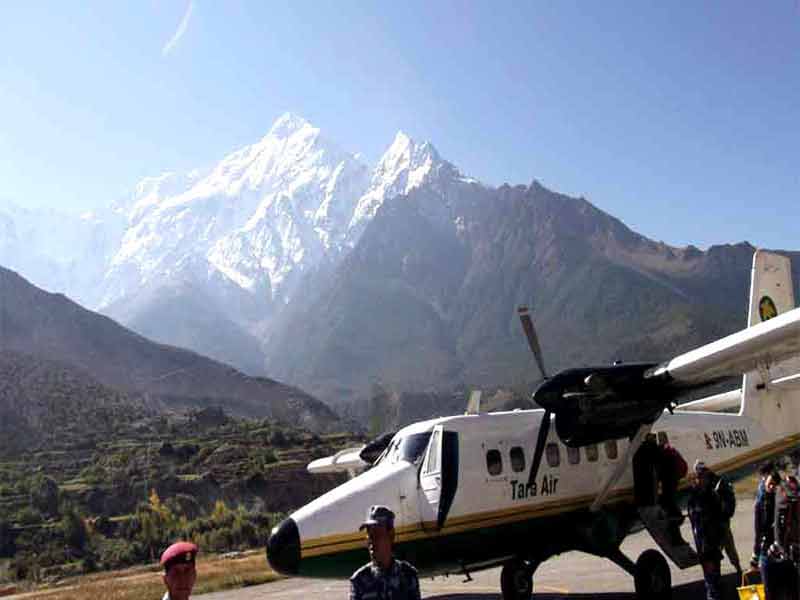
Pisang Peak Climbing is an exciting Himalayan adventure in the Annapurna region of Nepal, combining a classic trekking experience with a challenging Himalayan peak ascent. Rising to approximately 6,091 meters (19,984 feet) above sea level, Pisang Peak is one of the popular trekking peaks in Nepal and offers spectacular views of Annapurna II, Annapurna III, Annapurna IV, Gangapurna, Tilicho Peak, Chulu peaks, and the surrounding Himalayan landscape.
The journey to Pisang Peak takes you through the beautiful Annapurna region, where you experience diverse landscapes, traditional mountain villages, Buddhist culture, dramatic valleys, forests, rivers, and high-altitude terrain. The climbing route generally follows the Annapurna Circuit approach before leaving the main trekking trail toward Pisang Base Camp and High Camp.
Pisang Peak is suitable for trekkers who have good physical fitness and are interested in gaining their first experience of Himalayan peak climbing. Previous mountaineering experience is helpful, although climbers with no technical climbing background can prepare through appropriate training and climb with an experienced climbing guide.
Pisang Peak Climbing Highlights
Summit of Pisang Peak at approximately 6,091 meters
Spectacular views of the Annapurna and Manaslu Himalayan ranges
Trek through the scenic Annapurna region
Explore traditional Pisang and Manang villages
Experience Tibetan-influenced Buddhist culture
Walk through forests, valleys, and high-altitude landscapes
Technical climbing experience with rope, crampons, and ice axe
Visit the beautiful Manang Valley
Cross challenging high-altitude terrain
Opportunity to combine peak climbing with the Annapurna Circuit
Professional climbing guide and support staff
Sunrise and panoramic mountain views from the summit
Where Is Pisang Peak
Pisang Peak is located in the Manang district of the Annapurna region of Nepal. The mountain stands above the village of Pisang and is surrounded by some of the most impressive peaks in the central Himalayas.
The peak is positioned near the Annapurna Circuit trekking route. Climbers normally approach the mountain through the Marsyangdi Valley, passing villages such as Dharapani, Chame, Upper Pisang, and Manang before heading toward the climbing area.
The location makes Pisang Peak particularly attractive because the climbing expedition can be combined with a longer Annapurna Circuit adventure.
Pisang Peak Climbing Route
The journey normally begins in Kathmandu and continues by road toward the Annapurna region. Depending on the chosen itinerary and road conditions, the trek can start from Dharapani or another suitable point in the Marsyangdi Valley.
From Dharapani, the trail passes through beautiful mountain villages and forests before reaching Chame. From Chame, trekkers continue toward Upper Pisang, where the landscape becomes increasingly alpine.
After acclimatizing around Manang and the surrounding villages, the climbing group returns toward Pisang and follows the route toward Pisang Base Camp. From Base Camp, climbers continue to High Camp before making the summit attempt.
The summit day is demanding. Climbers usually begin very early, allowing sufficient time to reach the summit, enjoy the mountain views, and return safely to the lower camp.
After completing the climb, the team descends and continues the trekking journey. Those combining Pisang Peak with the Annapurna Circuit can continue toward Thorong La Pass (5416 m) and Muktinath.
Pisang Peak Base Camp
Pisang Peak Base Camp is established in a high-altitude area above Pisang. The exact camping location can vary according to weather, snow conditions, route conditions, and the climbing team’s plan.
Base Camp provides an important opportunity to rest and prepare for the ascent. Your climbing guide checks equipment, discusses the climbing route, and provides information about the next stages.
Before moving higher, climbers should make sure that their clothing, boots, crampons, harness, helmet, ice axe, ropes, and other climbing equipment are properly prepared.
Pisang Peak High Camp
The High Camp is located at a higher elevation and serves as the final major camp before the summit attempt. From High Camp, the summit climb can be physically demanding because of altitude, cold temperatures, snow, and steep terrain.
The climbing guide assesses weather and route conditions before deciding the best time to leave for the summit.
A good night’s rest may be difficult at high altitude, so climbers normally prepare everything before sleeping. A warm sleeping bag, sufficient water, appropriate clothing, and well-organized climbing equipment are especially important.
Pisang Peak Summit Day
Summit day is the main objective of the expedition. Climbers usually start very early, often before sunrise, depending on weather and route conditions.
The ascent involves steep sections where fixed ropes may be used. Depending on the season and current mountain conditions, climbers may encounter snow, ice, rock, or mixed terrain.
Crampons, harnesses, ropes, helmets, and ice axes may be required on appropriate sections. Your climbing guide determines the safest technique and equipment based on the actual conditions.
Reaching the summit provides an unforgettable Himalayan experience. From the top, climbers can enjoy expansive views across the Annapurna range and surrounding valleys.
After spending a limited amount of time at the summit, the group begins the descent. Descending safely is just as important as reaching the summit because fatigue and changing weather can increase the difficulty later in the day.
Mountain Views from Pisang Peak
One of the greatest attractions of Pisang Peak is its panoramic Himalayan scenery.
Depending on weather and visibility, climbers can see magnificent peaks including:
Annapurna II (7,937 m)
Annapurna III (7,555 m)
Annapurna IV (7,525 m)
Gangapurna (7,454 m)
Tilicho Peak (7,134 m)
Chulu West (6,419 m)
Chulu East (6,429 m)
Lamjung Himal (6,983 m)
Manaslu range
Other surrounding peaks and valleys
The views change dramatically throughout the trek. Lower sections contain forests, rivers, and villages, while higher sections offer barren alpine landscapes and snow-covered mountains.
Pisang Peak Climbing Difficulty
Pisang Peak is considered a challenging Himalayan trekking peak. It requires more preparation than a normal high-altitude trek because the ascent may involve technical climbing sections.
The difficulty depends on weather, snow conditions, route conditions, altitude, and the climber’s experience.
Good physical fitness is essential. Climbers should be comfortable walking for several hours at high altitude and carrying or managing their personal equipment.
Previous experience with crampons, harnesses, ice axes, and fixed ropes is beneficial. However, beginners with strong fitness and appropriate preparation can potentially attempt the mountain under the supervision of an experienced climbing guide.
Before the expedition, climbers should undertake cardiovascular training, strength training, endurance exercises, and practice with mountaineering equipment.
Acclimatization during the trek
Acclimatization is an important part of climbing Pisang Peak. The itinerary should allow sufficient time for the body to adjust to increasing elevation.
Manang is commonly used as an acclimatization area during the approach. Trekkers may take a rest day and undertake a short acclimatization hike before continuing toward the climbing area.
A gradual ascent is important because altitude affects everyone differently. At high altitude, climbers may experience headache, tiredness, nausea, dizziness, and shortness of breath.
If a climber develops serious altitude-related symptoms, the guide should be informed immediately. Descending to a lower elevation may be necessary.
Best Time for Pisang Peak Climbing
The main climbing seasons in Nepal are generally spring and autumn.
Spring Season
Spring, particularly March to May, offers generally favorable conditions for trekking and climbing. The weather is often relatively stable, and mountain visibility can be excellent.
Autumn Season
September to November is another major trekking and climbing season. After the monsoon, the atmosphere is often clearer, providing excellent mountain views.
October and November are particularly popular for trekking in the Annapurna region.
Winter and monsoon seasons can also be possible for experienced teams under suitable conditions, but snow, cold temperatures, rain, clouds, and trail conditions can make the expedition more difficult.
Accommodation during the trek
During the trekking portion, accommodation is generally provided in local teahouses or lodges. Rooms are usually simple and may include twin beds with blankets.
At higher elevations and during the climbing section, accommodation may involve camping depending on the selected itinerary and current route conditions.
At Base Camp and High Camp, tents are normally used. A climbing crew can provide tents, cooking arrangements, and other necessary camping support according to the package.
Food During the Trek
Teahouses along the Annapurna trekking route provide a variety of meals. Common options include:
Dal bhat, Rice, Noodles, Pasta, Soup, Potatoes, Eggs, Bread, Tibetan bread, Vegetables, Momos, Tea, Coffee, Hot drinks
Dal bhat is one of the most common meals because it provides carbohydrates and energy for long trekking days.
During the camping section, the climbing crew prepares meals at Base Camp and High Camp according to the expedition arrangement.
Permits for Pisang Peak Climbing
Climbers require the appropriate permits for Pisang Peak and the Annapurna region. The required permits and fees can vary according to Nepal’s current regulations and seasonal rules.
Depending on the itinerary, permits may include an Annapurna Conservation Area Permit and a trekking peak climbing permit or other required documentation.
Nepal Alsace Trek & Expedition company will arrange the necessary permits and official paperwork before the expedition begins.
Climbing Guide and Sherpa Support
An experienced climbing guide is an important part of a Pisang Peak expedition.
Route planning
Weather assessment
Climbing techniques
Rope management
Equipment checks
Acclimatization advice
Safety procedures
Camp organization
Summit planning
Emergency decisions
Porters and other support staff can also assist with carrying equipment and supplies during the trekking and camping sections.
Our professional local team has experience working in the Himalayan environment and understands the terrain, weather, villages, and climbing routes.
Pisang Peak Climbing Equipment
Proper equipment is essential for a safe and comfortable climb. Depending on current route conditions, the equipment list may include:
Trekking Equipment,
Trekking boots, Trekking poles, Backpack, Daypack, Sleeping bag, Down jacket, Fleece jacket, Waterproof jacket, Trekking trousers, Thermal base layers, Gloves, Woolen hat, Sunglasses, Headlamp, Water bottles, Personal first-aid supplies
Climbing Equipment for the Pisang Peak climb
Mountaineering boots, Crampons, Ice axe, Climbing harness, climbing helmet, Carabiners, Ascender, Descender, Prusik loops, Mountaineering gloves, Goggles. Gaiters
Appropriate climbing clothing
The exact equipment required depends on the season, route, snow conditions, and the climbing team’s assessment.
Physical Preparation
Pisang Peak requires good endurance and physical preparation.
We recommend beginning training several weeks or months before the expedition. Regular hiking, uphill walking, stair climbing, running, cycling, and strength training can help develop endurance.
Training should gradually increase in duration and intensity. Long-distance hikes with a backpack are especially useful because they simulate the physical demands of trekking.
Technical climbing practice before the expedition can also help climbers become comfortable using crampons, harnesses, ropes, and ice axes.
Safety and Weather
Mountain weather can change quickly. Even during the best trekking seasons, conditions may become cold, windy, snowy, or cloudy.
The climbing schedule therefore needs to remain flexible.
Our climbing guide monitors weather conditions and evaluates the route before proceeding toward High Camp and the summit. If conditions become unsafe, the summit attempt may need to be delayed.
Safety always depends on the actual mountain conditions, the climber’s health, the weather, and the judgment of the professional climbing team.
Why Choose Pisang Peak Climbing
Pisang Peak offers an excellent combination of trekking and mountaineering. Instead of traveling directly to an isolated climbing area, the journey allows you to experience the diverse landscapes and culture of the Annapurna region.
Experience Himalayan trekking
Learn basic mountaineering techniques
Climb above 6,000 meters
Explore traditional mountain communities
Enjoy spectacular Annapurna views
Challenge yourself in a high-altitude environment
Combine trekking with peak climbing
For climbers preparing for more technical Himalayan expeditions in the future, Pisang Peak can also provide valuable experience in high-altitude travel and basic mountaineering skills.
Combining Pisang Peak with Annapurna Circuit
One of the most attractive options is to combine Pisang Peak with the Annapurna Circuit Trek.
After approaching the mountain through the Marsyangdi Valley and completing the climb, trekkers can continue toward Manang, Thorong La Pass, Muktinath, and the Kali Gandaki Valley.
This combination provides a much longer Himalayan adventure and includes villages, high mountain passes, Buddhist culture, alpine landscapes, and spectacular views.
The exact itinerary can be customized according to the climber’s available time, experience, fitness, and preferred route.
Cost of Pisang Peak Climbing
The total cost depends on the duration of the trip, group size, transportation, permits, guide and porter services, accommodation, food, camping arrangements, climbing equipment, and other logistics.
A package can be designed to include airport transfers, transportation, accommodation, meals, permits, a professional climbing guide, porters, camping equipment, climbing support, and other required services.
We provide a detailed quotation after understanding your preferred itinerary and group requirements.
Who Can Join Pisang Peak Climbing
Pisang Peak is suitable for adventurous trekkers and climbers who have good physical fitness and are prepared for high-altitude conditions.
Experienced trekkers
Beginner mountaineers with proper preparation
Adventure travelers
Experienced climbers seeking a Himalayan trekking peak
Trekkers wanting to combine the Annapurna Circuit with peak climbing
Previous climbing experience is an advantage, but the required level of experience depends on the route conditions and the individual’s preparation.
Responsible Tourism
We encourage responsible and sustainable travel throughout the Annapurna region.
Trekkers should respect local traditions, avoid unnecessary plastic waste, use designated trails, conserve water and energy, and support local communities whenever possible.
Hiring local guides, porters, accommodation providers, and other services also contributes directly to mountain communities.
Conclusion on the Trek
Pisang Peak Climbing is a memorable Himalayan adventure combining trekking, cultural exploration, mountain scenery, and peak climbing. The journey through the Annapurna region leads from lush lower valleys to the dramatic high-altitude environment surrounding Pisang Peak.
With proper acclimatization, physical preparation, suitable climbing equipment, experienced guides, and a flexible itinerary, climbers can experience the challenge of reaching a summit above 6,000 meters while enjoying some of Nepal’s most spectacular mountain landscapes.
Whether you are planning a Pisang Peak climbing adventure or combining it with the Annapurna Circuit, Nepal Alsace Trekking Company will arrange the necessary trekking and climbing logistics, permits, guides, porters, accommodation, transportation, camping support, and summit preparation.
Join us for Pisang Peak Climbing and experience the Annapurna Himalayas from both the trekking trail and the summit.
| Day | Destination | Altitude | Walking Hour | Accommodation |
|---|---|---|---|---|
| 1 | Arrival Kathmandu and transfer to hotel | 1300 | one hour drive from airport to hotel | Hotel in Kathmandu |
| 2 | Day Free in Kathmandu | 1300 | Free visit to Kathmandu | Hotel in Kathmandu with B&B Service |
| 3 | Kathmandu Beshishar | 760 | 5-6-hours Bus to Besishar | Lodge |
| 4 | Besishat to Chame | 2670 | 4-5-hours drive by Local Jeep | Lodge |
| 5 | Chame to Pisang | 3100 | 4-hours | Lodge |
| 6 | Piang peak Base camp | 4380 | 5-hours | Tent Camping |
| 7 | Base camp to high camp | 5400 | 2-3-hours | Tent Camping |
| 8 | Peak Summit day | 6091 | 9-10-hours | Tent Camping |
| 9 | Base camp to Pisang Village | 3100 | 3-4-hours | Lodge |
| 10 | Pisang to Manang | 3440 | 4-5-hours | Lodge |
| 11 | Manag to Yak Kharka | 4110 | 4-hours | Lodge |
| 12 | Yak Kharka to Thorong Phedi | 4925 | 3-hours | Lodge |
| 13 | Phedi to Muktinath | 3800 | Lodge | |
| 14 | Muktinath to Jomsom | 2700 | 5-hours | Lodge |
| 15 | Jomsom to Pokhara | 900 | 25-Minutes Flight to Pokhara | Hotel in Pokhara |
| 16 | Pokhara to Kathmandu | 1300 | 7-hours by Tourist bus | Hotel in Kathmandu |
| 17 | Free day at Kathmandu | 1300 | Free visit | Hotel in Kathmandu with B&B Service |
| 18 | Departure Day | Plane | By air to home | At your home |
Pisang peak climbing cost 2400 $ Per person
Cost Includes
- Arrival and departure transportation by car, van, or Hiace.
- 4 nights in a hotel with breakfast in Kathmandu.
- 1 night's accommodation in Pokhara with breakfast.
- Breakfast, Lunch, and Dinner for example Italian, Chinese, Nepalese, Indian, and European food (Items) are served three times a day along with tea and coffee.
- During your trip, you will stay at a teahouse lodge and a tented camp.
- License holder climbing guide and porter's salary, insurance, food, and accommodation.
- A National Park Permit is required to enter Annapurna.
- A permit to climb Pisang Peak is required.
- Garbage deposited fees of 500 US$
- Fix Ropes, Ice screws, and Snow Bars are general climbing equipment.
- A plane ticket between Jomsom and Pokhara.
- Buses connect Kathmandu with Besishar and Chame, and Pokhara with Kathmandu.
Pisang peak climbing cost Excludes
- Lunch dinner in Kathmandu and Pokhara.
- Your travel insurance policy Encase if an accident and high altitude rescue.
- Nepal entry visa fee for 15 Days is 30 US$ and for the 30 Days 50 US$.
- Soft and hard drinks such as Beer, Coke, Fanta, and mineral water.
- Personal Trekking and Climbing Equipment.
- Tips for Nepali staff.
- Please bring with you Equipment such as the Sleeping bag, Crampons, seat harness, Ice ax, and Lock unlock karabiners.
- Please bring with you 2 passport size of pictures.
March to May and September to 10 November
Daytime temperatures are normal, and nighttime temperatures are 4-13 degrees.
Pisang Peak climbing Permit fee spring | 250 US$| Autumn |125 US$ | Winter & Summer 70 US$ Per peak per person. Jomsom to Pokhara Plane ticket 125|US$ Per person. Trekking management Cost Per person US$ |1522 | Per person minimum 2 pax in the group.
A climbing permit and the national peak of Annapurna
The 50-degree slope of Pisang Peak makes climbing very technical
An average of 5/9 hours of walking per day.
We are going to (6,091m)
Normally, you need to bring with you flowing equipment. >> Alpine boot your good size. >> Ice ax, Harness, Karabiner Lock & Unlock >> Fix rope, Jammer, Ice hammer, Snow bag >> Helmet and others which are not mansions here.
Passport photocopy (should be very clear with color scan) and validity minimum 6 months. 2 passport size photo. Occupation. Home details address. Insurance copy
Annapurna region is home to Pisang peak
Arrival and departure transport Car/Van/ Hiace. Hotel in Kathmandu with bed and breakfast 4 Nights. Hotel in Pokhara with breakfast 1 Night. Breakfast, Lunch & Dinner such as Italian, Chinese, Nepali, Indian many more European (Items) food three times a day With coffee, Tea. Teahouse Lodge and tented camp during your trip. License holder climbing guide and porters Salary, Insurance, Food, Accommodation. Annapurna National Park Permit. Pisang Peak Climbing Permit. Garbage Deposited fee. General Climbing Equipment Such as Fix Rope, Ice Screw and Snow bar. Jomsom-Pokhara Plane Ticket. Kathmandu-Besishar-Chame, Pokhara- Kathmandu bus.
Feeling hungover and feeling unwell, headache, shortness of breath, loss of appetite, poor sleep, vomiting, fever, etc.
There are no easy peaks to climb, but there are some trekking peaks that are less technical that are much steeper than some peaks are more technical, that require premium equipment. Before climbing a peak, it is recommended that you do a minimum of 5,000-meter trekking pass
Yes, if you are a woman traveling alone to Nepal, no problem, just make sure to hire a guide or porter from a trekking company that is licensed because they are responsible for trekking and mountaineering. During the tea house trek and the climbing trek, our agency staff will provide you with a single room tent. But if you contact freelance Guide then you get many problems they try to make a chit for a single woman. Therefore if you book guide porter with un agency then it is good safe your Holyday travel to Nepal.
Namaste, Frist inquiry from your trip you will have direct access to experienced and professional climbing guides advice or to ask questions on your arrival Kathmandu meet with us we will brief you how to climbing Nepal trekking peaks. If you travel with us then, of course, we will provide qualified Guides who have experience high altitude trekking and climbing guides. We provide all the trekking and climbing staff insurance as well. You can speak directly with us about your proposed climbing Nepal Trekking peaks the will brief you on our experience climbing guide who has many times summit Nepal Trekking peaks
Altitude Chart