Lukla to Everest Base Camp trek -
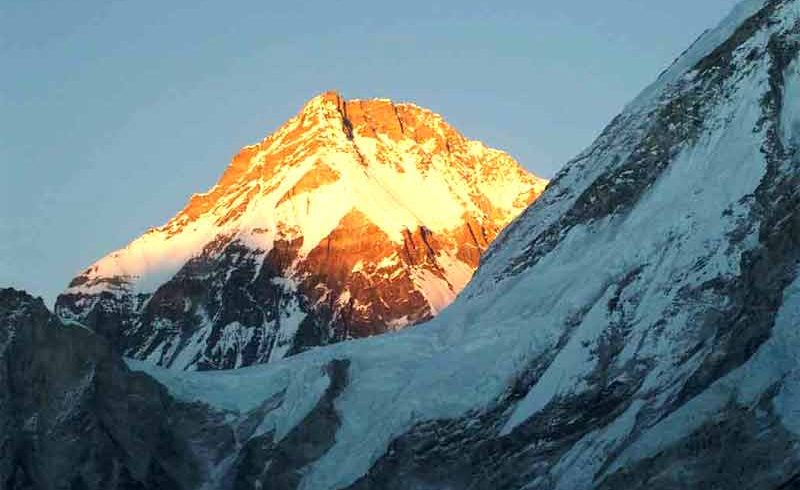
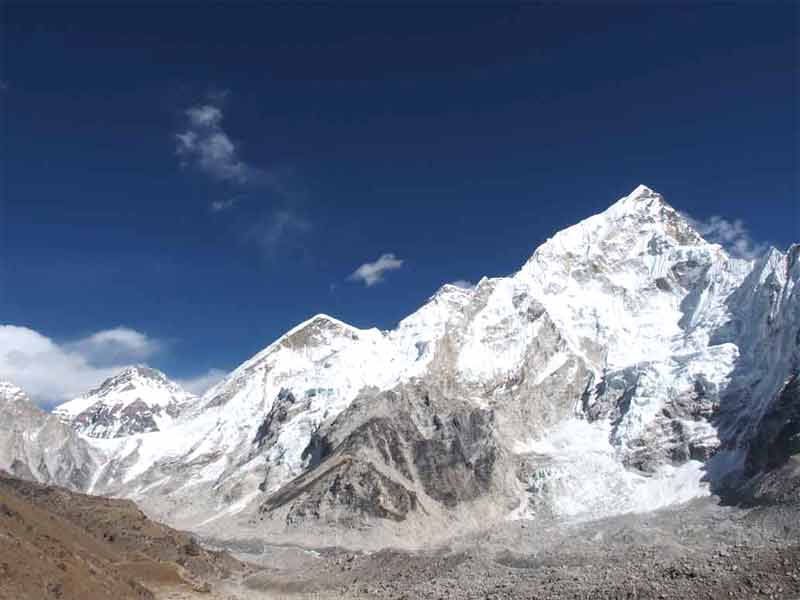
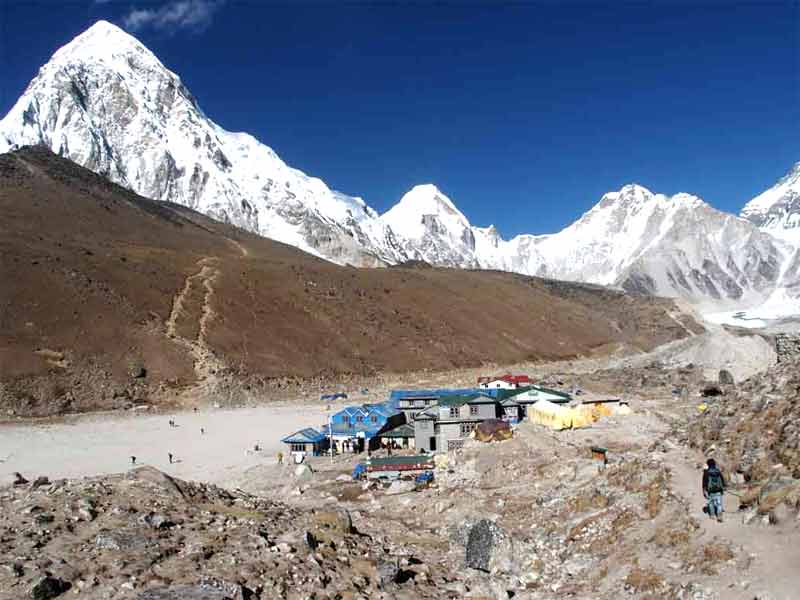
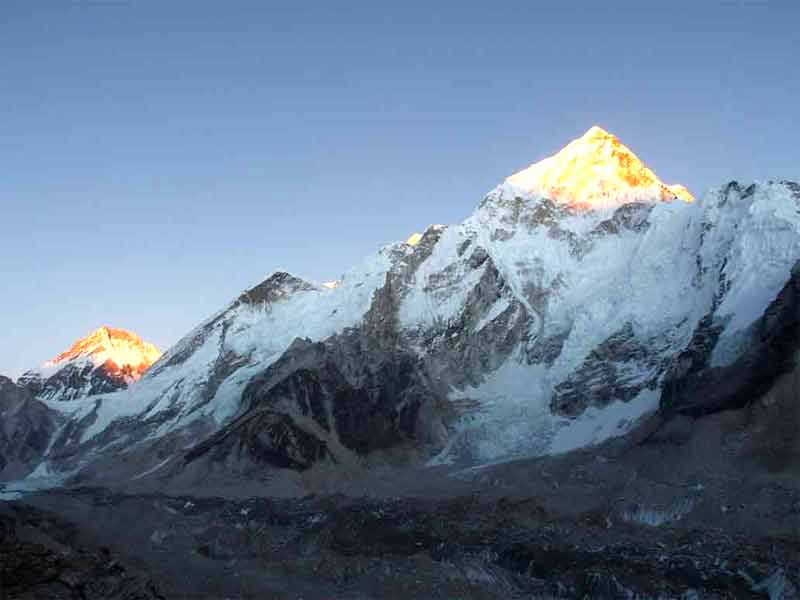
The Lukla to Everest Base Camp Trek is one of the most famous trekking adventures in the world. Located in Nepal’s spectacular Khumbu region, this journey takes trekkers through beautiful Himalayan landscapes, traditional Sherpa villages, ancient Buddhist monasteries, suspension bridges, and the heart of the world’s highest mountain range.
The trek begins in Lukla, a mountain town situated at approximately 2,860 meters above sea level. From Lukla, the trail follows the Dudh Koshi River valley through Phakding, Monjo, and Namche Bazaar before continuing toward Tengboche, Dingboche, Lobuche, and Everest Base Camp.
Everest Base Camp lies at approximately 5,364 meters (17,598 feet). It is the main staging area for mountaineering expeditions attempting to climb Mount Everest. Although trekkers do not climb to Everest’s summit, reaching base camp provides an unforgettable opportunity to experience the incredible Himalayan environment.
One of the major highlights of the journey is Kala Patthar, located at approximately 5,545 meters. This famous viewpoint offers magnificent views of Mount Everest, Nuptse, Lhotse, and other surrounding Himalayan peaks.
The Lukla to Everest Base Camp Trek is ideal for adventure lovers, mountain photographers, nature enthusiasts, and travelers who want to experience the unique culture of the Sherpa people. With proper preparation, gradual acclimatization, and support from an experienced trekking guide, this adventure can become one of the most memorable journeys of your life.
Lukla to Everest Base Camp Trek Highlights
Scenic flight from Kathmandu or Ramechhap to Lukla, depending on the season and flight operations.
Trek through the beautiful landscapes of Sagarmatha National Park.
Explore the traditional Sherpa settlements of Phakding, Namche Bazaar, and Khumjung.
Visit Tengboche Monastery, one of the most important Buddhist monasteries in the Everest region.
Enjoy spectacular views of Mount Everest, Lhotse, Nuptse, Ama Dablam, and Thamserku.
Cross exciting suspension bridges decorated with colorful prayer flags.
Experience the unique hospitality, culture, and traditions of the Sherpa community.
Visit Dingboche and Lobuche, two important high-altitude trekking settlements.
Reach Everest Base Camp at approximately 5,364 meters.
Hike to Kala Patthar for outstanding views of Mount Everest.
Explore the glaciers, rugged valleys, and dramatic mountain scenery of the Khumbu region.
Where Is Everest Base Camp Located?
Everest Base Camp is located in the Khumbu region of northeastern Nepal, within Sagarmatha National Park. The region lies close to the border between Nepal and Tibet, China.
Mount Everest, known as Sagarmatha in Nepali and Chomolungma in Tibetan, reaches 8,848.86 meters above sea level. The mountain attracts climbers from around the world, while thousands of trekkers visit the Everest region to experience its landscapes and mountain culture.
The trekking route passes through the Dudh Koshi Valley and the Khumbu Valley, gradually ascending from forested lower elevations to alpine terrain and glacial landscapes.
Namche Bazaar serves as the main trading and service center of the region. Dingboche and Lobuche provide important overnight stops before trekkers continue toward Everest Base Camp.
The trek offers opportunities to learn about Sherpa culture, Buddhist traditions, mountain ecosystems, and the history of Himalayan mountaineering.
Major Attractions Along the Trek
Lukla is the starting point for many Everest-region adventures. It has trekking shops, lodges, restaurants, and equipment services. The flight into Lukla offers impressive views of the Himalayan landscape.
Namche Bazaar (3,440 m)
Namche Bazaar is a lively Sherpa town built along a mountainside. It is an important acclimatization stop and offers shops, bakeries, museums, cafes, and spectacular mountain viewpoints.
Tengboche Monastery (3,860 m)
Tengboche Monastery is an important spiritual center for the Sherpa community. Surrounded by Himalayan peaks, it offers a wonderful opportunity to learn about Tibetan Buddhist traditions and local culture.
Dingboche (4,410 m)
Dingboche is a traditional high-altitude settlement surrounded by stone-walled fields and dramatic mountains. It is an important place to rest and acclimatize before continuing toward Everest Base Camp.
Lobuche (4,910 m)
Lobuche is a small settlement close to the Khumbu Glacier. It provides accommodation for trekkers and serves as an important overnight stop before the final approach to Everest Base Camp.
Everest Base Camp (5,364 m)
Everest Base Camp is the primary destination of the trek. During the spring climbing season, expedition tents may be visible, depending on the year’s activities. Outside the climbing season, the landscape is quieter and dominated by glaciers and rugged mountain terrain.
Kala Patthar (5,545 m)
Kala Patthar is one of the best viewpoints for seeing Mount Everest. The early-morning hike is steep and physically demanding because of the altitude, but the views of Everest, Nuptse, and neighboring peaks can be extraordinary.
Trekking Difficulty
The Lukla to Everest Base Camp Trek is considered a moderate-to-challenging high-altitude trek. It does not require technical mountaineering skills, but it demands good preparation, physical stamina, and a willingness to walk for several hours on consecutive days.
Most trekking days involve approximately 4–8 hours of walking. The route includes steep ascents, rocky trails, uneven surfaces, suspension bridges, and sections exposed to cold or windy weather.
Altitude is the most important challenge. Trekkers sleep above 3,000 meters for several nights, and the highest overnight stops are close to 5,200 meters at Gorak Shep.
Beginners can complete the trek if they prepare appropriately, walk at a steady pace, and follow a sensible acclimatization schedule. Previous hiking experience is helpful but not essential.
Best Time for Everest Base Camp Trek
Spring (March–May): Spring is one of the most popular trekking seasons. The weather often becomes warmer, rhododendrons bloom at lower elevations, and Everest expeditions begin arriving at base camp.
Autumn (September–November): Autumn generally offers excellent trekking conditions, clear mountain views, and comfortable daytime temperatures. October and November are particularly popular.
Winter (December–February): Winter trekking is possible, but temperatures can be very cold, and snow or ice may affect the trail. Proper winter clothing and flexible planning are essential.
Monsoon (June–August): Rain and cloud can affect flights and lower sections of the route. The Everest region is less affected by rainfall than some southern areas of Nepal, but visibility, trail conditions, and transport can still be challenging.
Permits Required
Trekkers generally need the following permits or entry authorizations for the standard Everest Base Camp route:
Sagarmatha National Park Entry Permit: Required for entry into the national park.
Khumbu Pasang Lhamu Rural Municipality entry permit: The local entry permit required for trekkers entering the Khumbu region.
Fees and procedures may change, so your trekking agency should confirm the current requirements before departure. Carry your passport and permit documents throughout the journey.
Accommodation During the Trek
The Everest Base Camp Trek is mainly a teahouse trek. Most overnight stops have lodges offering rooms with beds, blankets, and shared dining areas.
Accommodation in Lukla and Namche Bazaar is generally more varied than in the higher villages. As you ascend toward Dingboche, Lobuche, and Gorak Shep, facilities become simpler and temperatures colder.
Private rooms may be available, but availability depends on the lodge and season. Shared bathrooms are common at higher elevations, and hot showers, Wi-Fi, and device charging may cost extra.
Booking through a trekking agency can help coordinate accommodation during busy trekking seasons.
Food and Drinking Water
Teahouses offer a range of meals suitable for trekking. Common options include
- Dal bhat,
- Noodles,
- Fried rice,
- Soups,
- Potatoes,
- Eggs,
- Porridge,
- Pancakes, and pasta.
Dal bhat is a popular choice because it provides carbohydrates and other nutrients needed for long walking days. Vegetarian meals are widely available, although menus may become more limited at higher elevations.
Drink sufficient safe water throughout the trek. Use boiled, filtered, or properly treated water, and carry a reusable bottle. Avoid drinking untreated water directly from streams or taps.
It is also advisable to limit alcohol during acclimatization and avoid smoking, as these can make high-altitude trekking more difficult
Guide and Porter Services
A guide helps with navigation, accommodation, cultural interpretation, communication with local communities, and decisions about weather and altitude.
A porter can carry your main luggage, allowing you to walk with a lighter daypack. Discuss baggage limits in advance and ensure porters have suitable clothing, equipment, insurance, and fair working conditions.
For a first-time visitor to Nepal, a guided trek is a practical way to manage logistics and understand the region’s culture and environment.
Equipment and Packing List
Prepare for changing temperatures and high-altitude conditions.
Clothing for the trek
- Thermal base layers.
- Fleece or insulated mid-layer.
- Warm down jacket.
- Waterproof and windproof jacket and trousers.
- Trekking trousers and shirts.
- Warm hat, gloves, and sun hat.
- Trekking socks and comfortable sleepwear.
Footwear and equipment
- Well-fitting trekking boots.
- Lightweight shoes or sandals for evenings.
- Daypack with rain cover.
- Trekking poles.
- Sleeping bag suitable for expected temperatures.
- Headlamp and spare batteries.
- Sunglasses and sunscreen.
- Reusable water bottles and water-treatment supplies.
Personal items
- Basic first-aid kit and personal medication.
- Toiletries and quick-drying towel.
- Passport, permits, and travel insurance.
- Power bank and charging cables.
- Cash in Nepalese rupees.
Your final packing list should reflect the season and the accommodation arrangements provided by Nepal Alsace Trek.
Altitude Sickness and Safety
Altitude sickness is a significant concern on the Everest Base Camp Trek. The reduced oxygen availability at high elevations can affect anyone, regardless of age or fitness.
Common symptoms may include headache, nausea, dizziness, loss of appetite, and unusual fatigue. Never ignore symptoms that develop or worsen during ascent.
The most important precautions are gradual ascent, planned acclimatization days, adequate hydration, and listening to your body. If symptoms worsen, stop ascending and seek advice from your guide or a medical professional. Severe symptoms require immediate descent and urgent medical care.
Travel insurance should cover trekking at the maximum altitude of your itinerary and emergency helicopter evacuation. Check all exclusions before traveling.
Weather and flight delays are also common considerations in the Everest region. Keep at least one flexible day after the planned return flight from Lukla whenever possible.
Why Choose Lukla to Everest Base Camp Trek?
The Lukla to Everest Base Camp Trek is an outstanding way to experience the world’s highest mountains without attempting a technical climbing expedition.
It combines dramatic Himalayan scenery, authentic Sherpa culture, ancient Buddhist monasteries, glacial landscapes, and a strong sense of achievement.
The journey is also highly customizable. Trekkers can choose a standard 12–14-day itinerary, extend the trip with Gokyo Lakes or the Three Passes, or arrange a private trip with a guide and porter.
With careful planning, responsible trekking practices, and appropriate acclimatization, the adventure offers an unforgettable introduction to Nepal’s Khumbu region.
Frequently Asked Questions (FAQs)
How many days are required for the Lukla to Everest Base Camp Trek?
Most trekkers need around 12–14 days for the complete trip from Kathmandu and back, including acclimatization.
What is the altitude of Everest Base Camp?
Everest Base Camp in Nepal is approximately 5,364 meters (17,598 feet) above sea level.3. How high is Kala Patthar?
Kala Patthar is approximately 5,545 meters above sea level.
Is the Everest Base Camp Trek suitable for beginners?
Yes, beginners can complete it with appropriate preparation, a gradual itinerary, and sufficient acclimatization.
Do I need a guide?
A guide is strongly recommended for support with navigation, logistics, cultural information, and safety. Current local requirements should be checked before travel.
Are Lukla flights included in the package?
Flights are included only if specified in the package. Confirm the departure airport, baggage allowance, and contingency arrangements before booking.
Can I hire a guide or porter in Lukla?
Yes, guide and porter services can be arranged in advance or through local trekking agencies. Advance arrangements help clarify availability, costs, and responsibilities.
What is the best month for the trek?
April, May, October, and November are popular months for trekking, although weather varies from year to year.
Is accommodation available at Everest Base Camp?
Ordinary trekking accommodation is available at Gorak Shep, near Everest Base Camp. Base camp itself is not a regular teahouse overnight stop for standard trekking itineraries.
Is the trek physically difficult?
It is a demanding high-altitude walking journey, but it does not require technical climbing skills. Preparation and acclimatization are essential.
What happens if the Lukla flight is canceled?
Flights may be delayed or canceled due to weather. You may need to wait for improved conditions or consider an alternative arrangement, depending on availability and cost.
Conclusion
The Lukla to Everest Base Camp Trek is a remarkable Himalayan adventure that brings travelers close to Mount Everest and introduces them to the culture, traditions, and natural beauty of the Khumbu region.
From the mountain flight to Lukla and the lively streets of Namche Bazaar to Tengboche Monastery, the Khumbu Glacier, and the breathtaking viewpoint of Kala Patthar, every stage offers something special.
Whether you travel independently where permitted or choose a guided package with a local trekking agency, careful preparation and respect for the mountain environment are essential.
With a well-planned itinerary, reliable local support, and adequate acclimatization, the Lukla to Everest Base Camp Trek can become a truly unforgettable experience in Nepal.
.
| Day | Destination | Altitude | Walking Hour | Accommodation |
|---|---|---|---|---|
| 1 | Trek to Phakding | 2610 | 3 hours | Lodge |
| 2 | Phakding-Namche Bazaar | 3440 | Acclimatization Namche visit Namche Museum | Lodge |
| 3 | Namche-Tengboche | 3860 | 5-6 hours | Lodge |
| 4 | Tenbgboche-Dingboche | 4410 | 5-6 hours | Lodge |
| 5 | Acclimatization in Dingboche | 4410 | Day hike to Nagarjun Hill (5,050m) or Chhukung Valley. | Lodge |
| 6 | Dingboche-Lobuche | 4910 | 4-5 hours | Lodge |
| 7 | Lobuche → Gorakshep (5,140m) → Everest Base Camp (5,364m) → Return to Gorakshep | 5140 | 7-8 hours | Lodge |
| 8 | Hike to Kala Patthar (5,545m) → Pheriche (4,240m) | 4210 | 7-8 hours | Lodge |
| 9 | Pheriche-Phortse wold Sherpa village | 3810 | 5-6 hours | Lodge |
| 10 | Phortse -Monjo | 2835 | 6-7 hours | Lodge |
| 11 | Monjo-Lukla | 2800 | 5-hours | Lodge |
Lukla to Everest Base camp Trek cost 790 $ >
cost includes
- 1. Experienced Trekking Guide
- An experienced, English-speaking trekking guide will lead the journey from Lukla to Everest Base Camp and back. The guide helps organize daily walks, manage accommodation arrangements, explain local culture, and provide guidance on altitude awareness and trekking safety.
- 2. Accommodation During the Trek
- Accommodation in local teahouses or mountain lodges is generally included throughout the trek. Rooms are usually basic and may be shared, depending on availability and the package arrangement. Hotel accommodation in Kathmandu is included only if stated in the itinerary.
- 3. Meals During the Trek
- Breakfast, lunch, and dinner may be included during trekking days, depending on the package. Meals are generally served at teahouses and include options such as rice, lentils, vegetables, noodles, soup, potatoes, and other locally available dishes. Check the package details to confirm which meals are covered.
- 4. Trekking Permits and Local Fees
- Required trekking permits and applicable local entry fees may be included in the package price. Your agency should explain which permits and fees are covered before departure.
- 5. Porter Services
- Porter services may be included to carry the main luggage during the trek. The number of porters and the luggage allowance depend on the package. Trekkers should carry their own daypacks containing essential personal items.
- 6. First-Aid Support and Trekking Arrangements
- The guide can provide basic first-aid assistance and help coordinate support if a health or weather problem occurs. Basic trip administration and arrangements are also generally included as agreed with the trekking agency.
- 7. Trekking Equipment (If Specified)
- Some packages provide a trekking map, duffel bag, sleeping bag, down jacket, or basic trekking equipment. Please confirm which items are supplied, rented, or available at an additional cost before the trek.
Everest Base Camp trek from Lukla Cost excludes
- 1. Airport Transfers and Transportation
- The package may include airport transfers in Kathmandu between Tribhuvan International Airport and your hotel. Domestic flights between Kathmandu or Ramechhap and Lukla are included only if specifically mentioned in your trekking package.
- 2. International Airfare and Nepal Visa
- International flights to and from Nepal and Nepal tourist visa fees are generally excluded. Travelers are responsible for arranging these expenses.
- 3. Travel and Rescue Insurance
- Personal travel insurance is not normally included. Trekkers should arrange insurance that covers high-altitude trekking and emergency helicopter evacuation up to the maximum altitude of their itinerary.
- 4. Meals in Kathmandu
- Lunch and dinner in Kathmandu are usually excluded unless specified in the package. Additional meals during unexpected overnight stays may also incur extra costs.
- 5. Drinks and Personal Expenses
- Bottled water, Hot & soft drinks, alcoholic beverages, extra tea or coffee, snacks, chocolates, and other personal purchases are generally excluded. Trekkers should budget for these expenses throughout the journey.
- 6. Hot Showers, Wi-Fi, and Battery Charging
- Teahouses may charge extra for hot showers, internet access, and charging mobile phones, cameras, or power banks, particularly at higher elevations.
- 7. Personal Trekking Equipment
- Trekking boots, warm clothing, gloves, sunglasses, sunscreen, personal toiletries, and other individual necessities are generally not included. Equipment rental may be available at an additional cost.
- 8. Tips for Guides and Porters
- Tips for guides and porters are not included in the package price. They are optional and can be given in appreciation of good service.
- 9. Emergency Evacuation and Extra Expenses
- Helicopter evacuation, medical treatment, and additional accommodation or transportation caused by illness, weather delays, or flight cancellations are generally excluded unless explicitly covered by the package or insurance.
- Important Information Before Booking
- The exact inclusions and exclusions depend on the trekking agency and package selected. Before booking your Lukla to Everest Base Camp Trek, request a written breakdown of flights, permits, meals, accommodation, guide services, porter allowances, and possible extra costs.
From March to May and September to November.
Yes, sure, we can book it if you order for us.
We arrange a Helicopter Service, or if you have time, you can take the Shearing Jeep to Kathmandu, but it takes 2 days.
Yes, there are many Tourist and Nepali Guide porters during the trek. Therefore, our guide will book a room in advance.
Most of the Lodge has Wi-Fi, you can use this, but they will charge 400 to 1500 NPR, depending on the place.
If you are a single Person, the Lukla to Everest Base Camp trek costs 200$ more in our price list on the website.
No problem, Our Guide and Porter are very honest, and they will take care of you while on your Everest Trek.
Altitude Chart